

Your taste comes from your body chemistry. Your body chemistry comes from what you eat. Change the food, change the taste — within days.
This is not a myth. The compounds in what you eat and drink enter your bloodstream, get metabolized, and end up in every secretion your body produces — including the ones your partner tastes. The bitter proteins in red meat show up as a sharper flavor. The fructose in pineapple shifts the sweetness profile. The sulfur in garlic makes everything smell and taste worse within two hours of eating it.
Here are the 25 foods that move the needle in the right direction — ranked by how much impact they actually have — plus the 10 you need to cut if you're serious about tasting better.
What's Inside
How Food Changes How You Taste
Body secretions — sweat, saliva, vaginal fluid, semen — all reflect blood chemistry. Your blood is your body's transport system: it carries nutrients, metabolic byproducts, and chemical compounds from food to every tissue and gland.
Taste-improving foods work through three main mechanisms:
- Natural sugars (fructose, glucose) — shift sweetness in secretions
- Enzyme and antioxidant compounds — neutralize bitter metabolic waste products
- Chlorophyll — binds to and removes bitter compound molecules
The timeline: fast-metabolizing foods (garlic, asparagus) appear in secretions within 2 hours. Fructose-based improvements build over 3–5 days of consistent intake. Full dietary improvement takes 7–14 days of daily consistency.
1–8: The Fruits That Move the Needle Most
1. Fresh Pineapple
The gold standard — and it's earned the reputation. Fresh pineapple contains bromelain (a group of digestive enzymes unique to pineapple) and high fructose content. Together they shift semen and vaginal secretion chemistry more reliably than any other single food. The key word is fresh: canned pineapple loses most of its bromelain in the heat processing. Frozen is better than canned. Fresh is best. 1–2 cups daily.
2. Mango
High in fructose and loaded with beta-carotene and vitamins that support overall body health and secretion quality. Mango has a more intense sweetness than pineapple and a noticeable effect on body taste within 3–5 days of daily consumption. Particularly effective for women — partners consistently report a sweeter, fruitier profile with regular mango intake.
3. Watermelon
Watermelon is 92% water, which means it delivers hydration alongside fructose. The two combine to dilute bitter compounds and replace them with natural sweetness. Easy to eat in large quantities. A daily 2-cup serving of fresh watermelon is one of the most sustainable taste-improving habits you can build, especially in summer months.
4. Berries (Blueberries, Strawberries, Raspberries)
All berries are high in antioxidants that neutralize oxidative compounds — which are a significant driver of bitter, sharp taste. Strawberries specifically have high fructose and vitamin C. A mixed berry serving daily (fresh or frozen) supports taste improvement alongside other fruits. The antioxidant effect compounds over a week of consistent intake.
5. Papaya
Contains papain — an enzyme similar in function to bromelain. Papain breaks down protein-derived bitter compounds and supports digestive health, reducing the metabolic waste that ends up in secretions. Papaya is underrated in this context and often overlooked because pineapple gets all the attention. Including both provides complementary enzyme coverage.
6. Kiwi
Extremely high in vitamin C — a single kiwi provides more than an orange. Vitamin C is directly involved in tissue health and secretion freshness. Multiple studies link adequate vitamin C intake to improved overall body secretion quality. Kiwi also has a mild natural sweetness that contributes to taste over time.
7. Peaches and Nectarines
High in natural sugars and a good source of potassium, which supports overall mineral balance in body fluids. The sweetness profile of peaches is different from pineapple or mango — lighter, more delicate — but cumulative over 5–7 days of daily eating.
8. Grapes
High in resveratrol (antioxidant), natural sugars, and water content. Red and purple grapes specifically have higher antioxidant content than green. A cup of grapes daily adds flavor-improving fructose and neutralizes some bitter oxidative compounds. Best paired with other fruits on this list rather than used alone.
9–14: Herbs and Greens
9. Fresh Parsley
Pound for pound, fresh parsley has more chlorophyll than almost any other food. Chlorophyll directly binds bitter metabolic compounds and helps your body eliminate them. A tablespoon of fresh parsley daily — in a salad, blended in a smoothie, chewed directly — produces a measurable difference within 3–5 days. This is not folk medicine; chlorophyll's effect on body odor and secretion quality is well-documented.
10. Fresh Mint
Mint is cooling, alkaline, and chlorophyll-rich. Drinking mint tea instead of a second coffee, or eating fresh mint in a yogurt or salad, contributes to a fresher overall body chemistry. The menthol compounds also have a mild neutralizing effect on bitter metabolites. Easy daily habit with real impact over a week.
11. Spinach
Dark leafy greens are all high in chlorophyll. Spinach is the easiest to integrate — in smoothies, salads, or sautéed as a side. The chlorophyll content of a two-cup spinach serving is significant and works continuously if consumed daily. Best combined with the fruits in this list for a compounding effect.
12. Wheatgrass
Dense chlorophyll content in a small volume. One ounce of wheatgrass juice contains roughly 70% chlorophyll by dry weight. The taste is challenging, but the effect on body secretion chemistry is among the highest of any food. Wheatgrass shots at a juice bar or wheatgrass powder in a smoothie both work. Not for everyone, but effective for those who commit to it.
13. Cilantro
Cilantro's flavor is divisive, but its effect on body chemistry is useful — it's a natural chelation agent that helps remove certain metals and bitter compounds from the body through digestive function. People who eat cilantro regularly report a consistently fresher overall secretion profile. About half the population finds cilantro tastes like soap (genetics, not choice), so this one isn't universal.
14. Celery
High water content, phthalides (which reduce stress hormones that affect secretion chemistry), and natural alkaline minerals. Celery acts as a hydration enhancer — eating it with other foods delivers additional water and minerals that support freshness. Not dramatic on its own but a strong supporting player in a taste-improvement diet.
15–18: Drinks and Hydration
15. Water — 3 Liters Per Day
The single most underrated taste improvement factor. Adequate hydration dilutes every bitter compound in your body and directly affects the concentration of minerals and metabolic waste in secretions. No food on this list substitutes for proper hydration. Three liters per day is the target — more if you exercise heavily or drink coffee.
16. Coconut Water
Natural electrolytes, potassium, and mild natural sweetness. Coconut water hydrates more efficiently than plain water because of the electrolyte balance. It also contains natural sugars that contribute modestly to sweeter body chemistry. A small serving (8–12 oz) daily, not as a sugar bomb, but as a hydration enhancer alongside plain water.
17. Pineapple Juice (100% Only)
Less effective than fresh pineapple because heat processing reduces enzyme content, but still useful — particularly the fructose and remaining bromelain. Stick to 100% juice with no added sugar. An 8-oz glass has about 28g of natural sugar, so if you're watching sugar intake, fresh fruit or a concentrated supplement is preferable.
18. Green Tea
High in catechins — antioxidants that reduce oxidative compounds in body chemistry. Lower in acid than coffee, and the moderate caffeine is less harsh on secretion chemistry than multiple coffees per day. Replacing afternoon coffee with green tea is a simple swap with real taste-improving implications over a week.
19–25: Supporting Foods That Compound Your Results
19. Cinnamon
A teaspoon of cinnamon daily influences body chemistry in a measurable way — it has natural antimicrobial properties and a sweetening effect on secretions used historically in herbal practices. Add it to morning oatmeal, coffee, or a smoothie. Small daily habit, genuine cumulative effect over a week.
20. Yogurt (Plain, Unsweetened)
For women specifically, the cultures in plain yogurt support the balance of vaginal microflora — which directly affects vaginal taste and smell. Sweetened yogurt with fruit is less effective because of added sugar. Plain Greek yogurt daily is the practical application.
21. Almonds
High in vitamin E, zinc, and healthy fats. Zinc specifically is essential to healthy reproductive system function, and zinc deficiency is associated with sharper, more chemical-tasting semen. A handful of almonds daily supports the mineral profile of seminal fluid.
22. Avocado
Healthy monounsaturated fats support hormone balance and overall reproductive health. Avocado also contains B vitamins and potassium. The fat content slows the absorption of sugar spikes from fruit, producing a more sustained contribution to body chemistry rather than a sharp spike and dip.
23. Cucumber
Over 95% water. Mild, alkaline, and hydrating. Adding cucumber to meals increases daily water intake without forcing you to drink more plain water. Alkaline foods generally support a more neutral body pH, which tends to produce a cleaner, milder taste profile.
24. Lemon Water
Despite being acidic itself, lemon metabolizes to an alkaline compound in the body. Daily lemon water first thing in the morning is a consistent habit that supports overall body chemistry alkalinity and promotes kidney function — the organ responsible for filtering the bitter compounds that end up in secretions.
25. Sweet Potato
High in beta-carotene, vitamin C, and natural complex sugars. Sweet potato is a slow-releasing carbohydrate that maintains stable blood sugar — which supports more consistent, milder body chemistry. Better for sustained taste improvement than high-sugar simple carbs that spike and crash.
10 Foods That Actively Ruin Your Taste
You can eat every food on the list above and still taste bitter if you're also eating these consistently.
- Garlic — sulfur compounds appear within 2 hours, last 24–48 hours. Single biggest short-term offender.
- Onions and leeks — same mechanism as garlic, slightly milder but cumulative with daily consumption
- Beer — hop bitter compounds pass directly into secretions within 24 hours
- Cigarettes — chemical compounds persistent in all body fluids, hardest offender to overcome with diet
- Coffee (3+ cups daily) — acidic bitter compounds that accumulate with heavy consumption
- Red meat (daily) — protein breakdown produces ammonia compounds that raise semen bitterness
- Asparagus — sulfur compounds, fast-acting, avoid 24–48 hours before intimacy
- Broccoli and cauliflower — glucosinolates produce bitter metabolites; occasional is fine, daily heavy intake is not
- High-processed food diets — artificial additives and preservatives produce chemical, artificial bitterness
- Alcohol in general — dehydrates, concentrates bitter compounds, and directly influences secretion chemistry
Specific Notes for Women
The same foods work for improving vaginal taste and freshness — the mechanism is the same. But there are a few additions that matter specifically for women:
- Plain yogurt — the cultures support vaginal microflora balance, which is the primary driver of vaginal freshness. Yogurt matters more for women than for men for this reason.
- Cranberry — supports urinary tract health, which is closely connected to vaginal freshness. Cranberry extract (not cranberry cocktail) daily is effective.
- Avoiding douching and heavy fragrance soaps — these disrupt natural pH and make the dietary improvements you're making effectively invisible because the chemical disruption overrides body chemistry. Dietary improvements need to work from the inside, which requires not disrupting from the outside.
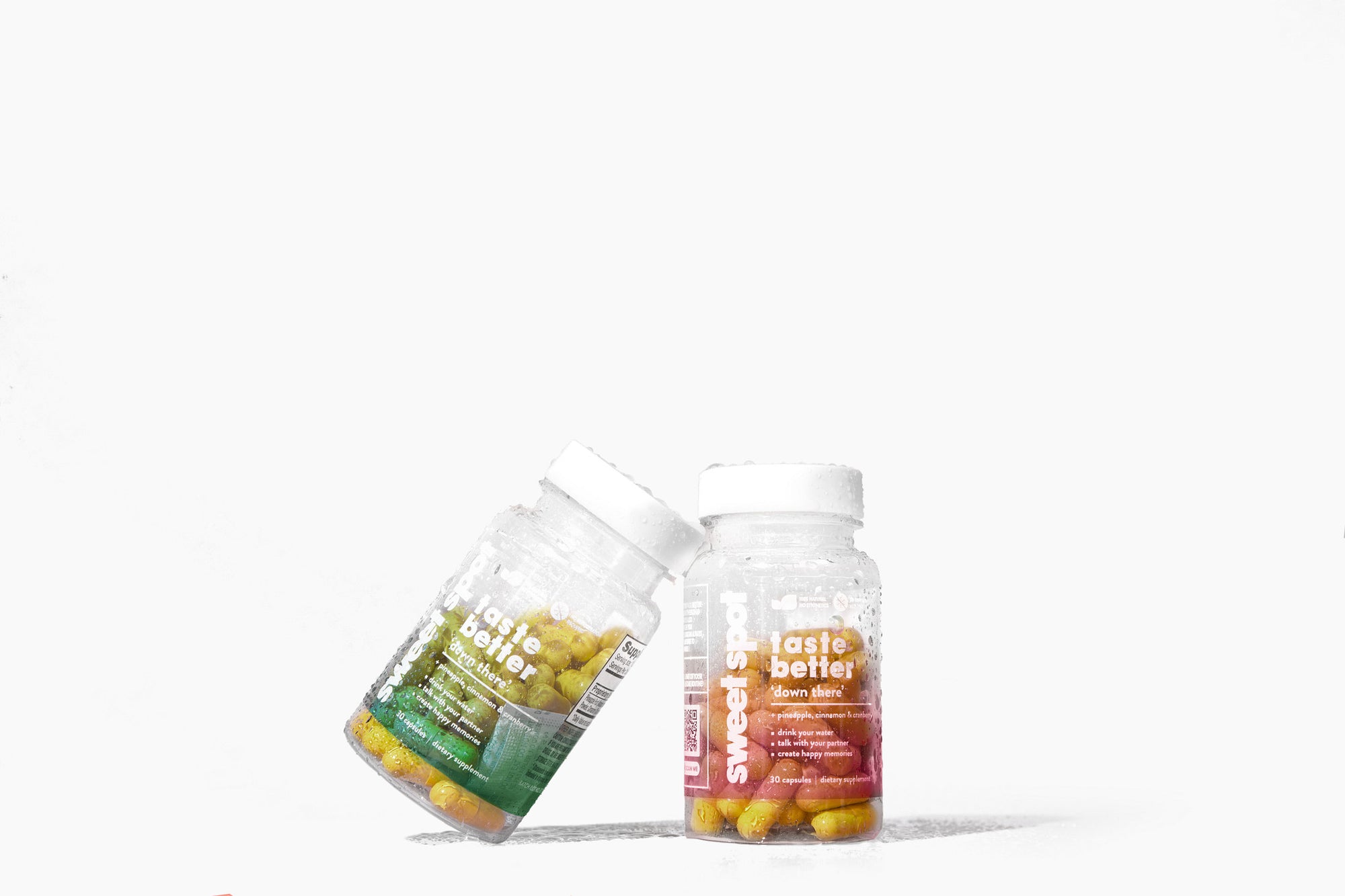
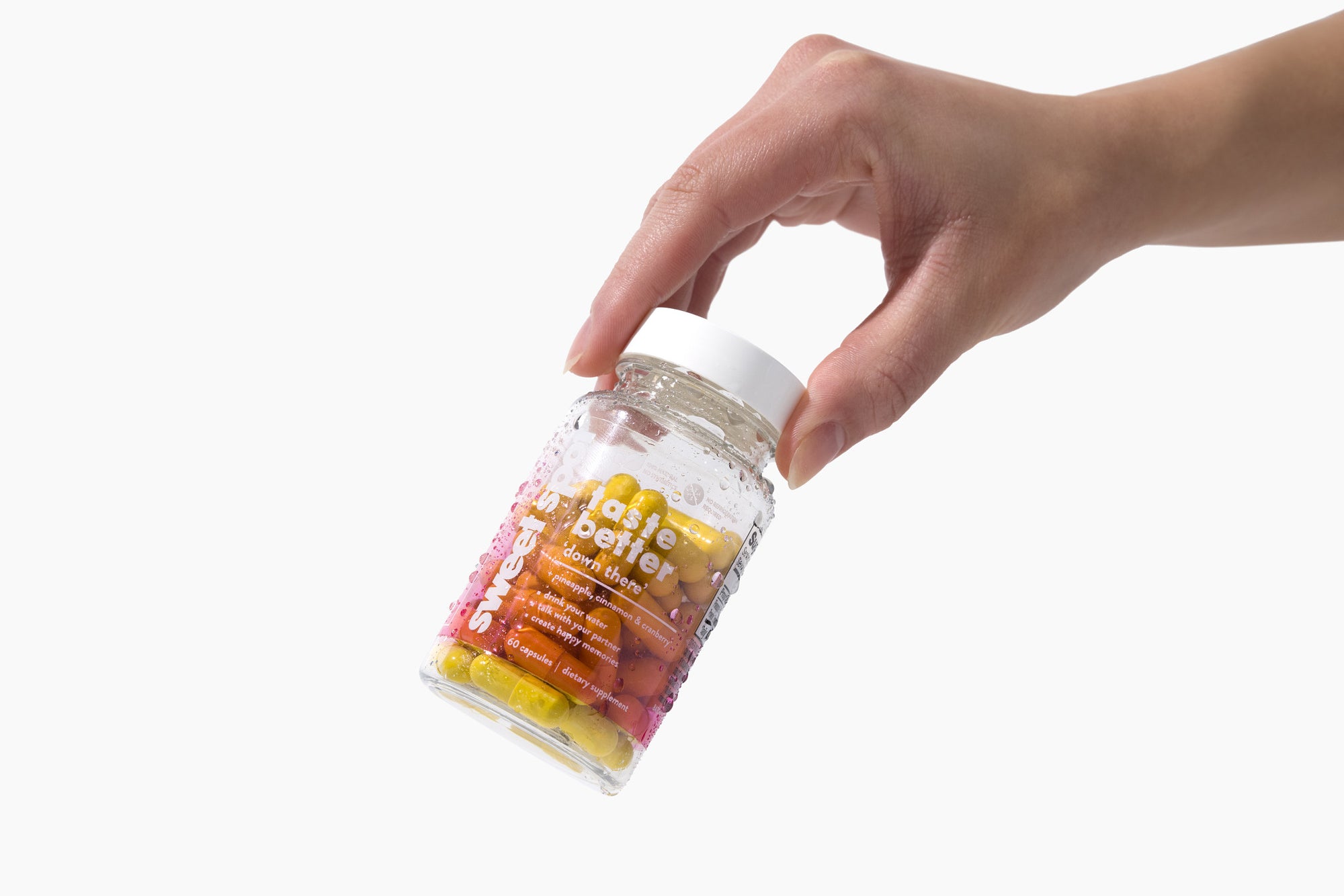
The women's version of a taste-improving supplement is formulated specifically for vaginal pH balance and freshness, combining cranberry extract, pineapple extract, and ingredients that support the specific needs of female body chemistry.
Frequently Asked Questions
How many of these foods do I need to eat per day to see results?
You don't need all 25. Start with the top tier: pineapple or mango (1–2 cups daily), parsley or mint (daily), adequate water (3 liters), and cut your top two offenders. That combination alone — done consistently for 7 days — produces noticeable results for most people.
Does eating all 25 foods accelerate the timeline?
Partially. There are diminishing returns — eating five fruits instead of two produces slightly more effect but not dramatically more. The biggest gains come from cutting offenders and adding the top four or five improving foods, not from trying to eat a complete list of 25 things daily.
Do these foods work differently for men and women?
The mechanism is the same — body chemistry reflects diet in both sexes. The specific compounds in secretions differ (semen vs. vaginal fluid have different chemical compositions), so the starting point and baseline taste is different. But the improving foods work through the same blood chemistry pathway for both.
Can I get these compounds from supplements instead of food?
Yes — quality supplements concentrate the active compounds (bromelain from pineapple, chlorophyll, cranberry) into a consistent daily dose. This solves the sustainability problem: eating 2 cups of fresh pineapple every day for months is impractical for most people. A supplement delivers the active compounds without requiring perfect daily dietary management.
The Bottom Line
The top 25 foods on this list all work. But eating six berries occasionally while still eating garlic daily does nothing. The practical approach: identify your two or three worst offenders, cut those immediately, then add the top fruits and greens from this list consistently. A supplement fills in the gaps on days when fresh fruit isn't available. Consistency over two weeks produces results that random daily changes over a month don't.
When Eating Everything on This List Isn't Realistic
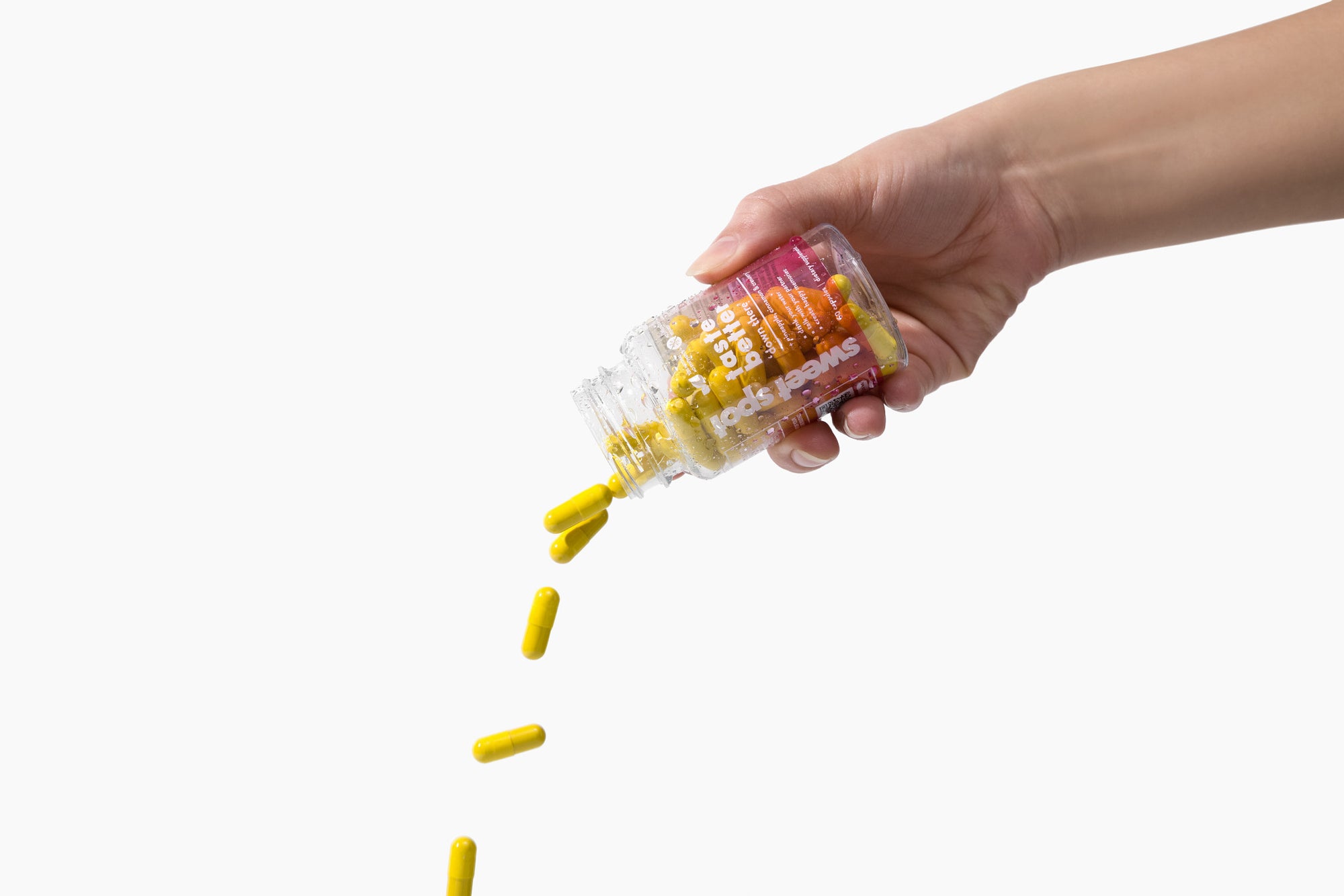
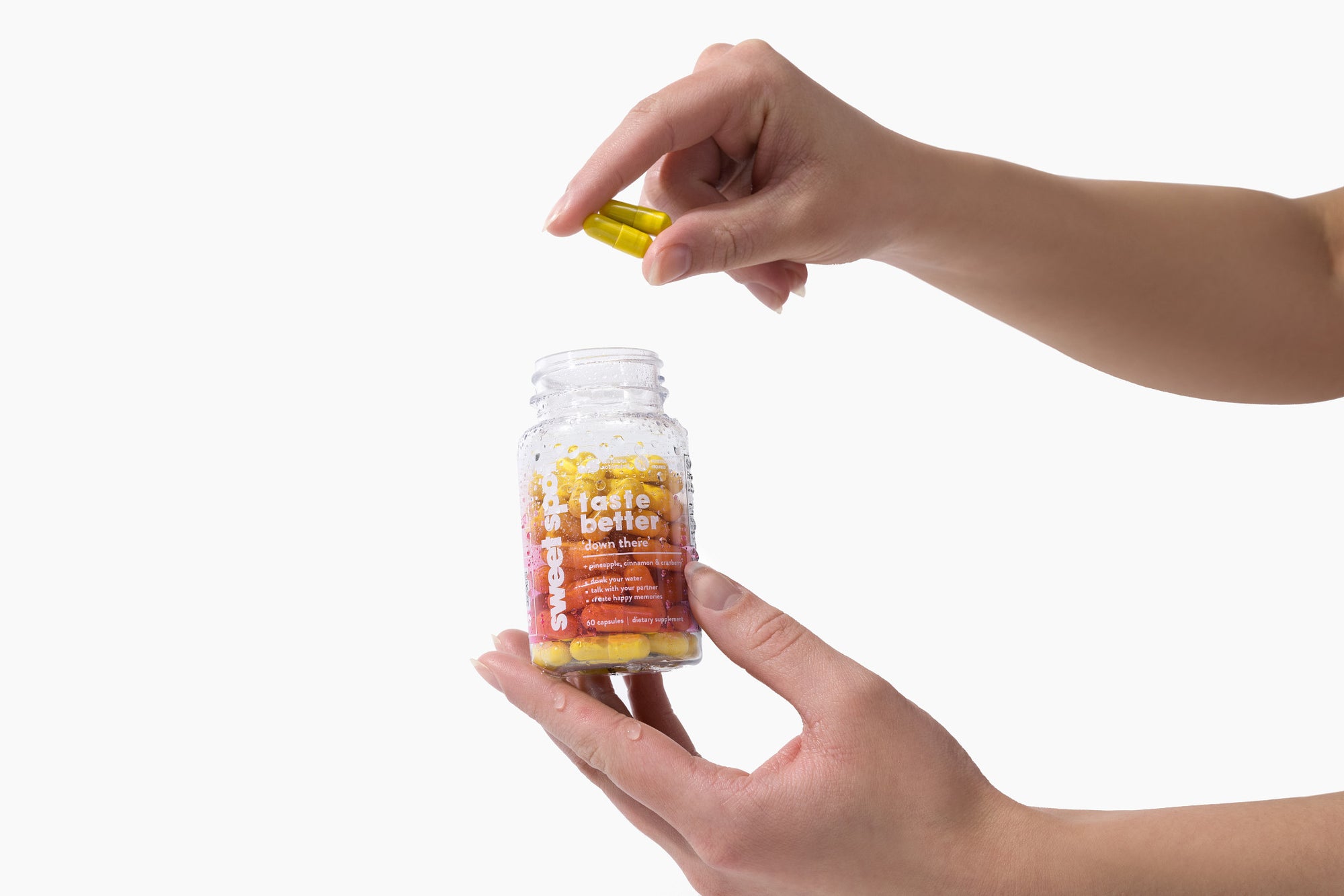
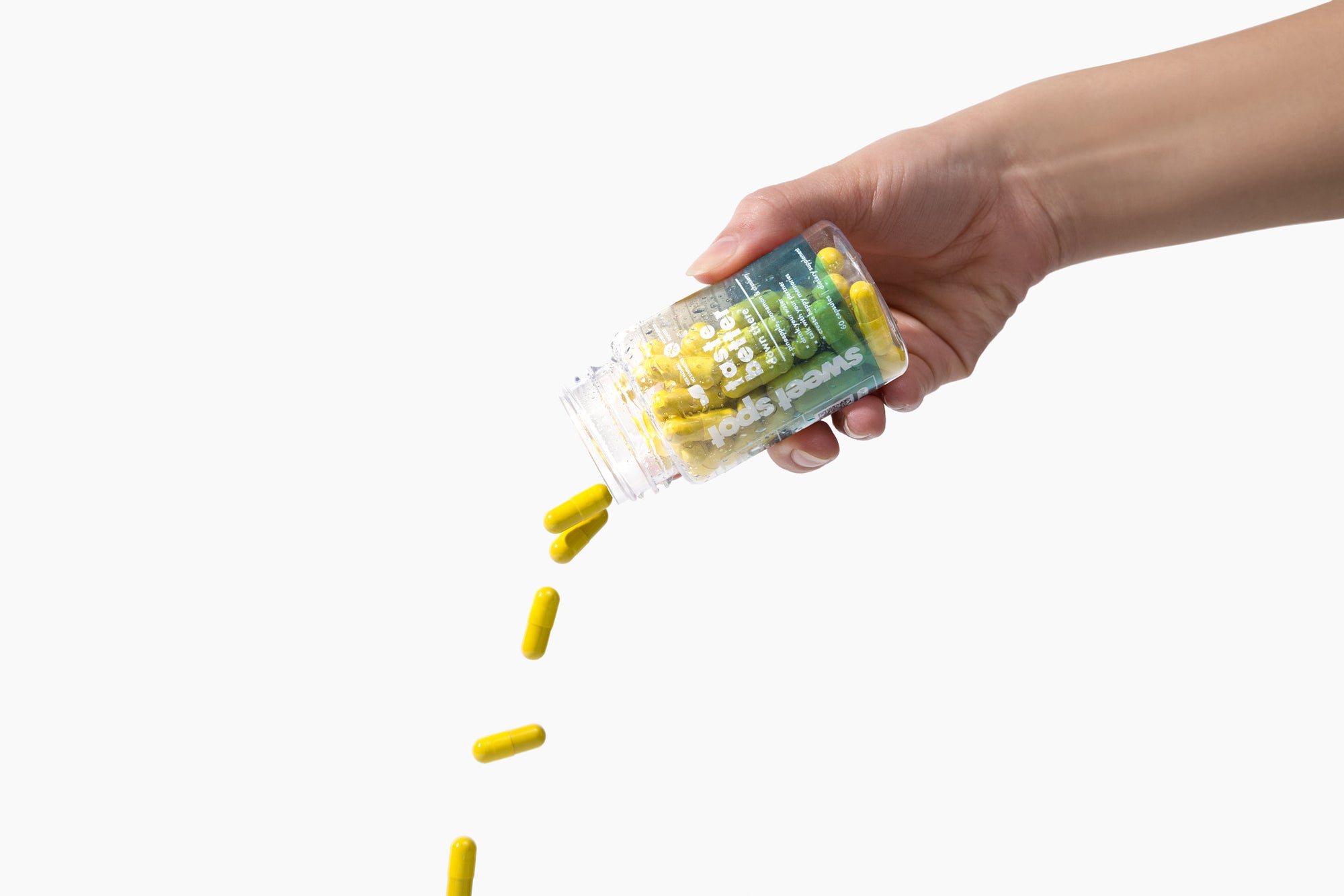
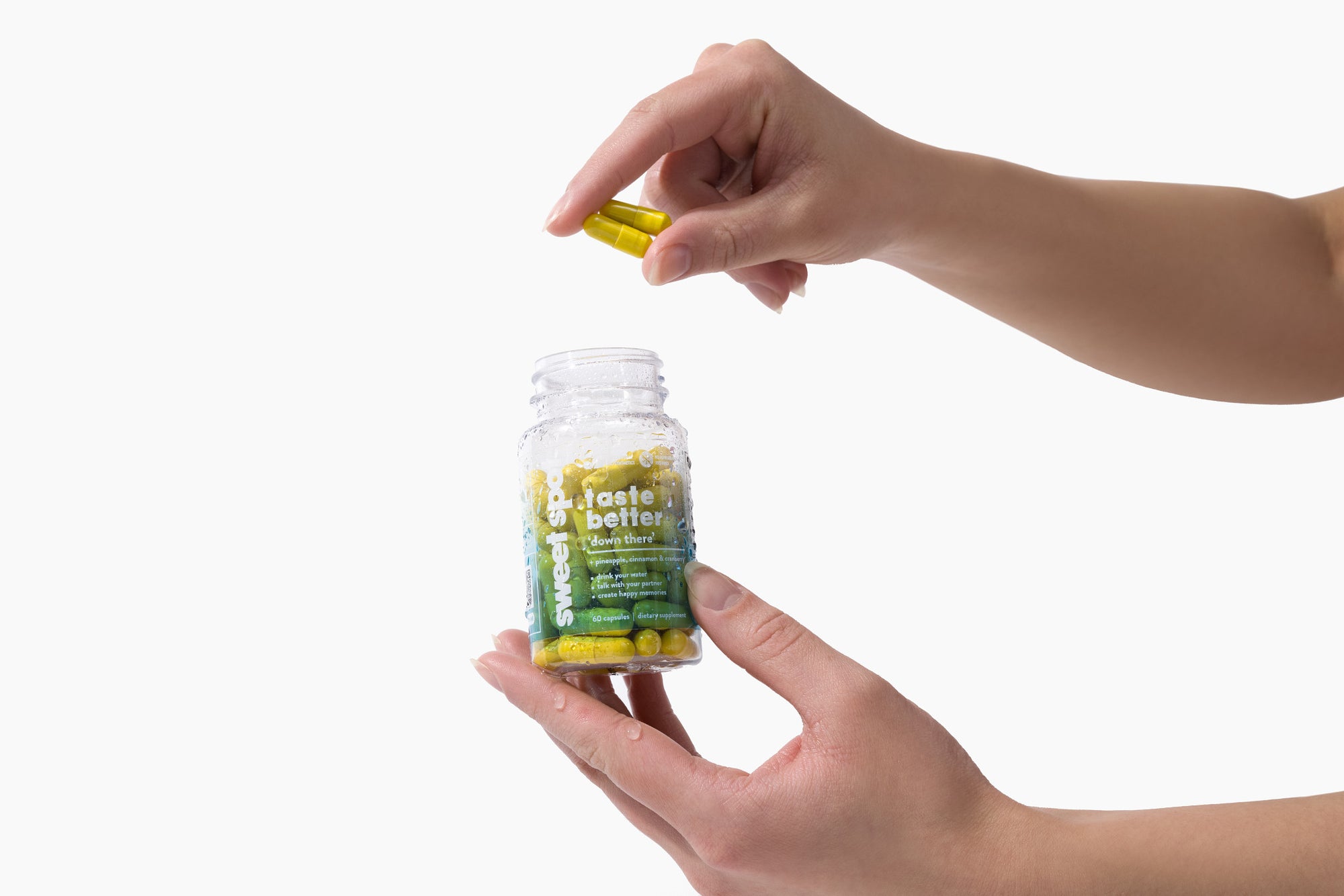
A daily supplement concentrates what matters most — pineapple extract, bromelain, chlorophyll, cranberry, and cinnamon — into one capsule so dietary perfection doesn't have to be the goal.
FOR HIM — for men wanting to taste sweeter for their partner.
FOR HER — formulated for women's specific taste and freshness needs.
- 60 capsules — 30-day supply
- Made in the USA, no artificial ingredients
- Works alongside the dietary changes above for fastest results