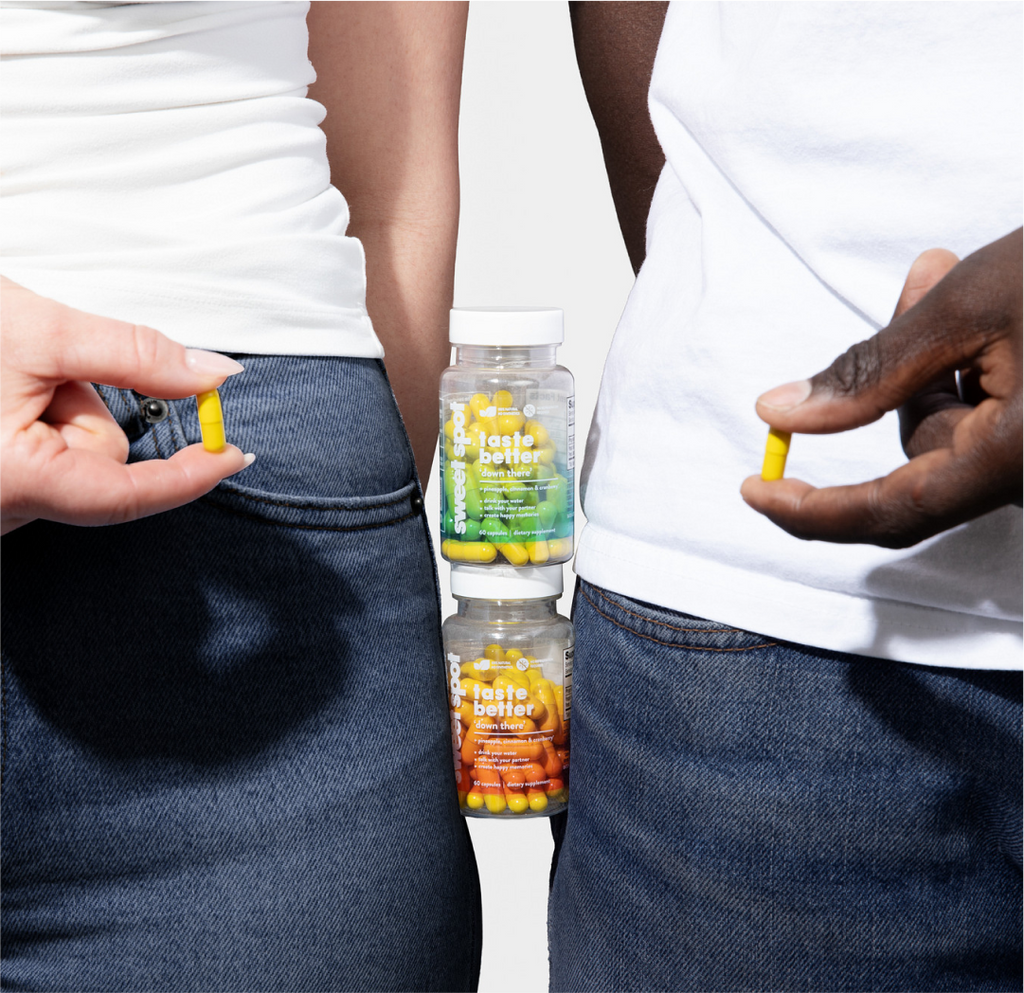


Every bite of food you take changes the way your body tastes and smells. It is not just folklore or an old wives' tale — it is biochemistry. Your body fluids, including sweat, saliva, vaginal lubrication, and semen, are directly influenced by the compounds in the foods you eat. Some foods make you taste sweeter, milder, and more pleasant. Others introduce sulfur, ammonia, and chemical compounds that make you taste bitter, sour, or downright unpleasant.
This is the most comprehensive food reference guide on the internet for understanding exactly which foods affect your body's taste and smell, how they do it, how quickly the effects take hold, and what you can do with this information to take control of your intimate confidence.
Whether you are looking to impress a new partner, reignite the spark with a long-term significant other, or simply feel more confident in your own body, this guide will give you all the information you need. We have cataloged more than 50 specific foods, explained the science behind each one, and provided practical tools including a 7-day meal plan, a grocery shopping list, and taste-improving smoothie recipes you can make at home.
How Diet Directly Impacts Body Fluids, Sweat, and Intimate Taste
To understand why food matters so much, you need to understand the basic biology of how your body processes what you eat and how that processing ends up influencing the taste and smell of your bodily secretions.
The Digestive-to-Secretion Pipeline
When you eat food, your digestive system breaks it down into its constituent compounds: sugars, amino acids, fatty acids, vitamins, minerals, and various metabolic byproducts. These compounds are absorbed into your bloodstream through the walls of your small intestine and distributed throughout your body. Your body's secretory organs — including sweat glands, salivary glands, the prostate, the Bartholin's glands, and cervical glands — draw from this same blood supply when producing their respective fluids.
This means that trace compounds from everything you eat can end up in your sweat, your saliva, and your intimate secretions. Some compounds pass through relatively unchanged (like the sulfurous metabolites from garlic), while others are transformed into new molecules during metabolism that then appear in your body fluids.
Key Factors That Determine the Impact
- Sulfur content: Foods high in sulfur compounds (garlic, onions, cruciferous vegetables) produce sulfurous metabolites that are excreted through body fluids, creating unpleasant tastes and smells.
- Sugar content: Foods high in natural sugars (fruits, honey) can subtly sweeten body fluids by increasing the concentration of fructose and glucose in secretions.
- Acidity and alkalinity: Foods that alter your body's pH can change the taste of fluids. Acidic environments tend to taste tangy or sour, while alkaline environments can taste bitter or soapy.
- Volatile organic compounds: Many foods contain aromatic compounds that are absorbed into the bloodstream and eventually excreted through the skin and body fluids.
- Water content: High-water-content foods dilute secretions, producing a milder, less concentrated taste. Low-water-content or dehydrating foods do the opposite.
- Enzymatic activity: Certain foods contain enzymes (like bromelain in pineapple) that actively break down proteins in body fluids, reducing bitterness.
25+ Foods That Make You Taste Better
These foods have positive effects on body taste and smell. Incorporating as many of them as possible into your regular diet will produce noticeable improvements, especially when combined with adequate hydration.
1. Pineapple
The undisputed champion of taste-improving foods. Pineapple contains bromelain, a powerful proteolytic enzyme that breaks down proteins in bodily fluids that contribute to bitter or astringent tastes. It is also loaded with natural sugars (fructose and glucose) that directly sweeten secretions, and it has high water content that helps with hydration. Eat 1 to 2 cups of fresh pineapple daily or drink 8 to 12 ounces of 100% pineapple juice. Effect timeline: 24 to 48 hours.
2. Watermelon
Watermelon is 92% water, making it one of the most hydrating foods available. It contains the amino acid citrulline, which supports circulation and detoxification, plus natural sugars that sweeten body fluids. The high water content dilutes any existing unpleasant compounds in your secretions. Eat it fresh as a snack or blend it into juices. Effect timeline: 12 to 24 hours.
3. Strawberries
Strawberries are rich in vitamin C, natural sugars, and polyphenols. The vitamin C supports pH balance and immune function, the sugars sweeten secretions, and the polyphenols have been linked to reduced body odor. Strawberries are also low in sulfur compounds, meaning they do not introduce any taste-worsening byproducts. Effect timeline: 24 to 48 hours.
4. Mangoes
Mangoes are one of the sweetest fruits available, with high concentrations of fructose and sucrose. They are also rich in vitamins A and C, both of which support skin and mucous membrane health. The natural sugars in mangoes are metabolized into sweet-tasting compounds that appear in body fluids within hours of consumption. Effect timeline: 12 to 24 hours.
5. Papaya
Like pineapple, papaya contains a proteolytic enzyme — papain — that helps break down proteins in body fluids. It is also rich in vitamins A, C, and E, plus natural sugars. Papaya supports digestive health, which indirectly improves body taste by promoting more efficient waste elimination. Effect timeline: 24 to 48 hours.
6. Oranges
Oranges and other citrus fruits are high in vitamin C and natural sugars, and they have an alkalizing effect once metabolized (despite being acidic when eaten). This alkalizing effect can reduce the bitterness of body fluids. The high water content also supports hydration. Eat whole oranges rather than just juice to get the fiber benefits as well. Effect timeline: 12 to 24 hours.
7. Grapes
Grapes — especially green and red varieties — are packed with natural sugars and water. They contain resveratrol, a powerful antioxidant that supports cardiovascular health and circulation. Better circulation means healthier secretory glands and better-quality body fluids. Frozen grapes make an excellent sweet snack. Effect timeline: 12 to 24 hours.
8. Kiwi
Kiwifruit contains actinidin, another proteolytic enzyme similar to bromelain and papain. It also has extremely high vitamin C content (more than oranges per gram), natural sugars, and excellent fiber content for digestive health. The enzyme activity helps break down bitter proteins in body fluids. Effect timeline: 24 to 48 hours.
9. Blueberries
Blueberries are antioxidant powerhouses. They contain anthocyanins, flavonoids, and vitamin C, all of which support cellular health and detoxification. While not as sweet as some other fruits, blueberries are very low in compounds that worsen taste and high in compounds that improve overall body chemistry. Effect timeline: 24 to 48 hours.
10. Cranberries
Cranberries contain proanthocyanidins that prevent harmful bacteria from adhering to mucous membranes, particularly in the urinary tract and vaginal canal. This antibacterial property promotes a healthier microbiome, which directly improves taste. Cranberry juice (unsweetened) also helps maintain proper vaginal pH. Effect timeline: 2 to 5 days for microbiome effects.
11. Celery
Celery is 95% water and contains androstenone and androstenol, two pheromone-like compounds that can positively influence natural body scent. It is also rich in chlorophyll, a natural internal deodorizer. The high water content provides excellent hydration support. Eat it raw for maximum benefit. Effect timeline: 12 to 24 hours.
12. Cucumber
Cucumber is 96% water — the most hydrating vegetable available. It is virtually free of any compounds that worsen body taste and provides mild, clean hydration that dilutes body fluids. Cucumber also contains silica, which supports skin health, and small amounts of vitamin K and potassium. Effect timeline: 12 to 24 hours.
13. Parsley
Parsley is one of the richest food sources of chlorophyll, nature's most effective internal deodorizer. Chlorophyll binds to odor-causing compounds in the body and neutralizes them before they can be excreted through body fluids. Parsley also contains vitamins A, C, and K. Add fresh parsley to salads, smoothies, and as a garnish on meals. Effect timeline: 1 to 3 days.
14. Mint and Peppermint
Mint contains menthol, a compound that has antibacterial properties and imparts a fresh, cooling quality to body fluids when consumed regularly. Fresh mint tea, mint in smoothies, or fresh mint leaves as a garnish can all contribute to a fresher overall body taste. Peppermint also aids digestion, reducing the bloating and gas that can worsen body chemistry. Effect timeline: 12 to 48 hours.
15. Yogurt (Plain, Unsweetened)
Yogurt with live active cultures is a potent source of Lactobacillus and Bifidobacterium probiotics that support a healthy gut and vaginal microbiome. A balanced microbiome produces fewer foul-smelling metabolic byproducts, resulting in milder, more pleasant body taste. Choose plain, unsweetened yogurt — flavored varieties contain excess sugar and artificial ingredients. Effect timeline: 1 to 2 weeks for full microbiome rebalancing.
16. Honey (Raw)
Raw honey contains natural sugars, enzymes, and trace antibacterial compounds that can subtly sweeten body fluids. It also has prebiotic properties that feed beneficial gut bacteria. A tablespoon of raw honey in tea, on yogurt, or drizzled on fruit adds natural sweetness to your diet without the negative effects of refined sugar. Effect timeline: 24 to 48 hours.
17. Cinnamon
Cinnamon contains cinnamaldehyde and eugenol, aromatic compounds that are mildly antibacterial and can give body fluids a subtly sweet, warm undertone. Cinnamon also helps regulate blood sugar, preventing the spikes that can lead to bitter-tasting body chemistry. Sprinkle it on oatmeal, fruit, or into smoothies daily. Effect timeline: 2 to 5 days with consistent use.
18. Cardamom
Cardamom has been used for centuries in Ayurvedic medicine as a natural breath and body freshener. It contains cineole, an aromatic compound with antibacterial and anti-inflammatory properties. Chewing cardamom pods or adding ground cardamom to food can help improve overall body scent and taste. Effect timeline: 1 to 3 days.
19. Bananas
Bananas are rich in potassium, natural sugars, and B vitamins. They are easily digestible and produce minimal unpleasant metabolic byproducts. The natural sweetness translates to milder, sweeter body fluids. Bananas are also a good source of prebiotic fiber (especially when slightly green), which supports gut microbiome health. Effect timeline: 12 to 24 hours.
20. Coconut and Coconut Water
Coconut water is naturally hydrating with a balanced electrolyte profile. It contains natural sugars and lauric acid, which has antimicrobial properties. Coconut oil and coconut meat also contain medium-chain triglycerides (MCTs) that are easily metabolized and do not produce the heavy, foul-smelling byproducts of other fats. Effect timeline: 12 to 24 hours for hydration; 3 to 5 days for antimicrobial effects.
21. Peaches and Nectarines
These stone fruits are high in natural sugars, vitamins A and C, and water content. They are among the sweetest fruits available and produce almost no negative metabolic byproducts. Eating peaches or nectarines regularly adds natural sweetness to your overall diet without introducing any compounds that worsen taste. Effect timeline: 12 to 24 hours.
22. Cantaloupe and Honeydew
These melons are approximately 90% water and rich in vitamins A, C, and potassium. They provide excellent hydration and natural sugars with virtually no sulfur or other taste-worsening compounds. They are also low in fiber compared to other fruits, making them very easy to digest. Effect timeline: 12 to 24 hours.
23. Wheatgrass
Wheatgrass is an extremely concentrated source of chlorophyll — significantly more so than parsley or any other green food. Wheatgrass juice or powder acts as a powerful internal deodorizer, neutralizing odor-causing compounds throughout the body. It also supports liver detoxification. Take as a shot (1 to 2 ounces of fresh juice) or add wheatgrass powder to smoothies. Effect timeline: 2 to 5 days.
24. Lemons and Limes
Despite their acidity, lemons and limes have an alkalizing effect once metabolized, which can help neutralize bitter compounds in body fluids. They are also rich in vitamin C and natural citrus oils that have a cleansing, freshening effect on body chemistry. Add lemon to your water throughout the day for consistent benefits. Effect timeline: 12 to 24 hours.
25. Fennel
Fennel contains anethole, the same compound that gives anise and licorice their sweet flavor. When consumed, anethole can subtly sweeten body fluids and improve body scent. Fennel also supports digestion and reduces bloating. Eat it raw in salads, roasted as a side dish, or brewed as fennel tea. Effect timeline: 1 to 3 days.
26. Green Tea
Green tea contains catechins, powerful polyphenol antioxidants that help detoxify the body and reduce bacterial growth that causes body odor. Unlike coffee, green tea has a mild alkalizing effect and provides gentle hydration. The L-theanine in green tea also reduces stress, which can improve body chemistry. Drink 2 to 3 cups daily. Effect timeline: 3 to 7 days.
27. Ginger
Fresh ginger contains gingerols and shogaols, compounds with anti-inflammatory and antibacterial properties. Ginger supports healthy digestion, reduces gas and bloating, and can help eliminate toxins from the body more efficiently. It adds a subtle warmth to body chemistry without the sulfurous impact of garlic or onions. Use fresh ginger in cooking, smoothies, or brewed as tea. Effect timeline: 2 to 5 days.
Supplement What Your Diet Cannot Cover
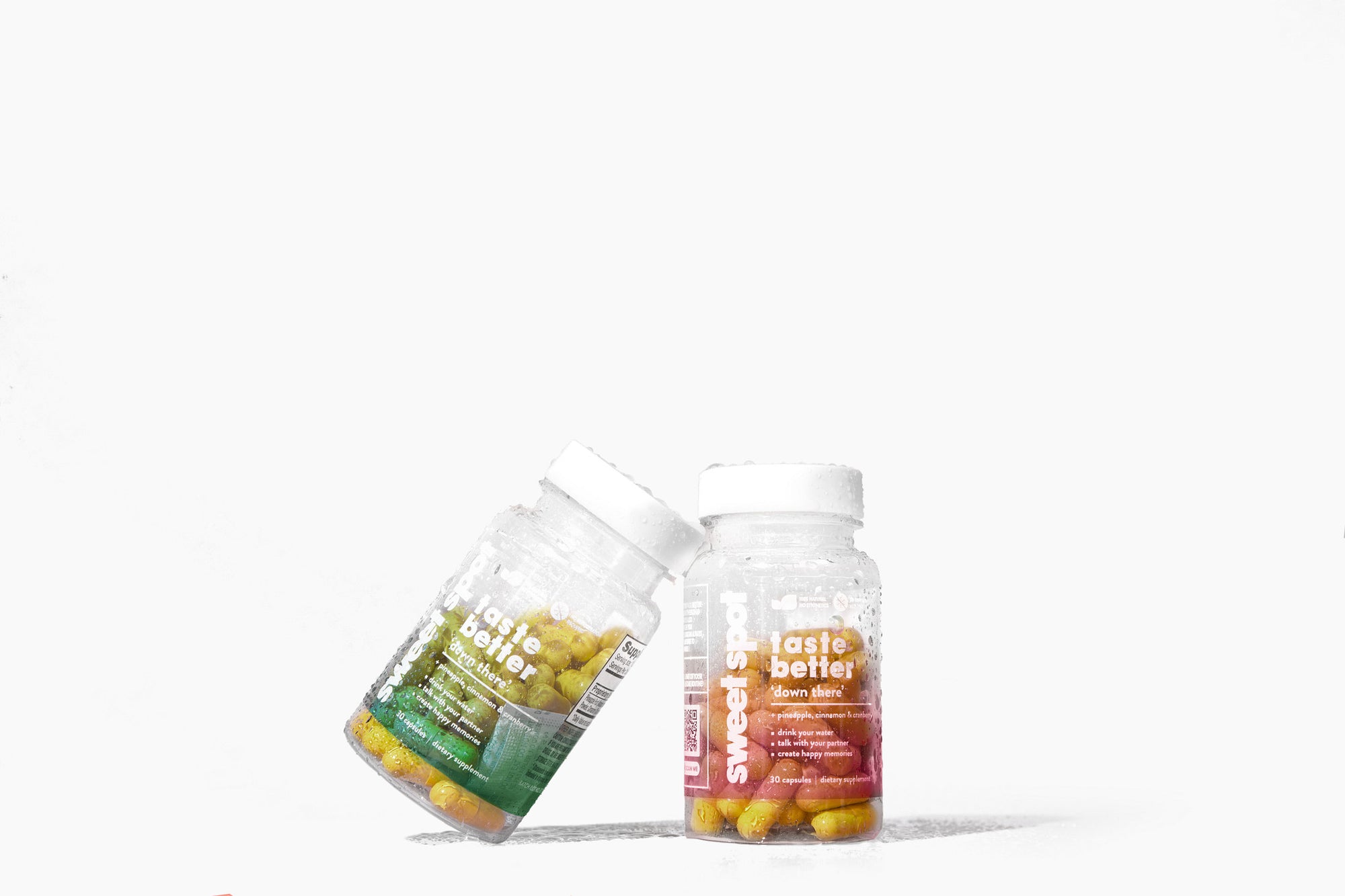
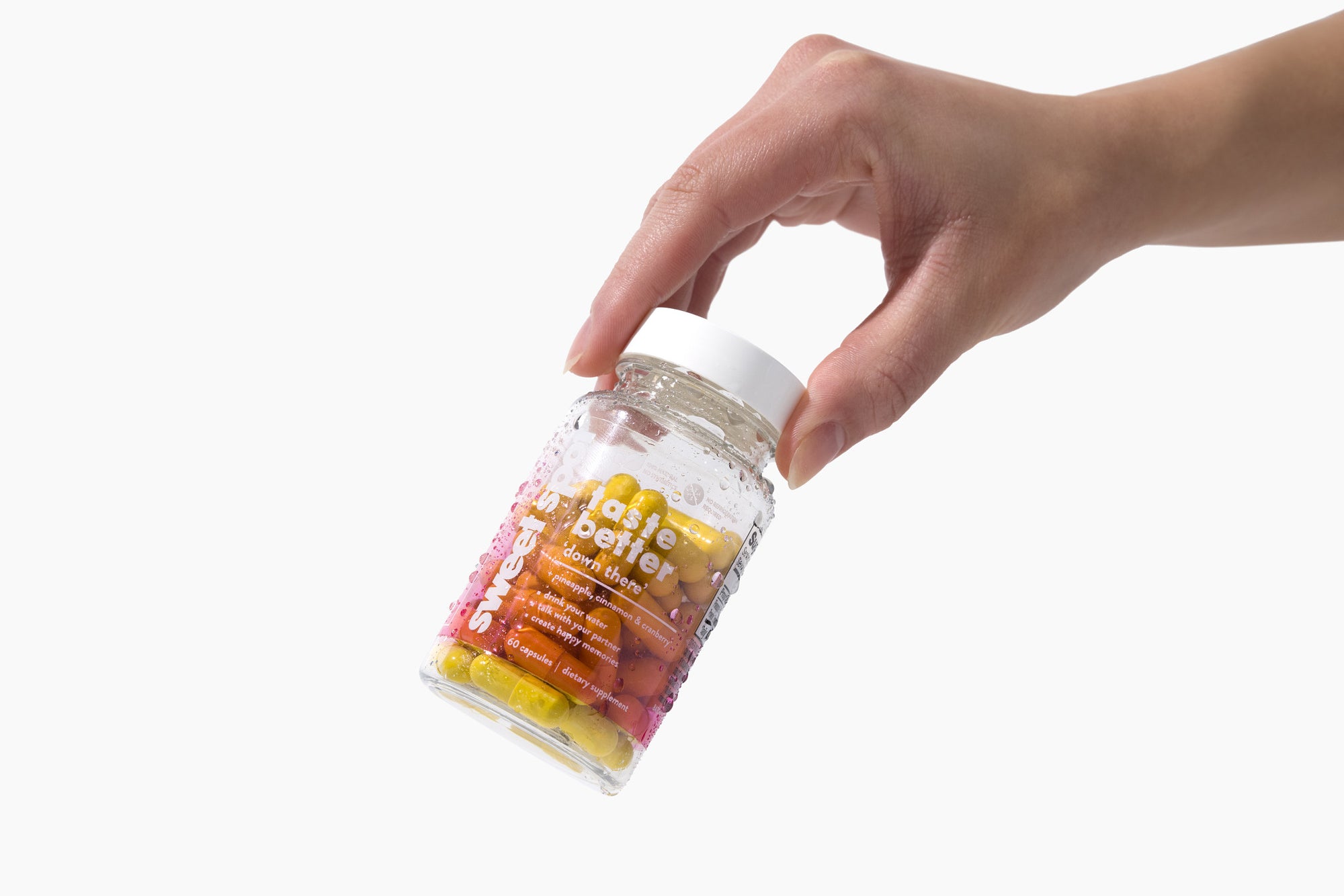
Even with the best diet, it is difficult to get concentrated doses of taste-improving compounds like bromelain and chlorophyll from food alone. Our Sweet Spot for Her and Sweet Spot for Him supplements deliver optimized doses of the most effective ingredients in a convenient daily capsule.
25+ Foods That Make You Taste Worse
These foods introduce compounds into your body that negatively affect the taste and smell of your body fluids. Reducing or eliminating them — especially in the 12 to 48 hours before intimate encounters — can make a significant difference.
1. Garlic
Garlic is the single most commonly cited food for worsening body taste. It contains allicin, which is metabolized into allyl methyl sulfide (AMS) — a sulfur compound that cannot be broken down during digestion. Instead, AMS is absorbed into the bloodstream and excreted through the lungs, skin, sweat, and all body fluids for up to 48 to 72 hours after a heavy garlic meal. The result is a pungent, sulfurous taste and smell that pervades the entire body. Effect timeline: begins within 2 to 4 hours, lasts 24 to 72 hours.
2. Onions (Especially Raw)
Onions contain sulfur-containing amino acids (particularly S-alk(en)yl-L-cysteine sulfoxides) that produce a range of sulfurous metabolites during digestion. Raw onions are particularly potent because cooking partially breaks down these compounds. The sulfur metabolites are excreted through body fluids and sweat, giving them a sharp, pungent quality. Sweet onion varieties like Vidalia are milder but still have some impact. Effect timeline: begins within 2 to 4 hours, lasts 12 to 48 hours.
3. Asparagus
Asparagus contains asparagusic acid, a compound unique to asparagus, which is broken down during digestion into several sulfur-containing compounds, including methanethiol, dimethyl sulfide, and dimethyl disulfide. These are the same compounds responsible for the famously strong-smelling urine that follows asparagus consumption. The effect extends to other body fluids as well. Effect timeline: begins within 15 to 30 minutes, lasts 12 to 24 hours.
4. Red Meat (Beef, Lamb, Pork)
Red meat is high in protein and takes significantly longer to digest than chicken, fish, or plant-based proteins. During the prolonged digestive process, red meat produces higher levels of ammonia, hydrogen sulfide, and other nitrogenous waste products. Studies published in the journal Chemical Senses have shown that people on red-meat-heavy diets have significantly more pungent body odor than those on plant-based diets. The heavy saturated fat content also contributes to less pleasant body chemistry. Effect timeline: 6 to 24 hours, with cumulative effects from regular consumption.
5. Broccoli
Broccoli contains glucosinolates — sulfur-containing compounds that are responsible for its slightly bitter taste and its cruciferous family classification. During digestion, glucosinolates are broken down into isothiocyanates and sulfur gases that can make body fluids and sweat smell and taste less pleasant. While broccoli is extremely nutritious, time your consumption away from intimate encounters. Effect timeline: 4 to 12 hours.
6. Cauliflower
Like broccoli, cauliflower is a cruciferous vegetable high in glucosinolates that produce sulfurous byproducts during digestion. Cauliflower also tends to cause more gas and bloating than broccoli in many people, which further worsens body chemistry. Effect timeline: 4 to 12 hours.
7. Brussels Sprouts
Brussels sprouts contain some of the highest concentrations of glucosinolates among all cruciferous vegetables. When combined with their high fiber content, they can cause significant gas production and sulfurous body odor. While excellent for health, they are among the worst foods for body taste. Effect timeline: 4 to 18 hours.
8. Cabbage
Raw cabbage, sauerkraut (when consumed in excess), and coleslaw all contain sulfur compounds that are excreted through body fluids. Cooked cabbage is somewhat milder, but still contributes to a more pungent body chemistry. Interestingly, small amounts of fermented cabbage (sauerkraut, kimchi) can be beneficial for the microbiome, but large quantities worsen taste. Effect timeline: 4 to 12 hours.
9. Coffee
Coffee is highly acidic (pH 4.85 to 5.10) and contains tannins, caffeine, and volatile compounds that alter the chemical composition of body fluids. The acidity can shift body pH toward the bitter end, the tannins add astringency, and the caffeine acts as a diuretic that promotes dehydration. Regular heavy coffee consumption (3+ cups daily) has a noticeable cumulative effect on body taste. Effect timeline: 1 to 6 hours for acute effects; cumulative over days for regular drinkers.
10. Alcohol (Beer, Wine, Spirits)
Alcohol is metabolized into acetaldehyde, a toxic compound that your liver must then convert to acetic acid for elimination. During this process, acetaldehyde and its metabolites are excreted through sweat, breath, and body fluids, imparting a sharp, sour, chemical taste. Alcohol also severely dehydrates the body, disrupts the gut microbiome, and impairs liver function — all of which worsen body taste. Heavy drinking is one of the fastest ways to make yourself taste terrible. Effect timeline: begins within 1 to 2 hours, lasts 12 to 48 hours depending on quantity.
11. Curry and Cumin
Curry powder and cumin contain volatile aromatic compounds that are absorbed into the bloodstream and excreted through sweat glands. Regular consumption of curry-heavy dishes can give the body a persistent spicy, musky odor that extends to body fluids. The compounds responsible are fat-soluble, meaning they accumulate in body fat and are released gradually over time. Effect timeline: 2 to 12 hours for acute effects; cumulative with regular consumption.
12. Processed Meats (Hot Dogs, Bacon, Deli Meat, Sausage)
Processed meats contain sodium nitrites, excess sodium, artificial preservatives, and low-quality fats that produce a wide range of unpleasant metabolic byproducts during digestion. The high sodium content also contributes to salty-tasting body fluids. The preservatives and artificial compounds add a chemical quality to body chemistry. Effect timeline: 6 to 24 hours.
13. Fast Food and Deep-Fried Foods
Deep-fried and heavily processed fast foods are loaded with trans fats, excessive sodium, refined carbohydrates, and chemical additives. These foods overload the liver, promote inflammation, and produce large quantities of metabolic waste that must be excreted through body fluids. The rancid oils used in deep frying can also impart an unpleasant oily quality to sweat and secretions. Effect timeline: 4 to 24 hours.
14. Dairy Milk and Cheese
Dairy products, particularly full-fat milk and aged cheeses, increase the production of hydrogen sulfide during digestion. For the estimated 68% of the global population with some degree of lactose malabsorption, dairy causes additional digestive distress (bloating, gas) that further worsens body chemistry. Aged cheeses like blue cheese, Roquefort, and Limburger are the worst offenders. Effect timeline: 2 to 12 hours.
15. Chili Peppers and Very Spicy Foods
Capsaicin, the compound that makes peppers hot, stimulates the sweat glands and can alter the chemical composition of perspiration. Extremely spicy foods can make sweat and body fluids taste sharper and more pungent. Moderate spice is generally fine, but very hot dishes consumed regularly can have a cumulative negative effect. Effect timeline: 1 to 8 hours.
16. Artificial Sweeteners (Aspartame, Sucralose, Saccharin)
Artificial sweeteners disrupt the gut microbiome, reduce populations of beneficial bacteria, and can produce metabolic byproducts that give body fluids a chemical or metallic taste. Despite being zero-calorie, they are not metabolically inert — they interact with gut bacteria in ways that can worsen body chemistry. Effect timeline: cumulative with regular use; 1 to 2 weeks to clear after stopping.
17. Energy Drinks
Energy drinks combine excessive caffeine, artificial sweeteners, taurine, B-vitamins in mega-doses, and various chemical additives. This cocktail of compounds is hard on the liver and kidneys, and the metabolic byproducts are excreted through body fluids. The high caffeine content also contributes to dehydration. Regular energy drink consumption is associated with strong, chemical-tasting body fluids. Effect timeline: 2 to 12 hours per drink; cumulative with regular use.
18. Cigarettes and Tobacco Products
While not a food, tobacco deserves inclusion because of its extreme impact on body taste. Cigarette smoke contains over 7,000 chemicals, hundreds of which are absorbed into the bloodstream and excreted through every body fluid. Tobacco is arguably the single most damaging substance for body taste. Effect timeline: persistent; begins clearing 2 to 4 weeks after quitting, full clearance takes 6 to 8 weeks.
19. Protein Powder and Supplements (Whey, Casein, Creatine)
High-protein supplements, especially whey and casein protein powders, produce significant amounts of ammonia and other nitrogenous waste during metabolism. Creatine, while excellent for athletic performance, can also contribute to a stronger, less pleasant body odor and taste. If you use these supplements, increase water intake significantly and consider switching to plant-based protein (pea, rice, or hemp). Effect timeline: 4 to 24 hours per serving; cumulative with daily use.
20. White Bread and Refined Carbohydrates
Refined carbohydrates cause rapid blood sugar spikes followed by crashes. These glucose fluctuations can alter body chemistry and promote the growth of yeast (Candida) in the gut and vaginal tract, which can lead to unpleasant tastes and odors. Whole grains are a much better choice. Effect timeline: 2 to 6 hours per serving; cumulative with regular consumption.
21. Canned Tuna and Strong-Smelling Fish
Fish that are high in trimethylamine (TMA) and trimethylamine oxide (TMAO) can produce a fishy body odor and taste. Canned tuna, anchovies, sardines, and mackerel are the worst offenders. Fresh, mild fish like cod, halibut, and tilapia are much better choices. Effect timeline: 4 to 12 hours.
22. Excessive Salt and Salty Snacks
A high-sodium diet makes all body fluids taste saltier. Excess sodium also promotes water retention in tissues while simultaneously dehydrating body fluid production, concentrating waste products. Chips, pretzels, salted nuts, and most processed foods are common sources of excess sodium. Effect timeline: 2 to 12 hours.
23. Radishes and Horseradish
Radishes and horseradish contain isothiocyanates and other pungent sulfur compounds that contribute to sharp, bitter body fluid taste. These root vegetables, while nutritious, belong to the Brassica family (along with cruciferous vegetables) and share their tendency to produce sulfurous metabolites. Effect timeline: 2 to 8 hours.
24. Excessive Vinegar and Pickled Foods
While small amounts of apple cider vinegar can have health benefits, excessive consumption of vinegar and heavily pickled foods can increase body acidity, making fluids taste more sour and acidic. Pickled foods often also contain high levels of sodium. Effect timeline: 2 to 6 hours.
25. Marijuana Edibles
Cannabis edibles introduce fat-soluble cannabinoids and terpenes into the bloodstream through the digestive system. These compounds are stored in body fat and gradually released, potentially giving body fluids a bitter, herbaceous quality. Regular heavy consumption can have a cumulative effect on body taste. Effect timeline: 6 to 24 hours; cumulative with regular use.
26. Excessive Soy Products
In very large quantities, soy products can influence hormonal balance due to their phytoestrogen content, which may alter body chemistry and the taste of secretions. Moderate soy consumption is fine, but extremely soy-heavy diets (multiple servings of tofu, soy milk, and edamame daily) may have a noticeable impact. Effect timeline: cumulative over days to weeks.
The Complete Food Comparison Table
This reference table summarizes the effects of all 50+ foods covered in this guide, organized by their impact on body taste.
| Food | Effect | Timeline | Mechanism |
|---|---|---|---|
| Pineapple | Strongly Positive | 24 – 48 hrs | Bromelain enzyme + natural sugars sweeten fluids |
| Watermelon | Strongly Positive | 12 – 24 hrs | 92% water content + natural sugars dilute and sweeten |
| Strawberries | Positive | 24 – 48 hrs | Vitamin C + sugars + polyphenols |
| Mangoes | Strongly Positive | 12 – 24 hrs | Very high natural sugar content sweetens fluids |
| Papaya | Strongly Positive | 24 – 48 hrs | Papain enzyme + natural sugars |
| Oranges | Positive | 12 – 24 hrs | Alkalizing effect + vitamin C + hydration |
| Grapes | Positive | 12 – 24 hrs | Natural sugars + resveratrol antioxidant |
| Kiwi | Positive | 24 – 48 hrs | Actinidin enzyme + high vitamin C |
| Blueberries | Positive | 24 – 48 hrs | Anthocyanins + detoxifying antioxidants |
| Cranberries | Positive | 2 – 5 days | Proanthocyanidins support healthy microbiome |
| Celery | Positive | 12 – 24 hrs | Hydration + chlorophyll + pheromone compounds |
| Cucumber | Positive | 12 – 24 hrs | 96% water content provides maximum hydration |
| Parsley | Positive | 1 – 3 days | High chlorophyll content deodorizes internally |
| Mint | Positive | 12 – 48 hrs | Menthol freshens + antibacterial properties |
| Yogurt (plain) | Positive | 1 – 2 weeks | Probiotics rebalance gut and vaginal microbiome |
| Honey (raw) | Positive | 24 – 48 hrs | Natural sugars + prebiotic + antibacterial |
| Cinnamon | Positive | 2 – 5 days | Cinnamaldehyde sweetens + regulates blood sugar |
| Cardamom | Positive | 1 – 3 days | Cineole compounds freshen body scent |
| Coconut water | Positive | 12 – 24 hrs | Natural electrolyte hydration + lauric acid |
| Green tea | Positive | 3 – 7 days | Catechin antioxidants + mild alkalizing effect |
| Ginger | Positive | 2 – 5 days | Anti-inflammatory + digestive support |
| Garlic | Strongly Negative | 2 hrs – 72 hrs | Allyl methyl sulfide excreted through all body fluids |
| Onions (raw) | Strongly Negative | 2 – 48 hrs | Sulfur amino acids produce pungent metabolites |
| Asparagus | Strongly Negative | 15 min – 24 hrs | Asparagusic acid breaks down into sulfur compounds |
| Red meat | Negative | 6 – 24 hrs | Slow digestion produces ammonia + sulfur waste |
| Broccoli | Mildly Negative | 4 – 12 hrs | Glucosinolates produce sulfur gases |
| Cauliflower | Mildly Negative | 4 – 12 hrs | Glucosinolates + gas production |
| Brussels sprouts | Negative | 4 – 18 hrs | Highest glucosinolate content of cruciferous vegetables |
| Coffee | Negative | 1 – 6 hrs | Acidity + tannins + dehydrating diuretic effect |
| Alcohol | Strongly Negative | 1 – 48 hrs | Acetaldehyde toxin + dehydration + microbiome disruption |
| Curry and Cumin | Negative | 2 – 12 hrs | Volatile aromatics excreted through sweat glands |
| Processed meats | Negative | 6 – 24 hrs | Nitrites + preservatives + excess sodium |
| Fast food | Negative | 4 – 24 hrs | Trans fats + sodium + chemical additives |
| Dairy (full-fat) | Mildly Negative | 2 – 12 hrs | Hydrogen sulfide production + lactose malabsorption |
| Chili peppers | Mildly Negative | 1 – 8 hrs | Capsaicin stimulates sweat glands |
| Artificial sweeteners | Negative | Cumulative | Disrupts gut microbiome + chemical metabolites |
| Energy drinks | Negative | 2 – 12 hrs | Chemical cocktail + caffeine dehydration |
| Tobacco | Extremely Negative | Persistent | 7,000+ chemicals absorbed into bloodstream |
| Protein powder | Mildly Negative | 4 – 24 hrs | Ammonia from protein metabolism |
| Canned tuna | Negative | 4 – 12 hrs | Trimethylamine produces fishy body odor |
| Excess salt | Mildly Negative | 2 – 12 hrs | Increases saltiness of all body fluids |
Spices and Herbs: The Complete Breakdown
Spices and herbs deserve special attention because they are concentrated sources of aromatic compounds that can have an outsized impact on body taste relative to the small amounts typically consumed.
Taste-Improving Spices and Herbs
- Cinnamon: Contains cinnamaldehyde that sweetens body fluids. Also regulates blood sugar. Use 1/2 to 1 teaspoon daily in food or drinks.
- Cardamom: Contains cineole, a natural body freshener used in Ayurvedic medicine for centuries. Chew pods or add ground cardamom to food.
- Parsley: One of the richest food sources of chlorophyll. Acts as a natural internal deodorizer. Add generously to meals as a garnish.
- Fresh mint: Menthol provides a clean, fresh quality to body chemistry. Brew as tea or add to fruit salads and water.
- Vanilla: Contains vanillin, a sweet aromatic compound that can subtly sweeten body scent. Use real vanilla extract (not artificial) in cooking and smoothies.
- Nutmeg: In small amounts, nutmeg has a warm, subtly sweet aroma that can positively influence body scent. Use sparingly (1/4 teaspoon or less).
- Fennel seeds: Contain anethole, which has a sweet, licorice-like quality that can freshen breath and body taste. Chew after meals or brew as tea.
- Basil: Contains linalool and eugenol, aromatic compounds with a sweet, herbaceous quality. Fresh basil is better than dried for this purpose.
Taste-Worsening Spices and Herbs
- Cumin: Highly aromatic volatile oils are excreted through sweat glands, producing a strong body odor. One of the most impactful spices for body smell.
- Fenugreek (in excess): While small amounts can be beneficial, excessive fenugreek consumption gives the body a distinctive maple or curry scent that can be overpowering.
- Curry powder: A blend of multiple volatile spices (cumin, turmeric, coriander, fenugreek, chili) that collectively produce strong body odor when consumed regularly.
- Garlic powder: Concentrated form of garlic with the same allicin-derived sulfur compounds. Even small amounts can affect body taste.
- Onion powder: Concentrated sulfur compounds from onions. Less impactful than raw onion but still contributes to pungent body chemistry.
- Black pepper (in large amounts): Piperine can stimulate sweat production and alter sweat composition when consumed in very large quantities. Normal seasoning amounts are fine.
Beverages: What to Drink and What to Avoid
What you drink is just as important as what you eat — arguably more so, since liquids are absorbed into the bloodstream faster than solid foods.
Best Beverages for Body Taste
- Water (plain or infused): The single most important beverage. Aim for half your body weight in ounces daily, minimum. Infuse with lemon, cucumber, berries, or mint for added benefits. Nothing else comes close to the impact of adequate water intake.
- Coconut water: Natural electrolytes, subtle sweetness, and excellent hydration. Drink 8 to 16 ounces daily as a supplement to regular water.
- Green tea: Catechin antioxidants detoxify the body and reduce bacterial growth. 2 to 3 cups daily. Much gentler than coffee on body chemistry.
- Pineapple juice (100%): Delivers concentrated bromelain and natural sugars. 8 to 12 ounces daily. Choose 100% juice with no added sugar.
- Cranberry juice (unsweetened): Supports urinary tract and vaginal microbiome health. 8 ounces daily. Look for 100% cranberry juice or dilute cranberry concentrate.
- Herbal teas (peppermint, chamomile, ginger): Caffeine-free hydration with additional digestive and taste-improving benefits. Drink freely throughout the day.
- Smoothies (fruit-based): An excellent delivery vehicle for multiple taste-improving ingredients at once. See our smoothie recipes below.
Beverages to Limit or Avoid
- Coffee: Acidic, contains tannins, dehydrating diuretic. If you must drink it, limit to 1 to 2 cups daily and follow each cup with an extra glass of water.
- Alcohol (all types): Dehydrating, produces toxic metabolites, disrupts gut microbiome. Limit to occasional moderate consumption. Avoid heavy drinking entirely if taste is a priority.
- Energy drinks: Chemical cocktail of caffeine, artificial sweeteners, and additives. Avoid entirely.
- Soda (regular and diet): Regular soda is loaded with refined sugar or high-fructose corn syrup that can feed harmful gut bacteria. Diet soda contains artificial sweeteners that disrupt the microbiome. Both are acidic and dehydrating.
- Milk: Can increase sulfur gas production and may cause digestive issues in lactose-intolerant individuals. If you consume dairy, yogurt or kefir are better choices.
Amplify Your Dietary Efforts
A clean diet and proper hydration are the foundation, but a targeted supplement can accelerate your results. Sweet Spot for Her and Sweet Spot for Him deliver concentrated doses of bromelain, chlorophyll, and other taste-enhancing compounds that would be difficult to get from food alone.
The 7-Day Meal Plan for Better Taste
Follow this meal plan for one full week and you will notice a meaningful improvement in how your body tastes and smells. Every meal is designed to maximize taste-improving foods while avoiding taste-worsening ones.
Day 1: Monday
- Breakfast: Greek yogurt parfait with fresh strawberries, blueberries, a drizzle of raw honey, and a sprinkle of cinnamon. 8 oz pineapple juice.
- Lunch: Grilled chicken salad with mixed greens, cucumber, celery, apple slices, dried cranberries, and a lemon vinaigrette. 16 oz water with lemon.
- Snack: Fresh watermelon slices (2 cups).
- Dinner: Baked salmon with steamed green beans, quinoa, and a side of fresh parsley tabbouleh. 8 oz coconut water.
- Dessert: Fresh pineapple chunks with a sprinkle of cinnamon.
Day 2: Tuesday
- Breakfast: Tropical smoothie (pineapple, mango, banana, coconut water). See recipe below.
- Lunch: Turkey wrap with lettuce, cucumber, avocado, and cranberry spread on a whole wheat tortilla. Mint tea.
- Snack: Green grapes and a handful of almonds.
- Dinner: Lemon herb chicken breast with roasted sweet potatoes, steamed zucchini and bell peppers, and fresh parsley garnish.
- Dessert: Strawberry and banana slices with raw honey.
Day 3: Wednesday
- Breakfast: Overnight oats with almond milk, fresh peach slices, chia seeds, and cinnamon. 8 oz cranberry juice.
- Lunch: Poke bowl with sushi-grade tuna (fresh, not canned), brown rice, cucumber, edamame (moderate portion), mango, and a citrus dressing.
- Snack: Celery sticks with almond butter and dried cranberries.
- Dinner: Shrimp stir-fry with bell peppers, snap peas, carrots, and ginger (no garlic or onion) over jasmine rice.
- Dessert: Kiwi and strawberry fruit salad.
Day 4: Thursday
- Breakfast: Berry blast smoothie (strawberries, blueberries, banana, plain yogurt, honey). See recipe below.
- Lunch: Mediterranean grain bowl with chickpeas, cucumber, tomato, parsley, mint, feta (small amount), and lemon-olive oil dressing.
- Snack: Fresh mango slices (1 cup).
- Dinner: Baked cod with lemon-herb butter, roasted zucchini and yellow squash, and wild rice.
- Dessert: Cantaloupe and honeydew melon balls.
Day 5: Friday
- Breakfast: Whole grain toast with avocado, a fried egg, and fresh tomato slices. 8 oz orange juice (freshly squeezed).
- Lunch: Chicken and vegetable soup (ginger-based broth, no garlic or onion) with fresh parsley. 16 oz cucumber-mint water.
- Snack: Apple slices with raw honey and cinnamon.
- Dinner: Grilled tilapia with mango salsa, black beans, and cilantro lime rice.
- Dessert: Pineapple upside-down cup: fresh pineapple rings topped with plain yogurt and a drizzle of honey.
Day 6: Saturday
- Breakfast: Sweet Spot green smoothie (see recipe below). Scrambled eggs with fresh herbs (basil, chives).
- Lunch: Grilled shrimp tacos with mango slaw (shredded cabbage, mango, lime juice, cilantro) on corn tortillas.
- Snack: Mixed fruit bowl: watermelon, grapes, and blueberries.
- Dinner: Lemon-ginger baked chicken thighs with roasted carrots, sweet potatoes, and fresh mint garnish.
- Dessert: Frozen banana nice cream blended with strawberries.
Day 7: Sunday
- Breakfast: Fruit-loaded pancakes (whole wheat) with fresh berries, banana slices, and a drizzle of maple syrup. Peppermint tea.
- Lunch: Quinoa and fruit salad with cucumber, mint, cranberries, orange segments, and a honey-lime dressing.
- Snack: Papaya slices with a squeeze of lime.
- Dinner: Herb-crusted salmon (parsley, dill, lemon) with mashed sweet potatoes and steamed green beans.
- Dessert: Fresh pineapple and strawberry skewers with a dark chocolate drizzle.
Grocery Shopping List
Print this list and take it to the store. It covers everything you need for the 7-day meal plan plus extra taste-improving staples to keep on hand.
Fruits (Buy Fresh)
- Pineapple (2 whole or 1 whole + 1 container pre-cut)
- Watermelon (1 small or 1/2 large)
- Strawberries (2 pints)
- Blueberries (2 pints)
- Mangoes (4)
- Bananas (1 bunch)
- Oranges (6)
- Lemons (6)
- Limes (4)
- Grapes, green or red (1 bag)
- Kiwis (4)
- Peaches or nectarines (4)
- Cantaloupe (1)
- Honeydew (1)
- Papaya (1)
- Apples (4)
- Cranberries, dried (1 bag, unsweetened)
- Avocados (3)
Vegetables
- Celery (2 bunches)
- Cucumbers (4)
- Fresh parsley (3 bunches)
- Fresh mint (2 bunches)
- Fresh basil (1 bunch)
- Fresh ginger root (1 large piece)
- Mixed salad greens (2 containers)
- Bell peppers, mixed colors (4)
- Zucchini (4)
- Yellow squash (2)
- Green beans (1 lb)
- Carrots (1 bag)
- Sweet potatoes (4)
- Snap peas (1 bag)
- Tomatoes (4)
- Cilantro (1 bunch)
Proteins
- Chicken breasts (2 lbs)
- Chicken thighs (1 lb)
- Salmon fillets (1 lb)
- Cod fillets (1 lb)
- Tilapia fillets (1 lb)
- Shrimp (1 lb, peeled and deveined)
- Sushi-grade tuna (8 oz)
- Turkey deli meat (low-sodium, 8 oz)
- Eggs (1 dozen)
- Chickpeas, canned (2 cans)
- Black beans, canned (1 can)
Dairy and Alternatives
- Greek yogurt, plain unsweetened (32 oz)
- Feta cheese (small container)
- Almond milk, unsweetened (1 carton)
Grains and Starches
- Quinoa (1 bag)
- Brown rice (1 bag)
- Wild rice (1 bag)
- Jasmine rice (1 bag)
- Whole wheat tortillas (1 package)
- Corn tortillas (1 package)
- Whole wheat bread (1 loaf)
- Old-fashioned oats (1 canister)
- Whole wheat pancake mix (1 box)
Pantry Staples
- Raw honey (1 jar)
- Ground cinnamon
- Ground cardamom
- Vanilla extract (real)
- Olive oil (extra virgin)
- Almond butter
- Chia seeds
- Almonds, unsalted
- Dark chocolate (70%+ cacao, small bar)
- Maple syrup (real)
Beverages
- Pineapple juice, 100% (1 large bottle)
- Cranberry juice, 100% unsweetened (1 bottle)
- Orange juice, freshly squeezed or not-from-concentrate (1 carton)
- Coconut water (6-pack)
- Green tea bags (1 box)
- Peppermint tea bags (1 box)
- Chamomile tea bags (1 box)
Taste-Improving Smoothie Recipes
Smoothies are the ultimate vehicle for packing multiple taste-improving ingredients into a single delicious drink. Here are four recipes, each targeting a different flavor profile while maximizing the taste-improving compounds.
Recipe 1: Tropical Sweet Spot Smoothie
The most popular choice for taste improvement. Packed with bromelain and natural sugars.
- 1 cup fresh pineapple chunks
- 1/2 cup fresh mango chunks
- 1/2 banana
- 1/2 cup coconut water
- 1/4 cup plain Greek yogurt
- 1 tablespoon raw honey
- 1/2 teaspoon ground cinnamon
- 4-5 ice cubes
Instructions: Blend all ingredients on high for 60 seconds until smooth. Drink immediately for maximum enzyme activity. Calories: approximately 280. Best time to drink: morning, at least 12 hours before intimacy for best results.
Recipe 2: Berry Bliss Smoothie
Antioxidant-rich with a balanced sweetness. Excellent for daily microbiome support.
- 1/2 cup strawberries
- 1/2 cup blueberries
- 1/4 cup cranberries (fresh or frozen)
- 1/2 banana
- 1/2 cup plain Greek yogurt
- 1/2 cup almond milk
- 1 tablespoon raw honey
- 1/4 teaspoon vanilla extract
- 4-5 ice cubes
Instructions: Blend all ingredients on high for 60 seconds until smooth and creamy. The cranberries add a tart note that balances the sweetness. Calories: approximately 260. Best time to drink: any time of day, especially effective as a daily breakfast smoothie.
Recipe 3: Green Goddess Detox Smoothie
Maximum chlorophyll content for powerful internal deodorizing. Tastes better than it looks.
- 1 cup fresh pineapple chunks
- 1/2 cucumber, peeled
- 1 stalk celery
- 1 large handful fresh parsley (about 1/2 cup packed)
- 5-6 fresh mint leaves
- 1/2 banana
- 1/2 cup coconut water
- Juice of 1/2 lemon
- 1 teaspoon raw honey (optional)
- 4-5 ice cubes
Instructions: Blend the pineapple and coconut water first to create a liquid base, then add the remaining ingredients and blend on high for 90 seconds. The pineapple and banana mask the green flavor while delivering maximum chlorophyll and enzymes. Calories: approximately 180. Best time to drink: morning, for all-day detox support.
Recipe 4: Watermelon Mint Refresher
Maximum hydration in a glass. Light, refreshing, and incredibly effective.
- 2 cups fresh watermelon chunks (seedless)
- 1/2 cup strawberries
- 8-10 fresh mint leaves
- Juice of 1/2 lime
- 1/2 cup coconut water
- 1 tablespoon raw honey
- 6-8 ice cubes
Instructions: Blend all ingredients on high for 45 seconds. This makes a thinner, more juice-like smoothie that is incredibly hydrating. Drink the full batch in one sitting for maximum hydration. Calories: approximately 200. Best time to drink: afternoon or early evening, 4 to 6 hours before intimacy.
Pair Your Smoothie With a Supplement for Maximum Effect
Our smoothie recipes deliver excellent results on their own, but pairing them with Sweet Spot for Her or Sweet Spot for Him delivers concentrated doses of the same taste-improving compounds in a calibrated supplement form. Take your capsule with your morning smoothie for the ultimate combination.
Frequently Asked Questions
What is the single best food to eat to taste better?
Pineapple is widely regarded as the single most effective food for improving body taste. It contains bromelain, a proteolytic enzyme that breaks down proteins in body fluids that contribute to bitter or sharp tastes, plus high concentrations of natural fructose and glucose that directly sweeten secretions. For maximum benefit, eat 1 to 2 cups of fresh pineapple daily or drink 8 to 12 ounces of 100% pineapple juice. Most people report noticeable results within 24 to 48 hours of consistent consumption. Fresh pineapple is more effective than canned because the canning process degrades some of the bromelain enzyme activity.
How quickly do foods affect how you taste?
The timeline varies by food, but most dietary changes begin to affect body taste within 2 to 48 hours. Fast-acting foods include asparagus (as little as 15 minutes for urine changes), garlic (2 to 4 hours for body-wide effects), and high-water-content fruits like watermelon (12 to 24 hours). Most sweet fruits take 24 to 48 hours for noticeable improvement. Supplements like bromelain and chlorophyll typically take 2 to 7 days. Probiotics take 1 to 2 weeks to meaningfully rebalance the microbiome. The most important factor is consistency — eating a pineapple once will not have a lasting effect, but eating pineapple daily for a week will produce a clear, sustained improvement.
Does garlic really make you taste bad?
Yes, garlic is one of the most well-documented foods for negatively affecting body taste and smell. Garlic contains allicin, which is metabolized into allyl methyl sulfide (AMS), a sulfur compound that cannot be broken down during digestion. Instead, AMS is absorbed into the bloodstream and excreted through the lungs (causing garlic breath), skin (causing garlic body odor), and all body fluids (causing garlic-flavored sweat, saliva, and intimate secretions). The effect can last for 24 to 72 hours after consuming a garlic-heavy meal. If you enjoy garlic and do not want to eliminate it entirely, try to avoid it in the 48 hours before planned intimate encounters.
Can vegetarians and vegans taste better than meat eaters?
Research suggests that plant-based diets are generally associated with milder, more pleasant body odor and taste. A study published in the journal Chemical Senses found that men on a non-meat diet had body odor that was rated as significantly more pleasant, more attractive, and less intense than men on a red-meat diet. This is because plant-based foods produce less ammonia, fewer sulfur compounds, and less metabolic waste during digestion compared to animal proteins, especially red meat. However, vegetarians and vegans who consume large amounts of garlic, onions, cruciferous vegetables, and spices can still have strong body taste. The key is what specific foods you eat, not just the category of your diet.
Do I need to follow the meal plan exactly?
No, the meal plan is a template, not a rigid prescription. The core principles matter more than the specific meals: eat plenty of fresh fruit (especially pineapple, berries, and melons), drink lots of water, include chlorophyll-rich herbs like parsley and mint, choose lean proteins over red meat, avoid garlic, onions, and heavy spices before intimate encounters, and minimize processed foods, alcohol, and coffee. You can substitute meals freely as long as you stick to these principles. Even incorporating just a few elements — like a daily pineapple smoothie and increased water intake — will produce noticeable results. The meal plan simply shows what a fully optimized day looks like.
Are there foods that affect men and women differently?
The same foods affect both sexes, but there are some important nuances. For men, the taste of semen is particularly influenced by zinc status, protein intake, and hydration. Zinc-rich foods (pumpkin seeds, oysters) are especially important for men. High-protein diets and protein supplements have a more pronounced negative effect on semen taste due to ammonia production. For women, foods that influence vaginal pH are especially important — cranberries, yogurt, and probiotic-rich foods help maintain the healthy acidic pH that Lactobacillus bacteria need to thrive. Foods that disrupt gut flora (artificial sweeteners, excess sugar, alcohol) can trigger yeast infections or bacterial vaginosis in women, which dramatically worsen taste. Both sexes benefit equally from fruits, hydration, and chlorophyll-rich foods.
Can supplements replace dietary changes?
Supplements are most effective when used alongside dietary changes, not as a replacement. Supplements like bromelain, chlorophyll, vitamin C, and probiotics provide concentrated doses of key taste-improving compounds, which can produce faster results than diet alone. However, no supplement can fully counteract a diet rich in garlic, processed foods, and alcohol. Think of it this way: dietary changes remove the bad, while supplements amplify the good. The ideal approach is to clean up your diet (more fruits, more water, fewer processed foods) while also taking a targeted supplement like Sweet Spot for Her or Sweet Spot for Him for the fastest, most dramatic results. Supplements alone will still produce improvement, but the results are significantly better when combined with a clean diet.
How much pineapple do I need to eat to notice a difference?
Most people need 1 to 2 cups of fresh pineapple daily (or 8 to 12 ounces of 100% pineapple juice) for 2 to 3 consecutive days to notice a clear difference. A single serving of pineapple provides a temporary boost, but the effects are more pronounced and sustained with consistent daily consumption. For a quicker approach, you can take a bromelain supplement (500 to 1000 mg daily), which delivers the enzyme in a concentrated form without the need to eat large amounts of pineapple. Some people combine both approaches — eating pineapple for the natural sugars and taking a bromelain supplement for the concentrated enzyme activity — for the fastest possible results.
Does coffee make you taste bad?
Coffee can negatively affect body taste, especially in larger quantities. Coffee is acidic (pH 4.85 to 5.10) and contains tannins that can give body fluids a bitter, astringent quality. The caffeine in coffee also acts as a diuretic, which promotes dehydration — and dehydration is one of the primary causes of strong, unpleasant body taste. A single cup of coffee is unlikely to cause a dramatic change, but 3 or more cups daily, especially without adequate water intake, can have a noticeable cumulative effect. If you are a coffee lover, limit yourself to 1 to 2 cups daily, always follow coffee with an extra glass of water, and consider switching to green tea for some of your caffeine needs — green tea is less acidic and actually has taste-improving antioxidant properties.
Final Thoughts: You Are What You Eat
The connection between diet and body taste is not a myth — it is basic biochemistry. Every food and beverage you consume contributes compounds that eventually appear in your body fluids, and those compounds determine whether you taste sweet, neutral, bitter, sour, or something else entirely.
The good news is that you have enormous control over this. By making strategic food choices, staying well-hydrated, incorporating chlorophyll-rich herbs, eating plenty of fresh fruit, and avoiding the worst offenders (garlic, onions, red meat, alcohol, tobacco, and processed foods), you can meaningfully improve how your body tastes in as little as a few days.
Use the food reference table to make quick decisions about what to eat and what to skip. Follow the 7-day meal plan for a structured jumpstart. Make the smoothie recipes a daily habit. And if you want to accelerate your results, complement your dietary efforts with a targeted supplement.
Your diet is the most powerful tool you have for controlling how you taste. Use it wisely, and the results will speak for themselves.
Start Your Taste Transformation Today
Clean eating plus the right supplement equals the fastest path to tasting your best. Our products are formulated with concentrated doses of the same compounds found in the taste-improving foods covered in this guide.
Sweet Spot for Her → Sweet Spot for Him → The Partner Pack → Intimate Wipes →