

Bacterial Vaginosis vs. Yeast Infection: How to Tell the Difference
If something feels off "down there," your first question is usually: what is this, and what do I do about it? Two of the most common culprits — bacterial vaginosis (BV) and yeast infections — are often confused for one another, yet they have different causes, different symptoms, and crucially, different treatments. Mistaking one for the other (and reaching for the wrong remedy) can prolong discomfort and even make things worse. This in-depth guide breaks down exactly how to tell them apart, what causes each, how they're treated, and the daily habits that help you maintain the healthy balance that keeps both at bay.
A quick, important note: this article is educational and not a substitute for medical care. BV and yeast infections can mimic other conditions, including some sexually transmitted infections, so when in doubt, see a healthcare provider for an accurate diagnosis.
The Foundation: Your Vaginal Microbiome
To understand both conditions, you first need to understand the ecosystem they disrupt. A healthy vagina is home to a delicate community of microorganisms collectively called the vaginal microbiome. In most healthy women, this community is dominated by beneficial bacteria called Lactobacillus. These bacteria are the unsung heroes of intimate health: they produce lactic acid and hydrogen peroxide, which keep the vaginal environment slightly acidic — typically a pH between 3.8 and 4.5.
That acidity isn't incidental; it's a defense mechanism. It creates an environment where beneficial organisms thrive and where harmful bacteria and overgrowths of yeast struggle to take hold. When that balance is disturbed — pH rises, Lactobacillus populations drop — the door opens for problems. Both BV and yeast infections are, at their core, stories about this balance being thrown off. They simply involve different organisms taking advantage of the disruption.
What Is Bacterial Vaginosis (BV)?
Bacterial vaginosis is the most common vaginal condition in women of reproductive age. Despite the word "infection" often being attached to it, BV isn't an infection caught from a single germ in the way strep throat is. Instead, it's an imbalance — an overgrowth of various anaerobic bacteria (such as Gardnerella vaginalis) that crowd out the protective Lactobacillus. As the good bacteria decline, vaginal pH rises above 4.5, becoming more alkaline, and the characteristic symptoms appear.
Hallmark Signs of BV
- Odor: The signature symptom is a distinct "fishy" smell, often stronger after sex (semen is alkaline and amplifies it) or during menstruation.
- Discharge: Thin, watery, and grayish-white. Typically more in volume than usual.
- Mild irritation: Some women feel slight burning during urination, but many have no itching at all.
- Often subtle: A significant number of women with BV have few or no obvious symptoms.
What Causes BV?
Anything that disrupts the Lactobacillus-dominant balance can trigger BV. Common contributors include douching (one of the biggest offenders), new or multiple sexual partners, unprotected sex (alkaline semen raises pH), menstruation, antibiotic use, and smoking. It's worth emphasizing that BV is not caused by poor hygiene — in fact, over-washing and douching make it more likely, not less.
What Is a Yeast Infection?
A vaginal yeast infection (vulvovaginal candidiasis) is an overgrowth of a fungus, most often Candida albicans. Small amounts of Candida naturally live in the vagina without causing problems. But when the environment shifts — often when the protective bacterial balance is disrupted — the yeast can multiply unchecked, leading to the familiar, intensely uncomfortable symptoms.
Hallmark Signs of a Yeast Infection
- Itching: Intense itching and irritation of the vagina and vulva — usually the dominant, defining symptom.
- Discharge: Thick, white, and clumpy — often described as resembling cottage cheese.
- Little to no odor: Unlike BV, yeast infections typically don't produce a strong smell.
- Burning and soreness: Especially during urination or sex, plus redness and swelling.
What Causes Yeast Infections?
Triggers include antibiotic use (which kills protective bacteria and lets yeast flourish), high blood sugar or uncontrolled diabetes, hormonal changes (pregnancy, birth control), a weakened immune system, and warm, moist conditions from tight or non-breathable clothing. A diet very high in sugar can also feed yeast overgrowth in some people.
Side-by-Side: The Key Differences
| Feature | Bacterial Vaginosis | Yeast Infection |
|---|---|---|
| Main cause | Bacterial imbalance (too little Lactobacillus) | Fungal overgrowth (Candida) |
| Odor | Strong, fishy — worse after sex | Little to none |
| Discharge | Thin, watery, grayish-white | Thick, white, clumpy ("cottage cheese") |
| Itching | Mild or none | Intense — the defining symptom |
| pH | Elevated (above 4.5) | Usually normal (below 4.5) |
| Typical treatment | Prescription antibiotics | Antifungal medication (often OTC) |
The single fastest mental shortcut: strong fishy odor with thin discharge points to BV; intense itching with thick, odorless discharge points to yeast. But because symptoms overlap and other conditions can mimic both, confirmation from a provider is the gold standard — especially for a first occurrence.
How Each Is Treated
BV is typically treated with prescription antibiotics (oral or vaginal), such as metronidazole or clindamycin. Because antibiotics also reduce good bacteria, recurrence is common, which is why rebuilding the microbiome afterward matters so much.
Yeast infections are treated with antifungal medications — available over the counter as creams, suppositories, or a single oral dose by prescription. Importantly, antifungal treatments do nothing for BV, and antibiotics do nothing for yeast — which is exactly why getting the diagnosis right is so important before you treat.
Why Recurrence Happens — and How to Break the Cycle
Both conditions are notorious for coming back. The reason is almost always the same: the underlying balance was never fully restored. Treatment clears the immediate overgrowth, but if the protective Lactobacillus population stays low and pH stays elevated, the environment remains vulnerable. Breaking the cycle means actively supporting that healthy baseline day to day, not just reacting when symptoms flare.
Supporting a Healthy Vaginal Balance Naturally
Daily habits won't replace medical treatment for an active infection, but they're the foundation of prevention and long-term balance:
- Feed your good bacteria. Probiotics — from fermented foods and targeted supplements — support the Lactobacillus populations that keep pH in the protective range. This is especially valuable after a course of antibiotics.
- Never douche. It's one of the strongest risk factors for BV. The vagina is self-cleaning.
- Skip scented and harsh products. Perfumed washes, sprays, and aggressive soaps disrupt balance.
- Choose breathable cotton and change out of damp clothing promptly to deny yeast the warm, moist conditions it loves.
- Manage your diet. Lower excess sugar (which can feed yeast), stay hydrated, and eat plenty of fresh produce.
- Practice safer sex and urinate after intercourse to reduce disruption.
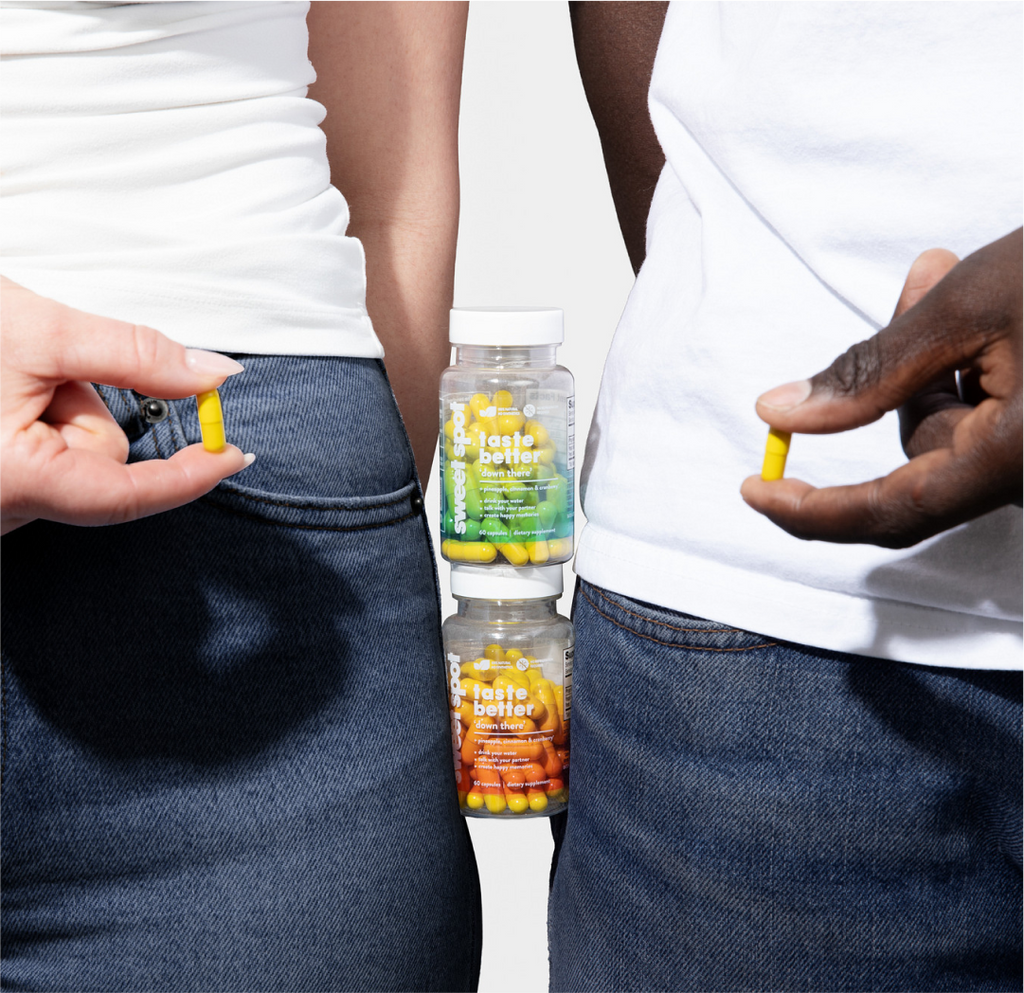
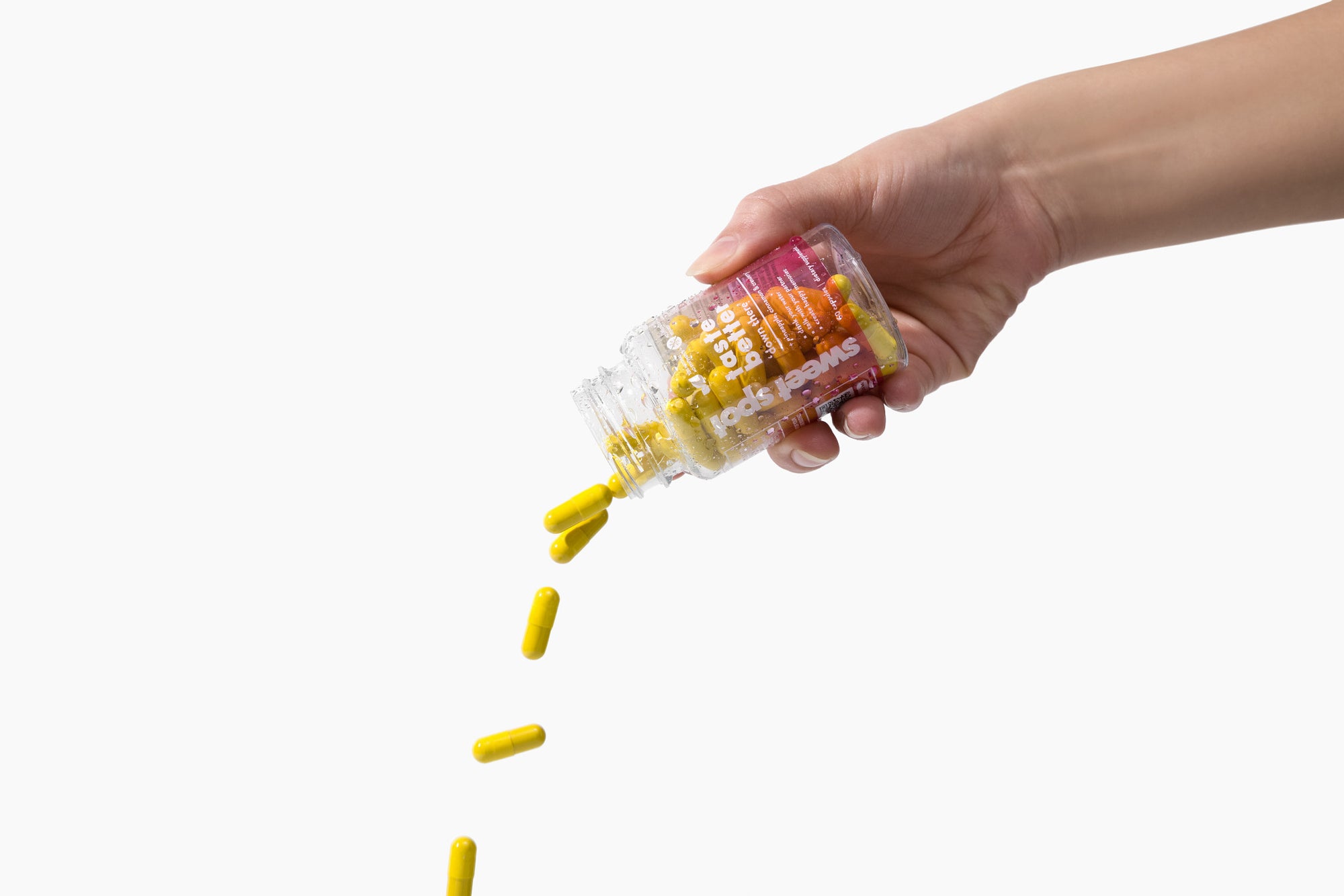
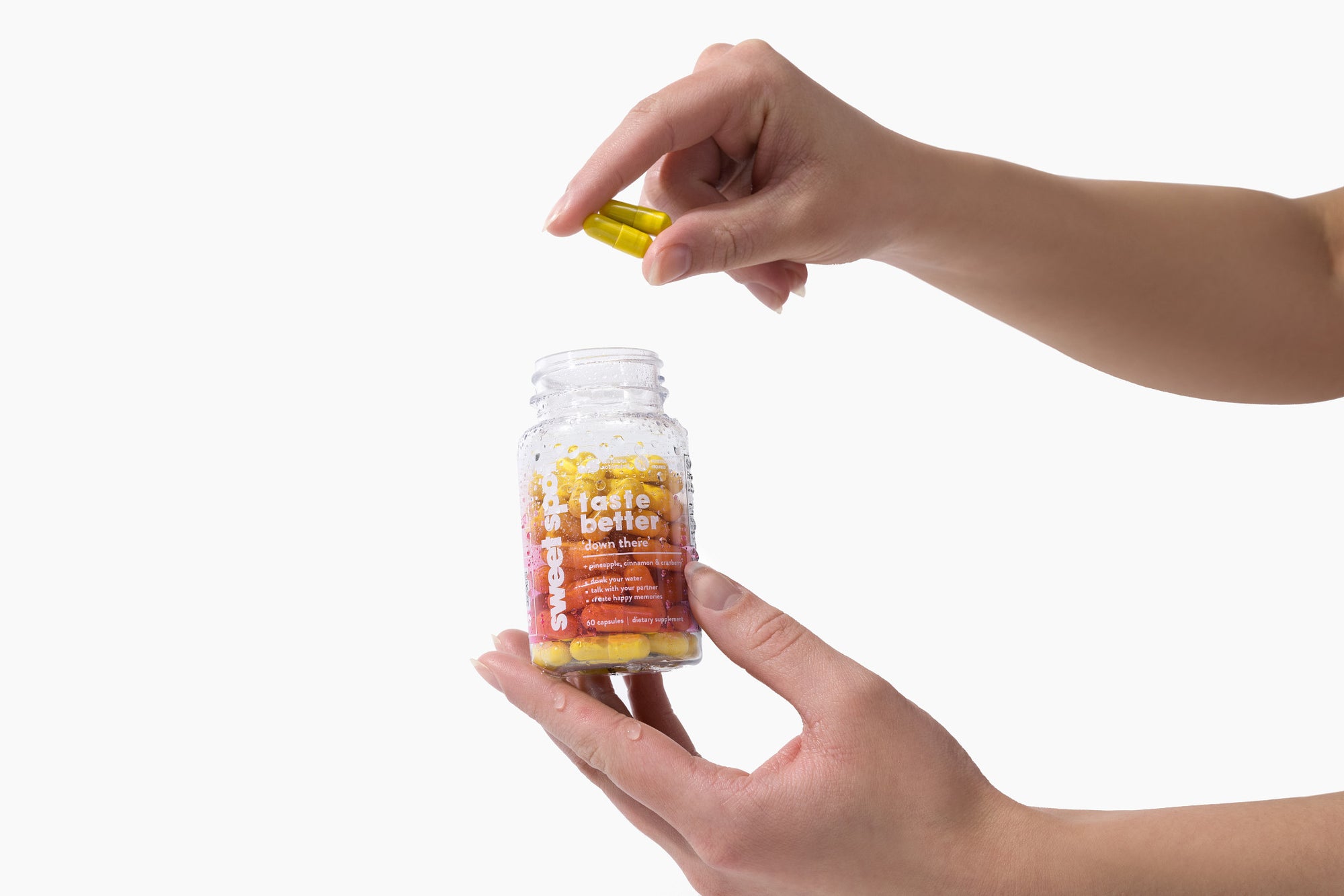
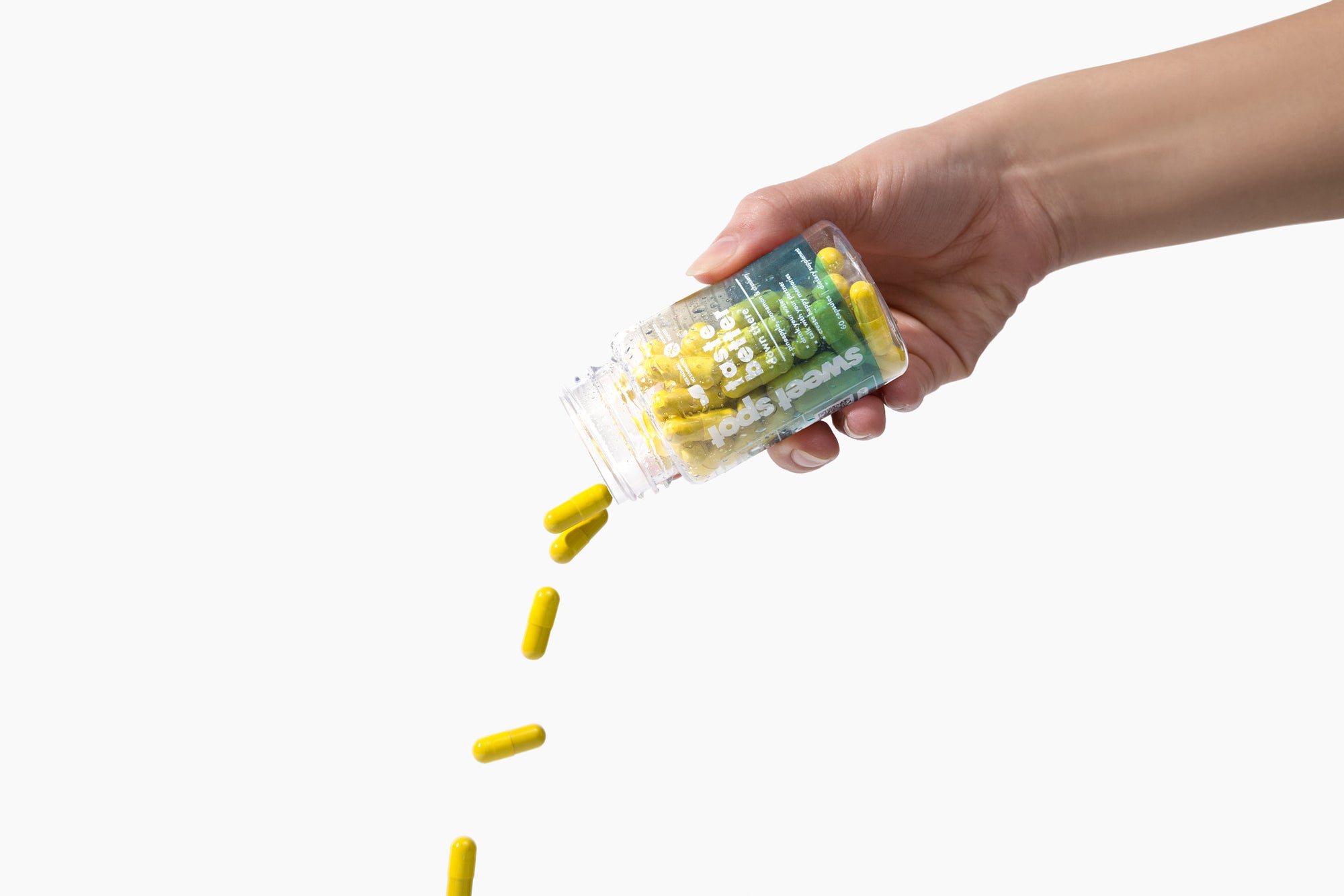
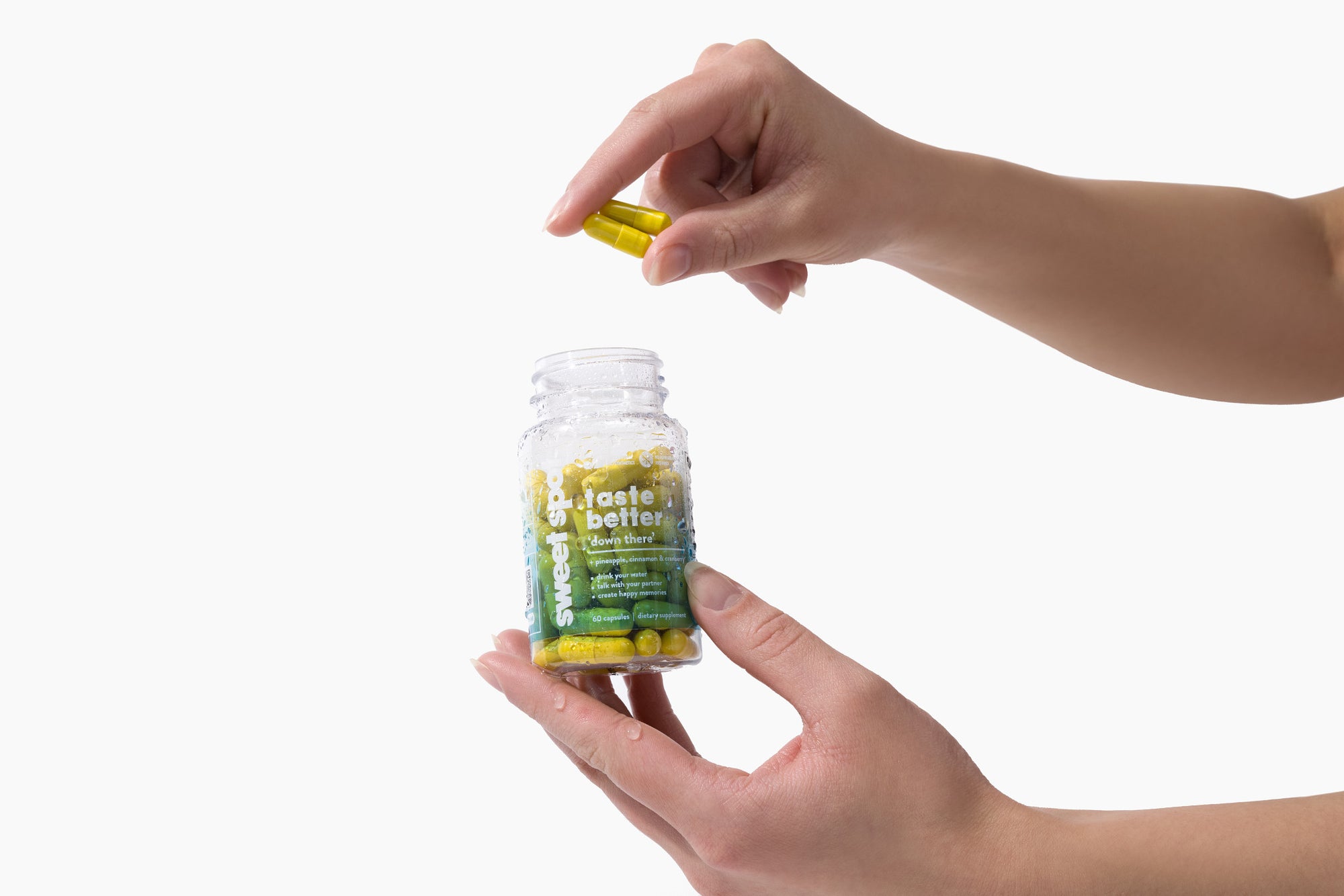
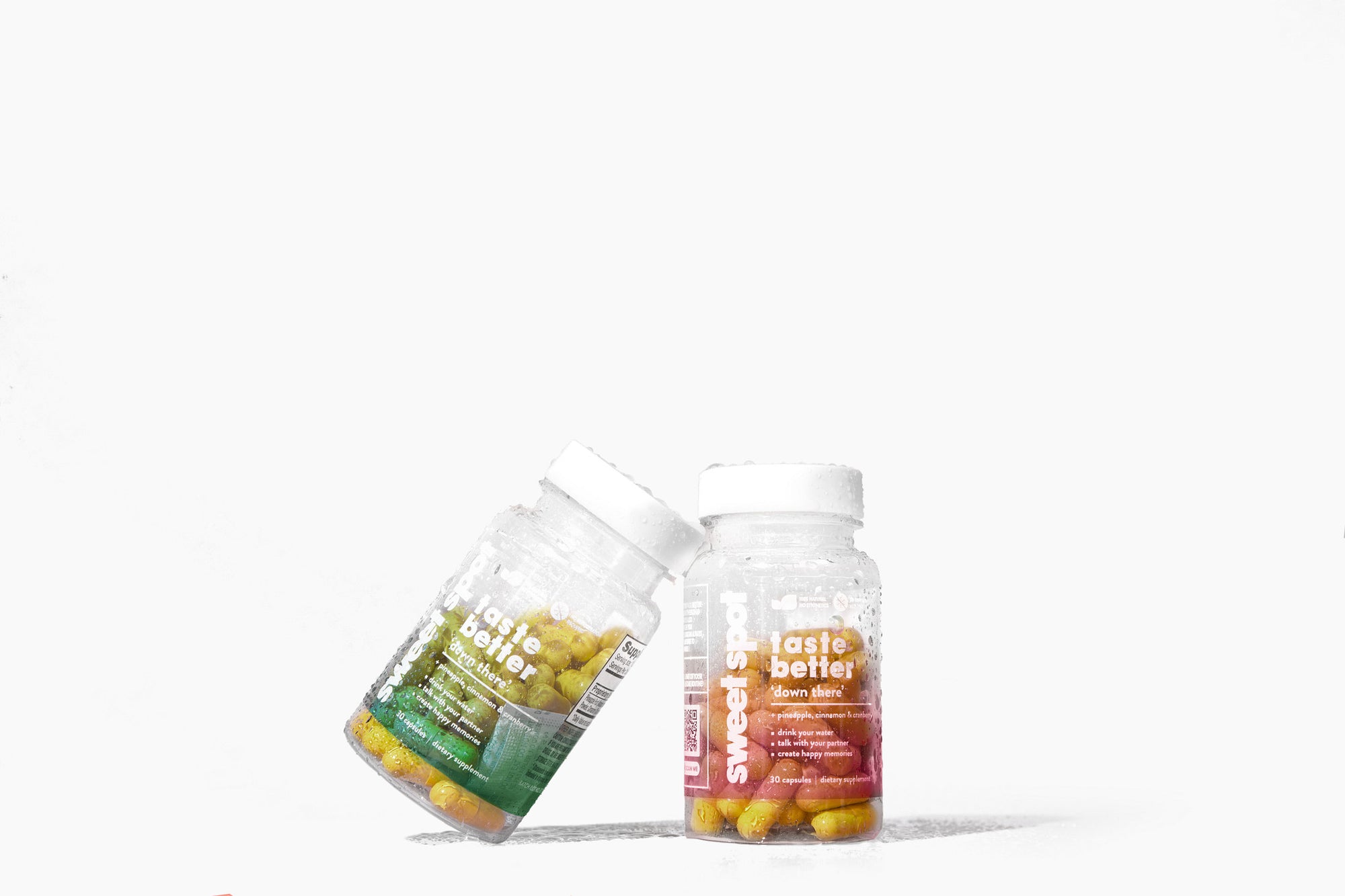
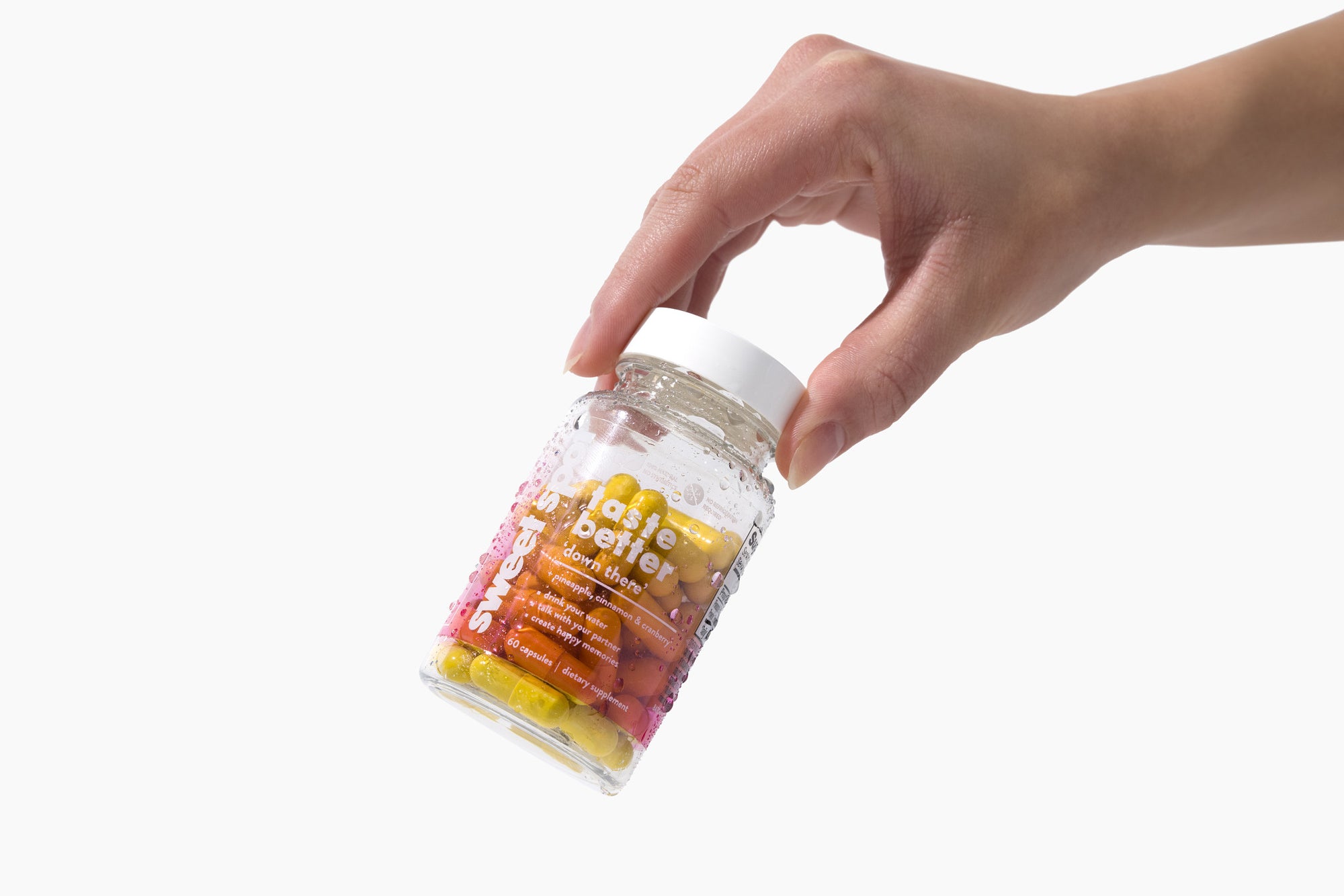
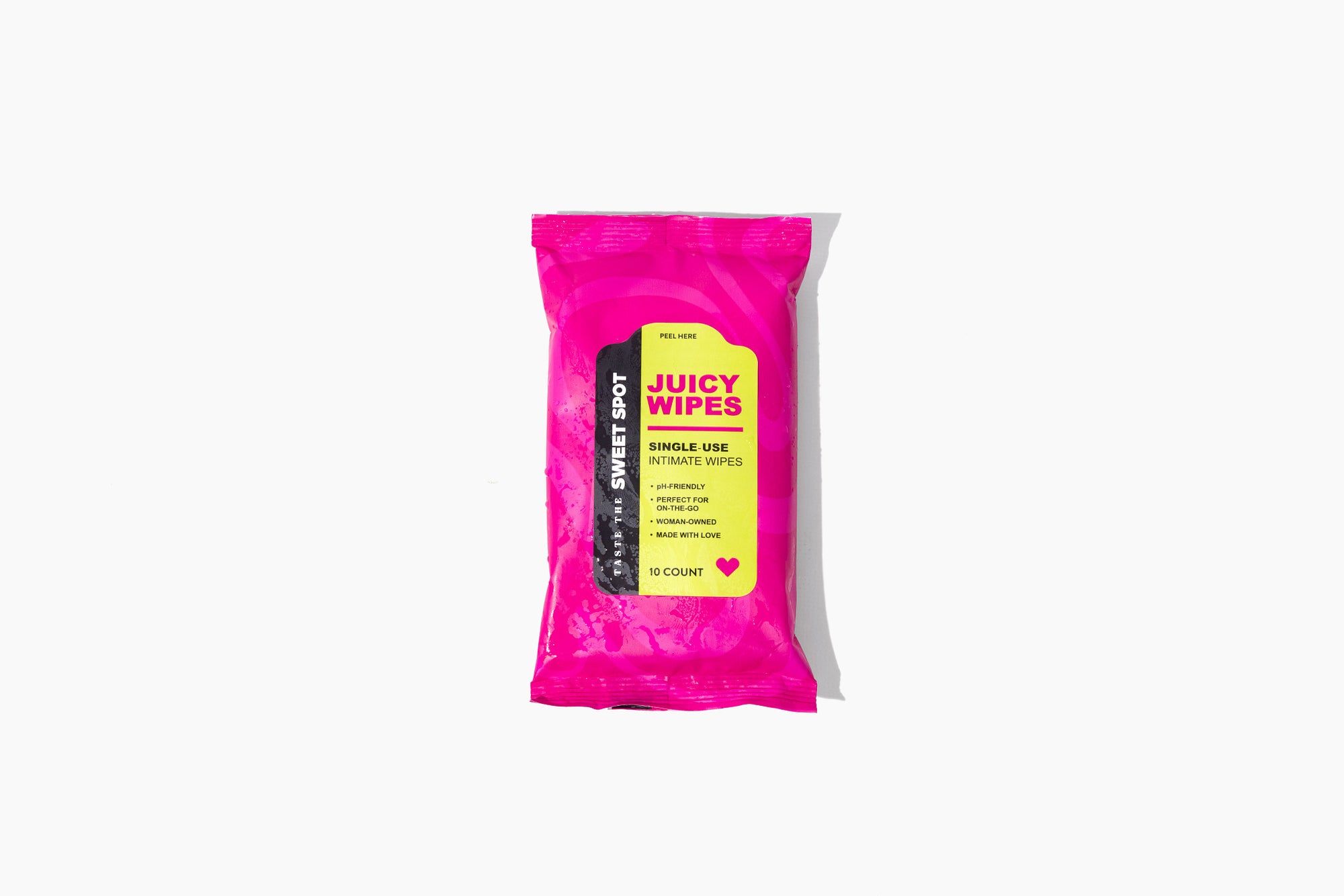
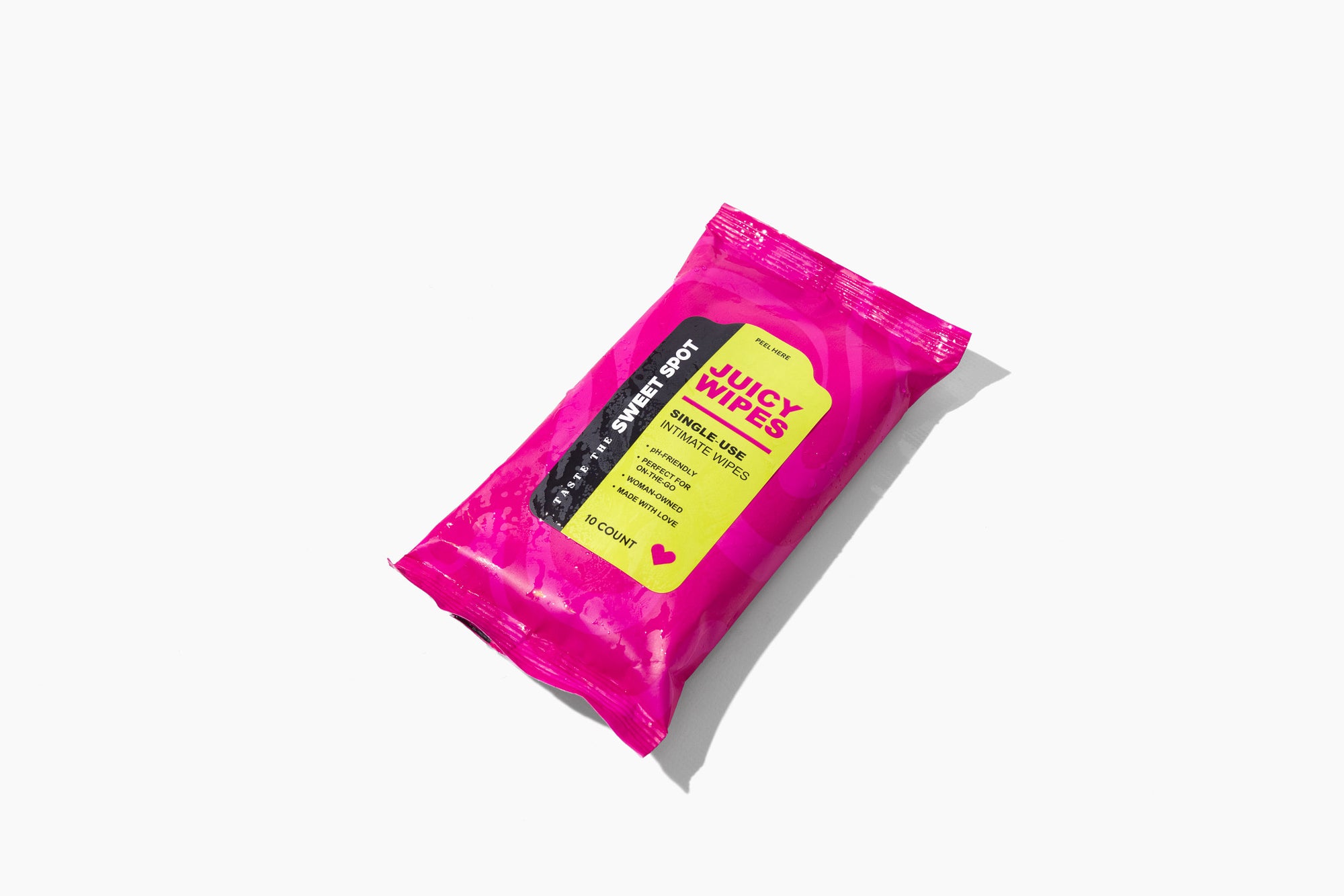
This is precisely the philosophy behind Women's Sweet Spot — a daily supplement built around pineapple extract and ingredients chosen to support natural pH balance and freshness. It's designed to help you maintain the healthy baseline that makes recurrence less likely, working alongside (never instead of) good hygiene and medical care. Many women also keep pH-balanced intimate wipes on hand for gentle, balance-friendly freshening that won't disrupt their pH the way scented products do.
When to See a Doctor — No Guessing
See a healthcare provider if: it's your first time experiencing these symptoms; symptoms are severe; they don't improve with treatment; they keep coming back (four or more yeast infections a year, for instance); you're pregnant; you have fever or pelvic pain; or you're unsure what you're dealing with. Self-diagnosis is unreliable even for experienced women — studies consistently show many self-diagnosed "yeast infections" turn out to be something else entirely.
The Bottom Line
BV and yeast infections are both common, both treatable, and both rooted in the same underlying issue: a disrupted vaginal balance. The differences in odor, discharge, and itching can help you tell them apart, but accurate diagnosis from a provider is the safest path — because the treatments are completely different. Beyond treatment, the real long-term win is prevention: supporting your protective bacteria, protecting your pH, and avoiding the habits that throw everything off. Get the balance right, and you take away the very conditions both of these problems need to thrive.
Frequently Asked Questions
How can I tell if I have BV or a yeast infection?
A strong fishy odor with thin, grayish discharge points toward BV, while intense itching with thick, white, odorless discharge points toward a yeast infection. Because they overlap and the treatments differ, see a provider to confirm — especially the first time.
Can I treat BV with a yeast infection medication?
No. Antifungal medications treat yeast, not BV, and antibiotics treat BV, not yeast. Using the wrong one won't help and can delay relief. Confirm the diagnosis first.
Why do these keep coming back?
Recurrence usually happens because the underlying balance — healthy Lactobacillus levels and an acidic pH — was never fully restored. Supporting that balance daily with probiotics, good habits, and avoiding douching helps break the cycle.
Can probiotics prevent BV and yeast infections?
Probiotics support the protective bacteria that keep your vaginal environment acidic and balanced, which can help reduce recurrence — particularly after antibiotics. They're a preventive support, not a treatment for an active infection.
Is BV a sexually transmitted infection?
BV isn't classified as an STI, but sexual activity can disrupt your balance and increase risk. Having BV can also raise susceptibility to STIs, which is another reason to address it properly.
Support your natural balance every day with Women's Sweet Spot and gentle, pH-balanced Intimate Wipes.
This article is for educational purposes only and is not medical advice. Consult a qualified healthcare professional for diagnosis and treatment of any medical condition.
SHOP THE PRODUCTS BEHIND THE VIRAL HYPE
'TASTE BETTER DOWN THERE'
#STAYJUICY