

The idea that you can take a supplement and change how your body tastes and smells may sound too good to be true — but the science is more compelling than most people realize. What you consume directly influences the composition of your sweat, bodily fluids, breath, and overall body chemistry. Specific vitamins, enzymes, botanical extracts, and probiotics have demonstrated the ability to neutralize odor-causing compounds, improve the quality of secretions, and support the internal processes that determine how you smell and taste to others.
This buyer's guide is the most comprehensive resource available on supplements for better taste and smell. We will break down every major ingredient, explain exactly how it works in your body, review the clinical evidence, provide dosage guidelines, and help you choose the right product — whether you are shopping for yourself, your partner, or both. No vague marketing claims, no pseudoscience — just evidence-based guidance you can actually use.
How Supplements Affect Body Chemistry, Fluids, and Odor
To understand how supplements can change how you taste and smell, you need to understand where body odor and fluid taste come from in the first place.
Body odor is produced primarily by bacteria breaking down compounds in your sweat. Apocrine glands — concentrated in the groin, armpits, and genital area — secrete a fatty sweat that skin bacteria metabolize into volatile organic compounds (VOCs) like thioalcohols and short-chain fatty acids. These are what you actually smell.
The taste and smell of bodily fluids (including saliva, sweat, vaginal fluids, and seminal fluid) is determined by their biochemical composition, which is directly influenced by what you consume. Fluids contain sugars, salts, proteins, enzymes, and metabolic byproducts. When you eat something like garlic, the sulfur compounds are metabolized and excreted in multiple body fluids. When you eat pineapple, the sugars and acids similarly influence fluid composition.
Supplements work through several mechanisms:
- Internal deodorization: Ingredients like chlorophyll bind to odor-causing compounds in the gut and bloodstream before they can be excreted in sweat and fluids.
- Enzymatic breakdown: Enzymes like bromelain help break down proteins and metabolic byproducts that contribute to strong flavors and odors.
- pH modification: Certain ingredients help maintain optimal pH in bodily fluids, which affects microbial growth and odor production.
- Microbiome support: Probiotics and prebiotics support healthy bacterial populations in the gut, vagina, and on the skin, which directly impacts odor.
- Antioxidant protection: Antioxidants like vitamin C reduce oxidative stress and the production of odor-causing free radical byproducts.
- Metabolic optimization: Nutrients like zinc support hundreds of enzymatic processes that influence how your body processes and excretes compounds.
The key insight is this: supplements do not mask odor or taste — they change the underlying chemistry that produces it. This is why they work more comprehensively and sustainably than topical products alone.
Ingredient Deep-Dives: The 12 Most Effective Supplements
1. Bromelain (Pineapple Enzyme)
What it is: Bromelain is a group of proteolytic (protein-digesting) enzymes extracted from the stem and fruit of the pineapple plant (Ananas comosus). It has been used medicinally for centuries in Central and South America and is one of the most well-known supplements for improving the taste of bodily fluids.
How it works: Bromelain breaks down proteins into smaller peptides and amino acids. Many of the compounds that contribute to strong or bitter flavors in bodily fluids are protein-based metabolic byproducts. By accelerating their breakdown, bromelain helps produce fluids with a milder, sweeter profile. Bromelain also has significant anti-inflammatory properties and supports digestive health, which indirectly improves overall body chemistry.
Evidence: While large-scale clinical trials specifically on taste improvement are limited, bromelain's mechanisms are well-established. It is approved in many countries as a digestive aid and anti-inflammatory agent. The anecdotal evidence for its effect on bodily fluid taste is extensive and consistent — the famous "eat pineapple" advice exists for a reason, and bromelain is the concentrated active compound responsible for that effect.
Dosage: 500–2,000 GDU (Gelatin Dissolving Units) per day. Look for standardized extracts that specify GDU rather than just milligrams, as enzyme activity is what matters. Typical effective doses are 500 mg of a standardized extract providing at least 2,400 GDU/g.
Timeline: Effects can begin within 24–48 hours but are most noticeable after 1–2 weeks of consistent use.
Side effects: Generally well-tolerated. Can cause mild digestive discomfort in some people. People with pineapple allergies should avoid it. May interact with blood-thinning medications.
2. Chlorophyll / Chlorophyllin
What it is: Chlorophyll is the green pigment in plants that enables photosynthesis. Chlorophyllin is a semi-synthetic, water-soluble derivative of chlorophyll that is more bioavailable and stable in supplement form. Both are used as internal deodorizers.
How it works: Chlorophyll and chlorophyllin bind to odor-causing compounds — including the sulfur compounds, amines, and other volatile molecules produced during digestion and metabolism — in the gut before they can be absorbed into the bloodstream and excreted in sweat, breath, and bodily fluids. Essentially, chlorophyll acts as an internal "odor neutralizer," intercepting problematic compounds at the source. It also has mild antimicrobial properties that support a healthier gut environment.
Evidence: Chlorophyllin has been used in clinical settings since the 1950s to control body and fecal odor in ostomy patients, with studies published in journals including the Journal of the American Geriatrics Society demonstrating significant odor reduction. A 1980 study found that chlorophyllin reduced trimethylamine levels — the compound responsible for "fishy" body odor — in patients with trimethylaminuria. It is also used in wound care for its deodorizing properties.
Dosage: 100–300 mg of chlorophyllin per day, or 500–1,000 mg of liquid chlorophyll (typically from alfalfa or mulberry leaf). Copper chlorophyllin (sodium copper chlorophyllin) is the most studied and bioavailable form.
Timeline: Deodorizing effects can be noticed within 1–3 days. Full body chemistry optimization takes 2–4 weeks.
Side effects: May turn stool green (harmless). Mild digestive discomfort at high doses. Very rare photosensitivity. Generally recognized as safe (GRAS) by the FDA.
3. Zinc
What it is: Zinc is an essential trace mineral involved in over 300 enzymatic reactions in the body. It plays a critical role in immune function, protein synthesis, wound healing, DNA synthesis, and cell division.
How it works: Zinc directly influences body odor through multiple pathways. It is a cofactor for enzymes that metabolize odor-causing compounds. It supports healthy immune function, which prevents the overgrowth of odor-producing bacteria. Zinc also plays a role in the production and quality of seminal fluid, vaginal secretions, and other bodily fluids. Zinc deficiency is linked to increased body odor, altered taste perception, and reproductive fluid quality issues.
Evidence: A study published in the Indian Journal of Dermatology found that oral zinc supplementation reduced axillary (underarm) odor intensity. Zinc is well-established as essential for normal taste and smell perception — deficiency causes hypogeusia (reduced taste) and hyposmia (reduced smell). Research also shows zinc's importance in reproductive health and fluid quality for both men and women.
Dosage: 15–30 mg per day of elemental zinc. Forms with good bioavailability include zinc picolinate, zinc citrate, and zinc bisglycinate. Avoid zinc oxide, which has poor absorption. Do not exceed 40 mg per day without medical supervision, as excess zinc can deplete copper.
Timeline: 2–4 weeks for noticeable body chemistry changes. Zinc's effects on taste perception may be noticed within 1–2 weeks.
Side effects: Nausea if taken on an empty stomach. Long-term high-dose use can cause copper deficiency. Take with food to minimize digestive discomfort.
4. Vitamin C (Ascorbic Acid)
What it is: Vitamin C is a water-soluble antioxidant vitamin essential for collagen synthesis, immune function, and protecting cells from oxidative damage.
How it works: Vitamin C affects body chemistry in several ways relevant to taste and smell. As a powerful antioxidant, it neutralizes free radicals and reduces the oxidative byproducts that contribute to body odor. It acidifies urine, which can help prevent UTIs and reduce the bacterial activity that produces unpleasant odors. Vitamin C also supports healthy vaginal pH by promoting Lactobacillus growth, and it improves the overall quality of bodily fluids by reducing the concentration of bitter and metallic compounds.
Evidence: Multiple studies demonstrate vitamin C's role in supporting vaginal health and preventing bacterial vaginosis (a common cause of vaginal odor). A study in the European Journal of Obstetrics & Gynecology and Reproductive Biology found that vaginal vitamin C restored normal vaginal pH and flora. Oral supplementation supports systemic pH balance and antioxidant status, both of which influence body chemistry.
Dosage: 250–1,000 mg per day. The recommended daily allowance is 75–90 mg, but higher doses are commonly used for the antioxidant and pH-modifying benefits relevant to body chemistry. Buffered vitamin C (calcium ascorbate or sodium ascorbate) is gentler on the stomach than ascorbic acid.
Timeline: 1–2 weeks for antioxidant effects on body chemistry. Ongoing use provides the best results.
Side effects: Digestive discomfort (bloating, diarrhea) at very high doses. The tolerable upper intake level is 2,000 mg per day. People with kidney stones should consult their doctor before high-dose supplementation.
5. Cranberry Extract
What it is: Cranberry extract is derived from the fruit of Vaccinium macrocarpon. It is concentrated in proanthocyanidins (PACs), organic acids, and flavonoids.
How it works: Cranberry extract contains proanthocyanidins (particularly A-type PACs) that prevent bacteria — especially E. coli — from adhering to the walls of the urinary tract and bladder. This anti-adhesion property reduces bacterial growth that can cause unpleasant odor in the urogenital area. Cranberry also acidifies urine and has antioxidant properties that improve overall fluid quality. For women, maintaining urinary tract health is closely linked to intimate freshness and reduced odor.
Evidence: A 2023 Cochrane Review analyzing 50 studies with over 8,800 participants concluded that cranberry products reduce the risk of recurrent UTIs, particularly in women. The anti-adhesion mechanism of cranberry PACs is well-established in research. While studies specifically measuring odor improvement are limited, the reduction in bacterial colonization logically supports better intimate freshness.
Dosage: Look for extracts standardized to 36 mg of PACs per day — this is the dosage used in most clinical trials showing UTI prevention benefits. This typically translates to 400–500 mg of a high-quality cranberry extract. Avoid cranberry juice cocktails, which are loaded with sugar and provide insufficient PAC concentrations.
Timeline: 2–4 weeks for urinary tract benefits. Ongoing daily use recommended for sustained effects.
Side effects: Very well tolerated. May interact with warfarin (blood thinner) — consult your doctor if applicable. Can cause mild stomach upset in some people.
6. Probiotics (Specific Strains)
What it is: Probiotics are live microorganisms that confer health benefits when consumed in adequate amounts. For body chemistry and intimate health, specific strains are far more effective than generic probiotic blends.
How it works: The gut microbiome plays a central role in how your body processes foods and produces odor compounds. An imbalanced gut microbiome (dysbiosis) leads to increased production of volatile sulfur compounds, amines, and other malodorous metabolites that are excreted in sweat and bodily fluids. Specific Lactobacillus strains also colonize the vaginal tract, maintaining the acidic pH that prevents BV (a primary cause of vaginal odor). For men, gut-targeted probiotics improve the digestion and metabolism of foods that contribute to body odor.
Key strains to look for:
- Lactobacillus rhamnosus GR-1: The most researched strain for vaginal health, shown to reduce BV recurrence and support healthy vaginal flora.
- Lactobacillus reuteri RC-14: Works synergistically with L. rhamnosus GR-1 for vaginal health.
- Lactobacillus acidophilus: Supports both gut and vaginal health. Produces lactic acid that maintains acidic pH.
- Lactobacillus plantarum: Effective at reducing gas, bloating, and the production of malodorous gut metabolites.
- Bifidobacterium lactis: Supports digestive health and reduces the production of odor-causing compounds during digestion.
Evidence: A randomized controlled trial published in FEMS Immunology & Medical Microbiology found that oral supplementation with L. rhamnosus GR-1 and L. reuteri RC-14 significantly restored healthy vaginal flora in women with BV. Multiple studies demonstrate that probiotic supplementation reduces fecal odor compounds and improves overall body chemistry.
Dosage: 1–10 billion CFU (Colony Forming Units) per day of targeted strains. Higher CFU counts are not necessarily better — strain specificity and viability (whether the bacteria are alive at the time of consumption) matter more than raw numbers.
Timeline: Gut effects begin within 1–2 weeks. Vaginal flora changes may take 4–8 weeks of consistent use.
Side effects: Temporary gas or bloating during the first few days as the gut microbiome adjusts. Very safe for long-term use.
7. Fenugreek
What it is: Fenugreek (Trigonella foenum-graecum) is an herb native to the Mediterranean region. Its seeds and leaves have been used in traditional medicine for thousands of years, particularly in Ayurvedic and traditional Chinese medicine.
How it works: Fenugreek contains a compound called sotolon, which has a sweet, maple syrup-like aroma. When consumed, sotolon is excreted in sweat and urine, imparting a naturally sweet scent to body secretions. Fenugreek also contains saponins and fiber that support healthy digestion and reduce the production of odor-causing metabolites. Additionally, fenugreek supports hormonal balance in both men and women, which can positively affect body chemistry.
Evidence: The effect of fenugreek on body odor is well-documented anecdotally and supported by its known biochemistry. Sotolon (4,5-dimethyl-3-hydroxy-2(5H)-furanone) is a potent aromatic compound with a detection threshold as low as 0.02 ppb, meaning very small amounts can influence body scent. A study in the Journal of the International Society of Sports Nutrition found that fenugreek supplementation influenced body composition and hormone levels in men, supporting its role in overall body chemistry.
Dosage: 500–1,000 mg of fenugreek seed extract per day, preferably standardized to a minimum of 50% saponins.
Timeline: The sweet scent effect can be noticed within 1–3 days due to sotolon excretion. Broader body chemistry effects develop over 2–4 weeks.
Side effects: May cause a maple syrup-like body odor (which most people consider pleasant). Can cause mild digestive effects. May lower blood sugar — people with diabetes should monitor their levels. May interact with blood thinners. Avoid during pregnancy as it may stimulate uterine contractions.
8. Cinnamon Extract
What it is: Cinnamon is a spice derived from the inner bark of trees in the Cinnamomum genus. In supplement form, it is available as an extract standardized for cinnamaldehyde and polyphenol content. Ceylon cinnamon (C. verum) is preferred over cassia cinnamon (C. cassia) for supplementation due to lower coumarin levels.
How it works: Cinnamon contains cinnamaldehyde, eugenol, and other aromatic compounds that have antimicrobial properties — they inhibit the growth of bacteria and fungi that produce odor. When metabolized, cinnamon's volatile compounds subtly influence the scent profile of bodily fluids and sweat, imparting a warm, pleasant undertone. Cinnamon also supports healthy blood sugar metabolism, which is relevant because elevated blood sugar can increase the concentration of sugars in bodily fluids, promoting bacterial overgrowth and odor.
Evidence: Cinnamaldehyde's antimicrobial properties are well-documented, with studies showing effectiveness against common body odor bacteria including Staphylococcus and Corynebacterium species. Research published in BMC Complementary Medicine and Therapies demonstrates cinnamon extract's ability to inhibit the bacteria responsible for producing malodorous compounds.
Dosage: 250–500 mg of Ceylon cinnamon extract per day. If using cassia cinnamon, limit to lower doses due to coumarin content (the European Food Safety Authority recommends no more than 0.1 mg of coumarin per kg of body weight per day).
Timeline: 2–3 weeks for noticeable changes in body chemistry.
Side effects: Cassia cinnamon contains coumarin, which can be hepatotoxic (liver-damaging) at high doses. Ceylon cinnamon is much lower in coumarin and is the safer choice. Can lower blood sugar — diabetics should monitor levels. May cause mouth sores or irritation in sensitive individuals.
9. Peppermint
What it is: Peppermint (Mentha piperita) is a hybrid mint — a cross between watermint and spearmint. Peppermint oil and extracts are rich in menthol and menthone, both potent aromatic and antimicrobial compounds.
How it works: Peppermint supports better body chemistry through several mechanisms. It is a powerful digestive aid that reduces gas, bloating, and the production of malodorous gut gases. Menthol has antibacterial properties that help control odor-causing bacteria in the gut and throughout the body. When metabolized, peppermint compounds subtly contribute to a fresher, more pleasant body scent. Peppermint oil also relaxes smooth muscle in the digestive tract, improving digestion and reducing the fermentation that produces foul-smelling compounds.
Evidence: Peppermint oil is one of the most extensively studied herbal supplements for digestive health. A meta-analysis published in BMC Complementary Medicine and Therapies found that peppermint oil significantly reduced symptoms of IBS, including bloating and gas. Its antimicrobial properties against oral and gut bacteria are well-documented in microbiological studies.
Dosage: 90–180 mg of enteric-coated peppermint oil per day (enteric coating prevents stomach upset and ensures the oil reaches the intestines where it is most effective). Alternatively, 300–600 mg of peppermint leaf extract per day.
Timeline: Digestive benefits (reduced gas and bloating) within 1–2 weeks. Overall body chemistry effects within 2–4 weeks.
Side effects: Heartburn or reflux if not using enteric-coated capsules. May worsen symptoms of GERD. Should not be used by people with gallbladder issues. Can cause a cool or burning sensation during bowel movements at higher doses.
10. Wheatgrass
What it is: Wheatgrass is the young grass of the common wheat plant (Triticum aestivum), harvested before the grain develops. It is extremely rich in chlorophyll, vitamins, minerals, amino acids, and enzymes.
How it works: Wheatgrass is one of the most concentrated natural sources of chlorophyll — it is approximately 70% chlorophyll by dry weight. This makes it a potent internal deodorizer, as the chlorophyll binds to and neutralizes odor-causing compounds throughout the digestive system and bloodstream. Wheatgrass also contains numerous enzymes that support digestion and reduce the production of malodorous metabolites. Its high antioxidant content further supports healthy body chemistry.
Evidence: A study published in the Journal of Clinical and Diagnostic Research found that chlorophyll-rich wheatgrass juice reduced body odor in patients with trimethylaminuria (a metabolic condition causing fish-like body odor). The high concentration of chlorophyll and its documented deodorizing effects make wheatgrass a well-supported ingredient for body chemistry improvement.
Dosage: 500–1,000 mg of wheatgrass powder per day, or 1–2 oz of fresh wheatgrass juice. Concentrated extracts are also available and can be more convenient.
Timeline: 1–2 weeks for internal deodorizing effects. 3–4 weeks for broader body chemistry optimization.
Side effects: Nausea (especially with fresh juice on an empty stomach), headache, and allergic reactions in people with grass allergies. Not suitable for people with celiac disease or wheat allergies unless confirmed gluten-free (wheatgrass itself is gluten-free when harvested before the seed head develops, but cross-contamination is possible).
11. Spirulina and Chlorella
What they are: Spirulina (Arthrospira platensis) is a blue-green cyanobacterium, and chlorella (Chlorella vulgaris) is a single-celled green freshwater algae. Both are nutrient-dense superfoods high in chlorophyll, protein, vitamins, minerals, and antioxidants.
How they work: Like wheatgrass, both spirulina and chlorella are exceptionally rich in chlorophyll and derive their deodorizing power primarily from this compound. Chlorella is unique in its ability to bind to heavy metals and toxins (a process called chelation), helping remove these body chemistry disruptors from the system. Spirulina is particularly rich in phycocyanin, a potent antioxidant that reduces oxidative stress and the production of odor-causing free radical byproducts. Both algae support liver detoxification pathways, which is relevant because the liver is the primary organ responsible for processing odor-causing compounds.
Evidence: Chlorella's detoxification properties are supported by research published in the Journal of Medicinal Food, which demonstrated its ability to increase the excretion of heavy metals and environmental toxins. Spirulina's antioxidant and anti-inflammatory properties are extensively documented, with studies showing its ability to reduce oxidative markers in the blood.
Dosage: Spirulina: 1,000–3,000 mg per day. Chlorella: 2,000–5,000 mg per day. Start with lower doses and increase gradually, as detoxification effects can cause temporary symptoms.
Timeline: 2–4 weeks for noticeable body chemistry changes. Detoxification effects may be noticed within the first week (potentially including temporary worsening of symptoms as toxins are mobilized).
Side effects: Digestive effects (gas, diarrhea, green stool) are common initially. Chlorella's "broken cell wall" form is better absorbed. Both can cause allergic reactions in sensitive individuals. Ensure products are tested for heavy metals, as algae can accumulate them from contaminated water sources.
12. Digestive Enzymes
What they are: Digestive enzyme supplements are blends of enzymes that help break down food components — proteins (proteases), fats (lipases), and carbohydrates (amylases). They may be derived from plants (papaya, pineapple), fungi, or animal sources (pancreatic enzymes).
How they work: Incomplete digestion is a major contributor to body odor and fluid quality issues. When food is not properly broken down, it ferments in the gut, producing hydrogen sulfide, mercaptans, ammonia, and other malodorous gases that are absorbed into the bloodstream and excreted in sweat, breath, and bodily fluids. Supplemental digestive enzymes support more complete digestion, reducing the production of these odor-causing compounds. They also reduce bloating and gas, which contributes to overall freshness.
Key enzymes to look for:
- Bromelain: Protein-digesting enzyme from pineapple (covered in detail above)
- Papain: Protein-digesting enzyme from papaya — works similarly to bromelain
- Lipase: Breaks down fats, reducing fatty acid fermentation in the gut
- Alpha-galactosidase: Breaks down the complex sugars in beans, cruciferous vegetables, and other gas-producing foods
- Lactase: Breaks down lactose, preventing the fermentation and gas that affects many lactose-intolerant individuals
- Cellulase: Breaks down plant cell walls, improving the digestion of fiber-rich foods
Evidence: Digestive enzyme supplements are extensively researched for their effects on digestion and gas reduction. A randomized controlled trial published in Alimentary Pharmacology & Therapeutics found that a multi-enzyme supplement significantly reduced bloating, gas, and fullness after meals. The connection between improved digestion and reduced body odor is well-established in metabolic medicine.
Dosage: Varies by enzyme type. Look for a broad-spectrum enzyme blend taken with meals. Enzyme activity should be measured in activity units (GDU for bromelain, PU for papain, FIP for lipase) rather than milligrams.
Timeline: Digestive improvements within 1–3 days. Effects on overall body chemistry within 2–4 weeks of consistent use with meals.
Side effects: Generally well-tolerated. Mild digestive discomfort initially. People with allergies to pineapple or papaya should avoid bromelain and papain respectively. Those with pancreatic conditions should consult their doctor.
Master Comparison Table: All 12 Ingredients at a Glance
| Ingredient | Primary Benefit | Typical Daily Dose | Time to Results | Best For |
|---|---|---|---|---|
| Bromelain | Improves fluid taste, supports digestion | 500 mg (2,400 GDU/g) | 1–2 weeks | Both men and women |
| Chlorophyll / Chlorophyllin | Internal deodorizer, neutralizes odor compounds | 100–300 mg | 1–3 days | Both men and women |
| Zinc | Supports healthy fluids, immune function, enzyme activity | 15–30 mg | 2–4 weeks | Especially men (reproductive health) |
| Vitamin C | Antioxidant, pH support, vaginal health | 250–1,000 mg | 1–2 weeks | Especially women (pH balance) |
| Cranberry Extract | Urinary tract health, anti-bacterial adhesion | 400–500 mg (36 mg PACs) | 2–4 weeks | Especially women (UTI prevention) |
| Probiotics | Gut and vaginal microbiome support | 1–10 billion CFU | 2–8 weeks | Both, especially women (vaginal health) |
| Fenugreek | Sweet body scent (sotolon), hormonal support | 500–1,000 mg | 1–3 days (scent), 2–4 weeks (overall) | Both men and women |
| Cinnamon Extract | Antimicrobial, blood sugar support, pleasant aroma | 250–500 mg | 2–3 weeks | Both men and women |
| Peppermint | Digestive health, reduces gas, antimicrobial | 90–180 mg (oil) or 300–600 mg (extract) | 1–2 weeks | Both men and women |
| Wheatgrass | High chlorophyll content, potent internal deodorizer | 500–1,000 mg | 1–2 weeks | Both men and women |
| Spirulina / Chlorella | Chlorophyll + detoxification + antioxidant | 1,000–5,000 mg | 2–4 weeks | Both men and women |
| Digestive Enzymes | Improved digestion, reduced fermentation and gas | Varies (multi-enzyme blend with meals) | 1–3 days (digestion), 2–4 weeks (body chem) | Both men and women |
The "For Her" Supplement Guide
Women's body chemistry has unique considerations that should guide supplement selection. Hormonal fluctuations throughout the menstrual cycle, the vaginal microbiome, and susceptibility to UTIs and BV all influence which ingredients are most valuable.
Key Ingredients for Women
- Probiotics (L. rhamnosus GR-1 and L. reuteri RC-14): These are the top priority for women. They directly support vaginal flora health, which is the primary determinant of vaginal odor and taste. BV — caused by an imbalance in vaginal bacteria — is the most common cause of unpleasant vaginal odor, and these strains are proven to restore balance.
- Cranberry extract: Essential for UTI-prone women. Urinary tract health is closely linked to intimate freshness.
- Vitamin C: Supports vaginal pH and Lactobacillus colonization while providing systemic antioxidant benefits.
- Chlorophyll: Powerful internal deodorizer that works regardless of the odor source.
- Bromelain: Improves the taste of vaginal fluids through enzymatic protein breakdown.
What to Look for in a Women's Supplement
- A formula that addresses both vaginal microbiome health and overall body chemistry
- Probiotics with strain-specific research for vaginal health
- Cranberry extract standardized to PAC content
- No unnecessary fillers, artificial colors, or allergens
- GMP (Good Manufacturing Practice) certified facility
- Third-party tested for purity
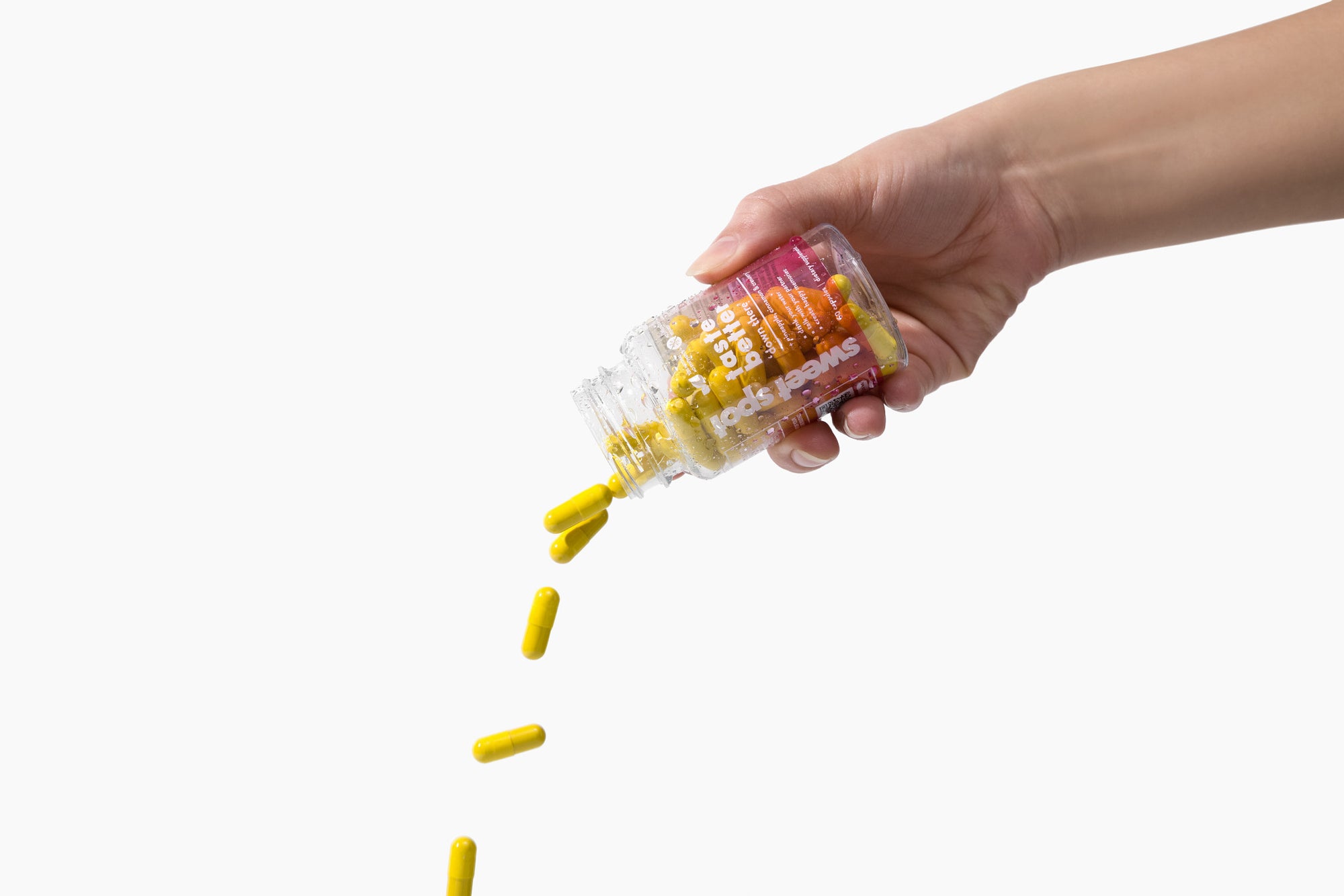
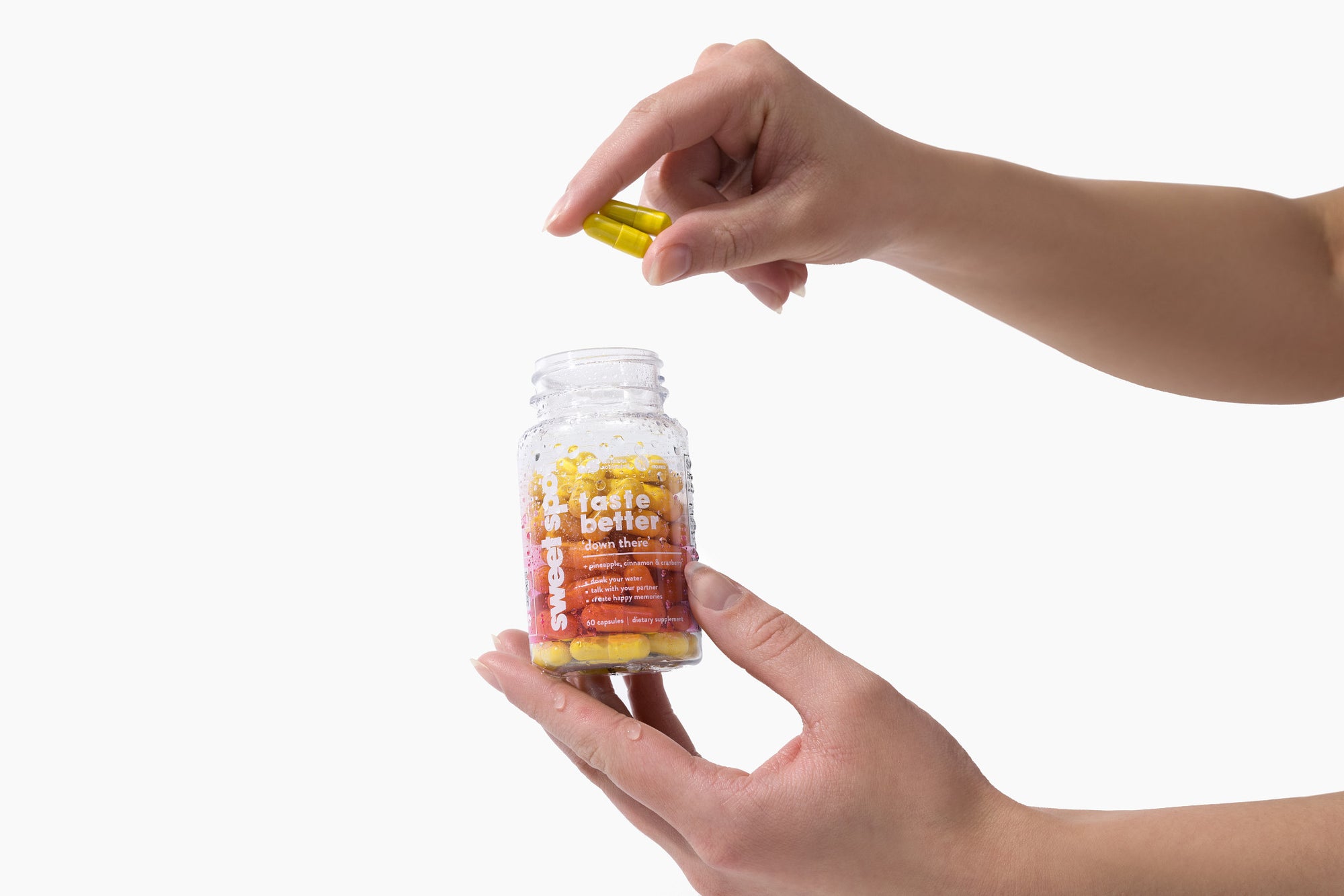
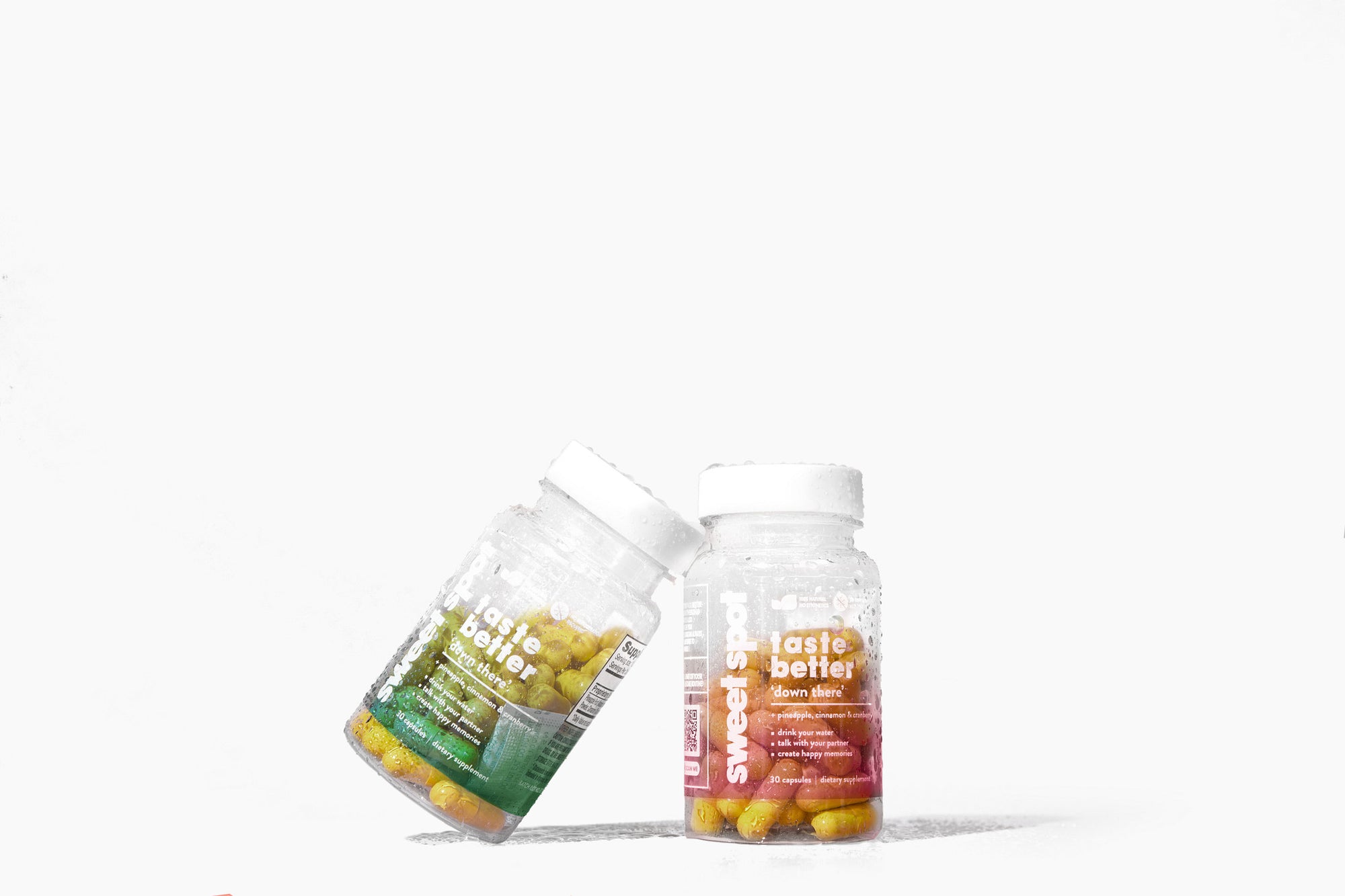
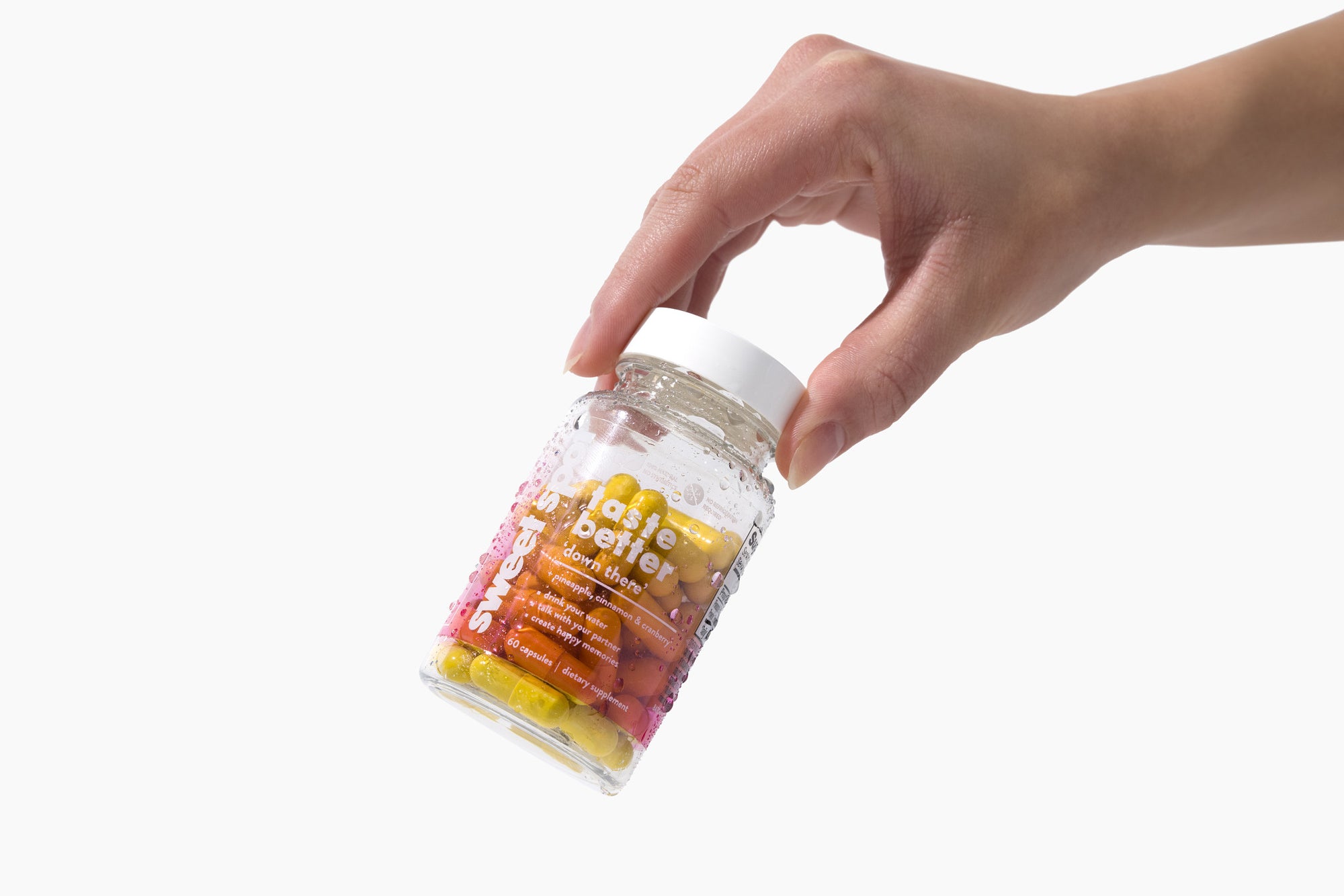
Sweet Spot for Her is formulated specifically for women's body chemistry, combining the key ingredients above in researched doses. It targets both the vaginal microbiome and overall body freshness in a single daily supplement — no need to buy and manage a cabinet full of individual bottles.
The "For Him" Supplement Guide
Men's body chemistry has its own unique considerations. Men tend to produce more sweat (particularly from apocrine glands in the groin), have different hormonal profiles that influence body odor, and have specific nutritional needs for reproductive fluid quality.
Key Ingredients for Men
- Zinc: The top priority for men. Zinc is critical for prostate health, seminal fluid quality, testosterone metabolism, and overall body chemistry. Seminal fluid is naturally high in zinc, and deficiency directly impacts its quality, taste, and smell.
- Bromelain: Particularly effective for improving the taste of seminal fluid. The proteolytic enzyme breaks down the protein compounds that contribute to bitter or strong flavors.
- Chlorophyll: An effective internal deodorizer that addresses the tendency for men to produce stronger body odor due to higher apocrine sweat output.
- Digestive enzymes: Men's typically larger food intake means more potential for incomplete digestion and the resulting odor compounds.
- Fenugreek: Supports testosterone levels and imparts a naturally sweet body scent.
What to Look for in a Men's Supplement
- Meaningful doses of zinc (15–30 mg elemental zinc in a bioavailable form)
- Bromelain standardized to GDU for guaranteed enzyme activity
- Chlorophyll or chlorophyllin for internal deodorizing
- No proprietary blends that hide individual ingredient doses
- No unnecessary stimulants or testosterone boosters with poor evidence
- GMP certified and third-party tested
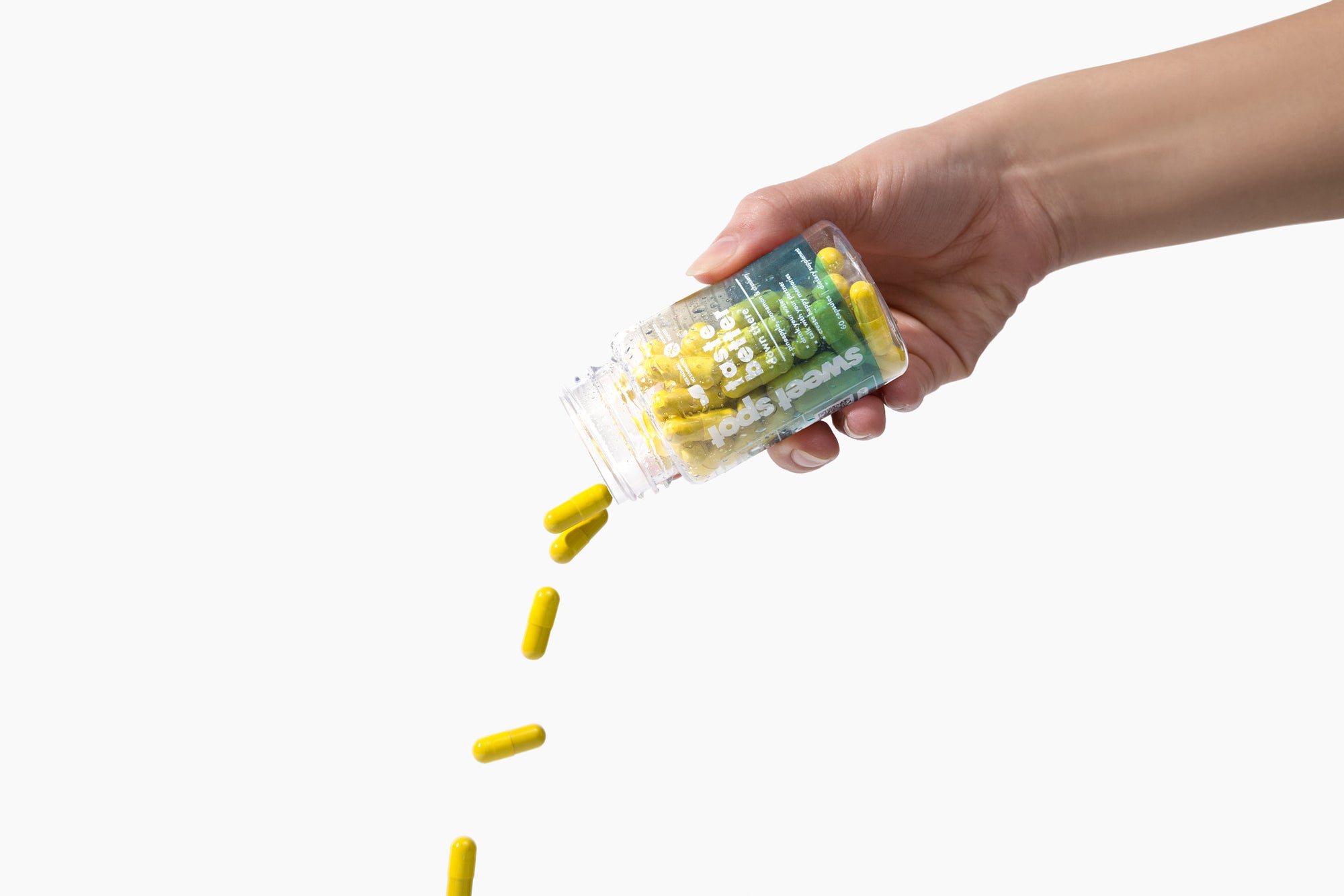
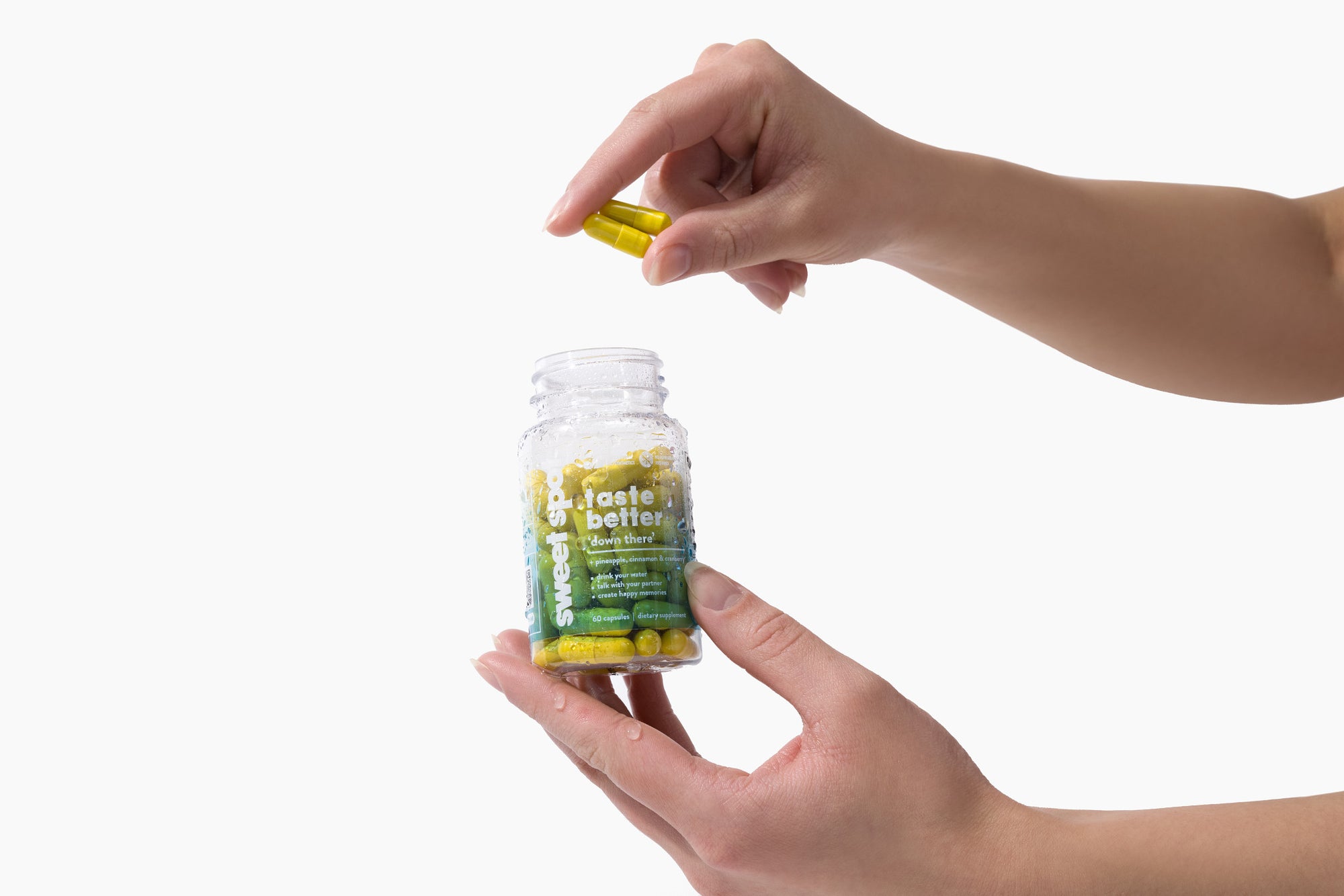
Sweet Spot for Him delivers all the key ingredients men need in a single, convenient daily supplement. From zinc for reproductive fluid quality to chlorophyll for internal freshness to bromelain for better taste — it is everything men need to be at their best, without the guesswork of assembling a supplement stack from scratch.
The Couples' Advantage
When both partners are taking steps to optimize their body chemistry, the results multiply. This is not just about individual freshness — it is about shared confidence and a better experience for both of you.
Why couples' supplementation works so well:
- Shared habits stick. Research in behavioral psychology shows that habits adopted by couples are significantly more likely to be maintained than individual habits. Taking supplements together — like vitamins at breakfast — creates accountability and consistency.
- It removes awkwardness. When both partners are taking a supplement for freshness, it is a shared effort rather than a one-sided suggestion. Nobody feels singled out or criticized.
- Complementary benefits. When both partners optimize their body chemistry simultaneously, the experience during intimacy improves for everyone involved — not just one person.
- It opens the door to broader health conversations. Starting with supplements can lead to improved diet, better hydration habits, and more open communication about health in general.
The Partner Pack includes both Sweet Spot for Her and Sweet Spot for Him at a bundled discount — making it the simplest, most cost-effective way for couples to invest in shared freshness and confidence.
Red Flags: Ingredients and Products to Avoid
The supplement industry is not uniformly regulated, and not all products marketed for "intimate freshness" or "better taste" are worth your money — or safe. Here is what to watch out for:
- Proprietary blends: When a label lists a "proprietary blend" with a combined weight but does not disclose individual ingredient doses, you have no way of knowing if each ingredient is present in an effective amount. This is a common tactic to use tiny, ineffective "fairy dust" amounts of expensive ingredients while marketing their presence on the label. Avoid these.
- Mega-dose single ingredients: Products that provide 10x or more of the RDA for vitamins or minerals without justification. More is not always better, and excessive doses of certain nutrients (like zinc over 40 mg or vitamin A over 10,000 IU) can cause toxicity.
- Artificial sweeteners and flavors: Some supplements marketed for better taste ironically contain artificial sweeteners (sucralose, aspartame) or flavors that can disrupt gut bacteria and undermine the supplement's purpose.
- Unsubstantiated claims: Be skeptical of products that promise results "within hours" or guarantee specific changes. Body chemistry supplements work, but they require consistent use over days to weeks.
- No third-party testing: Reputable supplements carry third-party testing certifications (NSF, USP, ConsumerLab) verifying that the product contains what it claims and is free from contaminants.
- "Detox" products with laxatives: Some products marketed for internal freshness are essentially laxatives (containing senna, cascara sagrada, or magnesium oxide in high doses). These can cause dependency, dehydration, and electrolyte imbalances — they do not improve body chemistry.
- Products containing ephedra, DMAA, or other banned stimulants: Some disreputable products include these banned substances. They have no relevance to body chemistry and pose serious health risks.
- Vaginal supplement inserts without medical evidence: Boric acid suppositories are a doctor-recommended treatment for certain conditions, but other vaginal inserts marketed for freshness (herbal suppositories, "detox pearls," etc.) are unregulated and can cause burns, infections, and tissue damage.
How to Read Supplement Labels: GDU, CFU, and Standardization Explained
Understanding supplement labels is essential for making informed purchasing decisions. Here are the key terms you will encounter:
Enzyme Activity Units
- GDU (Gelatin Dissolving Units): The standard measurement for bromelain activity. It measures the enzyme's ability to digest gelatin. A higher GDU number means more active enzyme per gram. Look for at least 2,400 GDU/g.
- PU (Papain Units): The equivalent measurement for papain (papaya enzyme). Like GDU, higher numbers indicate greater activity.
- FIP (Fédération Internationale Pharmaceutique) Units: Used for lipase, protease, and amylase. Standardized internationally for enzyme activity measurement.
- HUT (Hemoglobin Units on a Tyrosine basis): Another measurement for protease activity.
The critical takeaway: for enzymes, activity units matter more than milligrams. 500 mg of a low-activity bromelain extract may be less effective than 200 mg of a high-activity extract.
Probiotic Measurements
- CFU (Colony Forming Units): Measures the number of live, viable bacteria in a probiotic. Look for products that guarantee CFU at the time of expiration, not just at the time of manufacture — bacteria die during storage.
- Strain specificity: The genus, species, AND strain designation matter. Lactobacillus rhamnosus GR-1 is specifically researched for vaginal health. A generic Lactobacillus rhamnosus without a strain designation may not have the same benefits.
Standardization
- Standardized extract: This means the extract is manufactured to contain a guaranteed minimum percentage of the active compound. For example, "cranberry extract standardized to 15% PACs" guarantees that the active proanthocyanidins are present at a consistent, effective level.
- Full-spectrum vs. standardized: Full-spectrum extracts contain all the compounds in the original plant but at variable levels. Standardized extracts guarantee specific active compound levels. For body chemistry supplements, standardized extracts generally provide more reliable results.
Other Label Terms
- Serving size: Always check how many capsules or tablets constitute one serving. A product may look cheap until you realize the serving size is 4 capsules and the bottle only lasts 15 days.
- "Other ingredients": This section lists fillers, binders, and coatings. Look for minimal, recognizable ingredients. Avoid products with long lists of artificial additives.
- Allergen statements: Check for common allergens like soy, gluten, dairy, nuts, and shellfish — these are common in supplement manufacturing.
- GMP certified: Good Manufacturing Practice certification ensures the product was manufactured in a facility that follows FDA-regulated quality standards.
Supplement Stacking Guide: What to Combine for Maximum Results
While individual ingredients can make a difference, strategic combination (stacking) can amplify results. Here are the most effective stacks:
Stack 1: The Core Freshness Stack (For Everyone)
- Chlorophyll (200 mg) — internal deodorizer
- Bromelain (500 mg / 2,400 GDU/g) — protein breakdown and fluid improvement
- Probiotic (5 billion CFU, multi-strain) — gut and body chemistry balance
Why it works: This stack addresses the three main mechanisms — odor neutralization, fluid composition improvement, and microbiome optimization. These are complementary pathways with no overlapping mechanisms, meaning you get the full benefit of each ingredient.
Stack 2: The Women's Complete Stack
- Everything in Stack 1, plus:
- Cranberry extract (500 mg / 36 mg PACs) — UTI prevention and urinary health
- Vitamin C (500 mg) — vaginal pH support and antioxidant
- Probiotics specifically including L. rhamnosus GR-1 and L. reuteri RC-14
Why it works: Adds vaginal microbiome support and UTI prevention to the core stack, addressing the most common causes of intimate odor in women.
Stack 3: The Men's Complete Stack
- Everything in Stack 1, plus:
- Zinc (25 mg picolinate) — reproductive fluid quality and enzyme support
- Fenugreek (500 mg) — sweet body scent and hormonal support
- Digestive enzyme blend — comprehensive digestion support
Why it works: Adds reproductive fluid optimization and enhanced sweat profile to the core stack, targeting the primary body chemistry concerns for men.
Stack 4: The Maximum Impact Stack (Advanced)
- Everything in the gender-specific stack above, plus:
- Chlorella (2,000 mg) — additional chlorophyll plus detox support
- Cinnamon extract (250 mg Ceylon) — antimicrobial and pleasant aroma
- Peppermint (enteric-coated, 90 mg) — digestive optimization
Why it works: The most comprehensive approach for people who want every possible advantage. Addresses odor neutralization, fluid composition, microbiome health, digestion, detoxification, and antimicrobial defense.
The easier way: If managing 6–10 individual supplements sounds overwhelming, an all-in-one formula that combines the key ingredients is the practical solution. Sweet Spot for Her and Sweet Spot for Him are designed as comprehensive formulas that provide the most impactful ingredients in one daily supplement — no stacking required.
Timeline: What to Expect Week by Week
| Timeframe | What You May Notice | What Is Happening Internally |
|---|---|---|
| Days 1–3 | Possible minor digestive changes (gas, bloating) as your body adjusts. If taking chlorophyll, stool may turn green. Fenugreek users may notice a sweet body scent. | Enzymes are beginning to improve digestion. Chlorophyll is binding to odor compounds in the gut. Probiotics are establishing in the gut. |
| Week 1 | Reduced digestive gas and bloating. Subtle improvements in breath freshness. Sweat may smell slightly less strong. | Improved digestion reduces fermentation byproducts. Chlorophyll levels build in the system. Zinc begins supporting enzyme systems. |
| Week 2 | Noticeable improvement in body odor. Partners may comment on changes in taste. Underwear may smell cleaner at the end of the day. | Systemic chlorophyll levels are significant. Bromelain effects on fluid composition are established. Gut microbiome is shifting toward a healthier balance. |
| Week 3–4 | Full body chemistry changes established. Significant improvements in taste, smell, and freshness. Increased personal confidence. | Probiotic colonization is stable. All mechanisms are at full effect. Body chemistry reflects the new nutritional baseline. |
| Month 2+ | Sustained results that continue as long as supplementation continues. Some users report continued gradual improvement. | Long-term microbiome health is established. Ongoing detoxification and nutritional support maintain optimized body chemistry. |
Important: Results vary between individuals based on diet, hydration, exercise habits, genetics, and the specific product used. Supplements work best as part of a healthy lifestyle — they amplify the effects of good diet and hydration rather than replacing them.
Budget Guide: Cost Comparison of Individual Supplements vs. All-in-One Formulas
Let us break down the real cost of building a supplement stack yourself versus using an all-in-one formula.
DIY Supplement Stack (Monthly Cost Estimate)
| Supplement | Quality Brand Cost (Monthly) | Notes |
|---|---|---|
| Bromelain (500 mg, high GDU) | $12–$18 | Many cheap options have low GDU — pay for quality |
| Chlorophyll / Chlorophyllin | $8–$15 | Liquid forms are cheaper but less convenient |
| Zinc (picolinate or bisglycinate) | $6–$12 | Bioavailable forms cost more than zinc oxide |
| Vitamin C | $5–$10 | Widely available, relatively inexpensive |
| Cranberry Extract (standardized PACs) | $10–$20 | Standardized extracts cost more than generic cranberry |
| Probiotics (strain-specific) | $15–$35 | Quality probiotics with researched strains are the priciest item |
| Digestive Enzymes | $10–$20 | Broad-spectrum blends with labeled activity units |
| Total DIY Stack | $66–$130/month | 7 separate bottles to buy, store, and remember |
All-in-One Formula
| Product | Monthly Cost | What You Get |
|---|---|---|
| Sweet Spot for Her | Check current pricing | Key ingredients for women's body chemistry in one formula |
| Sweet Spot for Him | Check current pricing | Key ingredients for men's body chemistry in one formula |
| The Partner Pack | Check current pricing — bundled discount | Both formulas at a reduced price |
The Real Cost-Benefit Analysis
Beyond the direct cost savings, an all-in-one formula offers several practical advantages over a DIY stack:
- Convenience: One or two capsules per day versus 7+ capsules from separate bottles
- Formulation synergy: Ingredients in a well-designed formula are chosen to work together and may be combined in forms that enhance each other's absorption
- Compliance: Simpler routines are more likely to be maintained consistently — and consistency is key to results
- Quality assurance: A single reputable product is tested as a whole formulation, whereas mixing individual supplements introduces variability in quality between brands
- No dosage guesswork: A professionally formulated product removes the risk of taking too much of one ingredient or too little of another
Frequently Asked Questions
How long do taste and smell supplements take to work?
Most people notice initial changes within 1–2 weeks of consistent daily use. Some ingredients, like chlorophyll and fenugreek, can produce noticeable effects within days. Full body chemistry optimization typically takes 3–4 weeks. Probiotics may take up to 8 weeks for maximum colonization and effect. Consistency is the most important factor — taking supplements sporadically will not produce meaningful results.
Do pineapple supplements really make you taste better?
The effect of pineapple on the taste of bodily fluids is one of the most widely reported anecdotal observations in this category, and it is supported by the known biochemistry of bromelain. Bromelain, the active enzyme in pineapple, breaks down proteins and their metabolic byproducts — the compounds most responsible for strong or bitter flavors in bodily fluids. A concentrated bromelain supplement provides significantly more enzyme activity than eating pineapple fruit (and without all the sugar), making it more effective and practical for daily use.
Are these supplements safe to take every day?
Yes, the ingredients discussed in this guide are generally recognized as safe for daily, long-term use when taken at recommended doses. Bromelain, chlorophyll, probiotics, vitamin C, zinc, and cranberry extract all have extensive safety records. As with any supplement, consult your healthcare provider if you are pregnant, nursing, taking medications (particularly blood thinners, diabetes medications, or immunosuppressants), or have a chronic health condition. Do not exceed recommended doses, particularly for zinc (maximum 40 mg/day) and vitamin A-containing supplements.
Can I take taste supplements while on birth control?
Most taste and smell supplements do not interact with hormonal birth control. Bromelain, chlorophyll, probiotics, zinc, and vitamin C are all generally safe to take alongside birth control pills, patches, or IUDs. However, very high doses of vitamin C (above 1,000 mg) have been theoretically suggested to affect estrogen metabolism, though evidence is limited. St. John's Wort — sometimes found in general wellness supplements — does reduce birth control effectiveness and should be avoided. Always check the full ingredient list of any supplement and consult your pharmacist if unsure.
What foods should I eat (or avoid) alongside these supplements?
For the best results, eat plenty of fruits (especially pineapple, citrus, berries, and melon), vegetables, whole grains, and yogurt. Drink at least 8 glasses of water per day — hydration is arguably the single most impactful dietary factor. Reduce or avoid foods that worsen body chemistry: asparagus, garlic, onions, excessive red meat, processed foods, excessive caffeine, alcohol, and tobacco. Supplements amplify the effects of a good diet — they work best when your baseline dietary habits are reasonable.
What is the difference between chlorophyll and chlorophyllin?
Chlorophyll is the natural green pigment found in plants. It is fat-soluble, meaning it does not dissolve well in water and has limited bioavailability when taken orally. Chlorophyllin is a semi-synthetic, water-soluble derivative of chlorophyll where the magnesium center is replaced with copper, making it significantly more bioavailable and stable. Most supplement research uses sodium copper chlorophyllin due to its superior absorption and effectiveness. Both work as internal deodorizers, but chlorophyllin is generally more effective in supplement form.
Will these supplements change the color of my urine or stool?
Chlorophyll and chlorophyllin supplements can turn stool green or dark green — this is completely harmless and is actually a sign the chlorophyll is being metabolized. Some people also notice slightly green-tinted urine. High-dose vitamin C can make urine more yellow. Beet-derived ingredients can cause reddish urine or stool. These color changes are cosmetic only and are not a health concern. If you experience red or black stool that is NOT explained by your supplement ingredients, consult a healthcare provider.
How do I know if a supplement is actually working?
The most reliable method is partner feedback, but there are several self-assessment markers you can track: changes in body odor intensity throughout the day, the smell of your underwear at the end of the day, changes in the smell and quality of your sweat during exercise, digestive improvements (less gas, less bloating), and changes in breath freshness. Some people find it helpful to start supplements for 4 weeks, note changes, then stop for 2 weeks and note any regression. This on-off comparison makes the effects more apparent.
Can men and women take the same supplement, or do they need different formulas?
While many ingredients (chlorophyll, bromelain, probiotics) benefit both genders, men and women have different body chemistry needs that are best served by gender-specific formulas. Women benefit more from vagina-specific probiotic strains (L. rhamnosus GR-1, L. reuteri RC-14), cranberry extract for UTI prevention, and vitamin C for vaginal pH support. Men benefit more from higher zinc doses for reproductive fluid quality, fenugreek for hormonal support, and targeted digestive enzymes. Gender-specific formulas like Sweet Spot for Her and Sweet Spot for Him optimize the ingredient ratios for each gender's unique needs.
What happens when I stop taking the supplements?
Most effects are maintained only with continued use. Chlorophyll's deodorizing effects diminish within a few days of stopping. Bromelain's effects on fluid taste fade within about a week. Probiotic colonization begins declining within 1–2 weeks without continued supplementation, though some lasting shifts in gut bacteria populations can persist longer. Zinc and vitamin C stores deplete gradually over weeks. For sustained results, consistent daily use is recommended. Think of these supplements like a healthy diet — the benefits last as long as you maintain the practice.
Are there any supplements that work instantly before a date?
No supplement will transform your body chemistry in hours. Anyone claiming otherwise is not being honest. However, some fast-acting strategies can help: taking chlorophyll a few hours before can begin neutralizing gut odors; eating fresh pineapple or taking bromelain earlier in the day provides some same-day benefit; good hydration (drink extra water throughout the day) dilutes concentrated compounds in bodily fluids; and avoiding odor-causing foods (garlic, onions, asparagus, coffee, alcohol) for 24–48 hours before has a noticeable effect. For the best results, start your supplement routine at least 2–3 weeks before any anticipated occasion — this is a marathon, not a sprint.
The Bottom Line: Your Body Chemistry Is Within Your Control
How you taste and smell is not random, and it is not fixed. It is determined by a combination of diet, hydration, lifestyle, genetics, and the state of your microbiome — most of which you can influence. Supplements are one of the most effective and convenient tools for optimizing these factors, working from the inside to change the underlying chemistry that determines your body's output.
Here is what we recommend based on everything in this guide:
- If you are a woman: Start with Sweet Spot for Her — a formula specifically designed for women's body chemistry, combining probiotics, chlorophyll, bromelain, cranberry, and other key ingredients in researched doses.
- If you are a man: Start with Sweet Spot for Him — formulated with zinc, bromelain, chlorophyll, and other ingredients targeted at men's body chemistry needs.
- If you are a couple: The Partner Pack is the most cost-effective and impactful option — both formulas at a bundled price, designed to be taken together as a shared daily habit.
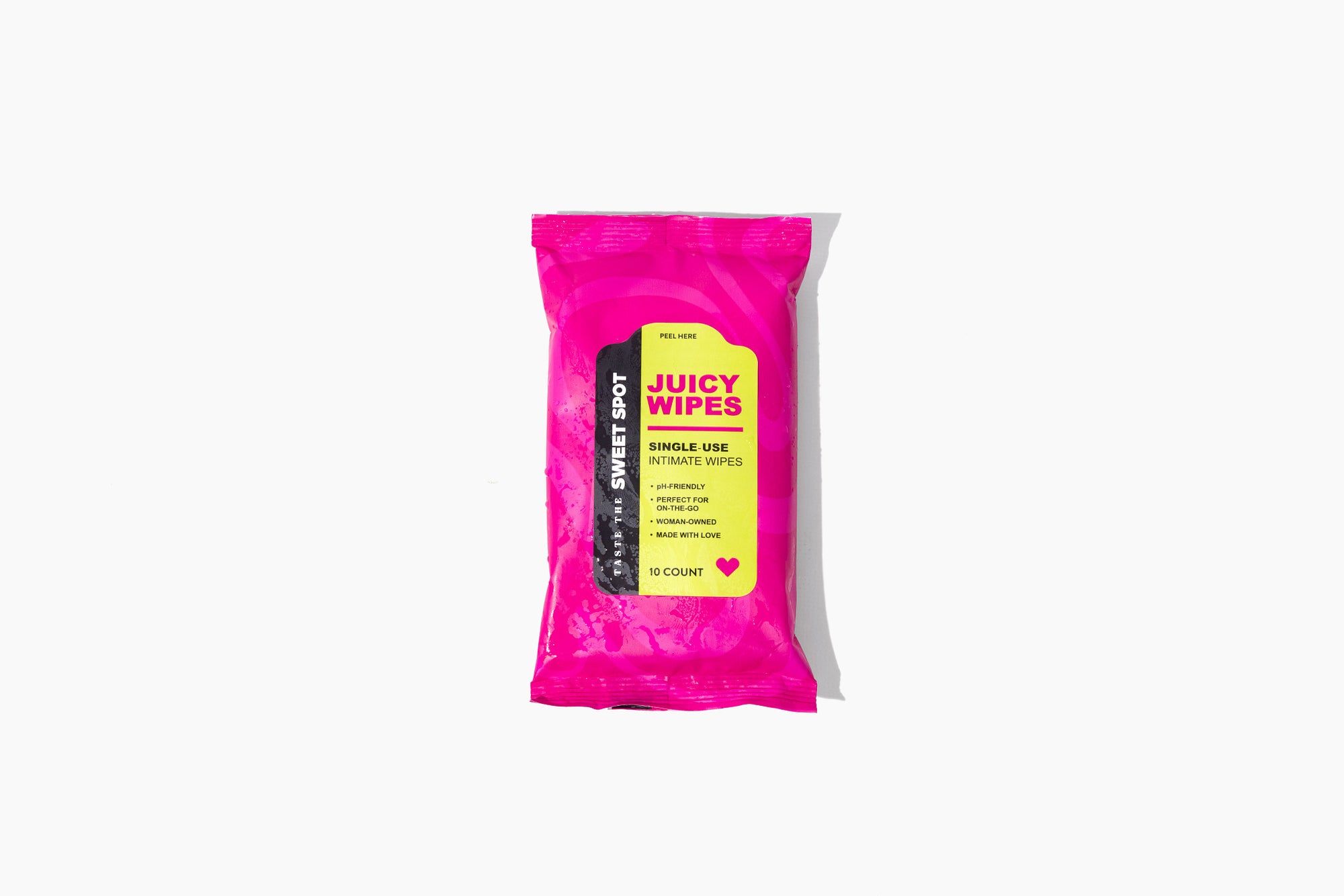
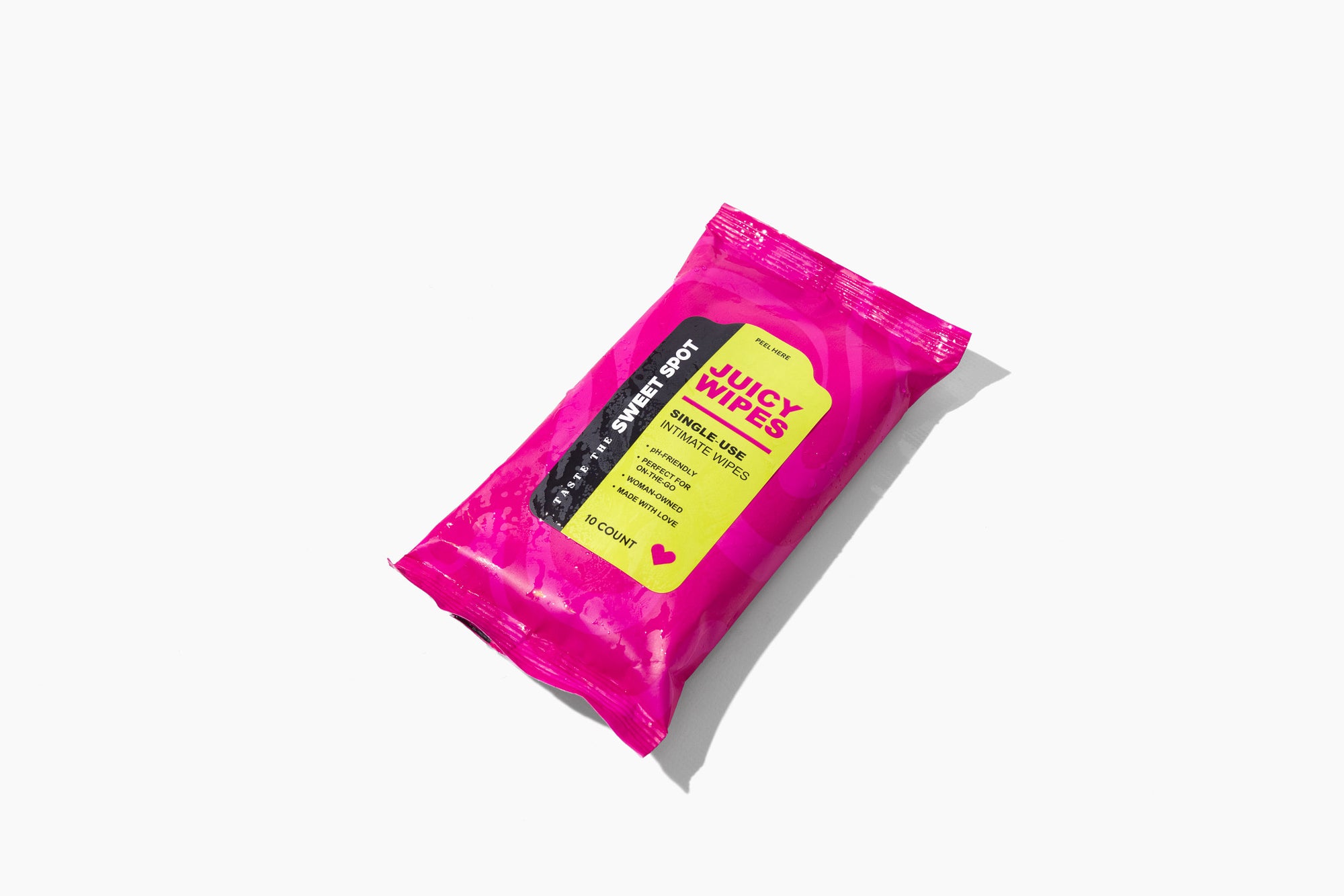
- For on-the-go freshness: Add Intimate Wipes to your routine for external freshening between showers, before and after intimacy, and during travel.
Give it three to four weeks of consistent daily use. Pay attention to the changes — in how you feel, how your clothes smell at the end of the day, and what your partner notices. The science supports it, the ingredients are safe and well-researched, and the results speak for themselves.
Your body chemistry is yours to optimize. Start today.