

You are what you eat — and apparently, you smell like what you eat, too. The connection between diet and body odor is one of the most fascinating and underappreciated aspects of human biology. Every meal you consume sets off a cascade of metabolic reactions that ultimately influence the chemical composition of your sweat, breath, saliva, and other bodily fluids. The result? What you had for dinner last night can literally change how you smell today.
This isn't just folk wisdom or old wives' tales. A growing body of scientific research confirms that specific foods and dietary patterns can dramatically alter body odor — for better or worse. From the well-known garlic effect to the lesser-known impact of fenugreek on sweat scent, from the fresh-smelling benefits of chlorophyll-rich greens to the pungent consequences of excessive red meat consumption, your diet is one of the most powerful levers you have for controlling how you smell.
In this comprehensive guide, we catalog over 40 specific foods and their effects on body odor, explain the underlying science, provide a 7-day "fresh start" meal plan, cover supplements that can help, and address how diet specifically affects intimate odor. Whether you're preparing for a date, optimizing your overall freshness, or simply curious about the biology of body scent, this is the most thorough resource you'll find on the subject.
The Science of Body Odor: How Diet Changes Your Chemistry
Before diving into specific foods, it's important to understand the biological mechanisms that connect what you eat to how you smell. Body odor is not simply a matter of hygiene — it's a complex biochemical process that reflects your internal chemistry.
Sweat Glands: Eccrine vs. Apocrine
Your body has two distinct types of sweat glands, and they play very different roles in body odor:
Eccrine Glands
- Location: Distributed across nearly the entire body surface, with highest density on the palms, soles, and forehead
- Number: Approximately 2-4 million across the whole body
- Function: Primarily thermoregulation (cooling the body through evaporation)
- Composition: Mostly water (99%) with small amounts of sodium chloride (salt), urea, ammonia, and other trace compounds
- Odor contribution: Eccrine sweat is usually odorless when fresh. However, it can develop odor when bacteria on the skin break down its components, and certain dietary compounds (like those from garlic and spices) can be excreted through eccrine sweat, giving it a distinctive smell.
Apocrine Glands
- Location: Concentrated in the armpits (axillae), groin, and around the nipples
- Development: Become active during puberty, which is why body odor intensifies during the teenage years
- Composition: A thicker, milky fluid containing proteins, lipids, steroids, and other organic compounds
- Odor contribution: Apocrine sweat is the primary source of body odor. Fresh apocrine sweat is actually odorless too, but it provides a rich feast for skin bacteria, particularly Corynebacterium and Staphylococcus species. These bacteria break down the proteins and fatty acids in apocrine sweat into smaller, volatile molecules — and it's these bacterial by-products that create the characteristic smell we recognize as body odor.
-
Key odor compounds produced by bacterial action on apocrine sweat include:
- 3-methyl-2-hexenoic acid (3M2H): The primary compound responsible for the "classic" body odor smell
- 3-hydroxy-3-methylhexanoic acid (HMHA): A strong-smelling fatty acid
- Androstenone and androstenol: Steroid-derived compounds with musky, urine-like odors (also function as pheromones in some contexts)
- Thioalcohols: Sulfur-containing compounds with potent, onion-like smells produced when bacteria metabolize certain amino acids
The Diet-to-Odor Pathway
Here's the step-by-step process by which food becomes body odor:
- Ingestion and digestion: You eat food. Your digestive system breaks it down into its component molecules — amino acids, fatty acids, sugars, vitamins, and various other compounds.
- Absorption into the bloodstream: These molecules are absorbed through the intestinal lining into the blood.
- Metabolism: The liver and other organs process these compounds. Some are used for energy, some for building tissue, and some produce metabolic by-products — particularly volatile organic compounds (VOCs) that carry distinct odors.
- Excretion through sweat and other fluids: These metabolic by-products are transported through the blood to sweat glands, salivary glands, and other secretory organs, where they are released from the body.
- Bacterial transformation: Skin bacteria further transform these excreted compounds into additional volatile molecules, amplifying or altering the odor.
- Evaporation and detection: The volatile compounds evaporate from the skin surface and become detectable as body odor by the human nose.
This entire process can take anywhere from 2 to 48 hours depending on the food and the specific metabolic pathway involved. Some compounds (like those from garlic) can affect body odor within 1-2 hours, while others (like those from red meat) may take 24-48 hours to fully manifest.
Individual Variation: Why the Same Food Affects People Differently
Not everyone who eats garlic will smell the same afterward. Several factors create individual variation in the diet-odor connection:
- Genetics: The ABCC11 gene determines both earwax type and apocrine sweat composition. People with the dry earwax variant (common in East Asian populations) produce significantly less odorous sweat.
- Gut microbiome: Different bacterial populations in the gut metabolize foods differently, producing different by-products that affect body odor.
- Skin microbiome: The specific bacterial species living on your skin determine how sweat is transformed into odorous compounds.
- Liver function: The efficiency of your liver's detoxification pathways affects how quickly odor-causing metabolites are cleared from your system.
- Hydration level: Better hydration dilutes odor-causing compounds in sweat, reducing their intensity.
- Hormonal status: Hormones like testosterone and estrogen influence apocrine gland activity and sweat composition.
- Overall diet pattern: Someone whose baseline diet is plant-heavy will respond to individual foods differently than someone who eats primarily processed foods and red meat.
20+ Foods That Make You Smell Better
Let's start with the good news. These foods can actively improve your body odor, making you smell fresher, milder, and more pleasant. For each one, we explain the mechanism behind its odor-improving effect.
1. Pineapple
Perhaps the most famous "smell-good" food. Pineapple contains bromelain, a proteolytic enzyme that breaks down odor-causing proteins in sweat and bodily fluids. Its high vitamin C and natural sugar content also contribute to a sweeter, more pleasant body chemistry. Pineapple is especially noted for improving the taste of bodily fluids, a property that has made it the subject of widespread anecdotal reports and the basis for many intimate wellness supplements. Effects are typically noticeable within 24-48 hours of consumption.
2. Citrus Fruits (Oranges, Lemons, Grapefruit, Limes)
Citrus fruits are rich in vitamin C (ascorbic acid), which is a powerful antioxidant that helps the body detoxify and eliminate odor-causing waste products more efficiently. The citric acid in these fruits also helps flush toxins from the body through urine, reducing the load of odor-causing compounds excreted through sweat. Additionally, the aromatic compounds (terpenes like limonene) in citrus can subtly influence body scent, giving it a fresher profile.
3. Fresh Herbs (Parsley, Mint, Basil, Cilantro, Rosemary)
Fresh herbs are nature's internal deodorants. They work through multiple mechanisms: chlorophyll content neutralizes odors internally (more on this below), essential oils (menthol in mint, eugenol in basil) have antimicrobial properties that reduce odor-causing bacteria on the skin, and their polyphenol antioxidants support liver detoxification. Parsley, in particular, has been used as a breath and body freshener for centuries — it's not just a garnish.
4. Leafy Greens (Spinach, Kale, Swiss Chard, Collard Greens)
Dark leafy greens are loaded with chlorophyll, which acts as a natural internal deodorizer by binding to odor-causing compounds in the gut and bloodstream before they reach sweat glands. They also provide magnesium (which helps regulate sweat production), fiber (which promotes healthy gut transit and reduces putrefaction), and antioxidants that support overall metabolic health. Regular consumption of leafy greens is associated with milder, less pungent body odor in multiple observational studies.
5. Celery
Celery contains androstenone and androstenol, which are pheromone-like compounds that can subtly improve how you smell to others. It's also highly hydrating (about 95% water), helping dilute odor-causing compounds in sweat. The compound 3-n-butylphthalide in celery has been shown to reduce stress hormones, which in turn can reduce stress-related sweating and its associated odor.
6. Yogurt and Probiotic Foods (Kefir, Kimchi, Sauerkraut, Kombucha)
Probiotic-rich foods promote a healthy gut microbiome, which is directly linked to body odor. A balanced gut microbiome produces fewer foul-smelling metabolic by-products (like hydrogen sulfide and skatole) during digestion. Yogurt specifically provides Lactobacillus and Bifidobacterium strains that help crowd out odor-producing bacteria in the gut. Research published in the Journal of Cosmetic Science found that participants who consumed probiotics daily showed measurable improvements in body odor within two weeks.
7. Green Tea
Green tea contains potent polyphenol antioxidants, especially epigallocatechin gallate (EGCG), that have both antimicrobial and deodorizing properties. EGCG inhibits the growth of odor-causing bacteria on the skin and in the gut. Green tea also supports liver detoxification, helping the body process and eliminate odor-causing compounds more efficiently. The tannic acid in green tea also has astringent properties that can reduce sweat production when consumed regularly.
8. Wheatgrass
Wheatgrass is one of the most concentrated sources of chlorophyll available. A single serving of wheatgrass juice contains as much chlorophyll as several servings of spinach. This chlorophyll acts as a powerful internal deodorizer, and wheatgrass also provides enzymes and nutrients that support liver function and detoxification. Regular wheatgrass consumption has been anecdotally associated with significantly reduced body odor intensity.
9. Berries (Blueberries, Strawberries, Raspberries, Blackberries)
Berries are rich in antioxidants (particularly anthocyanins and ellagic acid) that neutralize free radicals and support the body's natural detoxification pathways. Their high fiber content promotes healthy digestion and reduces the putrefaction of food in the colon. The natural fruit acids and sugars in berries contribute to a sweeter body chemistry. Berries are also low in sulfur compared to many other foods, making them an odor-neutral-to-positive dietary choice.
10. Watermelon and Melons
Watermelon is approximately 92% water, making it one of the most hydrating foods available. Adequate hydration is critical for diluting odor-causing compounds in sweat. Watermelon also provides citrulline, an amino acid that supports the urea cycle and helps the body more efficiently process and excrete ammonia — a compound that contributes to sharp, unpleasant body odor when excreted through sweat.
11. Cucumber
Like celery and watermelon, cucumber is highly hydrating (about 96% water). It also contains fisetin, a flavonoid with anti-inflammatory properties that may help reduce inflammation-related sweat production. Cucumber's mild, fresh profile contributes nothing negative to body chemistry, making it an excellent everyday food for odor management.
12. Ginger
Ginger contains gingerols and shogaols that promote healthy digestion and reduce intestinal gas production. Better digestion means less putrefaction and fewer foul-smelling by-products entering the bloodstream. Ginger also stimulates sweating during consumption, which may help flush toxins from the body. Its antimicrobial properties can help control odor-causing bacteria in the gut.
13. Fennel and Fennel Seeds
Fennel has been used as a breath and body freshener across cultures for centuries. It contains anethole, a compound with a mild, sweet, licorice-like aroma that can subtly influence body scent. Fennel also has strong carminative properties (it reduces gas formation in the digestive tract), which means fewer sulfurous by-products of digestion reaching the bloodstream and sweat glands.
14. Apples
Apples contain polyphenols that have been shown to neutralize sulfur compounds in the mouth and gut — the same compounds responsible for garlic breath and other food-related odors. A study published in the Journal of Food Science found that raw apple consumption significantly reduced garlic breath more effectively than many other remedies. Apples also provide pectin fiber, which supports healthy gut transit.
15. Cinnamon
Cinnamon contains cinnamaldehyde, a compound with strong antimicrobial properties that helps reduce odor-causing bacteria in the mouth and gut. It also supports healthy blood sugar regulation, which can influence sweat composition. Some people report that regular cinnamon consumption gives their skin a subtle, warm, pleasant scent.
16. Coconut Oil
Coconut oil contains lauric acid, a medium-chain fatty acid with powerful antimicrobial properties. When consumed, lauric acid is converted to monolaurin, which has been shown to inhibit the growth of odor-causing bacteria including Staphylococcus aureus and Corynebacterium. Coconut oil also supports the health of the gut lining, improving digestive function and reducing the production of odor-causing metabolites.
17. Cardamom
Cardamom is one of the most effective natural breath fresheners and body odor improvers in the spice world. Its primary active compound, cineole (eucalyptol), has strong antibacterial properties and a fresh, camphor-like aroma. Cardamom also stimulates digestion and helps the body process odor-causing compounds more efficiently. In Ayurvedic and Middle Eastern medicine, cardamom has been used for centuries as a natural internal deodorizer.
18. Whole Grains (Oats, Brown Rice, Quinoa)
Whole grains provide fiber that promotes regular bowel movements and healthy gut transit time. When food moves through the digestive tract at a healthy pace, there's less time for bacteria to produce foul-smelling by-products like hydrogen sulfide and skatole. Whole grains also provide B vitamins and zinc — both essential for healthy skin and metabolic function that influences body odor.
19. White Fish (Cod, Halibut, Tilapia)
Unlike red meat and oily fish, white fish is lean, low in sulfur, and provides high-quality protein that is easily digested. This means less metabolic waste production during digestion and fewer odor-causing compounds reaching the bloodstream. White fish is also an excellent source of zinc, which helps regulate body odor.
20. Lemon Water
While not technically a food, lemon water deserves special mention. The combination of hydration (diluting sweat) and citric acid (supporting liver detoxification and alkalizing the body's pH) makes it one of the simplest and most effective daily habits for improving body odor. Starting the day with warm lemon water also stimulates digestion, promoting the timely elimination of waste products.
21. Sage
Sage (Salvia officinalis) contains rosmarinic acid and other compounds that have been shown to reduce excessive sweating (hyperhidrosis). A study published in Planta Medica found that sage extract reduced sweating by up to 50% in participants with excessive perspiration. Less sweat means less substrate for odor-causing bacteria, resulting in reduced body odor.
22. Chlorophyll-Rich Sprouts (Alfalfa, Broccoli Sprouts)
Sprouts are concentrated sources of chlorophyll and sulforaphane (in the case of broccoli sprouts). While sulforaphane's long-term detoxification benefits outweigh any temporary sulfur-related odor, the chlorophyll content provides immediate deodorizing benefits. Sprouts also contain high levels of enzymes that support digestion and reduce the production of odor-causing metabolites.
20+ Foods That Make You Smell Worse
Now for the less pleasant news. These foods can increase body odor intensity, change its character to something more pungent, or create unpleasant breath and body scent. Understanding why they cause odor can help you make informed choices about when and how much of them to consume.
1. Garlic
Garlic is perhaps the single most impactful food when it comes to body odor. When you eat garlic, it's broken down into several sulfur-containing compounds, most notably allyl methyl sulfide (AMS). Unlike other garlic metabolites, AMS cannot be broken down by the liver. Instead, it's absorbed into the bloodstream and excreted through the lungs (causing garlic breath), sweat glands (causing garlic body odor), and even urine. This effect can persist for 24-72 hours after consumption because AMS has a long half-life in the blood. Even tiny amounts of garlic can produce a noticeable effect.
2. Onions
Onions contain sulfur-based compounds similar to garlic (particularly thiosulfinates and cepaenes) that are metabolized into volatile sulfur compounds excreted through sweat and breath. The lachrymatory factor (the compound that makes you cry when cutting onions) is related to the same sulfur chemistry that causes body odor. Raw onions have a more potent effect than cooked ones, as cooking breaks down some of the more volatile sulfur compounds.
3. Red Meat (Beef, Lamb, Pork)
Red meat significantly impacts body odor through multiple mechanisms. First, it contains large amounts of sulfur-containing amino acids (methionine and cysteine) that produce hydrogen sulfide and other sulfurous by-products during digestion. Second, red meat takes longer to digest than plant foods (up to 72 hours), allowing more time for putrefactive bacteria to produce foul-smelling compounds. Third, red meat contains carnitine, which gut bacteria convert to trimethylamine (TMA) — a compound with a distinctly fishy odor. A study in the journal Chemical Senses found that men who ate red meat were rated as having significantly less pleasant, less attractive, and more intense body odor compared to men on a non-meat diet.
4. Cruciferous Vegetables (Broccoli, Cauliflower, Brussels Sprouts, Cabbage)
Despite being incredibly healthy, cruciferous vegetables contain glucosinolates — sulfur-containing compounds that break down into isothiocyanates and sulfurous by-products during digestion. These compounds can be excreted through sweat, temporarily increasing body odor with a sulfurous character. The effect is usually mild and short-lived (12-24 hours), and the long-term health benefits of cruciferous vegetables (including cancer prevention) far outweigh this temporary inconvenience. Cooking these vegetables reduces the sulfur odor effect compared to eating them raw.
5. Asparagus
Asparagus is famous for making urine smell different, but it can also affect body odor. The compound asparagusic acid is broken down into sulfur-containing metabolites (methanethiol and dimethyl sulfide) during digestion. While the urine effect is most noticeable, these compounds can also be excreted through sweat. Interestingly, not everyone produces or can detect asparagus-related odor — it depends on both your genetics (whether you have the enzymes to produce the metabolites) and your olfactory receptors (whether you can smell them). About 40% of people are "asparagus anosmics" — they can't detect the smell even though they produce it.
6. Spicy Foods (Chili Peppers, Hot Sauce, Cayenne)
Spicy foods containing capsaicin stimulate sweating (gustatory sweating) — your body's attempt to cool down in response to the perceived heat. More sweat means more substrate for odor-causing bacteria. Additionally, the metabolic by-products of capsaicin and other spice compounds can be excreted through sweat, adding a spicy or pungent note to body odor. This effect is most noticeable within 2-6 hours of consuming very spicy food.
7. Alcohol
When you drink alcohol, your body metabolizes it into acetaldehyde and then acetic acid. Both of these intermediary compounds can be excreted through sweat and breath, creating a sharp, acidic odor. Heavy drinking also disrupts liver function, reducing the body's ability to process other odor-causing compounds. Additionally, alcohol is a diuretic that causes dehydration — and dehydrated sweat is more concentrated and more odorous. The combination of acetaldehyde excretion, liver stress, and dehydration makes alcohol one of the worst substances for body odor.
8. Coffee
Coffee affects body odor through several mechanisms. It stimulates the central nervous system, activating sweat glands (particularly apocrine glands). The acidic pH of coffee can disrupt oral and gut bacteria, promoting the growth of odor-producing species. Coffee also acts as a diuretic, contributing to dehydration. Finally, the volatile compounds in coffee (including furanones and pyrazines) can be excreted through sweat, adding a bitter, acidic note to body odor. Interestingly, the effect of coffee on body odor varies significantly between individuals based on their gut microbiome composition.
9. Curry and Cumin
While many individual spices are beneficial for body odor, heavy consumption of curry blends and cumin can produce a strong, persistent body scent. Cumin contains cuminaldehyde, a compound that is poorly metabolized by some individuals and can be excreted through sweat virtually unchanged, producing a strong, distinctive body odor that can persist for days. Curry blends typically contain fenugreek, cumin, turmeric, and other spices whose combined metabolites can create a characteristic body odor profile when consumed in large quantities.
10. Fenugreek
Fenugreek contains sotolon (also spelled sotolone), a compound with an extremely potent maple syrup-like odor. When consumed in significant quantities, sotolon is excreted through sweat and urine, giving the body a sweet but overwhelming maple syrup scent. While this might sound pleasant in theory, at higher concentrations it becomes cloying and distinctive. Fenugreek is a common ingredient in curry blends and Indian cuisine, and is also used in some supplements — people who take fenugreek supplements for various health benefits often report a noticeable change in body odor.
11. Processed and Fast Foods
Highly processed foods are detrimental to body odor for multiple reasons. They're typically high in refined sugars (which feed odor-causing gut bacteria), unhealthy fats (which produce inflammatory by-products), sodium (which concentrates sweat), and artificial additives whose metabolic by-products can contribute to unusual body odors. Processed foods also tend to be low in the fiber and antioxidants that support healthy digestion and detoxification.
12. Excess Sugar and Refined Carbohydrates
High sugar intake feeds odor-producing bacteria in both the gut and on the skin. Sugar also promotes glycation — the bonding of sugar molecules to proteins — which can alter the composition of sweat and body secretions. Additionally, blood sugar spikes from refined carbohydrates trigger insulin responses that can increase sweat production. People with poorly controlled blood sugar (including pre-diabetics and diabetics) often develop a characteristic sweet or fruity body odor due to the excretion of ketones and other metabolic by-products.
13. Fish (Certain Types)
While white fish is generally odor-neutral, certain oily fish (particularly those high in trimethylamine oxide, or TMAO) can produce body odor. Some people have a genetic condition called trimethylaminuria (fish odor syndrome) where they lack the enzyme to break down trimethylamine, causing a persistent fishy body odor. Even in people without this condition, heavy consumption of fish high in TMAO (such as shellfish, ocean fish, and some freshwater species) can temporarily increase trimethylamine levels in sweat.
14. Dairy Products (Especially Full-Fat Milk and Cheese)
Dairy products can worsen body odor, particularly in people who are lactose intolerant (estimated at 65-70% of the global population). When lactose is poorly digested, it ferments in the colon, producing hydrogen sulfide, methane, and other foul-smelling gases that can be excreted through sweat and breath. Even in lactose-tolerant individuals, the choline in dairy products can be converted to trimethylamine by gut bacteria, contributing to a fishy body odor.
15. Eggs
Eggs are high in sulfur and choline. The sulfur content means that egg digestion produces hydrogen sulfide and other sulfurous by-products, while choline can be converted to trimethylamine by gut bacteria. The result is that heavy egg consumption can contribute to both a sulfurous and slightly fishy body odor. The effect is more pronounced with eggs that are less thoroughly cooked (soft-boiled or runny) because the proteins are less fully denatured.
16. Excessive Protein Intake (Regardless of Source)
Any diet extremely high in protein can worsen body odor. When you eat more protein than your body needs for muscle repair and other functions, the excess is metabolized in the liver through deamination — the removal of amino groups — which produces ammonia as a by-product. This ammonia must be converted to urea for excretion, and when protein intake exceeds the liver's processing capacity, ammonia can be excreted through sweat, creating a sharp, pungent odor. This is why some bodybuilders and people on very high-protein diets notice a distinctive ammonia smell in their sweat, especially during exercise.
17. Fried Foods
Fried foods contribute to body odor through their high content of oxidized fats. When oils are heated to frying temperatures, they undergo oxidation, producing compounds like acrolein and malondialdehyde that have unpleasant odors and create metabolic by-products that can be excreted through sweat. Fried foods also tend to be high in calories and low in nutrients, promoting the kind of metabolic environment that worsens body odor.
18. Tobacco
While not technically a food, tobacco consumption (smoking or chewing) dramatically affects body odor. Tobacco smoke contains over 7,000 chemicals, many of which are absorbed into the bloodstream and excreted through sweat and skin oils. Nicotine also stimulates sweat glands, increasing overall sweat production. The combination of more sweat and more chemicals in that sweat creates a persistent, stale body odor that is immediately recognizable and extremely difficult to mask.
19. Certain Legumes (Particularly Dried Beans)
Legumes like dried beans, lentils, and chickpeas contain oligosaccharides (raffinose, stachyose) that humans lack the enzymes to fully digest. These sugars pass to the colon where bacteria ferment them, producing hydrogen, methane, and hydrogen sulfide gases. While the flatulence effect is well-known, the sulfurous by-products can also enter the bloodstream and be excreted through sweat, contributing to body odor. Soaking beans thoroughly before cooking and introducing them gradually to the diet can help reduce this effect.
20. High-Sodium Foods
Excessive sodium intake doesn't directly cause body odor, but it concentrates sweat by altering the body's fluid balance. More concentrated sweat contains higher levels of odor-causing compounds per drop, making each bead of sweat more potent. High sodium also promotes water retention and subsequent sweating as the body attempts to restore fluid balance, creating more opportunity for bacterial odor production.
21. Energy Drinks and Artificial Sweeteners
Energy drinks combine several odor-worsening factors: high caffeine (stimulates sweat), high sugar or artificial sweeteners (disrupt gut bacteria), and various synthetic additives whose metabolic by-products can be excreted through sweat. Artificial sweeteners like aspartame, saccharin, and sucralose have been shown to alter gut microbiome composition in ways that may increase the production of odor-causing metabolites.
Complete Food Comparison Table: Effects on Body Odor
| Food | Effect on Odor | Primary Mechanism | Onset Time | Duration |
|---|---|---|---|---|
| Pineapple | Improves (+) | Bromelain breaks down odor-causing proteins | 24-48 hours | While consuming regularly |
| Citrus fruits | Improves (+) | Vitamin C supports detoxification; terpenes freshen scent | 12-24 hours | While consuming regularly |
| Fresh herbs (parsley, mint) | Improves (+) | Chlorophyll neutralizes odors; antimicrobial oils | 6-12 hours | 12-24 hours |
| Leafy greens | Improves (+) | Chlorophyll deodorizes; fiber supports gut health | 24-48 hours | Ongoing with regular intake |
| Celery | Improves (+) | Hydrating; contains pheromone-like compounds | 12-24 hours | 12-24 hours |
| Yogurt / probiotic foods | Improves (+) | Balances gut microbiome; reduces putrefaction | 1-2 weeks (cumulative) | Ongoing with regular intake |
| Green tea | Improves (+) | Antimicrobial polyphenols; supports liver detox | 12-24 hours | While consuming regularly |
| Wheatgrass | Improves (+) | Concentrated chlorophyll; enzyme support | 24-48 hours | Ongoing with regular intake |
| Berries | Improves (+) | Antioxidants support detox; low sulfur | 24-48 hours | While consuming regularly |
| Watermelon | Improves (+) | Extreme hydration; citrulline aids ammonia clearance | 6-12 hours | 12-24 hours |
| Ginger | Improves (+) | Aids digestion; reduces gas production | 6-12 hours | 12-24 hours |
| Fennel | Improves (+) | Carminative; reduces sulfurous gas | 6-12 hours | 12-24 hours |
| Apples | Improves (+) | Polyphenols neutralize sulfur compounds | 2-6 hours | 6-12 hours |
| Cinnamon | Improves (+) | Antimicrobial; blood sugar regulation | 12-24 hours | While consuming regularly |
| Coconut oil | Improves (+) | Lauric acid antimicrobial; supports gut lining | 24-48 hours | Ongoing with regular intake |
| Cardamom | Improves (+) | Cineole is antibacterial and aromatic | 2-6 hours | 6-12 hours |
| Whole grains | Improves (+) | Fiber promotes gut transit; B vitamins and zinc | 24-72 hours | Ongoing with regular intake |
| White fish | Improves (+) | Low sulfur; easy to digest; zinc content | 24 hours | Ongoing with regular intake |
| Lemon water | Improves (+) | Hydration + citric acid supports detox | 6-12 hours | While consuming daily |
| Sage | Improves (+) | Reduces sweat production up to 50% | 24-48 hours | While consuming regularly |
| Garlic | Worsens (-) | Allyl methyl sulfide excreted through sweat/breath | 1-2 hours | 24-72 hours |
| Onions | Worsens (-) | Sulfur compounds excreted through sweat | 2-6 hours | 24-48 hours |
| Red meat | Worsens (-) | Sulfur amino acids; slow digestion; TMA production | 24-48 hours | 48-72 hours |
| Cruciferous vegetables | Worsens (mild -) | Glucosinolates produce sulfurous by-products | 12-24 hours | 12-24 hours |
| Asparagus | Worsens (-) | Asparagusic acid produces sulfur metabolites | 1-3 hours | 12-24 hours |
| Spicy foods | Worsens (-) | Capsaicin triggers sweating; spice metabolites in sweat | 2-6 hours | 12-24 hours |
| Alcohol | Worsens (-) | Acetaldehyde excretion; dehydration; liver stress | 1-2 hours | 24-48 hours |
| Coffee | Worsens (mild -) | Stimulates sweating; diuretic; acidic | 1-3 hours | 6-12 hours |
| Curry / cumin | Worsens (-) | Cuminaldehyde excreted through sweat | 12-24 hours | 24-72 hours |
| Fenugreek | Changes (-/+) | Sotolon produces maple syrup scent in sweat | 12-24 hours | 24-72 hours |
| Processed foods | Worsens (-) | Feeds bad bacteria; metabolic waste from additives | 24-48 hours | Cumulative with ongoing intake |
| Excess sugar | Worsens (-) | Feeds odor bacteria; glycation; insulin spikes | 12-24 hours | Cumulative with ongoing intake |
| Oily fish / shellfish | Worsens (mild -) | TMAO converted to TMA (fishy odor) | 12-24 hours | 24-48 hours |
| Full-fat dairy | Worsens (-) | Lactose fermentation; choline to TMA | 12-24 hours | 24-48 hours |
| Eggs | Worsens (mild -) | Sulfur content; choline to TMA | 12-24 hours | 24 hours |
| Fried foods | Worsens (-) | Oxidized fats produce odorous metabolites | 24-48 hours | 24-48 hours |
| High-sodium foods | Worsens (mild -) | Concentrates sweat; promotes excess sweating | 6-12 hours | 12-24 hours |
| Energy drinks | Worsens (-) | Caffeine + sugar + additives combined effects | 2-6 hours | 12-24 hours |
How Diet Affects Intimate Odor and Taste
While everything we've discussed applies to body odor in general, there's a specific area where dietary impact is particularly noticeable and personally meaningful: intimate odor and taste. The composition of vaginal secretions, seminal fluid, and the scent of the genital area are all significantly influenced by diet.
The Biology of Intimate Scent
The genital area contains a high concentration of apocrine glands, making it one of the most scent-active regions of the body. Additionally:
- Vaginal pH and flora: A healthy vagina maintains an acidic pH (3.8-4.5) supported by Lactobacillus bacteria. Diet influences this pH balance — high sugar diets can promote yeast overgrowth (disrupting healthy flora), while probiotic-rich diets support Lactobacillus dominance and healthier, milder vaginal scent.
- Seminal fluid composition: Semen contains fructose (from the seminal vesicles), proteins, enzymes, zinc, and various other compounds. Its taste is influenced by the metabolic by-products present in the bloodstream, which are directly affected by diet. Foods high in sulfur, alcohol, and caffeine tend to make semen taste more bitter, while fruits, especially pineapple and citrus, tend to make it sweeter.
- Sweat and sebaceous gland activity: The groin area has significant sweat and oil gland activity. The composition of these secretions — and the food-derived metabolites they contain — directly affects intimate scent.
Foods That Improve Intimate Taste and Scent
- Pineapple and citrus fruits: The most well-known intimate taste improvers. Bromelain and citric acid help create a sweeter, milder profile.
- Berries and stone fruits: Natural sugars and antioxidants contribute to sweeter body chemistry.
- Water and herbal teas: Proper hydration dilutes all bodily fluids, making them milder and less concentrated.
- Parsley and fresh herbs: Chlorophyll and essential oils help neutralize odor-causing compounds.
- Yogurt and probiotics: Support healthy vaginal flora and reduce gut-derived odor compounds.
- Cinnamon and vanilla: These aromatics can subtly influence body secretion profiles in a positive direction.
Foods That Worsen Intimate Taste and Scent
- Garlic and onions: Their sulfur compounds are excreted in all bodily fluids, including intimate secretions.
- Red meat: Produces ammonia and sulfur by-products that affect seminal and vaginal fluid composition.
- Alcohol and coffee: Dehydration concentrates fluids; metabolic by-products add bitterness.
- Asparagus: Sulfur metabolites are excreted across all bodily fluids.
- Excess dairy: Lactose fermentation by-products can affect intimate scent.
- Processed foods and sugar: Disrupt microbiome balance and promote yeast overgrowth.
Want to Improve How You Taste and Smell — Fast?
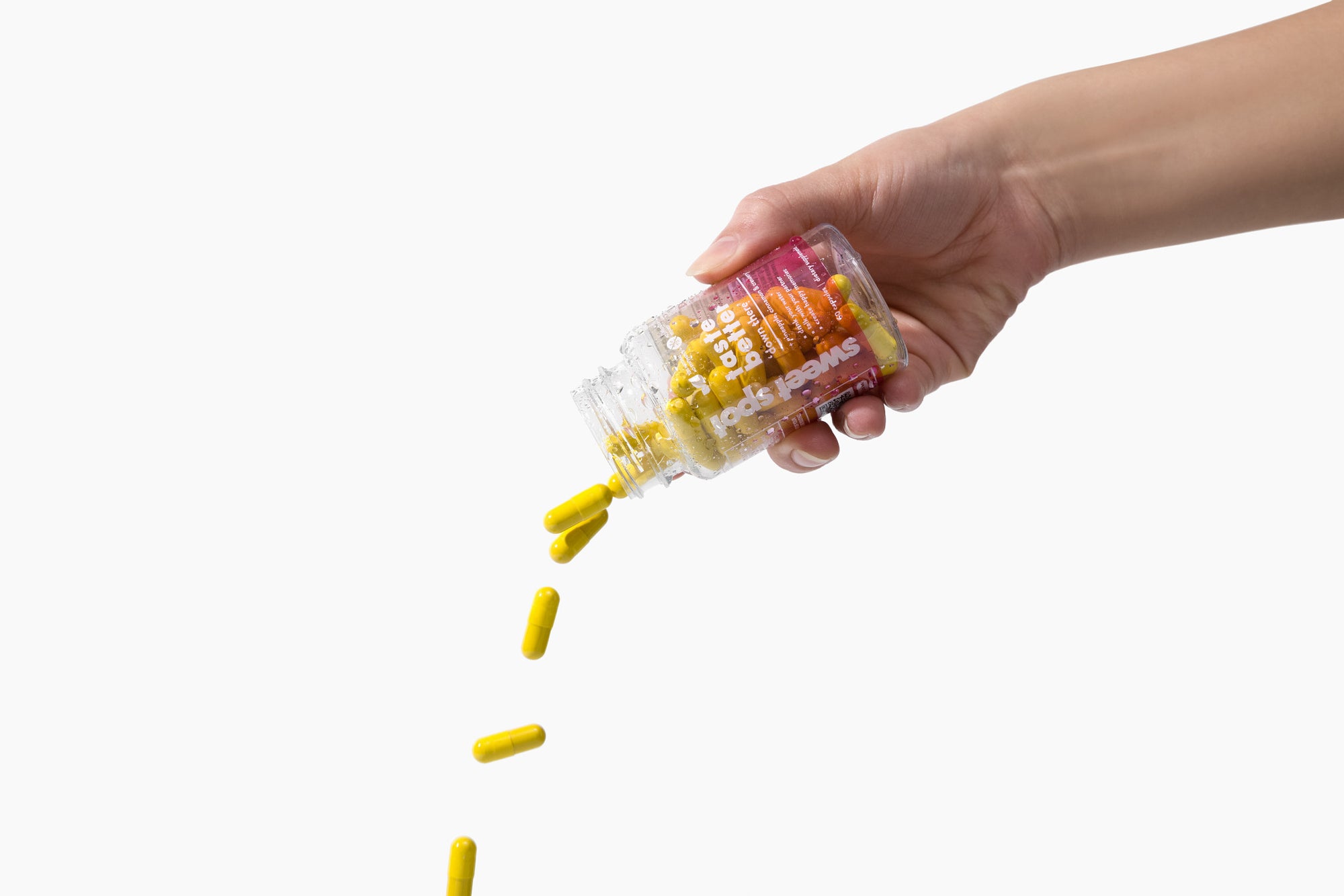
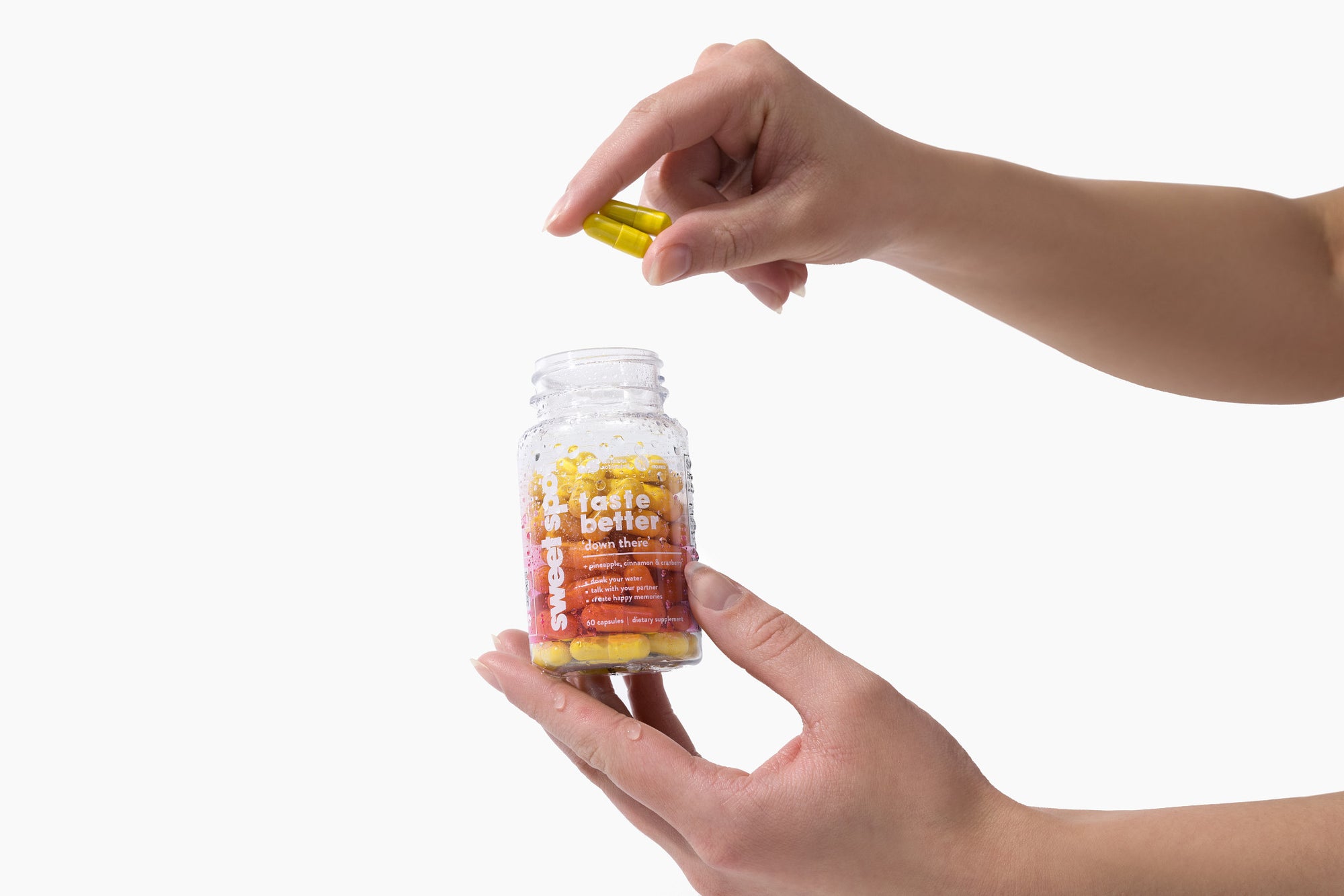
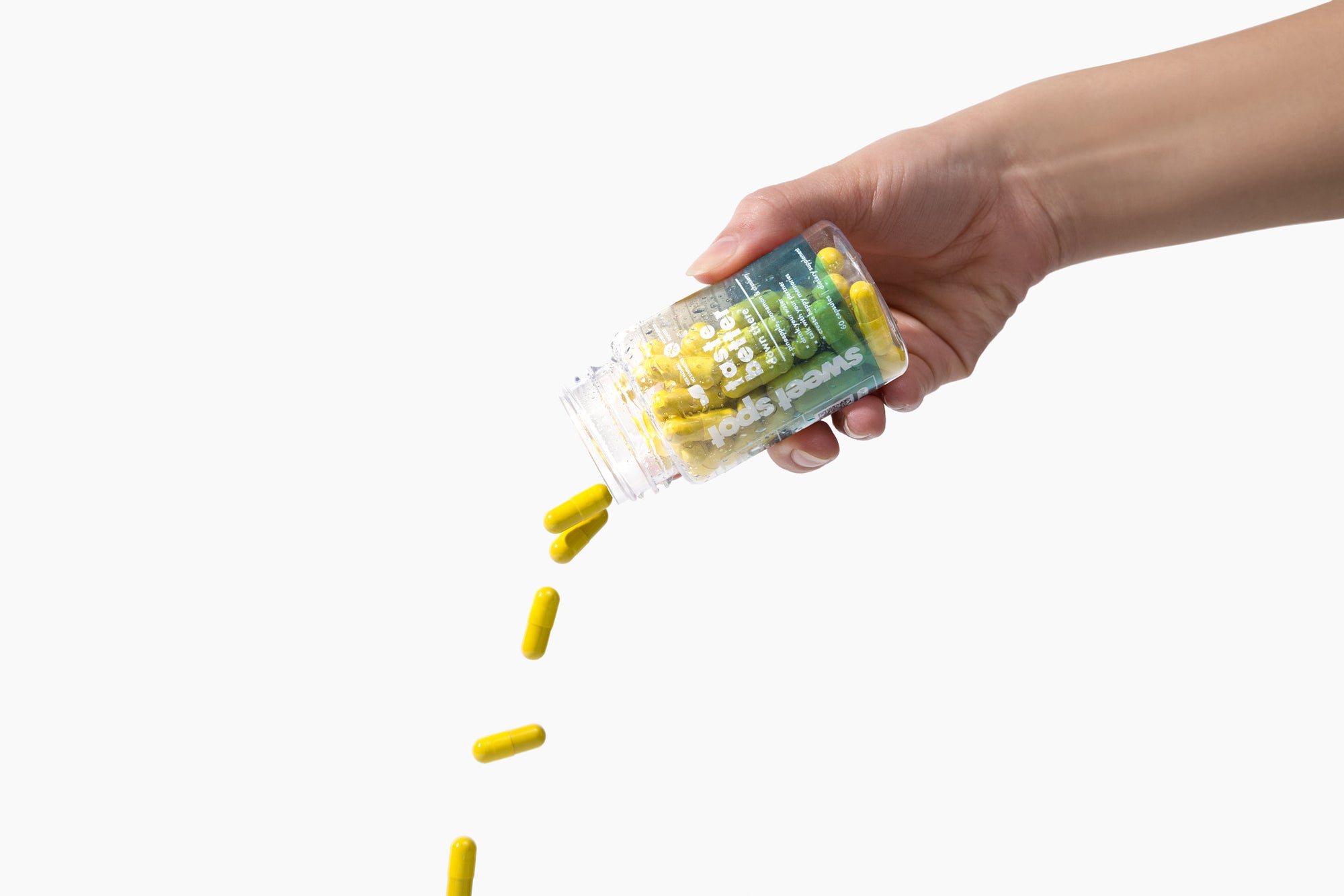
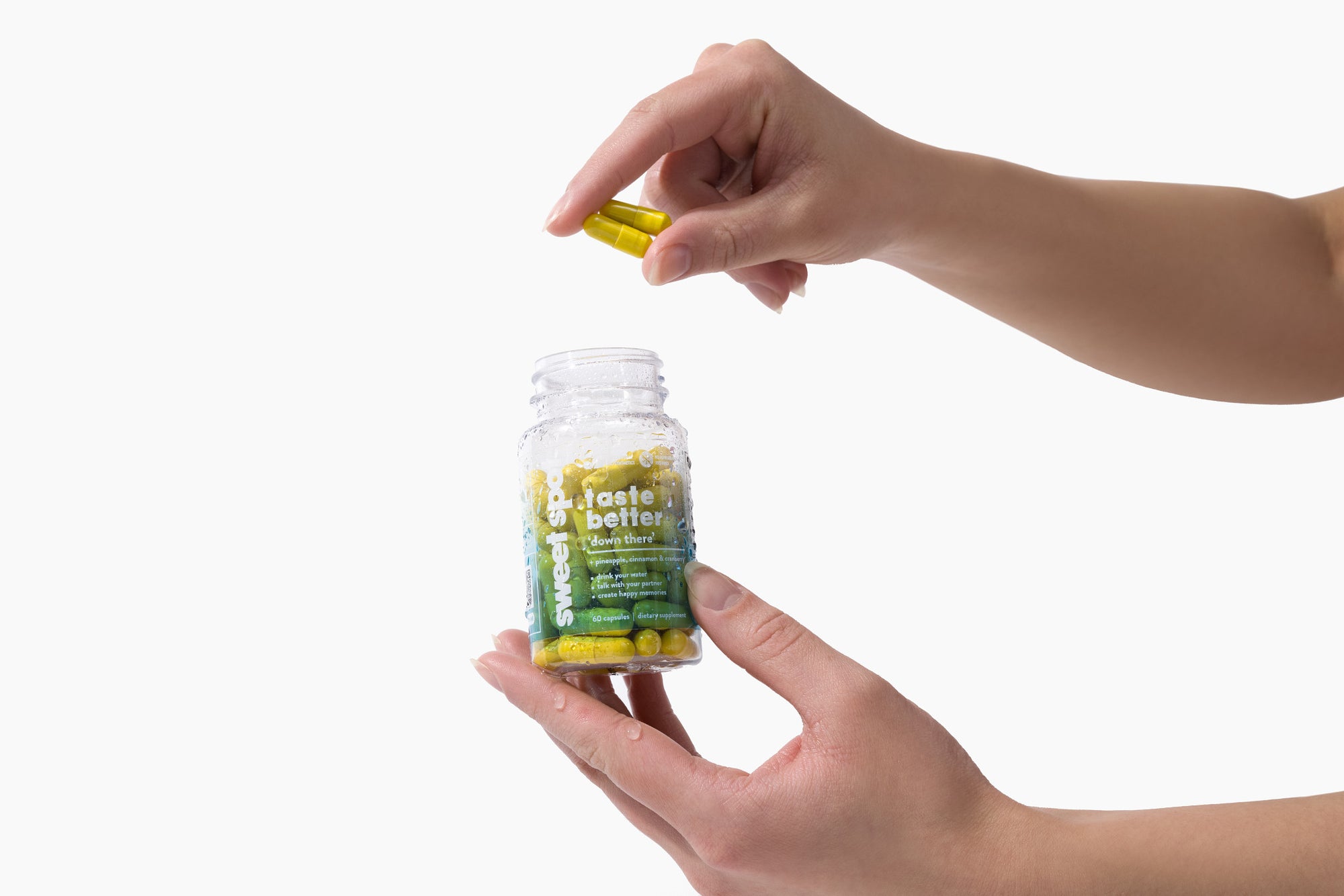
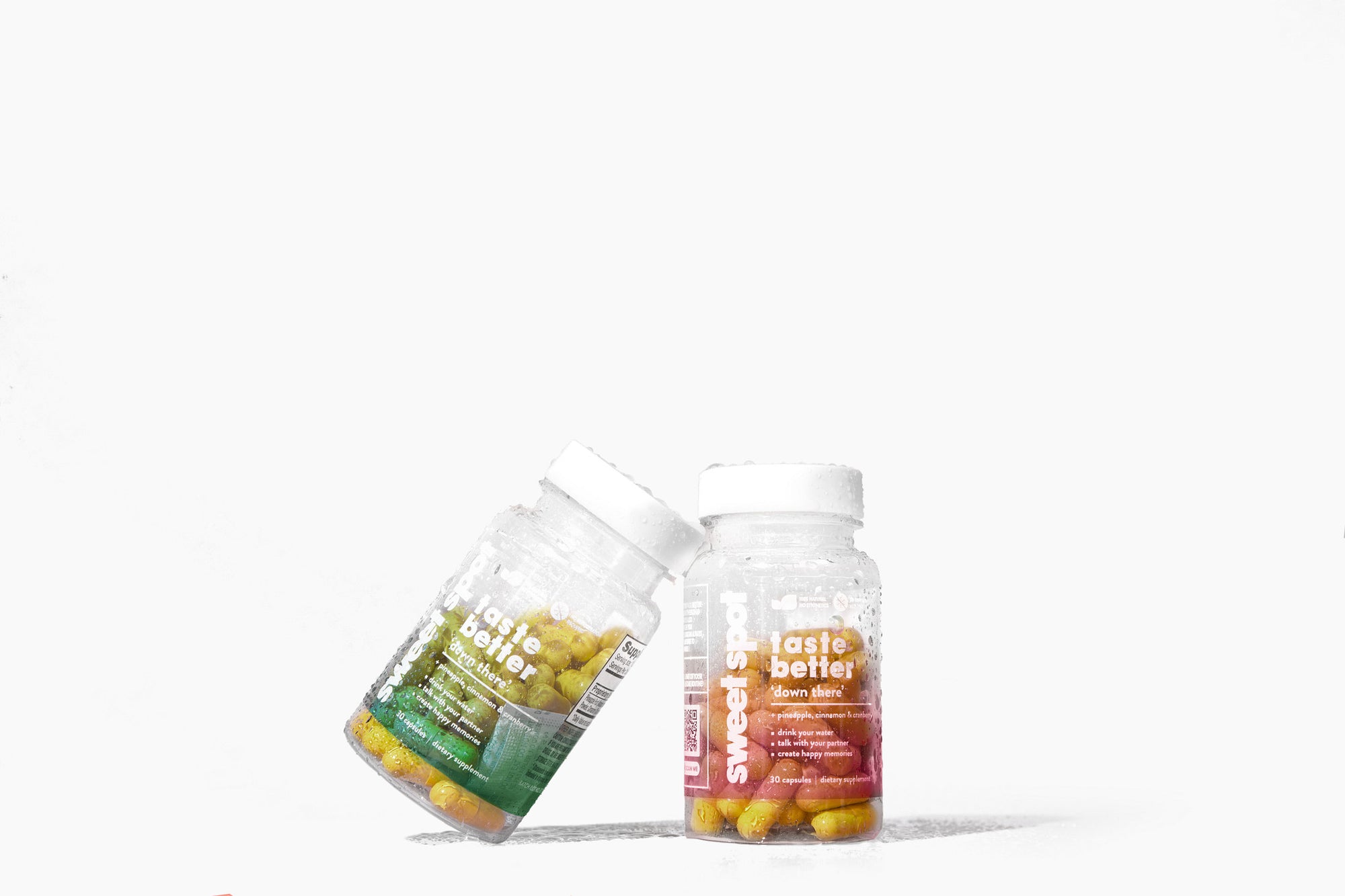
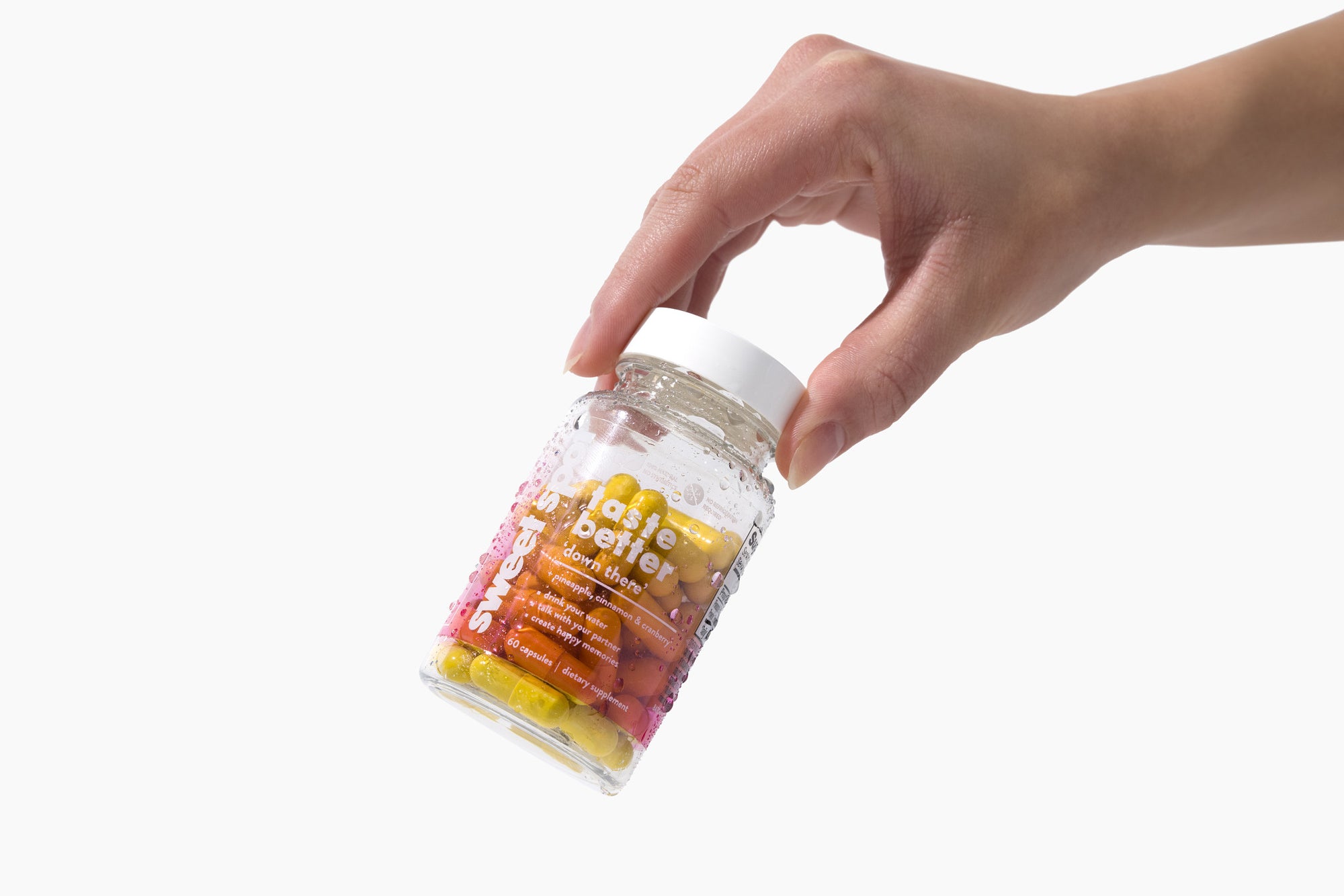
While diet changes take time, our supplements are formulated with bromelain, chlorophyll, zinc, and probiotics to accelerate the process. Most customers notice a difference within 3-7 days.
Sweet Spot for Her Sweet Spot for Him The Partner Pack (Best Value)
The Chlorophyll Phenomenon: Nature's Internal Deodorant
Chlorophyll — the green pigment that allows plants to convert sunlight into energy — has gained significant attention as a natural internal deodorant, spawning a viral health trend on social media. But is there real science behind the hype? The answer is: mostly yes.
How Chlorophyll Works as a Deodorant
Chlorophyll and its water-soluble derivative chlorophyllin (the form most commonly found in supplements) work as internal deodorants through several mechanisms:
- Binding odor-causing compounds: Chlorophyllin's molecular structure allows it to bind to and neutralize a wide range of odor-causing molecules in the gut and bloodstream, including ammonia, trimethylamine, and various sulfur compounds. By trapping these compounds before they reach sweat glands, chlorophyll prevents them from being excreted as body odor.
- Antioxidant activity: Chlorophyll is a potent antioxidant that reduces oxidative stress — a process that can produce odorous by-products. By neutralizing free radicals, chlorophyll helps maintain cleaner metabolic processes.
- Gut health support: Chlorophyll promotes the growth of beneficial bacteria in the gut (particularly Lactobacillus species) while inhibiting the growth of odor-producing pathogenic bacteria. A healthier gut microbiome produces fewer foul-smelling metabolites.
- Detoxification support: Chlorophyll has been shown to support Phase II liver detoxification enzymes, helping the body more efficiently process and eliminate toxins and metabolic waste products that could otherwise contribute to body odor.
The Evidence
A seminal study published in the Journal of the American Geriatrics Society all the way back in 1980 found that chlorophyllin supplementation significantly reduced body odor in nursing home residents with incontinence. More recent research has confirmed that chlorophyllin can reduce the levels of trimethylamine and other odor-causing compounds in the blood and urine of patients with trimethylaminuria (fish odor syndrome).
Chlorophyllin has also been shown to reduce fecal odor — an important finding because it demonstrates the compound's ability to neutralize odor-causing substances throughout the entire digestive tract, from stomach to colon.
Best Sources of Chlorophyll
- Food sources: Spinach (24 mg per cup), parsley (19 mg per half cup), green beans (8 mg per cup), arugula (9 mg per cup), wheatgrass (extremely high), spirulina, chlorella
- Supplement forms: Liquid chlorophyllin drops (most popular), chlorophyll capsules, chlorophyll tablets, chlorella or spirulina supplements
- Recommended dose: 100-300 mg of chlorophyllin daily for deodorizing effects (food sources alone may not provide therapeutic levels)
Hydration and Body Odor: The Most Underrated Factor
If there's one single habit that can improve your body odor more than almost anything else, it's drinking enough water. Hydration is the foundation upon which all other odor-management strategies rest.
Why Water Matters So Much
- Dilution effect: Well-hydrated sweat is more dilute, meaning the concentration of odor-causing compounds per drop is lower. This directly reduces body odor intensity.
- Kidney function: Adequate hydration supports efficient kidney function, allowing more waste products to be excreted through urine (which is contained and flushed) rather than through sweat (which sits on your skin for bacteria to feast on).
- Digestive efficiency: Water is essential for healthy digestion. Dehydration slows gut transit, increasing the time for putrefactive bacteria to produce foul-smelling by-products.
- Detoxification: The liver requires water to process toxins. Dehydration impairs liver function, increasing the load of odor-causing compounds that must be excreted through alternative pathways like sweat.
- Mucous membrane health: Proper hydration keeps mucous membranes healthy and well-lubricated, producing cleaner, less odorous secretions.
How Much Water Do You Need?
The old "8 glasses a day" rule is a reasonable starting point, but optimal hydration varies by individual. A more personalized approach:
- Baseline: 30-35 mL per kilogram of body weight (approximately half your body weight in pounds, in ounces). For a 150-pound person, that's about 75 ounces or 9-10 cups.
- Exercise: Add 500-1,000 mL (2-4 cups) for every hour of moderate exercise.
- Hot weather: Add 500-1,000 mL on hot days.
- Hydration indicator: Your urine should be pale yellow (like lemonade). Dark yellow or amber urine indicates dehydration.
Remember that hydrating foods (watermelon, cucumber, celery, oranges, strawberries) count toward your daily water intake and provide the additional benefit of vitamins and minerals that support odor management.
The Gut Health Connection: Your Microbiome and Your Smell
One of the most important frontiers in understanding body odor is the gut-odor axis — the connection between the trillions of bacteria in your digestive system and how you smell. Your gut microbiome is essentially a metabolic organ that processes everything you eat, and its output significantly influences your body chemistry.
How Gut Bacteria Affect Body Odor
- Fermentation products: Different gut bacteria produce different metabolic by-products. Beneficial bacteria (like Lactobacillus and Bifidobacterium) produce mild, short-chain fatty acids like butyrate and propionate. Pathogenic or undesirable bacteria (like Clostridium and certain Bacteroides species) produce foul-smelling compounds like hydrogen sulfide, skatole, indole, and putrescine. The balance of your microbiome determines which compounds dominate.
- Trimethylamine (TMA) production: Certain gut bacteria convert dietary choline, carnitine, and lecithin into TMA — a compound with a potent fishy odor. Higher populations of TMA-producing bacteria result in more fishy body odor, even in people without genetic trimethylaminuria.
- Ammonia metabolism: Gut bacteria influence how dietary protein is metabolized. Dysbiotic (unbalanced) microbiomes tend to produce more ammonia from protein digestion, contributing to a sharper body odor.
- Gas production: The volume and type of gas produced during digestion (hydrogen, methane, hydrogen sulfide) varies dramatically based on microbiome composition. These gases can be absorbed into the bloodstream and partially excreted through the lungs and sweat.
- Bile acid metabolism: Gut bacteria transform primary bile acids into secondary bile acids, some of which have distinctive odors and can influence sweat composition.
How to Optimize Your Gut Microbiome for Better Odor
- Eat prebiotic foods: Prebiotics are fibers that feed beneficial bacteria. Key sources include garlic (yes, despite its direct odor effect, garlic is prebiotic), onions, leeks, asparagus, bananas, oats, and artichokes. The gut-health benefits may outweigh the temporary direct odor effect for most of these foods when consumed in moderation.
- Consume probiotic foods: Yogurt, kefir, kimchi, sauerkraut, miso, tempeh, and kombucha all introduce beneficial bacteria to the gut.
- Eat diverse plant foods: Research shows that people who eat 30+ different plant foods per week have significantly more diverse (and healthier) gut microbiomes than those who eat fewer than 10.
- Limit processed foods and sugar: These feed pathogenic bacteria and disrupt microbiome balance.
- Consider probiotic supplements: Multi-strain probiotics providing at least 10 billion CFU can help rebalance the gut microbiome, particularly after antibiotic use or periods of poor diet.
Supplements That Improve Body Odor
While food is the foundation, certain supplements can provide concentrated support for improving body odor. Here are the most evidence-backed options.
Chlorophyll / Chlorophyllin
As detailed in the chlorophyll section above, supplemental chlorophyllin (100-300 mg daily) can significantly reduce body odor by binding and neutralizing odor-causing compounds. Liquid chlorophyllin drops added to water are the most popular form, but capsules are also effective.
Zinc
Zinc is an essential mineral that plays a crucial role in body odor regulation. It helps control the activity of apocrine glands and has antimicrobial properties that reduce odor-causing bacteria on the skin. Zinc deficiency (which is surprisingly common) is associated with increased body odor. A daily dose of 15-30 mg of zinc (as zinc picolinate or zinc bisglycinate for best absorption) can help normalize body odor. Zinc also supports a healthy sense of smell, ironically making you more aware of your own scent.
Probiotics
Probiotic supplements containing Lactobacillus and Bifidobacterium strains (look for at least 10-50 billion CFU with multiple strains) support a healthy gut microbiome that produces fewer odor-causing metabolites. For women, strains like Lactobacillus rhamnosus and Lactobacillus reuteri also support vaginal flora health, which directly impacts intimate scent.
Mushroom Extracts (Champignon Extract / Agaricus bisporus)
White button mushroom extract (sold commercially as "Champex" or "champignon extract") has been clinically shown to reduce body odor, bad breath, and fecal odor. It works by neutralizing odor-causing compounds in the gut, including ammonia, hydrogen sulfide, and indole. In a clinical trial, participants taking champignon extract showed a 45% reduction in fecal and body odor scores within 2 weeks. The typical dose is 150-500 mg daily.
Bromelain
Bromelain, the proteolytic enzyme from pineapple, improves body odor and taste by breaking down odor-causing proteins and improving overall protein digestion. A dose of 200-500 mg daily (at 2,000+ GDU/g) is typically recommended for odor-related benefits. Bromelain is a key ingredient in intimate wellness supplements for this reason.
Digestive Enzymes
Comprehensive digestive enzyme supplements (containing protease, lipase, amylase, and other enzymes) can improve body odor by ensuring more complete digestion of food, leaving fewer substrates for odor-producing bacteria in the colon. This is particularly helpful for people with digestive conditions that impair enzyme production.
Vitamin C
In addition to its role in immune function, vitamin C (500-1,000 mg daily) supports liver detoxification and acts as an antioxidant that reduces the production of odor-causing free radicals. It also helps maintain healthy connective tissue and mucous membranes, contributing to cleaner body secretions.
7-Day "Fresh Start" Meal Plan
Ready to put the science into practice? This 7-day meal plan is designed to maximize foods that improve body odor while minimizing those that make it worse. It's balanced, delicious, and realistic. Follow it for a full week to notice significant changes in your body scent.
Day 1: Reset Day
- Breakfast: Overnight oats with fresh blueberries, sliced banana, chia seeds, and a drizzle of honey. Green tea.
- Snack: Fresh pineapple chunks (1 cup)
- Lunch: Spinach salad with grilled chicken breast, cucumber, celery, apple slices, and lemon-herb dressing. Water with lemon.
- Snack: Plain yogurt with a handful of raspberries
- Dinner: Baked cod with roasted fennel and steamed asparagus (small portion — it's worth the nutrition). Brown rice. Herbal mint tea.
- Hydration goal: 10 cups of water throughout the day
Day 2: Tropical Boost
- Breakfast: Tropical smoothie — pineapple, mango, spinach, coconut water, and a tablespoon of coconut oil. Squeeze of lime.
- Snack: Celery sticks with almond butter
- Lunch: Quinoa bowl with roasted sweet potato, kale, chickpeas, ginger-lemon dressing, and fresh parsley.
- Snack: Orange segments and a small handful of walnuts
- Dinner: Grilled white fish (tilapia or halibut) with steamed green beans, fresh herb salad (parsley, mint, basil), and brown rice. Green tea.
- Hydration goal: 10 cups of water + 2 cups herbal tea
Day 3: Green Power
- Breakfast: Green smoothie — spinach, banana, pineapple, wheatgrass powder, and almond milk. Cinnamon sprinkle.
- Snack: Sliced apple with a sprinkle of cinnamon
- Lunch: Large mixed greens salad with grilled chicken, strawberries, cucumber, fennel, and balsamic vinaigrette. Water with fresh mint.
- Snack: Kefir or kombucha with fresh berries
- Dinner: Baked salmon (small fillet — omega-3 benefits outweigh mild odor effect), steamed broccoli (small portion), and mashed sweet potato with fresh rosemary. Ginger tea.
- Hydration goal: 10 cups of water + coconut water after exercise
Day 4: Citrus Fresh
- Breakfast: Whole-grain toast with avocado, a poached egg, and a squeeze of lemon. Fresh grapefruit half. Green tea.
- Snack: Fresh pineapple and strawberry cup
- Lunch: Mediterranean bowl — brown rice, grilled chicken, cucumber, tomatoes, fresh parsley, lemon-tahini dressing. Sparkling water with lime.
- Snack: Plain yogurt with honey and a few fresh mint leaves
- Dinner: Lemon-herb baked chicken thigh (skinless), roasted root vegetables (carrots, parsnips, sweet potato), and a side of sauteed Swiss chard. Chamomile tea.
- Hydration goal: 10 cups of water + warm lemon water in the morning
Day 5: Enzyme Boost
- Breakfast: Pineapple-ginger smoothie bowl topped with granola, coconut flakes, and fresh berries.
- Snack: Watermelon wedges (2 cups)
- Lunch: Grilled fish tacos with cabbage slaw (small amount of cabbage), mango salsa, and lime crema in whole-grain tortillas. Fresh cilantro. Water.
- Snack: Celery and cucumber sticks with hummus
- Dinner: Baked chicken breast with ginger-cardamom sauce, steamed green beans, and basmati rice with fresh dill. Peppermint tea.
- Hydration goal: 10 cups water + 1 wheatgrass shot
Day 6: Gut Repair
- Breakfast: Probiotic parfait — plain kefir, fresh blueberries, sliced banana, ground flaxseed, and a drizzle of honey. Green tea with lemon.
- Snack: Fresh mango slices
- Lunch: Miso soup with tofu, seaweed, and scallions, plus a side salad of mixed greens with ginger-sesame dressing. Brown rice.
- Snack: Apple slices with cinnamon and a small piece of dark chocolate
- Dinner: Grilled shrimp (low-odor shellfish choice) with sauteed spinach, roasted fennel, and whole-grain couscous. Fresh parsley garnish. Ginger-lemon tea.
- Hydration goal: 10 cups water + kombucha at lunch
Day 7: Maintenance Template
- Breakfast: Oatmeal with cinnamon, mixed berries, and a scoop of yogurt. Fresh-squeezed orange juice (small glass). Green tea.
- Snack: Pineapple-coconut smoothie
- Lunch: Large mixed greens salad with grilled white fish, avocado, cherry tomatoes, cucumber, and lemon-herb vinaigrette. Sparkling water with fresh mint.
- Snack: Plain yogurt with honey and walnuts
- Dinner: Herb-roasted chicken breast with roasted root vegetables, sauteed kale with lemon, and brown rice. Fresh fruit (berries, melon) for dessert. Chamomile tea.
- Hydration goal: 10 cups water + warm lemon water morning and evening
Meal plan notes: This plan avoids the major odor-worsening foods (garlic, raw onions, excessive red meat, heavy spices, alcohol) while maximizing odor-improving foods. After following this plan for a week, you can reintroduce other foods gradually while maintaining the core principles: plenty of water, fruits, vegetables, lean protein, and probiotic foods.
Daily Habits Beyond Diet: A Complete Freshness Strategy
Diet is the most powerful factor you can control, but a comprehensive approach to body odor includes several supporting habits.
Fiber Intake
Adequate fiber (25-35 grams daily from food) promotes healthy gut transit time, reducing the window for putrefactive bacteria to produce odor-causing by-products. When food moves through the colon efficiently, there's less time for hydrogen sulfide, skatole, and other foul-smelling compounds to be produced and absorbed into the bloodstream. Both soluble fiber (oats, fruits, beans) and insoluble fiber (whole grains, vegetables) are important.
Water Intake
As detailed above, hydration is foundational. Aim for at least 8-10 cups of water daily, more if you exercise or live in a hot climate. Carry a water bottle and sip throughout the day rather than drinking large amounts infrequently.
Exercise
Regular exercise actually improves body odor over time, even though you sweat more during workouts. This happens because exercise:
- Promotes more efficient sweat gland function — "trained" sweat glands produce more dilute sweat
- Supports liver and kidney detoxification through improved circulation
- Reduces stress hormones (which activate odor-heavy apocrine glands)
- Promotes regular bowel movements, supporting gut health
- Flushes toxins through the sweat itself (a mild detoxification effect)
The key is to shower promptly after exercise and change out of sweaty clothes to prevent bacterial overgrowth on the skin.
Stress Management
Stress-induced sweat comes primarily from apocrine glands (the odor-producing ones), unlike exercise sweat which comes primarily from eccrine glands. This is why "stress sweat" smells worse than "exercise sweat." Managing stress through meditation, deep breathing, adequate sleep, and regular exercise can significantly reduce apocrine gland activation and its associated body odor. Chronic stress also disrupts gut health, compounding the odor effect.
Sleep Quality
Poor sleep disrupts hormonal balance (increasing cortisol, the stress hormone), impairs liver detoxification, and disrupts gut microbiome composition. All of these effects can worsen body odor. Aim for 7-9 hours of quality sleep per night, and maintain a consistent sleep schedule.
Clothing Choices
Natural fabrics (cotton, linen, wool, bamboo) breathe better than synthetics (polyester, nylon), allowing sweat to evaporate rather than pool on the skin where bacteria thrive. Merino wool, in particular, has natural antimicrobial properties that resist odor buildup. Change clothes daily and after exercise.
When Body Odor Signals a Health Issue
While diet and lifestyle are the most common factors affecting body odor, a sudden or dramatic change in your smell can sometimes signal an underlying health condition that warrants medical attention.
Medical Conditions That Affect Body Odor
- Trimethylaminuria (fish odor syndrome): A genetic condition where the body cannot properly metabolize trimethylamine, causing a persistent fishy body odor. Affects approximately 1 in 200,000 people. Manageable with dietary changes and sometimes antibiotics.
- Diabetes / diabetic ketoacidosis: Uncontrolled diabetes can cause a fruity or sweet body odor due to the excretion of ketones. This is a potentially dangerous sign if accompanied by other symptoms like excessive thirst, frequent urination, and fatigue.
- Kidney disease: When kidneys aren't functioning properly, urea and other waste products build up in the blood and can be excreted through sweat, causing an ammonia-like body odor.
- Liver disease: The liver processes many odor-causing compounds. Liver dysfunction (from hepatitis, cirrhosis, or fatty liver disease) can result in a musty, sweet, or ammonia-like body odor sometimes called "fetor hepaticus."
- Hyperthyroidism: An overactive thyroid increases metabolic rate and sweat production, which can intensify body odor.
- Hyperhidrosis: Excessive sweating disorder that significantly increases body odor due to the sheer volume of sweat produced. Treatable with prescription antiperspirants, medications, or procedures.
- Bromhidrosis: A medical condition of chronic, excessive body odor beyond what would be expected from normal sweating. Can be caused by apocrine or eccrine gland dysfunction.
- Infections: Bacterial, fungal, or yeast infections (particularly in skin folds, the groin area, or feet) can produce distinctive foul odors.
- Hormonal changes: Menopause, puberty, pregnancy, and hormonal disorders can all alter sweat composition and body odor.
When to See a Doctor
Consult a healthcare provider if you experience:
- A sudden, dramatic change in body odor unrelated to diet or lifestyle changes
- A persistent fruity, sweet, or ammonia-like smell
- Body odor that doesn't improve with hygiene, diet, and lifestyle modifications
- Excessive sweating that interferes with daily life
- Body odor accompanied by other symptoms (fever, weight changes, fatigue, skin changes)
- A fishy body odor that persists regardless of diet
Frequently Asked Questions
How quickly does diet affect body odor?
The timeline varies by food. Strong-smelling foods like garlic can affect body odor within 1-2 hours and last up to 72 hours. Most dietary changes begin influencing body odor within 24-48 hours. However, the most significant improvements come from sustained dietary changes over 1-3 weeks, as this allows your gut microbiome to adjust, your body to clear accumulated metabolites, and your overall metabolic chemistry to shift. Following our 7-day meal plan, most people notice a meaningful improvement in body odor by day 4-5.
Does pineapple really make you taste better?
There is strong biochemical evidence supporting this claim. Pineapple contains bromelain, a proteolytic enzyme that breaks down proteins and compounds in bodily fluids that contribute to bitter or unpleasant tastes. Its natural sugars and acids also shift body chemistry toward a sweeter, milder profile. While controlled clinical trials specifically on this topic are limited, the anecdotal evidence is extensive and the underlying mechanisms are well-understood. Most people report noticeable changes within 24-48 hours of regular pineapple consumption or bromelain supplementation.
Can supplements really improve body odor?
Yes, certain supplements have clinical evidence supporting their ability to improve body odor. Chlorophyllin (the water-soluble form of chlorophyll) has been shown to reduce body and fecal odor by binding odor-causing compounds. Zinc helps regulate sweat gland function and has antimicrobial properties. Probiotics support a gut microbiome that produces fewer foul-smelling metabolites. Bromelain breaks down odor-causing proteins. Mushroom extract (champignon extract) has been clinically shown to reduce body odor by up to 45%. These supplements work best as part of an overall strategy that includes a healthy diet and adequate hydration.
Why does stress sweat smell worse than exercise sweat?
Stress sweat and exercise sweat come from different glands. Exercise primarily activates eccrine glands, which produce a watery, mostly odorless sweat that serves to cool the body. Stress activates apocrine glands, which are concentrated in the armpits and groin and produce a thicker, milky fluid rich in proteins and lipids. Skin bacteria feast on these organic compounds, breaking them down into potent-smelling volatile fatty acids and thioalcohols. This is why you might notice a sharper, more pungent smell during a stressful meeting compared to after a workout. Managing stress through meditation, exercise, and adequate sleep can help reduce apocrine gland activation.
Does drinking more water reduce body odor?
Absolutely. Adequate hydration is one of the most effective ways to reduce body odor intensity. Water dilutes the concentration of odor-causing compounds in sweat, supports kidney and liver function (allowing more waste to be processed through these organs rather than excreted through sweat), improves digestive efficiency, and keeps mucous membranes healthy. Aim for at least 8-10 cups of water daily, and more if you exercise or live in a warm climate. A good indicator of adequate hydration is pale yellow urine — if your urine is dark, you need more water.
Are there foods that affect vaginal odor specifically?
Yes. Vaginal odor is influenced by pH balance, the vaginal microbiome (primarily Lactobacillus bacteria), and the metabolites present in vaginal secretions — all of which are affected by diet. Foods that support vaginal health and milder odor include yogurt and probiotic foods (they promote healthy Lactobacillus populations), pineapple and citrus (enzymes and acids that improve secretion profiles), cranberries (support urinary tract health), and water (dilutes secretions). Foods that can worsen vaginal odor include excessive sugar (promotes yeast overgrowth), garlic and onions (sulfur compounds appear in all bodily fluids), alcohol (dehydrates and disrupts flora), and heavily processed foods. Maintaining a balanced diet with adequate hydration is the foundation of healthy vaginal odor.
How does the gut microbiome affect body odor?
Your gut microbiome has a profound effect on body odor. Trillions of bacteria in your digestive system metabolize the food you eat, producing various by-products that enter the bloodstream and are excreted through sweat and other bodily fluids. Beneficial bacteria (Lactobacillus, Bifidobacterium) produce mild-smelling short-chain fatty acids, while pathogenic bacteria can produce hydrogen sulfide, skatole, indole, putrescine, and trimethylamine — all of which have strong, unpleasant odors. A healthy, diverse gut microbiome produces fewer of these odorous compounds. You can optimize your microbiome by eating probiotic and prebiotic foods, consuming 30+ different plant foods weekly, limiting processed foods and sugar, and considering probiotic supplementation.
Can chlorophyll really work as an internal deodorant?
Yes, chlorophyll (specifically chlorophyllin, its water-soluble derivative) has legitimate deodorizing properties when taken internally. Clinical studies dating back to the 1980s have demonstrated that chlorophyllin supplementation can reduce body odor, fecal odor, and breath odor. It works by binding to odor-causing compounds (ammonia, trimethylamine, sulfur compounds) in the gut and bloodstream, neutralizing them before they reach sweat glands. It also supports liver detoxification and promotes a healthier gut microbiome. For therapeutic effects, supplemental chlorophyllin (100-300 mg daily) is more effective than dietary sources alone, though eating chlorophyll-rich foods like spinach, parsley, and wheatgrass still helps.
How long does garlic body odor last?
Garlic body odor can persist for 24-72 hours after consumption. This unusually long duration is because garlic's primary odor-causing metabolite, allyl methyl sulfide (AMS), cannot be broken down by the liver. Instead, it circulates in the bloodstream and is slowly excreted through the lungs (breath), sweat glands (body odor), and urine over a period of days. The intensity depends on how much garlic you consumed, your individual metabolism, and your hydration level. To minimize garlic's odor effects, eat it cooked rather than raw (cooking reduces the most volatile compounds), consume it with a meal (slows absorption), and increase water intake to help flush the metabolites more quickly. Raw apple, fresh parsley, and green tea can also help neutralize garlic compounds.
What is the fastest way to improve how I smell?
For the fastest results, combine multiple strategies simultaneously: (1) Immediately increase water intake to at least 10 cups per day. (2) Eliminate or reduce the worst offenders — garlic, onions, red meat, alcohol, and heavily processed foods. (3) Add pineapple, citrus fruits, leafy greens, and fresh herbs to every meal. (4) Start a chlorophyll supplement (100-200 mg chlorophyllin daily). (5) Take a probiotic and bromelain supplement. (6) Shower with antibacterial soap, focusing on areas with apocrine glands. Most people notice significant improvement within 3-5 days using this multi-pronged approach. For targeted intimate freshness, products like Sweet Spot for Her and Sweet Spot for Him combine bromelain, chlorophyll, zinc, and other odor-improving ingredients in a single daily supplement.
Conclusion: You Have More Control Over Your Scent Than You Think
The relationship between diet and body odor is one of the most actionable areas of personal health. Unlike genetics, hormones, or environmental factors, what you eat is entirely within your control — and the effects of dietary changes on body odor are remarkably fast and significant.
The core principles are simple:
- Hydrate abundantly: Water is the single most effective tool for diluting and reducing body odor.
- Eat the rainbow: Fruits, vegetables, and fresh herbs provide chlorophyll, antioxidants, fiber, and enzymes that all contribute to fresher body chemistry.
- Support your gut: Probiotic foods and adequate fiber promote a microbiome that produces fewer odor-causing compounds.
- Minimize the offenders: Garlic, onions, excess red meat, alcohol, and processed foods are the biggest dietary contributors to body odor.
- Supplement strategically: Chlorophyll, zinc, probiotics, and bromelain can provide concentrated support beyond what diet alone offers.
Whether your goal is general freshness, improved intimate confidence, or addressing a specific body odor concern, the dietary strategies in this guide provide a science-based framework for meaningful, noticeable improvement — often within just a few days.
Accelerate Your Results with Science-Backed Supplements
Our intimate wellness supplements combine bromelain, chlorophyll, zinc, probiotics, and other natural ingredients to help you taste and smell your absolute best. Pair with the dietary strategies in this guide for maximum freshness.
Shop Sweet Spot for Her Shop Sweet Spot for Him
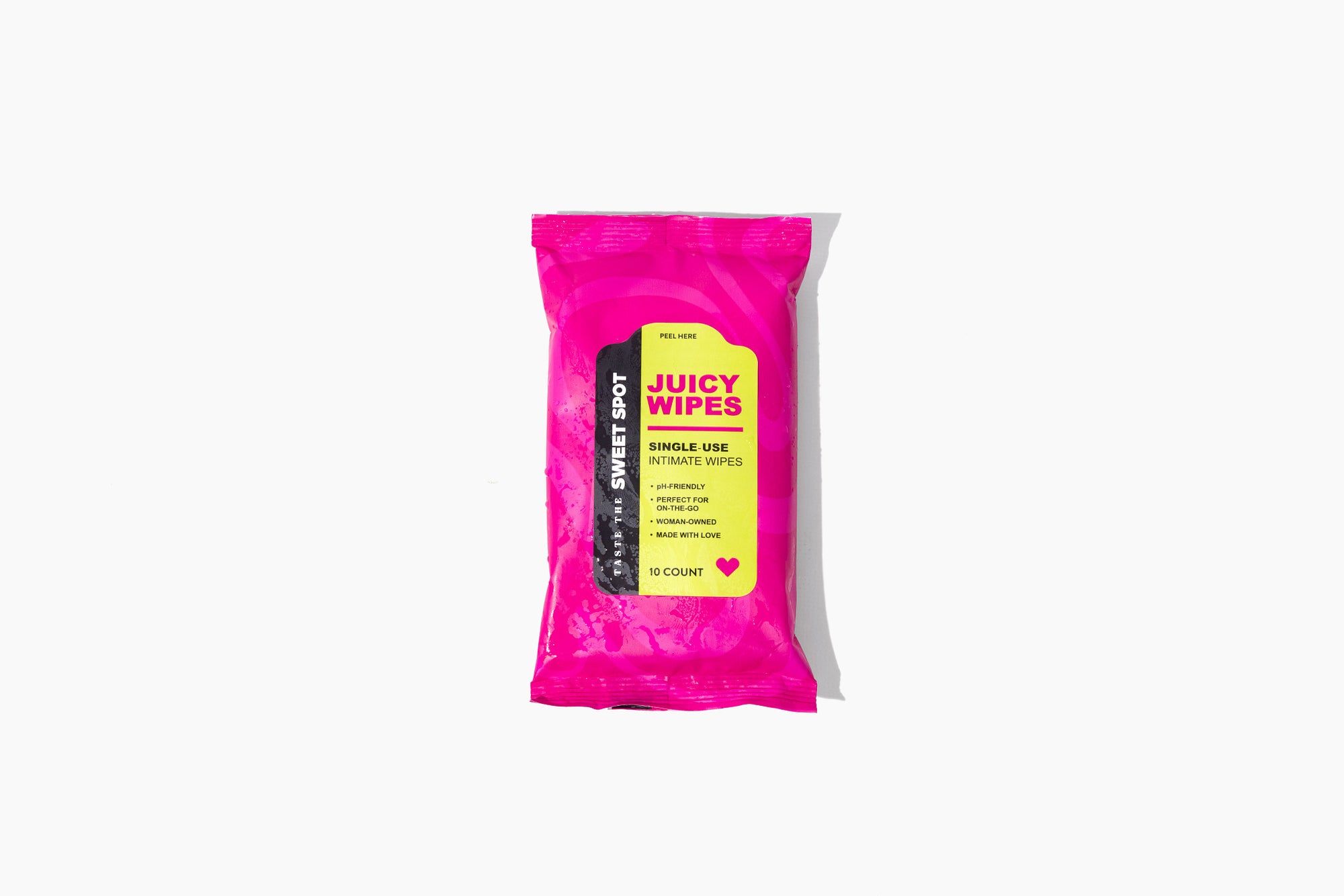
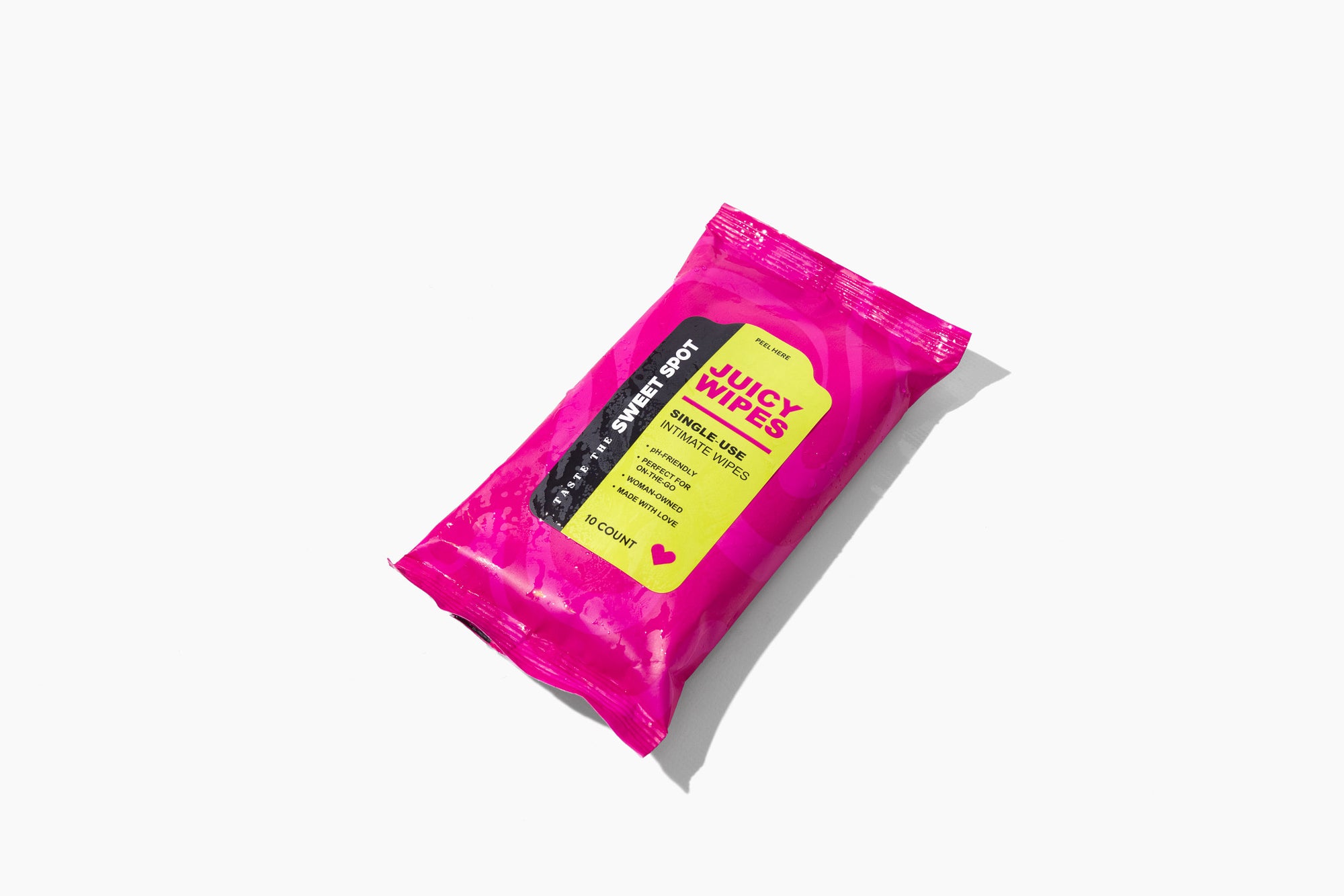
For on-the-go freshness between showers: Intimate Wipes
Disclaimer: This article is for informational purposes only and does not constitute medical advice. If you experience a sudden or dramatic change in body odor unrelated to diet, consult a healthcare professional to rule out underlying medical conditions. The statements in this article have not been evaluated by the Food and Drug Administration. Products mentioned are not intended to diagnose, treat, cure, or prevent any disease.