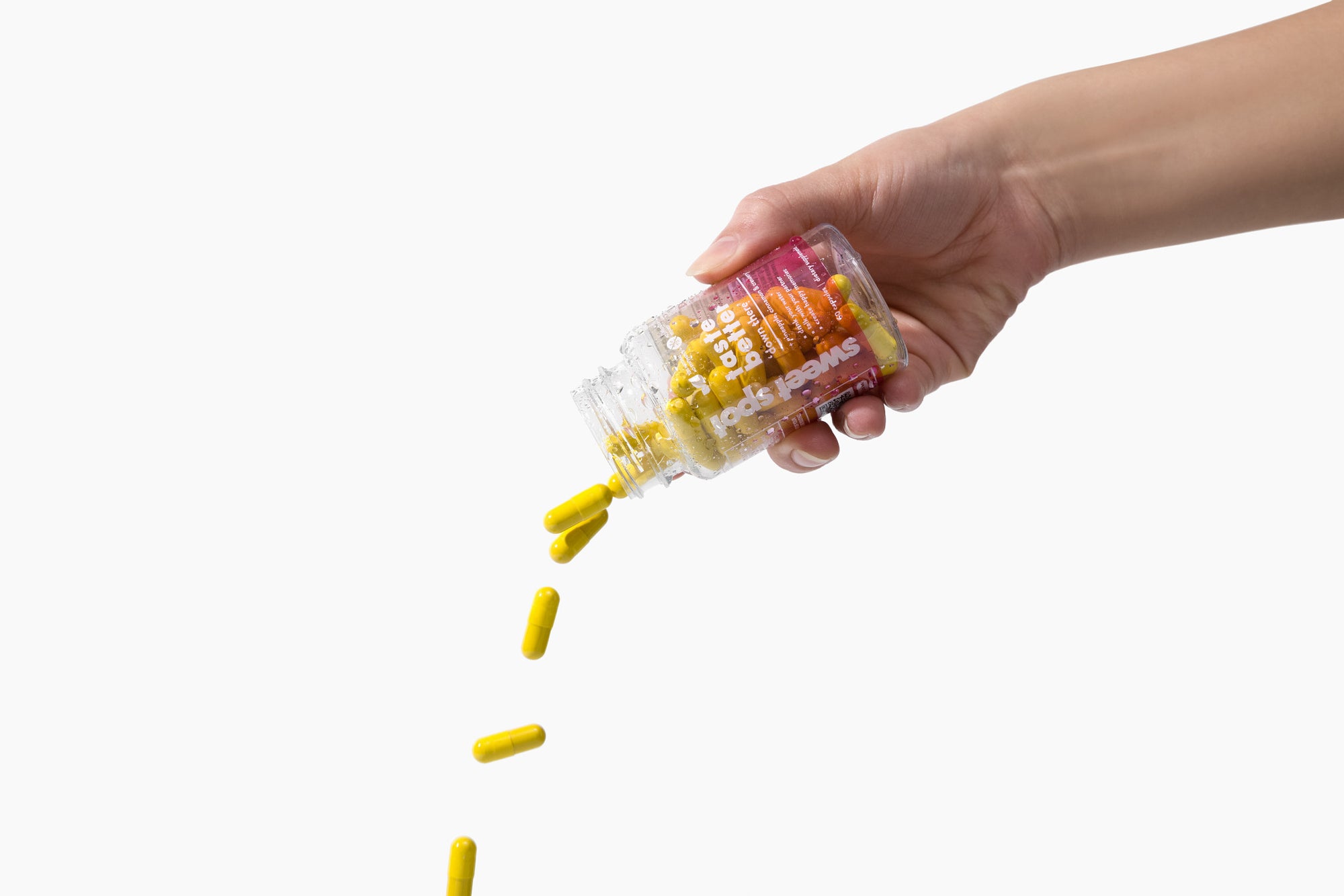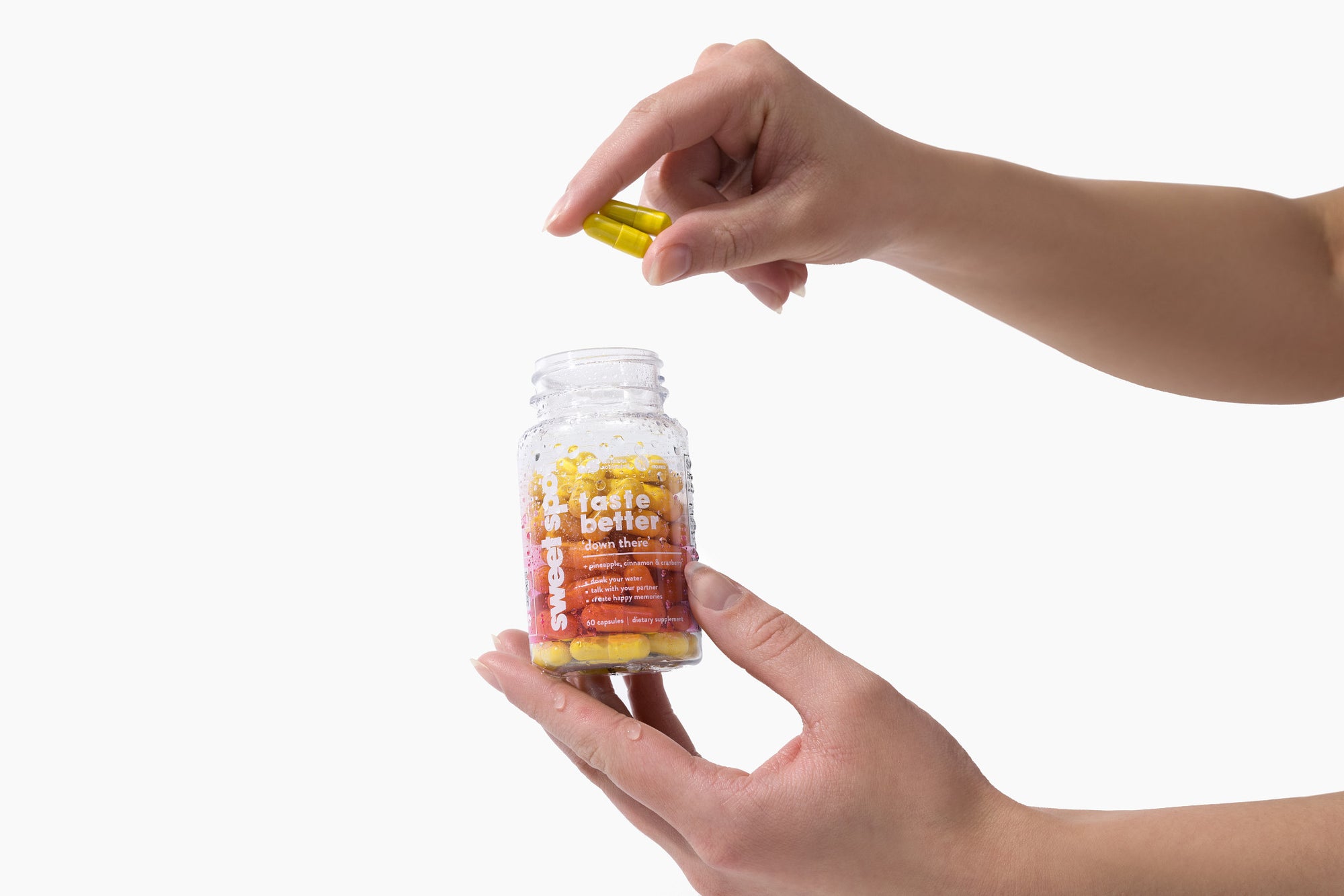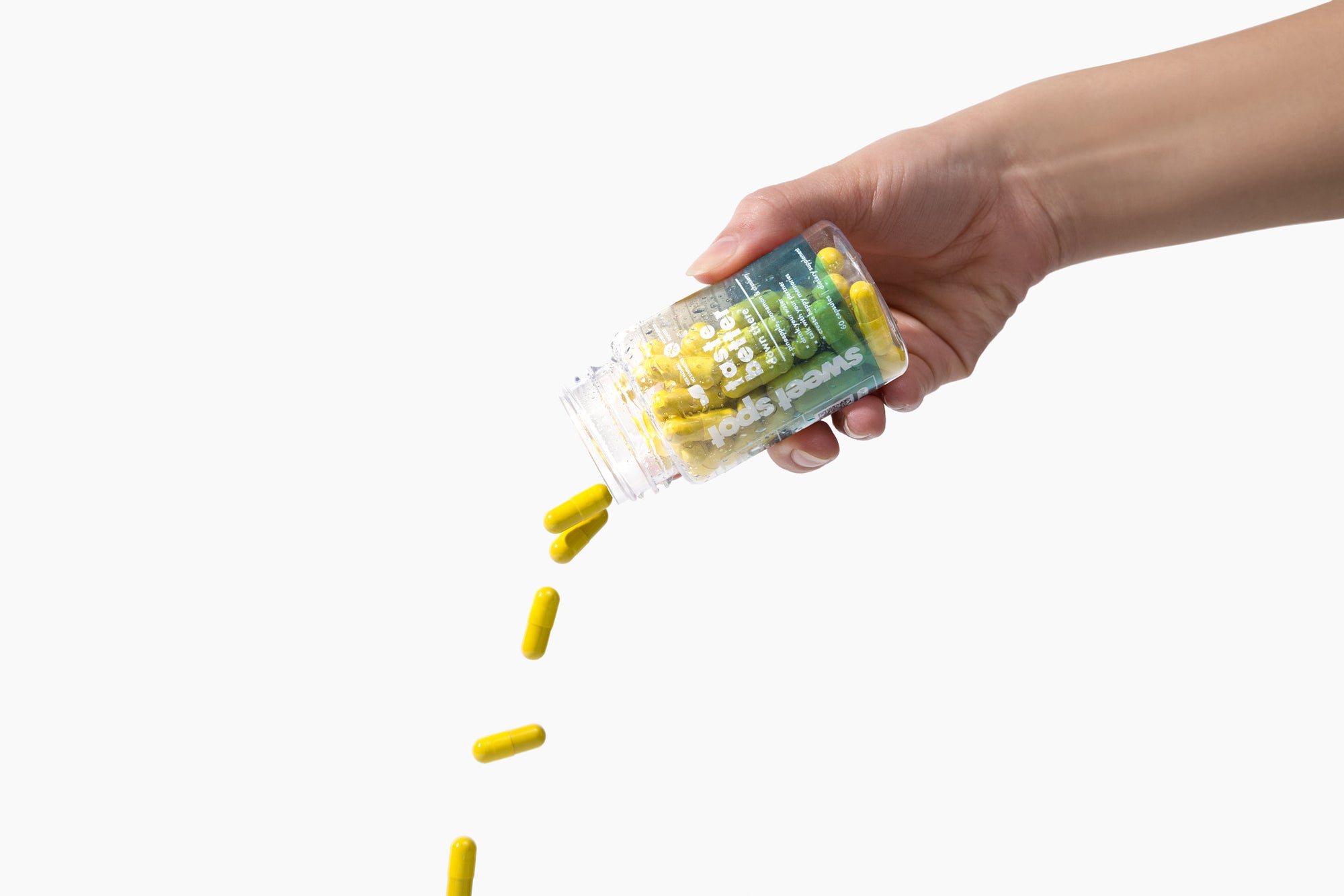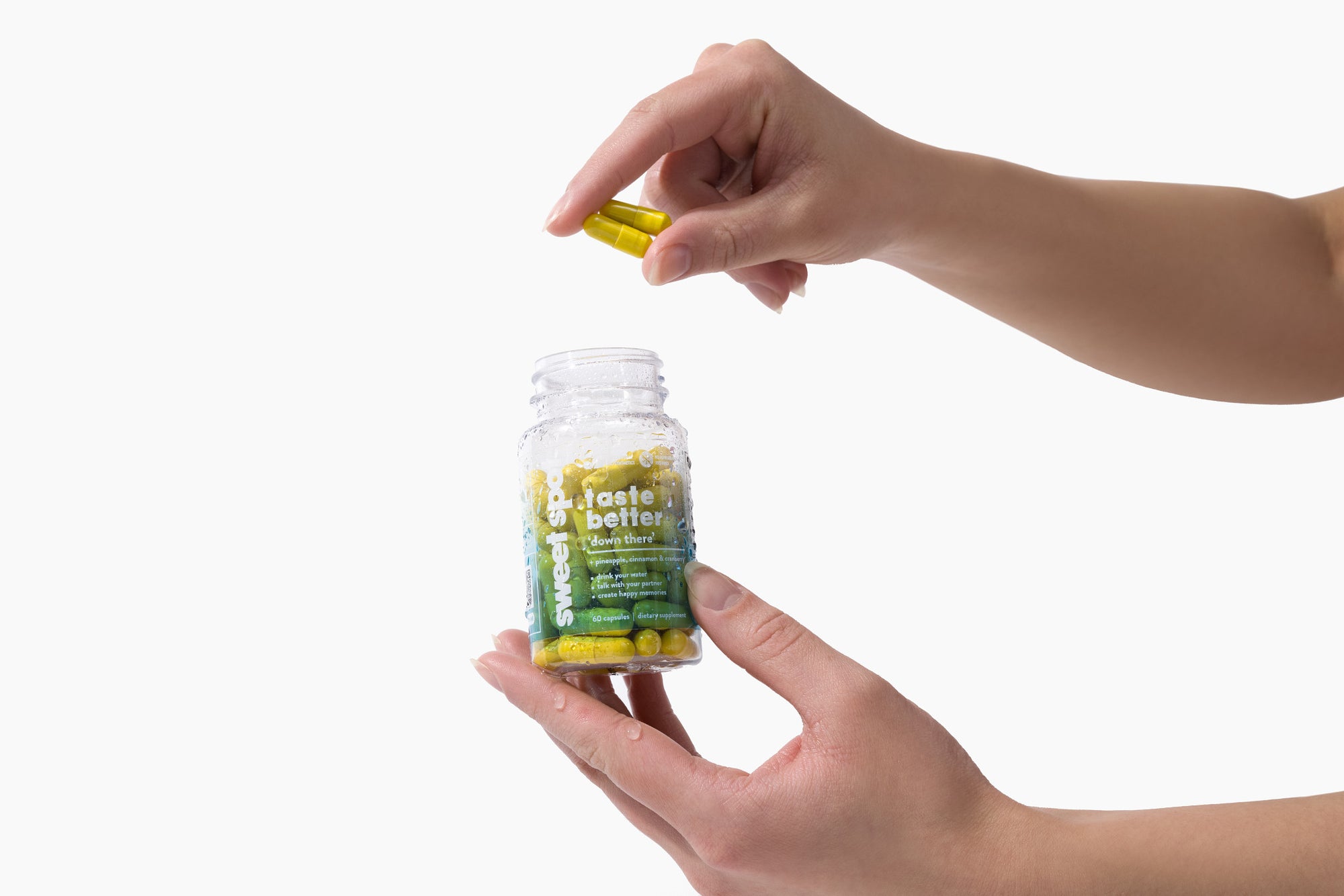


If you've ever eaten fresh pineapple and felt a tingling or slight burning on your tongue, you've experienced bromelain firsthand. This remarkable enzyme complex is one of nature's most versatile therapeutic compounds, used for centuries in traditional medicine and now backed by a growing body of modern scientific research. From reducing post-surgical swelling to improving digestive health to enhancing how your body tastes and smells, bromelain's applications are strikingly diverse.
In this comprehensive guide, we break down everything you need to know about bromelain: what it is, how it works at a biochemical level, its 15+ proven health benefits, how to dose it properly, how to choose a quality supplement, and why it has become a cornerstone ingredient in intimate wellness products. Whether you're a health enthusiast, a researcher, or simply curious about pineapple's secret superpower, this is the most thorough bromelain resource you'll find anywhere.
What Is Bromelain?
Bromelain is a complex mixture of proteolytic (protein-digesting) enzymes extracted from the pineapple plant (Ananas comosus). While trace amounts exist in pineapple fruit flesh and juice, the highest concentrations are found in the tough, fibrous stem of the plant, which is the primary commercial source for bromelain supplements.
Technically, bromelain is not a single enzyme but rather a collection of related cysteine proteases, along with other compounds including peroxidases, acid phosphatases, protease inhibitors, and organically bound calcium. This multi-component nature is part of what makes bromelain so therapeutically versatile — different fractions of the enzyme complex appear to be responsible for different biological effects.
There are two primary forms of commercial bromelain:
- Stem bromelain (EC 3.4.22.32): Extracted from the pineapple stem. This is the most common form found in supplements and the most extensively studied. It has the highest enzymatic activity per gram.
- Fruit bromelain (EC 3.4.22.33): Found in pineapple fruit juice. While still enzymatically active, it has lower potency than stem bromelain and a slightly different composition of protease fractions.
Both forms share the fundamental ability to break down proteins into smaller peptides and amino acids, but stem bromelain's superior concentration and activity make it the preferred source for therapeutic applications.
The History and Discovery of Bromelain
The pineapple has a long history of use in traditional folk medicine across Central and South America, where indigenous peoples used pineapple juice and pulp to treat digestive complaints, reduce inflammation, and promote wound healing for centuries before European contact.
The modern scientific story of bromelain begins in 1891, when Venezuelan chemist Vicente Marcano first isolated a proteolytic substance from pineapple juice. However, it wasn't until 1957 that bromelain gained serious attention in the medical and biochemistry communities. That year, Ralph Heinicke, a researcher at the Pineapple Research Institute of Hawaii, demonstrated that bromelain could be extracted in commercially viable quantities from pineapple stems — a byproduct of the pineapple canning industry that was otherwise discarded.
Heinicke's discovery was pivotal because it made bromelain economically feasible to produce at scale. Prior to this, obtaining therapeutic quantities from fruit juice alone was impractical and expensive. The availability of inexpensive stem bromelain opened the floodgates for research, and within a decade, hundreds of scientific papers had been published exploring its potential applications.
In Germany, bromelain was approved as a therapeutic agent for treating swelling and inflammation following surgical procedures, particularly in ear, nose, and throat surgery, as early as the 1960s. It remains an approved phytotherapeutic substance in several European countries today. In the United States, bromelain is classified as a dietary supplement and is one of the most popular enzyme supplements on the market.
By the 2000s, research into bromelain had expanded dramatically, with studies investigating its potential in oncology, cardiovascular health, immune modulation, and even as an adjunct therapy for respiratory conditions. Today, over 1,600 peer-reviewed papers reference bromelain, making it one of the most well-studied plant-derived enzymes in existence.
How Bromelain Works: The Biochemistry
Understanding how bromelain works requires a brief dive into enzyme biochemistry. Bromelain belongs to a class of enzymes called cysteine proteases (also called thiol proteases). These enzymes use a cysteine amino acid residue in their active site to catalyze the hydrolysis of peptide bonds — in plain English, they break proteins apart by cutting the chemical bonds that hold amino acids together.
The Proteolytic Mechanism
Here's how bromelain's proteolytic activity works step by step:
- Substrate binding: A target protein enters bromelain's active site, which is shaped like a cleft or groove that accommodates the protein chain.
- Nucleophilic attack: The sulfhydryl group (-SH) of the cysteine residue in bromelain's active site attacks the carbonyl carbon of the peptide bond in the target protein. This is facilitated by a nearby histidine residue that acts as a general base, accepting a proton from the cysteine to make it a more powerful nucleophile.
- Tetrahedral intermediate: A transient chemical intermediate forms as the enzyme-substrate bond takes shape.
- Acyl-enzyme formation: The peptide bond breaks, releasing one fragment of the original protein. The other fragment remains temporarily bonded to the enzyme.
- Deacylation: A water molecule attacks the acyl-enzyme intermediate, releasing the second protein fragment and regenerating the free enzyme, ready to cleave another peptide bond.
This cycle happens extremely rapidly — a single bromelain molecule can process thousands of peptide bonds per second under optimal conditions (pH 4.5-8.0, temperature 37-50 degrees Celsius).
Beyond Protein Digestion: Systemic Effects
What makes bromelain remarkable is that its biological effects extend far beyond simple protein digestion. When taken on an empty stomach (away from food), bromelain is absorbed intact through the intestinal lining and enters the bloodstream, where it exerts systemic effects throughout the body. Research has shown that bromelain maintains up to 40% of its proteolytic activity after absorption.
Once in circulation, bromelain influences multiple biochemical pathways:
- Modulation of prostaglandin synthesis: Bromelain shifts the body's prostaglandin balance away from pro-inflammatory PGE2 toward anti-inflammatory PGE1, reducing inflammation at its source.
- Fibrinolytic activity: Bromelain breaks down fibrin, a protein involved in blood clot formation, improving circulation and reducing edema.
- Kinin pathway modulation: Bromelain reduces levels of bradykinin, a peptide that causes blood vessels to dilate and become permeable, contributing to swelling and pain.
- Immune cell modulation: Bromelain removes certain surface receptors from immune cells (specifically CD44 from T cells), modulating the immune response and reducing excessive inflammation.
- Thromboxane inhibition: By reducing thromboxane A2 production, bromelain helps prevent platelet aggregation (blood cells clumping together).
This multi-pathway mechanism is why bromelain has such a wide range of therapeutic applications — it doesn't just do one thing. It modulates inflammation, immune function, coagulation, and protein metabolism simultaneously.
15+ Proven Health Benefits of Bromelain
Decades of research have identified a remarkably diverse set of health benefits associated with bromelain supplementation. Below, we examine each one in detail, citing the underlying mechanisms and key studies.
1. Digestive Support and Protein Absorption
Bromelain's most intuitive benefit is its ability to aid digestion. As a proteolytic enzyme, bromelain breaks down dietary proteins in the stomach and small intestine, facilitating more efficient absorption of amino acids. This is particularly valuable for people with:
- Pancreatic insufficiency (reduced natural enzyme production)
- Low stomach acid (hypochlorhydria), common in older adults
- Inflammatory bowel conditions that impair nutrient absorption
- High-protein diets that place extra demand on the digestive system
A study published in Biomedical Reports found that bromelain supplementation significantly improved protein digestion and reduced symptoms of bloating, gas, and abdominal discomfort in patients with pancreatic insufficiency. Unlike some digestive enzyme supplements, bromelain remains active across a wide pH range (4.5-8.0), meaning it can function in both the acidic stomach environment and the more alkaline small intestine.
When taken with meals, bromelain acts as a digestive aid. When taken on an empty stomach, it is absorbed systemically and provides the anti-inflammatory and other benefits described below. This distinction in timing is crucial for getting the benefit you're after.
2. Powerful Anti-Inflammatory Properties
Bromelain's anti-inflammatory effects are perhaps its most extensively documented benefit and the primary reason it was approved as a therapeutic agent in Germany. The enzyme reduces inflammation through multiple simultaneous mechanisms:
- Reducing pro-inflammatory prostaglandin E2 (PGE2) while increasing anti-inflammatory PGE1
- Lowering levels of bradykinin, a key inflammation mediator
- Decreasing thromboxane A2, which contributes to inflammatory swelling
- Modulating immune cell surface markers to reduce excessive immune activation
In a landmark clinical trial published in Clinical and Experimental Rheumatology, patients with knee osteoarthritis who took 500 mg of bromelain daily experienced statistically significant reductions in pain, stiffness, and physical function scores compared to placebo. Other studies have shown bromelain to be comparable to NSAIDs like diclofenac for managing post-operative swelling, but with fewer gastrointestinal side effects.
This anti-inflammatory activity is dose-dependent: higher doses (up to 2,000 mg/day in divided doses) produce stronger anti-inflammatory effects, while lower doses (200-500 mg/day) provide milder but still significant benefit.
3. Immune System Support
Bromelain has a sophisticated relationship with the immune system — rather than simply "boosting" immunity, it appears to modulate the immune response, dialing it up or down as needed. Research published in Cellular Immunology has shown that bromelain:
- Enhances T-cell and B-cell function in immunocompromised individuals
- Increases production of tumor necrosis factor alpha (TNF-alpha) and interleukin-1 beta (IL-1beta) — cytokines that help fight infections
- Reduces excessive immune activation in autoimmune and allergic conditions by removing CD44 surface molecules from overactive T cells
- Activates natural killer (NK) cells, important for antiviral and antitumor defense
This dual immunomodulatory capacity makes bromelain especially interesting as a supplement for people who need balanced, responsive immunity rather than a simple immune "boost."
4. Sinusitis and Respiratory Health
Bromelain has been studied extensively for its benefits in respiratory conditions, particularly chronic sinusitis. The enzyme's mucolytic properties (ability to thin mucus) combined with its anti-inflammatory effects make it a natural fit for sinus and airway conditions.
A randomized controlled trial published in In Vivo found that patients with chronic sinusitis who supplemented with bromelain experienced significantly faster resolution of symptoms — including nasal congestion, difficulty breathing, and facial pressure — compared to those receiving standard treatment alone. The bromelain group also showed reduced total symptom scores at every follow-up visit.
Germany's Commission E (the regulatory body for herbal medicines) has approved bromelain specifically for the treatment of sinus and nasal swelling following ear, nose, and throat surgery. It works by:
- Reducing mucosal inflammation in the sinuses and nasal passages
- Breaking down mucus glycoproteins to thin secretions
- Improving drainage of sinus cavities
- Reducing post-nasal drip
5. Wound Healing and Post-Surgical Recovery
One of bromelain's oldest and best-established uses is in promoting faster healing after surgery or injury. Its ability to reduce swelling, bruising, and pain while improving tissue repair makes it a favorite among surgeons and athletes alike.
A meta-analysis of 10 clinical trials published in Evidence-Based Complementary and Alternative Medicine concluded that bromelain significantly reduced post-operative swelling, bruising, pain, and healing time in patients undergoing dental surgery, rhinoplasty, and other facial procedures.
Bromelain promotes wound healing through several mechanisms:
- Debridement: Enzymatic removal of dead tissue and debris from wound surfaces, creating a cleaner environment for new tissue growth
- Edema reduction: Breaking down fibrin and bradykinin reduces fluid accumulation at the wound site
- Improved microcirculation: By reducing platelet aggregation and improving blood flow, bromelain ensures better oxygen and nutrient delivery to healing tissues
- Anti-inflammatory action: Reducing excessive inflammation allows the transition from the inflammatory phase to the proliferative phase of wound healing to occur more quickly
Notably, NexoBrid, a pharmaceutical-grade bromelain-based preparation, has received regulatory approval in the European Union and the United States for the enzymatic debridement of severe burns. This represents one of bromelain's most dramatic medical applications.
6. Joint Health and Arthritis Management
Bromelain's anti-inflammatory and analgesic properties make it particularly beneficial for joint health. Multiple studies have demonstrated its effectiveness in both osteoarthritis (OA) and rheumatoid arthritis (RA).
A study in the journal Phytomedicine compared bromelain (3x90 mg daily) to diclofenac (3x50 mg daily) in patients with osteoarthritis of the hip. After six weeks, both groups showed equivalent improvements in pain, stiffness, and physical function — but the bromelain group experienced significantly fewer adverse effects, particularly gastrointestinal side effects like stomach pain and bleeding.
Bromelain helps joints through:
- Reducing inflammation in joint tissues and synovial fluid
- Decreasing the activity of COX-2, the same enzyme targeted by prescription anti-inflammatory drugs
- Breaking down fibrin deposits that can accumulate in inflamed joints
- Reducing edema (fluid accumulation) around affected joints
- Modulating immune cell activity that can drive autoimmune joint destruction in RA
7. Improving Body Taste and Scent
Perhaps the most culturally fascinating application of bromelain is its reported ability to improve how the body — and especially bodily fluids — taste and smell. This is the mechanism behind the popular folk wisdom that eating pineapple makes you "taste better," and there is genuine biochemical logic to support it.
Here's how bromelain may improve body taste and scent:
- Protein breakdown in bodily fluids: Many of the compounds that contribute to bitter or unpleasant tastes in bodily fluids (including seminal fluid, vaginal secretions, and sweat) are protein-derived. Bromelain's proteolytic activity helps break down these compounds, reducing bitterness and harshness.
- Reduced metabolic waste products: By improving protein digestion and reducing incompletely digested protein fragments in the bloodstream, bromelain may decrease the sulfur-containing compounds and amines that contribute to strong body odor.
- Anti-inflammatory effects on mucous membranes: Healthier mucous membranes produce cleaner, less odorous secretions.
- Improved gut health: Better protein digestion means less putrefaction of undigested proteins in the colon, reducing the production of skatole, indole, and hydrogen sulfide — all of which contribute to foul body odors.
While large-scale clinical trials specifically on taste improvement are limited, the anecdotal evidence is overwhelming, and the biochemical mechanisms are well-understood. Many intimate wellness supplements — including The Partner Pack — use bromelain as a key ingredient for precisely this reason.
8. Cancer Research
Bromelain has attracted significant attention in oncology research, though it's important to note that this work is still in relatively early stages and bromelain should not be considered a cancer treatment. That said, the preliminary findings are compelling:
- Anti-tumor activity: In vitro studies have shown bromelain can inhibit the growth of multiple cancer cell lines, including breast, lung, ovarian, and melanoma cells.
- Apoptosis induction: Bromelain appears to trigger programmed cell death (apoptosis) in certain cancer cells while leaving healthy cells unharmed.
- Anti-metastatic effects: Research published in Cancer Letters suggests bromelain may reduce cancer cells' ability to invade neighboring tissues and metastasize (spread to distant sites) by modulating cell adhesion molecules.
- Immune enhancement: Bromelain's ability to activate natural killer cells and enhance other immune functions may help the body's natural antitumor defenses.
- Chemotherapy adjunct: Some preliminary studies suggest bromelain may enhance the effectiveness of certain chemotherapy drugs while reducing their side effects.
A review published in Biomedical Reports concluded that bromelain shows "considerable promise" as an anticancer agent, particularly in combination with conventional therapies, but emphasized the need for more clinical trials in human subjects.
9. Blood Clot Prevention and Cardiovascular Health
Bromelain's fibrinolytic and anti-platelet properties make it a potential ally for cardiovascular health. By breaking down fibrin and reducing platelet aggregation, bromelain may help prevent the formation of dangerous blood clots that can lead to heart attacks and strokes.
Research has demonstrated that bromelain:
- Reduces blood viscosity (thickness), improving flow
- Decreases platelet aggregation — the clumping of blood cells that initiates clot formation
- Breaks down existing fibrin deposits in blood vessels
- Lowers thromboxane A2 levels, a potent promoter of platelet aggregation
- May reduce atherosclerotic plaque formation by modulating inflammatory processes in arterial walls
A study in Thrombosis Research found that oral bromelain supplementation significantly reduced markers of platelet aggregation in healthy volunteers. However, this anticoagulant effect also means that individuals taking blood-thinning medications should consult their healthcare provider before using bromelain supplements.
10. Muscle Recovery and Exercise Performance
Athletes and fitness enthusiasts increasingly use bromelain to support recovery from intense training. Exercise causes microscopic damage to muscle fibers and triggers an inflammatory response — the same inflammation that causes delayed onset muscle soreness (DOMS). Bromelain's anti-inflammatory properties can modulate this response, potentially accelerating recovery.
A study published in the European Journal of Sport Science found that participants who supplemented with bromelain experienced significantly less muscle soreness, faster recovery of muscle function, and reduced levels of inflammatory markers (including CRP and IL-6) following eccentric exercise compared to a placebo group.
Bromelain may also reduce exercise-induced muscle damage by:
- Decreasing edema in damaged muscle tissue
- Improving blood flow to muscles during recovery
- Reducing levels of creatine kinase (a marker of muscle damage) post-exercise
- Accelerating the clearance of metabolic waste products from muscles
11. Skin Health and Dermatological Applications
Bromelain offers several benefits for skin health, both when applied topically and taken orally as a supplement:
- Exfoliation: Bromelain's proteolytic activity gently breaks down dead skin cells, promoting cell turnover and revealing fresher skin beneath. This is why pineapple extract is a common ingredient in enzyme peels and exfoliating masks.
- Acne reduction: Its anti-inflammatory properties help reduce the redness and swelling associated with acne breakouts.
- Scar reduction: By promoting better wound healing and reducing excessive collagen deposition, bromelain may help minimize scar formation.
- Anti-aging: Bromelain has been shown to reduce the activity of matrix metalloproteinases (MMPs) — enzymes that break down collagen and elastin in the skin, contributing to wrinkles and sagging.
- Burns treatment: As mentioned earlier, pharmaceutical-grade bromelain (NexoBrid) is approved for treating deep burns by enzymatically removing dead tissue.
12. Allergy Relief
Bromelain may provide relief from allergic conditions by modulating the immune system's response to allergens. Research suggests it works through several mechanisms:
- Reducing levels of pro-inflammatory cytokines involved in allergic responses
- Decreasing the sensitivity of immune cells to allergens
- Thinning nasal and bronchial mucus, relieving congestion caused by allergies
- Reducing inflammation in nasal passages, similar to its effects in sinusitis
A study in Evidence-Based Complementary and Alternative Medicine found that mice treated with bromelain showed significantly reduced airway inflammation and allergic sensitization, with decreased levels of IgE antibodies (the immune molecules responsible for allergic reactions) and reduced eosinophil (allergy-related white blood cell) infiltration in lung tissue.
13. Urinary Tract Health
Emerging research suggests bromelain may benefit urinary tract health. Its anti-inflammatory and antimicrobial properties could help reduce the frequency and severity of urinary tract infections (UTIs) and support overall urogenital health. Preliminary studies have shown that bromelain, when combined with antibiotics, may enhance the effectiveness of UTI treatment compared to antibiotics alone.
14. Digestive Comfort and IBS Symptom Management
Beyond basic protein digestion, bromelain may help manage symptoms of irritable bowel syndrome (IBS) and other functional digestive disorders. Its anti-inflammatory effects on the gut lining, combined with its ability to reduce visceral pain and gas production from poorly digested proteins, make it a useful adjunct for people with sensitive digestive systems.
15. Anti-Microbial Properties
Research has demonstrated that bromelain possesses antimicrobial activity against a range of pathogens, including bacteria, fungi, and parasites. It may exert these effects by:
- Disrupting bacterial biofilms — protective coatings that bacteria form on surfaces, making infections difficult to treat
- Enhancing the effectiveness of antibiotics by improving their penetration into infected tissues
- Directly damaging microbial cell membranes
- Modulating the host immune response to more effectively combat infection
A study published in Biotechnology Research International found that bromelain significantly inhibited the growth of antibiotic-resistant bacteria, including MRSA (methicillin-resistant Staphylococcus aureus), suggesting potential applications in combating drug-resistant infections.
16. Reduction of Edema and Swelling
Bromelain is one of the most effective natural anti-edema agents known. Whether the swelling is caused by surgery, injury, chronic inflammation, or circulatory issues, bromelain can help reduce it by:
- Breaking down fibrin that traps fluid in tissues
- Reducing bradykinin-mediated vascular permeability
- Improving lymphatic drainage
- Decreasing the overall inflammatory cascade that drives edema formation
Bromelain Dosage Guide
One of the most common questions about bromelain is "how much should I take?" The answer depends on your specific health goal, because different applications require different doses and timing. Below is a comprehensive dosage guide based on published research and clinical practice.
Understanding Enzyme Activity Units
Before discussing doses, it's important to understand how bromelain potency is measured. Unlike most supplements measured purely in milligrams, bromelain effectiveness depends on its enzymatic activity. The two most common measurements are:
- GDU (Gelatin Digesting Units): Measures how much gelatin one gram of bromelain can digest. Higher GDU = more potent. Quality supplements typically provide 2,000-2,400 GDU per gram.
- MCU (Milk Clotting Units): Measures the ability to clot milk protein (casein). 1 GDU is approximately equal to 1.5 MCU.
When choosing a bromelain supplement, always look for the GDU or MCU rating in addition to the milligram dose. A 500 mg supplement with 2,400 GDU/g provides 1,200 GDU per capsule, while a 500 mg supplement with only 1,200 GDU/g provides just 600 GDU — half the enzymatic potency despite the same weight.
Dosage Table by Health Goal
| Health Goal | Daily Dose (mg) | GDU Target | Timing | Duration |
|---|---|---|---|---|
| Digestive support | 200-500 mg | 400-1,200 GDU | With meals | Ongoing |
| Anti-inflammation (general) | 500-1,000 mg | 1,200-2,400 GDU | Between meals (empty stomach) | 4-12 weeks |
| Post-surgical swelling | 500-2,000 mg | 1,200-4,800 GDU | Between meals, in divided doses | 7-14 days |
| Sinusitis / respiratory | 500-1,000 mg | 1,200-2,400 GDU | Between meals | Until symptoms resolve |
| Joint health / arthritis | 500-1,500 mg | 1,200-3,600 GDU | Between meals, in divided doses | 8-12 weeks minimum |
| Muscle recovery / sports | 300-1,000 mg | 720-2,400 GDU | Before and after exercise | Around training days |
| Immune support | 500-1,000 mg | 1,200-2,400 GDU | Between meals | Ongoing or seasonal |
| Body taste & scent improvement | 200-500 mg | 480-1,200 GDU | With meals or between meals | Ongoing; noticeable within 3-7 days |
| Cardiovascular support | 500-1,000 mg | 1,200-2,400 GDU | Between meals | Ongoing (with medical supervision) |
| Allergy relief | 400-1,000 mg | 960-2,400 GDU | Between meals | During allergy season |
| Skin health (oral) | 200-500 mg | 480-1,200 GDU | Between meals | 4-8 weeks |
Key timing principle: Take bromelain with meals for digestive benefits. Take it on an empty stomach (30 minutes before or 2 hours after eating) for systemic anti-inflammatory, immune, and other therapeutic benefits. When taken with food, bromelain is used up digesting dietary proteins and less is available for absorption into the bloodstream.
Bromelain from Food vs. Supplements: A Comparison
Can you get enough bromelain from eating pineapple? Let's compare the two sources side by side.
| Factor | Fresh Pineapple | Bromelain Supplement |
|---|---|---|
| Source | Fruit flesh and juice | Concentrated pineapple stem extract |
| Bromelain per serving | ~40-80 mg per cup (165g) | 500-1,000 mg per capsule (typical) |
| Enzymatic activity | Low (fruit bromelain is less potent) | High (2,000-2,400 GDU/g typical) |
| Calories per therapeutic dose | 500-1,300+ calories (6-16+ cups) | 0-5 calories |
| Sugar intake per therapeutic dose | 100-200+ grams of sugar | 0 grams |
| Consistency of potency | Highly variable (ripeness, variety, season) | Standardized and consistent |
| Additional nutrients | Vitamin C, manganese, fiber, antioxidants | Bromelain complex only (concentrated) |
| Convenience | Requires preparation, refrigeration | Portable, shelf-stable capsules |
| Side effects at high doses | Mouth irritation, acid reflux, diarrhea from excess sugar and acid | Minimal at recommended doses |
| Cost per therapeutic dose | $6-15+/day (fresh pineapple) | $0.30-1.00/day (supplement) |
| Affected by cooking/processing? | Yes — heat destroys bromelain; canned pineapple has zero activity | No — capsules protect enzyme until ingestion |
How Much Pineapple Would You Need to Eat?
To put this in perspective, let's calculate how much fresh pineapple you'd need to eat to match a typical bromelain supplement dose:
- A typical bromelain supplement capsule provides 500 mg at 2,400 GDU/g = 1,200 GDU
- Fresh pineapple fruit contains approximately 0.05-0.1 mg bromelain per gram of fruit, at lower enzymatic activity
- To get 1,200 GDU from fresh pineapple, you would need to consume approximately 6-10 cups of fresh pineapple (about 1-1.6 kg of fruit flesh)
- That's roughly one and a half to two and a half whole pineapples per day
- This would provide approximately 800-1,300 calories and 130-200+ grams of sugar — the sugar equivalent of drinking 4-6 cans of soda
The bottom line: while eating pineapple provides some bromelain along with other nutritional benefits, it's simply not practical to obtain therapeutic doses from food alone. Supplements provide a concentrated, standardized, calorie-free way to get meaningful amounts of bromelain.
That said, eating pineapple regularly is still a great idea for general health — just don't rely on it as your sole source of bromelain if you're targeting specific therapeutic benefits.
Side Effects, Contraindications, and Drug Interactions
Bromelain has an excellent safety profile and has been used in clinical trials at doses up to 2,000 mg/day with few adverse effects. However, like any bioactive compound, it's important to understand the potential side effects and interactions.
Potential Side Effects
- Gastrointestinal discomfort: Some people experience nausea, diarrhea, or stomach upset, particularly at higher doses. Taking bromelain with a small amount of food (rather than a completely empty stomach) can help mitigate this.
- Allergic reactions: Individuals with pineapple allergies should avoid bromelain. Cross-reactivity has been reported with latex, wheat flour, celery, papain, carrot, fennel, cypress pollen, and grass pollen. Symptoms can include skin rash, itching, nasal congestion, or in rare cases, anaphylaxis.
- Increased heart rate: Rarely reported at very high doses.
- Menstrual changes: Some women report heavier menstrual flow when taking bromelain, likely due to its fibrinolytic and anti-platelet effects.
Contraindications
- Pineapple allergy: Obvious but essential — if you're allergic to pineapple, do not take bromelain.
- Bleeding disorders: Because bromelain has anticoagulant properties, individuals with hemophilia or other bleeding disorders should avoid it or use it only under medical supervision.
- Upcoming surgery: Discontinue bromelain at least 2 weeks before elective surgery due to its effects on bleeding time. (After surgery, your surgeon may actually recommend it to reduce swelling — but always follow their specific guidance.)
- Pregnancy and lactation: Insufficient safety data exists for use during pregnancy. While bromelain is present in pineapple (a commonly consumed food), concentrated supplement doses should be avoided during pregnancy unless specifically recommended by a healthcare provider.
Drug Interactions
| Drug Class | Interaction | Risk Level |
|---|---|---|
| Blood thinners (warfarin, heparin, aspirin) | Bromelain may enhance anticoagulant effects, increasing bleeding risk | Moderate-High |
| Antibiotics (amoxicillin, tetracycline) | Bromelain may increase antibiotic absorption and blood levels | Low-Moderate |
| Sedatives/benzodiazepines | Bromelain may increase sedative effects | Low |
| ACE inhibitors (blood pressure drugs) | Bromelain may enhance blood pressure-lowering effects | Low-Moderate |
| NSAIDs (ibuprofen, naproxen) | Combined anti-inflammatory effects may increase GI bleeding risk | Low-Moderate |
| Chemotherapy drugs | May alter absorption and activity (can be beneficial under medical guidance) | Moderate (use with supervision) |
Important: If you are taking any prescription medications, consult your healthcare provider before starting bromelain supplementation. While many of these interactions can actually be beneficial (e.g., enhanced antibiotic effectiveness), they require professional monitoring.
Best Forms of Bromelain Supplements: A Buyer's Guide
The bromelain supplement market offers a wide variety of products, and quality varies significantly. Here's what to look for when choosing a bromelain supplement.
Understanding GDU and MCU Ratings
As discussed earlier, GDU (Gelatin Digesting Units) and MCU (Milk Clotting Units) are the standard measurements of bromelain potency. Here's how to interpret these numbers:
- Standard potency: 1,200-2,000 GDU/g — adequate for basic digestive support and mild anti-inflammatory effects
- High potency: 2,000-2,400 GDU/g — the sweet spot for most therapeutic applications, balancing potency with affordability
- Ultra-high potency: 2,400-3,000+ GDU/g — premium products for maximum enzymatic activity per capsule, ideal for those needing higher doses
What to Look for on the Label
- GDU or MCU clearly stated: Any reputable bromelain supplement will list its enzymatic activity, not just milligrams. If a product only lists milligrams without activity units, consider it a red flag.
- Source identified: Look for "pineapple stem extract" (Ananas comosus) — this indicates the more potent stem bromelain rather than fruit extract.
- Third-party testing: Look for certifications from NSF International, USP, or independent labs like ConsumerLab or Labdoor.
- Minimal fillers: Quality supplements use minimal excipients. Avoid products loaded with artificial colors, flavors, or unnecessary binders.
- Enteric coating (optional but beneficial): Some bromelain supplements use enteric coating to protect the enzyme from stomach acid and ensure it reaches the small intestine intact. This is particularly useful if you're taking bromelain for systemic (non-digestive) benefits.
- Combination formulas: Some products combine bromelain with other synergistic ingredients like quercetin (which bromelain enhances the absorption of), turmeric/curcumin, or papain (another proteolytic enzyme). These combinations can provide enhanced benefits.
Forms of Bromelain Supplements
- Capsules: The most common and convenient form. Look for vegetarian capsules (often cellulose-based) rather than gelatin, since bromelain would begin digesting a gelatin capsule before you even swallow it.
- Tablets: Compressed form, often with enteric coating. Can be harder to swallow but may offer better stability.
- Powder: Loose bromelain powder offers flexible dosing but has a strong taste and can irritate the mouth and esophagus. Generally recommended only for those who mix it into smoothies or use it in digestive enzyme blends.
- Chewables: Convenient but less effective, as much of the enzyme is deactivated by prolonged contact with saliva and oral enzymes before reaching the stomach.
Bromelain for Intimate Wellness
While we've touched on bromelain's ability to improve body taste and scent in the benefits section above, this application deserves deeper exploration given the enormous interest in natural approaches to intimate wellness.
How Bromelain Improves Intimate Taste and Scent
The taste and smell of bodily fluids — including vaginal secretions, seminal fluid, and sweat — are influenced by a complex interplay of factors including diet, hydration, hormones, genetics, and the metabolic processes that produce these fluids. Protein metabolism plays a particularly important role.
Bodily fluids contain various compounds that contribute to their taste and smell:
- Spermine and spermidine: Polyamines found in seminal fluid that can have a musty, ammonia-like taste
- Proteins and peptides: Various protein fragments that can taste bitter
- Urea and ammonia derivatives: Metabolic waste products that contribute sharp, unpleasant flavors
- Volatile sulfur compounds: Produced during the metabolism of sulfur-containing amino acids (methionine, cysteine)
- Short-chain fatty acids: Produced by bacterial metabolism, contributing to vaginal and body odor
Bromelain helps on multiple fronts:
- Direct proteolytic breakdown: Bromelain breaks down the proteins and polyamines that contribute to bitter, unpleasant tastes in bodily fluids
- Improved protein digestion: Better dietary protein digestion means fewer putrefactive by-products entering the bloodstream and subsequently appearing in bodily fluids
- Reduced systemic inflammation: Healthier mucous membranes and glandular tissue produce cleaner secretions
- Altered metabolic pathways: By influencing how proteins are metabolized, bromelain can shift the balance of compounds present in bodily fluids toward less odorous and less bitter profiles
Synergistic Ingredients for Intimate Wellness
Bromelain works even better when combined with other natural compounds that support body freshness:
- Chlorophyll: Acts as an internal deodorizer by neutralizing odor-causing compounds in the gut and bloodstream
- Zinc: Essential mineral that helps regulate body odor and supports healthy mucous membrane function
- Probiotics: Support a healthy gut microbiome, reducing the production of foul-smelling metabolic by-products
- Vitamin C: Antioxidant that supports detoxification pathways and adds a mild sweetness to bodily fluids
- Peppermint and parsley extracts: Natural breath and body fresheners with chlorophyll content
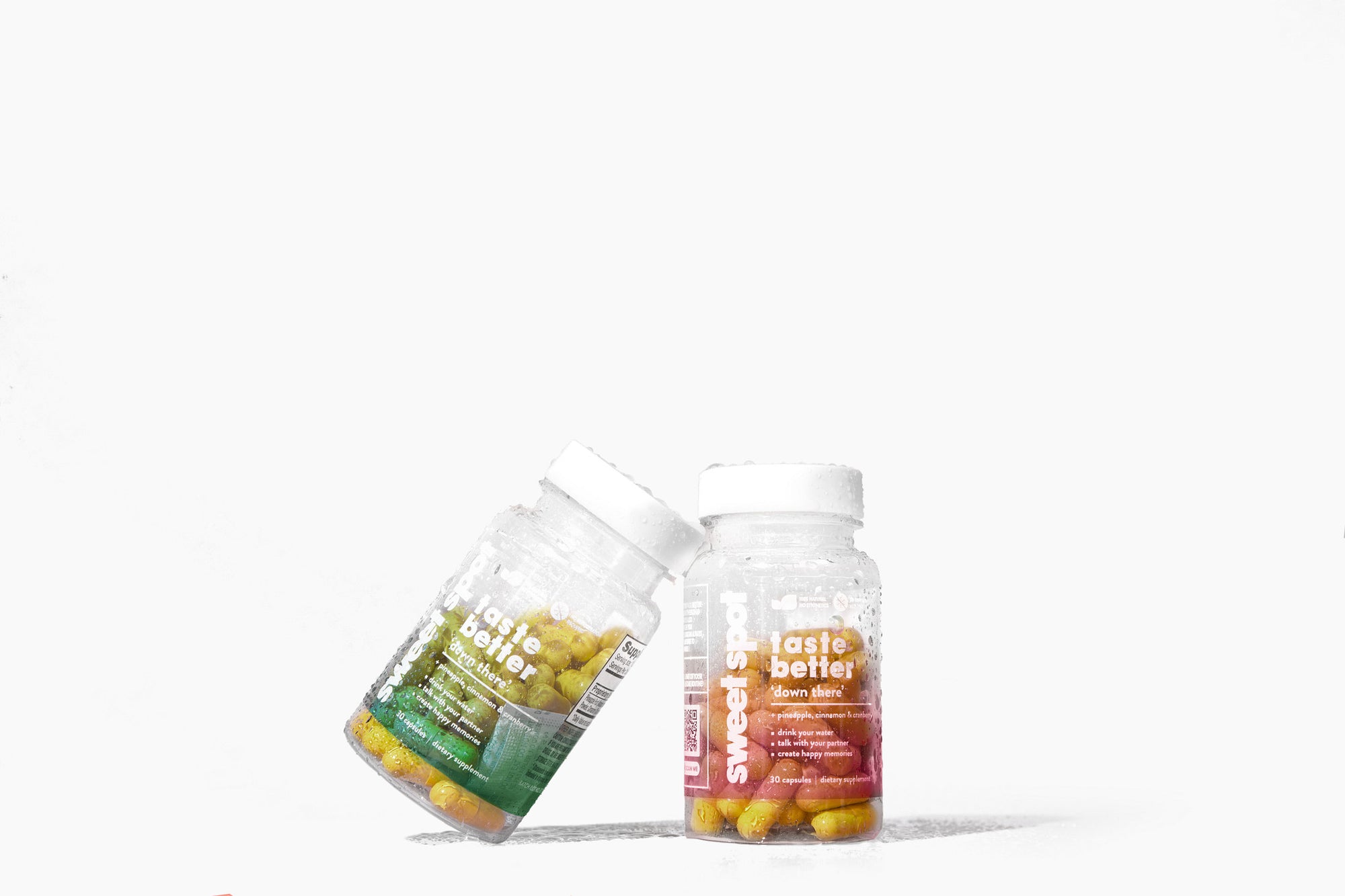
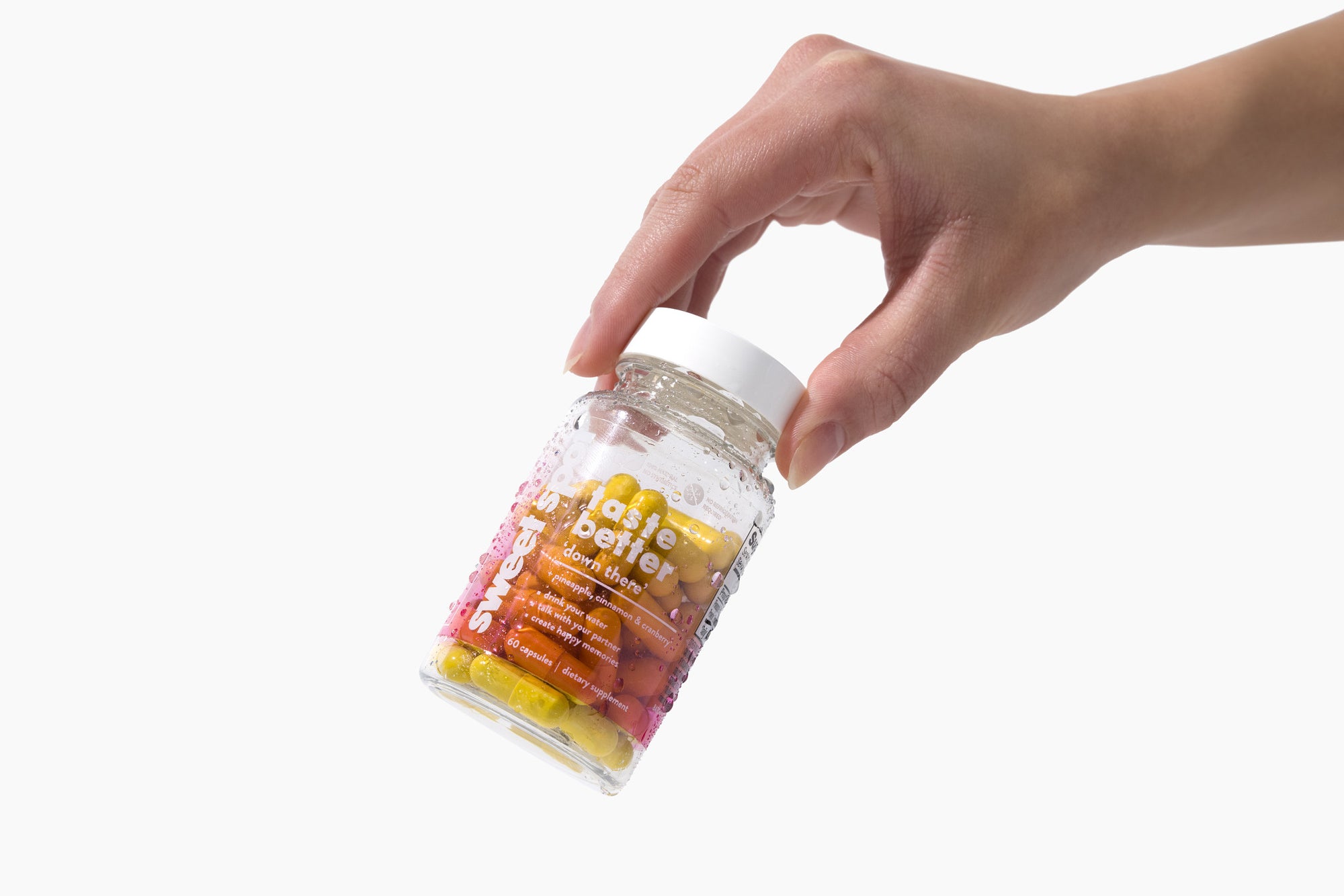
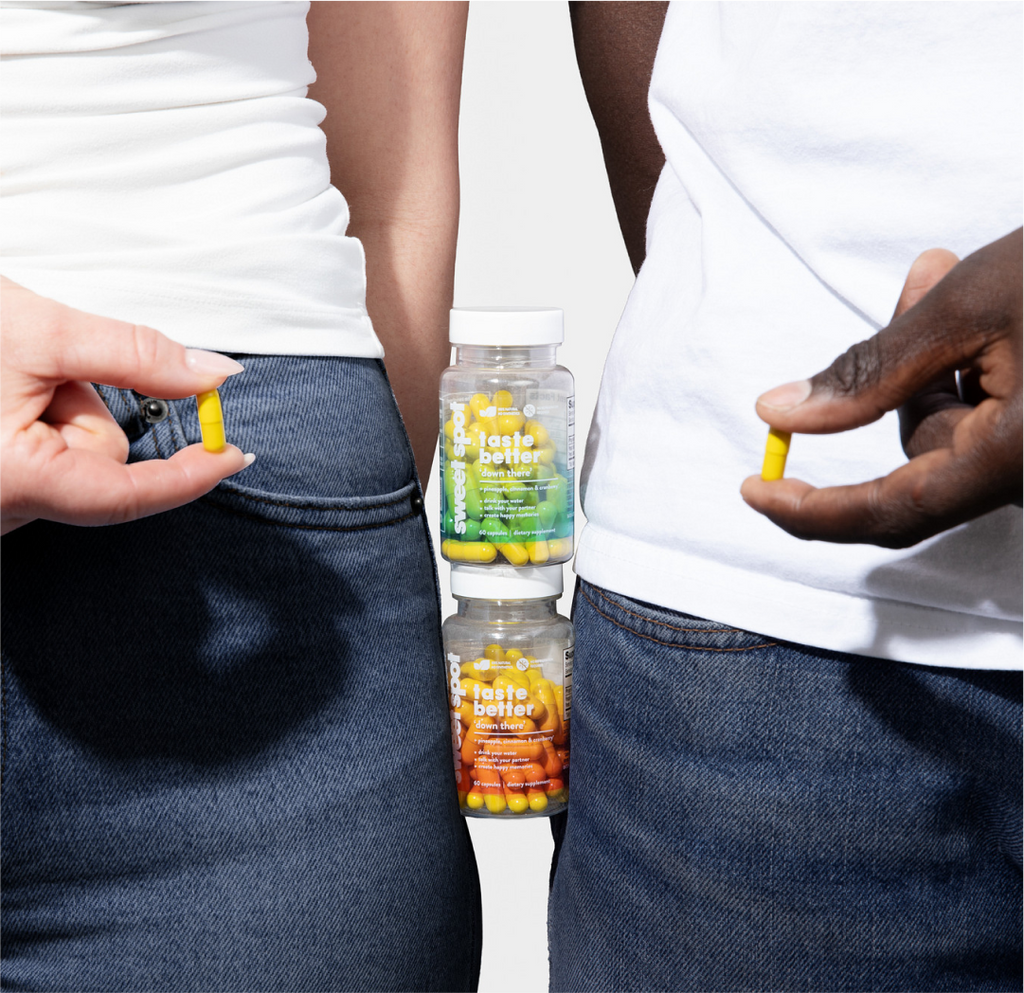
This is precisely the science behind products like Sweet Spot for Her and Sweet Spot for Him, which combine bromelain with complementary ingredients designed to improve intimate taste and scent naturally. For couples looking to enhance their experience together, The Partner Pack provides both formulas at a combined value.
What to Expect: Timeline and Results
If you're taking bromelain for intimate wellness benefits, here's a realistic timeline:
- Days 1-3: Improved digestion and reduced bloating are often the first noticeable effects. Some people report changes in body odor within the first few days.
- Days 3-7: Most people begin to notice changes in the taste and scent of bodily fluids. Sweat may smell less pungent, and intimate taste begins to become milder and more neutral.
- Weeks 1-3: Full effects are typically reached within 1-3 weeks of consistent daily use. The body needs time to turn over fluids and allow the metabolic changes to fully manifest.
- Ongoing use: Benefits are maintained with continued supplementation. Effects gradually reverse over 3-7 days after stopping.
For best results, combine bromelain supplementation with adequate hydration (8+ glasses of water daily), a diet rich in fruits and vegetables, and limited intake of foods known to negatively affect body odor (red meat, garlic, onions, excessive alcohol, and cruciferous vegetables in large quantities).
Ready to Experience Bromelain's Intimate Benefits?
Our supplements combine premium bromelain with synergistic ingredients specifically formulated to improve how you taste and smell — naturally.
Sweet Spot for Her Sweet Spot for Him The Partner Pack (Best Value)
Frequently Asked Questions About Bromelain
What is bromelain and where does it come from?
Bromelain is a complex of proteolytic (protein-digesting) enzymes extracted from the pineapple plant (Ananas comosus). While it's present in pineapple fruit and juice, the highest concentrations are found in the pineapple stem, which is the primary source for commercial bromelain supplements. Bromelain is classified as a cysteine protease and has been used therapeutically for decades, with regulatory approval in several European countries for treating inflammation and swelling.
Can I get enough bromelain from eating pineapple?
While fresh pineapple does contain bromelain, the concentrations in the edible fruit are much lower than what's found in concentrated stem extracts. To get a therapeutic dose equivalent to a typical supplement (500 mg at 2,400 GDU/g), you would need to eat approximately 6-10 cups of fresh pineapple daily — that's roughly 1.5 to 2.5 whole pineapples, containing 800-1,300+ calories and 130-200+ grams of sugar. Additionally, canned or cooked pineapple contains zero active bromelain because heat destroys the enzyme. For therapeutic benefits, supplements are far more practical.
Does bromelain really make you taste better?
There is genuine biochemical logic behind this claim. Bromelain's proteolytic activity breaks down proteins and polyamines in bodily fluids that contribute to bitter or unpleasant tastes. It also improves overall protein digestion, reducing the metabolic by-products that end up in sweat, seminal fluid, and vaginal secretions. While large-scale clinical trials specifically on this topic are limited, the anecdotal evidence is extensive, and the underlying mechanisms are well-established in enzyme biochemistry. Most people report noticeable changes within 3-7 days of consistent supplementation.
What does GDU mean on a bromelain supplement label?
GDU stands for Gelatin Digesting Units, which is the standard measurement of bromelain's enzymatic activity. It measures how much gelatin one gram of bromelain can digest under standardized conditions. A higher GDU/g rating means more potent bromelain. Quality supplements typically provide 2,000-2,400 GDU per gram. Always check the GDU rating in addition to the milligram dose, as two supplements with the same weight can have very different enzymatic potencies. MCU (Milk Clotting Units) is another measurement you may see; 1 GDU equals approximately 1.5 MCU.
Should I take bromelain with food or on an empty stomach?
It depends on your goal. For digestive benefits (better protein digestion, reduced bloating), take bromelain with meals so it can work on the food in your stomach. For systemic benefits (anti-inflammation, immune support, improved body taste and scent, joint health, muscle recovery), take bromelain on an empty stomach — 30 minutes before eating or 2 hours after. When taken without food, bromelain is absorbed through the intestinal lining into the bloodstream, where it can exert its therapeutic effects throughout the body.
Is bromelain safe? What are the side effects?
Bromelain has an excellent safety record and has been used in clinical trials at doses up to 2,000 mg/day with minimal adverse effects. The most common side effects are mild gastrointestinal discomfort (nausea, diarrhea, stomach upset), which typically resolve by reducing the dose or taking it with a small amount of food. People with pineapple allergies should avoid bromelain, and those taking blood-thinning medications should consult their doctor first, as bromelain can enhance anticoagulant effects. Bromelain should be discontinued 2 weeks before elective surgery.
Can bromelain interact with medications?
Yes, bromelain can interact with certain medications. The most significant interaction is with blood-thinning drugs (warfarin, heparin, aspirin), where bromelain may enhance anticoagulant effects and increase bleeding risk. It can also increase the absorption of antibiotics like amoxicillin and tetracycline, enhance the effects of sedatives, and potentiate blood pressure-lowering medications (ACE inhibitors). While some of these interactions can be therapeutically useful, they require medical supervision. Always consult your healthcare provider before taking bromelain if you are on any prescription medications.
How long does it take for bromelain to work?
The timeline varies by application. For digestive benefits, you may notice improvement within the first dose or two. For anti-inflammatory effects (joint pain, swelling, muscle soreness), most studies show significant improvement within 3-7 days, with maximum benefit at 4-8 weeks of consistent use. For body taste and scent improvement, most people report noticeable changes within 3-7 days, with full effects reached within 1-3 weeks. For immune support, consistent daily use over 2-4 weeks is typically recommended before evaluating results.
Is bromelain the same as papain?
While bromelain and papain are both plant-derived cysteine proteases with similar functions (breaking down proteins), they come from different sources and have distinct properties. Bromelain is extracted from pineapple (specifically the stem), while papain comes from papaya. They have different optimal pH ranges, different substrate specificities, and somewhat different therapeutic profiles. Bromelain has been more extensively studied for its anti-inflammatory and immunomodulatory effects, while papain is more commonly used in meat tenderizing and topical wound care. Some supplements combine both enzymes for broader proteolytic coverage.
Can I take bromelain while pregnant or breastfeeding?
There is insufficient safety data to recommend concentrated bromelain supplements during pregnancy or breastfeeding. While eating pineapple (which contains small amounts of bromelain) is generally considered safe during pregnancy, concentrated supplement doses provide much higher levels of the enzyme. Theoretically, bromelain's effects on blood clotting and uterine smooth muscle could be of concern during pregnancy. It's best to avoid bromelain supplements during pregnancy and lactation unless specifically recommended by your healthcare provider.
What's the best bromelain supplement for improving intimate taste?
For intimate taste improvement, look for a supplement that combines bromelain with synergistic ingredients like chlorophyll, zinc, vitamin C, and probiotics, which all work together to improve body chemistry. The supplement should provide at least 200-500 mg of bromelain with a minimum of 2,000 GDU/g potency. Products like Sweet Spot for Her and Sweet Spot for Him are specifically formulated for this purpose, combining bromelain with complementary ingredients at clinically relevant doses. For the best value, The Partner Pack includes both formulations.
Does cooking or processing destroy bromelain?
Yes. Bromelain is a protein, and like all proteins, it is denatured (permanently unfolded and deactivated) by heat. Temperatures above 70 degrees Celsius (158 degrees Fahrenheit) rapidly destroy bromelain's enzymatic activity. This means canned pineapple (which is heat-processed), cooked pineapple, pasteurized pineapple juice, and pineapple-flavored products contain zero active bromelain. Only fresh, raw pineapple retains its enzymatic activity. This is why gelatin desserts like Jell-O won't set properly if you use fresh pineapple — the active bromelain digests the gelatin protein — but work perfectly fine with canned pineapple.
Conclusion: Bromelain Is One of Nature's Most Versatile Enzymes
From its humble origins as a waste product of the pineapple canning industry to its current status as one of the most researched and versatile natural enzymes, bromelain has earned its place in the supplement hall of fame. Its proteolytic power drives a remarkably diverse array of health benefits — from improved digestion and reduced inflammation to enhanced immune function, faster wound healing, better cardiovascular health, and yes, improved intimate taste and scent.
What makes bromelain particularly compelling is its multi-pathway mechanism of action. Rather than targeting a single biological process, it simultaneously modulates inflammation, immune function, coagulation, and protein metabolism. This breadth of action, combined with an excellent safety profile and decades of scientific validation, makes it one of the most broadly useful supplements available.
Whether you're an athlete looking for faster recovery, someone managing joint pain or chronic inflammation, a health enthusiast optimizing your digestion, or a couple looking to enhance your intimate experience, bromelain has something meaningful to offer.
The key to getting the most from bromelain is choosing a high-quality supplement (look for 2,000+ GDU/g from pineapple stem extract), taking it at the right time (with meals for digestion, empty stomach for systemic benefits), and being consistent with daily use. Most benefits become apparent within the first 1-3 weeks and are maintained with ongoing supplementation.
Harness the Power of Bromelain for Intimate Wellness
Our scientifically formulated supplements combine bromelain with chlorophyll, zinc, probiotics, and other synergistic ingredients to help you taste and smell your best — naturally and confidently.
Shop Sweet Spot for Her Shop Sweet Spot for Him
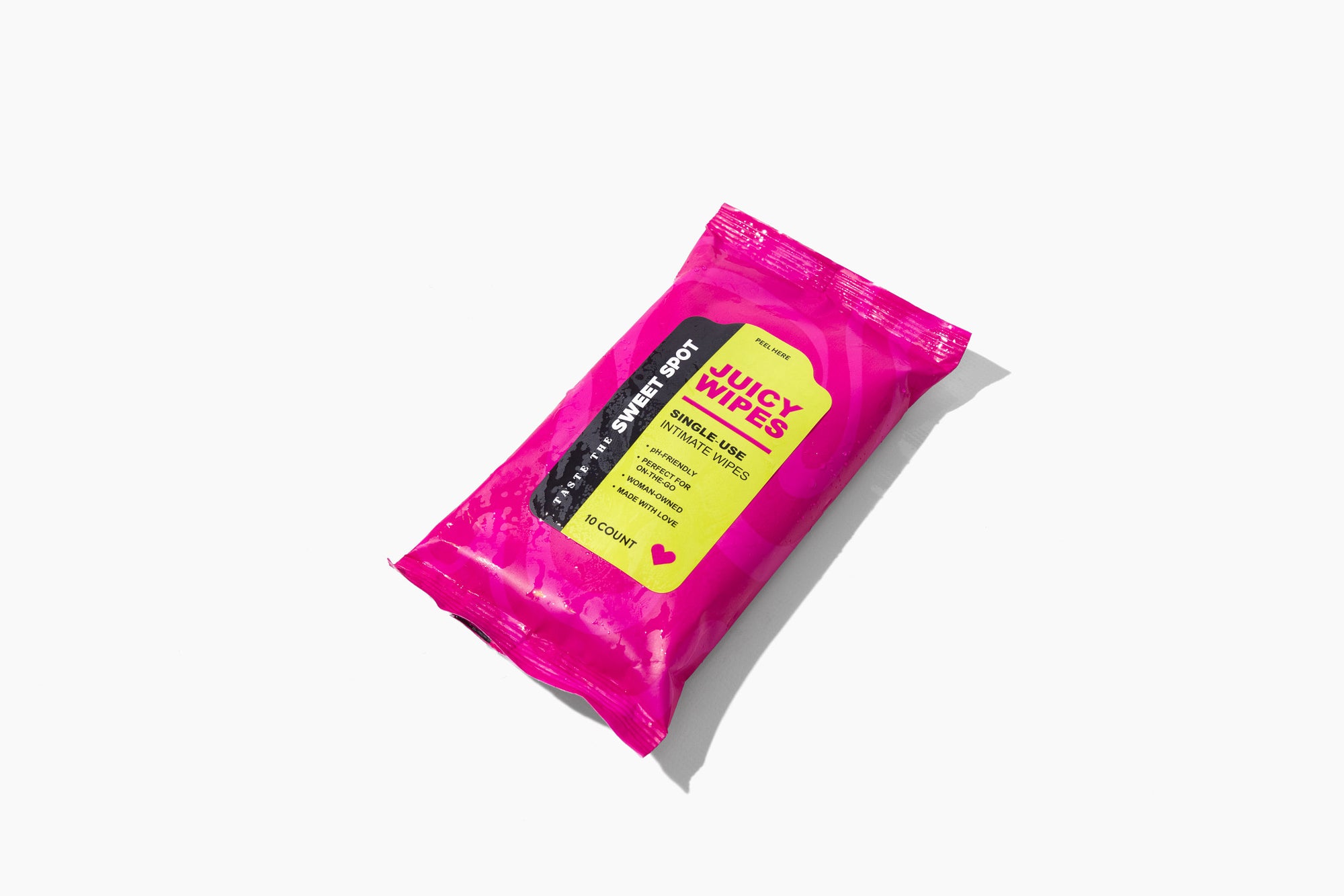
Complete your routine: Intimate Wipes for on-the-go freshness
Disclaimer: This article is for informational purposes only and does not constitute medical advice. Always consult with a qualified healthcare professional before starting any new supplement, particularly if you have existing health conditions or take prescription medications. The statements in this article have not been evaluated by the Food and Drug Administration. Products mentioned are not intended to diagnose, treat, cure, or prevent any disease.