

If you have spent any time on TikTok, Instagram, or wellness forums in the past few years, you have almost certainly seen someone dropping bright green liquid into their water and claiming it transformed their body odor, breath, and intimate freshness. Chlorophyll — the pigment that makes plants green — has become one of the most talked-about supplements in the wellness world, with over 600 million views under the #chlorophyll hashtag on TikTok alone.
But does chlorophyll actually work as an internal deodorant? Is there real science behind the trend, or is it all hype? And if it does work, how should you take it, how much do you need, and what can you realistically expect?
This guide covers everything. We dug through decades of research — from the 1950s studies that started it all to the most recent clinical data — to give you an honest, thorough, and practical understanding of chlorophyll as an internal deodorant. No exaggeration. No dismissal. Just what the science actually says, combined with practical guidance for anyone who wants to try it.
What Is Chlorophyll?
Chlorophyll is the green pigment found in virtually all photosynthetic organisms — plants, algae, and cyanobacteria. It is the molecule that captures sunlight energy and converts it into chemical energy through photosynthesis, the process that produces the oxygen we breathe and the food chain we depend on. In biological terms, chlorophyll is among the most important molecules on Earth.
The Chemistry
Chlorophyll has a molecular structure strikingly similar to hemoglobin — the molecule in human red blood cells that carries oxygen. Both are built around a porphyrin ring structure, but where hemoglobin has an iron atom at its center, chlorophyll has a magnesium atom. This structural similarity has fascinated scientists for over a century and is the basis for some of chlorophyll's proposed health benefits.
There are several forms of chlorophyll in nature:
- Chlorophyll a: The primary form in all photosynthetic organisms. Absorbs light in the blue-violet and red wavelengths, reflecting green light (which is why plants appear green). Molecular formula: C55H72MgN4O5.
- Chlorophyll b: Found alongside chlorophyll a in land plants and green algae. Absorbs light at slightly different wavelengths, broadening the range of light a plant can use for photosynthesis. Molecular formula: C55H70MgN4O6.
- Chlorophyll c, d, and f: Found in various algae and cyanobacteria. Not typically relevant to human supplementation.
Chlorophyll vs. Chlorophyllin: An Important Distinction
When people talk about "taking chlorophyll," they are almost always taking chlorophyllin, not natural chlorophyll. This distinction matters:
- Natural chlorophyll is fat-soluble and relatively unstable. It breaks down quickly when exposed to light, heat, and stomach acid. It is poorly absorbed by the human digestive system in its natural form.
- Chlorophyllin (specifically sodium copper chlorophyllin or SCC) is a semi-synthetic, water-soluble derivative of chlorophyll. It is made by replacing the magnesium center of the chlorophyll molecule with copper and adding sodium to improve water solubility. Chlorophyllin is much more stable, more bioavailable, and is the form used in virtually all clinical research on chlorophyll supplementation.
The liquid chlorophyll drops you see on social media, the chlorophyll tablets at the supplement store, and the chlorophyllin capsules your doctor might recommend are all primarily chlorophyllin-based products. Throughout this article, when we discuss "chlorophyll supplements," we are primarily referring to chlorophyllin unless otherwise specified.
History: Chlorophyll as a Deodorant Since the 1950s
The use of chlorophyll as an internal deodorant is not a modern discovery. It has a documented history stretching back more than 70 years.
The Early Studies
In 1950, Dr. F. Howard Westcott published a study in the journal The American Journal of Surgery that ignited widespread interest. Westcott reported that oral chlorophyllin supplements significantly reduced body odor and fecal odor in patients at a geriatric hospital. The study generated enormous public attention, and by the early 1950s, chlorophyll was being added to everything — toothpaste, mouthwash, deodorant, dog food, cigarettes, and even toilet paper.
Life magazine ran a cover story in 1952 declaring chlorophyll the "miracle deodorant." Sales of chlorophyll-containing products skyrocketed. It was one of the first major health supplement trends in American consumer history.
The FDA Response
Following the commercial explosion, the U.S. Food and Drug Administration reviewed the evidence. In 1955, the FDA concluded that the claims for chlorophyll as a deodorant were not adequately supported by the existing evidence and prohibited the marketing of chlorophyll products specifically as deodorants. However, the FDA did not say chlorophyll was ineffective — it said the evidence was insufficient by its regulatory standards at the time.
Continued Clinical Use
Despite the FDA's marketing restrictions, chlorophyllin continued to be used clinically — particularly in nursing homes and wound care settings — throughout the following decades. Physicians found it helpful for:
- Reducing body and fecal odor in bedridden patients
- Managing wound odor in patients with chronic ulcers
- Reducing odor from colostomies and ileostomies
- Managing halitosis (chronic bad breath)
- Reducing odor associated with trimethylaminuria ("fish odor syndrome")
In 1980, the FDA granted a formal review and allowed chlorophyllin copper complex to be marketed as an aid for reducing fecal odor from colostomies and ileostomies, and for reducing body odor in incontinent patients — an acknowledgment that there was sufficient clinical evidence for these specific applications. The brand name Derifil (chlorophyllin copper complex tablets) has been sold for this purpose for decades and remains available.
The Modern Revival
Chlorophyll had been quietly used by holistic practitioners and some physicians for decades when social media — particularly TikTok starting around 2020 — brought it back into the mainstream spotlight. The viral trend introduced chlorophyll supplementation to an entirely new generation, most of whom were unaware of its long medical history.
The Science: How Chlorophyll Works as an Internal Deodorant
Several mechanisms have been proposed and studied for chlorophyll's deodorizing effects. Understanding these helps set realistic expectations about what chlorophyll can and cannot do.
1. Binding to Odor-Causing Compounds
The primary proposed mechanism for chlorophyll's deodorizing action is direct chemical binding to odor-causing compounds. Many unpleasant body odors are caused by volatile sulfur compounds (hydrogen sulfide, methyl mercaptan, dimethyl sulfide), biogenic amines (cadaverine, putrescine, trimethylamine), and volatile fatty acids produced by bacterial metabolism in the gut, skin, and other body sites.
Chlorophyllin's porphyrin ring structure allows it to form complexes with these odor-causing molecules through several chemical interactions:
- Copper chelation: The copper atom at the center of chlorophyllin can coordinate with sulfur-containing compounds, effectively binding and neutralizing them.
- Hydrophobic interactions: The porphyrin ring creates a hydrophobic environment that can trap nonpolar odor molecules.
- Hydrogen bonding: Chlorophyllin can form hydrogen bonds with amine-containing odor compounds.
In vitro studies have confirmed that chlorophyllin can bind to and reduce the volatility of compounds like trimethylamine (the compound responsible for "fishy" odor), hydrogen sulfide, and several thiol compounds. This mechanism operates in the gut — by binding these compounds before they are absorbed into the bloodstream and excreted through the skin, lungs, and other routes.
2. Alkalizing Effects
Chlorophyllin is mildly alkaline. While the body tightly regulates blood pH within a narrow range (7.35-7.45), the pH of the gut lumen, skin surface, and other local environments can be influenced by dietary and supplemental inputs. Some proponents suggest that chlorophyllin's alkalizing properties may:
- Reduce the activity of acid-loving, odor-producing bacteria in the gut
- Shift the gut environment toward conditions that favor less odor-producing metabolic pathways
- Influence skin surface pH in a direction less conducive to odor-producing bacteria
This mechanism is less well-documented than direct chemical binding and should be considered speculative rather than established.
3. Antioxidant Properties
Chlorophyllin is a potent antioxidant that neutralizes free radicals and reduces oxidative stress. While antioxidant activity is not a direct deodorizing mechanism, it contributes to the broader health benefits associated with chlorophyll supplementation:
- Reduced oxidative stress may lower systemic inflammation, which can influence the metabolic processes that produce body odor.
- Antioxidants support healthy cell turnover and tissue integrity, including in the mucosal tissues of the gut, urogenital tract, and skin.
- Some research suggests that oxidative stress can increase the production of volatile organic compounds by cells, so reducing it may have an indirect deodorizing effect.
4. Supporting Liver Detoxification
The liver is the body's primary detoxification organ, processing and neutralizing a vast array of compounds — including many that contribute to body odor when they accumulate. Chlorophyllin has been shown in animal and cell culture studies to:
- Induce Phase 2 detoxification enzymes (glutathione S-transferase, quinone reductase) that help conjugate and eliminate toxins and odor-causing metabolites
- Inhibit cytochrome P450 enzymes involved in the activation of certain pro-carcinogens and potentially other harmful compounds
- Protect liver cells from oxidative damage
- Support glutathione production — the body's "master antioxidant" and a critical molecule in detoxification
A landmark 2001 study published in the Proceedings of the National Academy of Sciences found that chlorophyllin reduced aflatoxin biomarkers by 55% in a human trial in China — demonstrating that chlorophyllin's influence on detoxification pathways is clinically relevant, not merely theoretical.
5. Antimicrobial Effects
Chlorophyllin has demonstrated antimicrobial properties in laboratory studies, including activity against:
- Staphylococcus aureus and other bacteria involved in body odor production on the skin
- Anaerobic bacteria in the gut that produce foul-smelling metabolites
- Certain Candida species
- Bacteria involved in periodontal disease and halitosis
By modulating the populations of odor-producing bacteria in the gut and potentially on the skin surface, chlorophyllin may reduce the biological production of odor at its source.
What the Research Actually Says
Honesty about the evidence is important. Here is a balanced assessment of the clinical research on chlorophyllin as an internal deodorant:
Evidence That Supports Its Use
- Westcott (1950): The foundational study showing oral chlorophyllin (100-200 mg daily) reduced body and fecal odor in geriatric patients. While this study has methodological limitations by modern standards (small sample size, subjective outcome measures), it was the first to demonstrate the concept.
- Young and Beregi (1980): A study in geriatric nursing home patients found that chlorophyllin (100 mg three times daily) significantly reduced urinary and fecal odor as assessed by nursing staff. This study also noted improvements in constipation and gas.
- Yamazaki et al. (2004): A Japanese study found that chlorophyllin significantly reduced trimethylamine levels in patients with trimethylaminuria (a genetic condition causing severe fishy body odor). This is perhaps the strongest evidence for a specific deodorizing mechanism.
- FDA recognition (1980): The FDA's approval of chlorophyllin copper complex for ostomy odor management acknowledges clinical efficacy in a specific population.
- Decades of clinical use: Chlorophyllin has been used successfully in wound care, nursing homes, and by ostomy patients for over 60 years, representing a substantial body of clinical experience.
- Egner et al. (2001): While focused on cancer prevention rather than deodorizing, this rigorous randomized controlled trial in PNAS confirmed that oral chlorophyllin is absorbed, biologically active, and influences metabolic pathways in humans — validating the plausibility of its proposed mechanisms.
Limitations of the Evidence
- Most studies are old and small. The majority of clinical studies on chlorophyllin as a deodorant were conducted in the 1950s-1980s with small sample sizes, non-randomized designs, and subjective outcome measures.
- No large, modern randomized controlled trials. As of today, there are no large-scale, double-blind, placebo-controlled trials specifically testing chlorophyllin as a body deodorant in healthy, community-dwelling adults — which is the population most interested in using it.
- Subjective outcomes. "Odor" is inherently subjective and difficult to measure objectively. Many studies relied on nurses' or patients' assessments rather than chemical analysis of volatile compounds.
- Publication bias. Positive results are more likely to be published than negative ones, particularly in the era when most chlorophyllin studies were conducted.
- Supplement industry funding. Some more recent studies have been funded by supplement companies, which introduces potential bias.
The Honest Assessment
The evidence for chlorophyllin as an internal deodorant is promising but not definitive. There are plausible biochemical mechanisms, decades of clinical use, and supportive (if methodologically limited) clinical studies. There are also millions of anecdotal reports from modern users. However, the evidence does not meet the gold standard of large, rigorous, modern clinical trials.
That said, chlorophyllin has an excellent safety profile, is inexpensive, and the potential benefits extend beyond deodorizing to antioxidant support and detoxification enhancement. For most people, trying it is low-risk and potentially beneficial.
Chlorophyll for Different Types of Body Odor
Sweat and Body Odor
Body odor (bromhidrosis) results primarily from bacterial breakdown of compounds in apocrine sweat — the type produced by glands concentrated in the armpits and groin. The bacteria Corynebacterium, Staphylococcus, and Cutibacterium species break down sweat components into volatile fatty acids, sulfur compounds, and thioalcohols that produce characteristic odors.
Chlorophyllin may reduce body odor through two routes:
- Internal: By binding odor precursors in the gut before they are absorbed and eventually secreted in sweat.
- Systemic: By reducing the overall load of volatile compounds circulating in the blood that eventually reach apocrine glands.
Many users report that chlorophyll supplementation reduces the intensity of their body odor within 1-3 weeks, though it does not eliminate sweating itself (chlorophyll is not an antiperspirant).
Breath Odor (Halitosis)
Bad breath can originate from the oral cavity (poor hygiene, periodontal disease, tongue coating), the stomach (GERD, H. pylori infection), or the gut (dysbiosis, poor digestion). Chlorophyllin's antimicrobial properties and odor-binding capacity make it potentially useful for breath odor, and it has been used in mouthwashes and breath products for decades.
For gut-related halitosis — where malodorous gases produced by intestinal bacteria travel back up the digestive tract — chlorophyllin's ability to bind volatile sulfur compounds in the gut may be particularly relevant.
Intimate Odor
Intimate odor — vaginal or penile — is one of the primary reasons people seek out chlorophyll supplements today. Intimate odor is influenced by:
- The local microbiome (vaginal bacteria produce amines and organic acids; penile bacteria produce similar compounds)
- Diet (strong-smelling foods like garlic, onions, asparagus, and heavy spices can influence body secretion odor)
- Hydration status
- Hormonal fluctuations
- Sweat and apocrine gland activity in the groin
- Infections (BV causes a fishy odor; yeast infections cause a bread-like odor)
Chlorophyllin may help with the dietary and metabolic components of intimate odor by neutralizing odor-causing compounds before they reach genital secretions. However, if intimate odor is caused by an infection (BV, yeast, STI), chlorophyll supplementation is not a substitute for medical treatment — though it may be a helpful adjunct.
Flatulence Odor
Foul-smelling gas is one of the conditions with the longest history of chlorophyllin treatment success. Intestinal gas odor comes primarily from hydrogen sulfide, methyl mercaptan, and dimethyl sulfide produced by colonic bacteria during fermentation. Chlorophyllin's copper center has a particular affinity for binding sulfur compounds, making it theoretically well-suited for reducing flatulence odor.
The FDA's recognition of chlorophyllin for ostomy odor management is essentially an acknowledgment of this mechanism — ostomy odor is largely gas and fecal odor from the same sulfur compound sources.
Chlorophyll for Intimate Wellness Specifically
Given the audience of this site, let us look specifically at how chlorophyll supplementation relates to intimate wellness:
How It May Help
- Reducing odor-causing metabolites in body secretions: By binding volatile compounds in the gut, chlorophyllin may reduce the concentration of these compounds in vaginal fluid, seminal fluid, and sweat in the genital area.
- Supporting a healthier gut microbiome: Chlorophyllin's antimicrobial properties may selectively inhibit some odor-producing gut bacteria while its prebiotic-like effects may support beneficial species. A healthier gut supports better intimate health through the gut-vagina axis.
- Antioxidant protection: Reducing oxidative stress supports healthy tissue throughout the body, including mucosal tissues in the genital area.
- Detoxification support: Enhanced liver detoxification means more efficient clearing of compounds that might otherwise contribute to odor when secreted.
What It Cannot Do
- Chlorophyll cannot treat vaginal infections (BV, yeast infections, STIs) — these require medical treatment.
- It cannot override poor hygiene or replace regular washing.
- It is not a substitute for addressing underlying health conditions that cause abnormal odor.
- Results for intimate odor specifically are anecdotal — there are no clinical trials testing chlorophyllin specifically for vaginal or intimate odor in healthy populations.
Comprehensive Intimate Freshness — Inside and Out
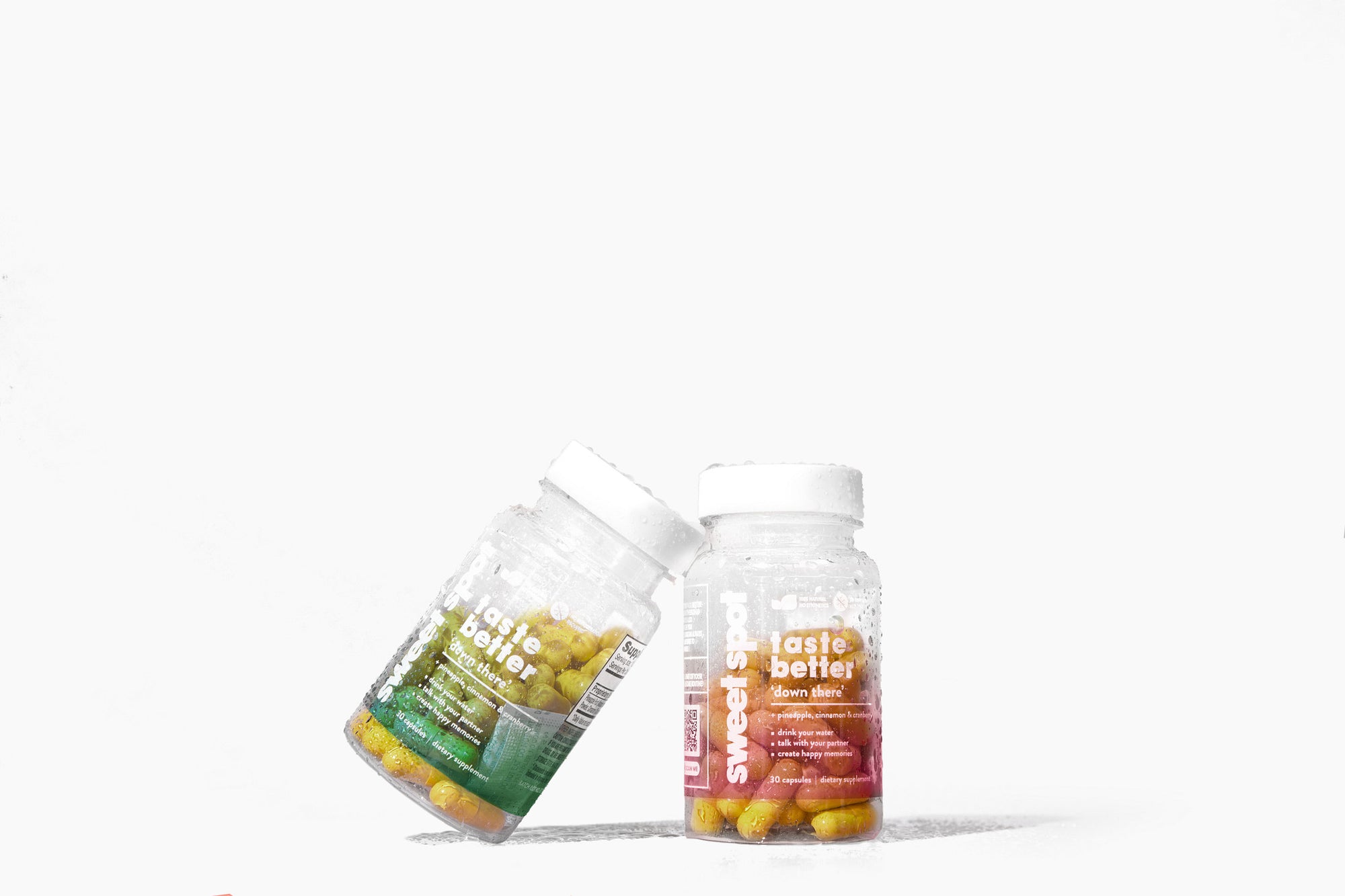
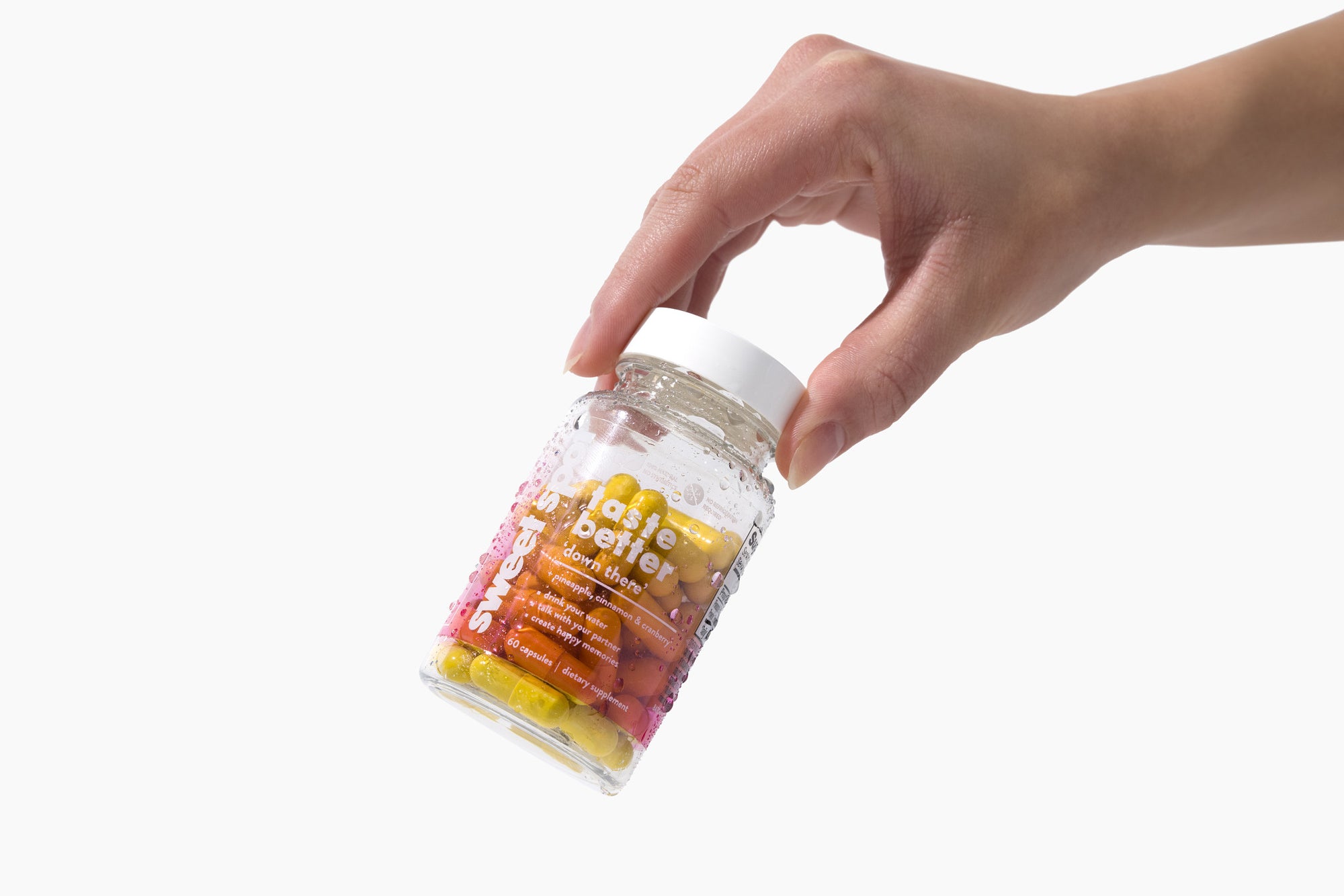
If you are exploring chlorophyll for intimate freshness, consider a more comprehensive approach. Taste The Sweet Spot supplements are specifically formulated to support intimate taste and scent from within, using a blend of ingredients designed for this purpose.
Sweet Spot for Her — Supports feminine freshness and natural sweetness with targeted botanical ingredients.
Sweet Spot for Him — Formulated to help men taste and smell their best below the belt.
The Partner Pack — For couples who both want to bring their best to intimate moments.
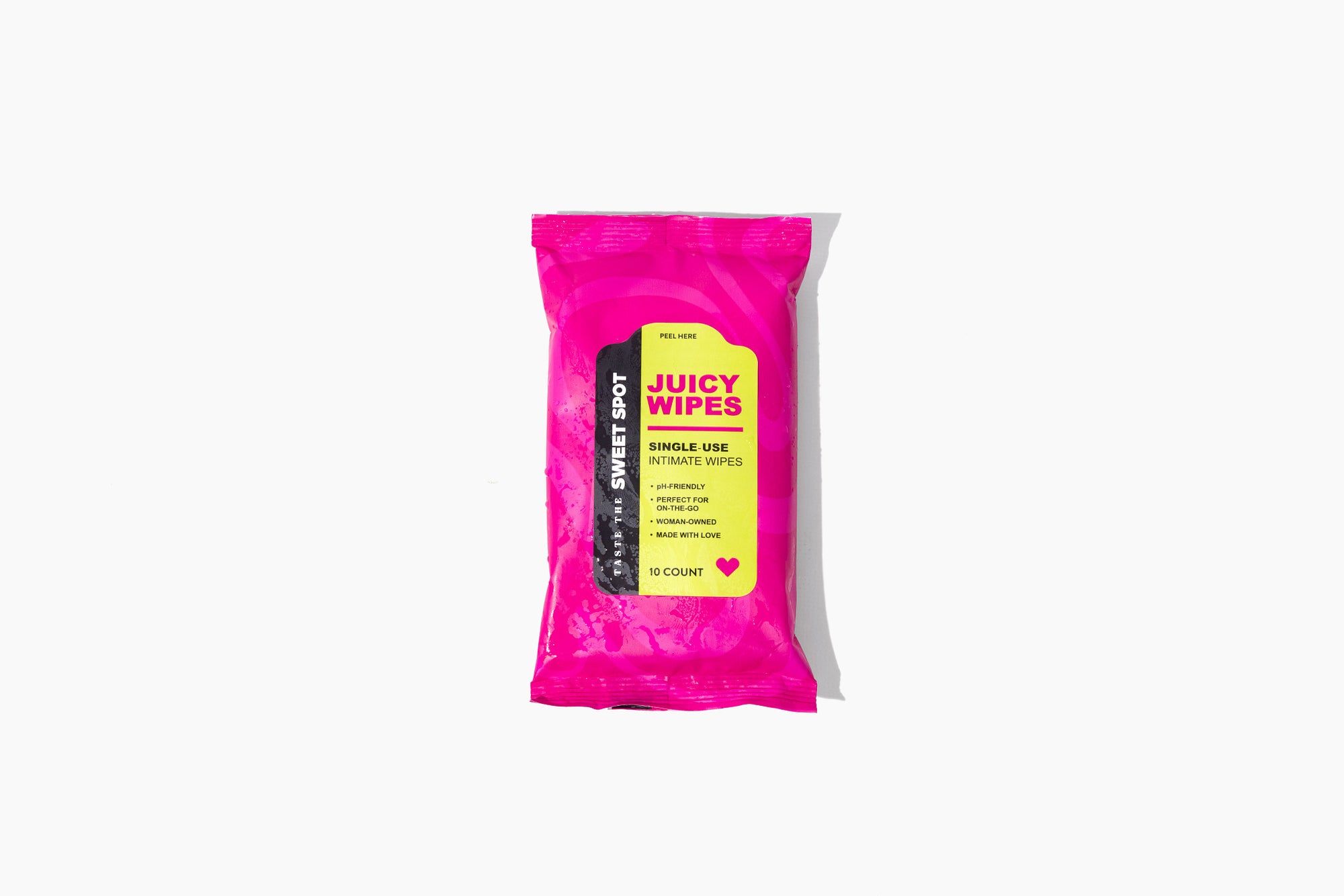
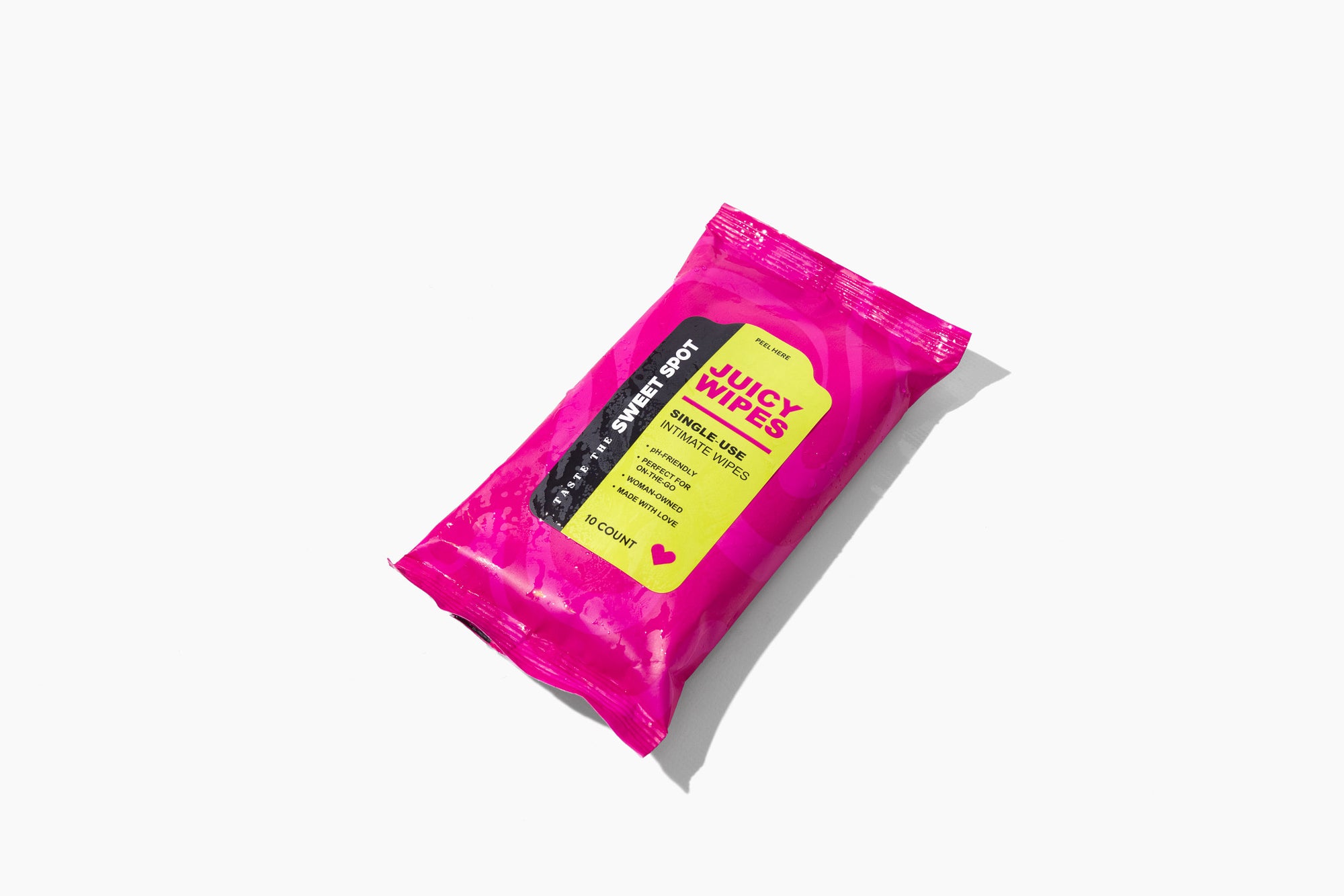
For external freshness on the go, our Intimate Wipes provide gentle, pH-balanced cleansing without harsh chemicals.
Forms of Chlorophyll Supplements
Chlorophyll supplements come in several forms, each with distinct characteristics:
Liquid Chlorophyll (Chlorophyll Drops)
The most popular form, especially since the TikTok trend. Liquid chlorophyll is typically a concentrated solution of sodium copper chlorophyllin in water, sometimes with added mint or other flavoring. Advantages: easy to add to water, fast absorption, adjustable dosing. Disadvantages: can stain teeth, clothes, and surfaces green; taste is earthy/grassy (though mint versions mask this); requires refrigeration after opening for some brands.
Chlorophyll Tablets
Pressed tablets containing chlorophyllin, often 100 mg per tablet. The original form used since the 1950s (Derifil is the classic brand). Advantages: precise dosing, no mess, no taste, portable. Disadvantages: may contain binders and fillers; some people find tablets harder to absorb than liquid forms.
Chlorophyllin Capsules
Gelatin or vegetable capsules containing chlorophyllin powder. Similar advantages to tablets but may dissolve more easily in the stomach. Often come in 100-200 mg doses. Some formulations include additional supportive ingredients.
Chlorophyll Water
Pre-mixed bottled water with added chlorophyllin. Convenient but typically contains a much lower dose of chlorophyllin than drops or tablets, and is significantly more expensive per dose. Better as a casual introduction than a therapeutic-dose supplement.
Chlorophyll Gummies
A newer option that combines chlorophyllin with a gummy supplement format. Doses tend to be lower than tablets or capsules. They often contain added sugars. Suitable for those who struggle with tablets or dislike the taste of liquid chlorophyll, but not ideal for those seeking therapeutic-level dosing.
Whole Food Chlorophyll Sources
Raw green vegetables, algae (chlorella, spirulina), and wheatgrass contain natural chlorophyll. While these foods have broad health benefits, the chlorophyll they provide is in its natural fat-soluble form, which is less bioavailable and less stable than supplemental chlorophyllin. Eating your greens is excellent for overall health but may not deliver enough chlorophyll to see a significant deodorizing effect.
Comparison Table: Chlorophyll Supplement Forms
| Form | Typical Dose Per Serving | Bioavailability | Convenience | Taste | Approximate Cost per Month | Best For |
|---|---|---|---|---|---|---|
| Liquid drops | 50-100 mg (1-2 droppers) | High | Moderate (requires mixing) | Earthy/grassy (mint-flavored versions better) | $10-$20 | Daily use in water, adjustable dosing |
| Tablets | 100 mg per tablet | Moderate to High | High (portable, no mess) | None (swallowed whole) | $8-$15 | Precise dosing, travel, office use |
| Capsules | 100-200 mg per capsule | High | High (portable, no mess) | None (swallowed whole) | $10-$20 | Higher doses, easy to combine with other supplements |
| Chlorophyll water | 10-20 mg per bottle | Moderate | Very High (ready to drink) | Mild, slightly grassy | $60-$120 | Casual users, hydration-focused routines |
| Gummies | 25-50 mg per gummy | Moderate | High | Sweet, fruit-flavored | $15-$25 | Those who dislike pills or liquid taste |
| Whole food sources | Varies (see food table below) | Low (fat-soluble, less stable) | Moderate (requires eating large servings) | Vegetable flavor | Varies | General health; not ideal for targeted deodorizing |
Dosage Guide
There is no universally established "recommended daily allowance" for chlorophyllin, as it is not classified as an essential nutrient. However, based on clinical studies, historical use, and supplement formulations, the following dosage guidelines are reasonable:
Dosage Table by Goal
| Goal | Recommended Daily Dose | Form | Duration Before Assessing | Notes |
|---|---|---|---|---|
| General wellness and mild deodorizing | 100 mg | Any form | 2-3 weeks | Good starting point for most people |
| Moderate body odor reduction | 100-200 mg | Tablets, capsules, or liquid | 3-4 weeks | Split into 2 doses (morning and evening) for better coverage |
| Significant odor management (chronic odor conditions) | 200-300 mg | Tablets or capsules | 4-6 weeks | This is the range used in most clinical studies; split into 2-3 doses |
| Intimate freshness support | 100-200 mg | Any form | 2-4 weeks | Best combined with adequate hydration and a balanced diet |
| Flatulence/fecal odor | 100-200 mg | Tablets or capsules (taken with meals) | 1-2 weeks | Often see faster results; take with the meal most likely to cause gas |
| Breath freshness | 100 mg | Liquid (swish before swallowing) or tablets | 1-2 weeks | Liquid provides both topical oral and systemic benefits |
| Antioxidant/detox support | 100-200 mg | Any form | 4-8 weeks | Benefits are more systemic and may not be subjectively obvious |
Important Dosing Notes
- Start low: Begin with 100 mg per day for the first week and increase if desired. Some people experience digestive changes (loose stools) at higher doses.
- Consistency matters more than dose: Taking 100 mg daily for weeks is more effective than taking 300 mg sporadically.
- Split dosing for all-day coverage: If your goal is body or intimate odor reduction, splitting the dose into morning and evening servings maintains more consistent levels.
- No known upper toxicity threshold: Chlorophyllin has been used at doses up to 300 mg per day in clinical trials without significant adverse effects. However, there is no evidence that doses above 300 mg provide additional benefit.
Natural Food Sources of Chlorophyll
While supplemental chlorophyllin is more bioavailable for deodorizing purposes, eating chlorophyll-rich foods provides a host of additional nutrients and fiber. Here are the best dietary sources:
| Food | Approximate Chlorophyll Content per Serving | Serving Size | Additional Benefits |
|---|---|---|---|
| Spinach (raw) | 24 mg | 1 cup (30g) | Iron, folate, vitamin K, lutein |
| Spinach (cooked) | 35-45 mg | 1/2 cup (90g) | Concentrated nutrients; cooking releases more chlorophyll from cells |
| Parsley (fresh) | 19 mg | 1/2 cup (30g) | Vitamin C, vitamin K, volatile oils with antimicrobial properties |
| Wheatgrass juice | 40-70 mg | 1 oz (30ml) | Enzymes, amino acids, minerals; traditionally used for detox |
| Chlorella | 20-30 mg | 3g (1 tsp powder) | Complete protein, B12, iron, omega-3s; potent detox algae |
| Spirulina | 10-15 mg | 3g (1 tsp powder) | Complete protein, B vitamins, iron, phycocyanin antioxidant |
| Broccoli (raw) | 8-10 mg | 1 cup (91g) | Sulforaphane, fiber, vitamin C, estrogen metabolism support |
| Green beans | 8-12 mg | 1 cup (125g) | Fiber, vitamin K, silicon |
| Arugula | 8-9 mg | 1 cup (20g) | Nitrates, vitamin K, peppery flavor |
| Matcha green tea | 10-15 mg | 1 tsp (2g) | L-theanine, EGCG, caffeine; unique calm alertness |
| Kale (raw) | 9-11 mg | 1 cup (67g) | Vitamin K, vitamin C, carotenoids |
| Cilantro (fresh) | 5-8 mg | 1/2 cup (8g) | Heavy metal chelation, digestive support |
| Peas (green) | 5-7 mg | 1/2 cup (80g) | Protein, fiber, B vitamins |
| Asparagus | 5-7 mg | 1/2 cup (90g) | Prebiotic fiber (FOS), folate, vitamin K |
To put these numbers in perspective: getting 100 mg of chlorophyll from food alone would require eating roughly 3-4 cups of cooked spinach or several ounces of wheatgrass juice daily. This is achievable for someone committed to a very green diet, but most people find supplemental chlorophyllin more practical for achieving therapeutic doses.
Side Effects and Safety
Chlorophyllin has an excellent safety record spanning more than 70 years of use. However, there are some effects and precautions to be aware of:
Common and Expected Effects (Not Truly Side Effects)
- Green or dark stool: This is the most universal effect of chlorophyllin supplementation and is completely harmless. The unabsorbed chlorophyllin pigment passes through the digestive tract and colors the stool green to dark green. This is normal and expected — it does not indicate a health problem. It will resolve within 1-2 days of stopping supplementation.
- Green-tinged urine: Some people notice slightly greenish or darker urine, particularly at higher doses. This is also harmless and indicates that some chlorophyllin is being excreted renally.
- Green-stained tongue or teeth: When using liquid chlorophyll, temporary green staining of the tongue, teeth, or lips is common. Using a straw minimizes this. Staining resolves quickly with brushing.
Possible Side Effects
- Digestive changes: Some people experience mild diarrhea, loose stools, or increased bowel frequency when starting chlorophyllin, particularly at doses above 200 mg. This usually resolves within a few days as the digestive system adjusts. Starting at a lower dose and increasing gradually minimizes this.
- Mild nausea: Occasionally reported, especially when taking chlorophyllin on an empty stomach. Taking it with food typically resolves this.
- Photosensitivity: There is theoretical concern that chlorophyllin could increase skin sensitivity to sunlight, since chlorophyll's fundamental function in plants is absorbing light energy. In practice, clinically significant photosensitivity from oral chlorophyllin supplementation at standard doses is extremely rare. However, people with pre-existing photosensitivity conditions should exercise caution and discuss with their doctor.
- Green-stained clothing or surfaces: Liquid chlorophyll can stain fabric and countertops. This is a practical annoyance rather than a health concern, but it is worth noting — be careful when handling liquid formulations.
Precautions and Contraindications
- Pregnancy and breastfeeding: There is insufficient research to confirm safety during pregnancy or breastfeeding. While chlorophyllin is generally considered low-risk, pregnant and breastfeeding women should consult their healthcare provider before starting supplementation.
- Medications: Chlorophyllin may theoretically interact with photosensitizing medications (tetracyclines, fluoroquinolones, sulfonamides, thiazides) by potentially increasing photosensitivity. Discuss with your pharmacist or doctor if you are on these medications.
- Iron supplementation: The copper in chlorophyllin could theoretically compete with iron absorption. If you are taking iron supplements for anemia, take them at least 2 hours apart from chlorophyllin.
- Allergies: Rarely, individuals may have an allergic reaction to chlorophyllin or other ingredients in the supplement. Discontinue use if you experience hives, swelling, or difficulty breathing.
How to Take Chlorophyll: Practical Guide
Timing
- With or without food: Chlorophyllin can be taken either way. Taking it with food may reduce the rare occurrence of nausea. Taking it on an empty stomach may improve absorption, though this has not been rigorously studied.
- Morning vs. evening: There is no evidence that timing significantly affects efficacy. For body odor control, splitting the dose between morning and evening provides more consistent levels. Many people prefer adding liquid chlorophyll to their morning water as a ritual.
- Before meals for gas/flatulence: If your primary goal is reducing flatulence odor, taking chlorophyllin 15-30 minutes before meals may be most effective, as the chlorophyllin will be present in the gut when food arrives and bacterial fermentation begins.
How to Mix Liquid Chlorophyll
- Add 1-2 droppers (approximately 50-100 mg, per product instructions) to 8-16 oz of water.
- Stir or shake well — chlorophyllin dissolves readily in water.
- Use a straw to minimize teeth staining.
- Can be added to smoothies, juice, or lemon water if you prefer to mask the taste.
- Some people enjoy it in cold water with ice and lemon — it has a clean, mildly herbaceous flavor.
- Avoid adding to hot beverages, as heat may degrade some of the chlorophyllin over time (though this is less of an issue with the stabilized copper chlorophyllin form).
Storage
- Liquid chlorophyll: Store in a cool, dark place. Many brands recommend refrigeration after opening to maintain potency. Protect from direct sunlight.
- Tablets and capsules: Store in a cool, dry place away from direct light. No refrigeration needed.
- Check expiration dates — while chlorophyllin is relatively stable, potency may decrease over time.
Before and After: What to Expect (Timeline)
One of the most common questions is: how long does it take for chlorophyll to work? Here is a realistic timeline based on user reports and available clinical data:
| Timeframe | What to Expect |
|---|---|
| Day 1-3 | Green stool (expected and normal). Possible mild digestive changes. You may notice a slight difference in flatulence odor. No significant change in body odor yet. |
| Week 1 | Some people report reduced flatulence odor and slightly improved breath freshness. Body odor changes are subtle at this stage. Digestive system is adjusting to the supplement. |
| Week 2 | More noticeable reduction in body odor intensity for many users. Sweat may smell less strong. Some report improved intimate freshness. These are the early, consistent changes. |
| Week 3-4 | The timeframe when most people who are going to respond notice clear benefits. Body odor, breath, and intimate odor improvements become more apparent. Stool odor reduction is often significant. |
| Month 2-3 | Full effects are typically established by this point. Antioxidant and detoxification benefits accumulate over time. Skin clarity may improve as a bonus (commonly reported). Overall sense of internal "cleanliness." |
| Ongoing (3+ months) | Maintenance phase. Continued benefits with consistent use. Some people find they can reduce to a maintenance dose. Stopping typically results in gradual return to baseline over 1-2 weeks. |
Individual variation is significant. Some people notice dramatic changes within days; others see modest improvement after weeks. Diet, hydration, gut microbiome composition, baseline odor levels, and genetics all influence response. If you have been taking chlorophyllin consistently at 100-200 mg daily for 4-6 weeks without any noticeable benefit, it may not be effective for your particular situation — and that is not unusual.
Combining Chlorophyll with Other Supplements
Chlorophyll works well as part of a broader supplement strategy. Here are synergistic combinations:
Chlorophyll + Probiotics
Probiotics support gut microbiome health, which influences body odor production at the source. While chlorophyllin binds and neutralizes odor compounds, probiotics work upstream by promoting bacterial populations that produce fewer odorous metabolites. This is a complementary, not redundant, combination.
Chlorophyll + Zinc
Zinc has its own well-documented deodorizing properties — it inhibits the bacterial enzymes that break down sweat into odorous compounds. Combining oral zinc (15-30 mg daily) with chlorophyllin addresses odor both at the metabolic level (chlorophyllin) and at the bacterial enzyme level (zinc).
Chlorophyll + Digestive Enzymes
Poor digestion leads to increased bacterial fermentation and gas production in the gut. Digestive enzymes (protease, lipase, amylase, lactase, alpha-galactosidase) help break down food more completely in the small intestine, reducing the amount of undigested material reaching the colon where bacteria produce odorous gases. Combined with chlorophyllin's odor-binding properties, this addresses both cause and symptom.
Chlorophyll + Fiber/Prebiotics
Adequate fiber supports regular bowel movements and a healthy gut microbiome. Prebiotics (FOS, GOS, inulin) selectively feed beneficial bacteria that produce less odorous metabolites. Combined with chlorophyllin, this supports long-term odor management from a gut health foundation.
Chlorophyll + Vitamin C
Vitamin C supports liver detoxification (the same pathway chlorophyllin enhances) and provides complementary antioxidant protection. It also supports collagen synthesis and mucosal integrity throughout the body.
A Purpose-Built Solution for Intimate Freshness
While chlorophyll is a promising general supplement, Taste The Sweet Spot products are specifically formulated for intimate freshness and taste — combining multiple complementary ingredients in one convenient supplement.
The TikTok Trend: Separating Hype from Reality
The chlorophyll TikTok trend exploded in early 2021 and has remained a recurring wellness topic on social media ever since. Let us separate what is real from what is overstated:
What the Trend Gets Right
- Chlorophyll has real, documented history as an internal deodorant. The TikTok users did not invent this — they rediscovered something with 70+ years of clinical use.
- Many people genuinely experience reduced body odor. While anecdotal, the sheer volume of consistent reports (millions of users) lends weight to the claims, even without modern clinical trials in healthy populations.
- It has a good safety profile. Unlike many trend supplements, chlorophyllin is well-studied for safety and has minimal side effects at recommended doses.
- There are plausible scientific mechanisms. The proposed mechanisms (odor binding, detoxification support, antimicrobial effects) are grounded in biochemistry, not pseudoscience.
- Green stool is normal and harmless. Most TikTok creators responsibly mention this, preventing unnecessary alarm among new users.
What the Trend Overstates or Gets Wrong
- "Chlorophyll detoxes your body." This is an oversimplification. Chlorophyllin supports Phase 2 liver detoxification enzymes, but it is not "detoxing" in the vague, pseudoscientific sense the word is often used on social media. Your liver and kidneys detox your body; chlorophyllin supports these organs.
- "Chlorophyll clears acne." Some users report skin improvements, and chlorophyllin's antioxidant and anti-inflammatory properties could theoretically benefit skin. However, there is no rigorous clinical evidence that oral chlorophyllin treats acne. Topical chlorophyllin has more evidence for skin benefits (a small 2015 pilot study showed improvement in photo-aged skin), but this is different from oral supplementation.
- "Chlorophyll oxygenates your blood." This claim, based on the structural similarity between chlorophyll and hemoglobin, is not supported by evidence. Chlorophyllin does not carry oxygen, does not increase blood oxygen levels, and does not function like hemoglobin in the human body. This is one of the most persistent myths.
- "Liquid is the only effective form." The TikTok trend strongly favors liquid chlorophyll drops, but tablets and capsules are equally effective (and have a longer track record in clinical use). Liquid is popular because it is visually appealing on camera.
- "You will see results in days." While some changes (flatulence odor) may occur quickly, significant body odor changes typically take 2-4 weeks of consistent use. The TikTok trend often implies faster results than are realistic.
- "Chlorophyll is a miracle supplement." It is a useful supplement with specific, modest benefits. It is not a cure-all, not a replacement for good hygiene, not a treatment for medical conditions, and not a substitute for a healthy diet. Framing it as miraculous sets up unrealistic expectations.
The Bottom Line on the Trend
The chlorophyll TikTok trend is one of the more reasonable wellness trends in recent memory. Unlike some social media health fads, chlorophyll supplementation has a legitimate scientific and clinical basis, a strong safety record, and a high likelihood of providing at least modest benefits for most users. The trend's main sin is overpromising and oversimplifying — but the core claim (that chlorophyll can help reduce body odor from the inside out) is supported by historical evidence and biological plausibility.
Chlorophyll and Other Health Benefits
While the focus of this article is on deodorizing, chlorophyllin has been studied for several other health applications worth mentioning:
- Cancer prevention: The Egner et al. (2001) study showed chlorophyllin reduced aflatoxin biomarkers by 55% in a Chinese population at high risk for liver cancer. Aflatoxin is a potent carcinogen produced by mold on crops. Chlorophyllin binds aflatoxin in the gut and prevents its absorption — a remarkable and well-documented benefit for populations with high aflatoxin exposure.
- Wound healing: Topical chlorophyllin has been used in wound care since the 1940s. Studies have shown it can accelerate wound healing, reduce inflammation, and control wound odor. It is particularly used in chronic wounds, pressure ulcers, and burns.
- Anti-aging skin benefits: A 2015 pilot study in the Journal of Drugs in Dermatology found that topical chlorophyllin improved signs of photo-aging (wrinkles, pores, uneven skin tone) in 4 out of 5 subjects after 12 days of use.
- Anemia support: Due to its structural similarity to hemoglobin, some practitioners recommend chlorophyll-rich foods or chlorophyllin supplements as complementary support for iron-deficiency anemia. While chlorophyllin itself does not provide iron, some research suggests it may support red blood cell production, though this evidence is preliminary.
- Weight management: A small 2014 study in Appetite found that participants taking green plant membranes (containing thylakoids, which include chlorophyll) experienced reduced hunger and sugar cravings. This effect is likely more related to the thylakoids than to chlorophyll specifically, but it contributes to the broader "green supplement" narrative.
Frequently Asked Questions
Does chlorophyll actually work as an internal deodorant?
The evidence is promising but not definitive. Chlorophyllin (the supplement form of chlorophyll) has been used as an internal deodorant since the 1950s, with clinical studies showing it can reduce body odor, fecal odor, and wound odor. The FDA has approved chlorophyllin for reducing ostomy odor. Millions of modern users report reduced body odor. However, there are no large, modern, double-blind clinical trials testing it specifically as a body deodorant in healthy adults. The scientific mechanisms are plausible — chlorophyllin binds odor-causing compounds, supports liver detoxification, and has antimicrobial properties. Most people find it worth trying given its low cost and excellent safety profile.
Is liquid chlorophyll better than chlorophyll tablets?
No, liquid chlorophyll is not necessarily better than tablets or capsules. All forms contain the same active compound — sodium copper chlorophyllin. Liquid may be absorbed slightly faster, but tablets and capsules have a longer track record in clinical studies (the 1950s-1980s research used tablets). The TikTok trend popularized liquid drops because they are visually appealing on camera, but efficacy depends on dose and consistency, not form. Choose whichever form you are most likely to take consistently. Tablets and capsules are often more convenient, mess-free, and easier to dose precisely.
How much chlorophyll should I take daily?
For general deodorizing purposes, 100-200 mg of chlorophyllin daily is the most commonly recommended range. Start with 100 mg per day for the first week, then increase to 200 mg if desired. For more significant odor management, up to 300 mg daily has been used in clinical studies without significant side effects. Split your dose between morning and evening for more consistent levels throughout the day. There is no established Recommended Daily Allowance for chlorophyllin, and doses above 300 mg per day have not been shown to provide additional benefit.
Why does chlorophyll turn my stool green?
Green stool from chlorophyll supplementation is completely normal and harmless. Chlorophyllin is a deep green pigment, and not all of the ingested chlorophyllin is absorbed — the unabsorbed portion passes through the digestive tract and colors the stool green or dark green. This is the same reason your stool might turn green after eating large amounts of spinach or other dark leafy greens. The green color will return to normal within 1-2 days of stopping supplementation. It does not indicate any digestive problem or health concern.
Can chlorophyll help with vaginal odor?
Many users report that chlorophyll supplementation improves intimate freshness, including vaginal odor. The proposed mechanism is that chlorophyllin binds odor-causing compounds in the gut before they enter the bloodstream and are secreted in body fluids. However, there are no clinical trials specifically testing chlorophyllin for vaginal odor. If you have a noticeably strong, fishy, or unusual vaginal odor, this could indicate bacterial vaginosis or another medical condition that requires treatment — chlorophyll is not a substitute for medical evaluation. For normal, healthy women looking to enhance freshness, chlorophyll may be a helpful part of a broader approach that includes diet, hydration, and targeted supplements.
Does chlorophyll really "oxygenate" the blood?
No, this is a persistent myth. While chlorophyll and hemoglobin share a similar molecular structure (both are built around a porphyrin ring), chlorophyllin does not carry oxygen in the human body. It does not increase blood oxygen levels, increase red blood cell counts, or function like hemoglobin. The structural similarity is interesting from a chemistry perspective but does not translate to functional equivalence in human physiology. Chlorophyll's actual benefits — odor binding, antioxidant activity, detoxification support — are well-supported by science. Blood oxygenation is not one of them.
Is chlorophyll safe during pregnancy?
There is insufficient research to definitively confirm the safety of chlorophyllin supplementation during pregnancy. While chlorophyllin is generally considered low-risk and has been used for decades without reported adverse pregnancy outcomes, pregnant women should always consult with their healthcare provider before starting any new supplement. Eating chlorophyll-rich foods (leafy greens, herbs, vegetables) during pregnancy is safe, nutritious, and encouraged — it is the concentrated supplement form that warrants medical guidance.
How long does it take for chlorophyll to work for body odor?
Most people who respond to chlorophyllin supplementation notice initial changes within 1-2 weeks and more significant improvements by weeks 3-4 of consistent daily use at 100-200 mg. Flatulence and fecal odor changes tend to occur fastest (within the first week), while body odor and intimate freshness changes may take 2-4 weeks. If you have not noticed any improvement after 4-6 weeks of consistent use at adequate doses, chlorophyllin may not be significantly effective for your particular body chemistry. Individual response varies based on diet, gut microbiome, hydration, and genetics.
Can I get enough chlorophyll from food alone?
It is possible but challenging to get therapeutic doses of chlorophyll from food alone. One cup of raw spinach contains about 24 mg of chlorophyll, while supplement doses range from 100-300 mg daily. You would need to eat 3-4 cups of cooked spinach daily to approach supplemental doses — and natural chlorophyll from food is in its fat-soluble form, which is less bioavailable than the water-soluble chlorophyllin in supplements. That said, eating chlorophyll-rich foods (spinach, parsley, kale, broccoli, wheatgrass, chlorella) provides many additional health benefits beyond chlorophyll itself, including fiber, vitamins, minerals, and phytonutrients. A greens-heavy diet combined with moderate supplementation is an excellent approach.
What are the side effects of taking chlorophyll supplements?
Chlorophyllin side effects are generally mild. The most common and expected effect is green or dark-colored stool, which is harmless. Some people may experience mild diarrhea or loose stools (especially when starting or at higher doses), mild nausea (typically when taken on an empty stomach), and green staining of teeth or tongue when using liquid forms (use a straw to avoid this). There is a theoretical risk of photosensitivity (increased sun sensitivity), though this is very rare at standard supplement doses. Serious side effects are extremely uncommon. If you experience allergic symptoms like hives, swelling, or breathing difficulty, stop use and seek medical attention immediately.
What is the difference between chlorophyll and chlorophyllin?
Chlorophyll is the natural pigment found in plants — it is fat-soluble, relatively unstable, and poorly absorbed by the human digestive system. Chlorophyllin (specifically sodium copper chlorophyllin) is a semi-synthetic, water-soluble derivative made by replacing the magnesium center of chlorophyll with copper and adding sodium. Chlorophyllin is much more stable, significantly more bioavailable, and is the form used in virtually all supplements and clinical research. When you buy "liquid chlorophyll" or "chlorophyll tablets," you are almost certainly getting chlorophyllin. For practical purposes, the terms are used interchangeably in the wellness world, but the distinction matters scientifically.
Can chlorophyll replace deodorant?
Chlorophyll supplementation should not be viewed as a complete replacement for topical deodorant. It works on a different level — reducing the internal production and circulation of odor-causing compounds. Topical deodorant works on the skin surface, either masking odor, inhibiting bacterial activity, or (in the case of antiperspirants) reducing sweat production. The two approaches are complementary. Some people with mild body odor find they can reduce or eliminate their deodorant use after several weeks of chlorophyllin supplementation, but this is individual. For most people, chlorophyllin serves as a helpful supplement to (not replacement for) good hygiene practices.
A Practical Summary: Should You Try Chlorophyll?
After reviewing the history, science, and practical considerations, here is a straightforward assessment:
Consider trying chlorophyll supplementation if:
- You are concerned about body odor, intimate odor, breath, or flatulence smell
- You want a low-risk supplement that may provide modest but meaningful benefits
- You are willing to take it consistently for at least 3-4 weeks before judging results
- You understand it is a complement to (not replacement for) good hygiene, diet, and medical care
- You are not pregnant or breastfeeding (or have received medical clearance)
Chlorophyll supplementation is probably not the answer if:
- You have a medical condition causing abnormal odor (BV, trimethylaminuria, metabolic disorder) — see a doctor first
- You are looking for a "miracle cure" or expecting dramatic overnight results
- You are not willing to address foundational factors (diet, hydration, hygiene) alongside supplementation
Best approach for most people:
- Start with 100 mg chlorophyllin daily (any form).
- Take consistently for 4 weeks.
- Increase to 200 mg if desired and tolerated.
- Combine with adequate water intake (64+ oz daily), a balanced diet rich in greens and fiber, and appropriate hygiene.
- For intimate freshness specifically, consider purpose-built supplements like Sweet Spot for Her or Sweet Spot for Him that combine multiple ingredients targeted for this purpose.
- Assess results at 4-6 weeks and decide whether to continue.
Ready to Take Control of Your Intimate Freshness?
Whether you are exploring chlorophyll, adjusting your diet, or looking for a targeted solution, Taste The Sweet Spot has you covered.
Sweet Spot for Her and Sweet Spot for Him deliver a curated blend of ingredients designed specifically for intimate taste and freshness — no guesswork, no green tongue.
The Partner Pack is perfect for couples committed to showing up for each other in every way.
And for external freshness anywhere, anytime: Intimate Wipes — gentle, pH-balanced, and travel-friendly.
Conclusion
Chlorophyll's journey from 1950s medical curiosity to TikTok sensation and back to a supplement that millions take daily is a fascinating story about how health knowledge cycles through public consciousness. The core claim — that chlorophyllin can function as an internal deodorant — is not pseudoscience. It has a documented history, plausible mechanisms, and decades of clinical application.
What it does not have is the rigorous modern evidence base that would allow definitive claims. The honest truth is that chlorophyllin probably works for most people to some degree, works dramatically for some, and may not noticeably help others. The mechanisms are real; the magnitude of effect varies.
If you try it, approach it with realistic expectations: give it a fair trial (4+ weeks of consistent use), combine it with good fundamentals (diet, hydration, hygiene), and evaluate your results honestly. For intimate freshness specifically, dedicated formulations that combine multiple evidence-backed ingredients may offer more targeted benefits than chlorophyll alone.
The greenest thing about chlorophyll might not be its color — it might be the way it encourages millions of people to think about what they put in their bodies and how it affects what comes out. And that awareness, regardless of any single supplement's effects, is genuinely worth having.
This article is for informational purposes only and does not constitute medical advice. Consult with a qualified healthcare provider before starting any new supplement regimen, especially if you are pregnant, breastfeeding, taking medications, or managing a health condition.