

Deflamol is one of those ingredients that shows up in premium intimate care formulations without explanation. Here's the full breakdown of what it is and what it's doing for your vaginal skin health and freshness.
The skin of the vulva and perineal area is among the most sensitive skin on the human body. It has a thinner stratum corneum (outer protective layer) than facial skin, fewer sebaceous glands, and is exposed to friction, moisture, and pH variation daily. What you put on this skin — or choose not to put on it — has a direct impact on comfort, freshness, and the overall microenvironment.
Deflamol is one ingredient that genuinely earns its place in intimate skin formulations. Here's why.
What's Inside
What Deflamol Actually Is
Deflamol is a trade name for a specific ester-based emollient — typically an isostearyl isostearate or similar ester derived from branched fatty acids. It's a cosmetic ingredient developed specifically for its skin-conditioning properties: it absorbs quickly, leaves no greasy residue, spreads easily over skin, and has well-documented soothing and anti-inflammatory activity on sensitive skin.
In practical terms, it's a lightweight oil-like substance that sinks into skin rather than sitting on top of it. This makes it distinctly different from heavier oils like olive or coconut oil, which can leave a film on skin and potentially disrupt the delicate microenvironment of intimate areas.
Why "Deflamol" — The Name Tells You Something
The name is derived from "deflame" — to reduce inflammation. This is the core purpose the ingredient was developed for: to soothe, calm, and reduce inflammatory responses in sensitive skin. In intimate skincare, where low-grade irritation, dryness, and microabrasion from friction are extremely common, an anti-inflammatory emollient is highly practical.
The Chemical Composition That Makes It Effective
Ester Structure and Skin Affinity
Deflamol is an ester — a molecule formed from an alcohol and a fatty acid. Esters are found naturally in skin lipids and are recognized by skin barrier chemistry as structurally compatible. This is why esters like Deflamol are absorbed efficiently and rarely cause irritation — the skin "reads" them as structurally close to its own components.
This is a meaningful distinction from some natural oils. Coconut oil, for example, is a triglyceride — a larger, more complex molecule that doesn't penetrate the stratum corneum the same way esters do. It tends to stay more at the surface, which can be useful for barrier protection but less ideal for deep conditioning of sensitive intimate skin.
Anti-Inflammatory Mechanism
The fatty acid components of Deflamol — particularly the branched isostearyl chains — have demonstrated anti-inflammatory activity in skin models. They inhibit certain pro-inflammatory signaling pathways in keratinocytes (the primary skin cells) without disrupting the skin microbiome. This is important for intimate skin: you want reduced inflammation without disrupting the resident bacteria that maintain skin and vaginal health.
Occlusive and Emollient Balance
Good intimate skincare ingredients need to balance two functions: emollient (softening and conditioning the skin) and occlusive (forming a light protective barrier against moisture loss and friction). Deflamol achieves both at a balanced level — enough barrier protection to reduce friction-induced microirritation, light enough not to block the natural moisture exchange that intimate skin requires.
What Deflamol Does for Vaginal and Intimate Skin
Reduces Low-Grade Irritation and Microinflammation
The vulvar skin is exposed to daily friction from clothing, movement, and sexual activity. This creates low-grade microirritation that most women never consciously notice but that accumulates over time. Persistent microinflammation is associated with changes in skin barrier function, increased sensitivity, and altered natural odor profiles.
Deflamol's anti-inflammatory properties directly address this by calming the inflammatory response in vulvar skin cells. Women who use Deflamol-containing intimate oils consistently report reduced sensitivity, less end-of-day irritation, and an overall fresher, more comfortable feeling.
Supports Skin Barrier Function
A compromised skin barrier is the starting point for many intimate skin issues: dryness, irritation, altered pH at the skin surface, and increased permeability to irritants. The ester compounds in Deflamol integrate into the stratum corneum and support barrier repair — filling in gaps in the skin's natural lipid structure.
Stronger barrier function means: less moisture loss, reduced susceptibility to irritants, and more stable skin pH at the intimate area surface. All three contribute to a fresher, more comfortable experience over time.
Lubrication Without Disrupting Vaginal Environment
Many lubricants and intimate oils contain ingredients that disrupt vaginal pH, osmolality, or microflora. Hyperosmotic lubricants (which include most glycerin-based products) draw moisture from vaginal tissue and can disrupt Lactobacillus balance. Many scented products contain alcohol-based fragrances that irritate mucous membranes.
Deflamol, as an external-use emollient applied to vulvar skin rather than inserted vaginally, avoids these problems. It conditions and soothes the external intimate skin without interfering with the internal vaginal environment that maintains natural freshness.
Odor Neutralization Through Skin Health
Intimate odor comes from two sources: internal body chemistry (which diet and supplementation address) and external skin surface chemistry (sweat glands, apocrine secretions, surface bacteria). When the skin barrier is compromised and microinflammation is present, external odor-producing processes are amplified.
By calming inflammation and supporting barrier function, Deflamol reduces the external component of intimate odor — not by masking it with fragrance, but by addressing the skin conditions that allow it to develop. Women report that consistent use produces an overall fresher feeling, not a perfumed one.
Why Women Are Choosing Deflamol for Intimate Care
Sensitivity and Reaction History
Women with a history of skin reactions to scented products, alcohol-based wipes, or harsh intimate wash products are often specifically directed toward Deflamol-containing formulations by dermatologists and gynecologists. Its minimal irritation profile and skin-compatible ester structure make it one of the safest options for sensitive intimate skin.
Post-Menopause Intimate Skin Changes
Declining estrogen levels after menopause significantly change vulvovaginal skin — reduced lubrication, thinner tissue, greater sensitivity to friction and irritants. Deflamol-based intimate oils are used by many postmenopausal women for daily vulvar moisturization because the ingredient delivers effective conditioning without hormonal activity (unlike some botanical estrogen-mimicking oils) and without the irritation risk of alcohol or fragrance.
Postpartum Recovery
The period following vaginal delivery involves significant intimate skin recovery. Deflamol's anti-inflammatory properties are useful during this period for supporting skin repair and reducing sensitivity. It's frequently included in postpartum intimate care protocols by midwives and pelvic health physiotherapists precisely because of its gentle, effective profile.
Everyday Maintenance for Freshness and Comfort
Beyond specific medical use cases, many women use Deflamol-containing intimate oils as part of a daily intimate care routine — the same way they'd use a facial moisturizer. Applied externally to the vulva after showering, it reduces the daily friction irritation that accumulates, keeps intimate skin comfortable, and contributes to a consistently fresher overall experience.
How Deflamol Is Used in Practice
External Use Only
Deflamol-based intimate oils are used on the external vulvar area — the labia majora, perineal area, and inner thigh skin. They are not inserted vaginally. This is an important distinction: the vaginal canal is a mucous membrane, not skin, and has very different compatibility requirements than vulvar skin. The appropriate intimate oils for vaginal use are specifically formulated for mucous membrane compatibility.
Daily Application Protocol
A small amount — typically 3–5 drops or a pea-sized amount of a Deflamol-containing intimate oil or cream — applied after bathing and drying fully. The ingredient absorbs within minutes and doesn't require rinsing. Some women apply daily as maintenance; others apply specifically before sexual activity to reduce friction-related irritation; others use it post-sex for soothing.
What to Look for in a Formulation
- Deflamol or isostearyl isostearate listed in the ingredient list
- No synthetic fragrance (parfum) — the most common intimate skin irritant
- No alcohol (ethanol or denatured alcohol) in the formula
- pH appropriate for external intimate skin (5.0–5.5)
- Gynecologist-tested or dermatologist-tested designation
- Free from parabens and formaldehyde-releasing preservatives for regular intimate use
Deflamol vs. Other Intimate Care Oils
Vs. Coconut Oil
Coconut oil is widely used as a natural intimate moisturizer but has notable downsides for regular intimate use: it's comedogenic (can block skin pores when used externally), incompatible with latex condoms, and its antimicrobial properties (from lauric acid) can potentially disrupt vaginal Lactobacillus balance with repeated internal use. As an external vulvar moisturizer, coconut oil works but leaves a heavier residue than Deflamol and has less anti-inflammatory activity.
Vs. Jojoba Oil
Jojoba is a wax ester rather than an oil and is well tolerated by most skin types. It has a decent emollient profile but lacks the specific anti-inflammatory properties of Deflamol. Good all-round intimate oil but not optimized for inflammation reduction. Often combined with Deflamol in professional formulations to cover both emollient and anti-inflammatory needs.
Vs. Rose Hip Oil
Rose hip seed oil is rich in linoleic acid and vitamin A precursors. Excellent for skin regeneration and a popular ingredient in facial care. Less ideal for intimate skin because its high polyunsaturated fatty acid content makes it prone to oxidation, which produces irritating peroxide compounds. Better used on thicker skin areas. For intimate use, Deflamol's stability and anti-inflammatory profile is more appropriate.
Frequently Asked Questions
Is Deflamol safe for daily intimate skin use?
Yes. Deflamol has an excellent safety profile for sensitive skin applications, including intimate areas. It's used in gynecologically tested formulations and has been assessed under cosmetic safety regulations in the EU and internationally. For women with very sensitive skin or known ester allergies, a patch test on inner arm skin before intimate application is sensible.
Can Deflamol be used during pregnancy?
The ingredient itself is considered safe for external use during pregnancy. However, during pregnancy, overall intimate skin sensitivity changes and gynecological guidance should be followed for any skincare routine change. The specific formulation (all other ingredients in the product) matters for pregnancy-safe assessment, not just the Deflamol component.
Does Deflamol affect condom integrity?
Oil-based products generally degrade latex condoms — this applies to Deflamol-containing formulations as well. If using latex condoms, apply the intimate oil after sexual activity, not before. Polyurethane and polyisoprene condoms are more oil-compatible but check the specific condom manufacturer guidelines. This applies to all oil-based intimate products, not specifically Deflamol.
How long before results in freshness and comfort are noticeable?
Immediate comfort improvement after the first application is common — the emollient effect is immediate. Skin barrier repair and reduced baseline irritation accumulate over 1–2 weeks of daily use. Most women describe noticeable freshness and comfort improvement by day 7–10 of consistent daily application.
Can Deflamol replace internal dietary approaches to freshness?
No — it addresses a different problem. Deflamol supports external intimate skin health. Dietary changes and supplements like FOR HER address internal body chemistry — the composition of vaginal secretions. Both approaches are complementary. The best overall freshness comes from internal body chemistry support (diet and supplements) plus external skin care (Deflamol-based intimate oils). Neither fully substitutes for the other.
The Bottom Line
Deflamol is a genuinely useful ingredient for intimate skin health — not a marketing term, not a filler. Its anti-inflammatory ester chemistry addresses the low-grade irritation and barrier disruption that are extremely common in intimate skin and that standard moisturizers often worsen. For women seeking genuine, gentle intimate skin care that supports freshness from the outside, Deflamol-based formulations are among the most evidence-supported options available.
For the internal component of freshness — how you actually taste and smell — dietary support and a supplement like FOR HER work from inside your body chemistry. The two approaches address different parts of the same goal.
FOR HER: Internal Freshness, From the Inside Out
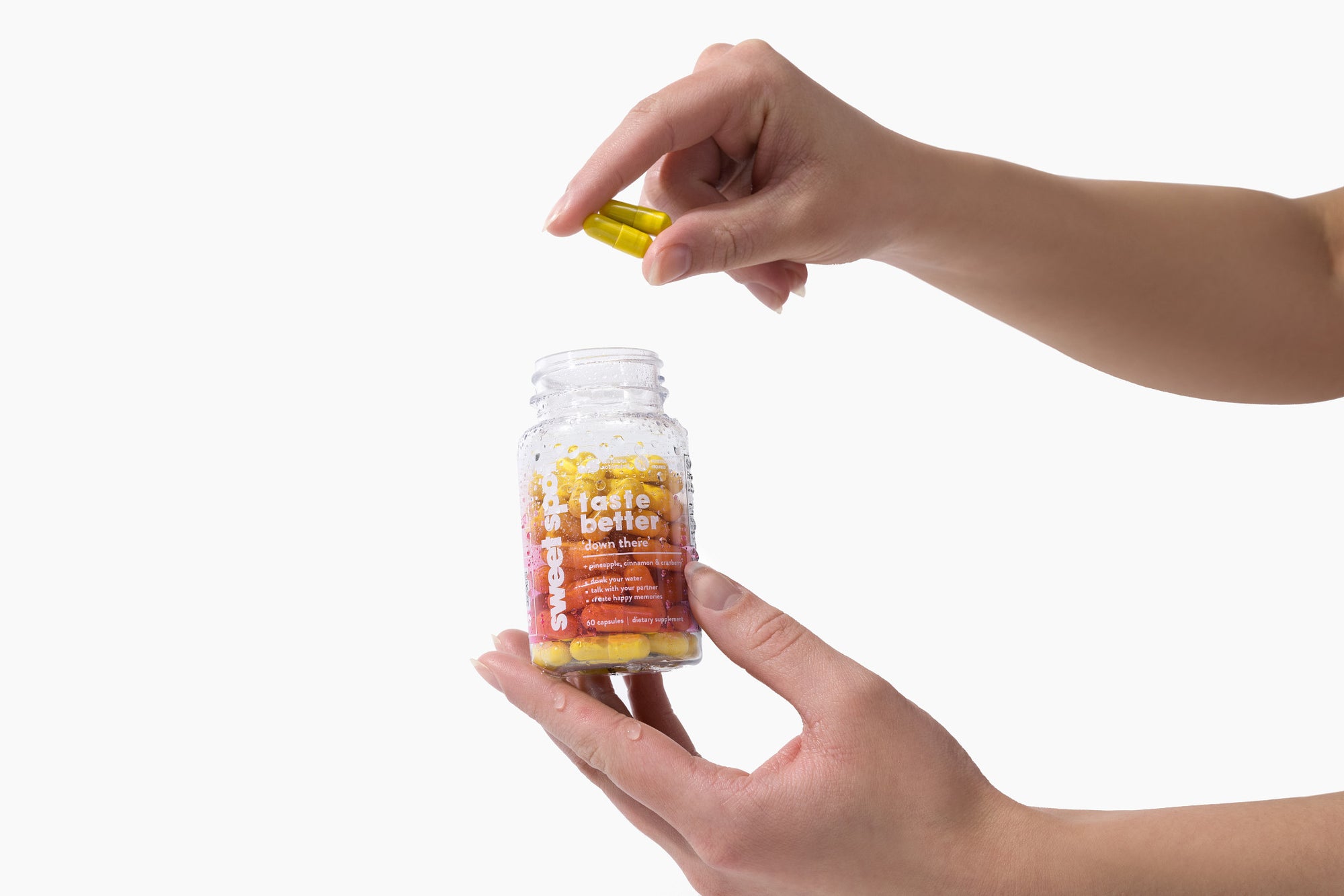
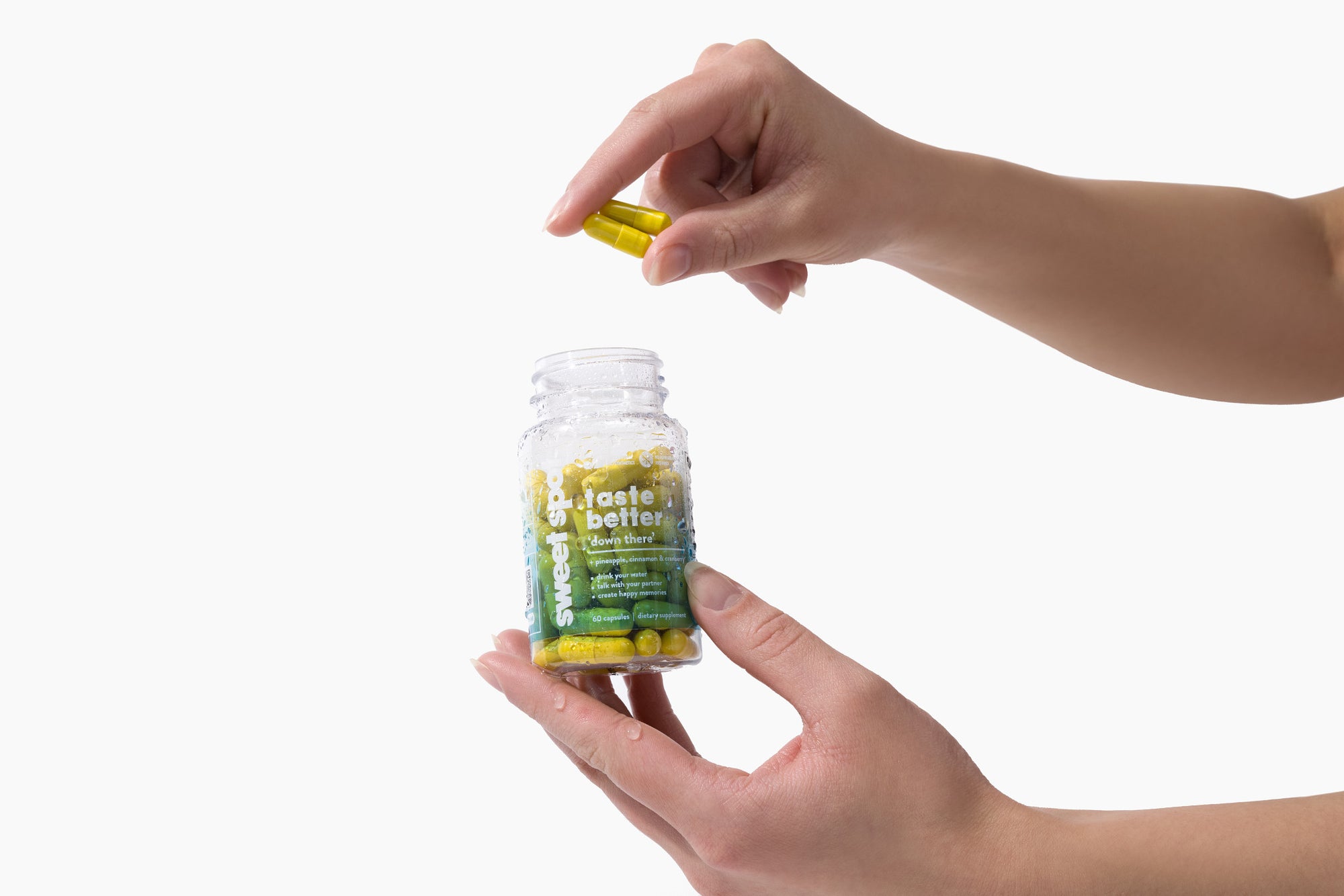
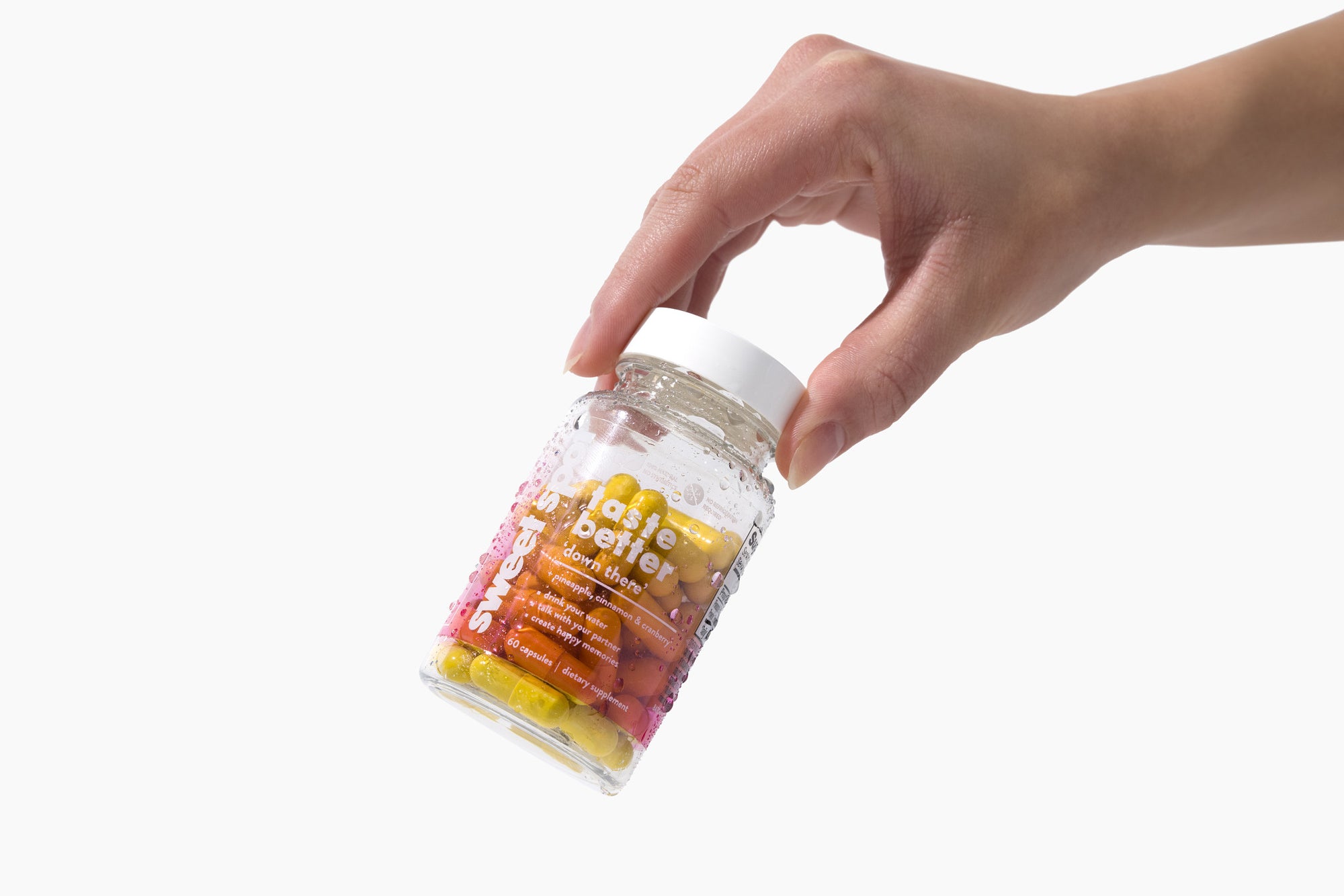
While Deflamol works on the outside, FOR HER works on the internal body chemistry that determines how you actually taste — pineapple extract, cranberry, chlorophyll, and cinnamon in one daily capsule.
- 60 capsules — 30-day supply
- Made in the USA
- No artificial ingredients
- Formulated specifically for women's taste and freshness
Both partners want to improve? The His + Hers Bundle includes both formulas.