

"Just drink more water."
It's the most common advice you'll find in any article about tasting better. And while it's not wrong—it's wildly incomplete. Hydration matters, but it's only one piece of the puzzle. What you drink, what you eat, and what supplements you take all interact with your body's chemistry to determine how your bodily fluids taste and smell.
Let's break down exactly how it all works.
The Science: How Hydration Affects Bodily Fluids
Your body is roughly 60% water. Every fluid your body produces—sweat, saliva, vaginal secretions, semen—is water-based. The concentration of other compounds (salts, sugars, proteins, metabolic waste) in those fluids directly determines their taste.
When you're dehydrated:
- Your body conserves water, making all secretions more concentrated.
- Concentrated fluids = stronger, saltier, more pungent taste.
- Urine becomes dark yellow. Sweat smells stronger. And intimate fluids follow the same pattern.
When you're well-hydrated:
- Secretions are more diluted and milder.
- Your body can flush out metabolic waste (the stuff that causes bitterness) more efficiently.
- Everything tastes cleaner, lighter, and less intense.
So yes—water helps. But here's the part nobody tells you: water dilutes everything equally. It doesn't selectively remove the "bad" compounds. It just waters everything down. That's why hydration alone won't transform your taste—it'll just make it milder.
Water vs. Other Drinks: What Actually Helps?
Plain Water — The Foundation
Aim for 2-3 liters daily. This is your baseline. Without adequate water, nothing else you do (diet, supplements, lifestyle) will work as well as it should. Water is the vehicle that carries everything through your system.
Coconut Water — The Upgrade
Coconut water is one of the most searched drinks in relation to taste improvement. Here's why people love it: it's naturally low in sugar, high in electrolytes (potassium, magnesium), and mildly sweet. The electrolytes help your body absorb water more efficiently than plain water alone.
Does it magically change your taste? Not on its own. But it's a better hydrator than water, which means your body stays more consistently diluted.
Green Juice/Smoothies — The Chlorophyll Boost
Green drinks (spinach, kale, celery, cucumber) deliver chlorophyll, which acts as an internal deodorizer. They're also packed with water and micronutrients. If you're looking for a drink that actively improves taste (not just dilutes), green juice is your best bet.
What to Avoid
- Coffee — Dehydrates you and makes secretions more acidic and bitter. One cup is fine. Three is working against you.
- Alcohol — Major dehydrator. A night of drinking can affect your taste for 24-48 hours.
- Sugary drinks — Soda, sweetened iced tea, and fruit juice cocktails add sugar without the hydration benefits. Sugar feeds yeast.
- Energy drinks — Caffeine + sugar + artificial ingredients. The trifecta of bad taste.
How Diet Compounds the Effect
Hydration sets the baseline. Diet determines the flavor profile. Here's the quick version:
| Makes You Taste Better | Makes You Taste Worse |
|---|---|
| Pineapple, berries, citrus | Garlic, onions, shallots |
| Watermelon, cucumber | Red meat, processed food |
| Cinnamon, mint, parsley | Asparagus, broccoli, cauliflower |
| Yogurt, whole grains | Excessive dairy, fried foods |
| Green vegetables | Coffee, alcohol, cigarettes |
The foods on the left provide natural sugars, enzymes, and antioxidants that sweeten and clean your secretions. The foods on the right contain sulfur compounds, dehydrating agents, and metabolic byproducts that make things taste bitter and pungent.
Where Supplements Fit In
Here's the thing about both water and diet: they're inconsistent. You don't always drink enough water. You don't always eat clean. You have pizza nights and cocktail dinners and mornings where coffee is survival, not a choice.
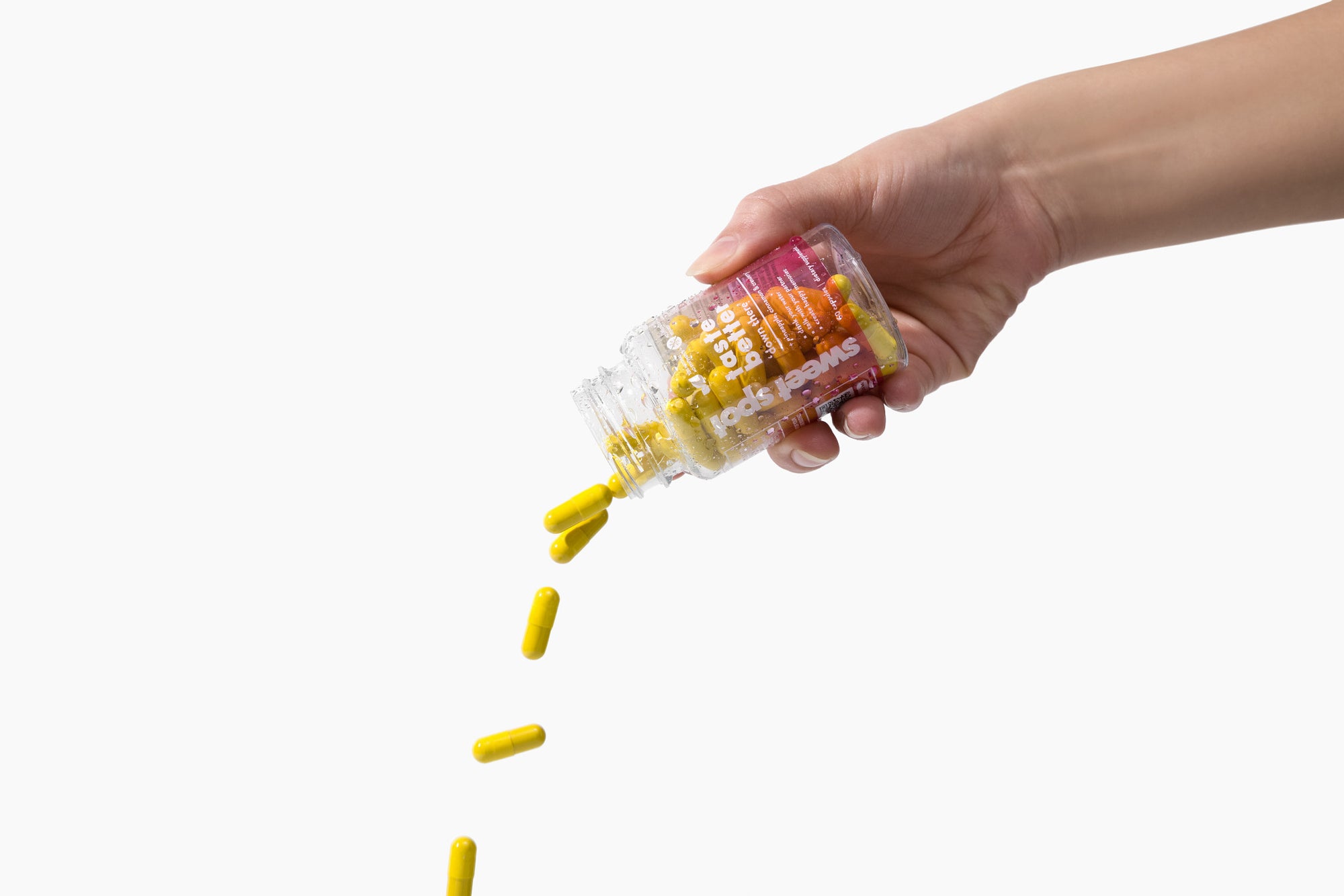
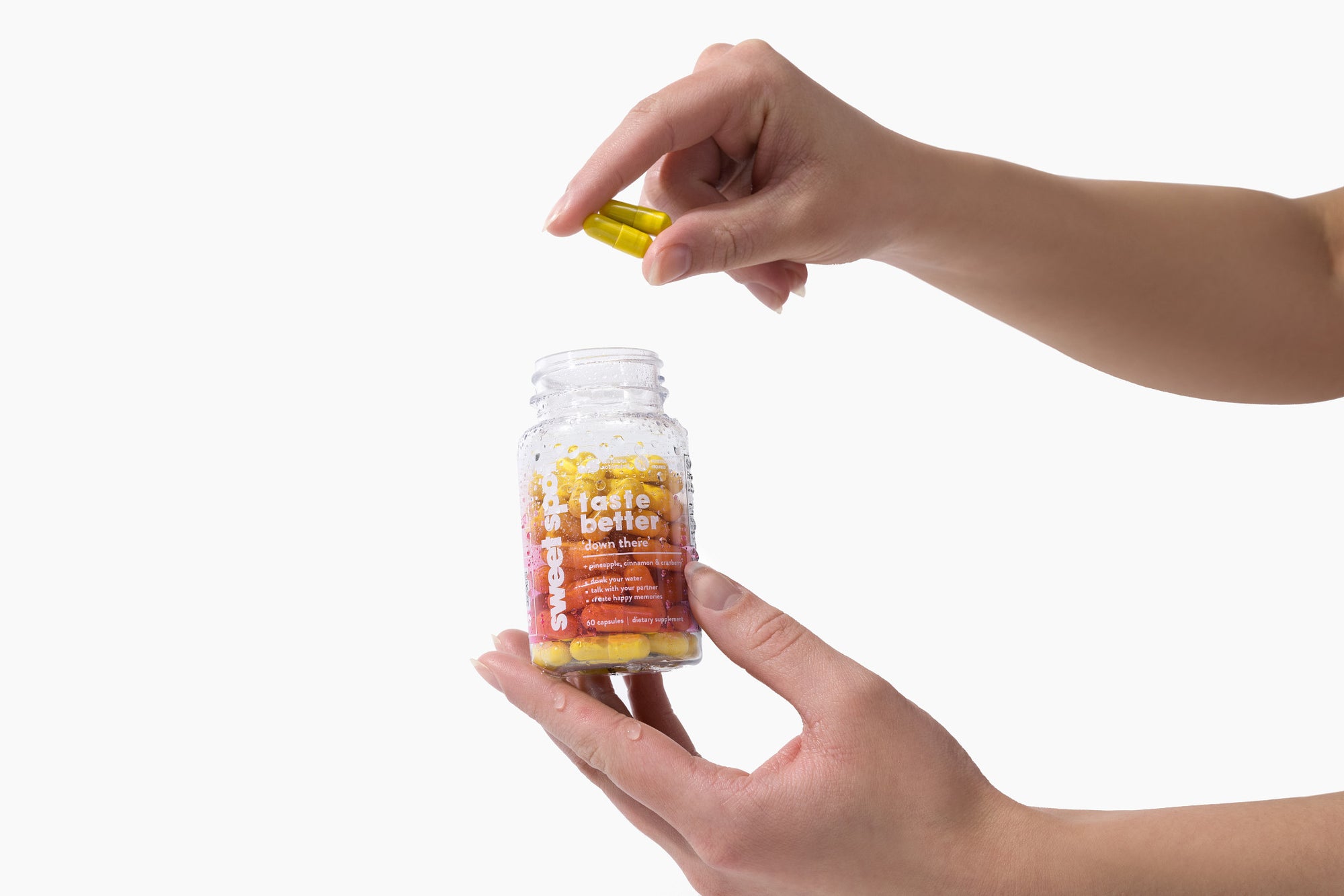
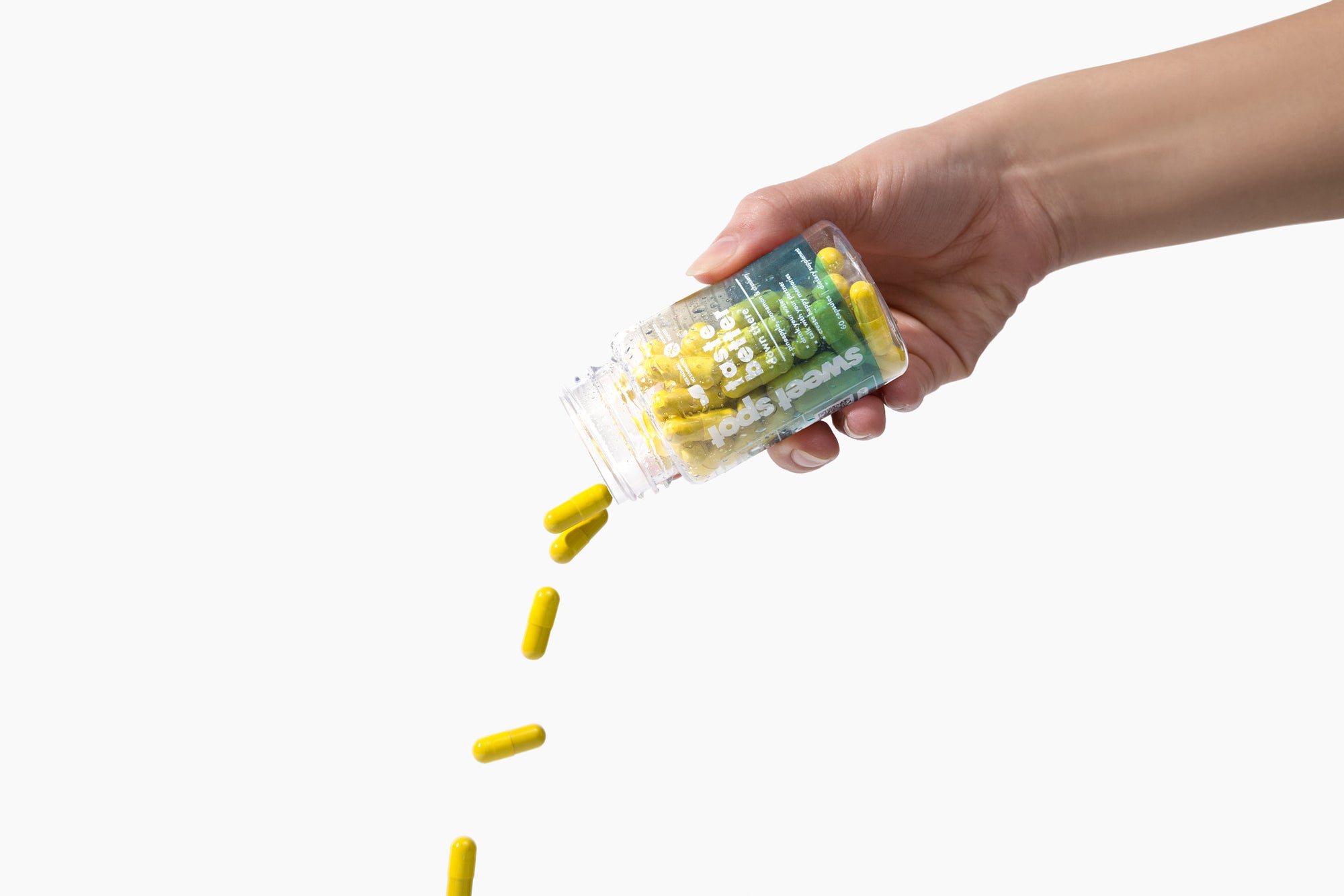
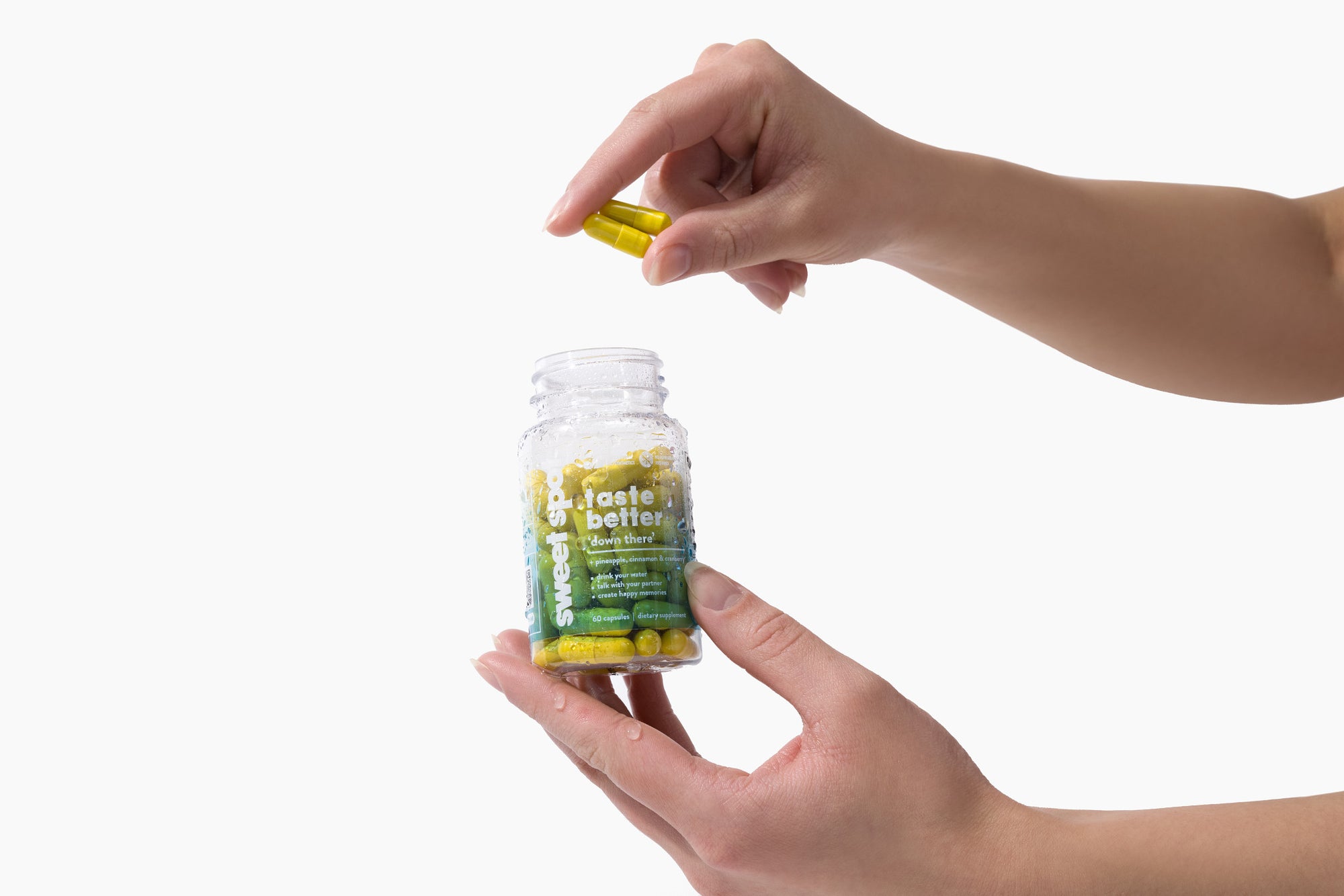
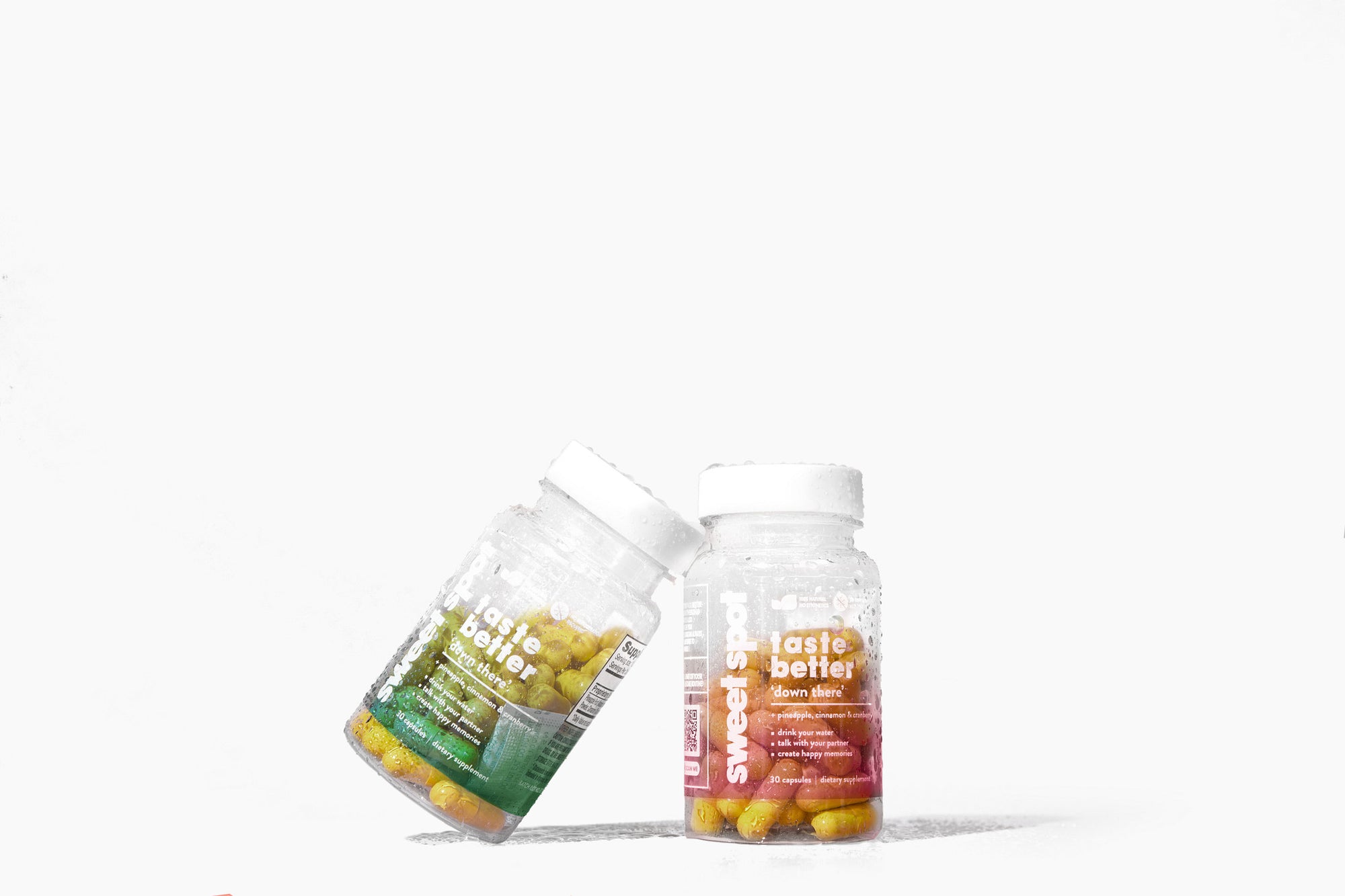
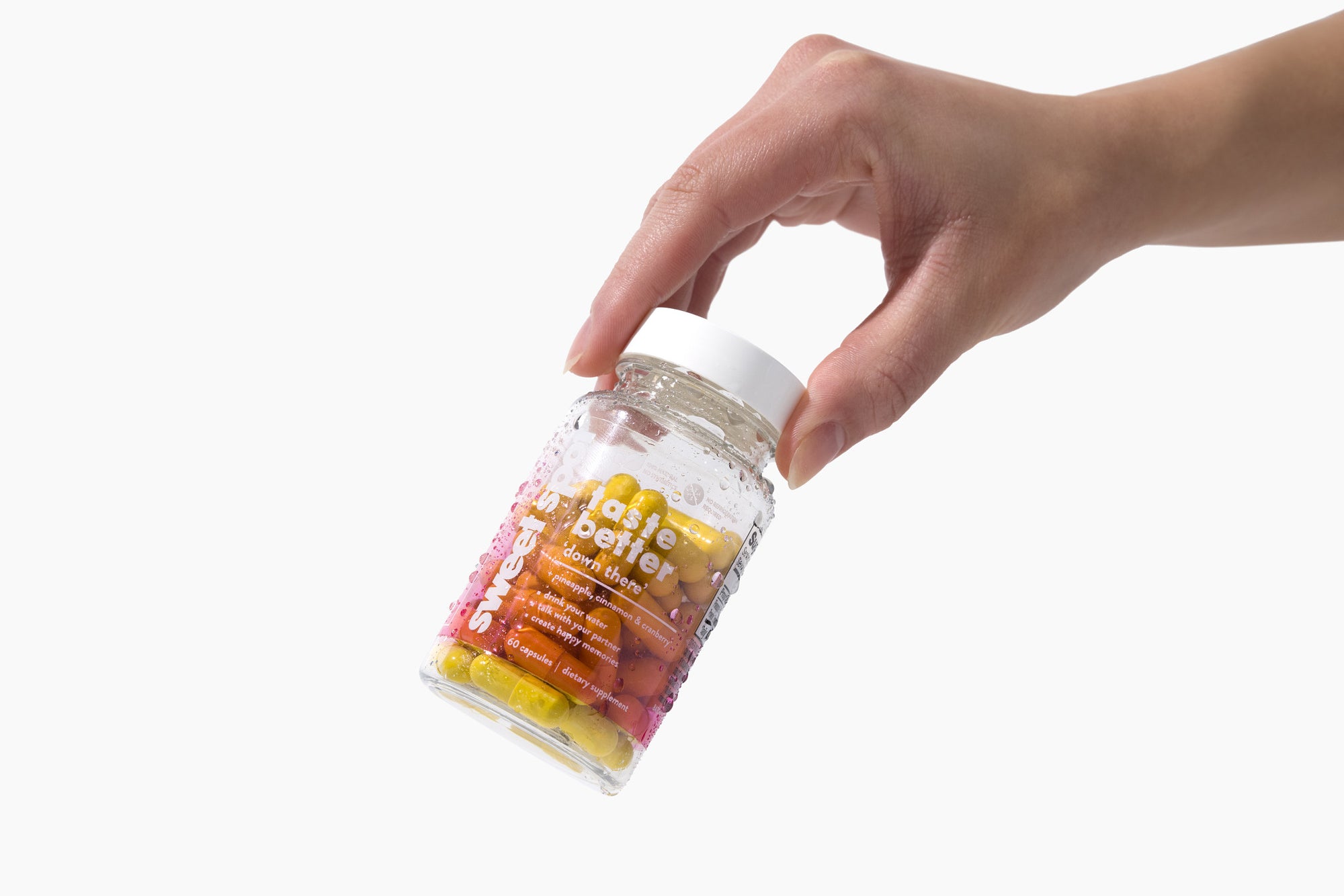
Supplements provide a consistent baseline that your hydration and diet build on top of. They deliver standardized doses of the compounds that matter most:
- Bromelain — breaks down bitter proteins regardless of what you ate
- Cranberry extract — keeps your urinary tract clean regardless of hydration fluctuations
- Chlorophyll — neutralizes odor compounds even on days you didn't eat your greens
- Cinnamon — regulates blood sugar even after a cheat meal
Think of it this way: water is the foundation, diet is the walls, and supplements are the roof. You need all three for the full structure.
The Optimal Hydration + Supplement Protocol
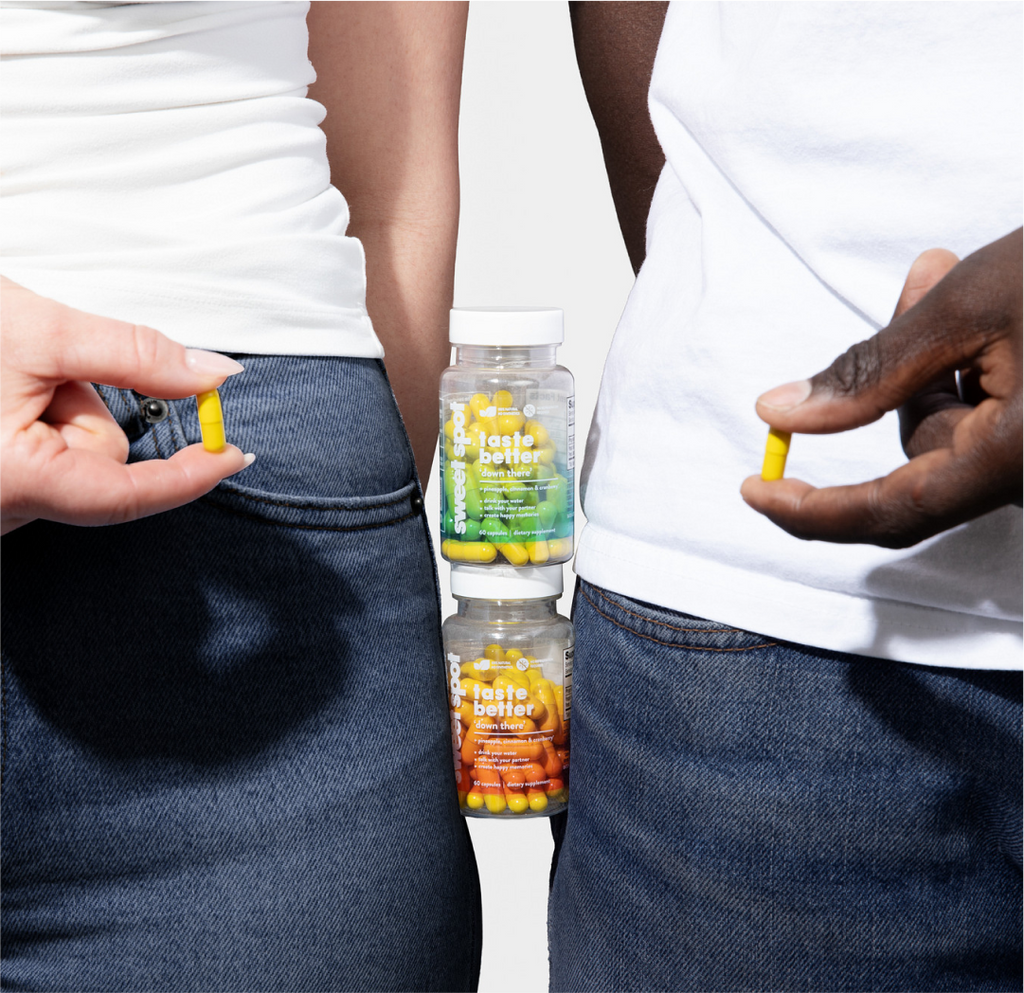
- Morning: 16oz water + your TasteTheSweetSpot capsule
- Mid-morning: 8-12oz coconut water or green juice
- Lunch: Water with your meal + fruit for dessert
- Afternoon: 16oz water (set a reminder if you forget)
- Evening: Second TasteTheSweetSpot capsule + 8oz water
- Before bed: 8oz water (not too much or you'll be up all night)
Total: ~2.5 liters of fluid + 2 supplement capsules. That's it. That's the protocol.
Ready to build on your hydration with targeted support? Get TasteTheSweetSpot here.
Frequently Asked Questions
Does drinking water affect semen taste?
Yes. Staying well-hydrated dilutes the concentration of salts, proteins, and metabolic waste in semen, making it taste milder and less bitter. Dehydration concentrates these compounds and makes semen taste stronger and more pungent. Aim for 2-3 liters of water daily.
Does coconut water make you taste better?
Coconut water helps primarily through superior hydration—its electrolytes help your body absorb water more efficiently. It won't transform your taste on its own, but it's a better hydrator than plain water, which means your body stays more consistently diluted. Pair it with a targeted supplement for best results.
Does diet affect semen taste immediately?
Not immediately. Dietary changes typically take 24-72 hours to affect semen taste, depending on the food. Strong-flavored foods (garlic, asparagus) can affect taste within 12-24 hours. For consistent improvement, maintain a clean diet and supplement routine for at least 7-14 days.