

You've heard the advice a thousand times: "Just eat more pineapple."
And while that's not wrong, it's only part of the story. Pineapple gets all the attention, but it's not the only fruit that can influence how your body tastes and smells. Several fruits contain specific compounds—enzymes, antioxidants, and natural sugars—that change the chemistry of your bodily fluids.
Here's a ranked breakdown of the best fruits for tasting sweeter, what makes them work, and the honest truth about their limitations.
1. Pineapple — The Undisputed Champion
Why it works: Pineapple contains bromelain, a powerful enzyme complex that breaks down proteins. Since the bitter, pungent compounds in bodily secretions are largely protein-based, bromelain neutralizes them at the source.
Pineapple is also high in natural sugars and citric acid, which help shift the flavor profile of your secretions toward something sweeter and more pleasant.
How much you'd need: To get a meaningful dose of bromelain from whole fruit, you'd need to eat 2-3 cups of fresh pineapple daily. From juice, you'd need over a liter—which comes with 100+ grams of sugar.
The catch: That much pineapple can cause mouth sores (the bromelain literally digests the soft tissue in your mouth), stomach upset, and blood sugar spikes.
2. Cranberries — The Cleanup Crew
Why they work: Cranberries are packed with proanthocyanidins (PACs) that prevent bacteria from adhering to your urinary tract walls. Fewer bacteria = fewer compounds that produce bitter, off-putting flavors and odors.
Cranberries also have a mild acidity that supports healthy vaginal pH (3.8-4.5), which is the range where things taste cleanest.
The catch: Fresh cranberries are incredibly tart. Dried cranberries are loaded with added sugar. Cranberry juice cocktail is mostly sugar water. Your best bet is cranberry extract in supplement form—concentrated PACs without the sugar.
3. Berries — Strawberries, Blueberries, Raspberries
Why they work: Berries are nature's antioxidant bombs. They're high in Vitamin C (which supports vaginal pH), water content (which helps with hydration), and natural fructose (which adds sweetness to secretions).
Blueberries in particular contain anthocyanins, powerful antioxidants that reduce inflammation throughout the body—including reproductive organs.
Pro tip: Berries are low in sugar compared to tropical fruits, so you can eat them freely without worrying about yeast infection risk.
4. Citrus Fruits — Oranges, Lemons, Grapefruit
Why they work: Citrus fruits are loaded with Vitamin C and citric acid. Vitamin C is essential for maintaining the slightly acidic pH that keeps vaginal bacteria in check. Citric acid also helps your body metabolize and flush out sulfur compounds faster.
Bonus: The high water content in oranges and grapefruit contributes to better hydration, which dilutes secretions and makes everything milder and cleaner.
The catch: If you have acid reflux or sensitive teeth, large quantities of citrus can cause problems. Moderation is key.
5. Mango — The Sweet Tropical Booster
Why it works: Mangoes are one of the highest-sugar fruits, with about 46g of natural sugar per fruit. That natural fructose directly influences the sweetness of your secretions. Mangoes also contain Vitamin A and Vitamin C, both of which support immune health and tissue repair.
The catch: High sugar content means you should be mindful of quantity. One mango a day is plenty. More than that and you're risking blood sugar issues (and potentially feeding yeast).
6. Watermelon — The Hydration Hack
Why it works: Watermelon is 92% water. Since dehydration is one of the biggest causes of concentrated, strong-tasting secretions, watermelon helps by simply diluting everything. It also contains citrulline, an amino acid that improves blood flow—similar to how cinnamon works.
Best use: Eat watermelon alongside other fruits on this list for a hydration + sweetness combo.
The Problem with Relying on Fruit Alone
Here's the honest truth that nobody talks about: eating fruit works, but it's inconsistent and slow.
- You'd need to eat large quantities daily to get meaningful results.
- The sugar in fruit can actually feed yeast if consumed in excess, creating the opposite of what you want.
- Whole fruit contains variable amounts of the active compounds. A pineapple from Whole Foods doesn't have the same bromelain content as one picked in Costa Rica yesterday.
- Digestion, absorption, and metabolism all affect how much of the "good stuff" actually reaches your secretions.
This is why supplements exist—they extract and concentrate the active compounds (bromelain, PACs, Vitamin C) and deliver them in standardized, consistent doses.
Fruits vs. Supplements: The Quick Comparison
| Factor | Eating Fruit | Taking a Supplement |
|---|---|---|
| Active Compound Dose | Variable, depends on fruit quality | Standardized, consistent |
| Sugar Intake | High (especially tropical fruits) | Zero |
| Convenience | Requires daily shopping/prep | 2 capsules/day |
| Yeast Risk | Possible with high sugar fruits | Low |
| Time to Results | 2-3 weeks of consistent eating | 7-14 days |
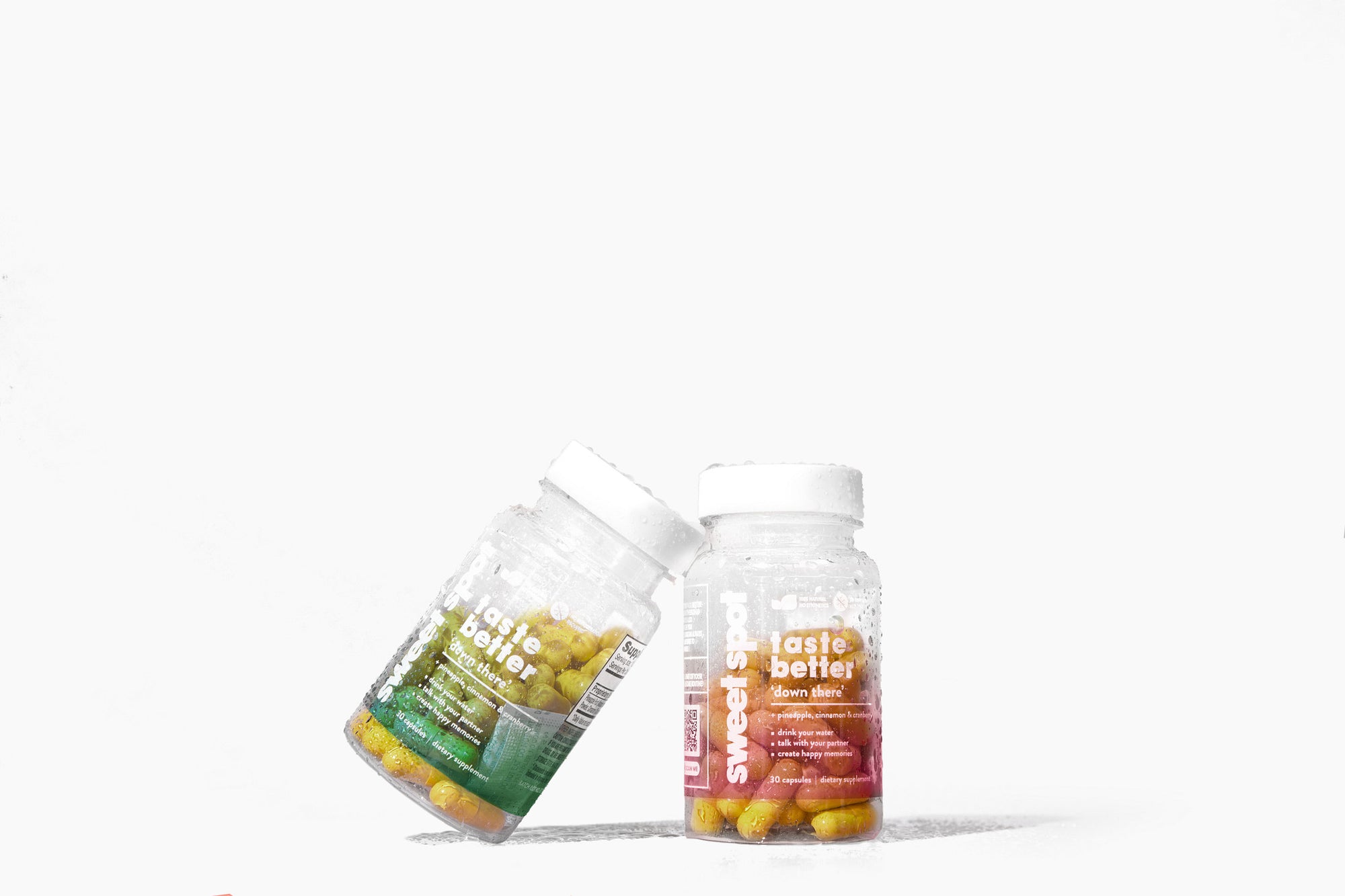
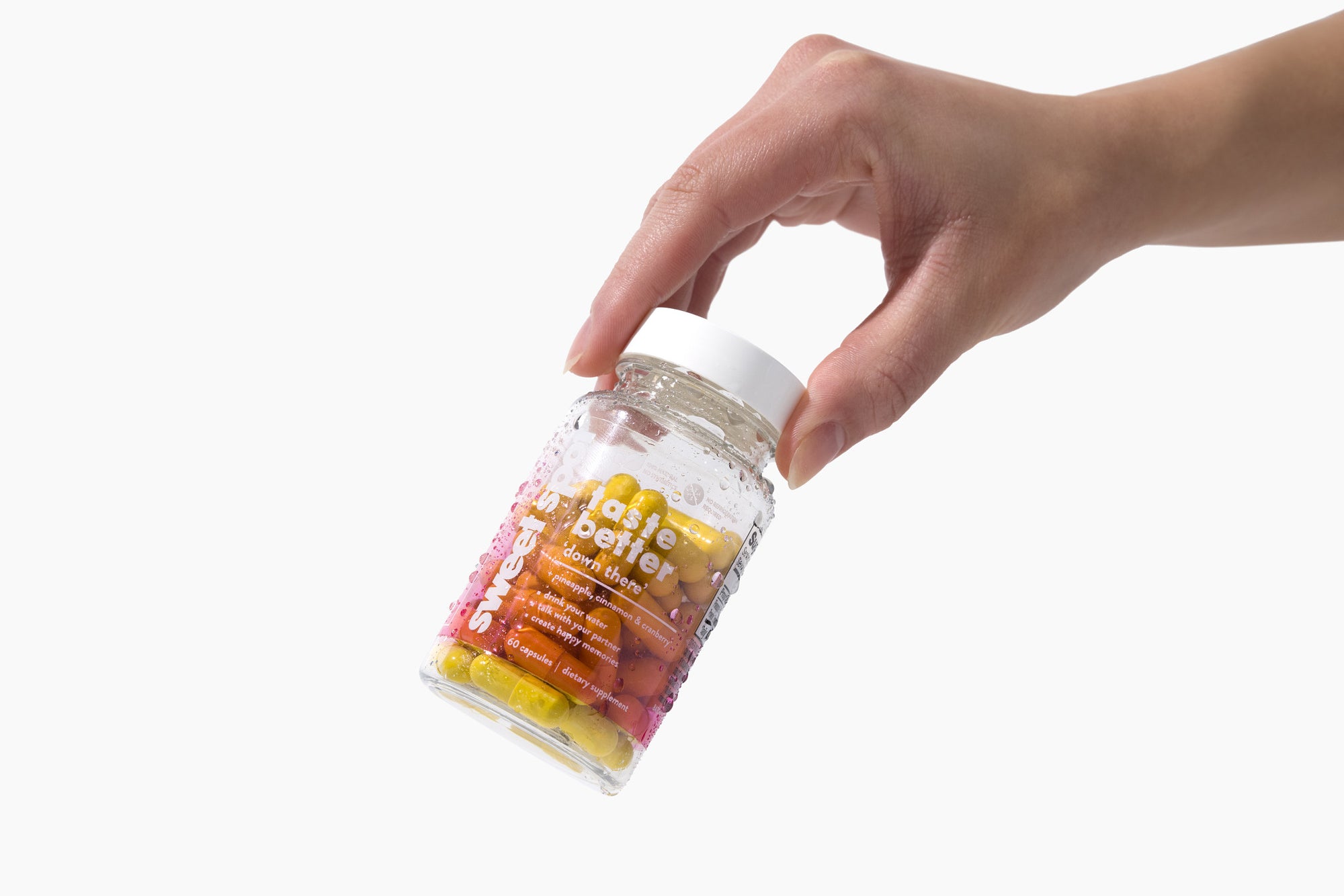
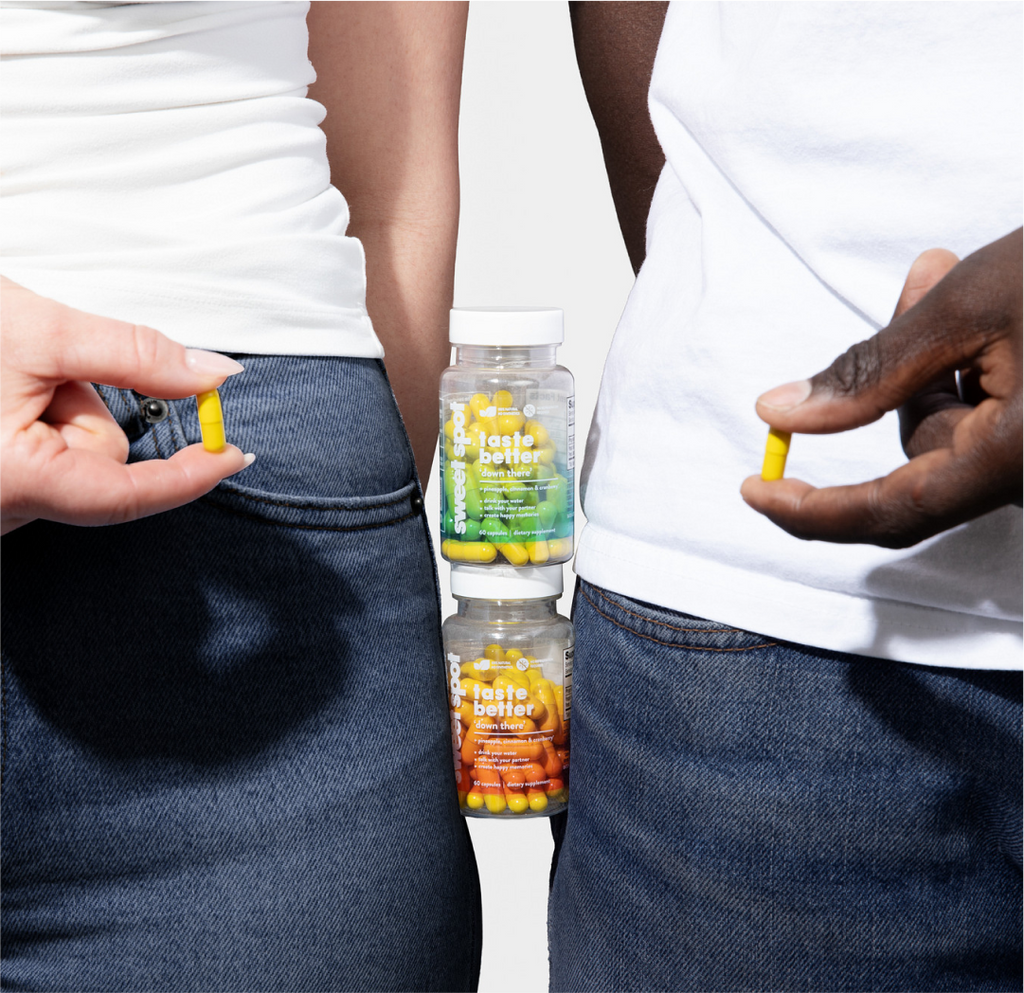
The smartest approach? Do both. Eat the fruits you enjoy for their overall health benefits, and take TasteTheSweetSpot to get the concentrated active compounds that make the real difference.
Frequently Asked Questions
What fruits make you taste sweeter instantly?
No fruit works "instantly." Pineapple is the fastest-acting due to its bromelain enzyme content, but even that takes 24-48 hours to noticeably affect the taste of your bodily fluids. For consistent sweetness, eat pineapple, berries, and citrus daily—or take a bromelain-based supplement for a more concentrated and reliable effect.
Does eating fruit make your vagina taste better?
Yes. Fruits high in natural sugars, Vitamin C, and enzymes (like pineapple, strawberries, and cranberries) can positively influence vaginal taste by supporting pH balance and providing compounds that sweeten secretions. However, too much fruit sugar can feed yeast, so balance is important.
What foods make you taste good down there?
The best foods for tasting good include pineapple, strawberries, blueberries, cranberries, citrus fruits, watermelon, and cinnamon. Equally important is avoiding foods that make you taste worse: garlic, onions, red meat, asparagus, and excessive coffee or alcohol.