

You have probably heard that gut health affects everything from your mood to your immune system. But here is something far fewer people talk about: your gut microbiome has a direct, scientifically documented influence on your vaginal health. The connection is so significant that researchers have given it a name — the gut-vagina axis.
This is not a vague, hand-waving wellness claim. Peer-reviewed research published in journals like The Lancet Infectious Diseases, Nature Reviews Microbiology, and Microbiome has demonstrated that the bacterial communities in your intestines actively shape the bacterial communities in your vagina. They do this through immune signaling, hormone metabolism, direct bacterial translocation, and metabolite production. When your gut microbiome is disrupted, your vaginal microbiome often follows — and the clinical consequences include bacterial vaginosis, recurrent yeast infections, urinary tract infections, and even fertility challenges.
This guide is a deep, science-backed exploration of every dimension of the gut-vagina axis. Whether you are a health professional looking for a comprehensive reference, a woman dealing with recurrent infections, or someone who simply wants to understand how your body's microbial ecosystems interact, this article will give you the knowledge and practical tools you need.
What Is the Gut-Vagina Axis?
The gut-vagina axis refers to the bidirectional communication pathway between the gastrointestinal microbiome and the vaginal microbiome. This concept builds on the broader understanding of the "gut-organ axis" — the established scientific principle that the gut microbiome communicates with and influences distant organ systems including the brain (gut-brain axis), skin (gut-skin axis), lungs (gut-lung axis), and reproductive tract.
The gut-vagina axis operates through several distinct mechanisms:
- Direct bacterial translocation: Bacteria from the intestinal tract can physically migrate to the vaginal tract via the perineum — the short anatomical distance between the anus and vaginal opening. This is a well-documented route for species like Escherichia coli, which originates in the gut but is the leading cause of urinary tract infections and can disrupt vaginal flora.
- Estrogen metabolism (the estrobolome): Specific gut bacteria regulate the amount of circulating estrogen in the body. Estrogen, in turn, is the primary hormone that maintains a healthy vaginal environment by promoting glycogen storage in vaginal epithelial cells, which feeds beneficial Lactobacillus species.
- Immune system modulation: Approximately 70-80% of the body's immune cells reside in the gut-associated lymphoid tissue (GALT). The gut microbiome programs and calibrates these immune responses, which then patrol mucosal surfaces throughout the body — including the vaginal mucosa.
- Metabolite signaling: Gut bacteria produce short-chain fatty acids (SCFAs), vitamins, and other metabolites that enter systemic circulation and influence the vaginal environment's pH, immune defenses, and microbial balance.
- Inflammatory pathways: Gut dysbiosis increases intestinal permeability ("leaky gut"), allowing bacterial endotoxins like lipopolysaccharide (LPS) to enter the bloodstream. This systemic inflammation can impair mucosal immunity in the vaginal tract.
Understanding these pathways changes how we approach vaginal health. Instead of treating infections in isolation — a round of antibiotics for BV here, an antifungal for a yeast infection there — a gut-vagina axis perspective asks: what is happening upstream in the gut that is allowing these problems to recur?
The Vaginal Microbiome Explained
A Unique Ecosystem
The vaginal microbiome is unlike any other microbial community in the human body. While the gut thrives on diversity — a wider range of species generally indicates better gut health — the vaginal microbiome is healthiest when it is dominated by a single genus: Lactobacillus.
In a healthy vaginal microbiome, Lactobacillus species can constitute 90-95% or more of all bacteria present. These bacteria produce lactic acid, which maintains the vaginal pH between 3.8 and 4.5 — an acidic environment that is inhospitable to most pathogenic organisms. They also produce hydrogen peroxide, bacteriocins (antimicrobial peptides), and biosurfactants that further protect against infection.
Community State Types (CSTs)
In 2011, a landmark study by Ravel et al. in the Proceedings of the National Academy of Sciences classified the vaginal microbiome into five distinct Community State Types (CSTs). This classification system has become the standard framework for understanding vaginal microbial ecology:
- CST I — Dominated by Lactobacillus crispatus: This is widely considered the most protective and stable community state. L. crispatus produces both D-lactic acid and L-lactic acid, along with high levels of hydrogen peroxide. Women with CST I have the lowest rates of bacterial vaginosis, sexually transmitted infections, and adverse pregnancy outcomes. This CST is associated with a vaginal pH of approximately 4.0 or lower.
- CST II — Dominated by Lactobacillus gasseri: Less common than CST I but still protective. L. gasseri produces moderate levels of lactic acid and hydrogen peroxide. This community state is associated with good vaginal health, though it may be slightly less stable than CST I under stress conditions such as antibiotic exposure.
- CST III — Dominated by Lactobacillus iners: This is the most complex and debated CST. L. iners is the most prevalent vaginal Lactobacillus species across all ethnic groups, but it is also considered the least protective. Unlike other vaginal lactobacilli, L. iners produces only L-lactic acid (not D-lactic acid), produces little to no hydrogen peroxide, and has a smaller genome that limits its metabolic versatility. CST III is often a transitional state between a healthy, Lactobacillus-dominant microbiome and a dysbiotic one. Women with CST III are at higher risk for developing BV.
- CST IV — Low-Lactobacillus, high-diversity: This CST is characterized by a lack of Lactobacillus dominance and a higher diversity of anaerobic bacteria including Gardnerella vaginalis, Atopobium vaginae (now reclassified as Fannyhessea vaginae), Prevotella species, Megasphaera, Sneathia, and others. CST IV is most closely associated with bacterial vaginosis, elevated vaginal pH (above 4.5), and increased susceptibility to STIs including HIV, HPV, chlamydia, and gonorrhea. It is subdivided into CST IV-A (moderate diversity with some Lactobacillus) and CST IV-B (high diversity with minimal Lactobacillus and high levels of BV-associated bacteria).
- CST V — Dominated by Lactobacillus jensenii: A less common but protective state. L. jensenii produces lactic acid and hydrogen peroxide and is associated with a healthy, low-pH vaginal environment.
An important nuance: CST IV is more common in women of African and Hispanic descent, and it does not always correspond with symptoms or clinical BV. Some women maintain a stable, asymptomatic CST IV community. This underscores that "healthy" vaginal microbiomes are more diverse across populations than originally appreciated, and that the relationship between specific microbial communities and clinical outcomes is modulated by host genetics, immune function, and environmental factors.
What Feeds the Vaginal Microbiome
The primary fuel source for vaginal lactobacilli is glycogen — a complex sugar stored in vaginal epithelial cells. Estrogen drives glycogen deposition in these cells. As cells are shed (a natural, continuous process), their glycogen is released and broken down into simpler sugars by human alpha-amylase and bacterial enzymes. Lactobacillus species ferment these sugars into lactic acid, maintaining the protective acidic pH.
This estrogen-glycogen-Lactobacillus-lactic acid chain is the foundational cycle of vaginal health, and it is directly influenced by what is happening in the gut.
The Gut Microbiome and the Estrobolome
What Is the Estrobolome?
The estrobolome is the collection of gut bacteria capable of metabolizing estrogen. First described by Plottel and Blaser in a 2011 paper in the Journal of the National Cancer Institute, the estrobolome represents one of the most clinically significant connections between the gut and reproductive health.
Here is how it works:
- Estrogen production: The ovaries (and to a lesser extent the adrenal glands and fat tissue) produce estrogen, which circulates through the blood.
- Liver processing: The liver conjugates (inactivates) estrogen by attaching a glucuronic acid molecule, preparing it for excretion through bile into the intestines.
- Gut bacterial action: Certain gut bacteria produce an enzyme called beta-glucuronidase, which removes the glucuronic acid tag and reactivates the estrogen.
- Reabsorption: This reactivated estrogen is reabsorbed through the intestinal wall into the bloodstream via enterohepatic circulation.
- Downstream effects: The reabsorbed estrogen reaches estrogen-sensitive tissues throughout the body — including the vaginal epithelium, where it drives glycogen storage and supports Lactobacillus colonization.
When the Estrobolome Goes Wrong
When the gut microbiome is in a state of dysbiosis (imbalance), the estrobolome is disrupted. This can go in two directions:
- Decreased beta-glucuronidase activity: Fewer estrogen-metabolizing bacteria means less estrogen is reactivated and recirculated. This leads to lower circulating estrogen levels. The downstream effect: less glycogen in vaginal epithelial cells, reduced fuel for Lactobacillus, rising vaginal pH, and increased vulnerability to BV and other infections.
- Increased beta-glucuronidase activity: Overproduction of beta-glucuronidase (as seen in gut dysbiosis featuring overgrowth of certain Firmicutes and Bacteroidetes species) leads to excess free estrogen in circulation. While this is more commonly discussed in the context of estrogen-dependent cancers, it can also create hormonal imbalances that indirectly affect vaginal health.
The clinical takeaway: if your gut microbiome is unhealthy, it may be silently altering your estrogen levels — and this altered estrogen environment directly undermines the vaginal microbiome's ability to maintain itself.
Key Estrobolome Bacteria
Bacteria known to produce beta-glucuronidase and participate in estrogen metabolism include species from the genera Bacteroides, Bifidobacterium, Clostridium, Escherichia, Lactobacillus, Ruminococcus, and Eubacterium. A diverse, balanced gut microbiome ensures appropriate (not excessive or deficient) beta-glucuronidase activity and, by extension, healthy estrogen cycling.
How Gut Dysbiosis Leads to Vaginal Dysbiosis
Now that we understand the individual components, let us trace the complete pathway from gut disruption to vaginal problems:
Pathway 1: The Estrogen Route
- Gut dysbiosis occurs (caused by antibiotics, poor diet, chronic stress, or illness).
- Estrobolome function is impaired — beta-glucuronidase activity drops.
- Less conjugated estrogen is reactivated in the gut.
- Circulating estrogen levels decrease.
- Vaginal epithelial cells store less glycogen.
- Vaginal Lactobacillus populations decline due to reduced fuel supply.
- Vaginal pH rises above 4.5.
- Opportunistic anaerobes (Gardnerella, Prevotella, Atopobium) proliferate.
- Bacterial vaginosis, yeast infections, or other dysbiotic conditions develop.
Pathway 2: The Immune Route
- Gut dysbiosis impairs the intestinal barrier ("leaky gut").
- Bacterial endotoxins (LPS) and undigested proteins cross into the bloodstream.
- Systemic low-grade inflammation is triggered.
- Inflammatory cytokines (IL-6, TNF-alpha, IL-1beta) circulate systemically.
- Vaginal mucosal immune function is disrupted — either overactivated (causing inflammatory symptoms) or suppressed (reducing pathogen clearance).
- The vaginal environment becomes more permissive to pathogenic colonization.
Pathway 3: The Direct Migration Route
- Gut dysbiosis leads to overgrowth of potentially pathogenic species (e.g., E. coli, Enterococcus, Candida species).
- These organisms are shed in stool.
- Due to anatomical proximity, they colonize the perineal skin and introitus (vaginal opening).
- They ascend into the vaginal canal and/or urethra.
- If the vaginal Lactobacillus population is already compromised (due to pathways 1 or 2), these organisms establish themselves.
- UTIs, vaginal infections, or mixed dysbiotic states result.
In most cases of recurrent vaginal infections, multiple pathways are operating simultaneously. This is why treating the vaginal infection alone — without addressing gut health — often leads to a frustrating cycle of recurrence.
Bacterial Vaginosis: The Microbiome Perspective
Bacterial vaginosis is the most common vaginal condition in reproductive-age women, affecting an estimated 29% of women in the United States (CDC data). Despite its prevalence, BV has a notoriously high recurrence rate — over 50% of women experience recurrence within 12 months of standard antibiotic treatment.
From a microbiome perspective, BV is not a simple infection caused by a single pathogen. It is an ecological shift — a transition from a Lactobacillus-dominant community (typically CST I, II, III, or V) to a polymicrobial, anaerobe-rich community (CST IV). Key features include:
- Loss of Lactobacillus dominance
- Overgrowth of Gardnerella vaginalis, Fannyhessea vaginae (formerly Atopobium vaginae), Prevotella bivia, Sneathia sanguinegens, Megasphaera species, and others
- Formation of a polymicrobial biofilm on the vaginal epithelium
- Increased vaginal pH (above 4.5)
- Production of biogenic amines (cadaverine, putrescine, trimethylamine) that cause the characteristic fishy odor
- Increased production of sialidase enzymes that degrade the vaginal mucus layer
Why BV Recurs: The Gut Connection
The reason BV recurs so frequently after antibiotic treatment is multifactorial, but the gut-vagina axis plays a central role:
- Antibiotics kill Lactobacillus along with pathogens. Metronidazole and clindamycin (the standard BV treatments) are effective against BV-associated anaerobes but also kill or suppress vaginal and gut Lactobacillus species. This creates an ecological vacuum.
- Biofilm persistence. Gardnerella vaginalis forms a tenacious biofilm on the vaginal epithelium that antibiotics often fail to fully eradicate. Surviving bacteria within the biofilm rapidly repopulate after treatment ends.
- Gut reservoir. BV-associated bacteria like Gardnerella and Prevotella also reside in the gut. Even after vaginal treatment, these bacteria can re-colonize the vagina from the intestinal reservoir via the perineal route.
- Compromised estrobolome. If gut dysbiosis has impaired estrogen metabolism, the vaginal environment may remain suboptimal for Lactobacillus re-establishment even after pathogens are cleared.
- Impaired immune priming. A dysbiotic gut may fail to adequately prime mucosal immune responses needed to prevent BV recurrence.
This understanding has led some researchers to propose that treating recurrent BV should involve not only vaginal antimicrobials but also gut microbiome restoration — through diet, probiotics, and prebiotics — as a strategy to interrupt the recurrence cycle.
Yeast Infections and the Gut Connection
Vulvovaginal candidiasis (VVC) — commonly known as a yeast infection — affects approximately 75% of women at least once in their lifetime, and 5-8% experience recurrent VVC (four or more episodes per year). The causative organism is most commonly Candida albicans, though non-albicans species (C. glabrata, C. tropicalis, C. parapsilosis) are increasingly recognized.
The gut-vagina axis is particularly relevant to yeast infections because the gastrointestinal tract is the primary reservoir for Candida in the human body. Candida species are normal commensal organisms in the gut, typically kept in check by a healthy bacterial microbiome and competent immune function. When gut dysbiosis occurs:
- Candida overgrowth in the gut can lead to increased Candida shedding in stool.
- The yeast colonizes the perineal skin and migrates to the vaginal introitus.
- If vaginal Lactobacillus populations are diminished (unable to produce sufficient lactic acid and hydrogen peroxide to keep Candida in yeast form), the organism transitions to its pathogenic hyphal form and invades vaginal epithelial cells.
- A vaginal yeast infection develops.
Research published in mSphere (2020) has confirmed through genetic strain typing that the same Candida strains found in a woman's gut are frequently the strains causing her vaginal yeast infections. This gut-vaginal transmission route is a major contributor to recurrent VVC and explains why women who take oral antibiotics (which disrupt gut bacterial balance and allow Candida overgrowth) frequently develop yeast infections as a side effect.
UTIs and the Gut-Urinary-Vaginal Triangle
Urinary tract infections affect more than 150 million people worldwide each year, and women are disproportionately impacted due to their shorter urethra and the proximity of the urethral opening to both the vaginal and anal openings. The primary causative agent — uropathogenic Escherichia coli (UPEC) — originates in the gut in the vast majority of cases.
The gut-urinary-vaginal triangle describes how these three anatomically adjacent ecosystems interact:
- Gut to perineum: UPEC strains from the intestine colonize the perineal skin.
- Perineum to vagina: UPEC colonizes the vaginal introitus, especially when vaginal Lactobacillus populations are low (since lactic acid and hydrogen peroxide from lactobacilli normally suppress E. coli colonization).
- Vagina to urethra: From the vaginal introitus, UPEC ascends into the urethra and bladder.
- Bladder infection: UPEC adheres to bladder epithelial cells, invades them, and forms intracellular bacterial communities (IBCs) that can persist and cause recurrent infections.
A 2022 study in Nature Microbiology demonstrated that the transition from gut E. coli colonization to UTI involves a predictable sequence of events: gut expansion of UPEC, perineal colonization, vaginal colonization, and finally urethral ascension. Critically, the study found that a Lactobacillus-dominant vaginal microbiome acted as a gatekeeper — women with high vaginal Lactobacillus levels were significantly less likely to progress from perineal UPEC colonization to a UTI.
This finding underscores the importance of the gut-vagina axis: a healthy gut (with controlled E. coli populations) combined with a healthy vaginal microbiome (with robust Lactobacillus colonization) provides a double layer of protection against UTIs.
Probiotics for Vaginal Health: The Best Strains
Not all probiotics are created equal, and when it comes to vaginal health, strain specificity matters enormously. The following strains have the strongest evidence base for supporting the vaginal microbiome:
Lactobacillus crispatus
L. crispatus is the gold standard of vaginal health bacteria. It is the dominant species in CST I — the most protective vaginal community state. Key properties:
- Produces both D-lactic acid and L-lactic acid (the D-isomer is particularly potent against BV-associated bacteria)
- Produces high levels of hydrogen peroxide
- Strongly adheres to vaginal epithelial cells, competing with pathogens for colonization sites
- Produces bacteriocins that specifically target Gardnerella and other BV-associated organisms
- Clinical trials using L. crispatus CTV-05 (LACTIN-V) as a vaginal probiotic after BV treatment reduced recurrence by 30% compared to placebo (published in the New England Journal of Medicine, 2020)
Lactobacillus rhamnosus (especially GR-1)
L. rhamnosus GR-1 is one of the most extensively studied probiotic strains for urogenital health. Originally isolated from the female urethra, this strain has been used in clinical trials for over 25 years:
- Produces biosurfactants that inhibit the adhesion of urogenital pathogens including E. coli, Enterococcus faecalis, and Candida albicans
- Modulates local and systemic immune responses, increasing anti-inflammatory cytokines while reducing pro-inflammatory ones
- When taken orally, has been shown to transit from the gut to the vagina and colonize the vaginal epithelium
- In combination with L. reuteri RC-14, has shown significant efficacy in reducing BV symptoms and restoring Lactobacillus-dominant flora
Lactobacillus reuteri (especially RC-14)
L. reuteri RC-14 (formerly classified as L. fermentum RC-14) is the clinical partner of L. rhamnosus GR-1 in most urogenital probiotic research:
- Produces signaling molecules that disrupt Staphylococcus aureus biofilms
- Interferes with Gardnerella vaginalis adhesion to vaginal cells
- Produces hydrogen peroxide and bacteriocin-like substances
- Multiple randomized controlled trials show that oral supplementation with GR-1 + RC-14 significantly increases vaginal Lactobacillus counts and reduces BV-associated bacteria within 28-60 days
- Safe during pregnancy, with studies showing reduced rates of gestational complications related to vaginal dysbiosis
Lactobacillus acidophilus
L. acidophilus is one of the most commonly available probiotic species and has both gut and vaginal health benefits:
- Produces lactic acid and hydrogen peroxide
- Supports a healthy gut microbiome, indirectly benefiting the vaginal ecosystem via the gut-vagina axis
- Certain strains (such as La-14) have been shown to colonize the vaginal tract after oral supplementation
- Helps restore gut balance after antibiotic treatment, supporting estrobolome recovery
- Produces compounds that inhibit Candida albicans growth and biofilm formation
Additional Strains of Note
- Lactobacillus plantarum: Produces plantaricins (bacteriocins) effective against BV-associated bacteria. Has shown promise in reducing vaginal pH and increasing Lactobacillus colonization when used intravaginally.
- Lactobacillus gasseri: The dominant species in CST II. Produces gassericin A, a bacteriocin with activity against a broad spectrum of vaginal pathogens. Some studies suggest it may inhibit Candida biofilm formation.
- Lactobacillus fermentum: Produces hydrogen peroxide and has anti-adhesion properties against UPEC strains. Some clinical data support its use in UTI prevention.
Probiotic Strains, Benefits, and Recommended Doses
| Strain | Primary Benefits | Evidence Level | Recommended Daily Dose | Notes |
|---|---|---|---|---|
| L. crispatus CTV-05 | BV prevention, strongest vaginal colonizer, low pH maintenance | Strong (NEJM trial) | 1-2 billion CFU (vaginal); 5-10 billion CFU (oral) | Gold standard for vaginal health; primarily studied as vaginal suppository |
| L. rhamnosus GR-1 | BV treatment/prevention, anti-adhesion, immune modulation, UTI prevention | Strong (multiple RCTs) | 1-2 billion CFU (oral, combined with RC-14) | Best studied in combination with L. reuteri RC-14 |
| L. reuteri RC-14 | BV treatment/prevention, biofilm disruption, pathogen interference | Strong (multiple RCTs) | 1-2 billion CFU (oral, combined with GR-1) | Clinically paired with GR-1; proven oral-to-vaginal transit |
| L. acidophilus La-14 | Gut and vaginal support, Candida inhibition, post-antibiotic recovery | Moderate | 5-10 billion CFU (oral) | Good general-purpose strain; well-tolerated |
| L. plantarum | Bacteriocin production, vaginal pH reduction, pathogen inhibition | Moderate | 5-10 billion CFU (oral or vaginal) | Studied more for intravaginal use |
| L. gasseri | Vaginal colonization, gassericin production, Candida inhibition | Emerging | 5-10 billion CFU (oral) | Dominant species in CST II |
| L. fermentum | H2O2 production, UPEC inhibition, UTI prevention | Emerging | 5-10 billion CFU (oral) | Promising for UTI-prone women |
| Bifidobacterium lactis | Gut immune modulation, estrobolome support, systemic anti-inflammatory | Moderate (gut-focused) | 10-20 billion CFU (oral) | Indirect vaginal benefit via gut-vagina axis |
Prebiotics and Their Role
Prebiotics are non-digestible food components that selectively feed beneficial bacteria. While probiotics add new bacteria, prebiotics nourish the ones already present. For the gut-vagina axis, prebiotics serve dual roles:
Gut-Targeted Prebiotics
- Fructooligosaccharides (FOS): Selectively promote Bifidobacterium and Lactobacillus growth in the gut. Found in chicory root, garlic, onions, bananas, and asparagus. Typical supplemental dose: 5-10 grams per day.
- Galactooligosaccharides (GOS): Support Bifidobacterium proliferation and enhance SCFA production. Found in legumes and can be supplemented. Typical dose: 5-10 grams per day.
- Inulin: A fructan fiber that feeds beneficial gut bacteria. Found in chicory root, Jerusalem artichokes, and dandelion greens. Typical dose: 5-10 grams per day.
- Resistant starch: Found in cooked and cooled potatoes, green bananas, and legumes. Promotes butyrate production by gut bacteria, which strengthens the intestinal barrier and reduces systemic inflammation.
- Lactulose (low-dose): A synthetic prebiotic sugar that promotes Bifidobacterium growth. Used therapeutically at 10-20 grams per day.
Vaginal Prebiotics
- Glycogen: The natural prebiotic of the vaginal ecosystem, driven by estrogen. Supporting estrogen metabolism through gut health is an indirect form of vaginal prebiotic support.
- Lactoferrin: A glycoprotein found in milk that has both prebiotic and direct antimicrobial properties. Vaginal lactoferrin supplementation has been studied for BV treatment with promising results — it promotes Lactobacillus growth while inhibiting Gardnerella and other BV-associated organisms.
- Lactic acid gels: While not technically a prebiotic, exogenous lactic acid lowers vaginal pH and creates a more favorable environment for Lactobacillus colonization. Available as over-the-counter vaginal gels.
Diet's Impact on the Gut-Vagina Axis
What you eat directly shapes your gut microbiome, which in turn shapes your vaginal microbiome. Here is how specific dietary patterns affect the axis:
Beneficial Dietary Patterns
- High-fiber diet: Fiber is the single most important dietary factor for gut microbiome health. Women consuming 25+ grams of fiber daily from diverse plant sources have higher gut microbial diversity, more robust Lactobacillus and Bifidobacterium populations, and greater SCFA production. Aim for 30+ different plant foods per week.
- Fermented foods: Yogurt, kefir, sauerkraut, kimchi, miso, tempeh, and kombucha introduce live beneficial bacteria and their metabolites into the gut. A Stanford study (2021) found that consuming 6+ servings of fermented foods daily for 10 weeks significantly increased gut microbial diversity and reduced markers of systemic inflammation.
- Polyphenol-rich foods: Berries, dark chocolate, green tea, red wine (moderate), and colorful vegetables contain polyphenols that act as prebiotics, selectively promoting beneficial bacterial growth. Polyphenols also have direct antioxidant and anti-inflammatory effects.
- Omega-3 fatty acids: Found in fatty fish, flaxseed, chia seeds, and walnuts. Omega-3s reduce gut inflammation and promote the growth of beneficial bacteria including Bifidobacterium and Lactobacillus species.
- Cruciferous vegetables: Broccoli, cauliflower, Brussels sprouts, and kale support healthy estrogen metabolism through indole-3-carbinol and diindolylmethane (DIM), which promote favorable estrogen detoxification pathways in the liver.
Detrimental Dietary Patterns
- High-sugar diets: Excess sugar feeds opportunistic organisms including Candida species in both the gut and vagina. High sugar intake is associated with reduced gut microbial diversity and increased gut permeability.
- Ultra-processed foods: Emulsifiers, artificial sweeteners, and other additives in processed foods disrupt the gut microbiome, thin the intestinal mucus layer, and increase inflammation. A 2023 study in Cell found that common food emulsifiers (carboxymethylcellulose and polysorbate 80) directly altered gut microbiome composition and promoted inflammation in human subjects.
- Low-fiber diets: Without sufficient fiber, beneficial gut bacteria starve and mucus-degrading bacteria proliferate, compromising the intestinal barrier.
- Excessive alcohol: Alcohol increases gut permeability, promotes gut dysbiosis, and impairs liver function — all of which negatively affect the gut-vagina axis. Heavy alcohol consumption is associated with higher rates of BV.
- High saturated fat diets: Diets rich in saturated fat promote the growth of bile-tolerant bacteria (like Bilophila wadsworthensis) that produce pro-inflammatory hydrogen sulfide, contributing to gut dysbiosis and systemic inflammation.
Antibiotics: How They Disrupt Both Microbiomes
Antibiotics are one of the most significant disruptors of the gut-vagina axis. While necessary for treating bacterial infections, their collateral damage to beneficial microbes can be profound:
Impact on the Gut Microbiome
- A single course of broad-spectrum antibiotics (such as amoxicillin, ciprofloxacin, or clindamycin) can reduce gut microbial diversity by 25-50%.
- Some species may take 6-12 months to recover; others may never return without reintroduction.
- Antibiotics create ecological niches that allow opportunistic organisms — particularly Candida and Clostridioides difficile — to expand.
- Repeated antibiotic courses cause cumulative damage, with each course further narrowing the gut's microbial diversity.
Impact on the Vaginal Microbiome
- Oral antibiotics reach the vaginal tract through systemic circulation and can directly kill vaginal Lactobacillus species.
- Vaginal antibiotics (metronidazole gel, clindamycin cream) directly reduce both pathogenic and beneficial vaginal bacteria.
- The resulting Lactobacillus vacuum allows rapid recolonization by BV-associated bacteria or Candida.
- This is why approximately 20-25% of women develop a vaginal yeast infection after antibiotic treatment, and why BV recurrence after antibiotic therapy is so common.
Recovery Strategies After Antibiotics
- Probiotic supplementation during and after antibiotic treatment: Take probiotics at least 2 hours apart from antibiotics to reduce the antibiotics' impact on the probiotic bacteria. Continue for at least 4 weeks after the antibiotic course ends. Focus on strains like Saccharomyces boulardii (a probiotic yeast resistant to antibiotics) during treatment, then add Lactobacillus and Bifidobacterium strains after.
- Increase dietary fiber and fermented foods: Provide abundant fuel for surviving and newly introduced beneficial bacteria.
- Avoid sugar and processed foods: Do not feed opportunistic organisms that thrive in the post-antibiotic environment.
- Consider vaginal probiotics: For women prone to post-antibiotic vaginal infections, vaginal probiotic suppositories containing L. crispatus or L. rhamnosus can help re-establish protective vaginal flora more directly.
- Support liver and estrogen metabolism: Cruciferous vegetables, adequate sleep, and stress management support the recovery of healthy estrogen cycling that depends on the recovering estrobolome.
Hormonal Changes and the Microbiome
The Menstrual Cycle
The vaginal microbiome is not static — it fluctuates throughout the menstrual cycle in response to hormonal changes:
- Follicular phase (days 1-13): Rising estrogen levels increase glycogen deposition in vaginal epithelial cells. Lactobacillus populations tend to be robust and vaginal pH is low.
- Ovulation (day 14): Estrogen peaks. This is typically when the vaginal microbiome is most Lactobacillus-dominant and most stable.
- Luteal phase (days 15-28): Progesterone rises and estrogen drops. The vaginal microbiome can become somewhat less stable, with mild increases in diversity and slight pH elevation.
- Menstruation: Menstrual blood raises vaginal pH significantly (blood has a pH of 7.4), temporarily disrupting the acidic environment. Lactobacillus populations can dip, and BV-associated bacteria may transiently increase. This is why many women notice vaginal symptoms (odor, discharge changes) during or just after their period.
A healthy gut-vagina axis helps buffer these cyclical changes — when the estrobolome is functioning well and the gut is supplying appropriate immune signals, the vaginal microbiome recovers quickly from menstrual perturbation.
Pregnancy
Pregnancy dramatically alters both the gut and vaginal microbiomes:
- Rising estrogen levels in pregnancy increase vaginal glycogen and promote Lactobacillus dominance — the vaginal microbiome often becomes more stable and more Lactobacillus-rich during pregnancy.
- However, the gut microbiome undergoes significant changes: by the third trimester, it resembles a dysbiotic state with reduced diversity, increased Proteobacteria, and elevated inflammatory markers. This appears to be a normal, hormonally-driven adaptation that supports maternal energy storage.
- Vaginal dysbiosis during pregnancy is associated with preterm birth, premature rupture of membranes, chorioamnionitis, and neonatal infections — making gut-vagina axis support during pregnancy particularly important.
Menopause
Menopause represents the most dramatic shift in the gut-vagina axis due to the steep decline in estrogen production:
- Reduced estrogen leads to vaginal atrophy — thinning of the vaginal epithelium and dramatic reduction in glycogen storage.
- Without glycogen, vaginal Lactobacillus populations collapse. Many postmenopausal women transition from a Lactobacillus-dominant microbiome to a mixed community resembling CST IV.
- Vaginal pH rises to 5.0-7.0, increasing susceptibility to infections and genitourinary syndrome of menopause (GSM).
- The gut microbiome also changes after menopause, with reduced diversity and altered estrobolome function.
- Strategies to support the gut-vagina axis during menopause include hormone replacement therapy (which directly restores vaginal estrogen and glycogen), vaginal estrogen or DHEA, targeted probiotics, and dietary optimization focused on phytoestrogen-rich foods (soy, flaxseed, legumes).
Stress and the Microbiome
Chronic psychological stress disrupts the gut-vagina axis through multiple mechanisms:
- Cortisol and gut permeability: Chronic stress elevates cortisol, which increases intestinal permeability, alters gut motility, and shifts the gut microbiome toward a less diverse, more inflammation-prone composition.
- Immune suppression: Chronic stress suppresses mucosal immune function, including the vaginal mucosal immune system. This reduces the body's ability to maintain healthy microbial communities and respond to pathogens.
- Hormonal disruption: Stress can suppress ovulation and reduce estrogen production (stress-related hypothalamic amenorrhea is a well-known phenomenon). Reduced estrogen, as we have established, directly undermines vaginal Lactobacillus populations via reduced glycogen availability.
- Behavioral changes: Stress often leads to dietary changes (increased sugar and processed food consumption), reduced sleep, and reduced physical activity — all of which further disrupt the gut microbiome.
- Clinical correlation: Studies have found that women reporting higher stress levels have a greater risk of BV and recurrent vaginal infections. While correlation does not equal causation, the biological mechanisms linking stress to vaginal dysbiosis are well-characterized.
Stress management is therefore not a "nice to have" for vaginal health — it is a physiologically meaningful intervention that supports the gut-vagina axis at every level.
Practical Protocol: Rebuilding Gut and Vaginal Health Simultaneously
Based on the science reviewed above, here is a comprehensive, evidence-informed protocol for supporting both the gut and vaginal microbiomes. This protocol is designed for women experiencing recurrent vaginal infections, persistent dysbiosis, or those who simply want to optimize their gut-vagina axis health.
Phase 1: Remove and Reduce (Weeks 1-2)
- Eliminate or dramatically reduce refined sugar, artificial sweeteners, ultra-processed foods, and excessive alcohol.
- Minimize unnecessary antibiotic exposure — discuss alternatives with your healthcare provider when appropriate.
- Switch to gentle, pH-balanced intimate hygiene products. Avoid douching, scented products, and harsh soaps in the vulvovaginal area.
- Identify and address chronic stressors. Begin a daily stress management practice (meditation, yoga, breathwork, or nature exposure).
- Ensure adequate sleep (7-9 hours) to support immune function and hormonal balance.
Phase 2: Rebuild and Replenish (Weeks 2-6)
- Dietary foundation: Increase fiber intake to 30+ grams per day from diverse plant sources (vegetables, fruits, legumes, whole grains, nuts, seeds). Aim for 30+ different plant foods per week for maximal microbiome diversity.
- Fermented foods: Add 2-3 servings daily of fermented foods (yogurt, kefir, sauerkraut, kimchi, miso, kombucha).
- Probiotic supplementation: Start a multi-strain probiotic containing L. rhamnosus GR-1, L. reuteri RC-14, and L. acidophilus at a total dose of 10-20 billion CFU daily.
- Prebiotic support: Include prebiotic-rich foods (garlic, onions, leeks, asparagus, bananas, oats) and consider a supplemental prebiotic (FOS or GOS, 5-10 grams daily, ramping up slowly to avoid bloating).
- Cruciferous vegetables: Eat 1-2 servings daily to support healthy estrogen metabolism (broccoli, cauliflower, kale, Brussels sprouts, cabbage).
- Omega-3 fatty acids: Consume fatty fish 2-3 times per week or supplement with 1-2 grams of combined EPA/DHA daily.
Phase 3: Maintain and Monitor (Weeks 6+)
- Continue dietary practices from Phase 2 as a long-term lifestyle.
- Maintain probiotic supplementation for at least 3 months; consider ongoing low-dose maintenance, especially if you have a history of recurrent infections.
- Monitor vaginal symptoms: pay attention to discharge color, consistency, and odor as indicators of vaginal microbiome status.
- Track your menstrual cycle and note any cyclical patterns in vaginal symptoms — this can help you identify when additional support may be needed.
- Periodic gut health check: consider functional stool testing (such as GI-MAP or similar) if symptoms persist, to identify specific gut dysbiosis patterns that may be driving vaginal issues.
- Reassess and adjust: microbiome health is dynamic. What works may need adjustment over time based on life changes (new medications, pregnancy, menopause, dietary shifts, stress levels).
Support Your Intimate Wellness from the Inside Out
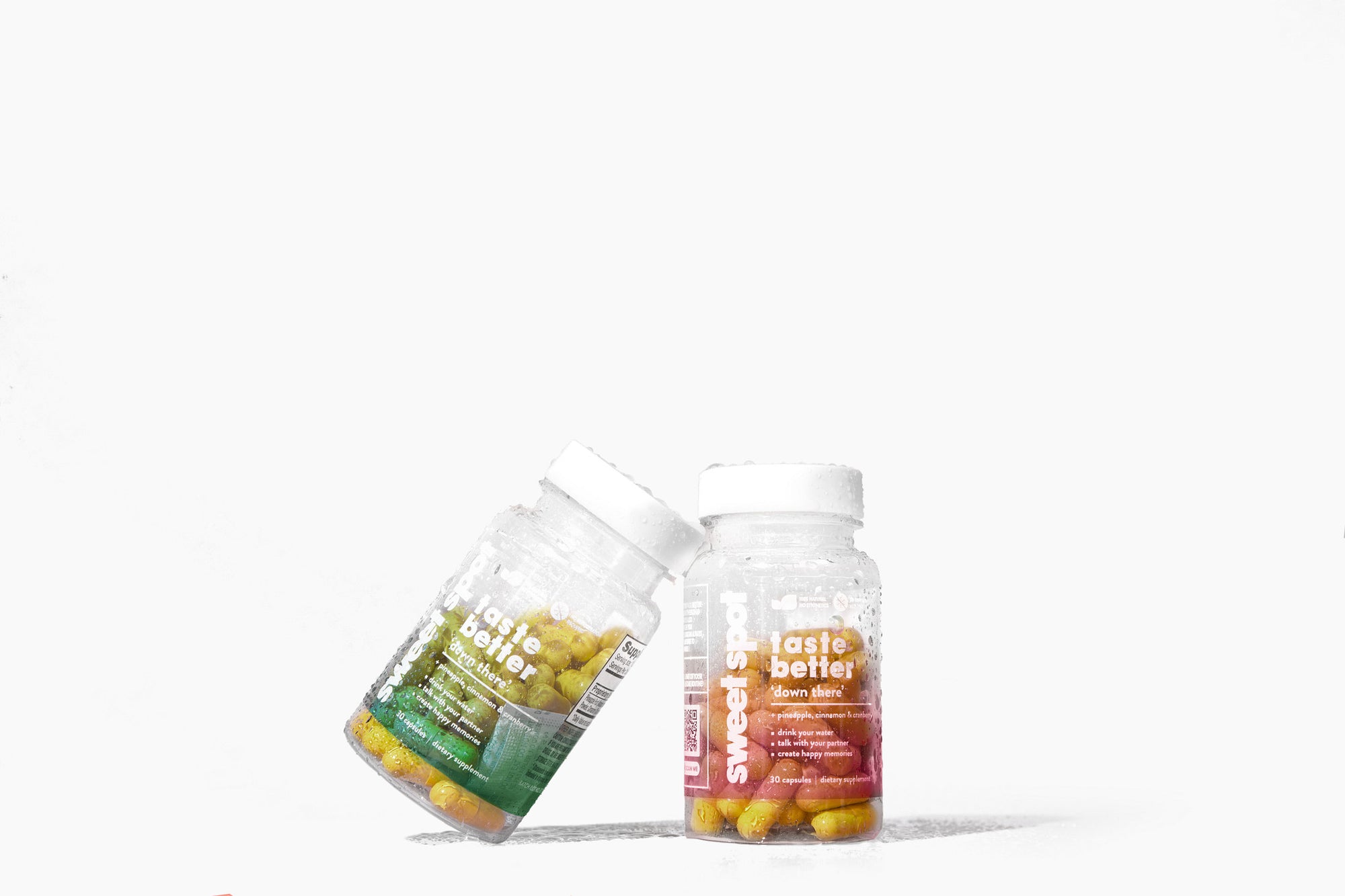
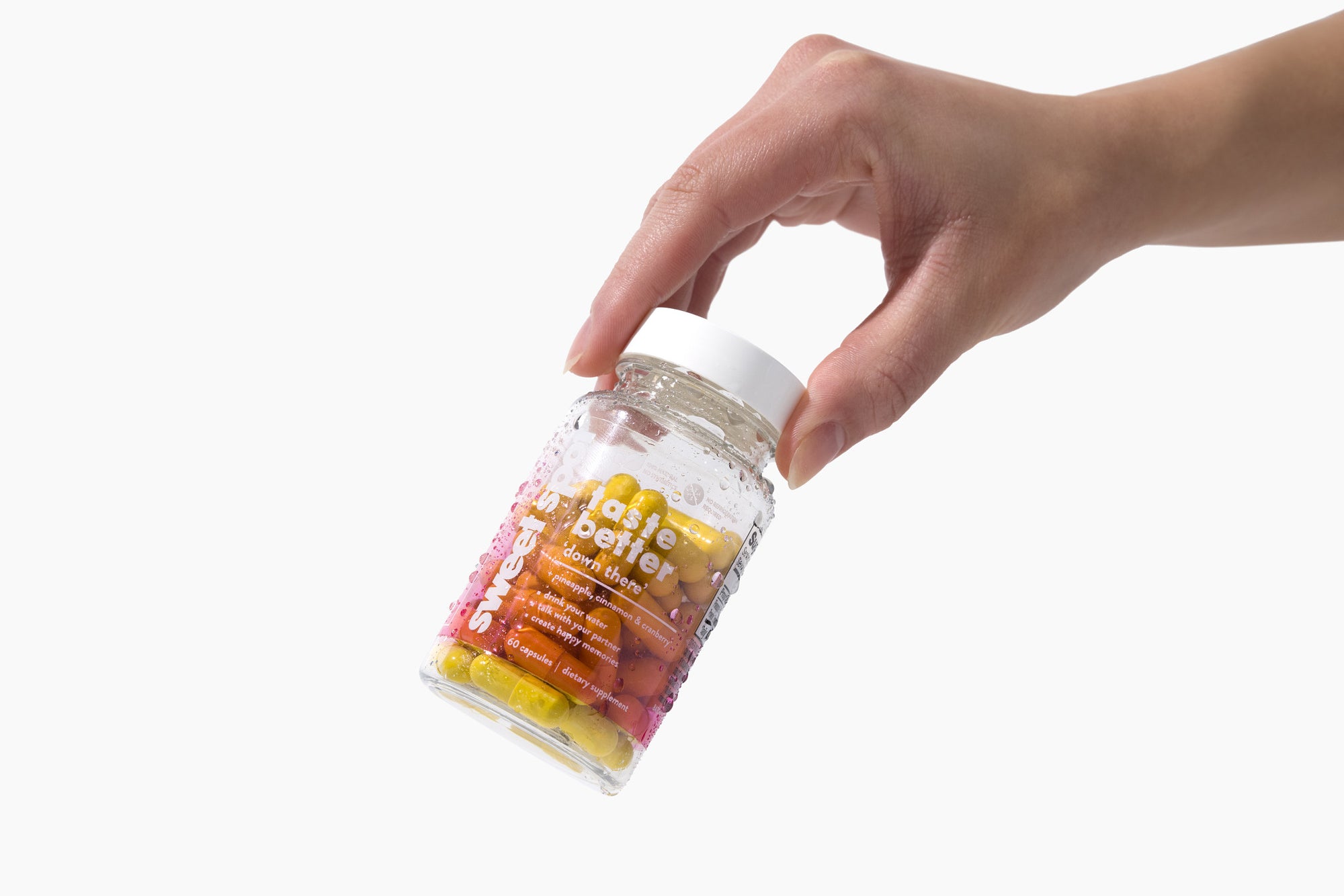
At Taste The Sweet Spot, we believe that true intimate wellness starts within. Our supplements are formulated with ingredients that work with your body's natural chemistry to promote freshness, confidence, and comfort.
Sweet Spot for Her — Designed to support feminine freshness and balance with carefully selected natural ingredients.
Sweet Spot for Him — Formulated for men who want to support their intimate confidence naturally.
The Partner Pack — For couples who want to invest in their shared intimate wellness together.
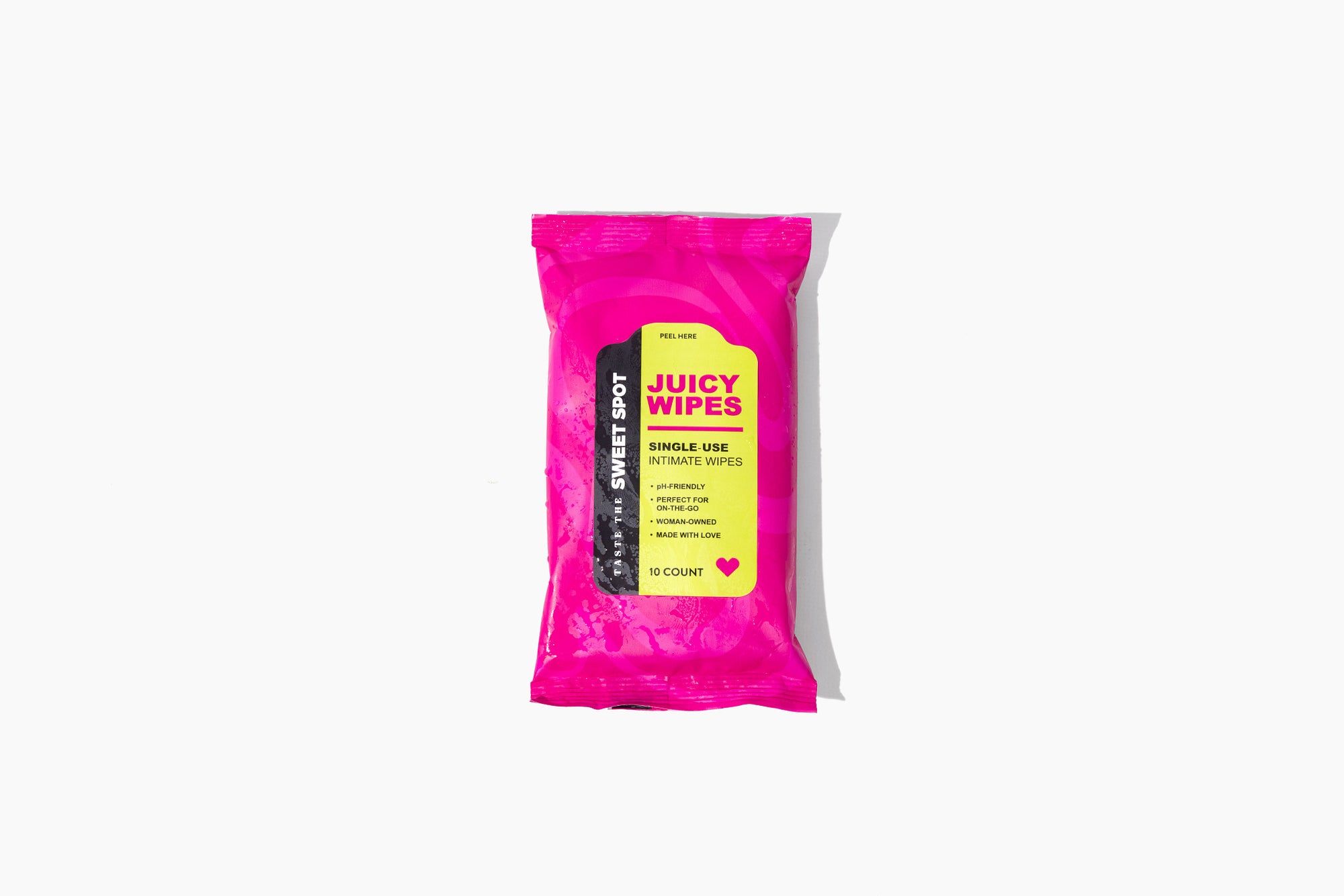
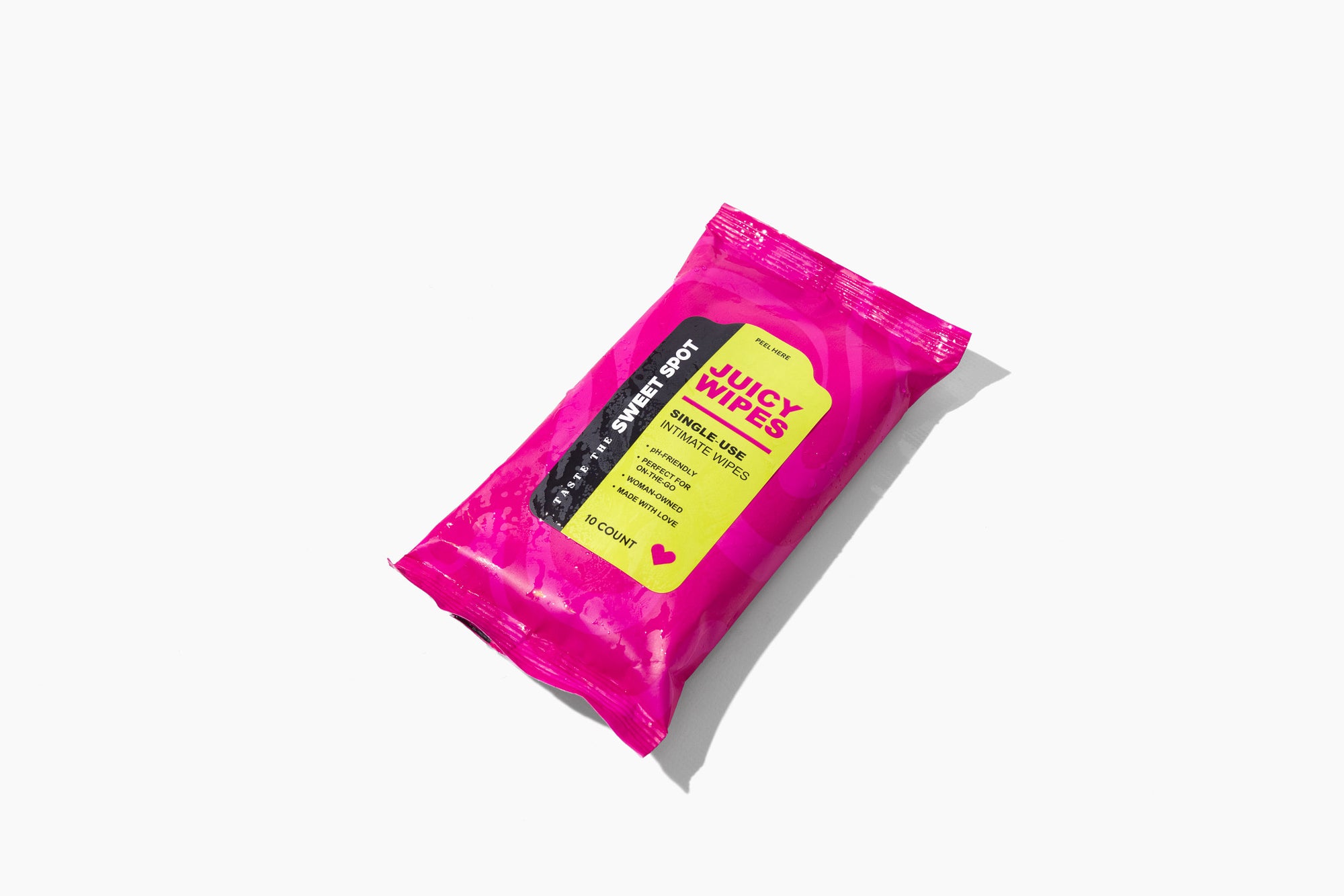
Complement your supplement routine with our Intimate Wipes for on-the-go freshness that respects your body's delicate pH balance.
Supplement Guide for Microbiome Support
Beyond probiotics, several supplements have evidence supporting their role in gut-vagina axis health:
- Vitamin D: Vitamin D deficiency is associated with both gut dysbiosis and BV. Vitamin D supports mucosal immune function and promotes antimicrobial peptide production. Supplemental dose: 2,000-5,000 IU daily (with testing to target blood levels of 40-60 ng/mL).
- Zinc: Essential for immune function and mucosal integrity. Zinc deficiency impairs vaginal mucosal immunity. Supplemental dose: 15-30 mg daily (zinc picolinate or zinc bisglycinate for best absorption).
- N-acetylcysteine (NAC): A potent antioxidant and mucolytic that has been studied for BV treatment. NAC disrupts bacterial biofilms (particularly Gardnerella biofilm) and supports glutathione production. Typical dose: 600-1,200 mg daily.
- Vitamin C: Vaginal vitamin C has been shown to lower vaginal pH and support Lactobacillus colonization. Oral vitamin C supports immune function and antioxidant defenses. Oral dose: 500-1,000 mg daily; vaginal: as directed on product labeling.
- Boric acid (vaginal suppositories): While not a microbiome supplement per se, boric acid creates an inhospitable environment for Candida and BV-associated biofilms. Often used as adjunctive therapy for recurrent BV or yeast infections. Typical dose: 600 mg vaginal suppository for 7-14 days (under medical guidance).
- DIM (diindolylmethane): Derived from cruciferous vegetables, DIM supports healthy estrogen metabolism. Typical dose: 100-200 mg daily.
- Garlic extract: Contains allicin, which has broad-spectrum antimicrobial activity. Oral garlic supplementation supports gut microbiome balance and has traditional use for vaginal health. Typical dose: 600-1,200 mg aged garlic extract daily.
- Oregano oil (enteric-coated): Contains carvacrol and thymol, which have antifungal properties against Candida species. Used for short-term gut Candida management. Typical dose: 150-300 mg daily for 2-4 weeks (not for long-term use as it can disrupt beneficial bacteria).
Hormonal Contraception and the Gut-Vagina Axis
Hormonal contraceptives merit special discussion because they directly influence estrogen levels and, consequently, the gut-vagina axis:
- Combined oral contraceptives (estrogen + progestin): By providing exogenous estrogen, these may actually support vaginal Lactobacillus populations. Some studies show lower rates of BV in women using combined oral contraceptives. However, they also alter the gut microbiome and can increase gut permeability.
- Progestin-only methods (mini-pill, hormonal IUD, implant, injection): These suppress estrogen production to varying degrees, which can reduce vaginal glycogen and potentially destabilize vaginal Lactobacillus populations. The depot medroxyprogesterone acetate (DMPA) injection has been associated with increased BV risk in some studies.
- Copper IUD: No hormonal effect, but the presence of the foreign body and copper ions can alter the local vaginal immune environment and has been associated with changes in vaginal microbiome composition.
If you are on hormonal contraception and experiencing recurrent vaginal issues, discussing the potential role of your contraceptive method with your healthcare provider — and optimizing your gut health as a counterbalancing strategy — is worthwhile.
Emerging Research: The Future of the Gut-Vagina Axis
The science of the gut-vagina axis is rapidly evolving. Key areas of current research include:
- Vaginal microbiome transplant (VMT): Analogous to fecal microbiota transplant for the gut, researchers are exploring whether transplanting vaginal secretions from healthy donors can cure recurrent BV. Early case studies have shown promise, with some women achieving long-term remission after VMT.
- Engineered probiotics: Scientists are developing genetically modified Lactobacillus strains that can produce specific antimicrobial compounds, deliver anti-HIV microbicides, or permanently colonize the vagina more effectively than current probiotic formulations.
- Personalized microbiome medicine: As sequencing costs drop, personalized vaginal and gut microbiome profiling may allow for individually tailored probiotic and prebiotic recommendations based on a woman's specific CST, gut composition, and genetic predispositions.
- Phage therapy: Bacteriophages (viruses that target specific bacteria) are being investigated as a way to selectively eliminate BV-associated bacteria like Gardnerella without harming beneficial Lactobacillus.
- Metabolomics: Researchers are mapping the complete metabolic output of vaginal and gut microbial communities to identify biomarkers that predict disease before symptoms appear, enabling preventive intervention.
Frequently Asked Questions
What is the gut-vagina axis?
The gut-vagina axis is the bidirectional communication pathway between the gut microbiome and the vaginal microbiome. Your gut bacteria influence vaginal health through estrogen metabolism (the estrobolome), immune system modulation, direct bacterial migration, and metabolite signaling. When the gut microbiome is disrupted, the vaginal microbiome often suffers as a consequence — leading to conditions like bacterial vaginosis, yeast infections, and urinary tract infections.
Can taking probiotics for gut health improve vaginal health?
Yes. Clinical research has shown that specific oral probiotic strains — particularly Lactobacillus rhamnosus GR-1 and Lactobacillus reuteri RC-14 — can transit from the gut to the vagina and improve vaginal microbiome composition. Oral probiotics also support overall gut health, estrobolome function, and immune balance, all of which indirectly benefit vaginal health. Multiple randomized controlled trials have demonstrated that oral probiotics can reduce BV recurrence, lower vaginal pH, and increase vaginal Lactobacillus colonization.
What is the estrobolome and why does it matter for vaginal health?
The estrobolome is the collection of gut bacteria that metabolize estrogen. These bacteria produce an enzyme called beta-glucuronidase that reactivates estrogen in the gut, allowing it to re-enter circulation. This recycled estrogen is critical for vaginal health because it drives glycogen deposition in vaginal epithelial cells, which provides the primary food source for beneficial vaginal Lactobacillus bacteria. When the estrobolome is disrupted by gut dysbiosis, circulating estrogen levels can drop, starving vaginal lactobacilli and predisposing women to infections.
Why do I keep getting BV even after antibiotic treatment?
BV recurs frequently (over 50% within 12 months) for several reasons related to the gut-vagina axis. First, antibiotics kill beneficial Lactobacillus along with BV-associated bacteria, creating an ecological vacuum. Second, Gardnerella vaginalis forms a tenacious biofilm that antibiotics often fail to fully eradicate. Third, BV-associated bacteria in the gut can re-colonize the vagina from the intestinal reservoir. Fourth, if gut dysbiosis has impaired your estrobolome, the vaginal environment may remain unfavorable for Lactobacillus re-establishment. Addressing gut health alongside vaginal treatment may help break the recurrence cycle.
What are Community State Types (CSTs) of the vaginal microbiome?
Community State Types are a classification system for vaginal microbiome compositions. CST I is dominated by L. crispatus (most protective), CST II by L. gasseri, CST III by L. iners (least protective Lactobacillus type), CST IV is a diverse, low-Lactobacillus community associated with BV, and CST V is dominated by L. jensenii. CST I is generally considered the healthiest and most stable community state, while CST IV is most associated with vaginal infections and complications.
Does diet really affect vaginal health?
Yes, diet significantly affects vaginal health through the gut-vagina axis. High-fiber diets rich in diverse plant foods support a healthy gut microbiome and robust estrobolome function. Fermented foods introduce beneficial bacteria. Cruciferous vegetables support healthy estrogen metabolism. Conversely, high-sugar diets feed Candida and other opportunistic organisms, ultra-processed foods disrupt gut bacteria, and excessive alcohol increases gut permeability and is associated with higher BV rates. Dietary changes are one of the most impactful, sustainable interventions for gut-vagina axis health.
How long does it take to restore the vaginal microbiome after antibiotics?
Recovery time varies depending on the individual, the antibiotic used, and the support strategies employed. With active intervention (probiotics, dietary optimization, prebiotic support), many women begin seeing improvements in vaginal symptoms within 2-4 weeks. Full vaginal microbiome recovery typically takes 4-12 weeks. However, the gut microbiome — which supports vaginal health through the estrobolome and immune modulation — may take 3-6 months or longer to fully recover from antibiotic disruption. Consistent probiotic supplementation and dietary support throughout this period are important.
Can stress cause vaginal infections?
Chronic stress can contribute to vaginal infections through the gut-vagina axis. Stress elevates cortisol, which increases gut permeability, disrupts the gut microbiome, suppresses mucosal immunity, and can suppress estrogen production. These effects collectively create conditions favorable for vaginal dysbiosis. Studies have found that women reporting higher stress levels have increased rates of BV and recurrent yeast infections. While stress alone may not cause an infection, it can be a significant contributing factor, particularly in conjunction with other risk factors.
What is the best probiotic for vaginal health?
The most evidence-backed probiotic combination for vaginal health is Lactobacillus rhamnosus GR-1 combined with Lactobacillus reuteri RC-14, taken orally at a combined dose of 2-4 billion CFU daily. For direct vaginal colonization, Lactobacillus crispatus CTV-05 (LACTIN-V) has the strongest clinical trial data (published in the New England Journal of Medicine). For comprehensive gut-vagina axis support, a multi-strain probiotic containing GR-1, RC-14, L. acidophilus, and Bifidobacterium species at a total of 10-20 billion CFU is recommended.
Does menopause affect the gut-vagina axis?
Yes, menopause dramatically affects the gut-vagina axis. The steep decline in estrogen production reduces vaginal glycogen storage, causing vaginal Lactobacillus populations to collapse and vaginal pH to rise to 5.0-7.0. The gut microbiome also changes after menopause, with reduced diversity and altered estrobolome function. These changes increase susceptibility to vaginal infections, UTIs, and genitourinary syndrome of menopause (GSM). Support strategies include vaginal estrogen therapy, targeted probiotics, phytoestrogen-rich foods (soy, flaxseed), and continued gut microbiome optimization through diet and supplementation.
Are gut health supplements beneficial for preventing yeast infections?
Gut health supplements can play a role in preventing yeast infections because the gastrointestinal tract is the primary reservoir for Candida species. Probiotics containing Lactobacillus acidophilus, L. rhamnosus, and Saccharomyces boulardii help maintain gut microbial balance and suppress Candida overgrowth. Prebiotics feed beneficial bacteria that compete with Candida for resources. NAC (N-acetylcysteine) disrupts Candida biofilms. These supplements work best as part of a comprehensive approach that includes a low-sugar diet, stress management, and avoiding unnecessary antibiotics.
How does the gut microbiome affect UTI risk?
The gut microbiome affects UTI risk because the primary UTI-causing bacterium — uropathogenic E. coli (UPEC) — originates in the gut. Gut dysbiosis can lead to UPEC overgrowth, increasing the number of these organisms shed in stool. UPEC then colonizes the perineal skin, vaginal introitus, and ascends to the urethra and bladder. A healthy gut microbiome keeps UPEC populations in check, while a healthy vaginal microbiome (supported by the gut-vagina axis) acts as a gatekeeper, preventing UPEC from reaching the urethra. Supporting gut health is therefore a meaningful strategy for UTI prevention.
Take the First Step Toward Better Intimate Wellness
Understanding the gut-vagina axis is just the beginning. Taking action is what makes the difference. Taste The Sweet Spot supplements are designed to complement your gut health journey by supporting fresh, confident intimate wellness from within.
Shop Sweet Spot for Her Shop Sweet Spot for Him Shop The Partner Pack
Conclusion
The gut-vagina axis represents a paradigm shift in how we understand and treat intimate health. For too long, vaginal infections have been treated in isolation — a prescription for the symptoms without addressing the upstream drivers. The science is clear: your gut microbiome, through estrogen metabolism, immune modulation, direct bacterial exchange, and metabolite production, plays a foundational role in determining whether your vaginal microbiome thrives or falters.
Rebuilding and maintaining a healthy gut-vagina axis requires a multi-faceted approach: a diverse, fiber-rich diet; targeted probiotics and prebiotics; stress management; adequate sleep; and minimizing microbiome disruptors like unnecessary antibiotics, sugar-heavy processed foods, and harsh intimate products. For women dealing with recurrent infections, this comprehensive approach addresses root causes that antibiotics alone cannot reach.
The research is still evolving, and exciting developments in vaginal microbiome transplants, engineered probiotics, and personalized microbiome medicine are on the horizon. But you do not need to wait for the future — the tools to support your gut-vagina axis are available now, and the science behind them is robust.
Your intimate health is not separate from your overall health. It is deeply, biologically connected. And it starts in your gut.
This article is for informational purposes only and does not constitute medical advice. Consult with a qualified healthcare provider before making changes to your health regimen, especially if you are experiencing recurrent infections, are pregnant, or have underlying health conditions.