

How to Improve Vaginal pH Naturally: A Complete Guide
If you've ever dealt with unexpected odor, irritation, or that "something feels off" sensation, there's a good chance your vaginal pH is involved. pH balance is one of the most important — and least talked about — pillars of intimate wellness. The good news: you can support and improve it naturally with the right daily habits. Here's everything you need to know.
What Is Vaginal pH, Exactly?
pH is a scale from 0 to 14 that measures how acidic or alkaline something is. A healthy vaginal environment is naturally slightly acidic, typically between 3.8 and 4.5. That acidity isn't a flaw — it's a defense system. It keeps the "good" bacteria (mainly Lactobacillus) thriving and the "bad" bacteria and yeast in check. When pH drifts too high (more alkaline), that protective balance breaks down, and that's when odor, discomfort, and irritation tend to show up.
What Throws Vaginal pH Off Balance
- Your period. Blood is more alkaline, so pH can rise during menstruation.
- Semen. It's alkaline too, which is why some people notice changes after unprotected sex.
- Douching and harsh soaps. These strip the natural environment — the vagina is self-cleaning and doesn't need internal washing.
- Antibiotics. They kill good bacteria along with the bad.
- Diet and dehydration. A diet heavy in sugar and processed food, or simply not drinking enough water, can tip the balance.
- Tight, non-breathable clothing. Trapped moisture and heat encourage the wrong bacteria.
How to Improve Vaginal pH Naturally
1. Feed the Good Bacteria With Probiotics
The single most effective natural strategy is supporting your Lactobacillus population. These good bacteria produce lactic acid, which keeps pH in that healthy, slightly acidic range. You can get probiotics from fermented foods like yogurt, kefir, sauerkraut, and kimchi — or from a targeted daily supplement designed for vaginal health. A consistent probiotic habit is the foundation of long-term balance.
2. Hydrate Relentlessly
Water supports every system in your body, including your intimate environment. Proper hydration helps maintain natural moisture and flushes out what your body doesn't need. Aim for steady intake throughout the day rather than chugging all at once.
3. Eat for Balance
A diet rich in fruits, vegetables, and whole foods supports a healthy microbiome. Pineapple and other fresh fruits, in particular, are popular in the intimate-wellness world for supporting freshness. Meanwhile, cutting back on excess sugar, alcohol, and ultra-processed foods removes the fuel that bad bacteria and yeast love.
4. Stop Over-Washing
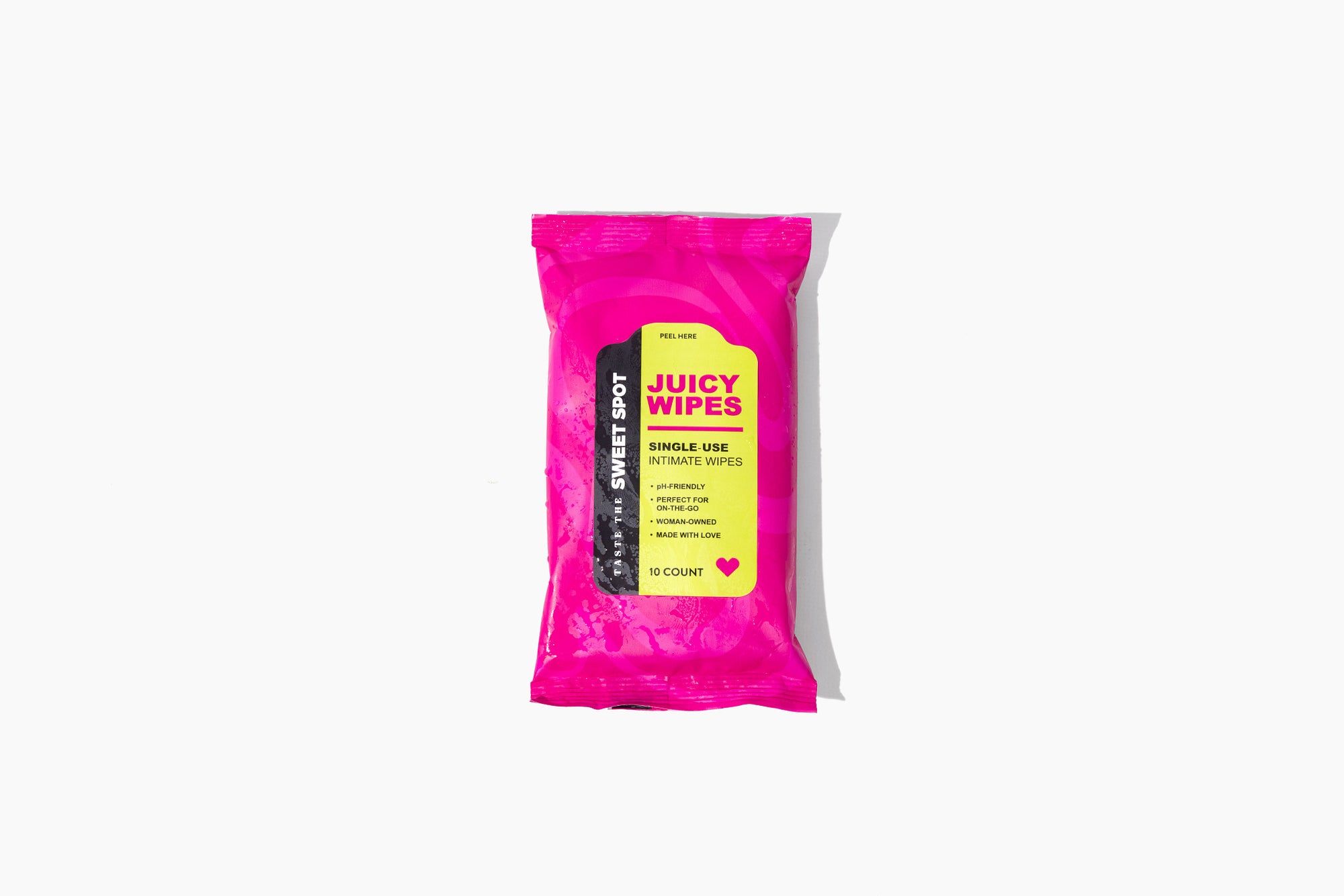
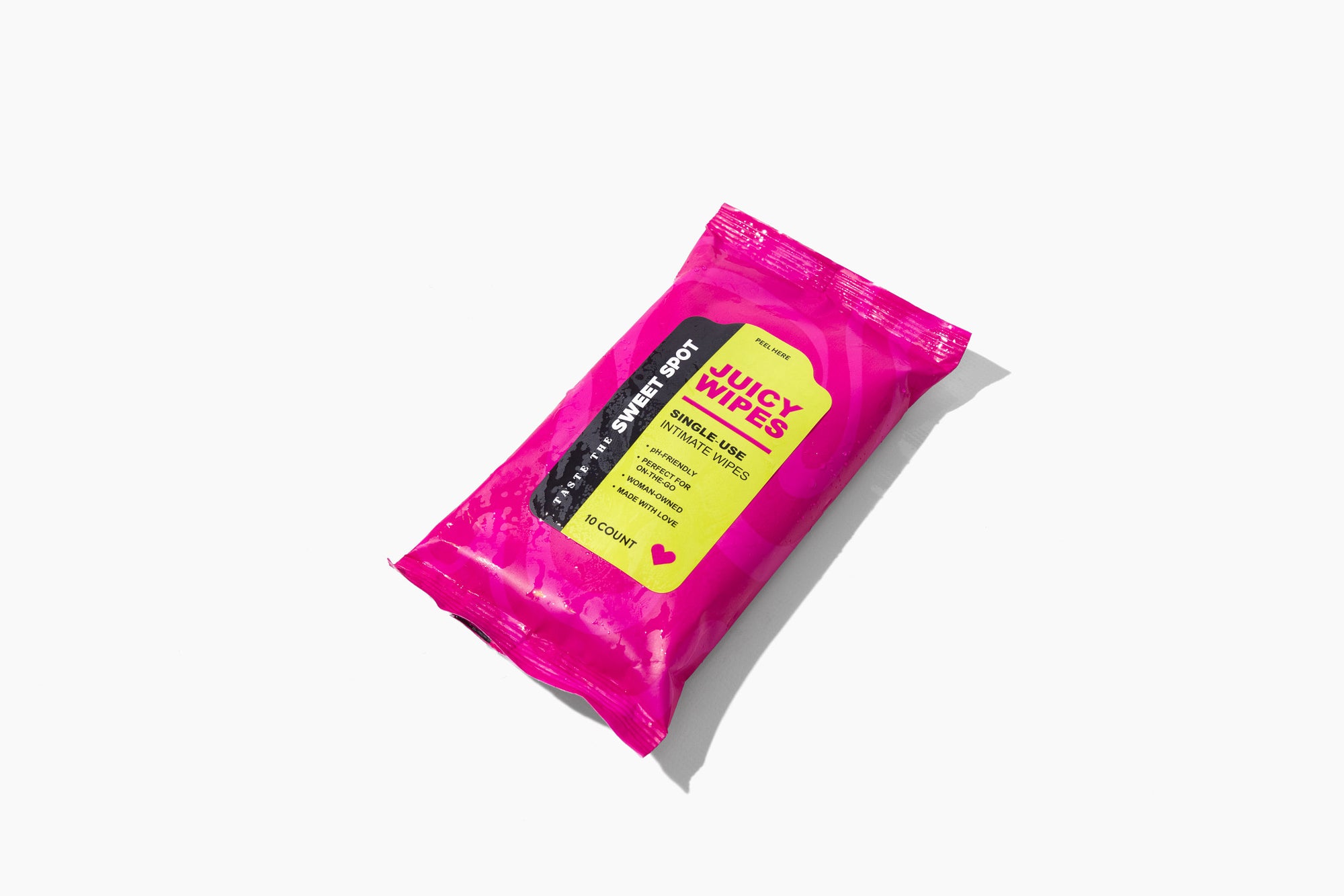
This one is counterintuitive but crucial: less is more. Skip douches, scented washes, and harsh soaps inside or near the vulva. Warm water and a gentle, pH-friendly external cleanser are all you need. When you're on the go, reach for a pH-balanced intimate wipe rather than a perfumed product.
5. Choose Breathable Fabrics
Cotton underwear, looser clothing, and changing out of damp workout gear or swimsuits promptly all reduce the warm, moist conditions that disrupt pH.
Building Your Daily pH Routine
The women who maintain the best balance treat it as a simple daily system, not a reaction to problems:
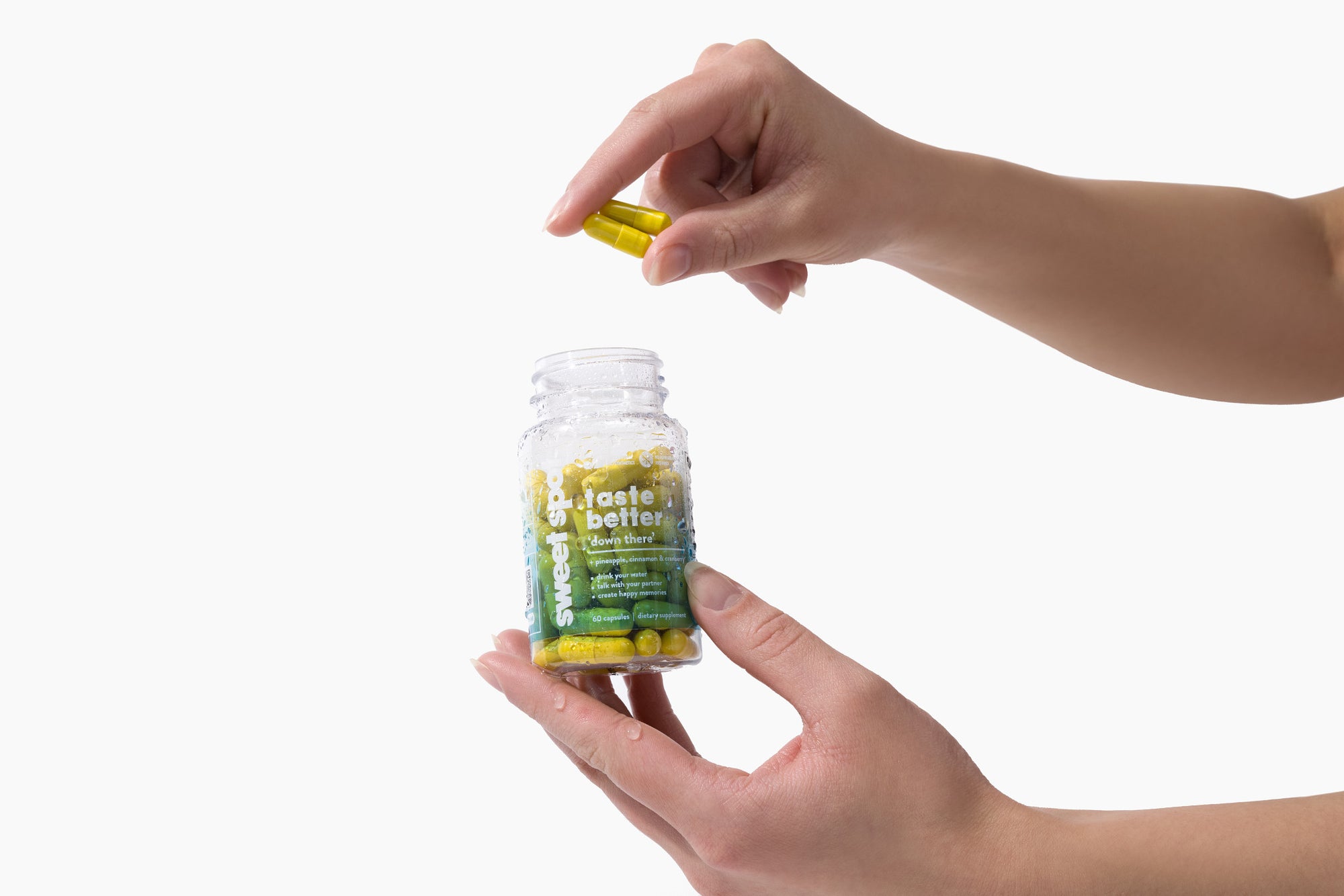
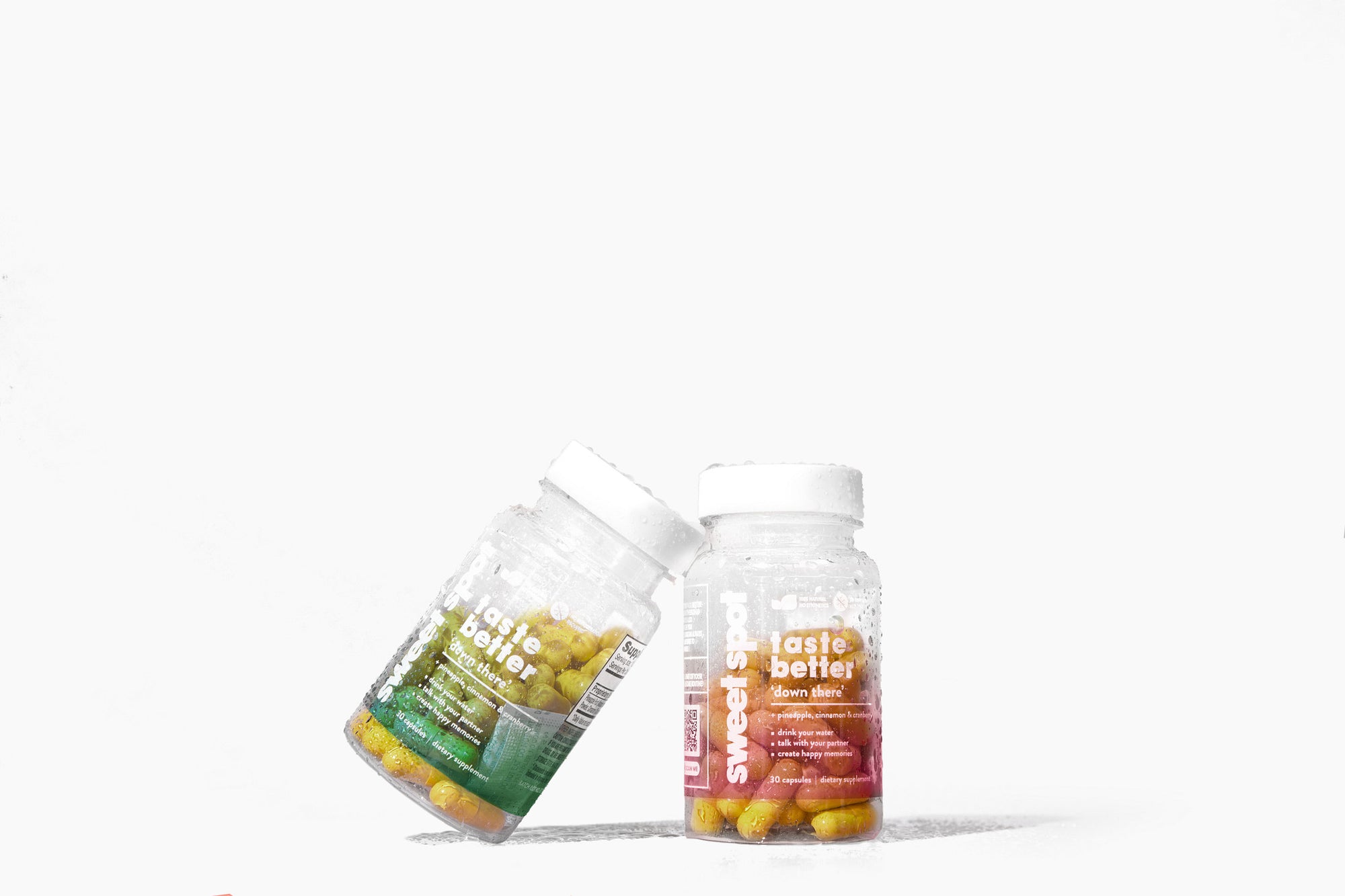
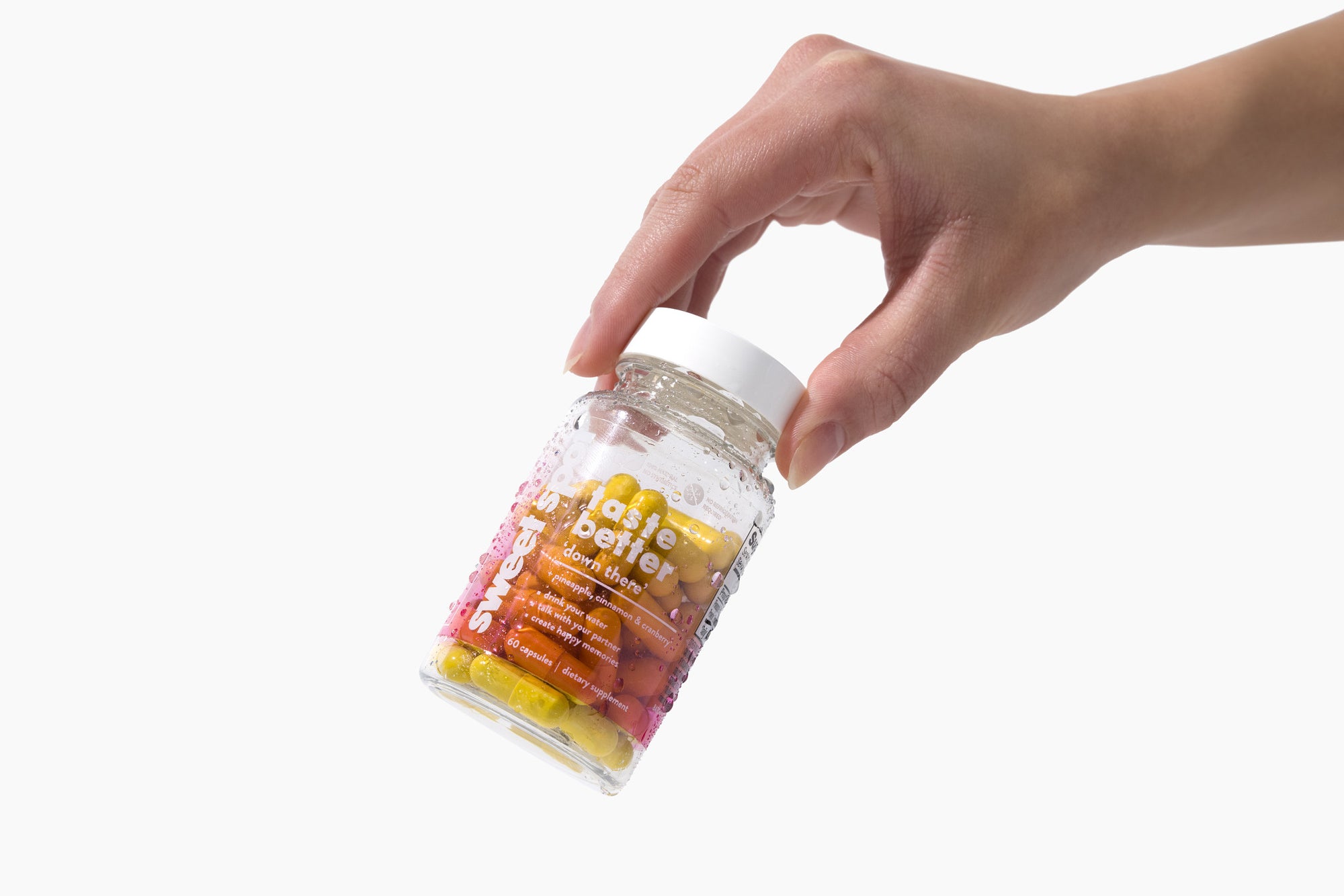
- Morning: a daily probiotic + pineapple-based supplement like Women's Sweet Spot, plus a big glass of water.
- Throughout the day: stay hydrated, choose breathable clothing, and freshen up with pH-balanced intimate wipes when needed.
- Daily diet: fresh fruit, fermented foods, less sugar and alcohol.
This kind of consistent support is exactly what Women's Sweet Spot was formulated for — pineapple extract plus ingredients chosen to support natural pH balance, freshness, and confidence, in one easy daily capsule.
When to See a Doctor
Natural habits support a healthy baseline, but they're not a substitute for medical care. See a healthcare provider if you have persistent strong odor, unusual discharge, itching, burning, or discomfort — these can signal bacterial vaginosis or a yeast infection that may need treatment.
Frequently Asked Questions
What is a healthy vaginal pH?
Typically between 3.8 and 4.5 — slightly acidic, which protects against odor and infection.
Can probiotics really improve vaginal pH?
Yes. Probiotics support Lactobacillus bacteria that produce lactic acid and help maintain a healthy, acidic environment.
How long does it take to rebalance pH naturally?
With consistent habits — probiotics, hydration, and a balanced diet — many women notice improvements within a few weeks, though timelines vary.
Is douching good for pH?
No. Douching disrupts the natural balance and is widely discouraged by health professionals. The vagina is self-cleaning.
Support your natural balance every day with Women's Sweet Spot — pineapple-powered daily care for freshness and confidence.
This article is for educational purposes and is not medical advice. Consult a healthcare professional for personal concerns.
SHOP THE PRODUCTS BEHIND THE VIRAL HYPE
'TASTE BETTER DOWN THERE'
#STAYJUICY