

Let's be honest: how you taste during intimate moments matters. Whether you've been with your partner for years or you're navigating a new relationship, the taste and smell of your body plays a far bigger role in sexual confidence and satisfaction than most people realize. The good news? You have significantly more control over it than you might think.
This is the most comprehensive guide on the internet for making yourself taste better. We've compiled more than 30 proven methods backed by nutritional science, dermatology research, and the collective wisdom of sexual health professionals. From the foods you eat and the water you drink to the supplements you take and the daily habits you build, every factor that influences your body's taste and aroma is covered here in exhaustive detail.
Whether you're a man or a woman, whether you want quick results or a long-term transformation, this guide has you covered. Bookmark it, share it, and start putting these methods into practice today.
The Science: How Body Chemistry Affects Your Taste
Before diving into the actionable methods, it's important to understand why your body tastes the way it does. Your intimate taste and scent are direct reflections of your internal body chemistry, which is influenced by a surprisingly large number of factors.
Body fluids are filtered through your bloodstream. Everything you eat, drink, smoke, or otherwise consume eventually makes its way into your blood. From there, your body's secretions — including sweat, saliva, vaginal lubrication, and seminal fluid — pick up trace compounds from whatever is circulating in your system. This is why eating a meal heavy in garlic can make your sweat smell pungent within hours, and why someone who eats a fruit-rich diet often has noticeably sweeter-tasting body fluids.
pH balance is a major factor. The natural pH of healthy vaginal fluid typically sits between 3.8 and 4.5 (mildly acidic), while semen has a pH between 7.2 and 8.0 (mildly alkaline). Foods, hydration levels, medications, and even stress can shift these pH levels, directly altering taste. An overly acidic environment can taste sour or metallic, while an overly alkaline one can taste bitter or soapy.
Your microbiome plays a role. The bacteria that naturally live on and inside your body produce metabolic byproducts that contribute to your overall scent and flavor profile. A healthy, balanced microbiome tends to produce a mild, neutral-to-pleasant taste, while an imbalanced one (from poor diet, antibiotics, or infections) can produce strong, unpleasant odors and tastes.
Hydration is the foundation. Water dilutes the concentration of waste products and metabolic byproducts in your bodily fluids. When you're dehydrated, everything becomes more concentrated — and that means stronger, often less pleasant tastes and smells. Staying well-hydrated is the single easiest thing you can do to improve how you taste.
Hormones and metabolism affect things too. Hormonal fluctuations during the menstrual cycle, menopause, or andropause can alter taste. High-stress hormones like cortisol can change the composition of your sweat and secretions. Even your metabolic rate affects how quickly your body processes and eliminates compounds that influence taste.
Now that you understand the science, let's get into the actionable strategies.
The Top 10 Foods That Make You Taste Sweeter
Diet is the single most powerful lever you can pull when it comes to improving your taste. These ten foods have the strongest positive impact, and incorporating even a few of them into your daily routine can produce noticeable results within days.
1. Pineapple
Pineapple is the gold standard for improving body taste. It contains high concentrations of bromelain, a proteolytic enzyme that helps break down proteins and has been shown to make bodily secretions taste noticeably sweeter. Pineapple is also rich in natural sugars, vitamin C, and manganese, all of which contribute to a more pleasant overall body chemistry. For best results, eat fresh pineapple (not canned in syrup) or drink 100% pineapple juice daily. Many people report noticeable improvements within 24 to 48 hours of consistent pineapple consumption.
2. Watermelon
Watermelon is approximately 92% water, making it one of the most hydrating foods you can eat. Because dehydration is a leading cause of strong, unpleasant body tastes, watermelon addresses the problem at its root. It's also rich in the amino acid citrulline, which supports circulation and detoxification. The natural sweetness of watermelon translates directly into sweeter-tasting body fluids. Eat it fresh as a snack or blend it into smoothies.
3. Strawberries
Strawberries are packed with natural sugars, vitamin C, and antioxidants that help neutralize bitter compounds in the body. The high vitamin C content supports a healthy pH balance and encourages the growth of beneficial bacteria. Like other berries, strawberries also contain polyphenols that have been linked to reduced body odor. Add them to your breakfast, blend them into smoothies, or eat them as a sweet afternoon snack.
4. Citrus Fruits (Oranges, Lemons, Grapefruits)
Citrus fruits are acidic, which might seem counterintuitive, but they actually help alkalize the body once metabolized. This alkalizing effect can reduce the bitterness and sharpness of body fluids. Citrus fruits are also natural detoxifiers, helping flush toxins from the body more efficiently. The high water content keeps you hydrated, while the vitamin C supports immune and skin health. Squeeze lemon into your water, eat an orange at breakfast, or add grapefruit segments to a salad.
5. Celery
Celery contains androstenone and androstenol, two pheromone compounds that can subtly influence how attractive your natural scent is to others. Beyond that, celery is extremely hydrating (about 95% water), low in compounds that cause unpleasant tastes, and high in fiber that supports digestive health. The chlorophyll in celery also acts as a natural internal deodorizer. Eat it raw with hummus, add it to juices, or include it in soups and stews.
6. Cranberries and Cranberry Juice
Cranberries have long been recommended for urinary tract health, but they also have a direct impact on how your body tastes. The proanthocyanidins in cranberries prevent harmful bacteria from adhering to mucous membranes, promoting a healthier microbiome and a cleaner, more pleasant taste. Cranberry juice (unsweetened or lightly sweetened) is also mildly acidic, which can help maintain an optimal vaginal pH. Look for 100% cranberry juice or eat dried cranberries as a snack.
7. Apples
The old saying "an apple a day" has surprising relevance here. Apples contain natural enzymes that help break down sulfur compounds in the body — the same compounds responsible for bad breath, body odor, and unpleasant-tasting secretions. Apples are also rich in polyphenols and fiber, both of which support gut health and efficient toxin elimination. Eat them whole (with the skin for maximum fiber and polyphenol content) or add apple slices to salads.
8. Yogurt and Probiotic-Rich Foods
Your gut microbiome directly influences your body's taste and smell. Probiotic-rich foods like yogurt, kefir, sauerkraut, and kimchi help populate your gut with beneficial bacteria that improve digestion, reduce bloating, and produce fewer foul-smelling metabolic byproducts. A healthy gut = cleaner-tasting body fluids. Choose plain, unsweetened yogurt with live active cultures for the best results. Flavored yogurts often contain excessive sugar and artificial ingredients that can negate the benefits.
9. Cinnamon
Cinnamon is one of the most effective natural flavor enhancers for your body. It contains cinnamaldehyde, an aromatic compound that is mildly antibacterial and can give bodily secretions a subtly sweet, warm quality. Cinnamon also helps regulate blood sugar, which prevents the spikes and crashes that can lead to poor-tasting body chemistry. Add ground cinnamon to your morning oatmeal, sprinkle it on fruit, stir it into coffee or tea, or take it as a supplement.
10. Parsley and Mint
Both parsley and mint are rich in chlorophyll, a natural internal deodorizer that has been used for decades to combat body odor and bad breath from the inside out. Chlorophyll binds to odor-causing compounds and helps neutralize them before they can affect your taste and smell. Mint also has a refreshing, cooling quality that can translate to a more pleasant taste. Add fresh parsley to salads, garnish dishes with mint, or brew fresh mint tea.
Want Faster Results? Try a Targeted Supplement
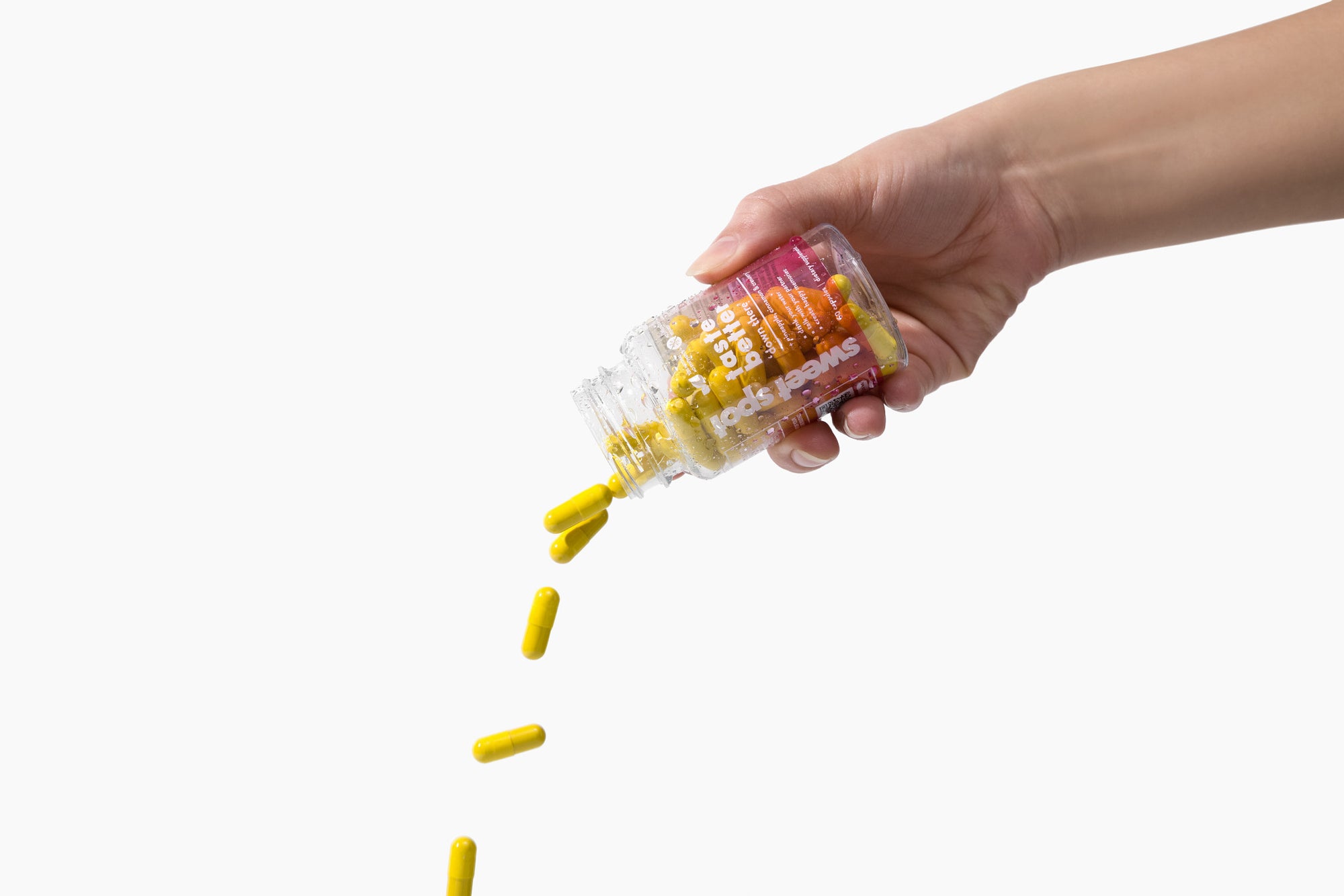
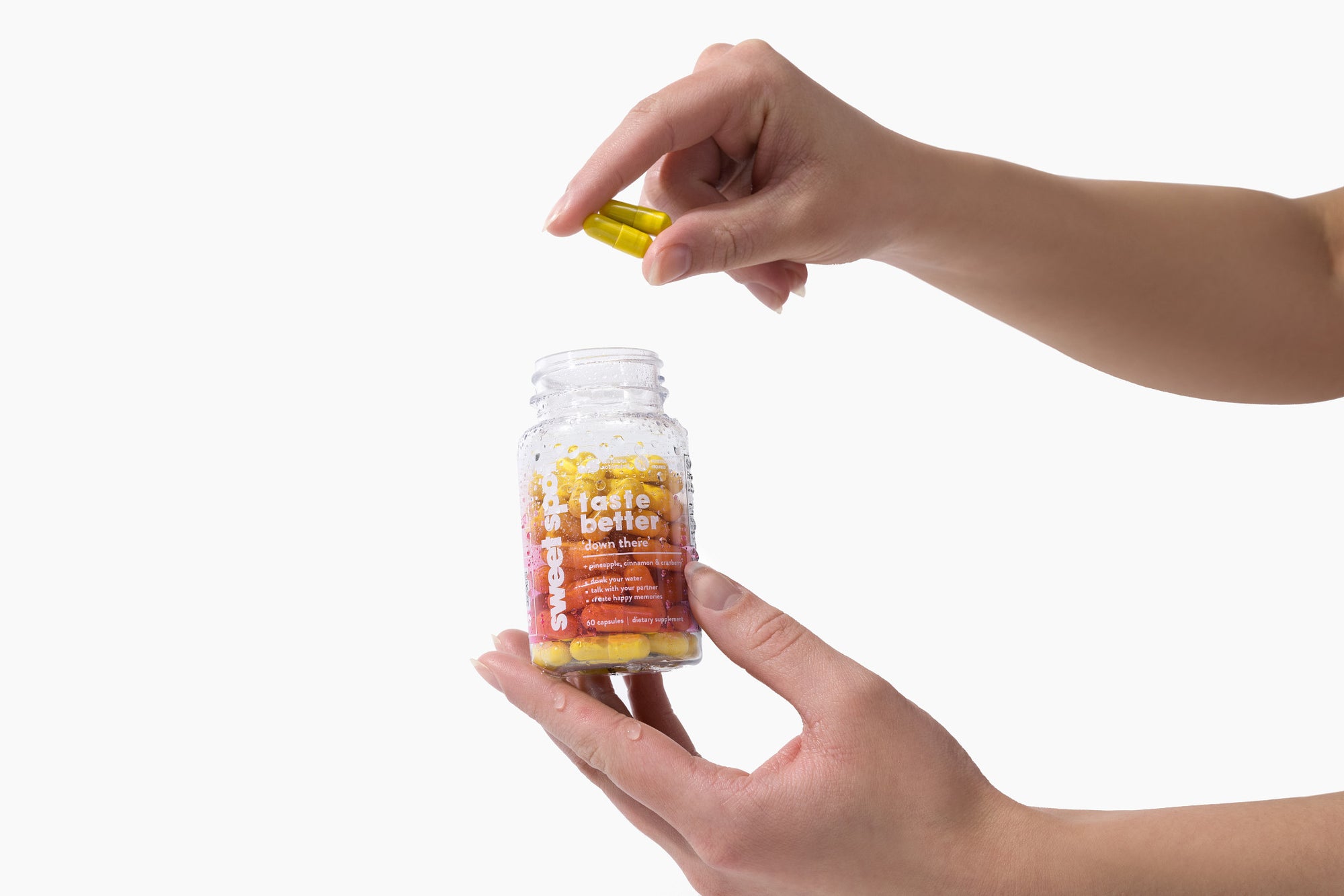
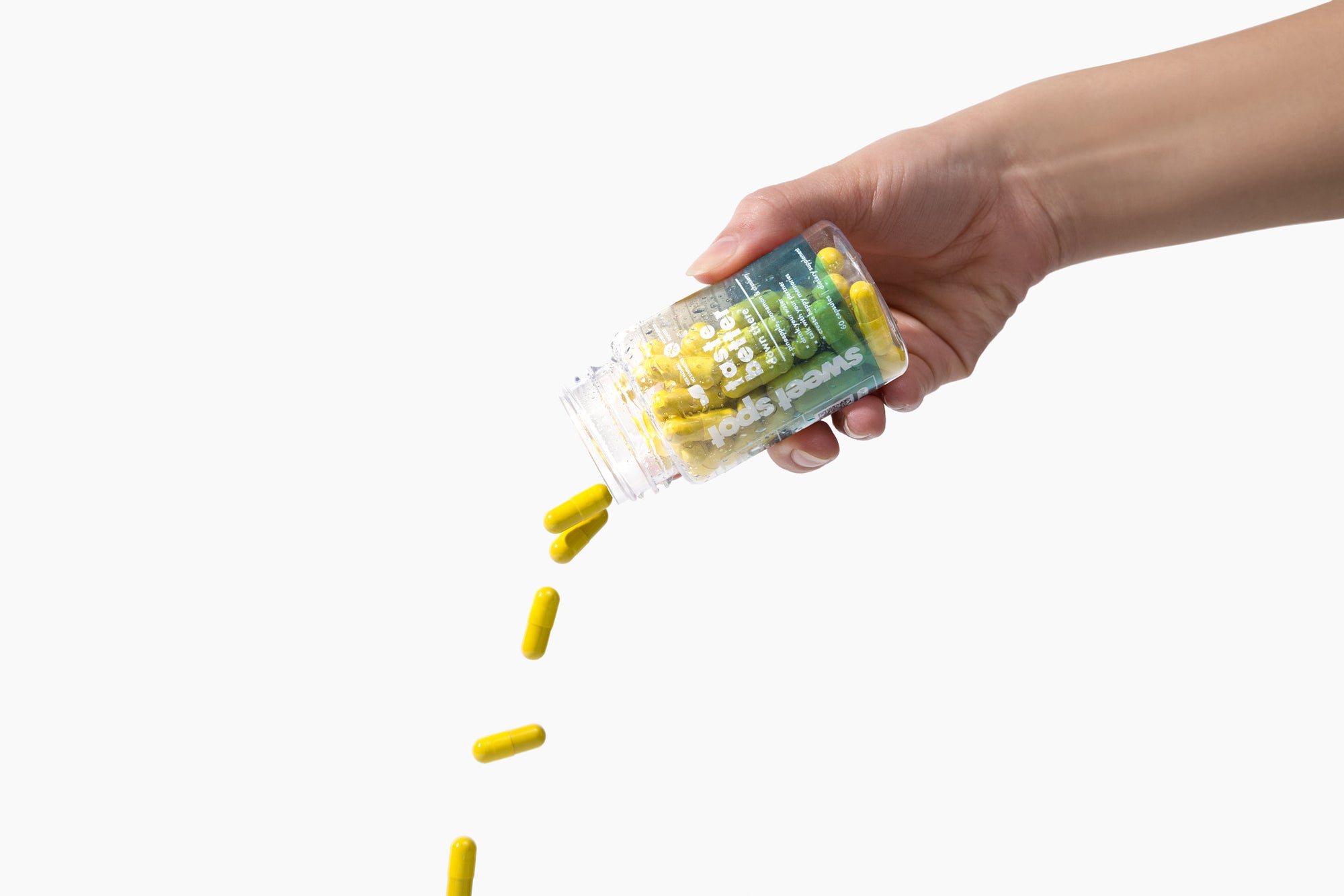
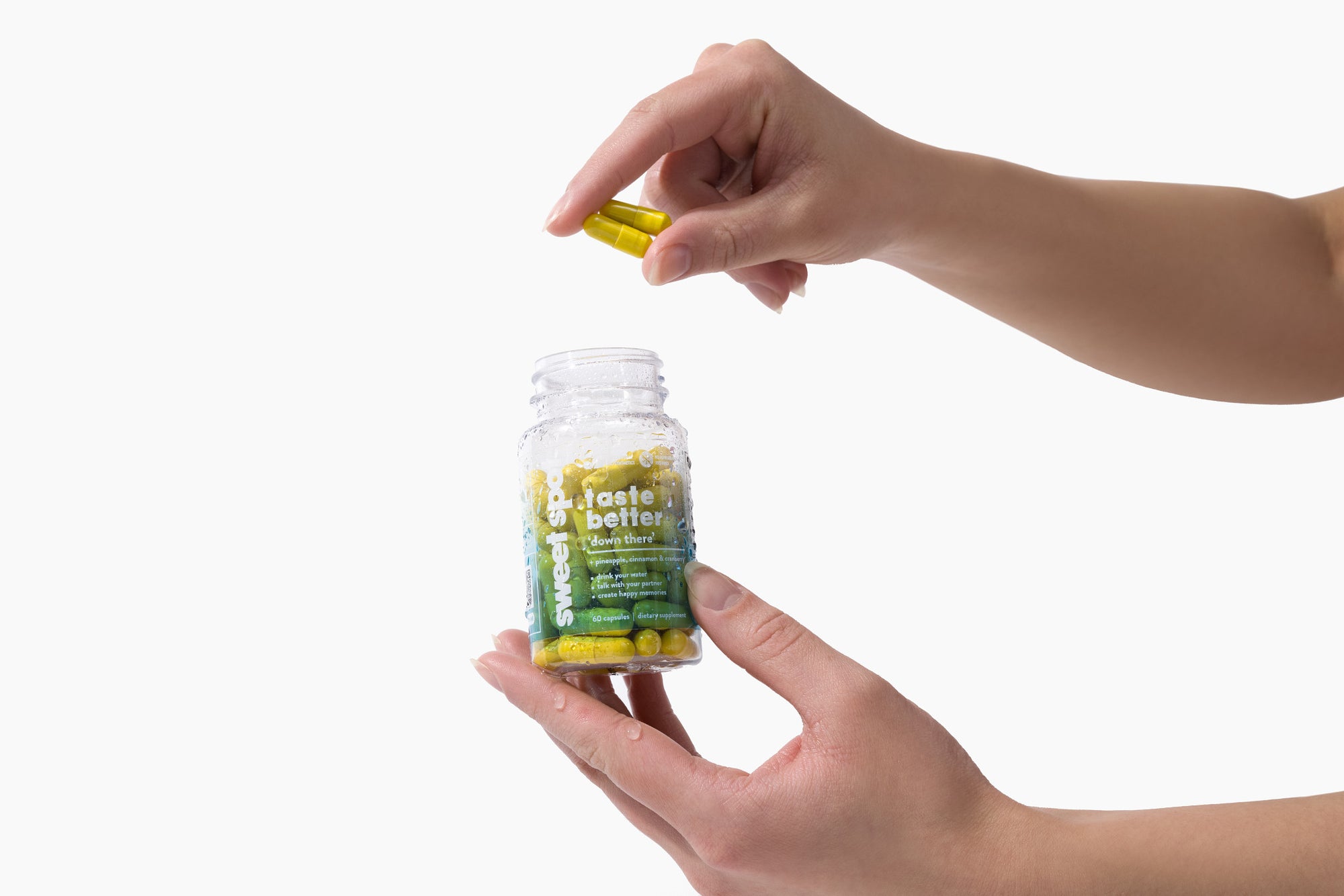
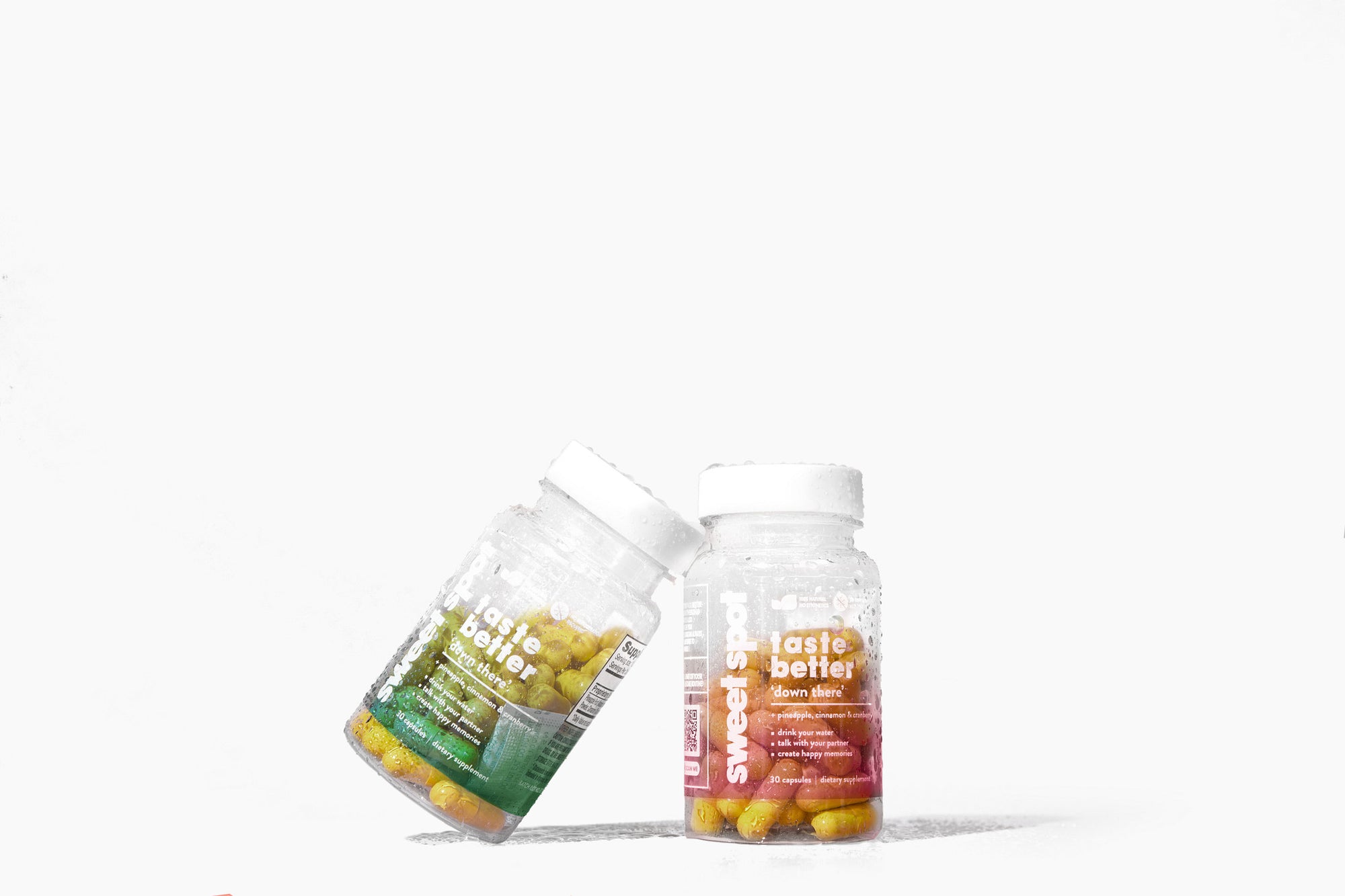
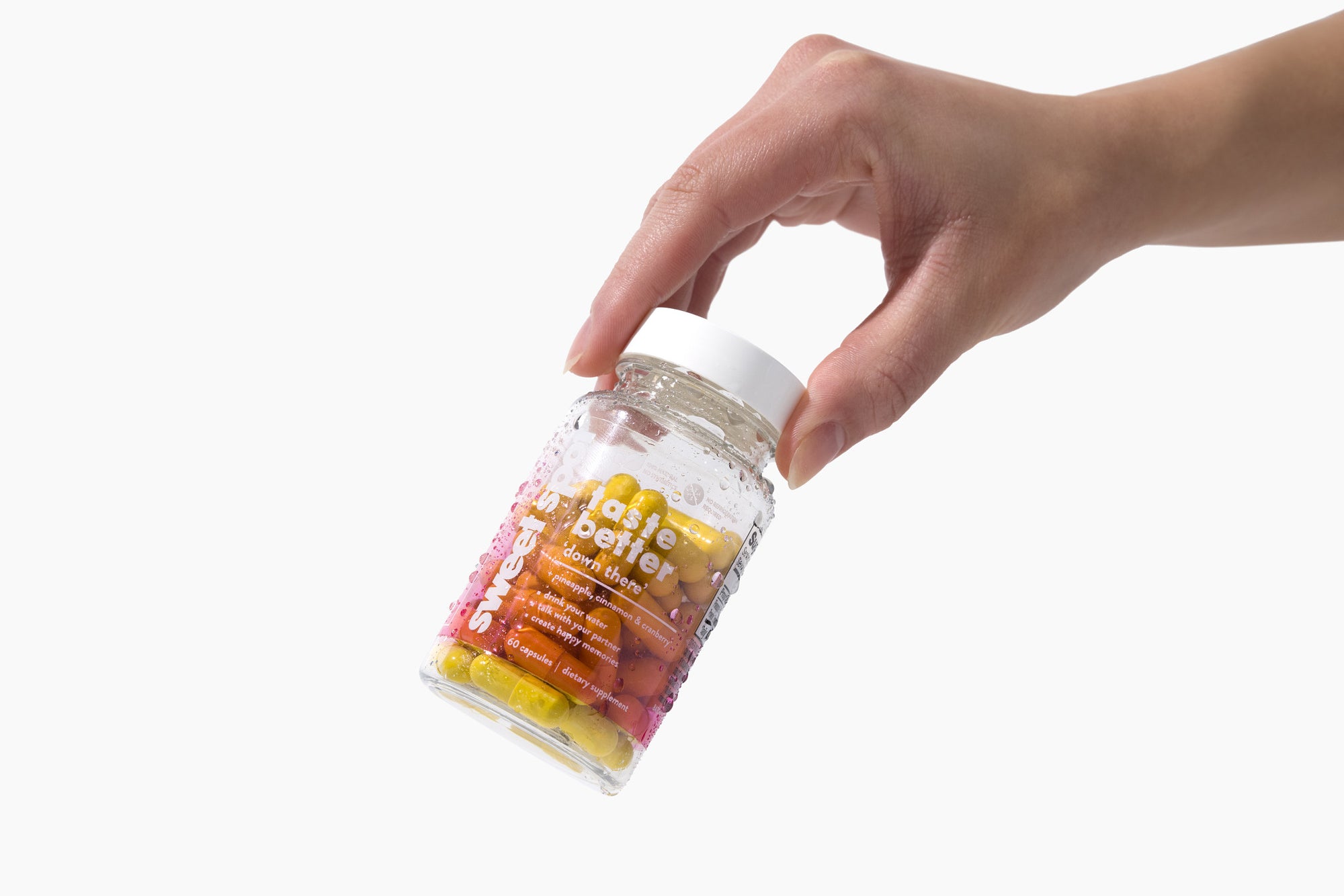
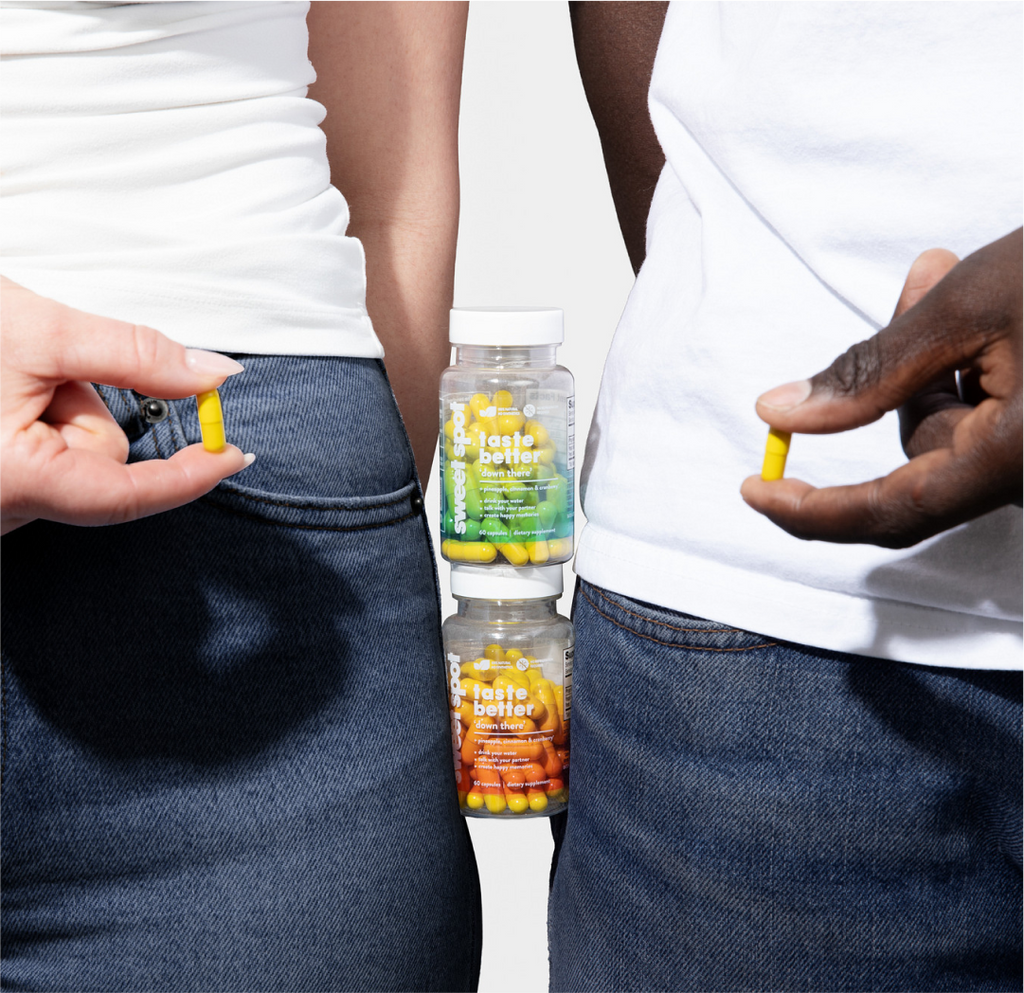
While incorporating these foods into your diet works, it can take time. Our Sweet Spot for Her and Sweet Spot for Him supplements are specifically formulated with concentrated doses of bromelain, chlorophyll, vitamin C, and other clinically studied ingredients to help you taste sweeter faster. Many customers notice results in as little as 3 days.
12+ Foods and Substances to Avoid
Just as certain foods can make you taste sweeter, others can make your body fluids taste bitter, sour, salty, or downright unpleasant. Eliminating or reducing these from your diet is just as important as adding the good stuff.
1. Asparagus
Asparagus is notorious for making urine smell strong, but its effects extend to other body fluids as well. It contains asparagusic acid, which breaks down into sulfur-containing compounds during digestion. These sulfur compounds are excreted through sweat, urine, and other secretions, giving them a sharp, unpleasant smell and taste that can last for 12 to 24 hours after consumption.
2. Garlic
Garlic contains allicin, a powerful sulfur compound that gives garlic its distinctive pungency. When metabolized, allicin produces allyl methyl sulfide, a compound that cannot be broken down during digestion and is instead excreted through the lungs, skin, and body fluids. This is why garlic doesn't just affect your breath — it changes the taste and smell of your entire body for up to 48 hours after a heavy dose.
3. Onions
Like garlic, onions are rich in sulfur compounds that are excreted through the skin and body fluids. Raw onions are particularly potent, as cooking breaks down some (but not all) of the sulfur compounds. If you enjoy onions, try cooking them thoroughly to reduce their impact, or opt for milder varieties like sweet Vidalia onions.
4. Red Meat
Red meat takes significantly longer to digest than other protein sources, which means it sits in the digestive tract longer and produces more metabolic waste products during breakdown. Studies have shown that people who eat red meat regularly tend to have more pungent body odor than those who eat primarily plant-based diets. The high protein content also produces ammonia as a byproduct, which can make body fluids taste bitter and sharp.
5. Dairy Products
Dairy, especially full-fat dairy, can increase the production of hydrogen sulfide and other sulfurous gases during digestion. For people who are even mildly lactose intolerant (which is a surprisingly large percentage of the population), dairy can cause digestive distress that further worsens body taste and odor. If you consume dairy, opt for probiotic-rich options like yogurt or kefir, which offer digestive benefits that partially offset the negatives.
6. Cruciferous Vegetables (Broccoli, Cauliflower, Brussels Sprouts, Cabbage)
While these vegetables are nutritionally excellent, they are high in sulfur compounds called glucosinolates. When these are broken down during digestion, they produce sulfurous gases that can make body fluids and sweat taste and smell less pleasant. If you eat these regularly (which you should, for their health benefits), try to time your consumption away from intimate encounters — ideally 12 to 24 hours before.
7. Coffee
Coffee is highly acidic and contains compounds that can alter the pH of your body fluids, making them taste more bitter and astringent. Coffee also acts as a diuretic, which can contribute to dehydration — a double hit against pleasant taste. The tannins in coffee can also give body fluids a metallic or bitter quality. If you're a coffee drinker, counteract its effects by drinking extra water and following your coffee with fruit or a chlorophyll-rich food.
8. Alcohol
Alcohol is metabolized into acetaldehyde, a toxic compound that your body must then break down and excrete. During this process, acetaldehyde and its byproducts are released through sweat, breath, and other body fluids, giving them a sharp, sour, chemical-like taste. Alcohol also dehydrates the body and disrupts the gut microbiome, compounding its negative effects. Heavy drinking the night before an intimate encounter is one of the fastest ways to make yourself taste worse.
9. Tobacco and Nicotine
Smoking and other forms of tobacco use are among the most damaging habits for body taste. Tobacco introduces thousands of chemicals into the bloodstream, many of which are excreted through sweat and body fluids. Nicotine itself restricts blood flow, which affects the quality of all bodily secretions. Smokers consistently report that their partners notice a significant improvement in taste within weeks of quitting.
10. Processed and Junk Foods
Highly processed foods are loaded with artificial preservatives, excess sodium, refined sugars, and chemical additives that your body struggles to process efficiently. The metabolic waste from these foods is excreted through your skin and body fluids, contributing to a generally unpleasant taste. Chips, fast food, frozen dinners, and packaged snacks all fall into this category.
11. Excessive Spicy Foods
Capsaicin, the compound that makes chili peppers hot, can increase perspiration and alter the chemical composition of sweat and body fluids. Moderate spice is fine, but extremely spicy foods consumed regularly can give your body a sharper, more pungent taste and smell. If you love spicy food, balance it with hydrating fruits and extra water.
12. Artificial Sweeteners
Artificial sweeteners like aspartame, sucralose, and saccharin disrupt the gut microbiome, which can lead to digestive issues and less pleasant body chemistry. Despite being zero-calorie, they can produce metabolic byproducts that give body fluids a chemical or metallic taste. If you need a sweetener, opt for natural alternatives like raw honey or stevia.
13. Excess Salt
A diet high in sodium makes all of your body fluids taste saltier — sweat, saliva, and intimate secretions alike. Excess sodium also contributes to dehydration, which further concentrates unpleasant tastes. Reduce your sodium intake by cooking more meals at home, avoiding packaged snacks, and choosing low-sodium options when available.
Hydration: The Foundation of Tasting Better
If you do nothing else from this guide, drink more water. Hydration is far and away the single most impactful change you can make. Here's why it matters so much and exactly how much you should be drinking.
Why Water Matters So Much
Your body fluids are mostly water. When you're dehydrated, the concentration of waste products, metabolic byproducts, and toxins in those fluids increases dramatically. This is why body fluids from a dehydrated person taste significantly stronger and more unpleasant than those from someone who's well-hydrated. Water literally dilutes everything that makes you taste bad.
Specific Water Intake Recommendations
| Body Weight | Minimum Daily Water | Optimal for Taste | If Exercising |
|---|---|---|---|
| 120 lbs (54 kg) | 60 oz (1.8 L) | 80 oz (2.4 L) | 96 oz (2.8 L) |
| 150 lbs (68 kg) | 75 oz (2.2 L) | 100 oz (3.0 L) | 120 oz (3.5 L) |
| 180 lbs (82 kg) | 90 oz (2.7 L) | 120 oz (3.5 L) | 144 oz (4.3 L) |
| 210 lbs (95 kg) | 105 oz (3.1 L) | 140 oz (4.1 L) | 168 oz (5.0 L) |
| 240+ lbs (109+ kg) | 120 oz (3.5 L) | 160 oz (4.7 L) | 192 oz (5.7 L) |
The general rule of thumb: drink at least half your body weight in ounces of water per day. For optimal taste, aim for two-thirds to three-quarters of your body weight in ounces. For example, a 160-pound person should aim for 107 to 120 ounces per day (about 3.2 to 3.5 liters).
Hydration Tips for Maximum Impact
- Start your day with 16 oz of water before anything else — before coffee, before food. This rehydrates your body after 7+ hours of sleep.
- Infuse your water with fruit for additional taste-improving benefits. Lemon, cucumber, strawberry, and mint are all excellent additions.
- Eat water-rich foods like watermelon, cucumber, oranges, and celery to supplement your fluid intake.
- Limit diuretics like coffee and alcohol, which cause your body to expel water faster than it can absorb it.
- Carry a large water bottle with time markers to stay on track throughout the day.
- Drink coconut water as an occasional substitute — it's naturally hydrating with electrolytes and has a mildly sweet quality that can benefit taste.
Supplements That Improve Your Taste
While a healthy diet and proper hydration form the foundation, certain supplements can accelerate and amplify your results. Here are the most effective ones, based on nutritional science and widespread anecdotal evidence.
Bromelain
Bromelain is the star ingredient for tasting better. This proteolytic enzyme, naturally found in pineapple stems, breaks down proteins in bodily fluids that contribute to bitter or sharp tastes. It also has anti-inflammatory properties that support overall reproductive and digestive health. The recommended dosage for taste improvement is 500 to 1000 mg per day, taken with food. Many people notice results within 2 to 5 days of consistent supplementation.
Chlorophyll
Chlorophyll is nature's internal deodorizer. It binds to odor-causing compounds in the body and neutralizes them before they can be excreted through sweat, breath, and body fluids. Liquid chlorophyll supplements are particularly effective because they are absorbed quickly into the bloodstream. Take 100 to 200 mg daily, or add liquid chlorophyll drops to your water throughout the day. Results typically appear within 3 to 7 days.
Zinc
Zinc plays a critical role in immune function, cell repair, and — importantly — the production of healthy body fluids. Zinc deficiency has been linked to stronger body odor and less pleasant-tasting secretions. For men specifically, zinc is essential for prostate health and semen quality. Take 15 to 30 mg of zinc per day (ideally zinc picolinate or zinc citrate for best absorption). Do not exceed 40 mg daily without medical supervision.
Vitamin C
Vitamin C is a powerful antioxidant that helps detoxify the body from the inside out. It supports the production of healthy mucous membranes, maintains proper pH balance, and boosts the immune system's ability to fight off infections that could worsen taste and odor. Take 500 to 1000 mg daily. Vitamin C is water-soluble, so your body will excrete any excess — making it very safe to supplement generously.
Probiotics
A high-quality probiotic supplement supports a healthy gut and vaginal microbiome, both of which directly influence how you taste. Look for a multi-strain probiotic with at least 10 billion CFU that includes Lactobacillus strains (particularly L. rhamnosus and L. reuteri for vaginal health). Take daily with food. Results typically appear within 1 to 2 weeks as the microbiome rebalances.
Fenugreek
Fenugreek seeds contain compounds called solotolon, which can give body secretions a subtly sweet, maple-like quality. Fenugreek also supports hormonal balance and has been used in traditional medicine for centuries to improve body scent. Take 500 to 600 mg daily, or brew fenugreek tea by steeping the seeds in hot water for 10 minutes.
Peppermint Oil Capsules
Enteric-coated peppermint oil capsules release their contents in the small intestine, where the menthol can help reduce digestive gas and bloating while imparting a fresher quality to body fluids. Take 1 to 2 capsules (90 mg each) daily between meals. This is particularly helpful for people who experience digestive issues that worsen their body taste.
All the Key Supplements in One Daily Capsule
Tired of juggling multiple supplements? Sweet Spot for Her and Sweet Spot for Him combine optimized doses of bromelain, chlorophyll, vitamin C, zinc, and other taste-enhancing ingredients into a convenient once-daily supplement. No guesswork, no pill fatigue — just better taste in as little as 3 days.
Lifestyle Factors That Impact Your Taste
Diet and supplements are powerful, but they're only part of the picture. Your daily habits, activity level, sleep quality, and stress levels all play significant roles in how your body tastes and smells.
Exercise and Physical Activity
Regular exercise is one of the most underrated ways to improve body taste. Here's why:
- Sweating flushes toxins. When you exercise and sweat, your body expels waste products and toxins through the skin. Regular sweating keeps these pathways clear and reduces the concentration of odor-causing compounds in your body.
- Exercise improves circulation. Better blood flow means more efficient delivery of nutrients and removal of waste from every tissue in your body, including reproductive organs.
- It supports metabolic health. A healthy metabolism processes food more efficiently, producing fewer unpleasant metabolic byproducts.
- It reduces stress hormones. Exercise is one of the most effective natural stress reducers, and lower stress means lower cortisol, which means better-tasting body chemistry.
Aim for at least 150 minutes of moderate exercise per week (about 30 minutes, five days a week). A combination of cardio (running, swimming, cycling) and strength training is ideal. Always shower thoroughly after exercising to remove sweat and bacteria from the skin's surface.
Sleep Quality
Poor sleep disrupts virtually every system in your body, including your hormones, metabolism, immune function, and stress response. All of these have downstream effects on how you taste and smell. Sleep deprivation increases cortisol levels, weakens the immune system (making you more susceptible to infections that affect taste), and slows metabolic processes that clear toxins from the body.
- Aim for 7 to 9 hours of quality sleep per night.
- Maintain a consistent sleep schedule, even on weekends.
- Keep your bedroom cool, dark, and free of electronic devices.
- Avoid heavy meals, alcohol, and caffeine within 3 hours of bedtime.
- Consider a magnesium supplement before bed to improve sleep quality.
Stress Management
Chronic stress is a silent saboteur of pleasant body chemistry. When you're stressed, your body produces elevated levels of cortisol and adrenaline, which change the chemical composition of your sweat and body fluids. Stress sweat (produced by the apocrine glands) is chemically different from exercise sweat and contains more proteins and lipids that bacteria feed on, producing stronger odors.
- Practice daily stress-reduction techniques: meditation, deep breathing, yoga, or progressive muscle relaxation.
- Spend time in nature, which has been shown to reduce cortisol levels.
- Set boundaries in your work and personal life to prevent chronic stress buildup.
- Consider adaptogenic herbs like ashwagandha or rhodiola for additional stress support.
Medications and Their Impact
Certain medications can significantly affect how your body tastes and smells. Antibiotics can disrupt the gut and vaginal microbiome, leading to yeast infections or bacterial vaginosis that worsen taste. Antihistamines can cause dryness that concentrates body fluids. Antidepressants, hormonal contraceptives, and blood pressure medications can all alter hormonal balance and body chemistry. If you suspect your medication is affecting your taste, talk to your healthcare provider about alternatives — but never stop a medication without medical guidance.
Hygiene Practices for Optimal Taste
Good hygiene is the external complement to good internal health. While you work on improving your body chemistry from the inside, these hygiene practices ensure that the outside is just as fresh and inviting.
Daily Washing Best Practices
- Wash your intimate areas with warm water only, or use a very mild, pH-balanced, fragrance-free cleanser. Harsh soaps, scented body washes, and douches can disrupt the natural microbiome, leading to infections and worse taste — not better.
- Wash the external areas only. The vagina is self-cleaning; internal washing (douching) does more harm than good. For men, gently clean the entire genital area, including under the foreskin if uncircumcised.
- Shower or bathe daily, and always after exercise or heavy sweating.
- Pat dry thoroughly after washing. Moisture trapped in skin folds creates a breeding ground for bacteria.
Clothing and Fabric Choices
- Wear breathable, cotton underwear. Synthetic fabrics trap moisture and heat, creating an environment where odor-causing bacteria thrive.
- Change underwear daily — or twice a day if you're particularly active or it's hot.
- Avoid extremely tight pants or underwear that restrict airflow to the genital area.
- Sleep without underwear occasionally to allow the area to breathe.
Grooming Considerations
Body hair can trap sweat, bacteria, and odor-producing compounds. While the choice to groom is entirely personal, trimming or grooming pubic hair can reduce the surface area available for bacterial growth and make it easier to keep the area clean. If you shave, use a clean razor and shaving cream formulated for sensitive skin to avoid irritation, which can introduce bacteria and worsen taste.
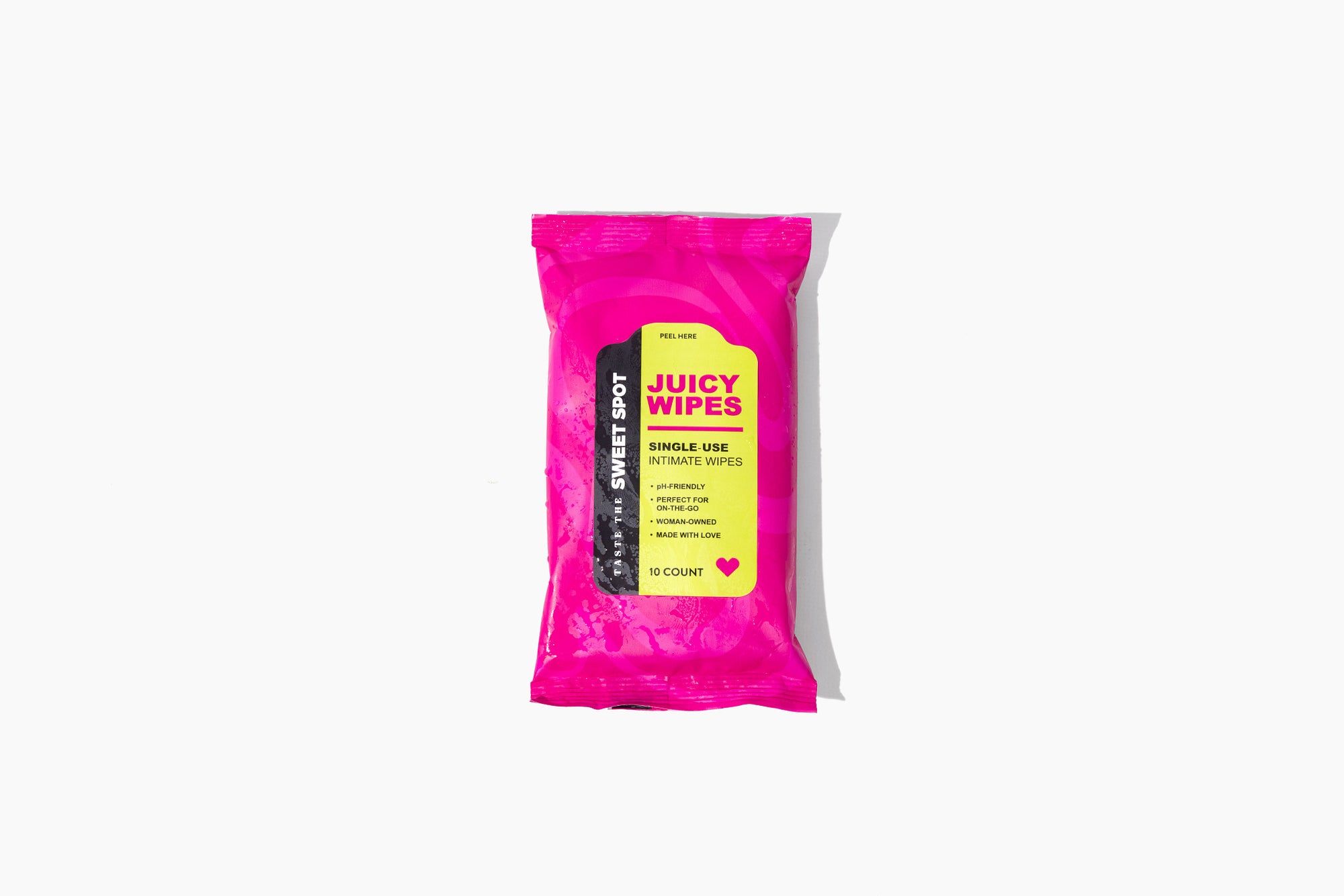
Fresh-Up Wipes
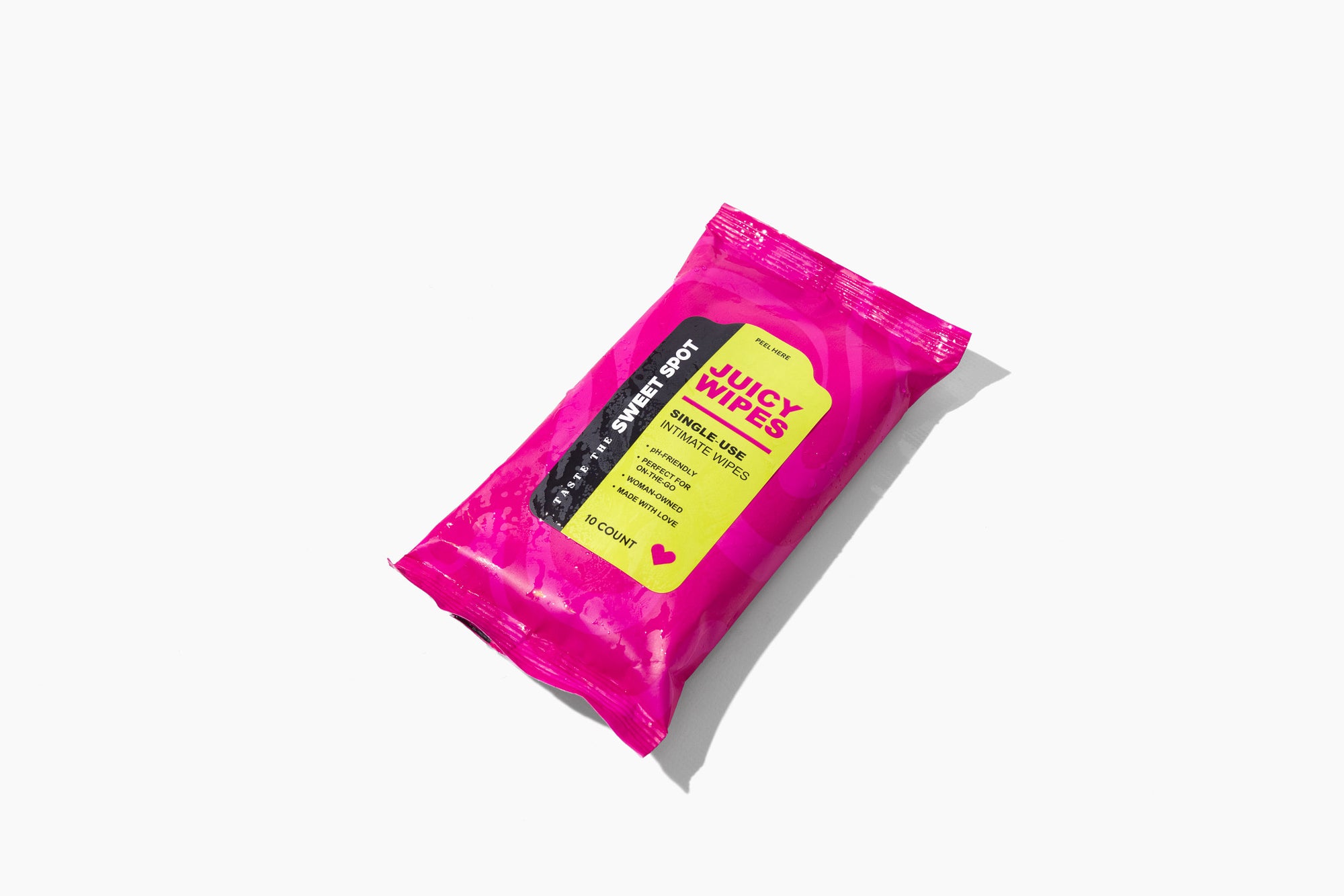
For moments when a full shower isn't possible, pH-balanced intimate wipes are an excellent option for a quick refresh. Keep them in your gym bag, bedside drawer, or purse for convenient freshening up before intimate moments.
Quick Refresh Before Intimacy
Our Intimate Wipes are pH-balanced, fragrance-free, and formulated specifically for sensitive intimate areas. They're the perfect complement to your taste-improvement routine for those times when you need a quick, on-the-go refresh.
Timeline: When to Expect Results
One of the most common questions is: "How long until I notice a difference?" The answer depends on which changes you're making and how consistently you apply them. Here is a detailed timeline based on the most common interventions.
| Change Made | First Noticeable Results | Full Effect | Notes |
|---|---|---|---|
| Increased water intake | 12 – 24 hours | 2 – 3 days | Fastest single change you can make |
| Eating pineapple/fruit | 24 – 48 hours | 3 – 5 days | Best when eaten daily; fresh is better than canned |
| Eliminating red meat | 3 – 5 days | 1 – 2 weeks | Even reducing frequency helps |
| Quitting smoking | 1 – 2 weeks | 4 – 8 weeks | One of the biggest improvements possible |
| Reducing alcohol | 2 – 3 days | 1 – 2 weeks | Particularly impactful for heavy drinkers |
| Bromelain supplement | 2 – 5 days | 1 – 2 weeks | Take daily with food for best results |
| Chlorophyll supplement | 3 – 7 days | 1 – 2 weeks | Liquid form absorbs fastest |
| Probiotics | 1 – 2 weeks | 4 – 6 weeks | Gut microbiome rebalancing takes time |
| Regular exercise routine | 1 – 2 weeks | 4 – 6 weeks | Consistency matters more than intensity |
| Improved sleep habits | 1 – 2 weeks | 3 – 4 weeks | Effects compound over time |
| Complete lifestyle overhaul | 3 – 5 days | 4 – 8 weeks | Combining all methods produces fastest, most dramatic results |
Key takeaway: The fastest results come from hydration and dietary changes (within 1 to 3 days). Supplements take a few days to a week. Lifestyle changes like exercise, sleep, and quitting smoking produce the most profound long-term improvements but require more patience. For the best results, combine all approaches simultaneously.
The Optimal Daily Routine for Better Taste
Here's a sample daily schedule that incorporates all of the methods covered in this guide. You don't need to follow this exactly — adapt it to fit your lifestyle. But the closer you get to this routine, the faster and more dramatic your results will be.
Morning (6:00 AM – 8:00 AM)
- 6:00 AM: Wake up and drink 16 oz of water with a squeeze of fresh lemon.
- 6:15 AM: Take your daily supplements: bromelain, chlorophyll, vitamin C, zinc, and a probiotic.
- 6:30 AM: 30-minute workout (cardio, yoga, or strength training).
- 7:00 AM: Shower with warm water and a pH-balanced cleanser.
- 7:30 AM: Breakfast: Greek yogurt with fresh berries, a drizzle of honey, and a sprinkle of cinnamon. 8 oz of fresh pineapple juice or a pineapple smoothie.
Midday (12:00 PM – 1:00 PM)
- 12:00 PM: Aim to have consumed at least 40 oz of water by now.
- 12:30 PM: Lunch: Grilled chicken or salmon salad with leafy greens, celery, cucumber, apple slices, cranberries, and a light citrus vinaigrette. Avoid heavy garlic or onion-based dressings.
- 1:00 PM: Snack on fresh fruit: watermelon, strawberries, or an orange.
Afternoon (3:00 PM – 5:00 PM)
- 3:00 PM: Drink another 16 oz of water, optionally infused with cucumber and mint.
- 3:30 PM: Afternoon snack: celery with almond butter, or a small handful of unsalted almonds with dried cranberries.
- 4:00 PM: If you drink coffee, have your last cup before 2 PM. Switch to green tea or herbal tea in the afternoon (peppermint, chamomile, or ginger).
Evening (6:00 PM – 10:00 PM)
- 6:30 PM: Dinner: Baked fish or plant-based protein with steamed vegetables (avoiding cruciferous varieties if intimacy is planned), quinoa or brown rice, and a side salad with fresh parsley. Season with cinnamon, turmeric, or mild herbs instead of garlic and onion.
- 7:30 PM: Dessert: Fresh pineapple chunks, a fruit salad, or a small square of dark chocolate.
- 8:00 PM: Final hydration push — aim for at least 80 to 100 oz total by now.
- 9:00 PM: Wind down: meditation, light stretching, or reading. Avoid screens for 30 minutes before bed.
- 9:30 PM: Shower or freshen up with intimate wipes if needed.
- 10:00 PM: Lights out. Aim for 7 to 9 hours of sleep in a cool, dark room.
Tips Specifically for Men
While most advice in this guide applies to everyone, there are some factors that are particularly relevant to men and semen taste specifically.
Understanding Semen Composition
Semen is composed of fructose, enzymes, proteins, minerals (zinc, calcium, sodium, potassium), and water. Its taste is influenced by the ratio of these components, which is in turn affected by diet, hydration, and overall health. Healthy semen typically has a mild, slightly sweet or salty taste. When it tastes excessively bitter, sour, or metallic, it's usually a sign of dietary or lifestyle factors that can be corrected.
Men-Specific Recommendations
- Zinc is essential. Zinc is the single most important mineral for prostate health and semen quality. A zinc deficiency can make semen taste metallic and unpleasant. Supplement with 15 to 30 mg daily.
- Ejaculation frequency matters. Semen that has been "stored" for many days tends to have a stronger, more concentrated taste. More frequent ejaculation keeps things fresher.
- Alcohol and tobacco have an outsized impact on semen taste. Men who drink and smoke regularly almost universally report that their partners notice a dramatic improvement in taste after quitting.
- Protein supplements and creatine can worsen semen taste due to the metabolic byproducts of protein breakdown. If you use protein shakes, choose plant-based options and increase your water intake to compensate.
- Wear loose-fitting underwear. Tight underwear increases heat and moisture in the groin area, promoting bacterial growth that affects taste and smell.
Formulated Specifically for Men
Sweet Spot for Him is specifically designed for male body chemistry, with optimized doses of bromelain, zinc, chlorophyll, and other ingredients clinically associated with better-tasting, healthier semen. Take one capsule daily and notice the difference within days.
Tips Specifically for Women
Women's intimate taste is influenced by many of the same factors as men's, but there are some uniquely female considerations that deserve special attention.
Understanding Vaginal pH and the Microbiome
The vagina maintains a natural pH between 3.8 and 4.5, which is mildly acidic. This acidity is maintained by Lactobacillus bacteria, which produce lactic acid as a defense against harmful organisms. When this pH is disrupted — by douching, harsh soaps, antibiotics, or poor diet — harmful bacteria can proliferate, leading to infections like bacterial vaginosis (BV) that cause a strong, unpleasant fishy odor and taste.
Women-Specific Recommendations
- Never douche. Douching is one of the most harmful things you can do for vaginal health. It strips away the protective Lactobacillus bacteria, disrupts pH, and dramatically increases the risk of BV, yeast infections, and even STIs. The vagina is self-cleaning — warm water on the external vulva is all you need.
- Cranberry juice is your friend. Regular consumption of unsweetened cranberry juice supports urinary tract health and helps maintain a healthy vaginal microbiome. Aim for 8 oz daily.
- Hormonal fluctuations are normal. Your taste and scent will naturally vary throughout your menstrual cycle. You may taste slightly sweeter around ovulation (when estrogen peaks) and slightly more acidic or metallic during or just before your period. This is completely normal and not something to worry about.
- Choose the right probiotic. Look for a probiotic that specifically includes Lactobacillus rhamnosus, Lactobacillus reuteri, and Lactobacillus crispatus — the strains most associated with vaginal health.
- Wear cotton underwear and change it daily (or more often if needed). Avoid thongs made of synthetic materials, which can transfer bacteria and restrict airflow.
- Be cautious with scented products. Scented tampons, pads, sprays, and wipes can disrupt your natural balance. Choose fragrance-free, pH-balanced products for anything that contacts the vulva or vaginal area.
- Monitor for infections. If your taste or smell changes dramatically or you notice unusual discharge, itching, or burning, see a healthcare provider. Bacterial vaginosis, yeast infections, and STIs can all significantly alter taste and require treatment.
Designed for Women's Unique Needs
Sweet Spot for Her is formulated with women's unique physiology in mind, featuring ingredients that support a healthy vaginal microbiome, optimal pH balance, and naturally sweeter taste. It includes probiotics, bromelain, chlorophyll, and vitamin C in dosages specifically calibrated for the female body.
For Couples: Making It a Shared Journey
Improving how you taste is even more effective — and more fun — when you and your partner do it together. Here's how to approach it as a team.
Why Couples Get Better Results Together
- Accountability: When both partners commit to dietary and lifestyle changes, you hold each other accountable and are more likely to stick with the program.
- Shared meals: You can prepare taste-improving meals together, making it part of your routine rather than an extra effort.
- Mutual motivation: Knowing that your partner is also working on tasting better creates a positive feedback loop of effort and appreciation.
- Better intimacy: When both partners taste great, oral intimacy becomes more enjoyable for everyone, deepening your connection and satisfaction.
Couples Taste-Improvement Challenge
Try this 7-day couples challenge together:
- Day 1: Both partners eliminate garlic, onions, and red meat for the week. Increase water intake to the recommended levels.
- Day 2: Begin each morning with a pineapple smoothie together.
- Day 3: Both partners start a daily supplement routine (or try The Partner Pack).
- Day 4: Cook a "taste-friendly" dinner together using ingredients from the recommended foods list.
- Day 5: Go for a 30-minute walk or workout together.
- Day 6: Make a fruit-heavy dessert together (pineapple upside-down cake, berry parfait, etc.).
- Day 7: Enjoy the fruits of your labor together — pun absolutely intended.
The Ultimate Couples Upgrade
The Partner Pack includes Sweet Spot for Her and Sweet Spot for Him in one convenient bundle at a discounted price. Start your taste-improvement journey together and enjoy the results as a couple.
Smoking, Alcohol, and Recreational Drugs: The Full Picture
We've mentioned smoking and alcohol in the "foods to avoid" section, but these substances deserve a deeper discussion because of just how dramatically they affect body taste.
Smoking and Tobacco
Cigarette smoke contains over 7,000 chemicals, hundreds of which are toxic. These chemicals enter your bloodstream and are gradually excreted through every possible pathway: sweat, urine, saliva, vaginal fluid, and semen. The result is a pervasive, acrid, chemical taste that permeates your entire body. Beyond the chemical contamination, nicotine restricts blood vessels and reduces circulation, which degrades the quality and health of bodily tissues and secretions.
Vaping is not significantly better. While it eliminates some of the combustion-related chemicals, the flavorings, propylene glycol, and nicotine in vape juice still enter your bloodstream and affect your taste. Nicotine pouches and chewing tobacco have similar issues.
Quitting tobacco is the single most dramatic improvement you can make. Most people and their partners notice a significant difference within 2 to 4 weeks of quitting, with full improvement taking 6 to 8 weeks as the body clears accumulated toxins.
Alcohol
Alcohol's effect on taste is dose-dependent. A single glass of wine or one beer is unlikely to cause a noticeable change. But moderate to heavy drinking (3+ drinks in an evening, or regular daily drinking) has a significant negative impact. Alcohol dehydrates the body, disrupts the gut microbiome, overloads the liver (which is responsible for toxin clearance), and is metabolized into acetaldehyde — a compound that is literally toxic and must be excreted through your skin and body fluids.
If you enjoy drinking, limit yourself to 1 to 2 drinks occasionally, and follow each alcoholic drink with a full glass of water. Avoid drinking the night before planned intimate encounters.
Marijuana
Marijuana's effect on body taste is less well-studied than tobacco and alcohol, but anecdotal evidence suggests that regular, heavy use can make body fluids taste more bitter or skunky. This is likely due to the fat-soluble cannabinoids and terpenes that are excreted through body fluids and sweat. Occasional use is unlikely to have a major impact, but daily heavy use probably does.
Frequently Asked Questions
How long does it take to make yourself taste better?
The timeline varies depending on which changes you make. Increased water intake can produce noticeable results in as little as 12 to 24 hours. Adding sweet fruits like pineapple, watermelon, and berries to your diet typically shows results within 24 to 48 hours. Supplements like bromelain and chlorophyll take 2 to 7 days. Eliminating negative foods (garlic, red meat, alcohol) takes 3 to 7 days. Quitting smoking takes 2 to 8 weeks. A complete lifestyle overhaul combining all methods can produce dramatic improvements within the first week, with continued refinement over 4 to 8 weeks. Consistency is the key — sporadic changes produce sporadic results.
Does pineapple really make you taste better?
Yes, pineapple is one of the most effective foods for improving body taste. Pineapple contains bromelain, a proteolytic enzyme that breaks down proteins in bodily fluids, and high concentrations of natural sugars (fructose and glucose) that sweeten secretions. The effect has been widely reported anecdotally and is consistent with the biochemistry of how diet affects body fluid composition. For best results, eat fresh pineapple or drink 100% pineapple juice daily. Many people notice a difference within 24 to 48 hours of consistent consumption. You can also take bromelain supplements for a more concentrated dose without the sugar.
What foods should I avoid to taste better?
The main foods and substances to avoid include: garlic, onions, asparagus, red meat, dairy products, cruciferous vegetables (broccoli, cauliflower, Brussels sprouts, cabbage), coffee (in excess), alcohol, tobacco, processed and junk foods, extremely spicy foods, artificial sweeteners, and high-sodium foods. All of these contain compounds — primarily sulfur, acids, or chemical additives — that are metabolized and excreted through body fluids, negatively impacting taste. You don't need to eliminate all of these permanently; reducing their consumption and timing them away from intimate encounters is often sufficient.
Do supplements work for improving body taste?
Yes, certain supplements can be effective for improving body taste. The most well-supported supplements include bromelain (a pineapple-derived enzyme that breaks down bitter proteins), chlorophyll (a natural internal deodorizer), vitamin C (a detoxifying antioxidant), zinc (essential for healthy secretion production, especially in men), and probiotics (for maintaining a healthy gut and vaginal microbiome). These supplements work best when combined with dietary improvements and adequate hydration. Products like Sweet Spot for Her and Sweet Spot for Him combine these ingredients in optimized formulations for convenience.
Is there a difference between how men and women can improve their taste?
The core principles are the same for both sexes — hydration, fruit-rich diet, avoiding sulfurous and processed foods, and taking supportive supplements all apply universally. However, there are some sex-specific considerations. For men, zinc is particularly important for semen quality and taste, and ejaculation frequency can affect flavor concentration. For women, maintaining proper vaginal pH (3.8 to 4.5) is crucial, and probiotic strains specifically supportive of vaginal health (like Lactobacillus rhamnosus and L. crispatus) are important. Women should also avoid douching, scented products, and anything that disrupts the vaginal microbiome. Hormonal fluctuations during the menstrual cycle naturally cause taste variations in women.
How much water should I drink to taste better?
As a baseline, aim to drink at least half your body weight in ounces of water per day. For optimal taste improvement, increase that to two-thirds to three-quarters of your body weight in ounces. For example, a 150-pound person should drink 100 to 112 ounces (approximately 3 to 3.3 liters) daily. If you exercise regularly, add an extra 16 to 32 ounces for each 30 minutes of moderate-to-intense exercise. Water-rich foods like watermelon, cucumber, and celery also count toward your hydration. The key indicator is the color of your urine: aim for pale straw-colored urine throughout the day. Dark yellow urine means you need to drink more.
Can medications affect how I taste?
Yes, several categories of medications can affect body taste and smell. Antibiotics are among the biggest culprits because they disrupt the natural microbiome of the gut and vagina, potentially leading to yeast infections or bacterial vaginosis. Antihistamines and decongestants can cause dryness, which concentrates body fluids. Hormonal contraceptives (birth control pills, patches, IUDs) can alter hormone levels that affect taste. Some antidepressants, anti-anxiety medications, and blood pressure drugs can also change body chemistry. If you believe a medication is affecting your taste, consult your healthcare provider about alternatives, but never stop a medication without professional guidance.
Does what I eat the day of intimacy matter more than my overall diet?
Both matter, but your overall diet is more important than any single day's eating. Your body's baseline taste is determined by your long-term dietary and lifestyle habits. That said, what you eat in the 12 to 24 hours before intimacy can have a noticeable short-term impact. For the best same-day results, drink plenty of water, eat fresh fruit (especially pineapple and berries), avoid garlic, onions, red meat, and heavy spicy foods, skip alcohol, and consider taking a bromelain supplement. The ideal approach is to maintain a consistently clean diet while being extra mindful of what you eat on the day of planned intimate encounters.
Is it normal for body taste to fluctuate?
Absolutely. Fluctuations in body taste are completely normal and are influenced by a wide range of factors. For women, taste naturally changes throughout the menstrual cycle due to hormonal fluctuations — it may be sweeter around ovulation and more acidic or metallic around menstruation. For everyone, taste is affected by daily diet, hydration levels, stress, sleep quality, medications, exercise, and even the weather (heat and humidity increase sweating, which can affect taste). The goal isn't to achieve a perfectly consistent taste at all times — that's unrealistic. Instead, aim to establish a baseline of healthy habits that keep your body tasting pleasant most of the time, while understanding that occasional variation is completely natural.
Can exercise make me taste better or worse?
Regular exercise improves body taste over time, but the timing matters. In the long term, consistent exercise improves circulation, supports healthy metabolism, reduces stress hormones, and promotes toxin elimination through sweat — all of which contribute to better-tasting body fluids. However, immediately after a workout, sweat and body secretions can taste saltier and more pungent due to the concentration of minerals and metabolic waste being excreted. The solution is simple: always shower thoroughly after exercising. Time your workouts so you have at least an hour between exercise and intimacy, and shower in between. Over weeks and months of regular exercise, your baseline body taste will improve significantly.
Putting It All Together: Your Action Plan
This guide has covered a lot of ground. Here is a concise action plan to help you get started immediately:
Start Today (Immediate Impact)
- Increase your water intake to the recommended level for your body weight.
- Eat a serving of fresh pineapple or drink 8 oz of pineapple juice.
- Eliminate garlic, onions, and asparagus from today's meals.
Start This Week (Short-Term Impact)
- Stock up on taste-improving foods: pineapple, watermelon, berries, celery, cranberries, apples, yogurt, cinnamon, parsley, and mint.
- Begin a daily supplement routine: bromelain, chlorophyll, vitamin C, zinc, and a probiotic (or try Sweet Spot for Her / Sweet Spot for Him for an all-in-one solution).
- Reduce or eliminate red meat, processed foods, and excess dairy.
- Cut back on coffee and alcohol.
Commit Long-Term (Maximum Results)
- Establish a regular exercise routine (at least 150 minutes per week).
- Optimize your sleep schedule (7 to 9 hours nightly).
- Implement stress management practices (meditation, deep breathing, nature time).
- If you smoke, make a plan to quit. This is the single biggest long-term improvement.
- Maintain your dietary changes consistently, not just before intimate encounters.
Remember: consistency beats perfection. You don't need to follow every recommendation in this guide to see results. Even implementing a handful of these strategies will produce noticeable improvements. Start with the easiest changes, build momentum, and add more over time. Your body — and your partner — will thank you.
Ready to Start Tasting Better Today?
Our supplements are the easiest first step on your taste-improvement journey. Formulated with clinically studied ingredients in optimized dosages, they take the guesswork out of supplementation so you can focus on the dietary and lifestyle changes that matter.
Sweet Spot for Her → Sweet Spot for Him → The Partner Pack →