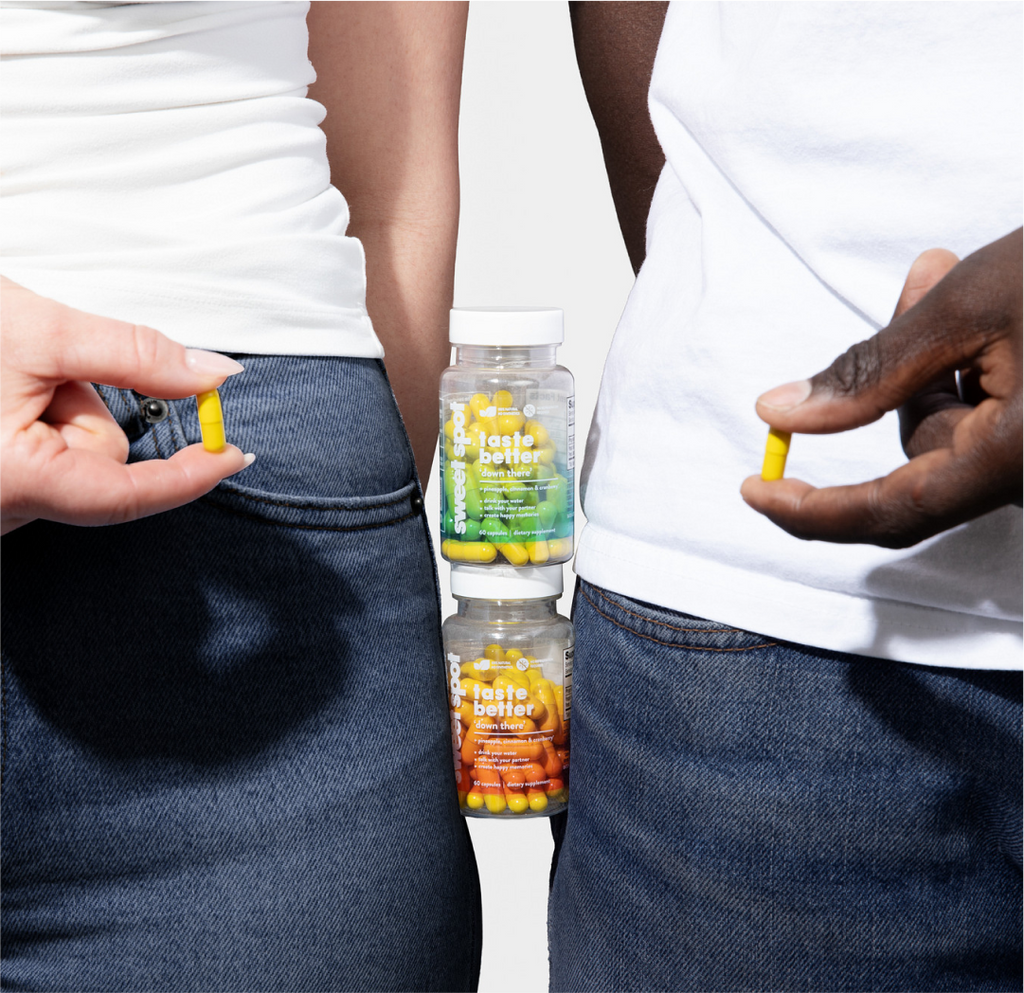


Vaginal taste and freshness isn't fixed. It responds to what you eat, how you hydrate, and how you care for your body — and it responds within days when you make the right changes.
This is a question millions of women have and most feel too embarrassed to ask. The good news: the answer isn't complicated, and it doesn't involve anything weird, expensive, or invasive. Vaginal taste and smell come from your body chemistry, which is directly influenced by your diet, hydration, and the balance of your vaginal microenvironment. Change those, and taste changes.
Here is everything that matters — the science, the diet, the habits, the supplements, and the things that seem helpful but actually aren't.
What's Inside
- What "Normal" Taste and Smell Actually Means
- The 6 Main Factors That Change How You Taste
- Diet Changes That Work Within a Week
- Daily Habits That Make the Biggest Difference
- What to Avoid — Including Things That Seem Helpful
- Supplements That Support Taste and Freshness
- When Taste Change Is a Medical Issue
- FAQ
What "Normal" Taste and Smell Actually Means
A healthy vagina has a natural taste and smell — distinct, slightly tangy, and unique to you. It varies across your menstrual cycle (slightly sharper or more metallic mid-cycle, milder at other times), after exercise (more salty), and based on diet. None of this is wrong or bad. A vagina is not supposed to be odorless or flavorless.
The goal of dietary and lifestyle improvements isn't to eliminate natural scent — it's to ensure your natural chemistry is producing its freshest, mildest version rather than a concentrated, diet-compromised version. The difference between a woman who eats garlic, drinks three coffees per day, and is mildly dehydrated versus one who eats fruit, stays hydrated, and takes a daily support supplement is substantial. And it's all chemistry — not anatomy.
The 6 Main Factors That Determine How You Taste
1. Vaginal pH
The vaginal environment is naturally acidic — a pH of roughly 3.8 to 4.5. This acidity is maintained by Lactobacillus bacteria, which produce lactic acid as a byproduct and help keep less favorable bacteria in check. When pH shifts (becomes more alkaline), the balance of bacteria shifts, which directly affects taste and smell — sharper, more pungent, or what's often described as "off."
Diet, semen (which is alkaline), menstrual blood, certain soaps, and stress all shift vaginal pH. Supporting the natural acidity through diet and care habits is the foundation of consistent freshness.
2. Hydration
Dehydrated body chemistry concentrates everything — including the compounds that affect taste and smell. Women who are mildly chronically dehydrated (which describes most people who drink mainly coffee and maybe one or two glasses of water per day) consistently have a more intense, sharper profile than those drinking 2.5–3 liters of plain water daily. Hydration is the fastest and cheapest change you can make.
3. Diet — What You Eat in the Past 24–72 Hours
What you eat enters your bloodstream and ends up in every body secretion within hours to days. Garlic, onions, asparagus, and beer produce chemical and sulfur compounds that appear in vaginal secretions within hours. Sweet fruits, leafy greens, and chlorophyll-rich plants shift the chemistry toward a milder, fresher profile over 3–7 days of consistent intake.
4. Menstrual Cycle Phase
Vaginal pH and secretion chemistry shift naturally across the cycle — more acidic in the follicular phase, slightly more alkaline around ovulation and menstruation. This is completely normal. A taste support supplement works alongside your natural cycle to produce the best possible version of each phase, not to override the cycle itself.
5. Vaginal Flora Balance
The Lactobacillus bacteria that maintain vaginal health produce lactic acid and hydrogen peroxide — both of which maintain the acidic environment that keeps the vagina healthy and fresh-tasting. When this flora is disrupted (by antibiotics, illness, douching, or diet), less favorable bacteria gain ground, and taste and smell shift noticeably.
6. Stress and Sleep
Chronic stress elevates cortisol, which disrupts hormone balance and — indirectly — vaginal pH stability. Poor sleep produces similar stress hormone patterns. Women who are sleep-deprived and chronically stressed often notice more variability in freshness than their diet alone would explain. Sleep and stress management aren't glamorous taste-improvement tips, but they're real factors.
Diet Changes That Produce Real Results Within a Week
Add These Daily
- Fresh pineapple (1–2 cups) — the bromelain and fructose combination shifts body chemistry toward a sweeter, milder profile within 3–5 days. Fresh is significantly more effective than canned because heat processing destroys bromelain.
- Mango — high fructose, high vitamin C, and consistently reported as one of the most effective fruits for improving vaginal taste specifically
- Berries — blueberries, strawberries, raspberries — the antioxidant content neutralizes bitter oxidative compounds that contribute to sharpness
- Watermelon — hydrating plus fructose; particularly useful for doubling your effective water intake
- Plain yogurt — the live cultures support Lactobacillus balance, which is the most direct dietary support for vaginal pH maintenance. Plain, unsweetened only — added sugar feeds less favorable bacteria
- Parsley and mint — chlorophyll-rich herbs that neutralize bitter metabolic byproducts. A tablespoon daily in food or as tea
- Cranberry — not juice, not cocktail; cranberry extract or whole cranberries. The proanthocyanidins support urinary and vaginal health
Cut These for the First Week
- Garlic and onions — sulfur compounds appear in secretions within hours. The single fastest taste-improving action is dropping garlic for 48 hours before intimacy
- Asparagus — same sulfur compound mechanism, clear 12–24 hours before intimacy
- Beer — hop bitter compounds, 24-hour clearance
- Coffee (more than 1 cup) — highly acidic, contributes to more concentrated bitter body chemistry
- Heavy processed food — artificial additives produce a chemical edge to secretion taste
Daily Habits That Make the Biggest Difference
External Hygiene (What to Do and What Not to Do)
The vagina is self-cleaning. The job of external hygiene is to clean the vulva (the external area) — not to intervene internally. Use mild, fragrance-free soap on external skin only. Rinse with warm water internally if anything at all. Nothing perfumed, nothing internal, nothing that claims to deodorize or balance pH from outside — these products disrupt the natural chemistry that maintains freshness from the inside.
Breathable Underwear and Clothing
Cotton underwear allows proper airflow, which reduces moisture accumulation that creates an environment for less favorable bacteria. Tight synthetic fabrics worn throughout the day create heat and moisture. Not a dramatic change on its own, but part of the overall picture of supporting the natural vaginal environment.
Post-Sex Hygiene
Semen is alkaline (pH 7.2–8.0), which temporarily raises vaginal pH after sex. Urinating after sex clears the urethra (important for UTI prevention) but doesn't directly address vaginal pH. A gentle rinse with plain water is the only useful step — not soap, not vinegar washes, not anything marketed as a post-sex freshening product.
Timing Around Antibiotics
Antibiotics are one of the most common causes of temporary vaginal taste changes because they disrupt Lactobacillus alongside whatever bacteria they're targeting. If you're taking or have recently taken antibiotics, adding daily plain yogurt and a support supplement helps restore flora balance faster. Expect 2–4 weeks of dietary support to restore a fully balanced microenvironment after a course of antibiotics.
What Seems Helpful But Isn't
Douching
The most common mistake. Douching removes the natural flora that maintain vaginal pH and freshness. Women who douche regularly are more likely to develop bacterial vaginosis — an imbalance that produces a strong, unpleasant smell. The vagina cleans itself. Douching doesn't improve freshness; it disrupts the system that maintains it.
Scented Products
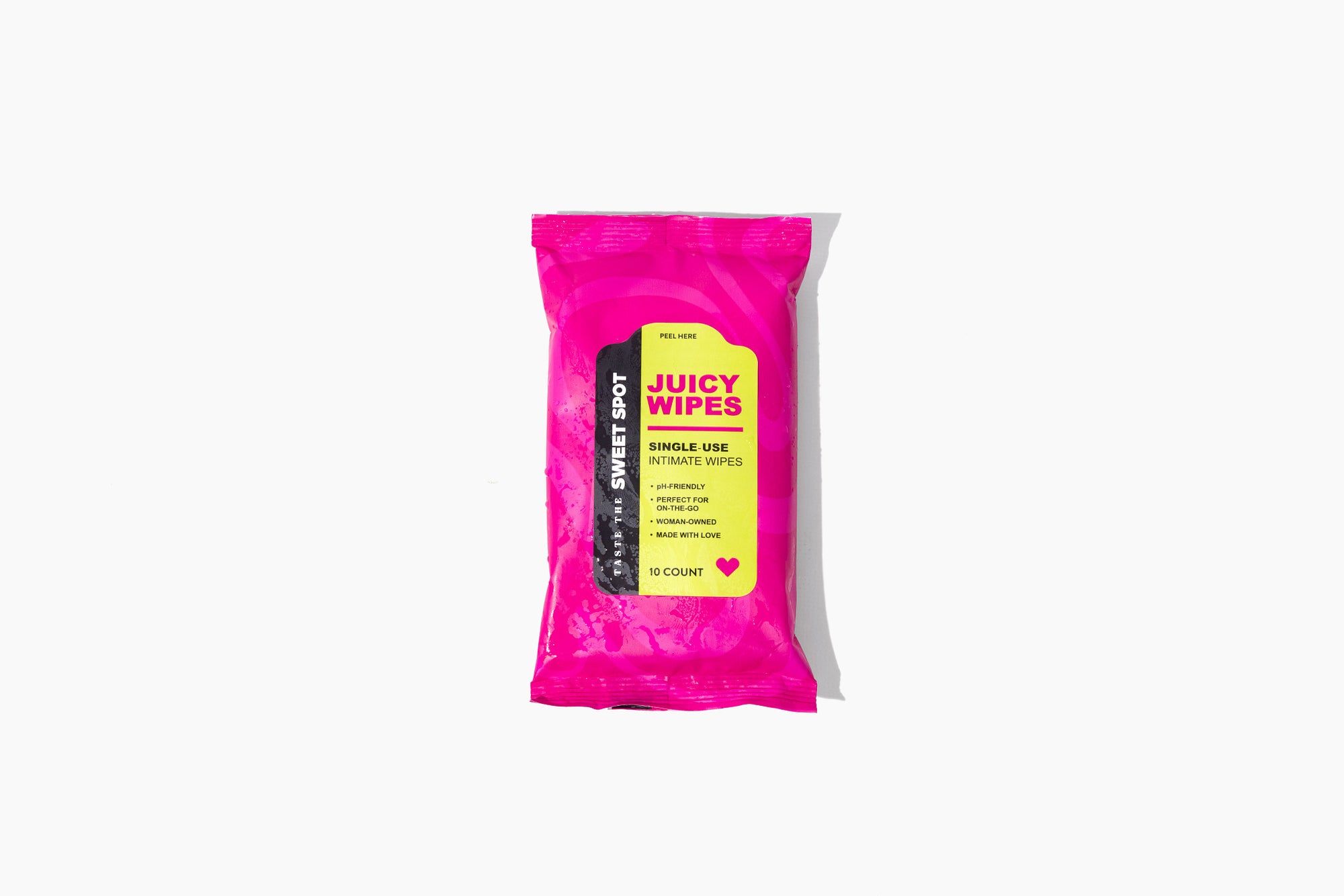
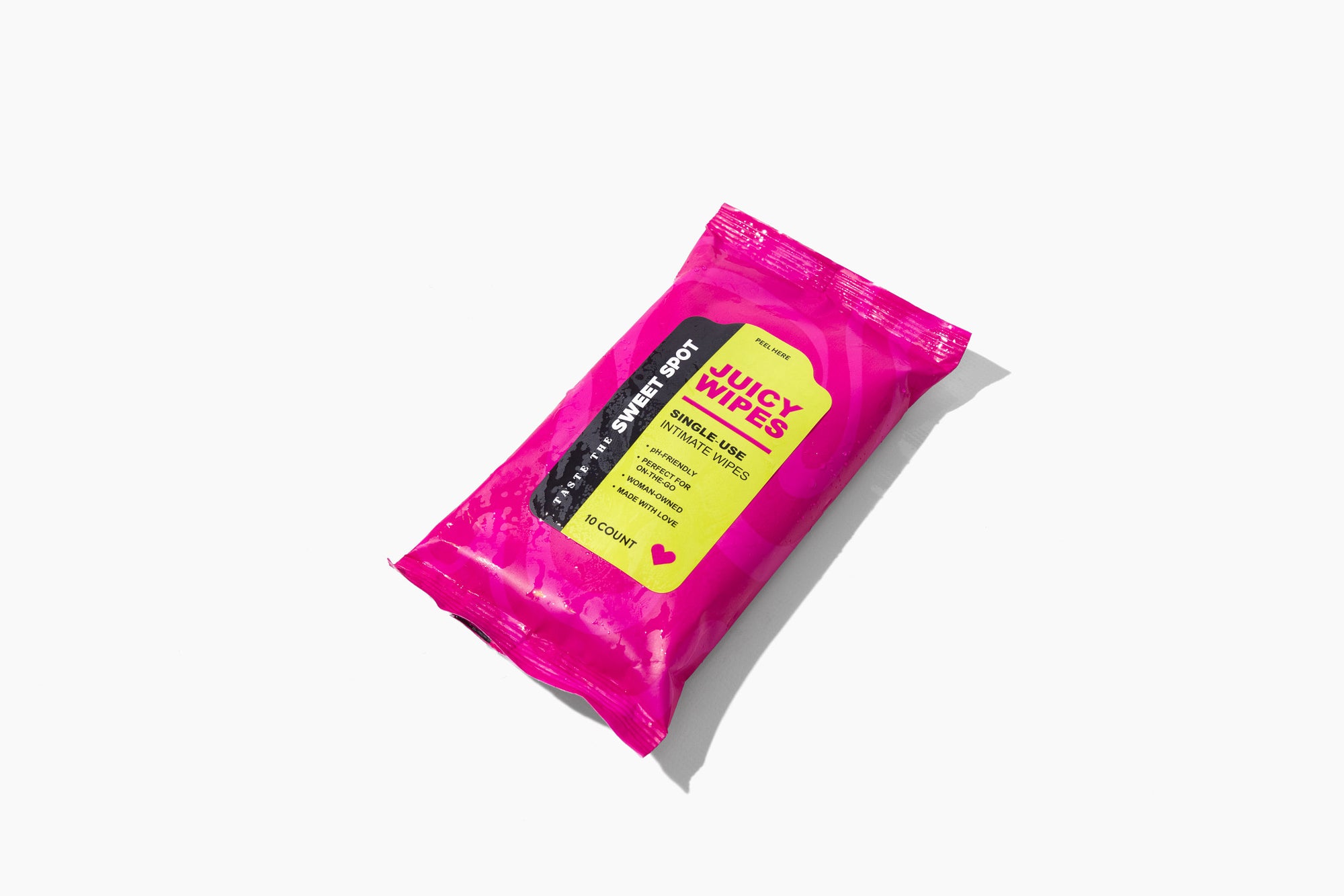
Vaginal deodorant sprays, scented wipes, and similar products mask odor temporarily while disrupting the underlying chemistry that produces it. Like douching, they make the underlying issue worse over time. The vagina doesn't need to smell like lavender. It needs to be chemically balanced, which is achieved through diet and internal support — not external masking.
Last-Minute Dietary Changes
Eating pineapple one hour before intimacy doesn't change anything about how you taste. Body chemistry takes 3–5 days of consistent input to shift. One-off dietary efforts produce one-off results — which is to say, essentially none. Consistency is the only approach that works.
Probiotic Labels on Supplements
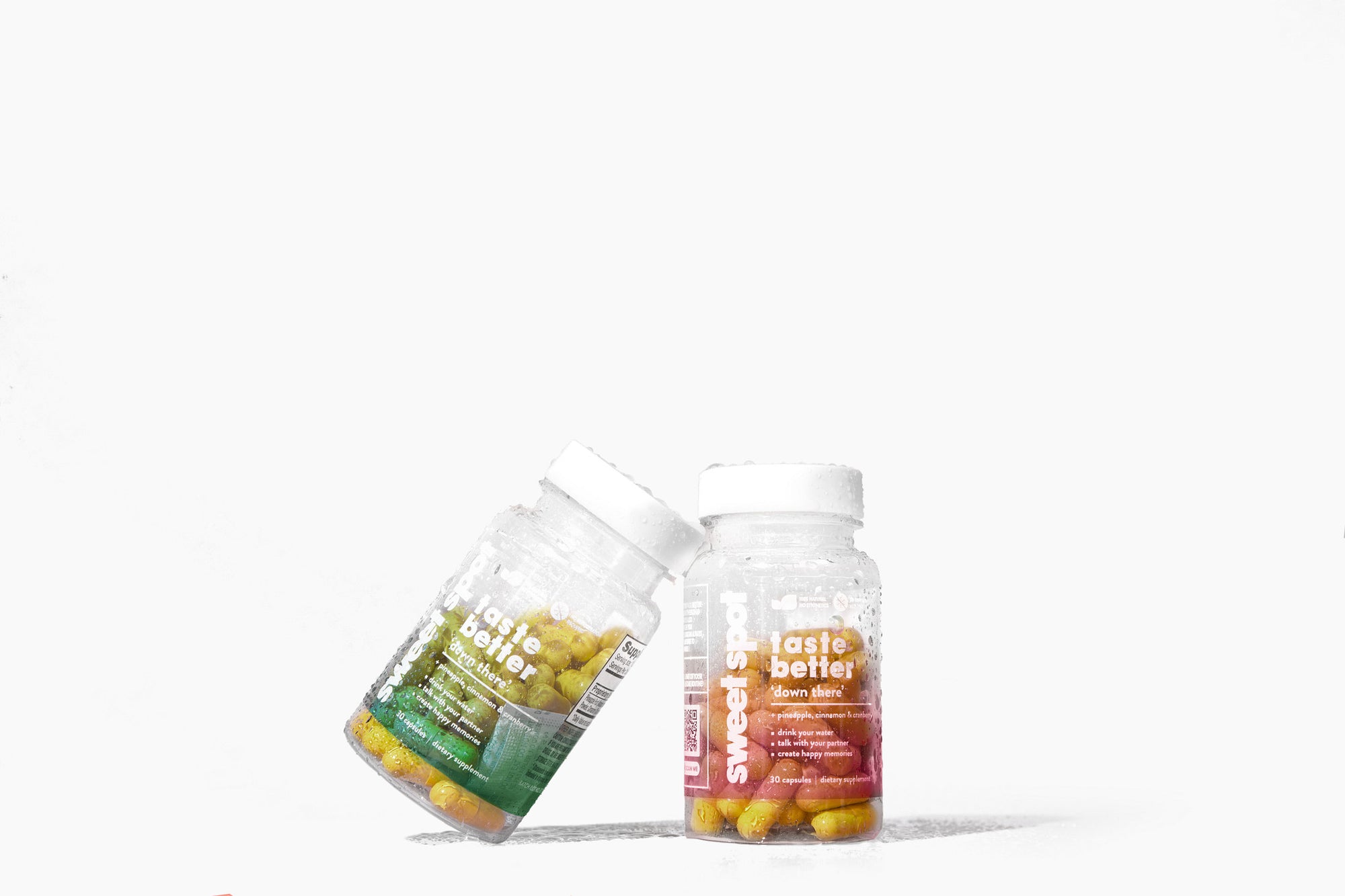
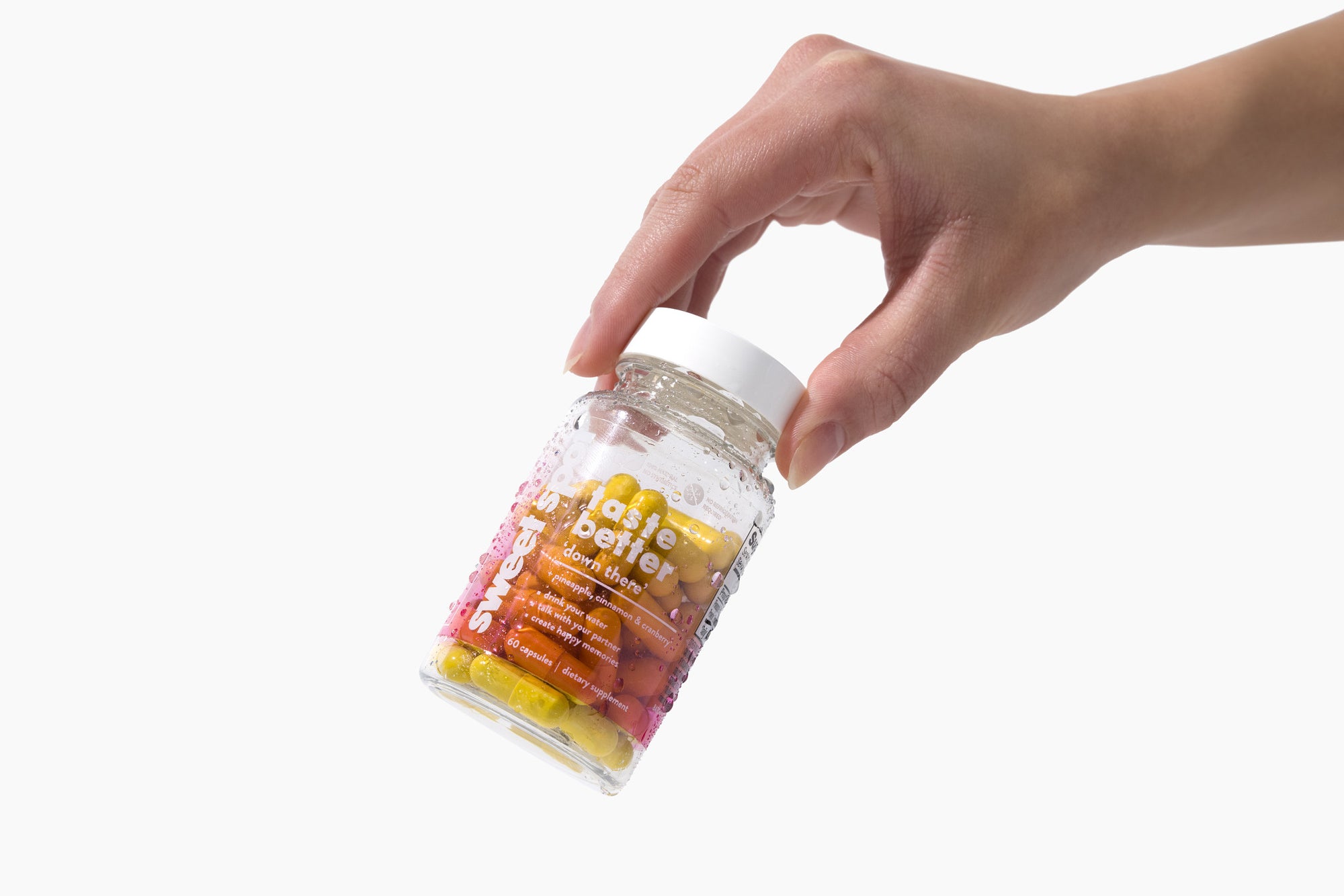
Some supplements marketed for vaginal health contain live culture strains — these can be useful for flora support but are different from taste-improvement supplements like FOR HER. The two categories serve different purposes. FOR HER focuses on the taste and freshness improvements that come from bromelain, chlorophyll, cranberry, and pineapple extract — the body chemistry approach rather than the flora-seeding approach. The approaches are complementary, not interchangeable.
Supplements That Support Taste and Freshness for Women
The most effective supplements for women's taste and freshness contain a combination of:
- Pineapple extract (standardized bromelain) — the core active compound for shifting taste chemistry
- Cranberry extract — urinary and vaginal flora support; look for standardized proanthocyanidin content
- Chlorophyll — internal deodorizer that neutralizes bitter and sharp metabolic compounds
- Cinnamon — natural sweetening effect on secretion chemistry, antimicrobial properties
Red flags to avoid: proprietary blends with no disclosed amounts, supplements that list "pineapple" without specifying extract or bromelain content, products with artificial colors or fragrance, and supplements that claim to directly "balance pH" through a capsule (pH balance is an internal biological process, not a direct supplement mechanism).
When Taste or Smell Change Is a Medical Issue
Dietary and lifestyle improvements address the normal variation in vaginal taste and freshness. They're not a substitute for medical attention when something is genuinely wrong.
See a doctor if you notice:
- A strong, persistent fishy odor — this is the most characteristic symptom of bacterial vaginosis
- Thick, cottage cheese-like discharge with strong yeasty smell — classic yeast infection signs
- Unusual discharge color (gray, green, or yellow) — potentially infection-related
- Burning, itching, or significant discomfort
- A sudden change in taste or smell that doesn't respond to dietary changes over 2 weeks
A supplement will not treat an active infection. Get the infection treated, then use ongoing dietary support and supplementation to maintain balance afterward.
Frequently Asked Questions
How quickly will diet changes affect how I taste?
Fast-acting changes (cutting garlic, hydrating) show results in 24–48 hours. Building a consistently fresh baseline through daily fruit, chlorophyll, and supplements takes 7–14 days. Most women who commit to 10 full days of dietary changes plus a daily supplement report their partner noticed without being asked.
Is it possible to be "too sweet" down there?
Practically, no. Freshness and mildness are the targets. The dietary and supplement approaches on this page shift body chemistry toward a cleaner, less sharp, slightly sweeter profile — not a candied one. The change is subtle and natural-feeling, not a dramatic transformation.
Does body wash or soap affect vaginal taste?
Strongly scented soaps used externally can leave residue that temporarily affects what a partner tastes. Use fragrance-free soap on external areas and warm water internally (if anything at all). Avoid perfumed body sprays near the vaginal area. What you taste like is primarily determined by internal body chemistry — external products play a very small role.
Will these changes affect how I smell during sex?
Yes. The same body chemistry shifts that improve how you taste also influence natural scent. Women who've been using a taste support supplement consistently for two weeks typically describe feeling overall fresher — not just in taste but in everyday awareness of their own scent.
Do men need to make similar changes for their partners?
Yes — the mechanism is the same for men, but semen and vaginal secretions have different chemical starting points. FOR HIM (the men's formula) addresses the same compound-delivery approach for men's body chemistry. The His + Hers Bundle covers both partners simultaneously.
The Bottom Line
There is no external trick that makes vaginal taste consistently better. The change happens from inside out: daily fruit and chlorophyll-rich greens shift sweetness, cranberry supports the microenvironment, consistent hydration dilutes bitter compounds, and a quality supplement delivers all of this reliably when daily dietary perfection isn't realistic. Two weeks of genuine consistency produces results that last as long as you maintain them.
FOR HER: Built for Women's Taste and Freshness Specifically
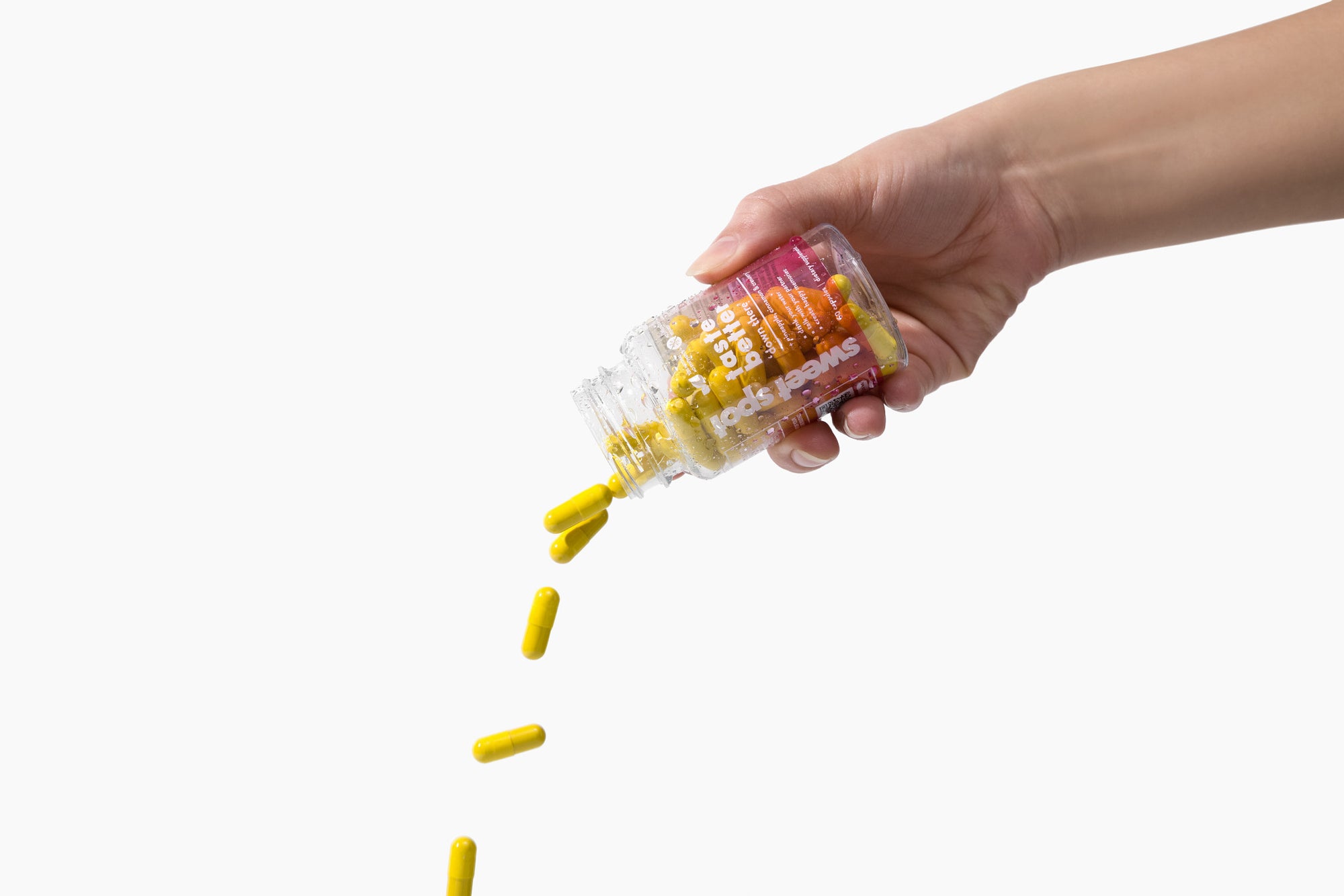
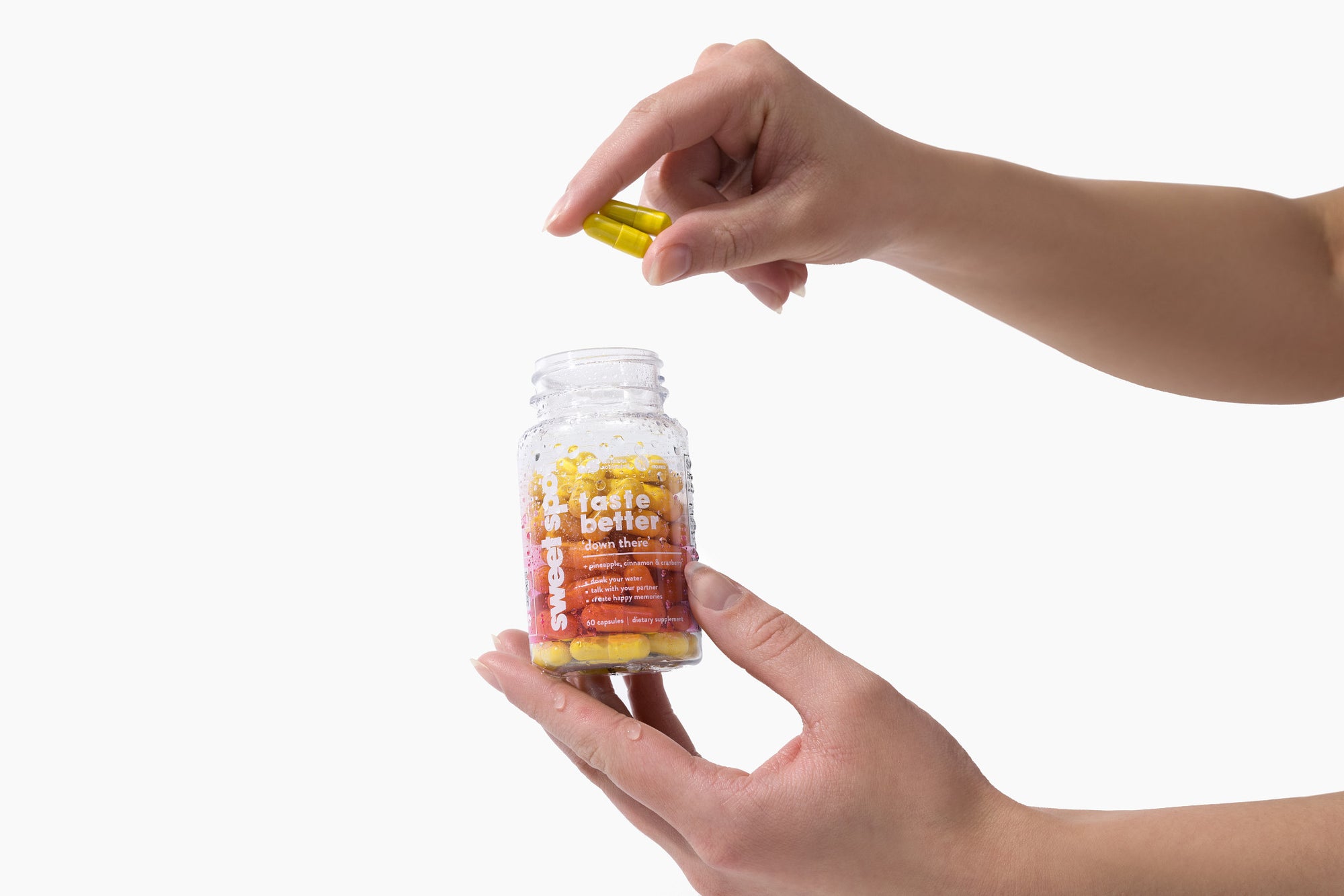
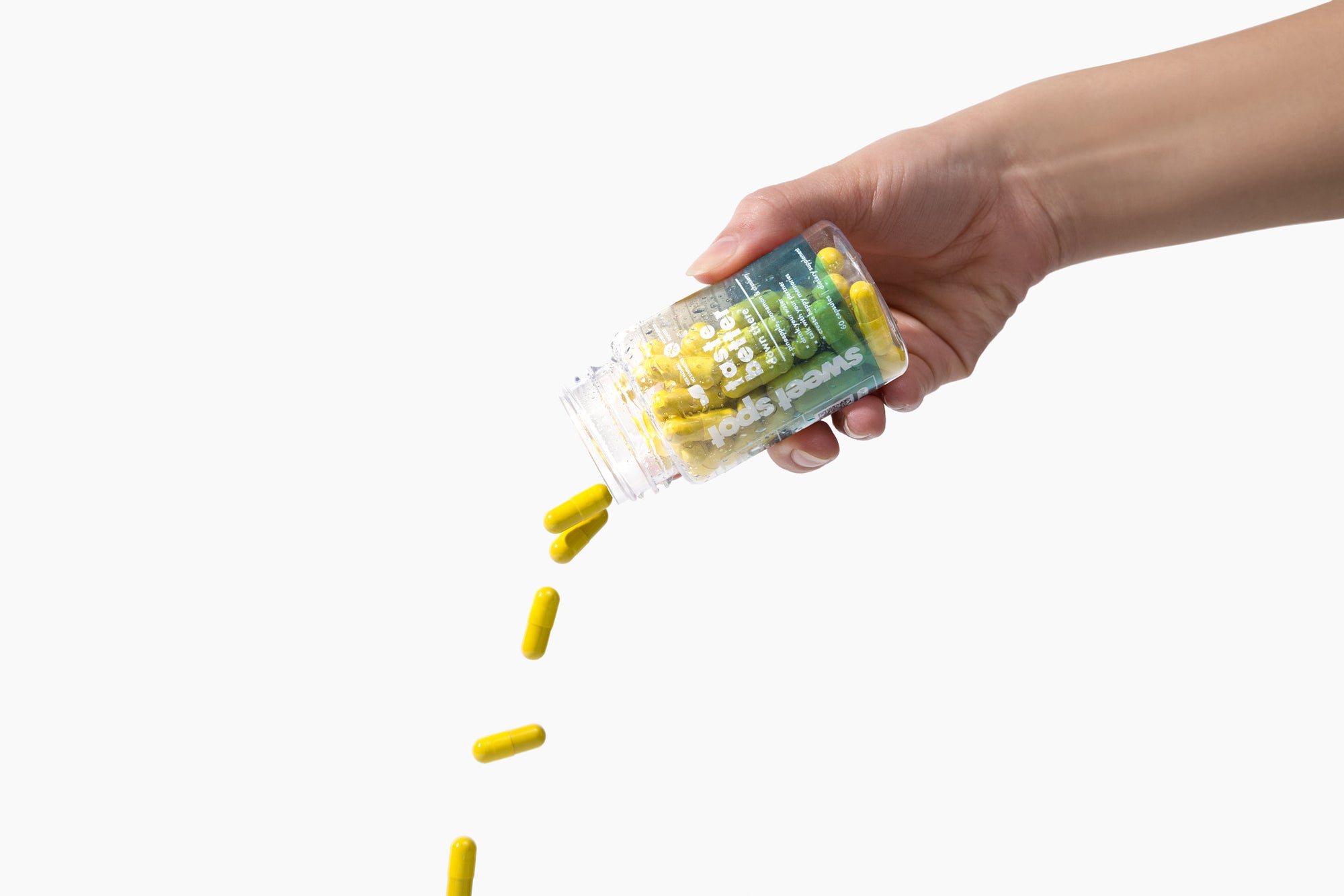
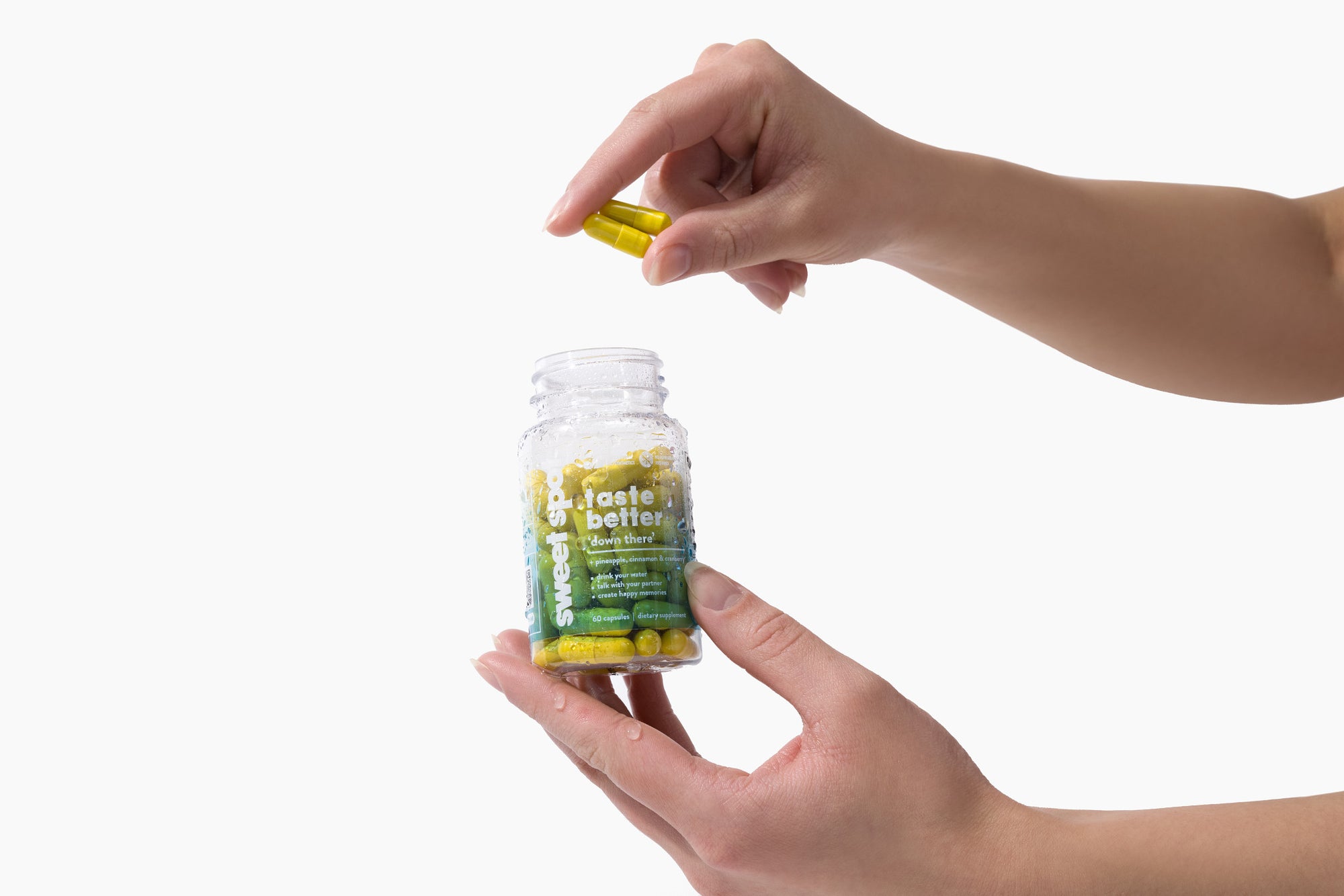
FOR HER combines the ingredients that matter for women — concentrated pineapple extract, cranberry extract, chlorophyll, and cinnamon — formulated specifically for the body chemistry approach to lasting vaginal freshness.
- 60 capsules — 30-day supply
- Made in the USA
- No artificial flavors, colors, or fillers
- Clear ingredient amounts — no hidden blends
Want both partners to feel confident? The His + Hers Bundle ships together at a lower price.