

A confident, science-backed guide to what actually influences how you taste and smell — the foods that help, the ones that hurt, and how long it takes.
If you have ever wondered how to taste good for your man, you are asking a completely normal, healthy question — and the good news is that body chemistry genuinely responds to how you treat it. There is no magic potion and no overnight switch, but there is a clear, science-backed set of habits that reliably support a fresher, milder, naturally sweeter profile. Here is exactly what works, what does not, and why.
Start here: you are already normal
Before anything else — a healthy vagina has its own natural scent and taste, and that is a sign it is working correctly, not a flaw to erase. A healthy vagina is self-cleaning and maintains a slightly acidic environment (pH around 3.8–4.5) that keeps it balanced (ACOG). The goal here is not to smell or taste "like nothing" — it is to support your natural balance so you feel fresh and confident. Douching and heavily perfumed washes actually work against that by disrupting the healthy bacteria, so the real strategy is gentle support from the inside out.
Why diet affects how you taste at all
Everything you eat and drink shows up in your body chemistry — the same way it affects your sweat and your breath. Vaginal secretions are influenced by hydration, the foods you eat, and the balance of bacteria in your vaginal microbiome, which is dominated by protective Lactobacillus species that produce lactic acid and keep pH low (NIH / PMC). Support that ecosystem and stay hydrated, and you support a fresh, mild, slightly sweet profile.
Foods that make you taste good
These are the foods with a logical, science-consistent case for a fresher, sweeter profile:
- Fresh fruit, especially pineapple, citrus, apples, cranberries and melon. High in water and natural sugars, low in sulfur. Cranberry and citrus also support urinary and vaginal health.
- Water-rich vegetables like cucumber and celery — hydrating and mild.
- Probiotic and fermented foods such as plain yogurt with live cultures, kefir and kimchi, which supply the Lactobacillus that help maintain a healthy vaginal microbiome and pH (NIH / PMC).
- Plenty of water. The simplest, most effective lever — it dilutes and softens everything.
Foods and habits that work against you
- Strong, sulfur-rich foods — garlic, onions, asparagus and heavy spices can intensify odor and flavor.
- Excess sugar and refined carbs. Too much sugar can feed yeast and disrupt balance, which is counterproductive — so fruit yes, candy and soda no.
- Alcohol, caffeine and smoking. Dehydrating and known to sharpen body-fluid flavor.
- Heavily processed food. High in salt and additives, low in the water and nutrients that keep you fresh.
The freshness fundamentals (beyond food)
Hydration
Consistent water intake through the day is the highest-leverage habit. Dehydrated fluids are concentrated and sharper; well-hydrated fluids are milder.
Protect your pH — don't scrub it away
Wash the vulva (the outside) with warm water or a gentle, unscented cleanser. Never douche and skip perfumed washes and sprays — they strip protective bacteria and can trigger the very odor and imbalance you are trying to avoid, per ACOG.
Breathable fabrics
Cotton underwear and avoiding staying in damp workout clothes or wet swimwear reduce the warm, moist conditions that let odor-causing bacteria and yeast overgrow.
Support the microbiome
Probiotic foods — and, for some people, a Lactobacillus probiotic supplement — help keep the protective bacteria dominant. (See our full guide to the best probiotics and vitamins for vaginal health.)
How long does it take?
Set realistic expectations. Hydration can make a difference within a day. Dietary and probiotic changes generally need one to two weeks of consistency to shift your baseline body chemistry. This is about sustained habits, not a last-minute fix an hour before — the women who notice the biggest change are the ones who make these small habits routine.
When it is not just diet
A little natural scent is healthy. But a strong fishy odor, unusual discharge, itching, burning or irritation are signs of an imbalance such as bacterial vaginosis or a yeast infection — not something to mask with diet, and worth seeing a healthcare provider for, since they are common and very treatable (CDC).
The bottom line
How you taste is a reflection of how you treat your body, and it responds to consistent, gentle support: drink plenty of water, eat more fresh fruit and probiotic foods, ease off garlic, sugar, alcohol and smoking, protect your natural pH (no douching), and wear breathable fabrics. Give it a week or two. You are already normal — this is simply about feeling as fresh and confident as possible.
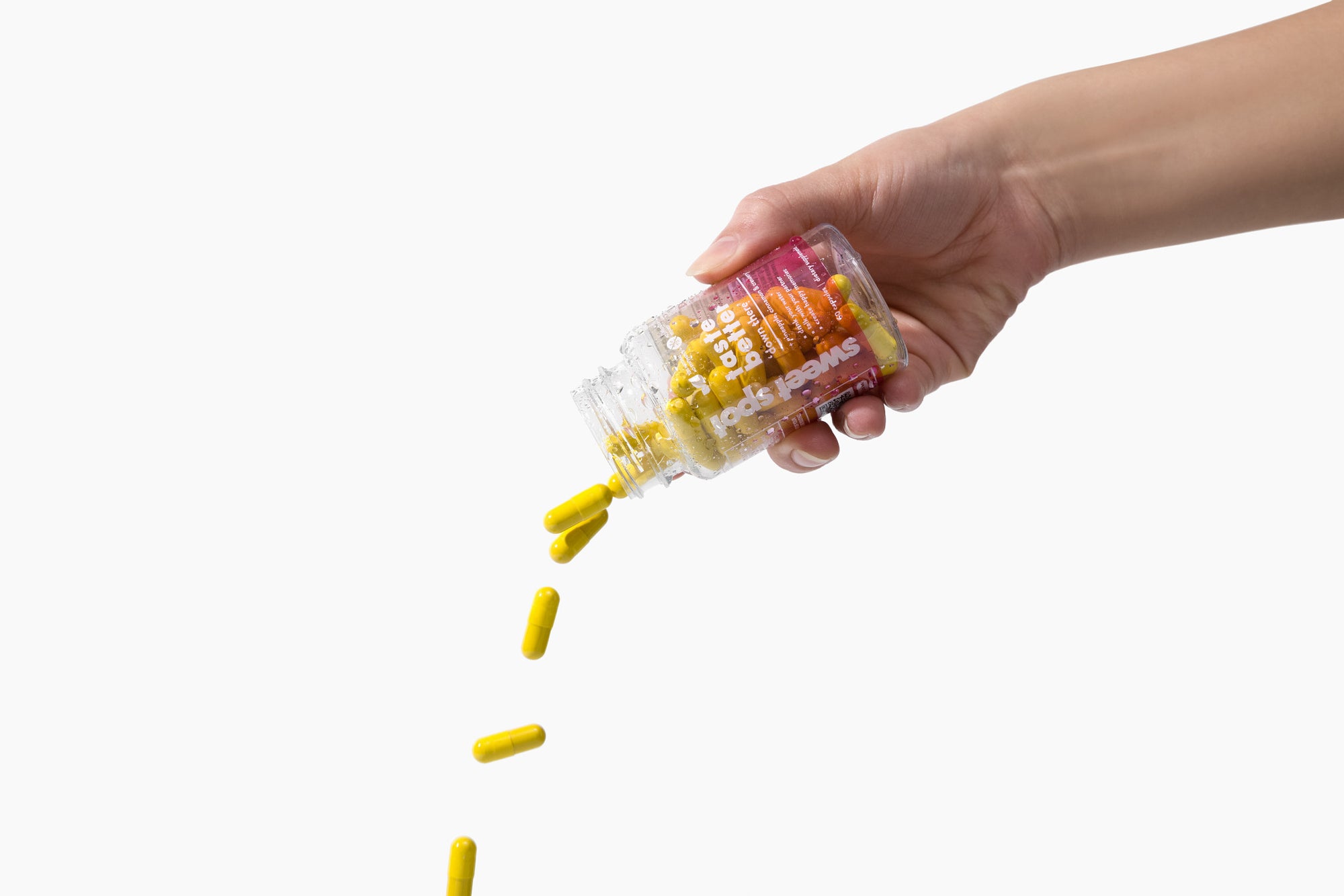
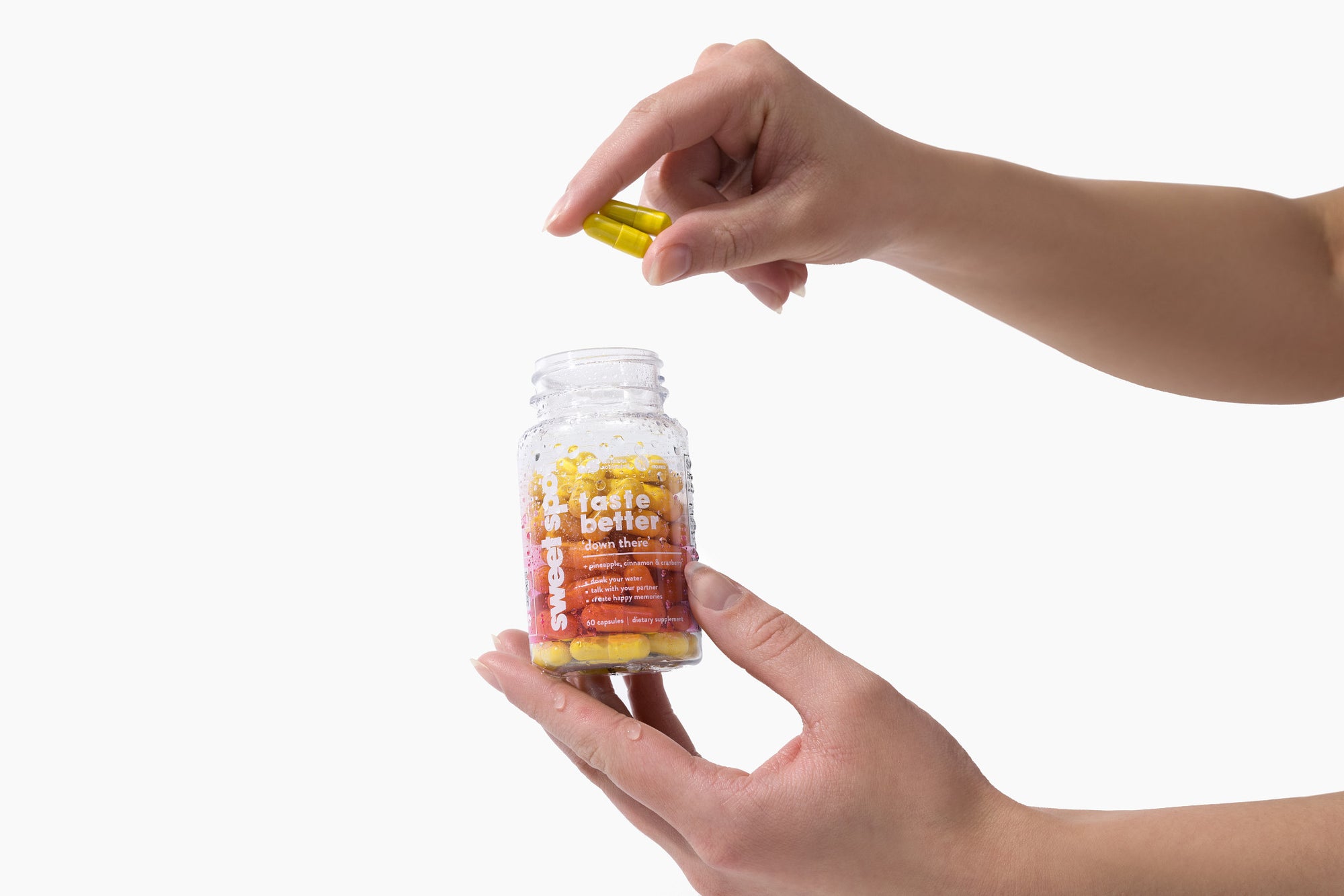
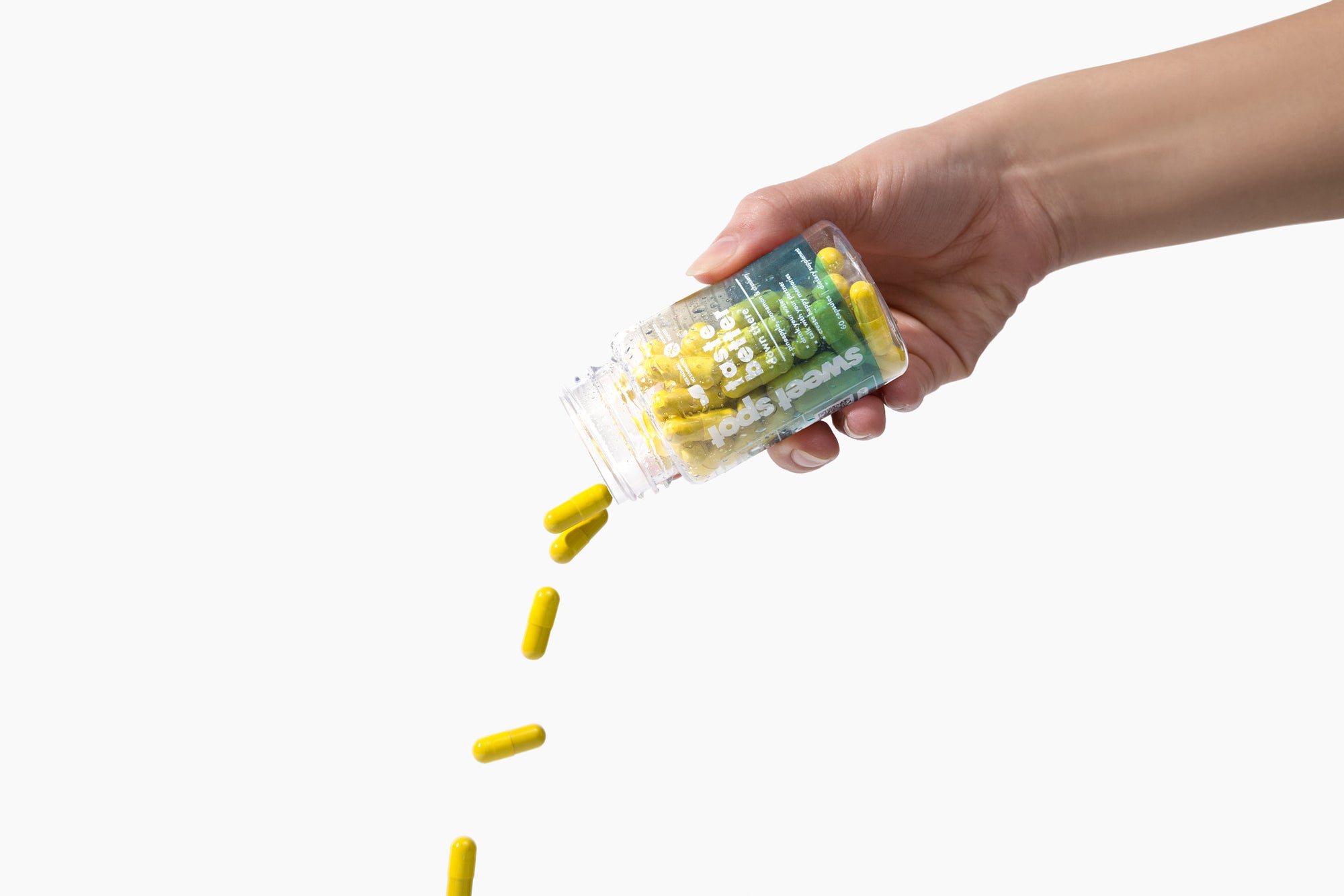
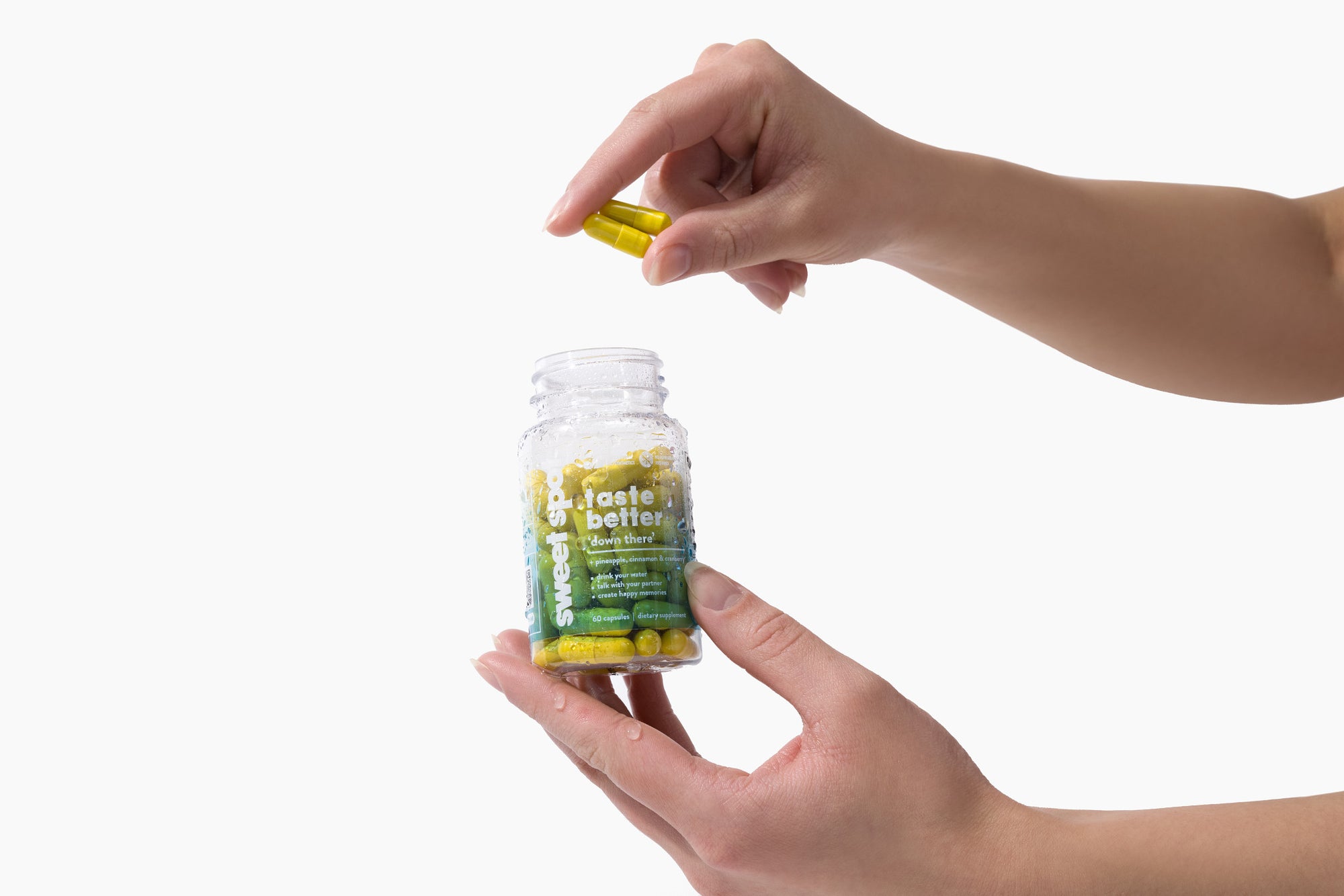
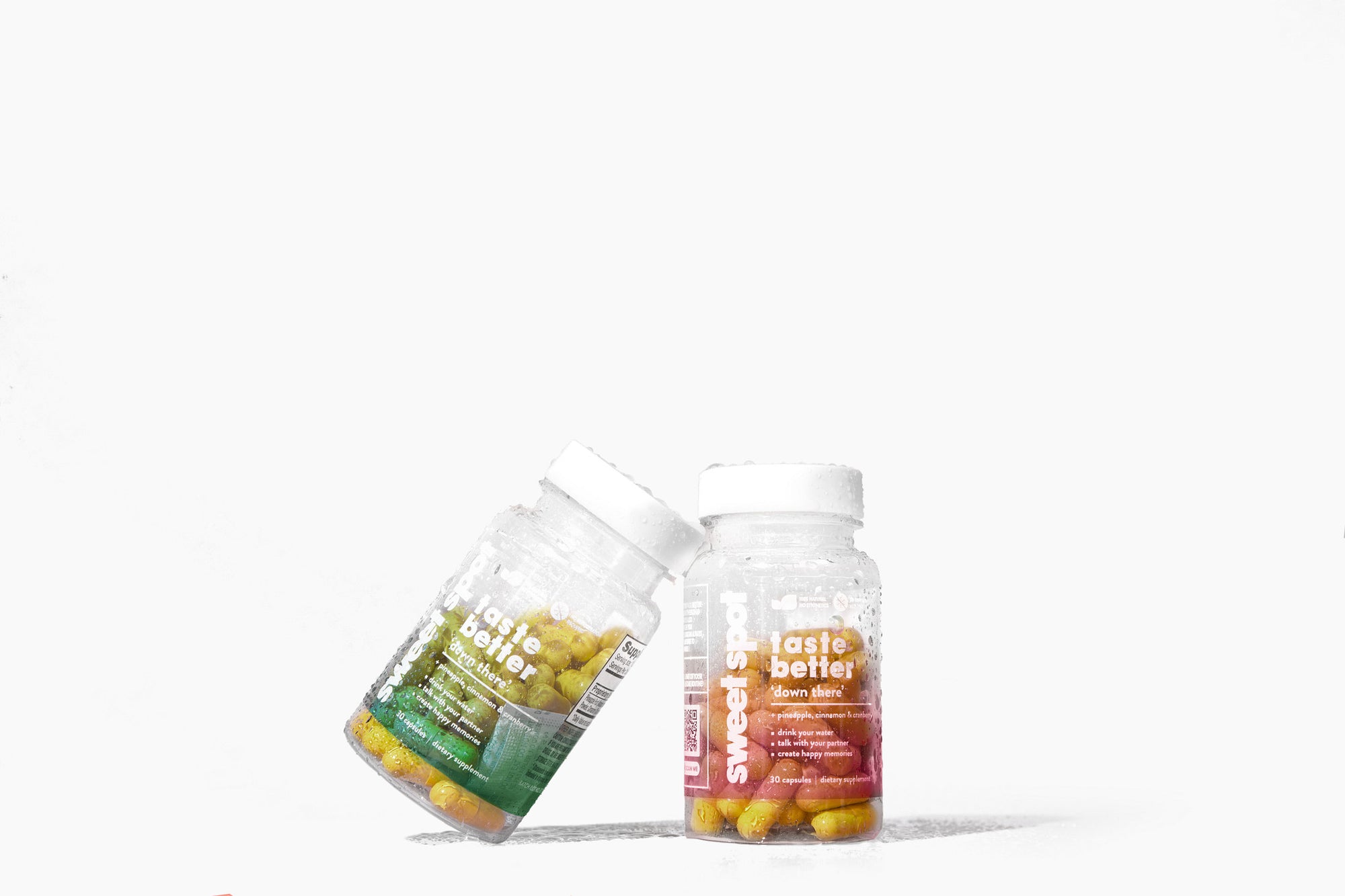
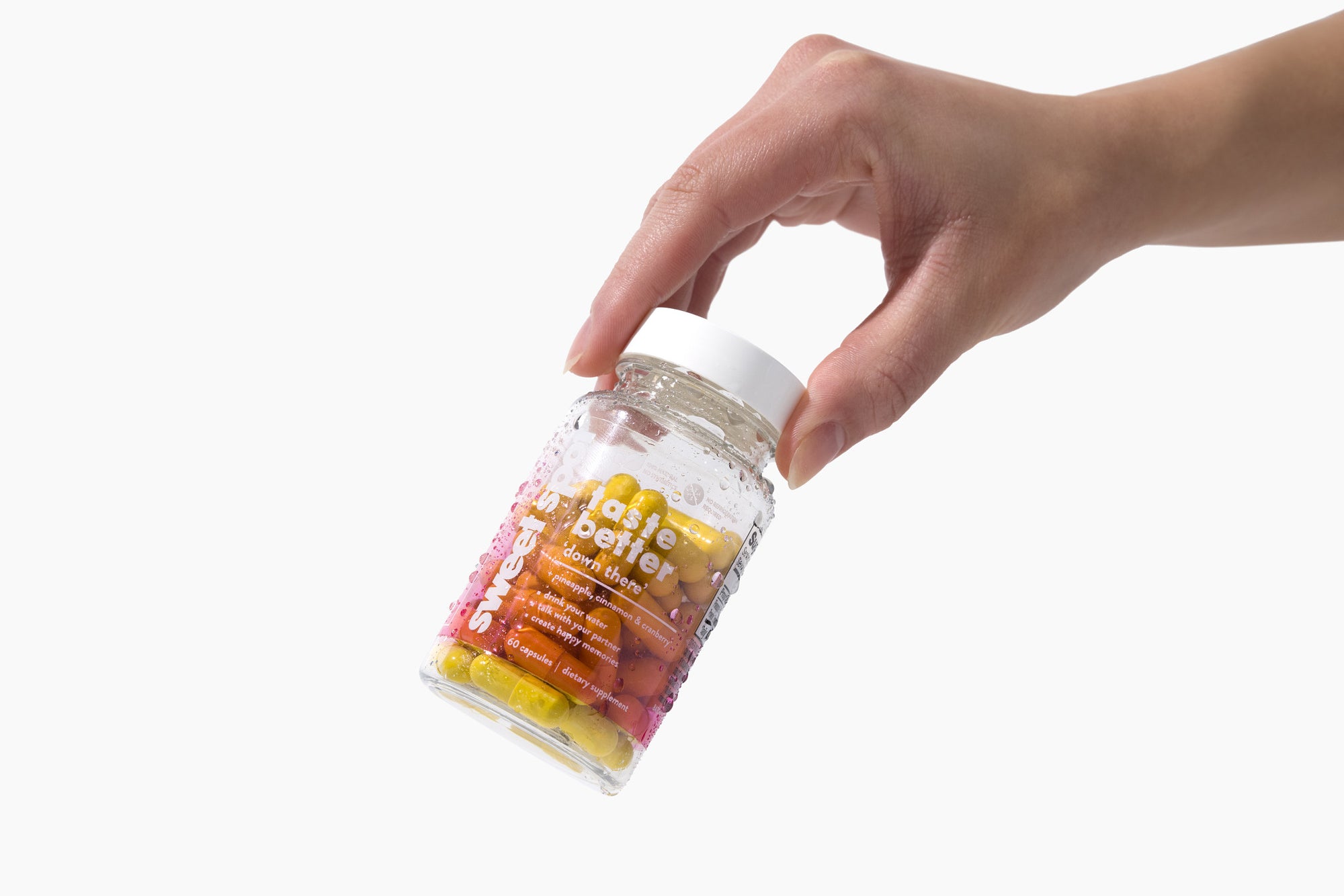
Support your natural freshness from the inside out with Women's Sweet Spot — pineapple extract, probiotics and body-chemistry-supporting nutrients, taken daily with plenty of water.
Frequently asked questions
What foods make you taste good down there?
Fresh fruit — especially pineapple, citrus, cranberries and apples — plus plenty of water and probiotic foods like plain yogurt and kefir. They are high in water and natural sugars and support a healthy vaginal microbiome.
What foods make you taste bad?
Strong sulfur-rich foods (garlic, onions, asparagus), heavy spices, excess sugar and refined carbs, processed food, and alcohol, caffeine and smoking — all of which can sharpen flavor, dehydrate you, or disrupt your natural balance.
How long does it take for diet to change how you taste?
Hydration can help within a day, but dietary and probiotic changes generally need one to two weeks of consistency to shift your baseline body chemistry.
Should I douche to taste and smell better?
No. Douching disrupts the protective bacteria and acidic pH that keep you balanced and can actually cause odor and infections. Wash the vulva with warm water or a gentle, unscented cleanser instead.
When should a change in taste or smell see a doctor?
A strong fishy odor, unusual discharge, itching or burning can signal bacterial vaginosis or a yeast infection. These are common and treatable — see a healthcare provider rather than trying to mask them with diet.