

The "Sweat to Sex" Transition: The Ultimate Hygiene Guide for Active Couples
The Intersection of Adrenaline and Intimacy
There is a specific kind of energy that exists in a gym. It is raw, it is physical, and for many couples, it is deeply attractive. Watching your partner push through a heavy set, seeing the determination in their eyes, the flush of their skin—it triggers a primal response. Psychology tells us that "excitation transfer" (the transfer of residual arousal from one event to another) is real. The high heart rate, heavy breathing, and endorphin rush from a workout can easily be reframed by the brain as sexual arousal.
It is no surprise, then, that many active couples find themselves wanting to transition from "training mode" to "bedroom mode" relatively quickly. The shared goal-setting, the mutual support, and the sheer physicality of training together creates a bond that naturally spills over into intimacy.
But here is the unsexy reality that no one puts on Instagram: Training is dirty.
Hard training produces sweat. It produces friction. It creates heat. These are the three ingredients that bacteria—specifically the kinds that cause foul odor and infections—crave more than anything else.
If you are an active couple, you are constantly walking a tightrope. You want to enjoy the libido-boosting benefits of exercise (testosterone spikes, better circulation, increased body confidence), but you also need to manage the hygiene risks that come with it. A disrupted pH balance, a bout of Bacterial Vaginosis (BV), or a stubbornly "off" taste can kill that post-gym confidence faster than you can say "burpee."
This guide is not just about "washing up." It is a comprehensive bio-hacking manual for your intimate life. We are going to cover the biology of sweat, the specific fabric technologies you should (and shouldn't) wear, the nutrition that supports your scent, and the exact step-by-step protocol to go from the squat rack to the sack without worrying about a thing.
Section 1: The Biology of the "Gym Scent"
To control your body chemistry, you have to understand it. Why do we smell different after a workout than we do after, say, a hot day in the sun? Why does some sweat smell like water, and other sweat smell like... onions?
The Tale of Two Glands
Your body is covered in sweat glands, but they are not all the same. To master your hygiene, you need to know the difference between the two main players:
- Eccrine Glands: These are the "cooling" glands found all over your skin—forehead, arms, back. They secrete a mixture that is 99% water and 1% salt/electrolytes. This sweat is functionally odorless. If you were only sweating from these glands, you would just be wet, not smelly.
- Apocrine Glands: These are the "scent" glands. They are located in specific areas: the armpits, the groin, and around the nipples. Unlike eccrine glands, apocrine glands don't just pump out water. They secrete a thick, milky fluid that is rich in proteins and lipids (fats). These glands kick into high gear during hormonal fluctuations, stress, and—you guessed it—high-intensity physical exertion.
The Bacteria Factor
Here is the kicker: Apocrine sweat itself is odorless. The smell doesn't come from you; it comes from the microbiome living on your skin. Your skin is home to billions of bacteria (like Corynebacterium and Staphylococcus). These microscopic tenants love protein. When your apocrine glands activate during a heavy lift or a sprint, they serve up a buffet for these bacteria.
As the bacteria break down the proteins and fats in your sweat, they release waste products.
- Methanethiol (sulfur/cheesy smell)
- Propionic acid (sour/vinegar smell)
- Isovaleric acid (sweaty/foot smell)
The Takeaway: You can't stop the sweat (and you shouldn't—it's healthy!). But you can stop the reaction by denying the bacteria the time to feast. Speed is your ally.
Section 2: The Gear Guide – Prevention Starts Before You Lift
Most hygiene issues start before you even lift a weight. They start with what you are wearing. In the age of "athleisure," where we wear gym clothes to the grocery store, the office, and brunch, we are creating a permanent environment for bacterial overgrowth.
The Problem with "Leggings Life"
We love leggings. They make our glutes look great. But tight, compressive clothing is the enemy of vaginal health.
- Occlusion: Tight synthetic fabrics (nylon, spandex) create an occlusive seal. They trap heat and moisture against the vulva.
- The Greenhouse Effect: Your vaginal flora (specifically Lactobacillus) needs oxygen to thrive. When you cut off airflow and add moisture, you create an anaerobic environment where bad bacteria (like Gardnerella, the primary cause of BV) flourish.
- Friction: The constant rubbing of tight fabric during running or cycling can cause micro-abrasions on the delicate skin of the vulva, creating entry points for bacteria.
The "Commando" Debate
Should you wear underwear under your leggings? This is the eternal gym debate.
- Team Commando: Arguably better for avoiding panty lines, but dangerous for hygiene. Most leggings have a central seam (the gusset) that can rub and irritate sensitive tissues. Plus, leggings are rarely washed at high enough temperatures (140°F+) to kill bacteria, so you might be re-infecting yourself with every wear.
-
Team Panties: The safer bet, if you choose the right ones.
- NO: Thongs. They act as a "bacterial highway," dragging rectal bacteria (E. coli) forward towards the vagina and urethra as you move.
- NO: Cotton. While breathable for daily wear, cotton absorbs moisture and holds it like a wet sponge against your skin.
- YES: Full-coverage, moisture-wicking tech fabrics or bamboo. Bamboo is naturally antimicrobial and softer than cotton.
Section 3: The "Scent-Saving" Workout Routine
You are at the gym. You are crushing your sets. Here is how to minimize the damage while you train.
1. Wipe Before You Work
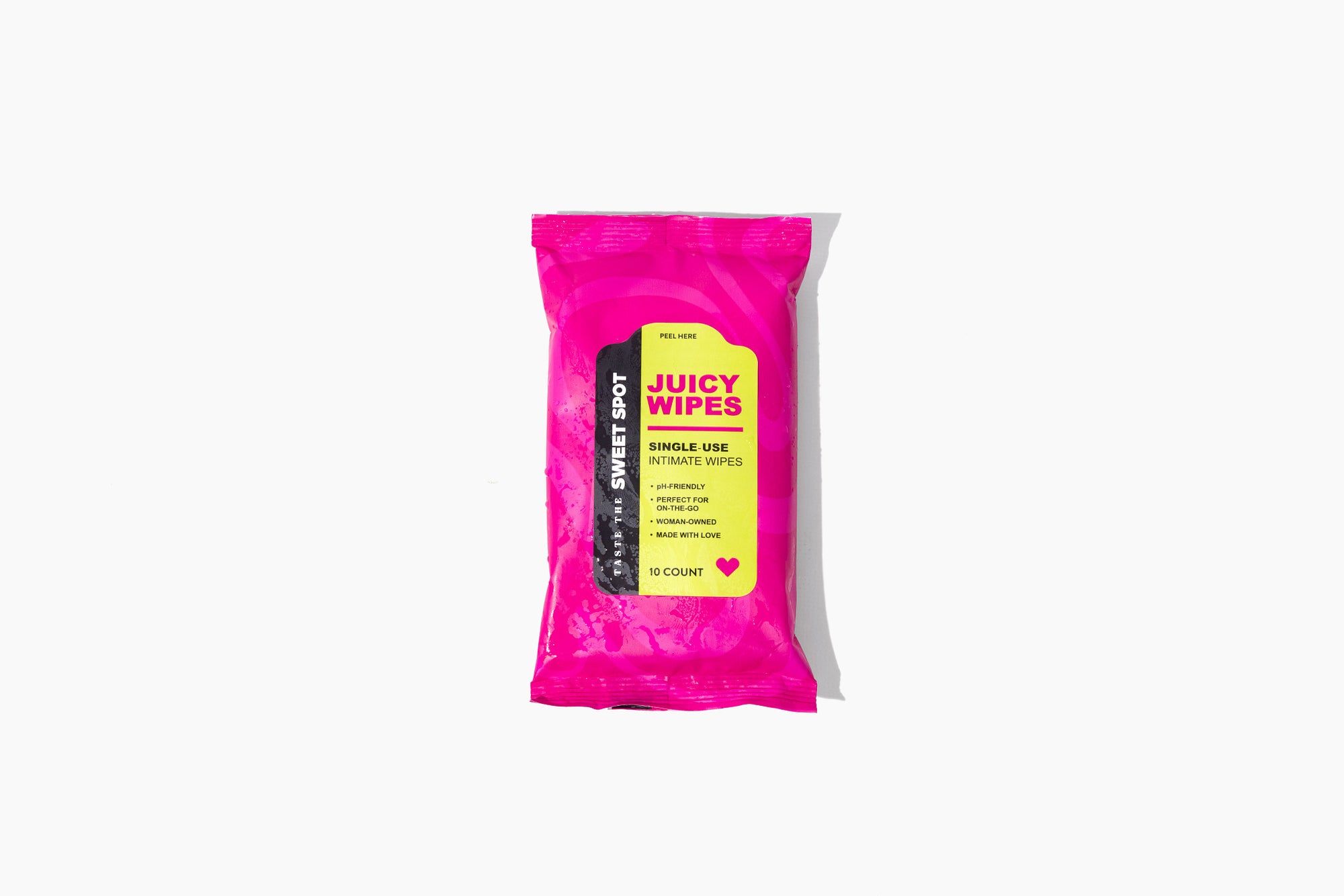
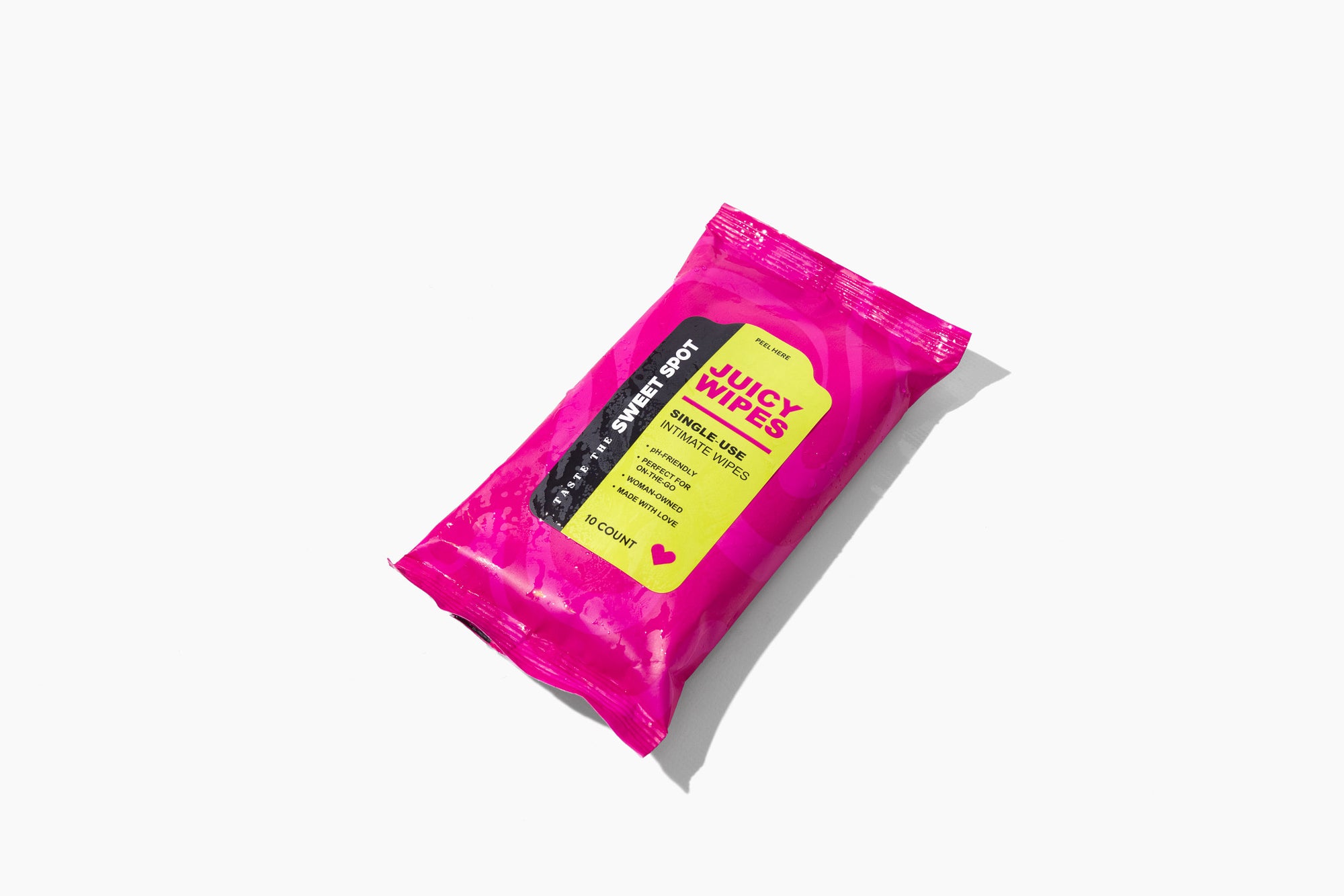
If you are coming from a full day at the office, you already have a layer of bacteria and sweat on your skin. Adding fresh sweat on top of stale sweat is a recipe for disaster. The Hack: Use a Taste The Sweet Spot Intimate Wipe before you put on your gym clothes. Start with a clean slate. Removing the existing bacteria means there is no one there to eat the new sweat you are about to produce.
2. Hydration is Deodorant
We cannot stress this enough: Dilution is the solution. Concentrated sweat (from a dehydrated body) has a higher concentration of ammonia. Ammonia smells sharp and chemical-like.
- The Rule: Drink at least 20oz of water during your 60-minute workout. If your urine is not pale yellow, you are already dehydrated, and your body odor will reflect that.
3. The Towel Barrier
Never sit directly on a gym bench. Just don't. While it’s unlikely you’ll catch an STD from a bench, you can pick up Staphylococcus aureus (Staph) or fungal infections like Ringworm. The Fix: Always have a dedicated "butt towel" that is separate from your "face towel." Mark them if you have to.
Section 4: The Post-Workout Protocol (From Sweat to Sex)
Okay, the workout is done. You are sweaty. The endorphins are hitting. The vibe is right. How do you transition without killing the mood or risking your health?
Scenario A: You Have Time for a Shower (The Gold Standard)
If you have access to a shower, take it. But do it right.
- Temperature Check: Don't use scalding hot water. It strips the natural lipid barrier involved in keeping your skin healthy. Warm is best.
- Product Selection: Do NOT use your partner's "Man-Wash" or highly fragranced bar soap on your intimate areas. These products usually have a pH of 9-10. Your vulva needs a pH of 4-5. High pH soap kills good bacteria instantly. Use water or a specialized pH-balanced cleanser.
- The "Cool Down" Rinse: Finish with 10 seconds of cool water on the groin area. This helps close the pores and stop the "after-sweat" that happens when you get out of a hot shower and keep sweating while drying off.
Scenario B: The "Car" or "Quick-Change" Scenario (Real Life)
Sometimes, you don't have access to a shower. Maybe you're hiking, or rushing home to beat traffic.
- Get the Wet Clothes OFF: Do not drive home in your wet leggings. Do not sit in them for "just 20 more minutes" while you scroll TikTok. Every minute counts.
- The Wipe Down: Use two wipes. One for the front, one for the back. Do not cross-contaminate.
- Dry is Key: If you have a clean towel, pat dry. Moisture is the enemy.
Section 5: The Internal Hack – Taste The Sweet Spot
Hygiene manages the surface bacteria. But what about the actual chemistry of your fluids? This is where biology meets supplementation. You can scrub the outside all you want, but if the fluids inside are bitter or acidic due to metabolic byproducts, you aren't fixing the root cause.
The Role of Bromelain (Pineapple Enzyme)
You’ve heard the rumors about pineapple. They are true, but you need the enzyme, not just the sugar. Bromelain is a proteolytic enzyme. It breaks down protein structures.
- Mechanism: It is believed that by breaking down proteins in bodily secretions, Bromelain reduces the "bitter" or "salty" notes often associated with sweat and semen, replacing them with a lighter, sweeter profile.
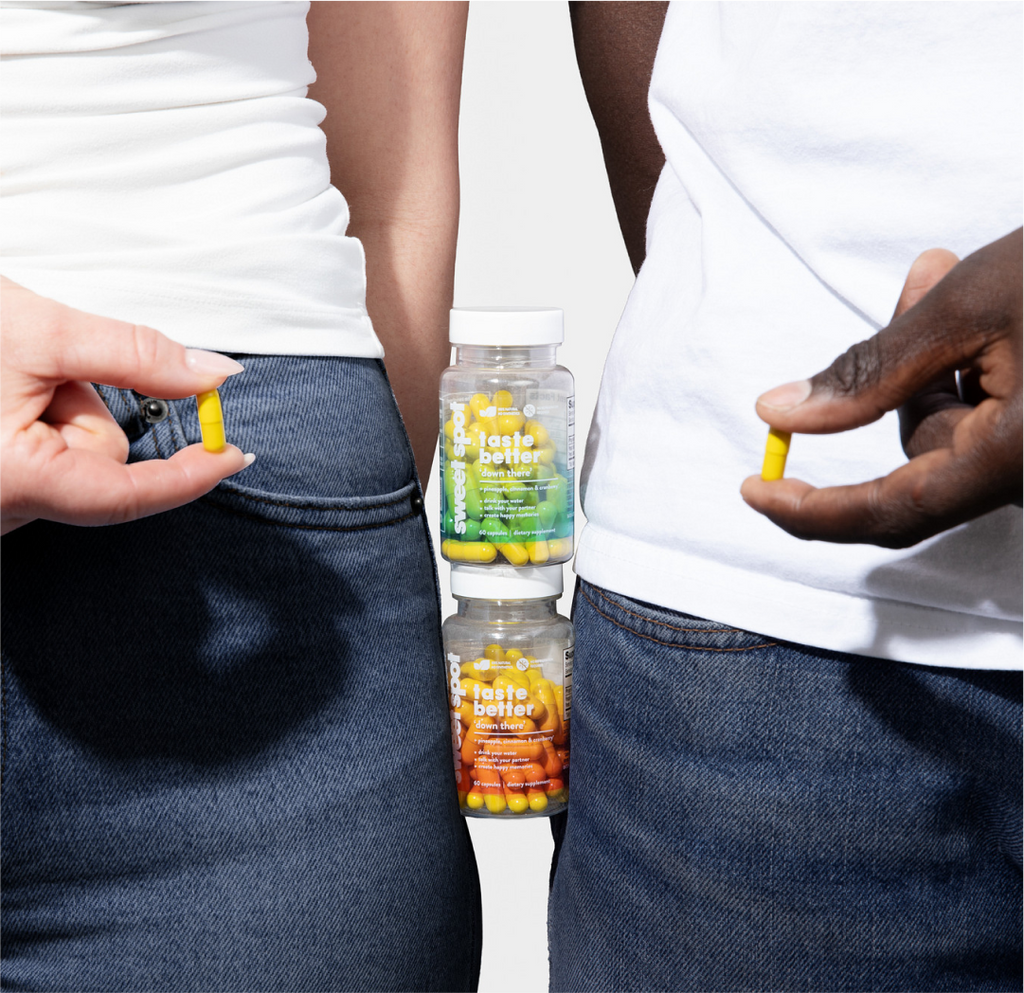
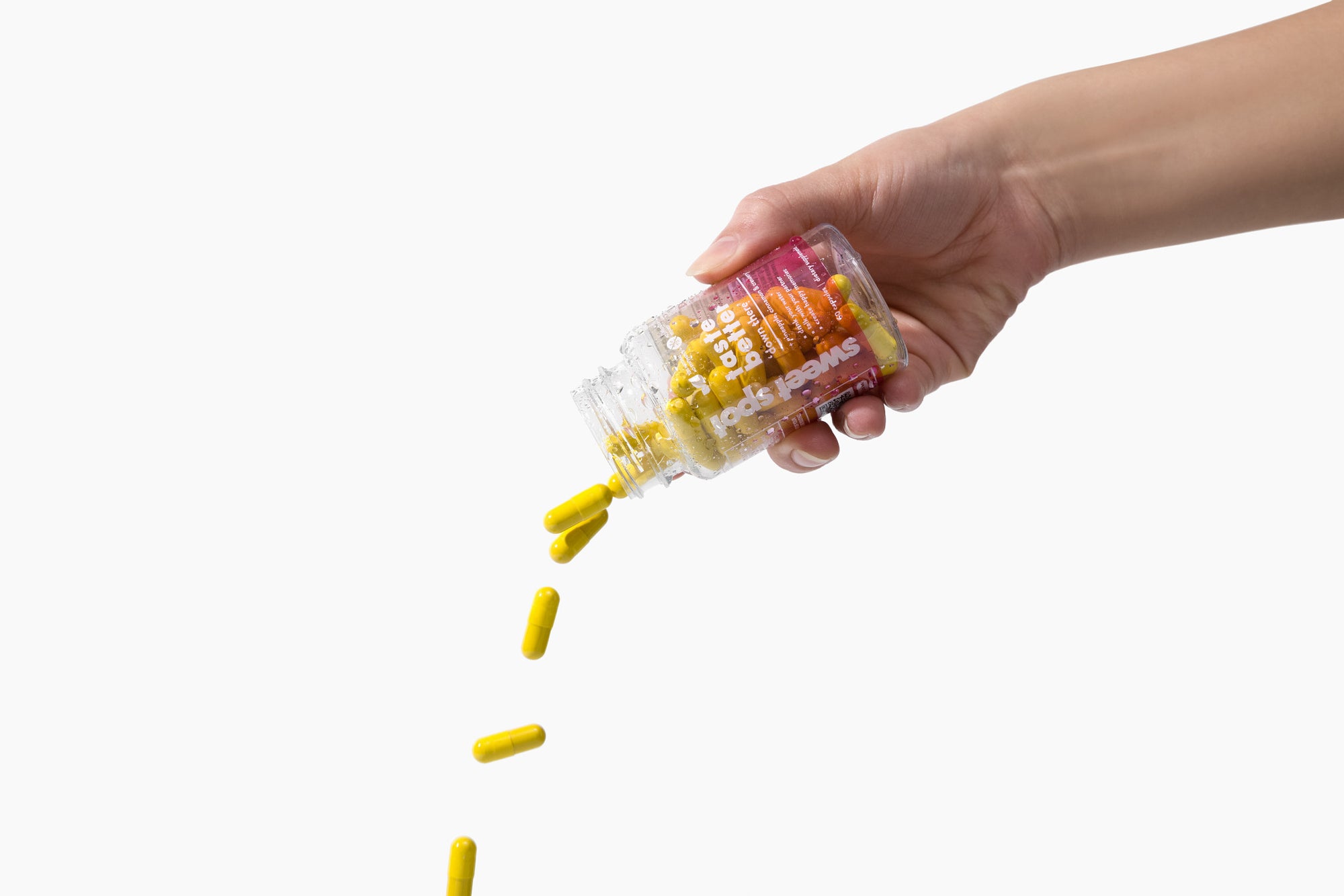
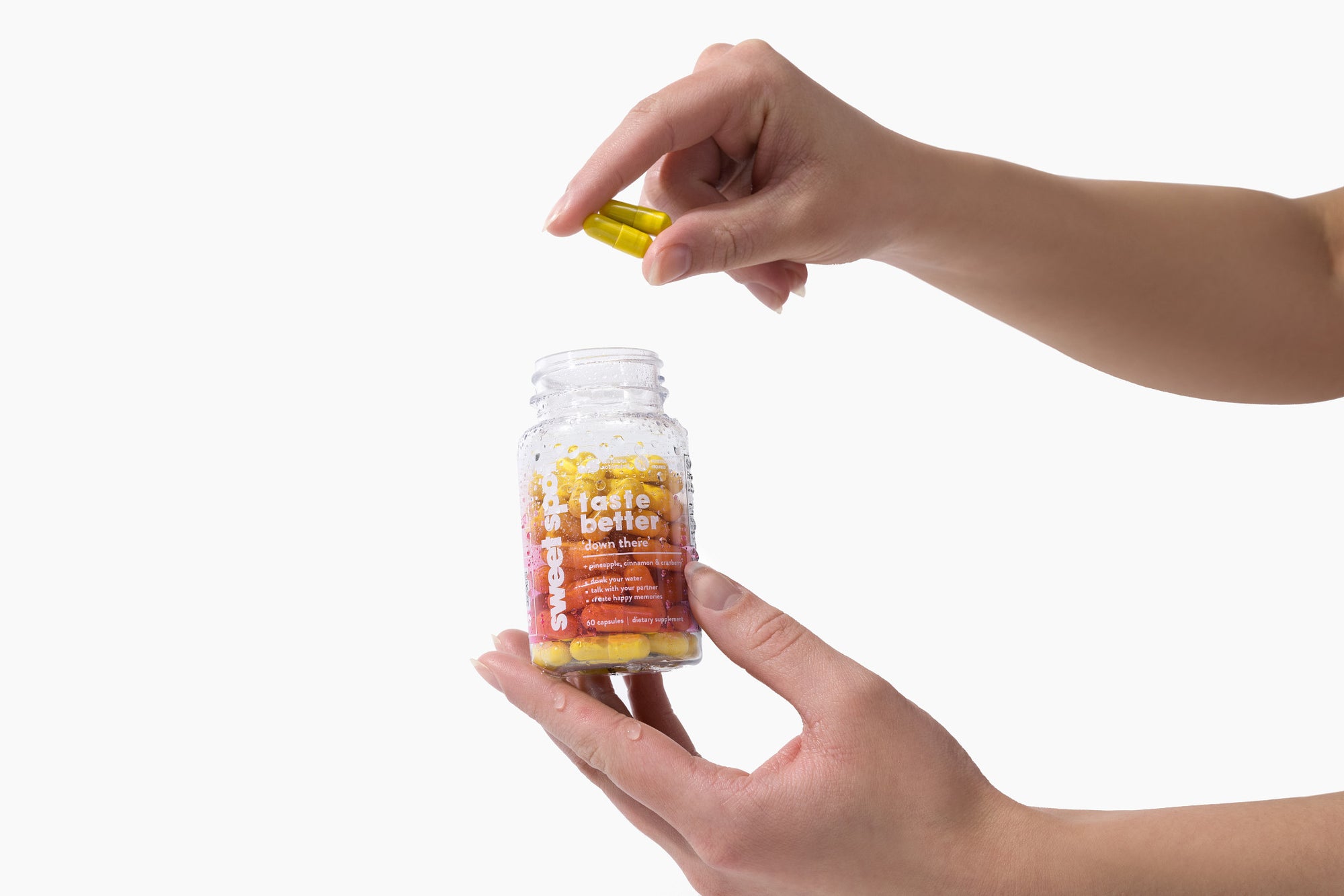
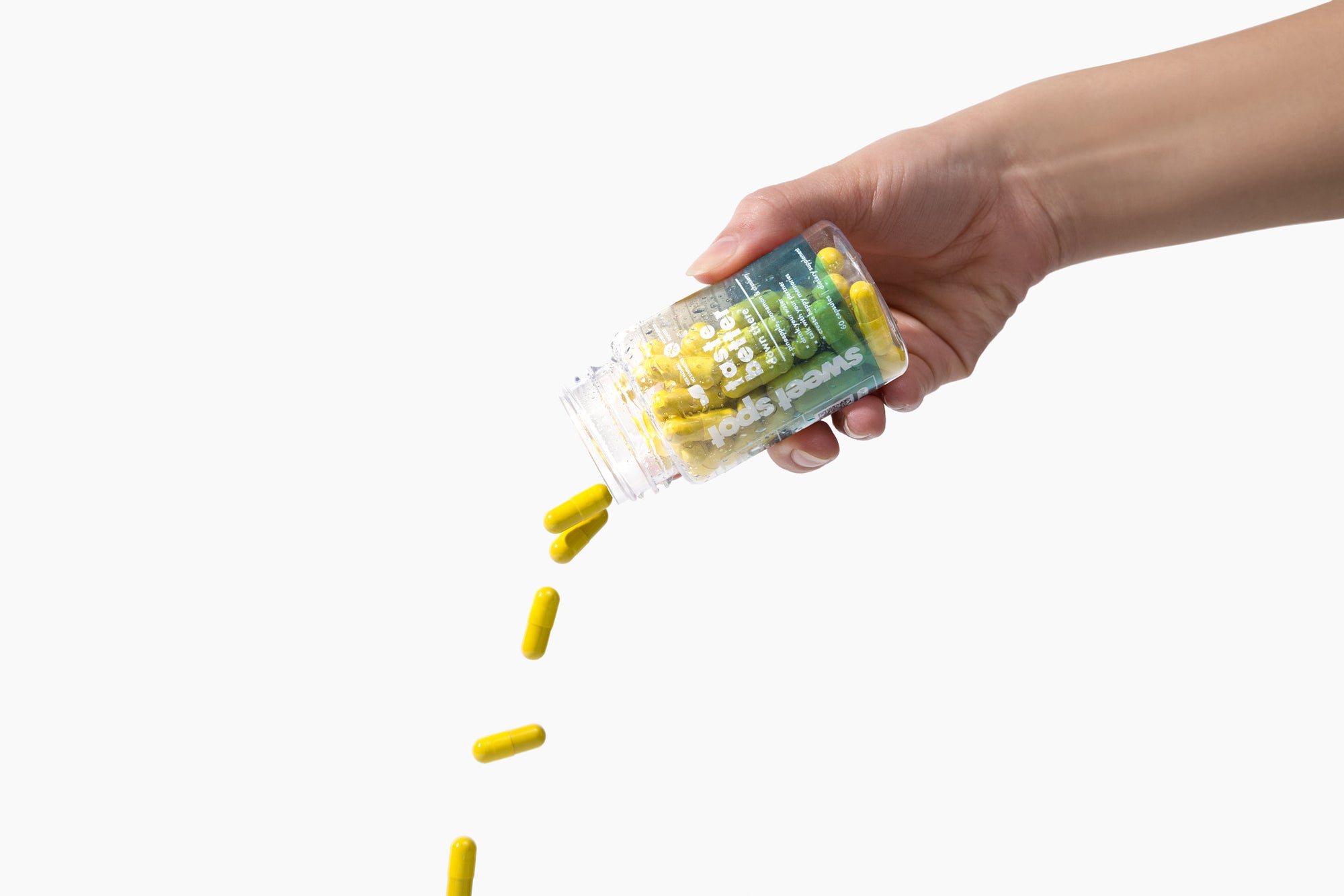
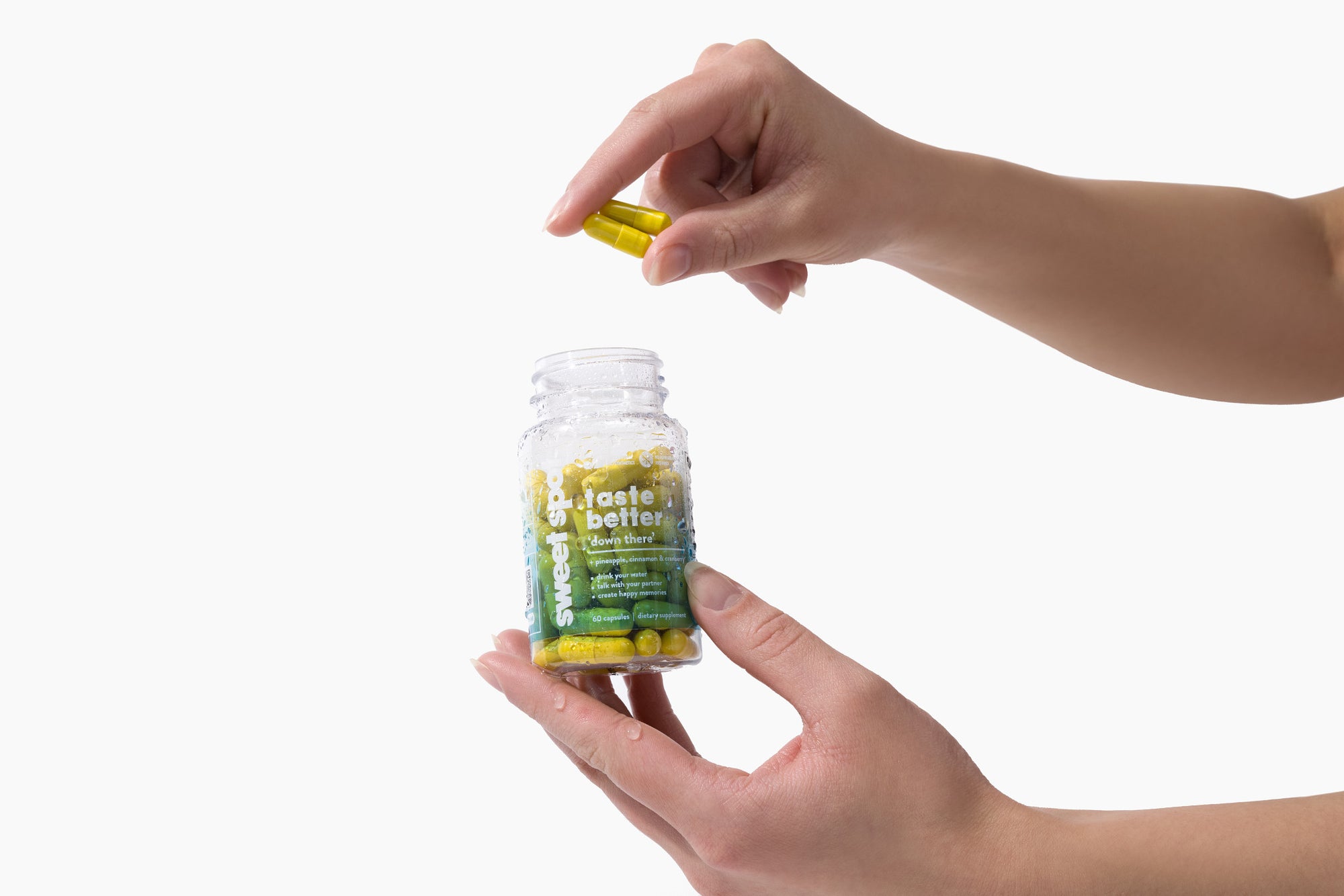
- Timing: Taking your Sweet Spot capsules before your workout (with breakfast) ensures the enzymes are circulating in your system when your metabolism kicks up.
The Cinnamon Effect on Circulation
Cinnamon is a vasodilator (opens blood vessels).
- In the Gym: Better blood flow means better muscle pumps and nutrient delivery.
- In Bed: Better blood flow means higher sensitivity and natural lubrication.
- The Scent: Cinnamon metabolites are excreted through pores, adding a subtle, spicy warmth to your natural scent profile that masks acrid sweat notes.
Cranberry: The Guard Dog
While you are rolling around on gym mats or engaging in friction-heavy activities (both exercise and sex), bacteria are being pushed around. Cranberry extract provides a non-stick coating for your urinary tract, ensuring that any bacteria introduced during activity cannot take hold.
Section 6: Common Myths About Gym Hygiene
Myth 1: "Sweat removes toxins so I should let it sit."
- Fact: Sweat releases some toxins, but mostly it releases salt and water. Letting it sit just breeds bacteria. It does not "absorb" back in to detox you, but it does cause acne and folliculitis (buttne). Wash it off.
Myth 2: "I should wear a panty liner to absorb the sweat."
- Fact: Don't do this during a workout. Panty liners often have a plastic backing. This blocks airflow completely, turning your underwear into a sauna. Change your underwear; don't pad them.
Myth 3: "If I smell, I have an infection."
- Fact: Not necessarily. You might just be dehydrated or eating high-sulfur foods (pre-workout shakes often contain sulfur-based amino acids like Taurine). Check your diet and hydration first.
Myth 4: "Shaving makes you cleaner."
- Fact: Pubic hair actually acts as a friction buffer and a wick to pull sweat away from the skin. Shaving can create micro-cuts that get infected by gym equipment. Do what makes you feel confident, but don't assume hair = dirty.
Confidence Comes from Preparation
Being an active couple is amazing for your relationship. It builds trust, releases stress, and keeps your drive high. Don't let the fear of being "not fresh" hold you back from initiating intimacy after a workout. By understanding the biology of your sweat glands, choosing the right fabrics, and using the simple "Wipe + Hydrate + Supplement" protocol, you can embrace the sweat. So go ahead. Hit the gym hard. Then hit the showers (or just the sheets). You’re covered.
SHOP THE PRODUCTS BEHIND THE VIRAL HYPE
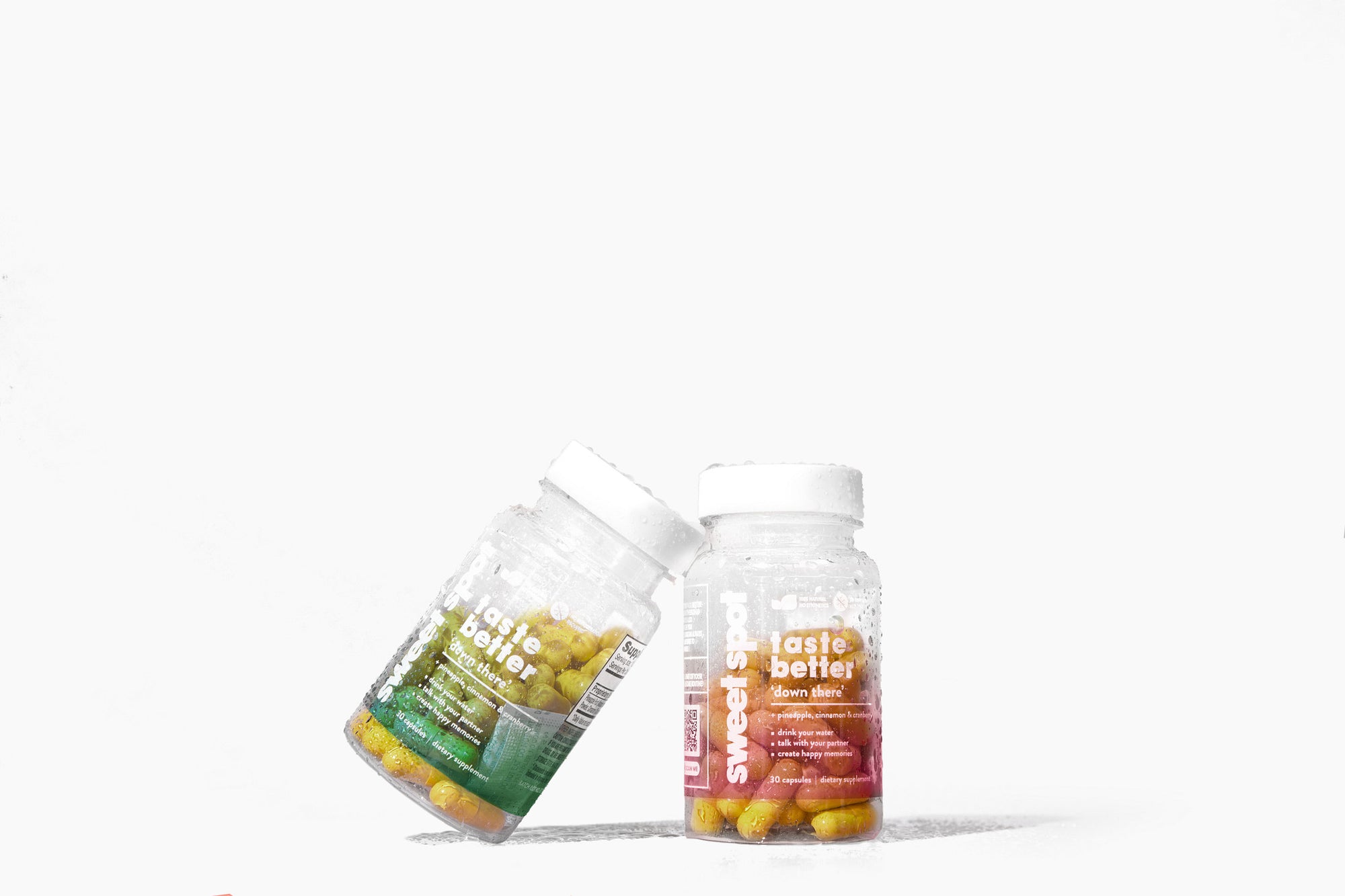
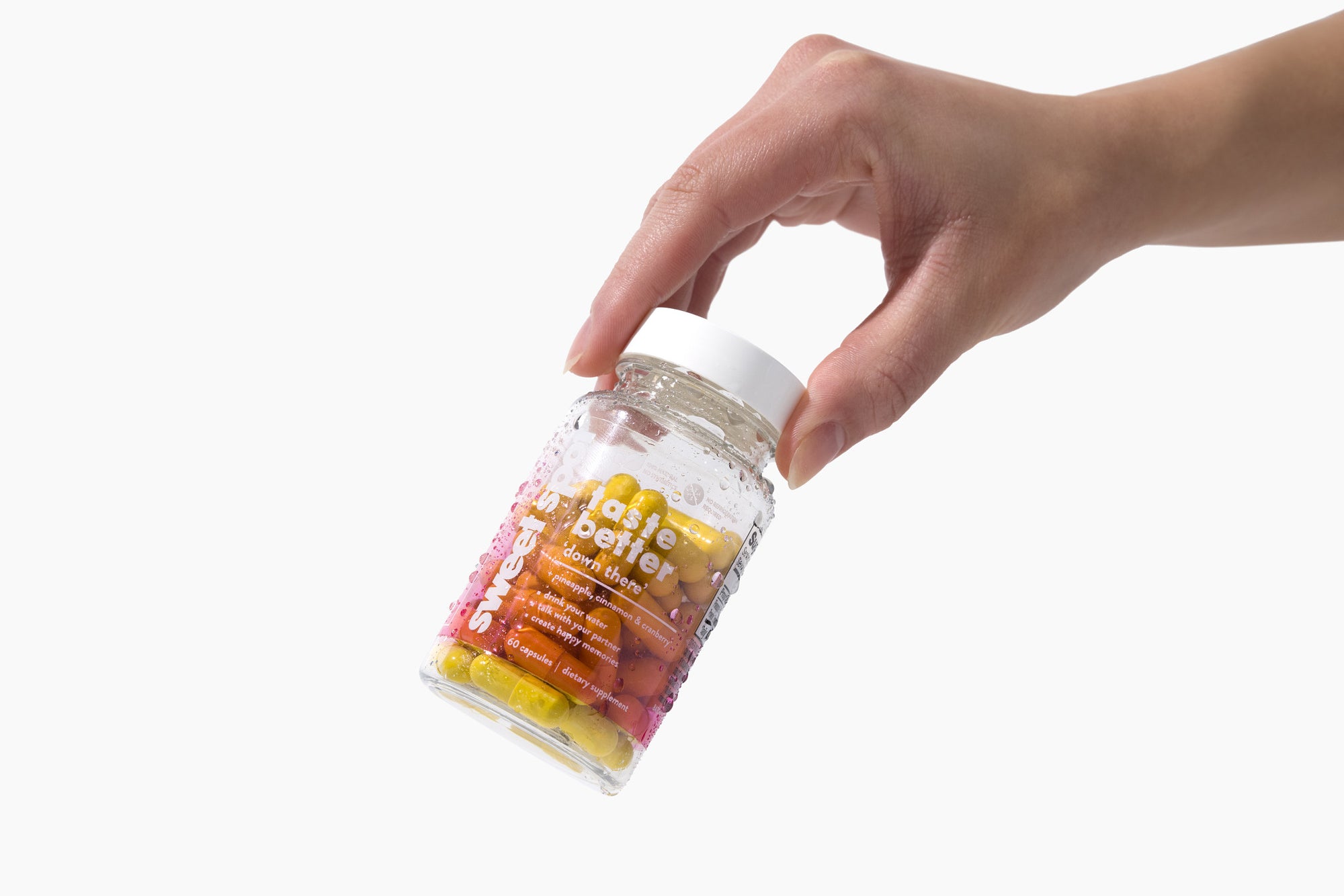
'TASTE BETTER DOWN THERE'
#STAYJUICY