

Intimate hygiene is one of the most important aspects of personal health care, yet it remains one of the least discussed. Most of us received minimal education on this topic — if any at all — and the information we did receive was often incomplete, outdated, or flat-out wrong. The result is a widespread culture of confusion: people either over-clean with harsh products that disrupt their body's natural balance, or they under-clean because nobody ever taught them the basics.
This guide exists to change that. We have compiled the most current, evidence-based recommendations from gynecologists, urologists, and dermatologists into a single, comprehensive resource. Whether you are a woman trying to understand why your body reacts to certain products, a man who was never taught proper below-the-belt care, or a couple looking to build healthier shared routines, this guide covers it all — thoroughly, honestly, and without shame.
Good intimate hygiene is not about smelling like a tropical garden. It is about maintaining the delicate microbial ecosystems that protect you from infection, supporting your body's natural processes, and feeling confident and comfortable in your own skin. Let us get into it.
Part 1: Women's Intimate Hygiene — The Complete Guide
The Vagina Is Self-Cleaning — What This Actually Means
You have probably heard the phrase "the vagina is self-cleaning" repeated in health articles and doctor's offices. But what does that actually mean in practical terms?
The vagina (the internal canal) maintains its own ecosystem through a remarkable biological process. It is colonized by beneficial bacteria — primarily Lactobacillus species — that produce lactic acid and hydrogen peroxide. These substances keep the vaginal pH between 3.8 and 4.5, which is acidic enough to suppress the growth of harmful bacteria and yeast. Vaginal discharge is the visible evidence of this self-cleaning mechanism: it flushes out dead cells, old bacteria, and other debris from the canal.
Here is what self-cleaning means in practice:
- You do not need to wash inside the vagina. No soap, no water, no cleansing solution needs to go inside the vaginal canal. Doing so disrupts the pH and kills the beneficial bacteria that protect you.
- Discharge is normal and healthy. Clear to white discharge that changes in consistency throughout your menstrual cycle is a sign that your vagina is working as intended. It is not something to be washed away with internal cleansing.
- The self-cleaning process has limits. While the internal canal takes care of itself, the external vulva (the labia, clitoral hood, and surrounding skin) does need regular, gentle cleaning — it is skin, and it accumulates sweat, oil, and residue just like any other part of your body.
- Disrupting the ecosystem has consequences. Douching, internal soaps, and harsh cleansers are associated with a significantly increased risk of bacterial vaginosis (BV), yeast infections, and even sexually transmitted infections due to compromised mucosal barriers.
Think of it this way: you clean the outside of your ears, but you do not pour soap into your ear canal. The same principle applies to intimate hygiene — care for the exterior, and trust the interior to do its job.
External vs. Internal: What to Wash and What NOT to Wash
Understanding the anatomy is the first step toward proper hygiene. Many people use the word "vagina" to refer to the entire genital area, but technically the vagina is the internal canal. The vulva is the external anatomy, and this is the part that needs cleaning.
What to wash (the vulva):
- The outer labia (labia majora)
- The inner labia (labia minora) — gently
- The clitoral hood — gently, to remove accumulated smegma
- The perineum (the area between the vaginal opening and the anus)
- The groin creases where the thigh meets the body
- The mons pubis (the area above the pubic bone)
What NOT to wash:
- Inside the vaginal canal — ever
- The urethral opening — avoid directing soap or products here
Best Cleansing Practices: Warm Water, Direction, and Frequency
The gold standard for vulvar cleansing, recommended by the American College of Obstetricians and Gynecologists (ACOG), is warm water alone. That said, many women prefer to use a mild, fragrance-free cleanser on the external vulvar skin, and this is acceptable as long as you choose the right product.
The ideal routine:
- Frequency: Once daily is sufficient for most women. Over-washing can strip the skin of its natural oils and disrupt the vulvar microbiome. If you exercise or sweat heavily, a second gentle rinse with water is fine.
- Water temperature: Use lukewarm water. Hot water can irritate the delicate vulvar skin and cause dryness.
- Direction: Always wash from front to back. This is critical because it prevents fecal bacteria from being introduced to the vaginal and urethral areas, reducing the risk of urinary tract infections (UTIs) and vaginal infections.
- Technique: Use your clean hands rather than a washcloth or loofah. These items can harbor bacteria and are too abrasive for vulvar skin. Gently separate the labia and rinse the folds with water or a small amount of gentle cleanser.
- Rinsing: Ensure all cleanser is thoroughly rinsed away. Residual soap left on the skin is a common cause of irritation and itching.
- Drying: Pat the area dry with a clean, soft towel. Do not rub. Moisture left in the folds of the skin can promote yeast growth.
Soaps and Products: What Is Safe and What to Avoid
The vulvar skin is some of the thinnest and most sensitive skin on the body. It has a higher absorption rate than the skin on your arms or legs, which means it is more vulnerable to irritation from chemicals and fragrances.
Safe products for external use:
- Plain warm water (the safest option)
- Fragrance-free, dye-free, pH-balanced gentle cleansers (pH 3.5–5.5)
- Cleansers formulated specifically for intimate use that are gynecologist-tested
- Hypoallergenic, soap-free wash bars
Products to avoid:
- Regular body soap or bar soap: Most have a pH of 9–10, far too alkaline for the vulvar area
- Scented body washes: Fragrances are among the most common causes of vulvar contact dermatitis
- Douches: These flush the vaginal canal with water or solutions, destroying beneficial bacteria and increasing infection risk by up to 73% according to some studies
- Feminine deodorant sprays: Unnecessary chemicals applied to sensitive skin — a recipe for irritation
- Bubble bath and bath bombs: The prolonged soaking in scented, soapy water is a frequent trigger for vulvar irritation and UTIs
- Antibacterial soaps: These kill beneficial bacteria along with harmful ones and contain ingredients like triclosan that are potential endocrine disruptors
- Products containing glycerin, parabens, or sulfates: Glycerin can promote yeast growth; parabens and sulfates are potential irritants
Period Hygiene: Pads, Tampons, and Menstrual Cups
Menstrual hygiene is an essential component of overall intimate care. The type of menstrual product you choose matters less than how you use it — proper changing frequency and cleanliness practices are key.
Pads (disposable and reusable):
- Change every 4–6 hours, or more frequently on heavy flow days
- Choose unscented pads — scented pads are a common irritation trigger
- Make sure the pad is positioned correctly to avoid chafing
- Reusable cloth pads should be washed in hot water with fragrance-free detergent after each use
Tampons:
- Change every 4–8 hours maximum, never exceeding 8 hours
- Use the lowest absorbency needed for your flow — using super-absorbent tampons on light days can cause dryness and micro-tears
- Never use two tampons at once
- Wash your hands before insertion and removal
- Choose unscented, organic cotton tampons when possible to minimize chemical exposure
- Be aware of toxic shock syndrome (TSS) symptoms: sudden high fever, vomiting, diarrhea, sunburn-like rash, dizziness. Seek emergency care immediately if these occur.
Menstrual cups:
- Can be worn for up to 12 hours, making them the longest-wear option
- Must be sterilized by boiling between cycles (5–10 minutes in boiling water)
- Rinse with clean water or a mild, fragrance-free soap between insertions during your cycle
- Wash your hands thoroughly before handling
- Choose medical-grade silicone cups for safety and durability
Overnight care:
- Use overnight-length pads or period underwear for sleep — these provide longer coverage and more absorbency
- If using a tampon overnight, insert a fresh one right before bed and change it first thing in the morning (keeping within the 8-hour window)
- Menstrual cups are an excellent overnight option due to their 12-hour wear time
Post-Sex Hygiene Checklist
What you do in the 30 minutes after sexual activity has a significant impact on your intimate health. Here is your post-sex checklist:
- Urinate within 30 minutes. This is the single most important post-sex hygiene step for women. During sex, bacteria can be pushed toward the urethra. Urinating flushes these bacteria out before they can travel up to the bladder and cause a UTI.
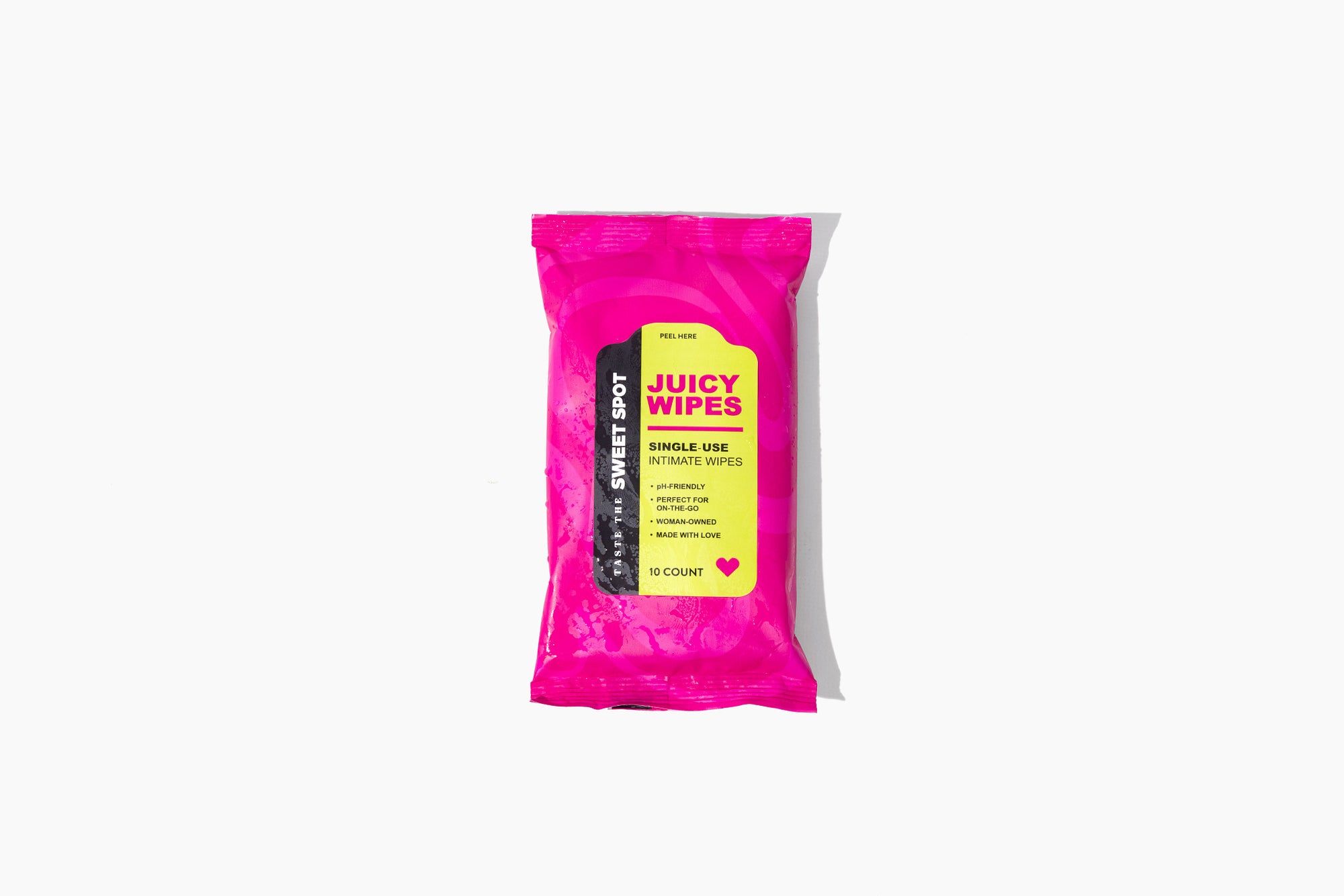
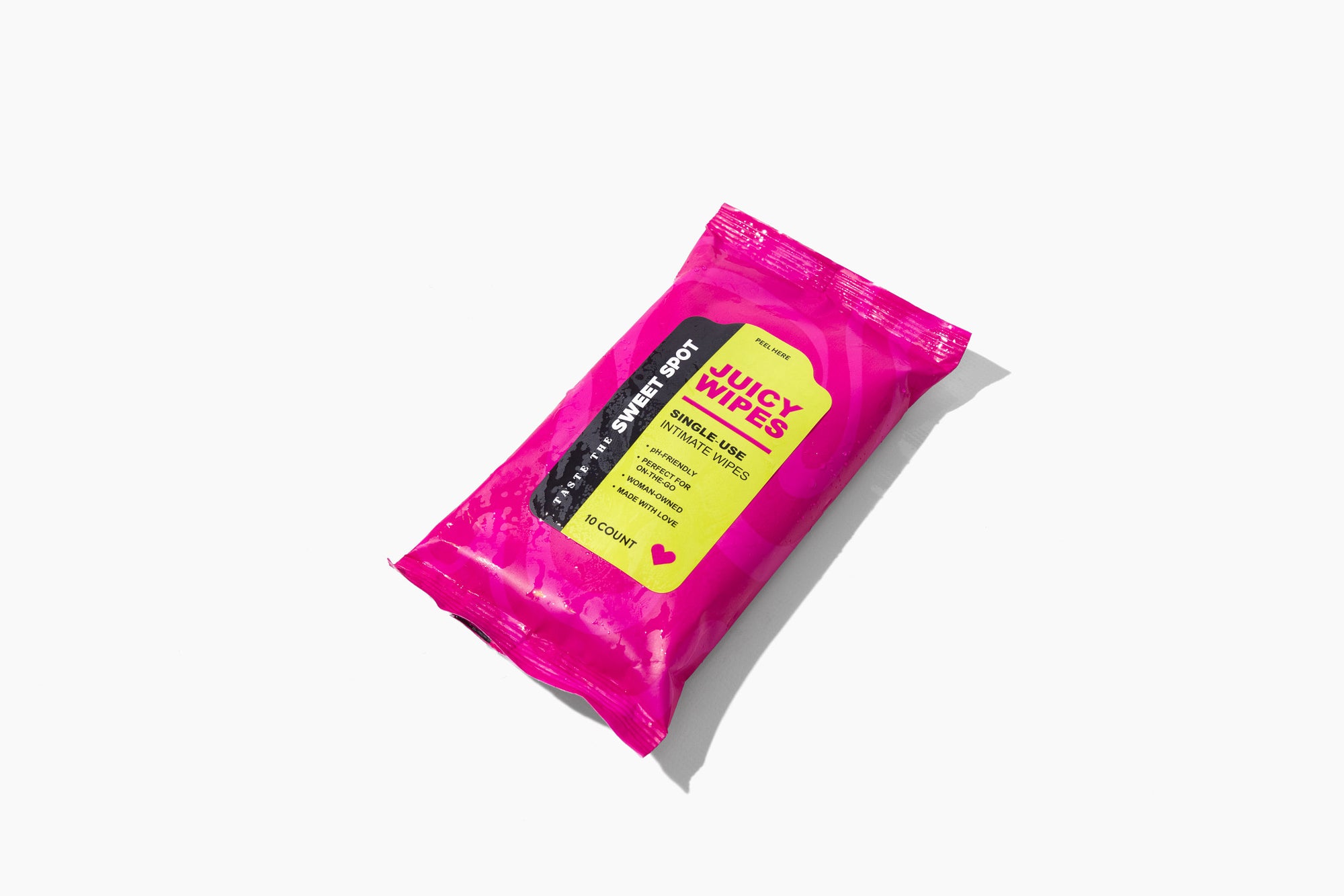
- Clean externally with warm water. Gently rinse the vulva with lukewarm water. A gentle, pH-balanced intimate wipe can also be used for quick cleanup. Our Intimate Wipes are formulated with a vulva-safe pH and free from harsh chemicals, making them ideal for this purpose.
- Do NOT douche after sex. Douching after intercourse does not prevent pregnancy or STIs, and it significantly increases the risk of BV and pelvic inflammatory disease (PID).
- Do not use soap internally. The urge to "clean up" internally after sex is understandable but counterproductive. Your vagina will handle it.
- Change into clean, dry underwear. If you put underwear back on, choose a fresh pair in breathable cotton.
- Avoid scented products. Post-sex is not the time for scented sprays or perfumed wipes. The vulvar skin is especially sensitive after the friction and moisture of sexual activity.
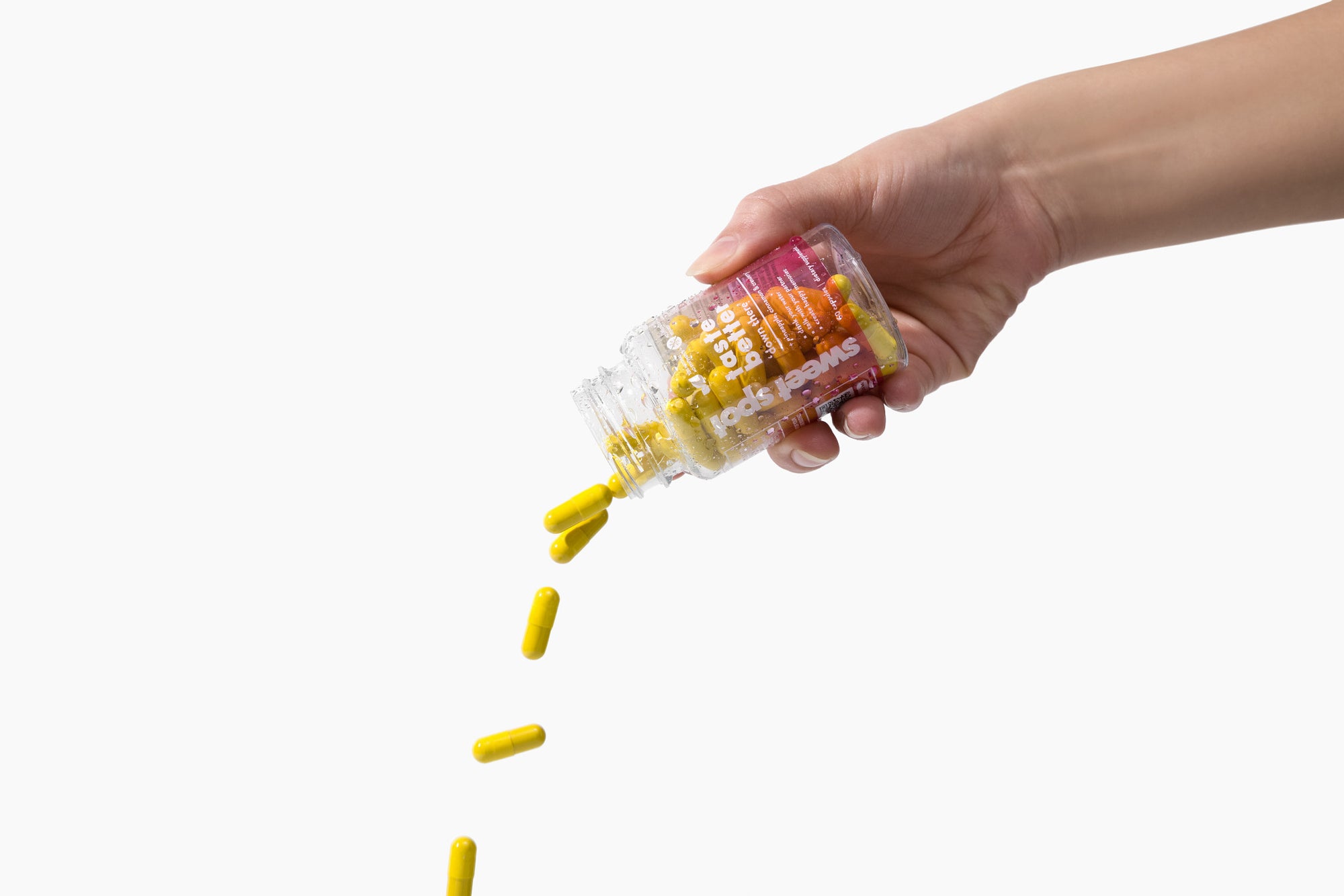
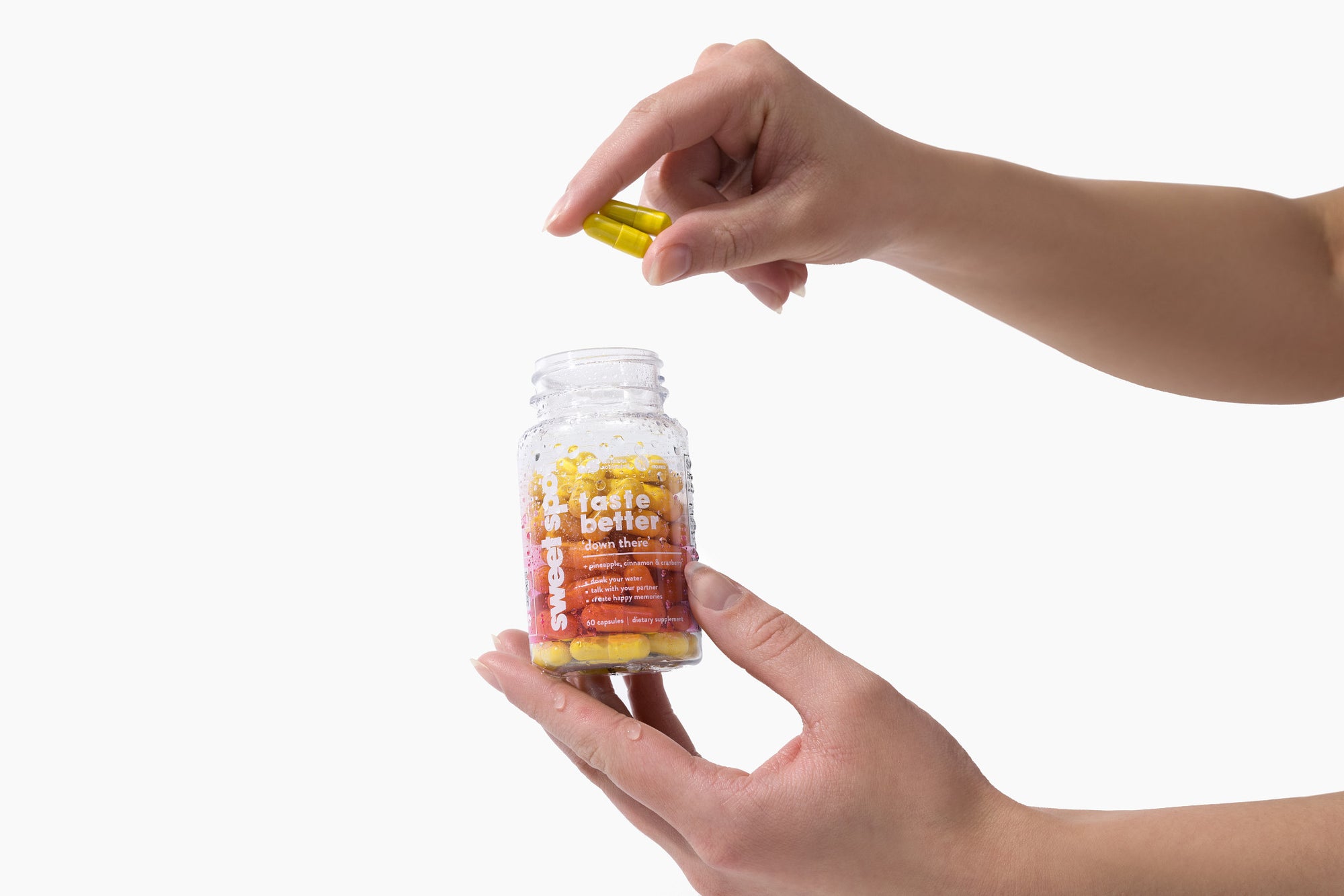
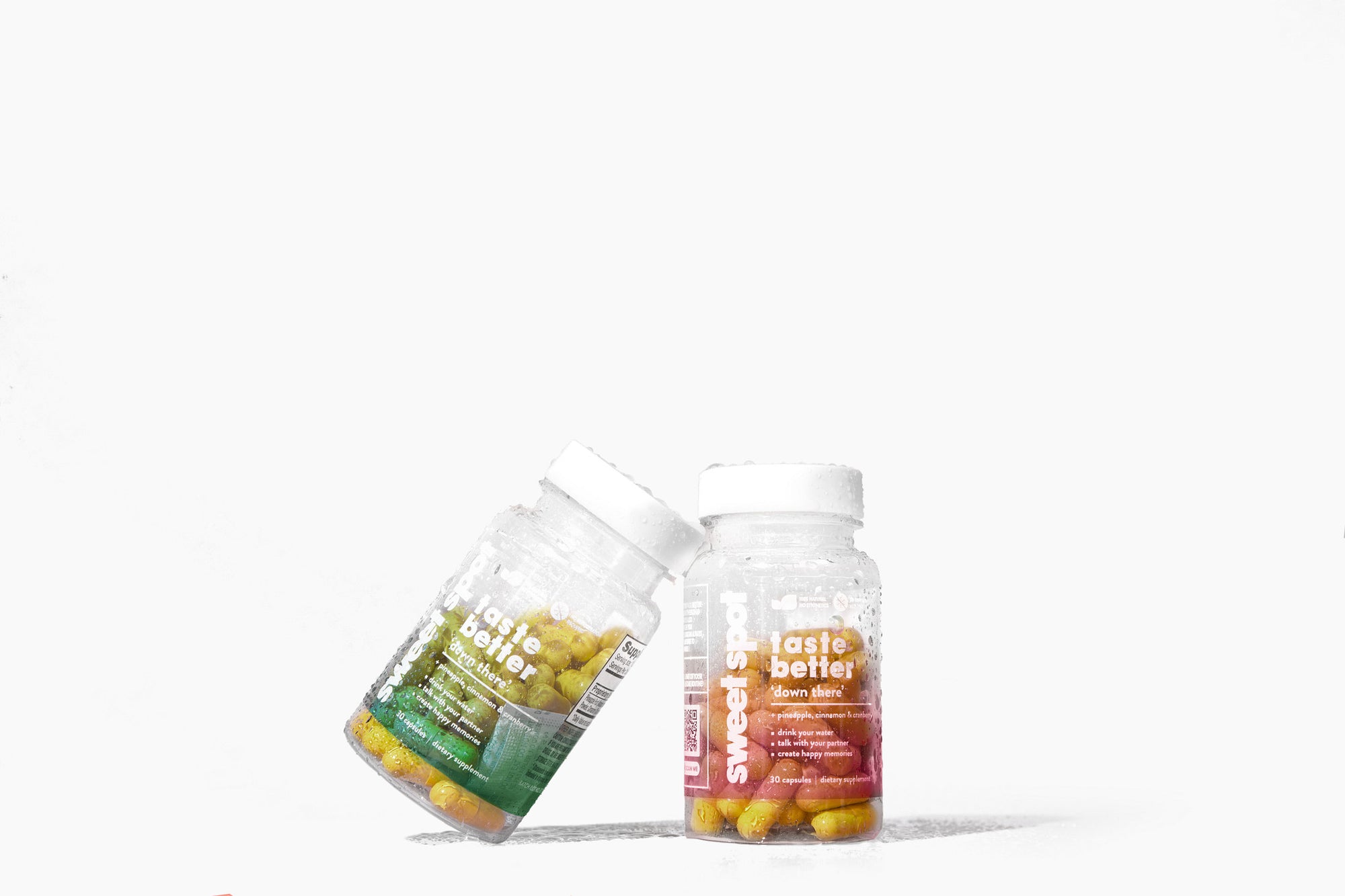
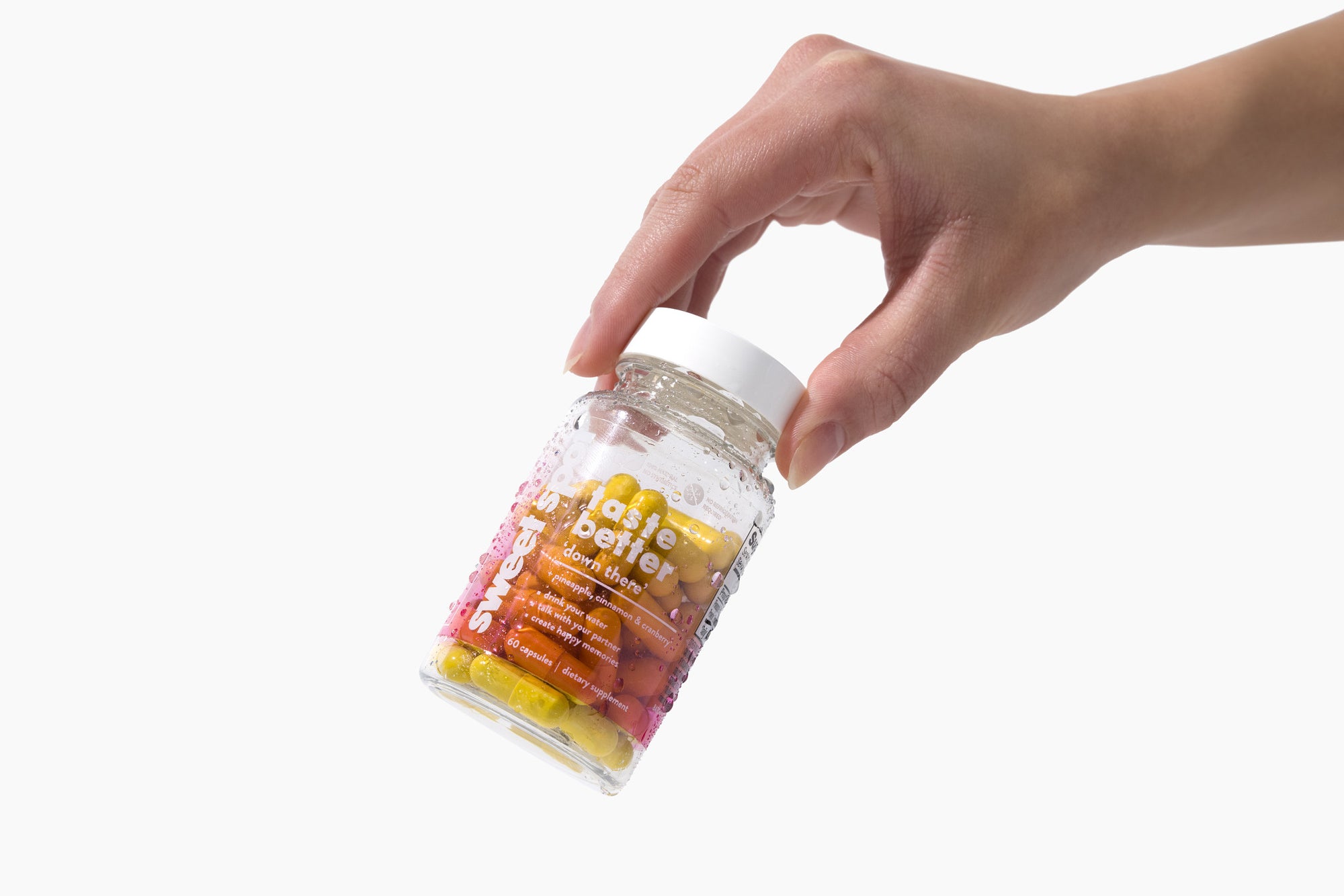
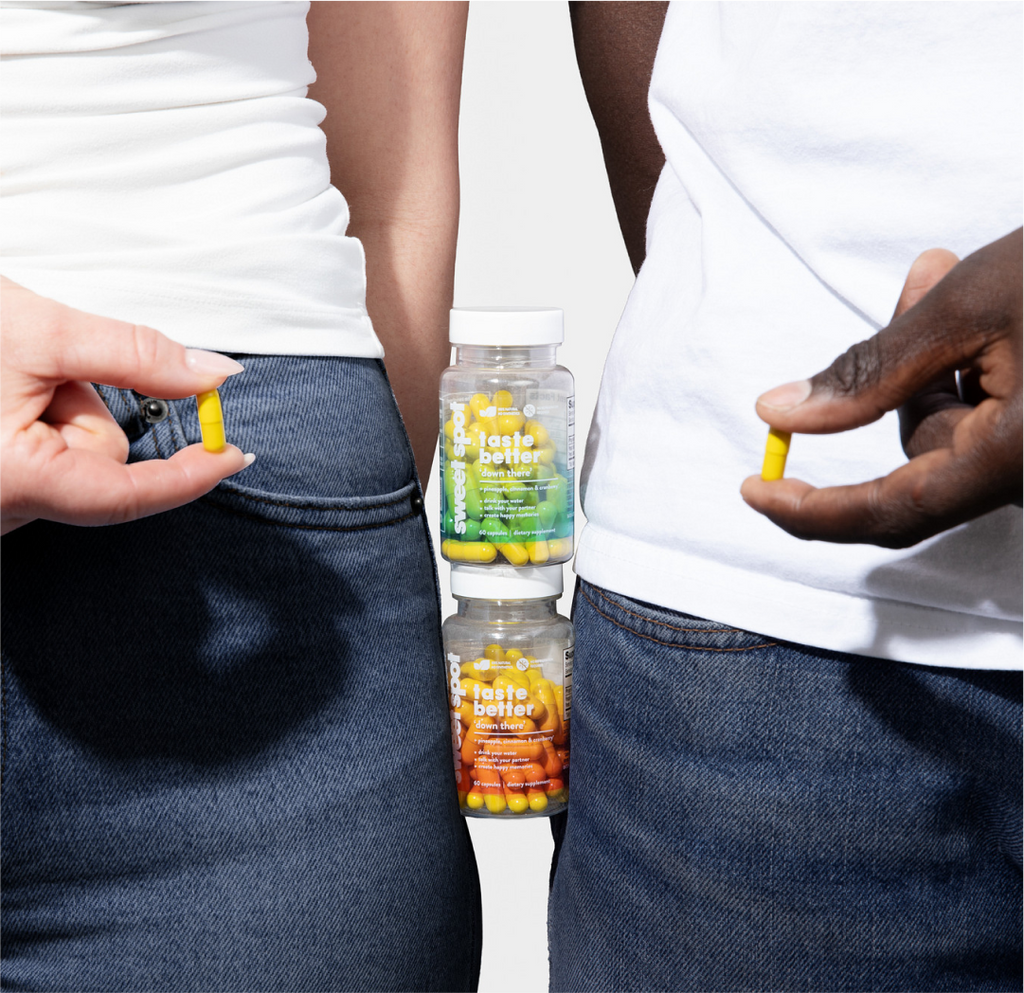
Taking a daily supplement designed to support your body's natural freshness can also make a noticeable difference in how you feel during and after intimate moments. Sweet Spot for Her is formulated with ingredients like bromelain, chlorophyll, and probiotics that support a balanced internal environment from the inside out.
Underwear Guide: Fabrics, Fit, and Sleeping Habits
Your underwear choices affect your intimate health more than you might think. The vulvar area needs air circulation to stay dry and maintain a healthy balance of microorganisms.
Best fabric choices:
- Cotton: The gold standard. Cotton is breathable, absorbs moisture, and allows air circulation. Look for underwear with at least a cotton gusset (the center panel).
- Bamboo: Naturally antimicrobial, moisture-wicking, and breathable — an excellent alternative to cotton.
- Modal: A semi-synthetic fabric made from beech wood pulp. Soft, breathable, and moisture-wicking.
Fabrics to limit:
- Nylon and polyester: These synthetic fabrics trap heat and moisture, creating conditions that promote bacterial and yeast overgrowth. Save them for special occasions, not daily wear.
- Silk: Beautiful but not breathable. Also tends to retain moisture.
- Lace: Often made from synthetic fibers and can cause friction irritation. If you prefer lace, look for cotton-gusset options.
Fit matters:
- Avoid underwear that is too tight — it creates friction, traps moisture, and can cause chafing and ingrown hairs
- Thongs can increase the transfer of bacteria from the anal area to the vaginal area due to the narrow fabric bridge. If you wear thongs, choose cotton ones and change them if they become damp
- Boyshorts and bikini-cut styles tend to offer the best balance of coverage and breathability
Sleeping without underwear:
Many gynecologists recommend sleeping without underwear to allow the vulvar area to breathe overnight. If you prefer to wear something, choose loose-fitting cotton shorts or pajama bottoms without underwear underneath. This nighttime ventilation can help reduce the incidence of yeast infections, especially for women who are prone to them.
Exercise and Gym Hygiene
Physical activity is great for your health, but the sweat, friction, and heat generated during exercise can create challenges for intimate hygiene.
- Change out of sweaty workout clothes immediately. Do not sit around in wet leggings or shorts after your workout. Damp, warm fabric is an ideal breeding ground for yeast and bacteria.
- Shower as soon as possible after exercising. Rinse the vulvar area with warm water to remove sweat and bacteria.
- Choose moisture-wicking workout underwear. Athletic underwear made with technical fabrics can help manage moisture during exercise. Some women prefer to go commando under workout leggings with a built-in gusset.
- Carry intimate wipes in your gym bag. If you cannot shower immediately, pH-balanced intimate wipes are the next best thing. Use them to gently clean the vulvar area and groin creases before changing into dry clothes.
- Use a barrier on shared surfaces. Always place a clean towel on gym benches, bike seats, and yoga mats before sitting on them.
- Avoid very tight workout bottoms for extended periods. Compression leggings are fine for a workout, but wearing them all day can promote irritation and infections.
Grooming, Hair Removal, and Hygiene Implications
Pubic hair is not unhygienic — it actually serves important biological functions, including reducing friction during sex, trapping pheromones, and providing a protective barrier against pathogens. The decision to remove or maintain pubic hair is entirely personal, but it is important to understand the hygiene implications of your choice.
If you choose to remove pubic hair:
- Shaving: Use a clean, sharp razor every time. Shave in the direction of hair growth to minimize irritation and ingrown hairs. Use a fragrance-free shaving cream or gel. Replace razors frequently — dull blades cause more nicks and irritation. Never share razors.
- Waxing: Go to a reputable professional. Ensure they use clean equipment and fresh wax (not double-dipping sticks). Avoid waxing if you have active skin irritation or infections. Apply a fragrance-free soothing cream after waxing.
- Trimming: The lowest-risk option for grooming. Use clean, dedicated scissors or an electric trimmer. This maintains the protective benefits of pubic hair while keeping things tidy.
- Laser hair removal / IPL: Performed by professionals, these methods reduce hair over time. Be cautious about at-home devices near sensitive areas and always follow manufacturer guidelines.
- Depilatory creams: Use with extreme caution in the intimate area. Many contain harsh chemicals that can cause burns, irritation, or allergic reactions on vulvar skin. Only use products specifically formulated for the bikini area, and always patch-test first.
Post-grooming care:
- Avoid tight underwear immediately after grooming — wear loose, breathable clothing
- Do not apply perfumed products to freshly shaved or waxed skin
- Watch for signs of infection at hair removal sites: increasing redness, pus, warmth, or pain
- Exfoliate gently (not immediately after hair removal, but starting 48 hours later) to prevent ingrown hairs
Intimate Wipes: When They Are Useful and How to Choose
Intimate wipes are a convenient supplement to — not a replacement for — regular washing. Used correctly, they can be a valuable part of your hygiene toolkit.
When wipes are especially useful:
- Post-exercise when a shower is not immediately available
- Before and after sexual activity for quick freshening up
- During menstruation for cleanup between pad or tampon changes
- While traveling when access to clean water is limited
- On hot days when you need a midday refresh
- After using a public restroom when you want extra cleanliness
Ingredients to look for:
- pH-balanced formula (3.5–5.5 for vulvar use)
- Aloe vera and chamomile for soothing
- Water-based formulations
- Hypoallergenic and dermatologist-tested labels
- Biodegradable and flushable materials (though even "flushable" wipes should ideally go in the trash to protect plumbing)
Ingredients to avoid:
- Fragrances and perfumes (labeled as "parfum" or "fragrance" on ingredient lists)
- Alcohol (drying and irritating)
- Parabens (methylparaben, propylparaben, etc.)
- Chlorine and bleach
- Phenoxyethanol in high concentrations
- Methylisothiazolinone (MI) — a preservative linked to contact dermatitis
Our Intimate Wipes are specifically formulated for sensitive intimate areas — pH-balanced, fragrance-free, and free from the harsh chemicals listed above. They are the perfect on-the-go companion for maintaining freshness throughout the day.
Travel Hygiene Tips for Women
Travel disrupts your routines and exposes you to new environments, both of which can affect intimate health. Here is how to stay on top of things when you are on the go.
- Pack plenty of intimate wipes. Hotel and airplane bathrooms are not always ideal for thorough cleaning. pH-balanced wipes are your best travel companion.
- Bring extra underwear. Pack more pairs than you think you need, all in breathable cotton.
- Carry a small bottle of fragrance-free intimate wash. You cannot always trust that the hotel soap will be gentle enough.
- Stay hydrated. Dehydration during travel can concentrate your urine, which increases UTI risk. It also affects discharge and natural moisture levels.
- Change out of swimsuits promptly. Sitting in a wet bathing suit, especially in chlorinated pool water, is a common trigger for yeast infections.
- Consider a probiotic supplement. Travel and dietary changes can disrupt your gut and vaginal microbiome. A daily probiotic can help maintain balance.
- Avoid hotel hot tubs. Public hot tubs are a well-known source of vulvar irritation and infections due to the combination of heat, chemicals, and potential bacterial contamination.
- Use a toilet seat cover or wipe down seats. While the risk of infection from toilet seats is very low, it provides peace of mind and is a reasonable precaution in questionable facilities.
Part 2: Men's Intimate Hygiene — The Complete Guide
Men's intimate hygiene is chronically under-discussed. Many men receive little to no guidance on proper below-the-belt care, and the cultural expectation that men should not be "fussy" about hygiene does nobody any favors. The truth is that good intimate hygiene is essential for men's health, comfort, and confidence — especially in intimate partnerships.
Daily Cleaning Routine: Uncircumcised vs. Circumcised
The specifics of daily cleaning differ slightly depending on whether you are circumcised or uncircumcised, but the fundamentals are the same: clean gently, clean daily, and clean thoroughly.
For uncircumcised men:
- Gently retract the foreskin during your daily shower
- Rinse the entire glans (head of the penis) with warm water
- Pay special attention to the area under the foreskin and around the frenulum, where smegma (a natural buildup of dead skin cells, oils, and moisture) tends to accumulate
- Use a very small amount of mild, fragrance-free soap if desired, but warm water alone is usually sufficient for the glans. If you use soap, rinse thoroughly — soap residue under the foreskin can cause irritation
- Gently return the foreskin to its natural position after cleaning
- Pat the area dry — moisture trapped under the foreskin promotes bacterial and fungal growth
For circumcised men:
- Wash the shaft, glans, and base of the penis with warm water and a mild cleanser
- Without a foreskin, smegma buildup is less of an issue, but daily cleaning is still essential
- Pay attention to the area where the shaft meets the glans, especially around any scar tissue from circumcision
- Rinse thoroughly and pat dry
For all men — do not forget these areas:
- Scrotum: The scrotum has many sweat glands and folds where bacteria thrive. Wash gently but thoroughly.
- Perineum: The area between the scrotum and anus. This region accumulates significant sweat and bacteria and is often neglected.
- Groin creases: Where the thigh meets the body. This area is prone to jock itch (tinea cruris) due to warmth and moisture.
- Anal area: Clean this last during your shower, and always wash from front to back to avoid spreading bacteria forward.
Smegma Prevention
Smegma is a combination of dead skin cells, natural body oils (sebum), and moisture that accumulates under the foreskin in uncircumcised men (and under the clitoral hood in women). It is completely natural, but when allowed to build up, it can develop a strong odor, a white or yellowish cheesy appearance, and can potentially contribute to irritation or infection.
How to prevent smegma buildup:
- Retract the foreskin and rinse with warm water daily — this single habit is the most effective prevention
- Make sure the area is thoroughly dry before replacing the foreskin
- If you notice persistent smegma despite daily cleaning, consult a healthcare provider — it may indicate a low-grade infection
- Do NOT use harsh scrubbing or abrasive products to remove smegma. The tissue under the foreskin is mucosal and very sensitive
Underwear Choices: Boxers vs. Briefs and Fabric Considerations
The underwear debate is not just about comfort or style — it has real implications for intimate health and, potentially, fertility.
| Underwear Type | Pros | Cons | Best For |
|---|---|---|---|
| Boxers | Maximum airflow, loose fit reduces moisture buildup | Less support, can bunch under fitted pants | Hot weather, sleeping, casual days |
| Boxer briefs | Good support with reasonable breathability, stays in place | Can be warm in some fabrics | Daily wear, exercise, all-around use |
| Briefs | Good support, compact fit under any clothing | Can trap heat, especially in synthetic fabrics | Activity that requires support, fitted clothing |
| Trunks | Modern fit, good support, shorter leg | Similar heat concerns as briefs depending on fabric | Daily wear under slim-fit clothing |
Fabric recommendations for men:
- Cotton: Breathable and absorbent. Great for daily wear.
- Bamboo: Naturally antimicrobial, soft, and moisture-wicking. An excellent choice.
- Merino wool blends: Surprisingly effective for temperature regulation and odor resistance. Good for travel.
- Avoid 100% polyester: It traps heat and moisture, which can exacerbate odor, jock itch, and general discomfort.
A 2018 study published in Human Reproduction found that men who wore boxers had higher sperm concentration and total sperm count compared to men who wore tighter underwear. While the relationship between underwear and fertility is still being studied, if you are trying to conceive, looser styles may be worth considering.
Post-Exercise Hygiene for Men
The groin area produces more sweat than almost any other part of the body, which makes post-exercise hygiene critically important for men.
- Shower as soon as possible after exercise. Every minute you spend in sweaty clothes increases bacterial growth in the groin area.
- If you cannot shower immediately, change your underwear. Having a fresh pair in your gym bag can make a significant difference.
- Use intimate wipes for a quick clean. pH-balanced intimate wipes can remove sweat and bacteria effectively when a shower is not an option.
- Dry the groin area thoroughly after showering. Jock itch (tinea cruris) is a fungal infection that thrives in warm, moist environments. Thorough drying — including between all skin folds — is your best defense.
- Apply a talc-free body powder if you are prone to chafing. Cornstarch-based powders help absorb moisture without the concerns associated with talc.
- Wear clean athletic underwear during workouts. Moisture-wicking fabric designed for exercise will keep you drier than cotton during high-intensity activity.
Grooming and Hygiene for Men
Like women's grooming, men's pubic grooming is a personal choice with hygiene implications worth understanding.
- Trimming: The safest grooming option. Use a dedicated electric trimmer (do not use the same one you use on your face). Trimming reduces odor by minimizing the surface area where sweat and bacteria can cling, while avoiding the irritation risks of full removal.
- Shaving: Use a fresh razor, shave in the direction of hair growth, and use a fragrance-free shaving product. The scrotal skin is thin and uneven, making nicks common — take your time. Exfoliate gently 48 hours after shaving to prevent ingrown hairs.
- Waxing: Less common for men but effective. See a professional for intimate waxing. The skin in the male groin area is sensitive and more prone to post-wax folliculitis (infected hair follicles).
- Avoid depilatory creams on the scrotum. The scrotal skin is extremely thin and reactive. Chemical hair removal products can cause serious burns and irritation in this area.
Pre-Intimacy Hygiene Checklist for Men
Good hygiene before intimacy is not just about being considerate to your partner — it is about reducing the risk of infections for both of you and creating a more enjoyable experience.
- Shower or wash your genital area. This is non-negotiable. Clean the penis, scrotum, perineum, and groin creases thoroughly.
- Brush your teeth or use mouthwash. Oral hygiene matters for obvious reasons.
- Clean under your foreskin (if uncircumcised). Smegma buildup is a significant contributor to unpleasant odor and taste.
- Trim nails. Rough or long nails can cause micro-tears in your partner's delicate tissue.
- Wear fresh underwear. Do not re-wear underwear from earlier in the day.
- Wash your hands. Your hands will be in contact with your partner's most sensitive areas.
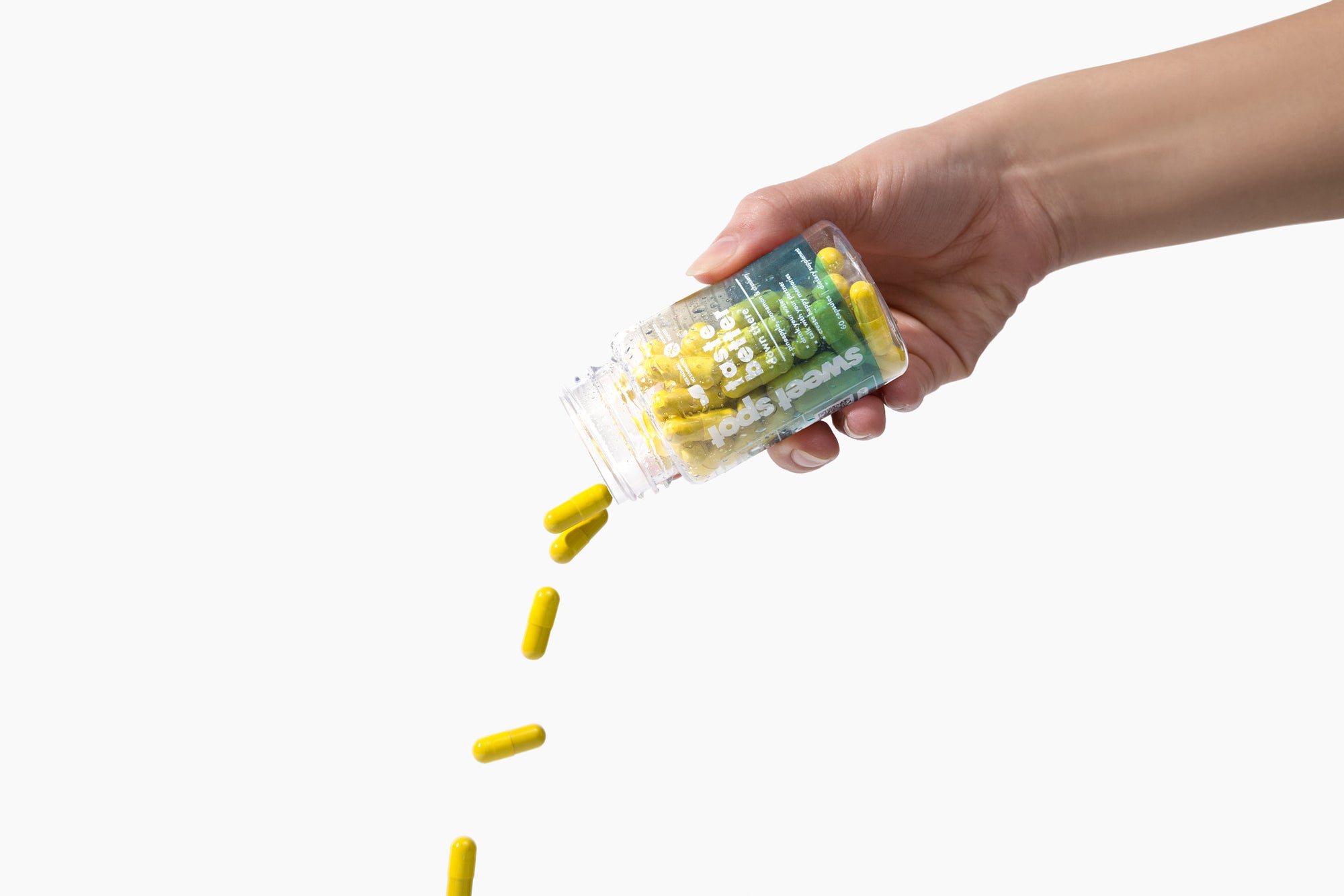
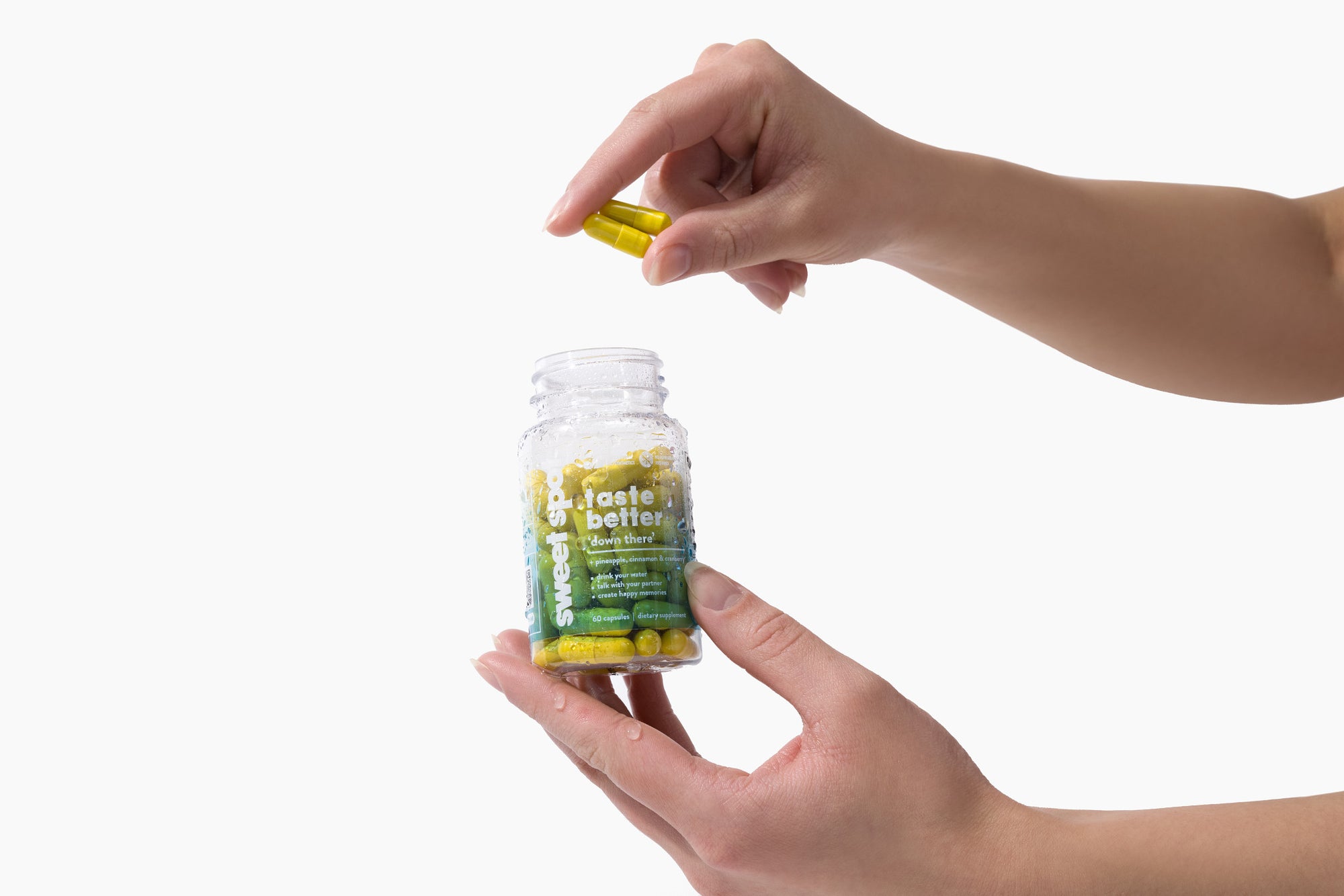
- Consider your diet. What you eat affects how you taste and smell. A diet rich in fruits, vegetables, and water promotes more pleasant body chemistry. Sweet Spot for Him is specifically designed to support better taste and freshness from the inside out, with ingredients like bromelain, chlorophyll, and zinc.
Part 3: Couples — Shared Hygiene for Better Intimacy
Mutual Hygiene Before Intimacy
Shared pre-intimacy hygiene is not just practical — it can be part of the experience itself. Showering together before intimacy combines cleanliness with connection and sets the stage for a more comfortable, enjoyable encounter for both partners.
- Make it a shared ritual. A quick shower together before intimacy normalizes hygiene as part of the experience rather than an awkward prerequisite.
- Keep supplies accessible. Having intimate wipes on the nightstand removes any friction from the freshening-up process. Our Intimate Wipes are perfect for a quick, gentle cleanup before things get started.
- Both partners should urinate after sex. While this advice is most commonly given to women to prevent UTIs, men benefit from it as well, as it can help flush bacteria from the urethra.
- Clean shared intimate items thoroughly. Any toys or accessories should be washed with warm water and a gentle cleanser before and after use, following the manufacturer's cleaning guidelines.
Communication About Hygiene
Talking about hygiene with a partner can feel awkward, but it is one of the most important conversations you can have in an intimate relationship. Here are approaches that work:
- Normalize it early. Bring up hygiene as part of a general conversation about preferences and health — not as a criticism in the heat of the moment.
- Use "I" statements. "I feel most comfortable when we both freshen up before intimacy" is much better received than "You need to shower."
- Frame it as mutual. "Let us both take a quick shower" or "I ordered these supplements for both of us" makes it a shared effort.
- Lead by example. Maintaining your own hygiene standards sets the tone. If your partner sees you freshening up before intimacy, they are more likely to do the same.
- Consider introducing products together. The Partner Pack includes supplements for both partners — it is a natural, non-confrontational way to improve freshness and confidence for both of you.
Shared Routines That Make a Difference
Building hygiene into your shared routine takes the awkwardness out of it and makes it second nature.
- Take your supplements together. Making it a couples' habit — like taking vitamins at breakfast — normalizes body care as a shared priority.
- Keep a hygiene kit on your nightstand. Include intimate wipes, a small bottle of gentle cleanser, and a fresh towel. Having these supplies within reach makes pre- and post-intimacy cleanup seamless.
- Eat well together. Shared meals rich in fruits, vegetables, and whole grains benefit both partners' body chemistry. A diet heavy in red meat, processed foods, caffeine, alcohol, and strong spices can negatively affect how both of you taste and smell.
- Stay hydrated together. Adequate water intake is one of the simplest ways to improve body odor and fluid quality for both men and women.
- Schedule regular health checkups. Both partners should see their respective healthcare providers annually for screenings and check-ups, including STI testing if applicable.
Part 4: Common Intimate Hygiene Mistakes Both Genders Make
Even well-intentioned people make hygiene mistakes because they were never taught otherwise. Here are the most common errors we see, backed by medical evidence:
1. Using regular soap on the genitals. Standard soap is too alkaline (pH 9–10) for the intimate area. It strips away protective natural oils and disrupts the microbiome. Use warm water or a specifically formulated, pH-balanced intimate wash instead.
2. Over-cleaning. Washing the genital area more than once or twice a day (unless you have exercised) can cause irritation, dryness, and paradoxically increase odor by disrupting the natural bacterial balance. Your body responds to over-cleaning by overproducing oils and fluids.
3. Using scented products in the intimate area. Scented soaps, sprays, powders, lotions, and wipes are the number one cause of vulvar and penile contact dermatitis. If a product has fragrance, keep it away from your genitals.
4. Wiping in the wrong direction. Wiping back to front transfers fecal bacteria toward the urethra and vagina or penis. Always wipe front to back after using the toilet.
5. Wearing wet or damp clothing for extended periods. Wet swimsuits, sweaty workout clothes, and damp underwear create the warm, moist environment that yeast and bacteria love. Change as soon as possible.
6. Douching. Despite being marketed as a hygiene product, douching is harmful. It disrupts vaginal pH, destroys beneficial bacteria, and is associated with increased rates of BV, pelvic inflammatory disease, and ectopic pregnancy. No medical organization recommends douching.
7. Ignoring the perineum. The perineum — the area between the genitals and the anus — is one of the most commonly neglected areas during cleaning. It accumulates significant sweat and bacteria and should be washed daily.
8. Not changing underwear daily. This seems obvious, but surveys consistently show that a surprising percentage of adults do not change their underwear every day. Underwear accumulates bacteria, sweat, dead skin cells, and discharge throughout the day. A fresh pair daily is non-negotiable.
9. Using the same towel for your body and intimate area. Ideally, you should pat your intimate area dry with a separate, clean towel or at least dry your genitals first before drying the rest of your body. This prevents transferring bacteria from other body areas.
10. Neglecting dietary factors. What you eat and drink has a direct impact on body odor, sweat composition, and the taste and smell of bodily fluids. Excessive consumption of alcohol, caffeine, garlic, onions, asparagus, and red meat can negatively affect body chemistry. Conversely, fruits (especially pineapple and citrus), vegetables, whole grains, and adequate water intake promote a more neutral or pleasant body chemistry. Supplements like Sweet Spot for Her and Sweet Spot for Him are designed specifically to optimize this from the inside out.
11. Not replacing razors frequently enough. Old razors harbor bacteria and cause more nicks and irritation. Replace disposable razors after 5–7 uses, or sooner if the blades feel dull.
12. Using baby wipes as intimate wipes. Baby wipes are formulated for baby skin and often contain ingredients (like fragrances and certain preservatives) that are not suitable for adult intimate areas. Use wipes specifically formulated for intimate use, like our pH-balanced Intimate Wipes.
Part 5: Products to Avoid Entirely
Some products marketed for intimate hygiene are not just unnecessary — they are actively harmful. Here is a comprehensive list of products to keep away from your intimate area, with the reasons why:
| Product | Why to Avoid |
|---|---|
| Vaginal douches | Disrupts vaginal pH and microbiome; linked to BV, PID, ectopic pregnancy, and increased STI susceptibility |
| Feminine deodorant sprays | Contains fragrances and propellants that cause contact dermatitis; masks symptoms rather than addressing causes |
| Scented tampons or pads | Fragrance chemicals are held against sensitive tissue for hours; linked to irritation, allergic reactions, and disrupted vaginal flora |
| Talcum powder | Potential contamination with asbestos; some studies link genital talc use to ovarian cancer risk; use cornstarch-based alternatives |
| Petroleum jelly as lubricant | Not compatible with condoms (breaks down latex); difficult for the body to clear; may increase BV risk |
| Scented lubricants | Fragrances cause irritation; glycerin in flavored lubes promotes yeast overgrowth |
| Vaginal steaming products | No evidence of benefit; risk of burns to delicate tissue; can disrupt vaginal flora |
| DIY remedies (garlic, tea tree oil, yogurt inserts) | Can cause chemical burns, allergic reactions, or introduce harmful bacteria; not sterile or pH-appropriate |
| Body spray or cologne on genitals | Alcohol content causes burning and dryness; fragrance chemicals cause contact dermatitis |
| Exfoliating scrubs on genitals | Too abrasive for intimate skin; can cause micro-tears that become entry points for infection |
| Antibacterial hand soap | Contains triclosan or similar chemicals that disrupt the microbiome; too harsh for intimate skin |
Part 6: Signs Something Is Wrong vs. Normal Variation
One of the biggest challenges with intimate hygiene is knowing what is normal and what warrants a trip to the doctor. Here is a guide to help you distinguish between the two.
Normal Variations (Usually Not a Concern)
- Vaginal discharge that changes throughout the menstrual cycle: Clear and stretchy around ovulation, white and thicker before your period — this is normal hormonal variation.
- Mild musky scent from the genital area: Everyone has a natural body scent. The genital area contains apocrine sweat glands that produce a scent, especially after physical activity. A mild, musky odor is normal.
- Slight asymmetry in labia or testicular size: Very common and not a hygiene or health concern.
- Small bumps on the penis shaft or vulva: Fordyce spots (sebaceous glands), pearly penile papules, and vestibular papillomatosis are all normal anatomical variations that are not STIs.
- Discharge or smegma accumulation if you skip a day of washing: This is your body's normal production; regular cleaning manages it.
- Temporary odor changes after eating certain foods: Garlic, asparagus, curry, alcohol, and coffee can temporarily alter body odor. This resolves on its own.
Warning Signs That Need Medical Attention
- Unusual discharge color: Green, gray, or thick yellow discharge can indicate infection (BV, trichomoniasis, gonorrhea, or chlamydia).
- Strong fishy odor: Particularly after sex, a fishy smell is a hallmark of bacterial vaginosis.
- Itching that does not resolve: Persistent itching in the vulvar, vaginal, or penile area can indicate yeast infection, contact dermatitis, eczema, or an STI.
- Pain during urination: Burning or stinging during urination can signal a UTI, STI, or irritation from products.
- Sores, blisters, or warts: Any new growths, sores, or blisters on the genitals should be evaluated by a healthcare provider to rule out herpes, HPV, syphilis, or other conditions.
- Redness, swelling, or rash that persists: This may indicate contact dermatitis, fungal infection, or an allergic reaction.
- Pain during intercourse: Persistent pain during sex is not normal and should be evaluated — causes range from infections to conditions like vulvodynia or phimosis.
- Blood in discharge or urine (outside of menstruation): This should always be evaluated by a healthcare provider.
- Testicular lumps, pain, or swelling: Any new lumps or persistent pain in the testicles should be examined immediately.
Part 7: When to See a Doctor
Many people put off seeing a doctor about intimate health concerns due to embarrassment. Please remember that healthcare providers see these issues every day — nothing you present will shock or surprise them. Here is when to make an appointment:
- Any symptoms from the warning signs list above
- Recurrent yeast infections (four or more per year)
- Recurrent UTIs (three or more per year)
- Chronic vulvar or penile itching or burning
- Difficulty retracting the foreskin (phimosis) or foreskin that becomes trapped behind the glans (paraphimosis — this is a medical emergency)
- Any new sexual partners — get STI testing
- After unprotected sexual contact — get STI testing
- If you notice any changes that are unusual for your body, even if they do not match the specific symptoms above
- Annual well-woman exams and annual checkups for men are important for preventive care and early detection of issues
Tip: If you are prone to recurrent infections, ask your doctor about the role of supplements in supporting your body's natural defenses. Probiotics, cranberry extract, vitamin C, and other ingredients found in Sweet Spot for Her and Sweet Spot for Him have evidence supporting their role in maintaining healthy body chemistry and microbial balance.
Part 8: Frequently Asked Questions
How often should I wash my intimate area?
Once daily with warm water is sufficient for most people. If you have been sweating heavily or exercising, a second gentle rinse with water is fine. Over-washing — more than twice daily or using harsh products — can actually worsen odor and irritation by stripping away protective natural oils and disrupting the microbiome. The exception is the external vulvar or penile skin, which is skin and does benefit from daily gentle cleansing, whereas the internal vaginal canal should never be washed.
Is vaginal odor normal?
Yes, a mild scent is completely normal and healthy. The vagina has its own microbiome that produces a slightly acidic, musky, or tangy scent. This odor can vary with your menstrual cycle, diet, hydration levels, and physical activity. A strong, fishy odor — especially after sex — may indicate bacterial vaginosis and should be evaluated by a doctor. A yeasty or bread-like smell with accompanying thick white discharge may indicate a yeast infection.
Can diet really affect how I smell and taste down there?
Absolutely. Your diet directly influences the composition of your sweat, bodily fluids, and overall body chemistry. Foods like pineapple, citrus fruits, and berries are associated with a sweeter, more pleasant taste. Conversely, asparagus, garlic, onions, red meat, excessive caffeine, and alcohol can contribute to stronger or more bitter body odor and fluid taste. Staying well-hydrated with water is one of the simplest and most effective ways to improve things. Supplements like Sweet Spot for Her and Sweet Spot for Him contain concentrated doses of ingredients that support better body chemistry.
Should I use intimate wipes every day?
Intimate wipes are a supplement to regular washing, not a replacement. They are most useful after exercise, before or after intimacy, during menstruation, while traveling, or anytime you need a quick refresh and cannot shower. Using pH-balanced, fragrance-free wipes daily is generally safe, but they should not replace your daily shower routine. Avoid wipes that contain alcohol, fragrances, or parabens, as these can cause irritation with frequent use.
Is it safe to use soap inside the vagina?
No. Soap — even mild or "pH-balanced" soap — should never be used inside the vaginal canal. The vagina is self-cleaning and maintains its own acidic pH through beneficial Lactobacillus bacteria. Introducing soap disrupts this balance, kills protective bacteria, and can lead to bacterial vaginosis, yeast infections, and irritation. Only the external vulva (labia, clitoral hood area, and perineum) should be cleaned, and even then, warm water alone is the safest option.
How can I prevent UTIs?
The most effective UTI prevention strategies include: urinating within 30 minutes after sexual activity, wiping front to back after using the toilet, staying well-hydrated (aim for 6–8 glasses of water daily), avoiding holding your urine for long periods, wearing breathable cotton underwear, avoiding douches and scented products in the intimate area, and considering cranberry supplements or probiotics that contain Lactobacillus strains. If you experience recurrent UTIs (three or more per year), talk to your doctor about preventive strategies including prophylactic antibiotics.
What causes jock itch and how do I prevent it?
Jock itch (tinea cruris) is a fungal infection caused by dermatophyte fungi that thrive in warm, moist environments. Prevention strategies include: drying the groin area thoroughly after bathing, changing out of sweaty clothes immediately after exercise, wearing breathable cotton or moisture-wicking underwear, using a separate towel for your groin area, applying cornstarch-based powder to absorb excess moisture, not sharing towels or underwear, and treating athlete's foot promptly (the same fungus can spread from feet to groin via underwear when dressing). Over-the-counter antifungal creams treat most cases, but see a doctor if symptoms persist beyond two weeks.
Is it better to sleep with or without underwear?
Many healthcare providers recommend sleeping without underwear, or at least in very loose-fitting cotton garments. This allows the genital area to breathe and reduces the warm, moist environment that promotes bacterial and fungal growth. This is especially beneficial for people prone to yeast infections or jock itch. If you prefer to wear something, opt for loose cotton boxers or pajama shorts. Avoid sleeping in tight briefs, thongs, or synthetic underwear.
How do I talk to my partner about intimate hygiene?
Approach the conversation with empathy and frame it as a shared effort. Choose a neutral time — not during or immediately after intimacy. Use "I" statements like "I feel most comfortable when we both freshen up beforehand." Suggest shared solutions: showering together before intimacy, keeping wipes on the nightstand, or taking supplements together. The Partner Pack can be a great conversation starter — presenting it as something fun to try together rather than a critique. Remember that your partner may have received even less hygiene education than you, so approach the topic with patience and kindness.
Can supplements really improve intimate hygiene?
While supplements are not a substitute for good external hygiene practices, certain ingredients have evidence supporting their role in improving body chemistry from the inside. Probiotics support healthy vaginal flora. Chlorophyll acts as an internal deodorizer by neutralizing compounds that contribute to body odor. Bromelain (from pineapple) and other enzymes may improve the taste of bodily fluids. Cranberry extract supports urinary tract health. Zinc supports immune function and healthy skin. A comprehensive supplement like Sweet Spot for Her or Sweet Spot for Him combines these ingredients in researched doses for a targeted approach.
Is pubic hair unhygienic?
No. Pubic hair is not inherently unhygienic — it is a natural part of human anatomy that serves protective functions including reducing friction, trapping pheromones, and providing a barrier against pathogens. Some research suggests that pubic hair removal (particularly shaving) may actually increase the risk of certain infections due to micro-tears in the skin and removal of this protective barrier. However, pubic hair can trap sweat and bacteria, so regular cleaning of the area is important regardless of your grooming preferences. Trimming is a lower-risk option that maintains some protective benefit while keeping things tidy.
What is the best pH for intimate products?
The ideal pH for products used on the external female genital area (vulva) is between 3.5 and 5.5, matching the naturally acidic environment. For men, the penile skin pH is slightly higher, around 5.0–5.5, so products in the 4.5–5.5 range work well. For comparison, most regular soaps have a pH of 9–10, which is far too alkaline and disruptive for intimate skin. Always look for products labeled "pH-balanced" and check that the pH is specified to be in the appropriate range for intimate use.
Your Intimate Hygiene Toolkit
Good intimate hygiene does not require an arsenal of products — in fact, simpler is usually better. But a few well-chosen products can make a meaningful difference in your confidence and comfort.
| Product | What It Does | Best For |
|---|---|---|
| Sweet Spot for Her | Supports balanced body chemistry, healthy flora, and natural freshness from the inside out | Women looking to feel fresh and confident daily |
| Sweet Spot for Him | Supports better taste, reduced body odor, and healthy internal chemistry | Men who want to be their best for themselves and their partner |
| The Partner Pack | Comprehensive supplement support for both partners in one convenient package | Couples who want to invest in shared freshness and confidence |
| Intimate Wipes | pH-balanced, fragrance-free wipes for on-the-go freshening | Post-exercise, before/after intimacy, travel, and daily use |
Final Thoughts
Intimate hygiene is not about perfection — it is about understanding your body, treating it with care, and making informed choices about the products you use and the routines you follow. The most important takeaways from this guide are:
- Keep it simple: warm water, gentle products, front-to-back, and breathable fabrics
- Respect your body's natural processes — the vagina is self-cleaning, the skin has a microbiome, and natural scent is normal
- What you put in your body matters as much as what you put on it — diet, hydration, and supplements all play a role
- Communication with your partner about hygiene is an act of care, not criticism
- When in doubt, see a healthcare provider — there is no such thing as a silly question when it comes to your health
Your body deserves thoughtful care. Start with the basics in this guide, and if you want to take your freshness and confidence to the next level, explore our complete product range designed specifically for intimate wellness.