

Intimate Wellness & Taste: The Complete Guide to Freshness, Balance, and Confidence
Everything you've ever quietly wondered about how you taste, smell, and feel “down there” — answered honestly, backed by real science, and free of shame. This is the complete guide to intimate wellness for men and women: what's normal, what actually affects your freshness and taste, the real science of pH and body chemistry, the foods and habits that make a genuine difference, and how to build a simple daily routine that keeps you balanced, fresh, and confident.
Intimate wellness has spent decades hidden behind euphemisms and marketing shame. We're doing the opposite: talking about it openly, explaining how your body actually works, and giving you a practical, science-based playbook. Whether you're here out of curiosity, confidence, or care for a partner — you're completely normal, and you're in the right place.
Table of Contents
- First: What's Actually Normal
- The Science of Intimate Taste & Freshness
- For Women: pH, Freshness & Taste
- For Men: How Taste Works & How to Improve It
- The Pineapple Question: Myth vs. Science
- Foods That Improve (and Ruin) Your Taste
- Hydration: The Most Underrated Tool
- Probiotics & the Power of Good Bacteria
- Gentle Hygiene & the Douching Myth
- Building Your Daily Freshness Routine
- How Supplements & Wipes Fit In
- When to See a Doctor
- Frequently Asked Questions
First: What's Actually Normal
Before we get into improving anything, let's clear the air with the single most important truth in intimate wellness: having a natural scent and taste is completely normal and healthy. Your body is not supposed to smell like flowers or taste like candy, and no healthy body is truly “odorless.”
For decades, the personal-care industry made people — women especially — feel they needed to erase their natural scent entirely with harsh, perfumed products. That messaging is not just wrong; it's counterproductive, because those very products are a leading cause of the imbalance they claim to fix. The goal of intimate wellness is not to eliminate who you are. It's to support a healthy, balanced baseline — and to recognize when something has genuinely changed.
A mild, natural scent and taste that shifts a little with your diet, cycle, and hydration is a sign of a healthy body. Keep that in mind as you read on: everything here is about supporting your natural balance, not covering it up.
The Science of Intimate Taste & Freshness
Here's the foundational concept that makes everything else make sense: your intimate fluids reflect your overall body chemistry — exactly the same way your breath and sweat do. What you eat, how hydrated you are, and the balance of bacteria in your body all show up in how you taste and smell. This is why intimate taste isn't fixed: change the inputs, and you change the output.
Taste Is a Balance of Sugars, Proteins, and Minerals
Both semen and vaginal secretions get their flavor from a balance of components:
- Natural sugars lend a slightly sweet note.
- Proteins and amino acids can taste faintly bitter.
- Minerals like zinc contribute a salty or metallic edge.
- pH (how acidic or alkaline something is) shapes the overall profile.
When any of these shift — through diet, hydration, or health — the taste nudges in a new direction. That's the entire mechanism behind “you are what you eat,” applied intimately.
Why Timing Matters
One crucial, often-missed point: body chemistry doesn't change instantly. Hydration can make a difference within a day, but dietary changes generally need one to two weeks of consistency to fully show up. Intimate wellness is a lifestyle pattern, not a last-minute stunt an hour before a date. Consistency is the cheat code.
For Women: pH, Freshness & Taste
For women, intimate freshness and taste revolve around one central concept: vaginal pH balance.
What Is a Healthy Vaginal pH?
A healthy vagina is slightly acidic, with a pH between roughly 3.8 and 4.5. That acidity isn't random — it's a defense system. It creates an environment where good bacteria thrive and harmful, odor-causing bacteria struggle to take hold.
The Heroes: Lactobacillus
Your vaginal environment is home to protective bacteria called Lactobacillus, which produce lactic acid and keep your pH in that healthy acidic range. Think of them as a self-maintaining security team: as long as they're thriving, they hold the balance that keeps you fresh and protected. Most freshness problems trace back to these good bacteria being depleted or crowded out.
What Disrupts the Balance
- Douching and harsh, scented soaps — the biggest offenders; they strip protective bacteria and disrupt pH.
- Semen — it's alkaline (pH ~7.2–8.0), so sex can temporarily raise vaginal pH.
- Menstruation — blood is slightly alkaline and can shift pH during your period.
- Antibiotics — can kill good bacteria along with the bad.
- Excess sugar and processed food — can feed imbalance and odor.
- Hormonal changes — pregnancy, menopause, and your cycle all affect pH.
The takeaway for women: freshness and taste are less about masking and more about protecting and supporting a healthy, acidic pH from the inside out.
For Men: How Taste Works & How to Improve It
For men, intimate taste comes down to the composition of seminal fluid — and it's more improvable than most guys realize.
What Semen Is Actually Made Of
Semen is only about 1–5% sperm by volume. The rest is seminal fluid produced mainly by the seminal vesicles and prostate:
- The seminal vesicles contribute fructose (a sugar that fuels sperm), giving a naturally slightly sweet note.
- The prostate adds enzymes and minerals like zinc, contributing a salty or metallic quality.
- Semen is alkaline (pH ~7.2–8.0) by design — to buffer the acidic vaginal environment and protect sperm.
How Men Can Improve Their Taste
Because semen is a bodily fluid, its flavor responds to the same levers as everything else: hydration and diet. The fundamentals:
- Hydrate heavily. Dehydration concentrates the proteins and minerals that lean bitter and salty. Water dilutes and softens — often within a day.
- Eat fresh fruit (pineapple, citrus, melon) and cut sulphur-rich foods (garlic, onions, asparagus) and heavy red meat.
- Reduce alcohol, caffeine, and smoking — the big three behind a sharper, more bitter, chemical flavor.
The Pineapple Question: Myth vs. Science
It might be the most famous piece of bedroom folklore out there: eat pineapple, taste sweeter. So — does pineapple really make you taste sweeter? Here's the honest answer.
There is no rigorous clinical study proving that pineapple makes you taste sweeter. Anyone claiming it's scientifically proven is overstating it. But the idea is far from nonsense — it's directionally right for a logical reason:
- Pineapple is high in water, and hydration is the single biggest factor in a milder taste.
- It's high in natural fruit sugars.
- It's low in the sulphur compounds (found in garlic, onions, and asparagus) that push flavor toward bitter.
So while “pineapple = instant sweetness” is an overstatement, “a diet rich in fresh, water-heavy, low-sulphur fruit like pineapple supports a milder, fresher taste” is entirely reasonable. Two myths to drop: expecting an instant switch (it takes one to two weeks of consistency), and treating pineapple as a magic bullet (it works as part of an overall fresh diet, not in isolation).
Foods That Improve (and Ruin) Your Taste
Your intimate taste is a reflection of your overall diet. Here's the complete, science-based list for both men and women.
✅ Foods That Tend to Improve Taste
- Fresh fruit: pineapple, citrus (oranges, lemons, grapefruit), melon, apples, berries — water-rich and naturally sweet.
- Hydrating vegetables: celery, cucumber, leafy greens.
- Aromatic herbs & spices: parsley, mint, peppermint, basil, cinnamon, nutmeg, cardamom.
- Probiotic foods (especially for women): yogurt with live cultures, kefir, fermented foods.
- Water — the most important “food” of all.
⌠Foods & Habits That Tend to Ruin Taste
- Sulphur-heavy foods: garlic, onions, asparagus, broccoli, cabbage, cauliflower.
- Heavy proteins: red meat and excess dairy.
- The big three dehydrators: alcohol, caffeine, and smoking.
- Processed & sugary junk — works against overall body chemistry and, for women, can disrupt pH.
You don't need a perfect diet — just a favorable balance. Lean toward the ✅ list, ease off the ⌠list (especially in the day or two before intimacy), and stay hydrated.
Hydration: The Most Underrated Tool
If you do only one thing, do this. Water is the single most effective lever for a milder, fresher taste and scent. Your intimate fluids are exactly that — fluids — and when you're well hydrated they're more dilute and fresher. When you're dehydrated, everything becomes concentrated: stronger, sharper, and more bitter. It's the same reason dehydration makes urine darker and more strongly scented.
How to Actually Stay Hydrated
- Aim for around eight 8-ounce glasses (about 2 liters) a day, adjusting for body size, activity, and climate.
- Sip consistently all day rather than chugging occasionally.
- Make water your default drink — not soda, energy drinks, or endless coffee.
- Use a simple gauge: pale yellow urine signals good hydration.
- Eat your water too — pineapple, citrus, melon, cucumber, and celery all count.
Bonus: hydration is one of the fastest-acting freshness levers — many people notice a difference within a day or two.
Probiotics & the Power of Good Bacteria
Intimate freshness — for women especially — is fundamentally a story about bacteria. Your vaginal environment depends on protective Lactobacillus bacteria to produce lactic acid and hold your pH in its healthy, acidic range. Probiotics support and replenish those good bacteria, addressing freshness at its root.
How Probiotics Help
- They reinforce your protective Lactobacillus population.
- They help maintain the acidic pH that keeps odor-causing bacteria in check.
- They help your body bounce back after antibiotics, your period, or other disruptions.
Where to Get Them
Look for supplements featuring Lactobacillus strains designed for feminine or intimate health, or eat probiotic foods like yogurt with live cultures, kefir, sauerkraut, and kimchi. Feed them with prebiotic fiber (from fruits, vegetables, and whole grains) so they thrive. Probiotics support a living ecosystem, so they take a few weeks of consistent use to settle in.
Gentle Hygiene & the Douching Myth
This is the most counterintuitive truth in intimate wellness: trying too hard to be “clean” is a leading cause of odor and imbalance. Douching and harsh, scented soaps strip away the protective bacteria and disrupt the pH that keep you naturally fresh — making things worse, not better.
The vagina is self-cleaning. Here's the gentle approach that actually works:
- Wash the external area only, with warm water or a mild, pH-balanced cleanser.
- Skip douches, scented washes, sprays, and “feminine deodorants” entirely.
- For on-the-go freshness (workouts, travel, periods), use a pH-balanced wipe designed to respect your natural acidity — never a perfumed product.
- Choose breathable fabrics like cotton, and change out of damp gym clothes or wet swimwear promptly.
Building Your Daily Freshness Routine
The people who rarely worry about freshness treat it as a simple daily system rather than a reaction to problems. Here's the complete routine, pulling together everything above:
- Support from the inside. A daily supplement with pineapple extract and (for women) pH- and probiotic-supporting ingredients, taken with plenty of water.
- Hydrate relentlessly. Water as your default, all day long.
- Eat for freshness. More fresh fruit, vegetables, and probiotics; less sugar, processed food, garlic, and alcohol.
- Practice gentle hygiene. External-only washing, no douching or scented products, pH-balanced wipes for on-the-go.
- Choose smart habits. Breathable fabrics and prompt changes out of damp clothing.
Do this consistently for a couple of weeks and you'll have supported a genuinely fresher, more balanced, more confident baseline — the natural, sustainable way.
How Supplements & Wipes Fit In
You can absolutely support intimate wellness through diet and habits alone. Supplements and care essentials simply make the proven fundamentals — stay hydrated, eat fresh, support your pH — effortless and consistent, which is exactly what drives results over time.
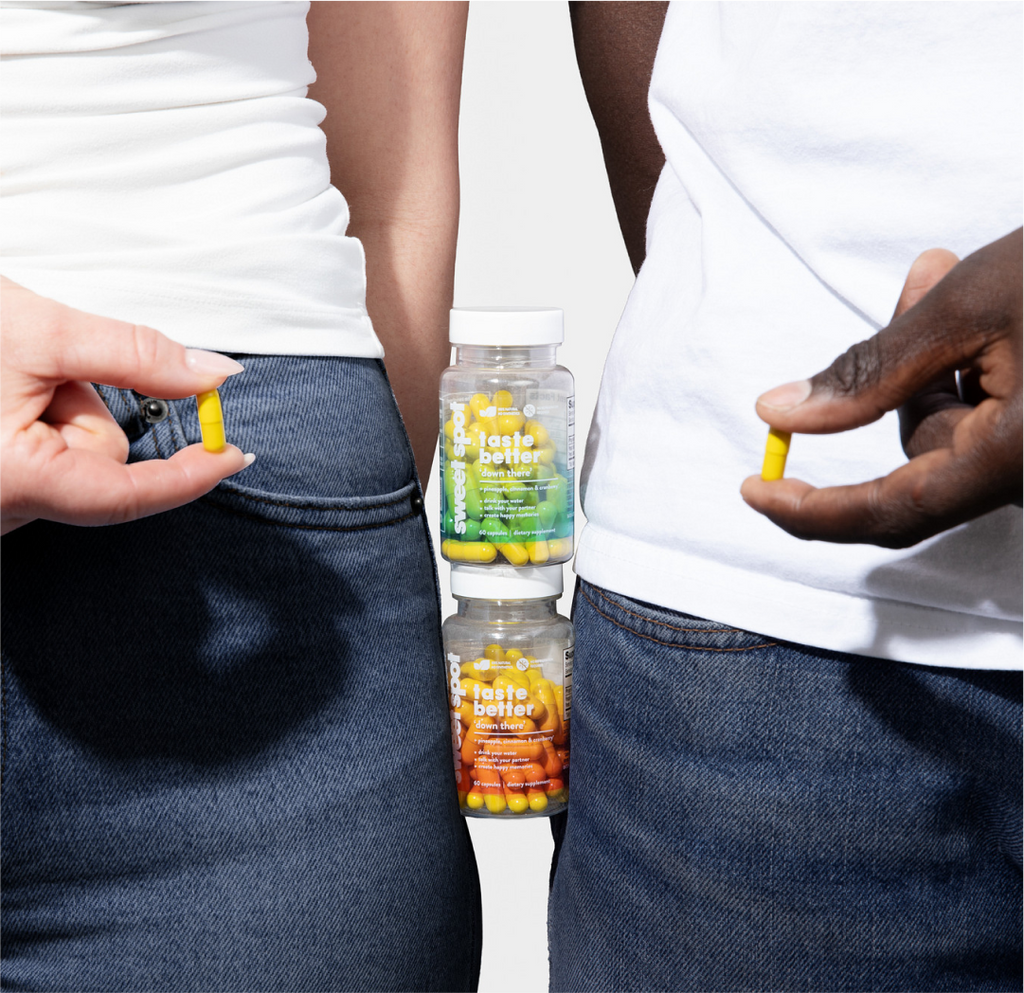
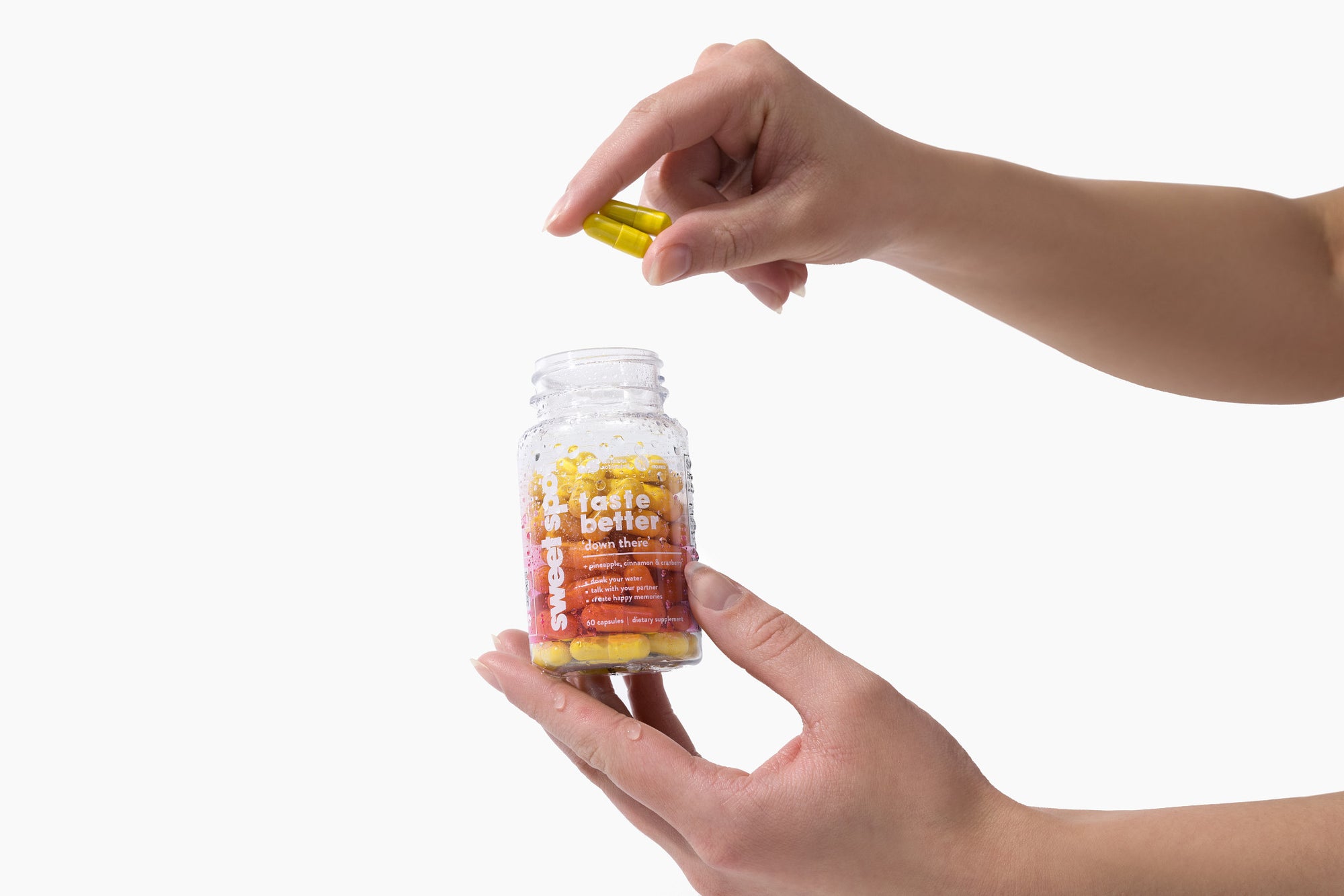
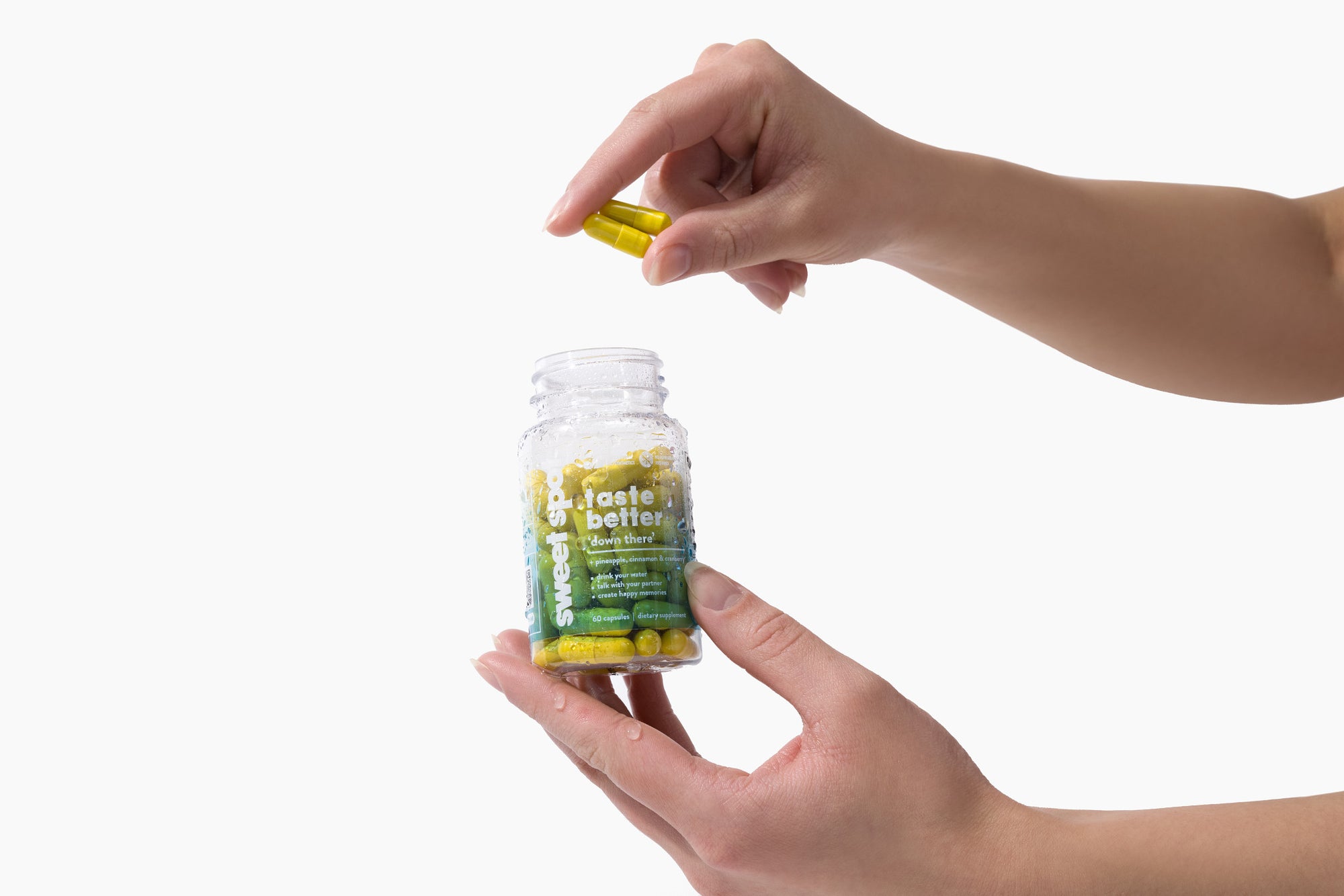
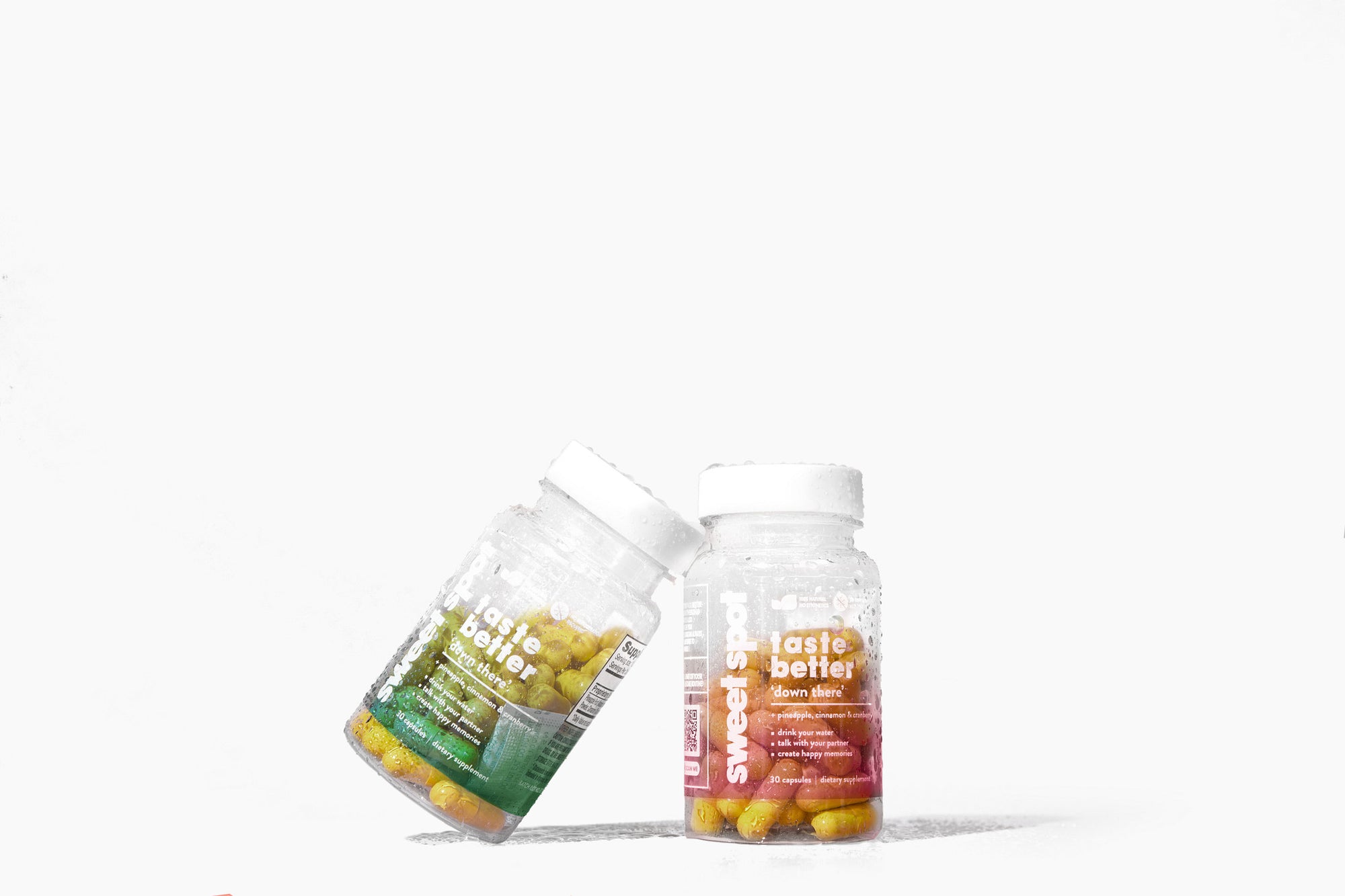
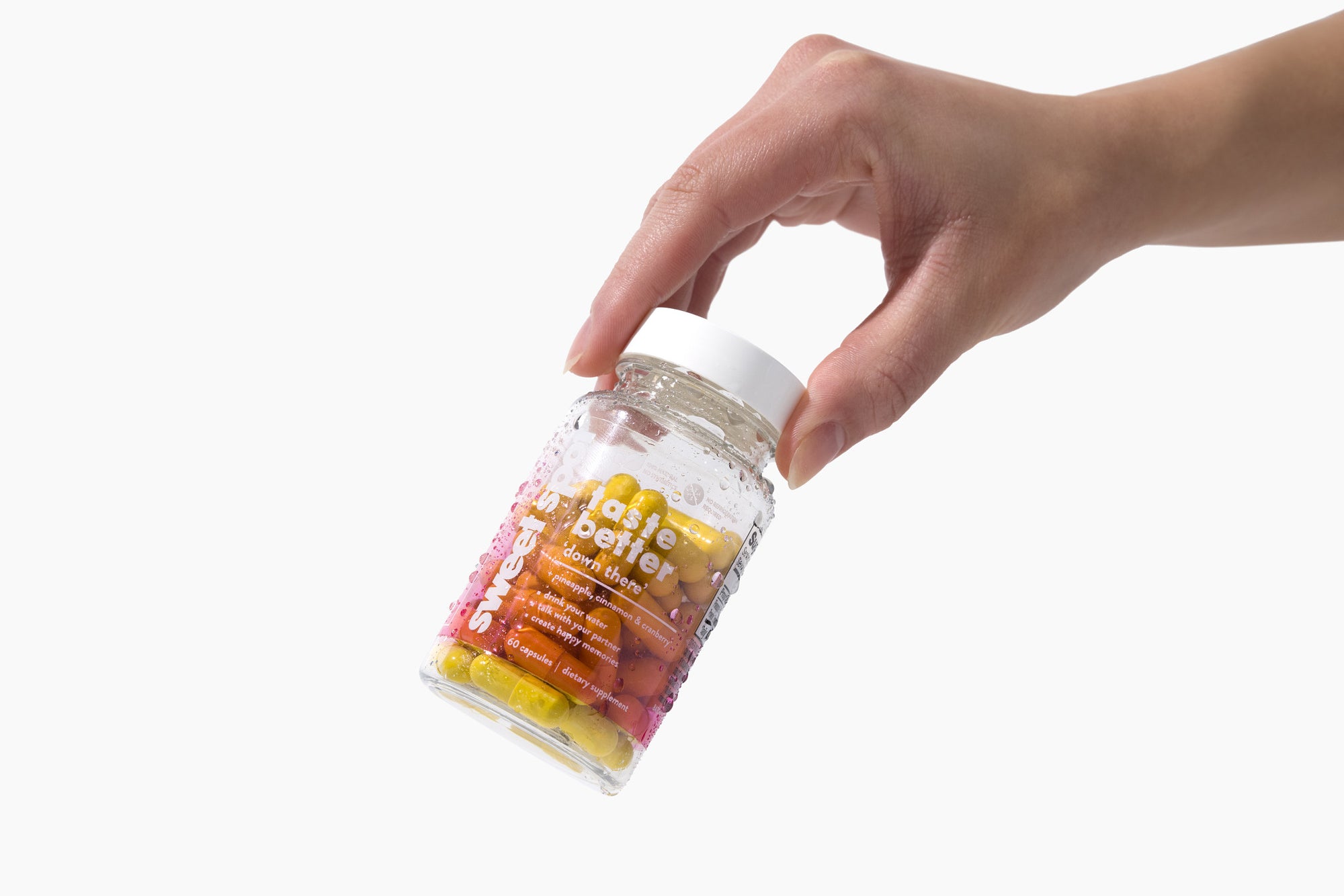
- Women's Intimate Wellness Supplement — a daily pineapple-and-probiotic-inspired blend crafted to support a healthy vaginal pH, natural freshness, and a sweeter, more confident you.
- Men's Intimate Wellness Supplement — a clean, pineapple-powered daily blend to support men's intimate freshness and taste.
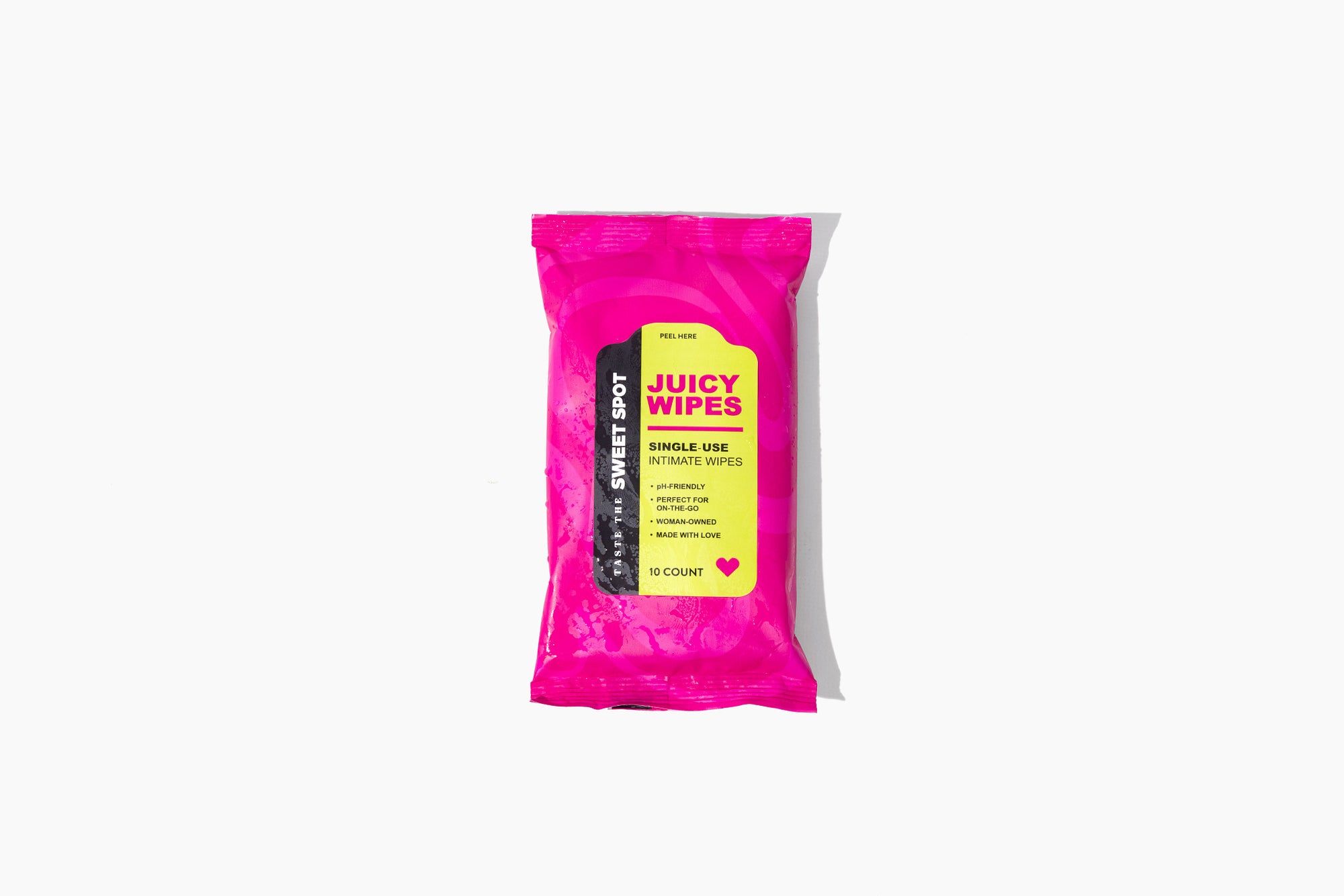
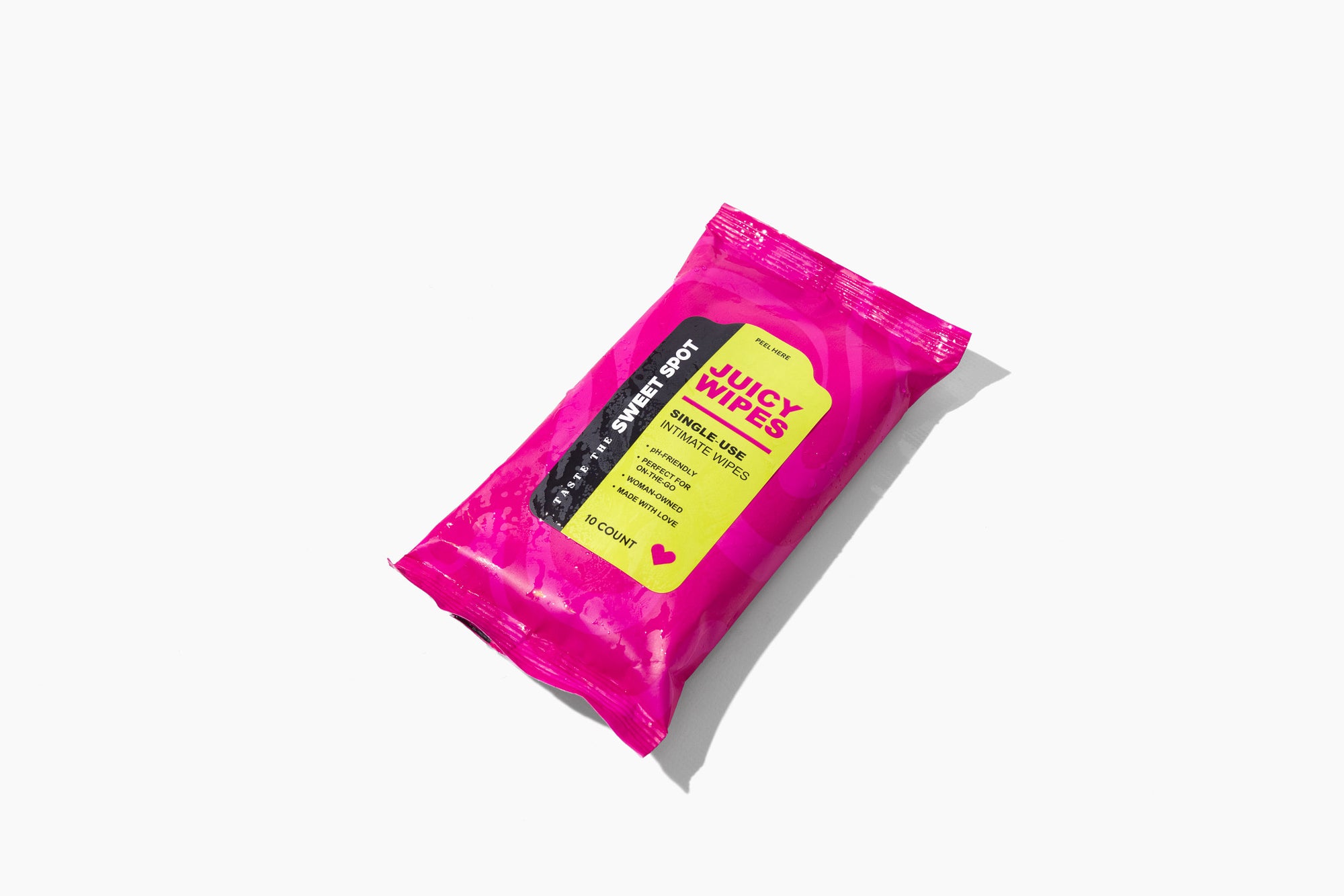
- pH-Balanced Intimate Wipes — plant-powered, flushable, biodegradable wipes with soothing aloe for a gentle, on-the-go reset that respects your natural balance.
Think of them as the easy button on an otherwise simple routine: consistency made convenient.
When to See a Doctor
Natural habits support a healthy baseline, but they are not a substitute for medical care. See a healthcare provider if you notice any of the following:
- A strong, persistent fishy odor (possible bacterial vaginosis)
- Unusual discharge (gray, green, yellow, or frothy)
- Itching, burning, redness, or swelling
- Pain during sex or urination
- Any sudden, dramatic change in odor or taste
- Fever or pelvic pain
These can signal infections like BV, a yeast infection, or an STI that need proper diagnosis and treatment. There's no shame in it — providers deal with this every single day, and getting the right care is far better than guessing.
Frequently Asked Questions
Is it normal to have an intimate scent or taste?
Yes — completely. A healthy body has a natural, mild scent and taste that varies with diet, hydration, and (for women) your cycle. The goal isn't to eliminate it but to support a balanced baseline and notice genuine changes.
Can you really change how you taste?
Yes, within a natural range. Intimate taste reflects body chemistry, which responds to hydration and diet over time. Hydration can help within a day; dietary changes generally take one to two weeks of consistency.
Does pineapple make you taste sweeter?
It's a popular belief rather than a formally proven fact, but it has real logic: pineapple is water-rich, naturally sweet, and low in the bitter sulphur compounds found in garlic and asparagus, so a pineapple-rich, well-hydrated diet reasonably supports a milder taste.
What's the fastest way to taste and feel fresher?
Hydration. Drinking plenty of water dilutes and softens taste and scent, often within a day or two, because dehydration is a leading cause of a stronger, sharper profile.
What foods should I avoid?
Sulphur-rich foods (garlic, onions, asparagus), heavy red meat, excess sugar and processed food, alcohol, caffeine, and smoking — all of which tend to sharpen taste or, for women, disrupt pH balance.
Why is douching bad if it's marketed as cleaning?
Douching strips away protective bacteria and disrupts your natural acidic pH, which allows odor-causing bacteria to flourish. The vagina is self-cleaning and should never be douched — wash the external area only.
How do probiotics help intimate health?
They replenish and support the protective Lactobacillus bacteria that maintain a healthy, slightly acidic vaginal pH — the foundation of natural freshness and defense against imbalance.
How long do supplements take to work?
Take them daily with plenty of water. Hydration can help within a day, but for full results give it one to two weeks of consistent use — it's a daily habit, not a one-time fix.
Are pH-balanced intimate wipes safe for sensitive skin?
Yes — quality pH-balanced wipes are plant-powered and body-safe, with soothing ingredients like aloe, designed for gentle external freshening without harsh chemicals. Look for flushable, biodegradable options.
When should I see a doctor?
See a provider for a strong persistent odor, unusual discharge, itching, burning, pain, or any sudden dramatic change — these can signal an infection that needs treatment.
How Taste The Sweet Spot Supplements Help
Intimate wellness isn't about masking who you are or chasing an impossible “odorless” ideal. It's about supporting your body's natural balance from the inside out: stay well hydrated, eat fresh and favor water-rich fruit, support your pH and good bacteria (especially for women), practice gentle hygiene, and give it consistent time. Support the root, and lasting freshness, better taste, and real confidence follow naturally. That's the whole secret — and now it's yours.
Support your freshness from the inside out with Women's Sweet Spot and Men's Sweet Spot, and stay fresh on the go with gentle pH-Balanced Intimate Wipes.
This guide is for educational purposes only and is not medical advice. Statements have not been evaluated by the FDA and are not intended to diagnose, treat, cure, or prevent any disease. Consult a qualified healthcare professional for diagnosis and treatment of any medical condition.
SHOP THE PRODUCTS BEHIND THE VIRAL HYPE
'TASTE BETTER DOWN THERE'
#STAYJUICY