


Probiotics for Women: The Complete Guide to Vaginal & Gut Health
Probiotics have exploded in popularity, and for good reason — the science of the microbiome has revealed just how central our bacterial communities are to overall health. But for women specifically, probiotics offer benefits that go well beyond digestion. They play a powerful role in vaginal health, pH balance, immunity, and even mood. Yet the supplement aisle is overwhelming, and not all probiotics are created equal. This complete guide explains exactly what probiotics do for women, which strains matter, how to choose a quality product, and how to make them part of an effective daily routine.
What Are Probiotics, Really?
Probiotics are live beneficial microorganisms — primarily bacteria — that, when consumed in adequate amounts, support your health. Your body is home to trillions of microbes collectively known as your microbiome, and the balance between beneficial and harmful organisms profoundly influences how you feel and function. Probiotics work by reinforcing the "good" side of that balance, helping crowd out harmful organisms, supporting key bodily functions, and maintaining healthy environments in your gut and beyond.
Why Probiotics Matter Especially for Women
Women have a unique and important reason to care about probiotics: the vaginal microbiome. A healthy vagina is dominated by beneficial bacteria called Lactobacillus, which produce lactic acid and keep the vaginal environment slightly acidic (a pH between roughly 3.8 and 4.5). This acidity is a defense system — it keeps harmful bacteria and yeast in check, protecting against issues like bacterial vaginosis, yeast infections, and unwanted odor.
When this balance is disrupted — by antibiotics, hormonal shifts, your period, sexual activity, douching, stress, or diet — the protective Lactobacillus can decline, pH rises, and problems follow. Probiotics help by supporting and replenishing these beneficial populations, making them one of the most valuable tools in a woman's intimate wellness toolkit.
The Key Benefits of Probiotics for Women
1. Vaginal Health and pH Balance
This is the headline benefit. By supporting Lactobacillus populations, probiotics help maintain the acidic environment that keeps the vaginal microbiome healthy — reducing the likelihood of recurring imbalances, odor, and discomfort. This is especially valuable after antibiotic use, which wipes out good bacteria along with the bad.
2. Digestive and Gut Health
The original claim to fame. Probiotics support smooth digestion, help reduce bloating and irregularity, and maintain a healthy gut lining. A balanced gut microbiome is increasingly linked to nearly every aspect of health.
3. Immune Support
An estimated 70% of your immune system resides in your gut. A healthy, balanced microbiome helps your immune system function properly, supporting your body's natural defenses.
4. The Gut-Mood Connection
The gut and brain are in constant communication through the gut-brain axis. A growing body of research connects a healthy gut microbiome with better mood and emotional well-being, since much of the body's serotonin is produced in the gut.
5. Freshness and Confidence
Because they support a balanced vaginal environment, probiotics contribute to the natural freshness and confidence that come from knowing your body is in balance.
Which Probiotic Strains Matter for Women?
Not all probiotics are the same — strains matter enormously, and different strains do different jobs. For women's health specifically, look for these well-researched Lactobacillus strains, several of which are particularly associated with vaginal health:
- Lactobacillus rhamnosus — among the most studied for vaginal and urinary health.
- Lactobacillus reuteri — frequently paired with rhamnosus for vaginal support.
- Lactobacillus acidophilus — a foundational strain for both gut and vaginal balance.
- Lactobacillus crispatus — strongly associated with a healthy, protective vaginal environment.
- Lactobacillus gasseri — supports balance and has been studied for various women's health benefits.
How to Choose a Quality Probiotic
The market is flooded with options, so use these criteria to separate quality from hype:
- Targeted strains. Choose a product that names specific strains relevant to women's health, not just a vague "probiotic blend."
- Adequate CFU count. CFU (colony-forming units) indicates how many live organisms you're getting. Look for a meaningful, clinically relevant count — more isn't always better, but too few won't do much.
- Survivability. The bacteria need to survive stomach acid to reach where they're needed. Good products are formulated for this.
- Quality manufacturing. Look for products made in reputable facilities with quality standards — USA-made and tested is a plus.
- Complementary ingredients. Some formulas pair probiotics with prebiotics (which feed the bacteria) and other supportive ingredients for added benefit.
Probiotics From Food vs. Supplements
You can get probiotics from fermented foods like yogurt, kefir, sauerkraut, kimchi, miso, and kombucha — and including these in your diet is genuinely beneficial. However, food sources have limitations: the strains and amounts are unpredictable, they may not include the specific strains best for vaginal health, and it's hard to get a consistent, meaningful dose every day. This is why many women use a targeted daily supplement to guarantee they're getting the right strains in the right amounts, consistently.
How to Use Probiotics for Best Results
- Be consistent. Probiotics work through ongoing daily use, not occasional doses. Build them into your morning routine.
- Pair with prebiotics. Fiber-rich foods feed your good bacteria and help them thrive.
- Especially after antibiotics. If you've taken a course of antibiotics, probiotics help rebuild what was lost.
- Give it time. Benefits build over weeks of consistent use, not overnight.
- Support the whole picture. Combine with hydration, a fresh diet, and gentle hygiene for the best results.
Where Sweet Spot Fits In
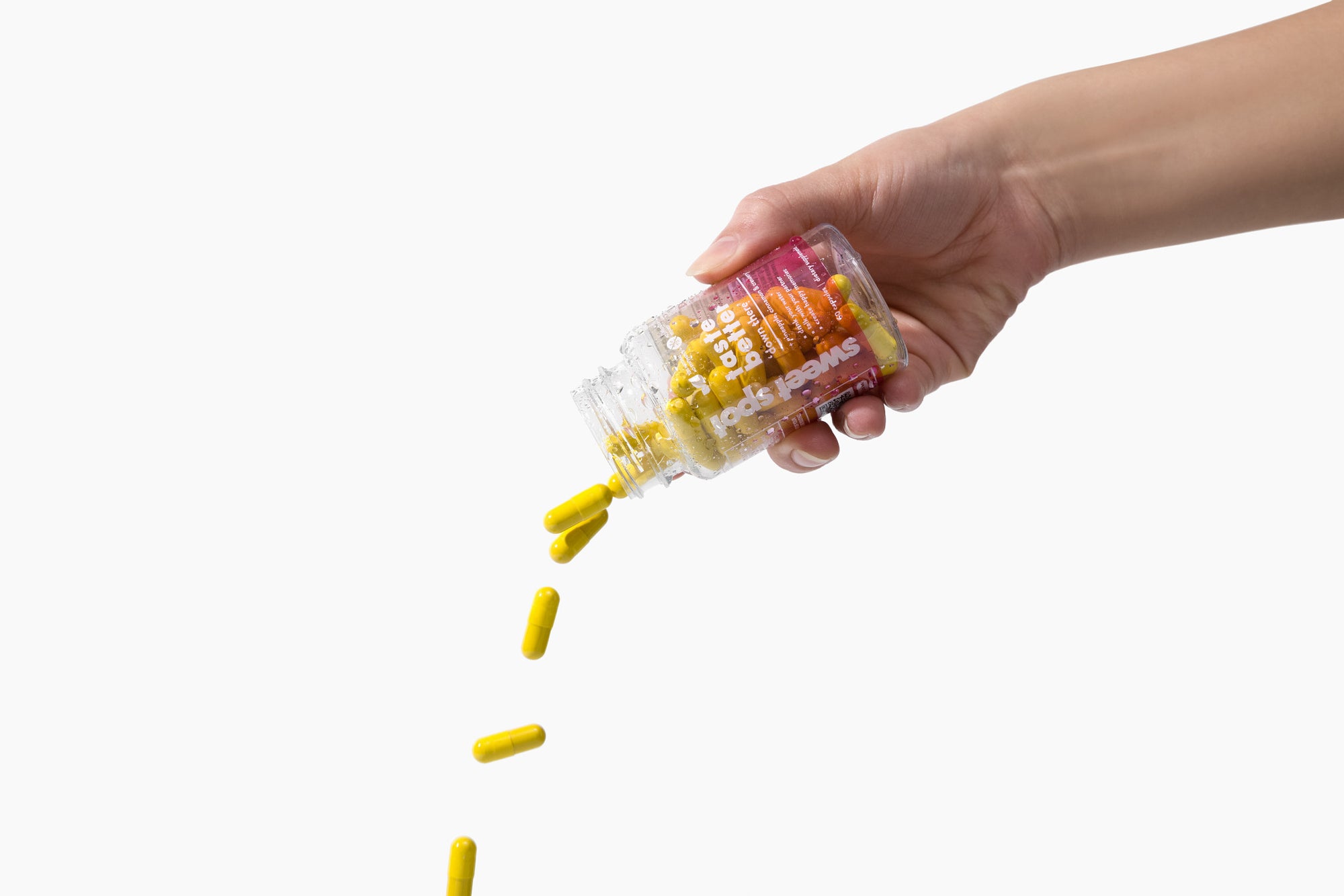
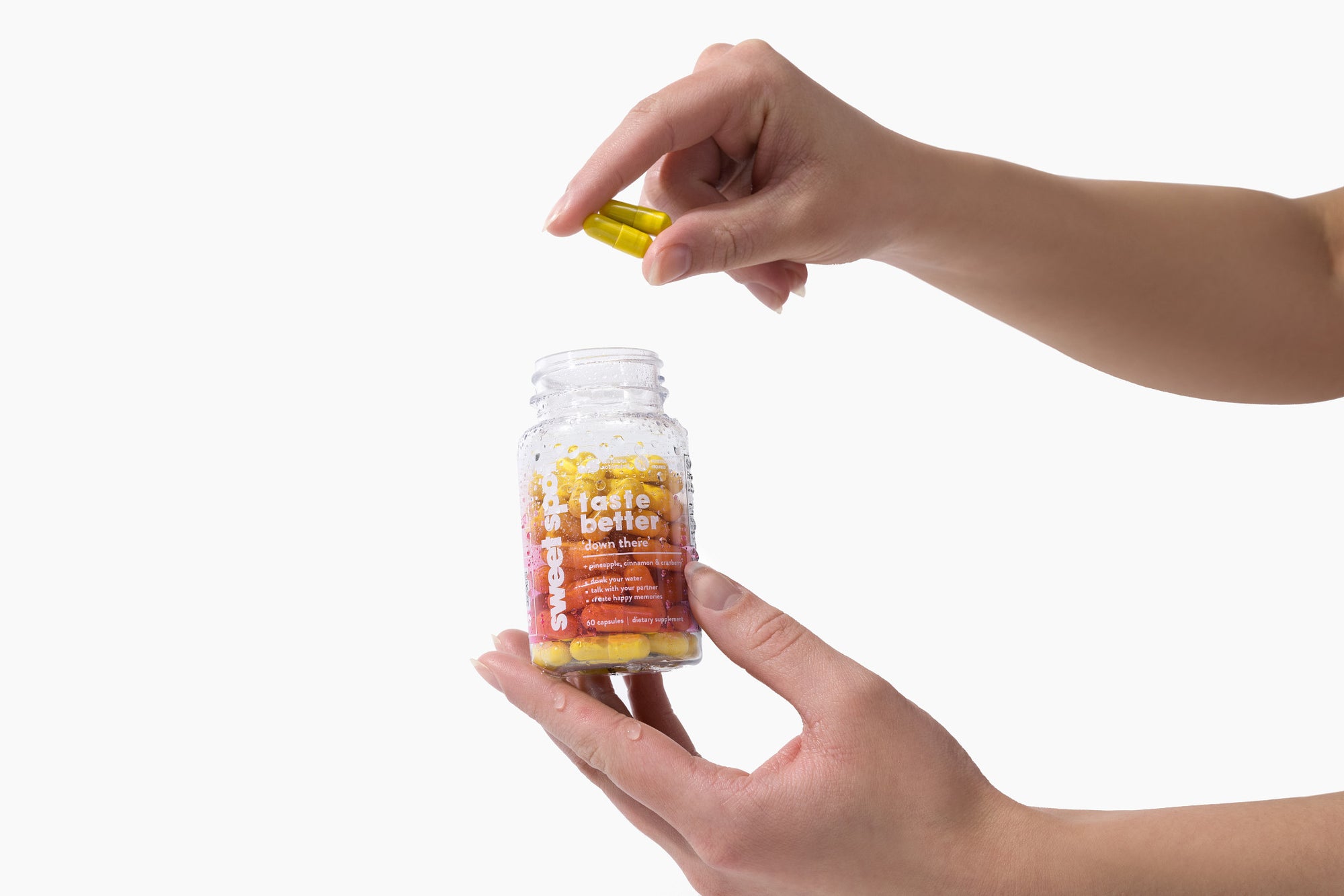
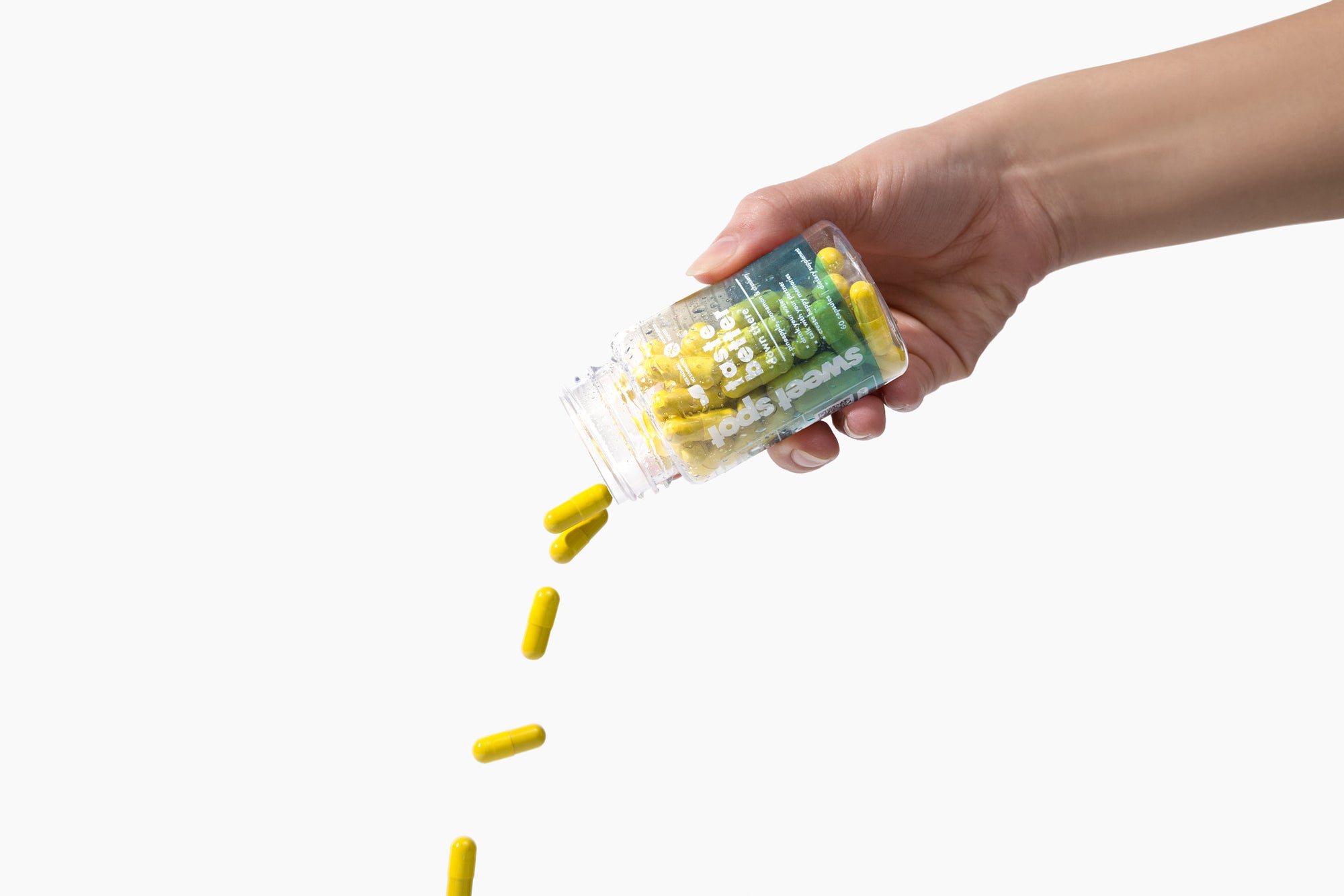
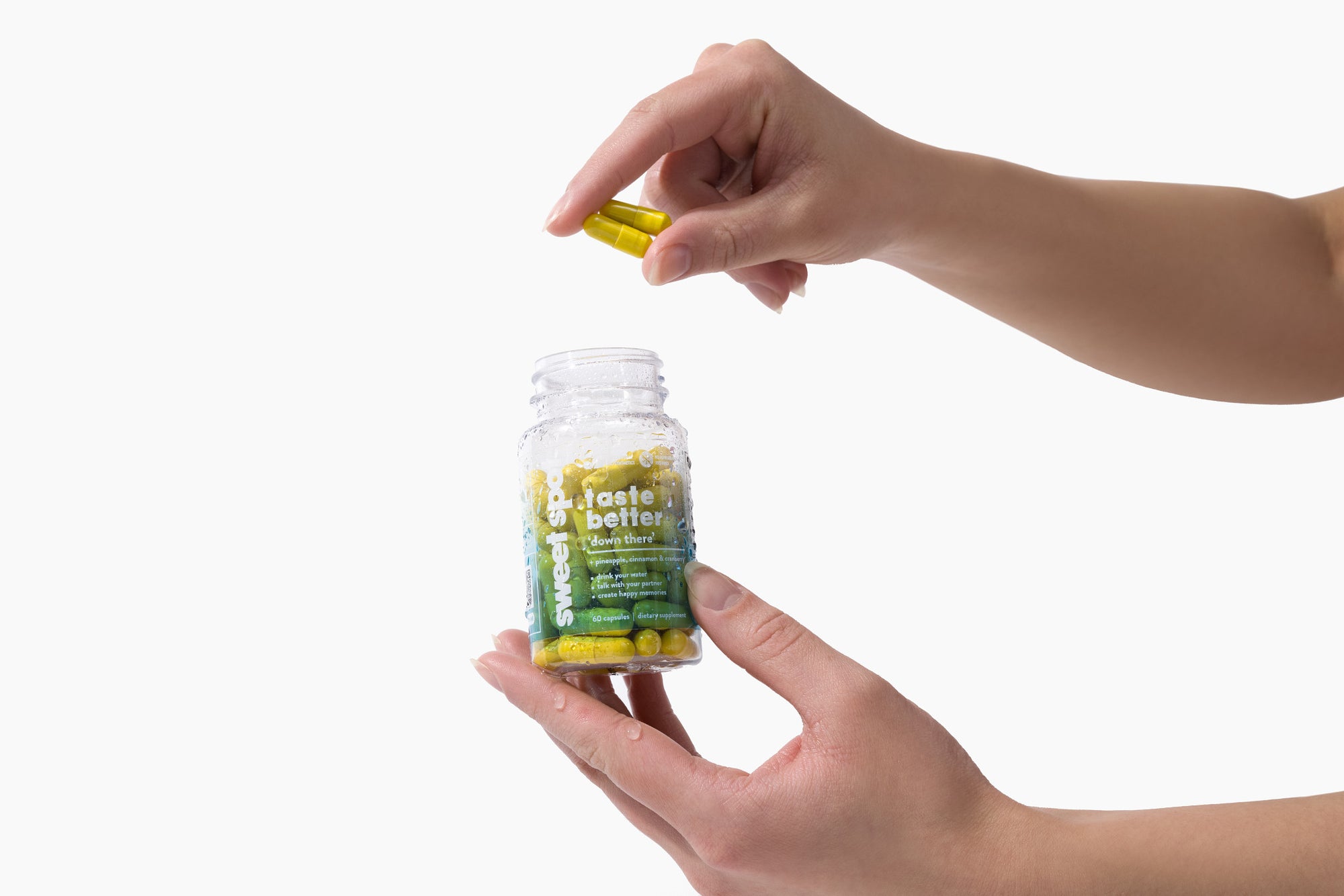
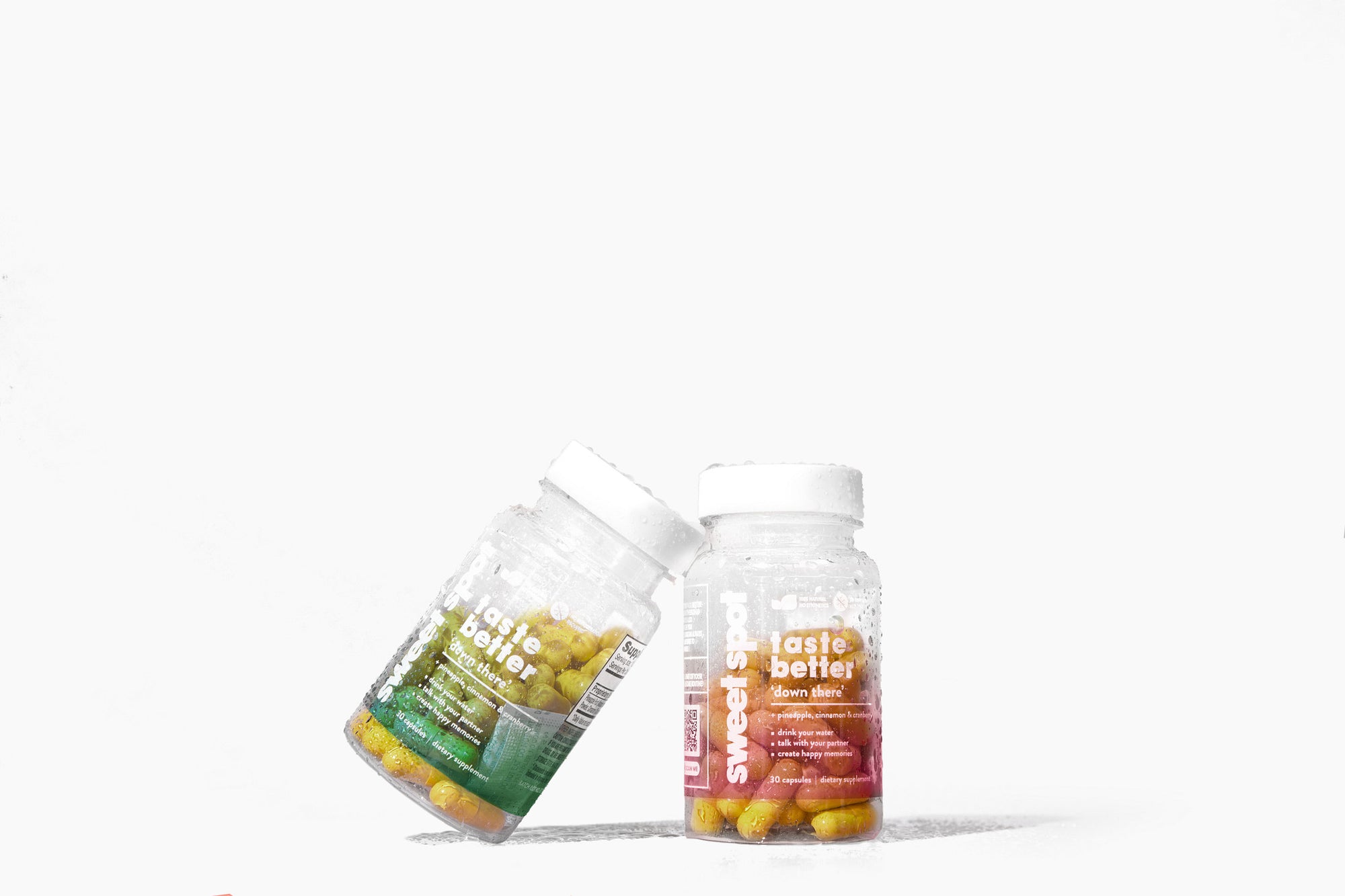
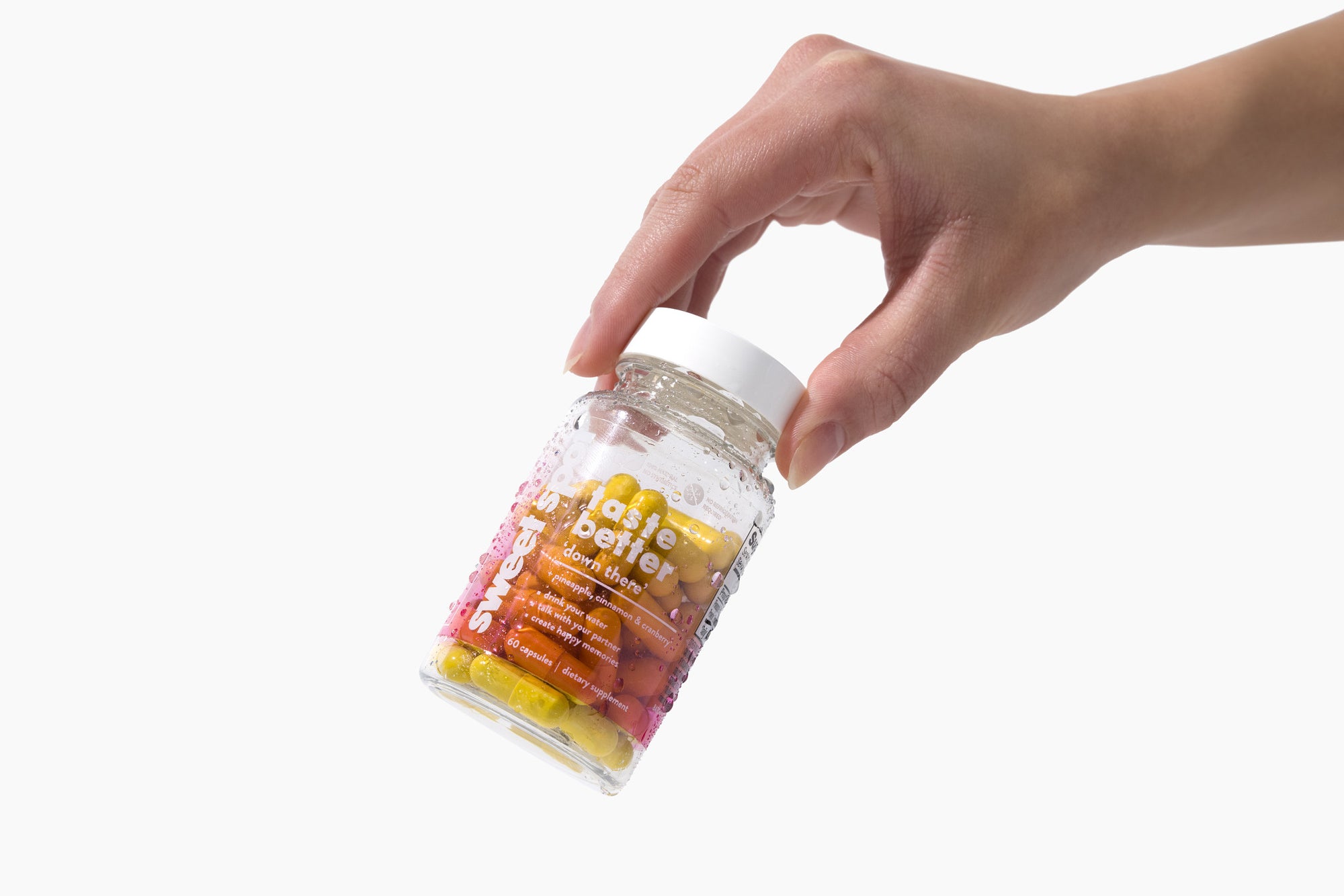
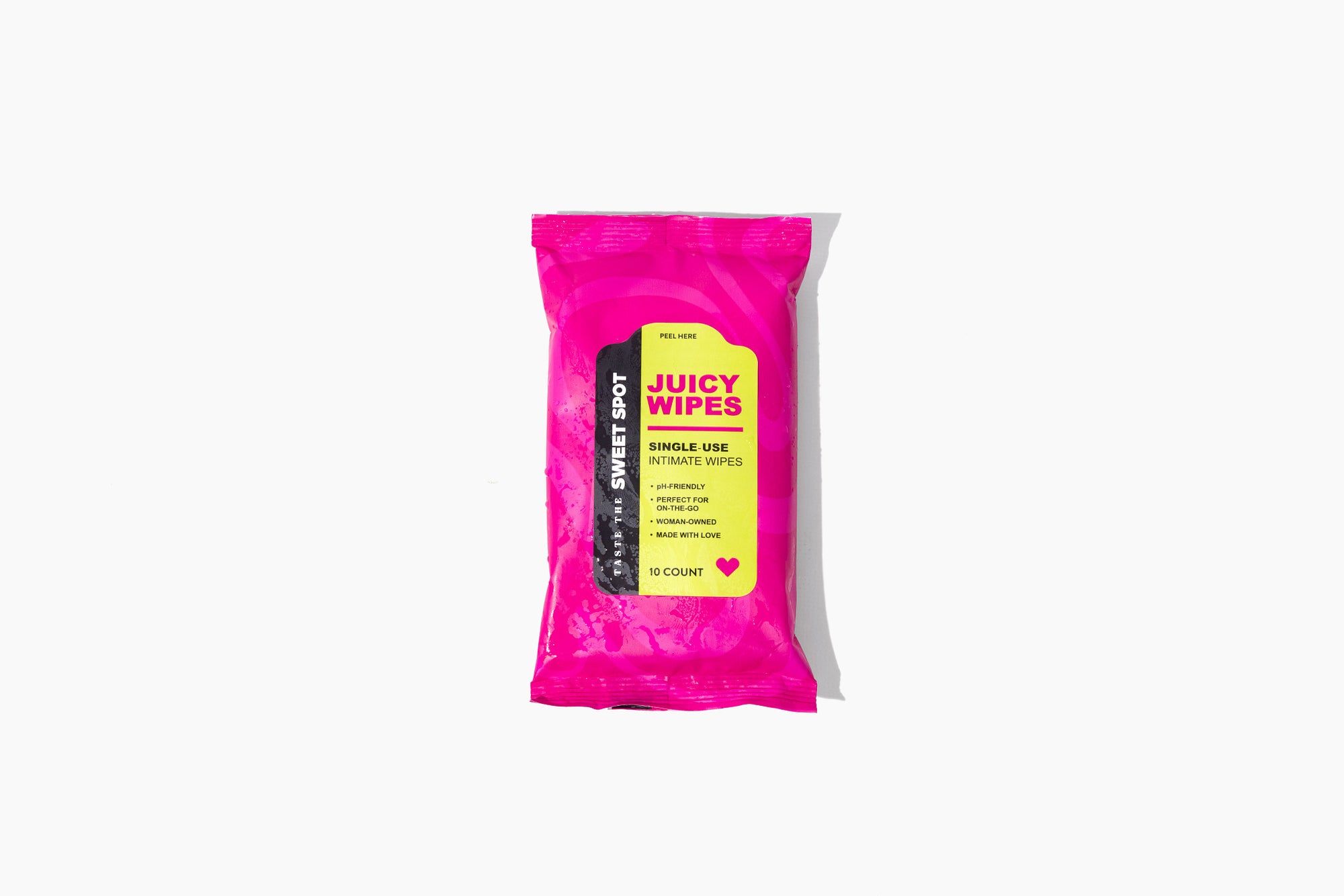
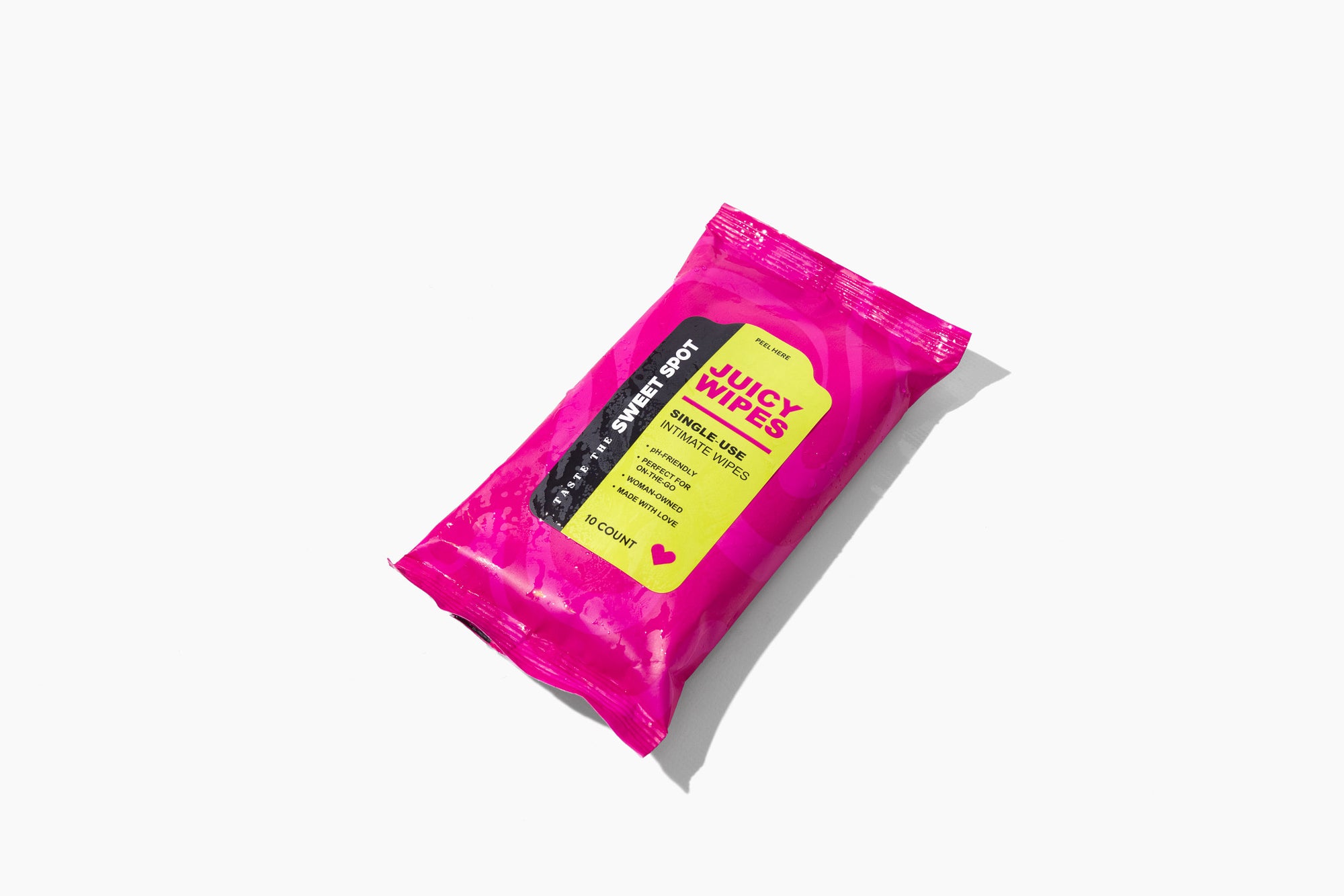
Supporting your natural balance is exactly what Women's Sweet Spot is designed for — a daily supplement built around pineapple extract and ingredients chosen to support healthy pH balance, freshness, and confidence. Taken consistently, it helps you maintain the kind of balanced internal environment that keeps you feeling fresh day to day. Pair it with gentle external care using pH-balanced intimate wipes, and you've covered both the inside-out and the on-the-go sides of intimate wellness.
When to Talk to Your Doctor
Probiotics are generally very safe for most people. However, if you're pregnant, nursing, immunocompromised, or managing a medical condition, check with your healthcare provider before starting. And remember — probiotics support a healthy baseline, but they aren't a treatment for an active infection. If you have persistent symptoms like strong odor, unusual discharge, itching, or burning, see a provider for proper diagnosis.
The Bottom Line
Probiotics are one of the most valuable daily wellness tools available to women, supporting vaginal pH balance, gut health, immunity, and more. The keys to getting real benefit are choosing quality, strain-specific products, using them consistently, and combining them with the broader habits — hydration, a fresh diet, and gentle hygiene — that keep your body in balance. Treat your microbiome well, and it returns the favor with the freshness, comfort, and confidence that come from a body in balance.
Frequently Asked Questions
What do probiotics do for women specifically?
Beyond gut health, probiotics support the vaginal microbiome by reinforcing protective Lactobacillus bacteria that maintain a healthy, acidic pH — helping reduce odor, recurring imbalances, and discomfort.
Which probiotic strains are best for vaginal health?
Look for Lactobacillus strains such as rhamnosus, reuteri, acidophilus, crispatus, and gasseri, which are most associated with vaginal balance.
How long do probiotics take to work?
Benefits build with consistent daily use, typically over several weeks. They aren't an instant fix — consistency is key.
Can I get enough probiotics from food?
Fermented foods help, but the strains and doses are unpredictable. A targeted supplement ensures you get the right strains in the right amounts consistently.
Are probiotics safe to take every day?
For most people, yes — daily use is how they work best. If you're pregnant, nursing, immunocompromised, or managing a condition, check with your healthcare provider first.
Support your balance daily with Women's Sweet Spot and gentle pH-balanced Intimate Wipes.
This article is for educational purposes only and is not medical advice. Consult a qualified healthcare professional for personal concerns.
SHOP THE PRODUCTS BEHIND THE VIRAL HYPE
'TASTE BETTER DOWN THERE'
#STAYJUICY