

Pursuit of ‘The Sweet Spot’ in Intimate Wellness
Why Probiotics, Hydration, and Specific Nutrients are Your Secret to Intimate Wellness and Confident Secretions
For years, the conversation around intimate wellness has been shrouded in rumors and half-truths. Everyone has heard the lore: specific fruits, juices, or exotic ingredients are the key to unlocking a better, cleaner, or even "sweeter" experience. But what if we told you that the true key to achieving that optimal "sweet spot" is less about magic fruit and more about fundamental, evidence-based health?
We believe that true intimate confidence starts from within, specifically with a balanced, thriving internal ecosystem. This deep dive unpacks the science behind bodily secretions, examining the definitive role of probiotics, the critical influence of diet and hydration, and how strategic, nutrient-rich supplementation can help both women and men reach peak intimate health and desirable sensory profiles.
I. The Foundational Pillar: Probiotics and the Female Ecosystem
The pursuit of a pleasant, clean sensory profile in vaginal secretions is fundamentally a quest for microbial balance, or eubiosis. Unpleasant or offensive odors—often described as "fishy"—are not a natural state of a healthy body; they are almost universally a signal of microbial imbalance, primarily a condition known as Bacterial Vaginosis (BV).1 Therefore, the most scientifically robust way to address undesirable odors and tastes is to restore the natural, healthy environment. This is where probiotics step in as the most powerful and clinically supported tool.
The Power of Lactobacillus: Nature’s Cleanse
The cornerstone of a healthy female intimate environment is the vaginal microbiome, which, in optimal physiological conditions, is overwhelmingly dominated by beneficial bacteria, specifically the Lactobacillus species. This Lactobacillus-dominant arrangement is the ultimate hallmark of intimate health.
These beneficial Gram-positive bacilli are highly specialized in their defensive role. Their primary mechanism is the production of lactic acid, which is essential for maintaining the naturally low, acidic pH of the vaginal microenvironment. This acidity, typically below 4.5, is crucial because it actively inhibits the proliferation of pathogenic microorganisms that thrive in higher pH environments, including those that cause BV and its associated odors.
In addition to lactic acid, Lactobacilli orchestrate a multi-modal defense system, producing biosurfactants, hydrogen peroxide and bacteriocin-like chemicals. This robust defense system crowds out harmful intruders and ensures the ecosystem remains pristine and balanced.
Beyond BV: Probiotics for Holistic Female Health
The clinical benefits of oral and vaginal probiotics extend far beyond just correcting odors or managing Bacterial Vaginosis (which is the most common vaginal infection in women of childbearing age). Probiotics are essential modulators of systemic health:
-
Combating Infections: Probiotics are frequently utilized as an adjunct to traditional antibiotic therapy for managing and preventing recurrent conditions like Vulvovaginal Candidiasis (Yeast Infections) and Recurrent Urinary Tract Infections (UTIs). By strengthening the genital epithelial barrier and restoring microbial balance, probiotics offer a safe, non-invasive prophylactic approach.
-
Systemic Metabolic Support: The gut and vaginal microbiomes are inextricably linked. By modulating the gut microbiota, specific probiotic strains can positively influence endocrine and metabolic pathways. For women managing complex conditions like Polycystic Ovarian Syndrome (PCOS), probiotics have shown evidence of improving crucial metabolic markers, including blood glucose levels, insulin resistance, and cholesterol and androgen levels. This systemic regulation creates a healthier internal state, reducing inflammation—a key contributing factor to many health issues that can indirectly influence the quality and sensory profile of bodily fluids.
-
Support for All Life Stages: Even in postmenopausal women, studies show that probiotic combinations can significantly improve the Vaginal Health Index score and dramatically reduce inflammatory cytokines, and TNF.
By prioritizing high-quality, strain-specific Lactobacillus and Bifidobacterium (which are also capable of lactic acid production and pH tolerance), you are not merely seeking an aesthetic change; you are investing in the bedrock of your intimate and overall systemic health. A balanced environment naturally produces secretions that are clean, subtle, and non-offensive, eliminating the need for masking agents.
II. The Sweetness Factor: Unpacking Diet, Hydration, and the Pineapple Phenomenon
The aesthetic goal of enhancing taste or odor in intimate fluids often leads consumers down the path of folk remedies and commercial claims. The pervasive idea that specific foods can instantly alter the sensory profile of secretions—the "Pineapple Phenomenon"—needs careful examination.
The Critical Role of Hydration
Of all the non-probiotic factors, hydration is, without a doubt, the most critical element influencing the sensory quality of any bodily fluid. Both vaginal fluid and semen are predominantly water-based.
When you are dehydrated, metabolic byproducts, salts, and strong-smelling volatile compounds become highly concentrated in these fluids. This results in a much more intense, potentially bitter, salty, or pungent taste and odor. Experts and gynecologists consistently recommend consuming plenty of water—often cited as 8–10 glasses per day—as optimal hydration is the single most effective way to dilute these concentrated compounds, purify the fluid, and improve the sensory profile naturally.
Pineapple: Anecdote Versus Evidence
The reputation of pineapple and citrus fruits as "sweetness boosters" is widely accepted in popular culture, often attributed to their natural sugar and high water content.
However, despite its widespread belief, it is crucial to understand that no peer-reviewed clinical research has ever confirmed that the consumption of pineapple or cranberry juice directly or instantaneously alters the flavor profile of semen or vaginal fluid. This phenomenon remains primarily anecdotal.
While pineapple contains bromelain, a complex of enzymes known for anti-inflammatory and anti-edematous properties, these are general systemic health benefits and do not credibly link to fluid flavor modulation. Similarly, cranberry is often recommended because it is known to support urogenital health and prevent UTIs, which aids in overall intimate wellness.
The scientific consensus suggests that if a perceived change occurs, it is due to long-term dietary habits affecting overall metabolic health, not a pre-sex pineapple slice.
Diet: The Long-Term Flavor Modulator
Bodily fluid composition is a long-term byproduct of what you regularly consume. Consistently eating a "Prudent dietary pattern"—one rich in fruits, vegetables, whole-grain products, legumes, and nuts—is associated with better metabolic health and higher reproductive fluid quality. Antioxidants like Vitamin C and -carotene, common in these diets, are linked to better total sperm count and motility in men.
Conversely, consumption of pungent foods, such as garlic, asparagus, broccoli, and excess alcohol, may lead to a stronger, potentially worse taste or odor, as these foods introduce volatile compounds into the system.
III. Intimate Wellness for Men: Optimizing Secretions Through Systemic Health
The pursuit of the "sweet spot" is not exclusive to women. Men seeking a cleaner, less bitter taste profile for semen must also focus on fundamental, systemic health, particularly the chemistry and purity of the fluid.
Semen Chemistry: Understanding the Base Notes
Semen is a composite fluid with a complex chemical makeup:
-
Alkalinity: Semen is naturally alkaline (high pH). This alkalinity is biologically essential as it serves to buffer and neutralize the acidic environment of the vagina, ensuring sperm viability and motility. This alkaline nature is the primary factor contributing to descriptions of a bitter or salty taste.
-
Sweetness (Fructose): The desirable sweet component is attributed to fructose, a key sugar added by the seminal vesicles to serve as nourishment for sperm.
-
Mineral/Metallic Notes: Various glands contribute elements like zinc, calcium, sodium, potassium, and citric acid, which can add salty, metallic, or sometimes musky notes. An antioxidant called ergothioneine, related to mushrooms, can also lend an "uncooked mushroom-like taste".
The Male Microbiome and Fluid Quality
Just as dysbiosis affects women's fluids, systemic health impacts men's. Growing evidence links the gut and urinary microbiome to male urogenital function, particularly conditions like Benign Prostatic Hyperplasia (BPH) and Lower Urinary Tract Symptoms (LUTS).
-
Inflammation and Taste: Microbial imbalance (dysbiosis) in the gut or urinary tract can trigger chronic inflammatory and oxidative processes within the prostate tissue. A compromised, inflamed prostate and urinary tract can contribute metabolic byproducts to semen, potentially leading to a more unfavorable taste or odor profile.
-
Probiotic Intervention: Probiotic ingestion is emerging as a novel, well-tolerated therapeutic strategy for managing BPH and LUTS. Specific probiotic combinations (such as B. Longum and F. Psychaerophilum) are promising for their ability to modulate inflammatory pathways and improve intestinal barrier permeability.
By managing this inflammation and ensuring systemic metabolic balance, men can indirectly, but profoundly, optimize their reproductive fluid quality. Furthermore, supplements like L-Arginine have been studied for their positive effect on semen quality, showing a significant increase in total sperm count and active motility. This shows that targeted nutrition can measurably improve the fluid itself, which often results in a better sensory profile.
-
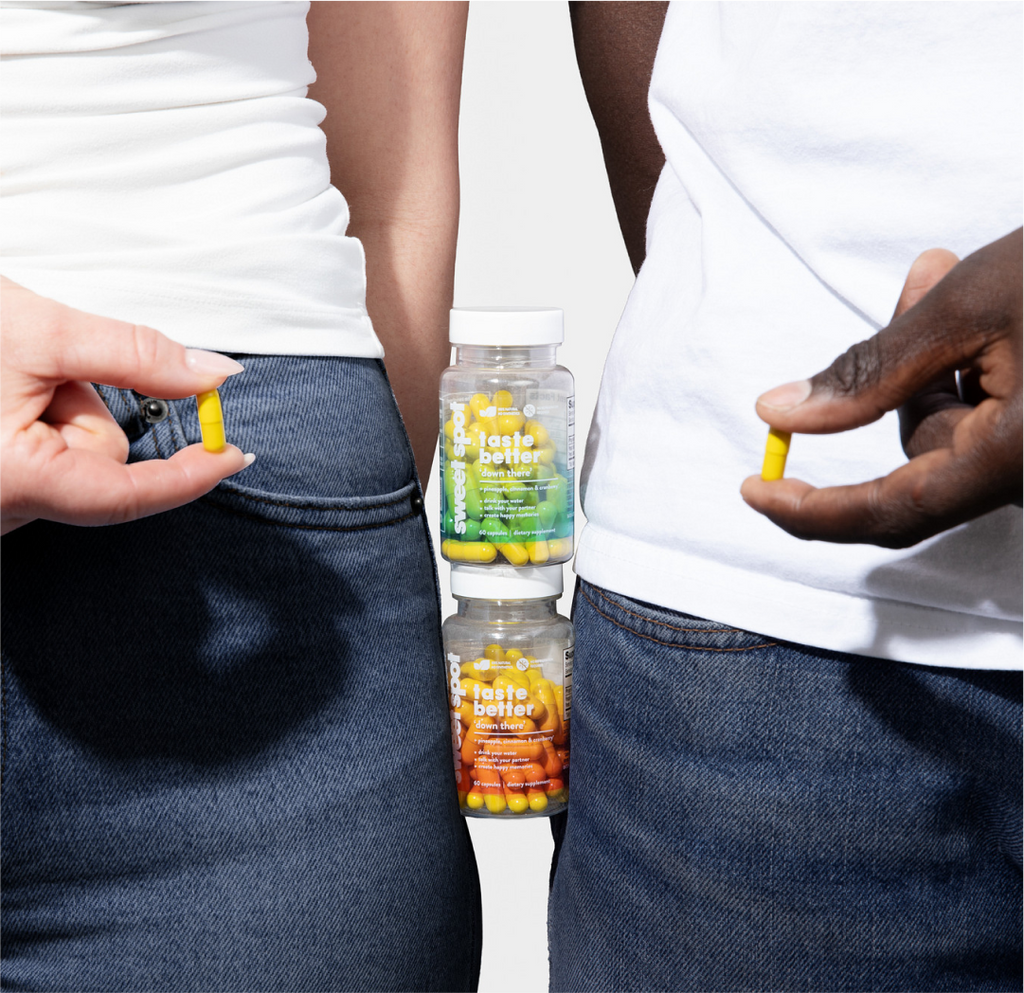
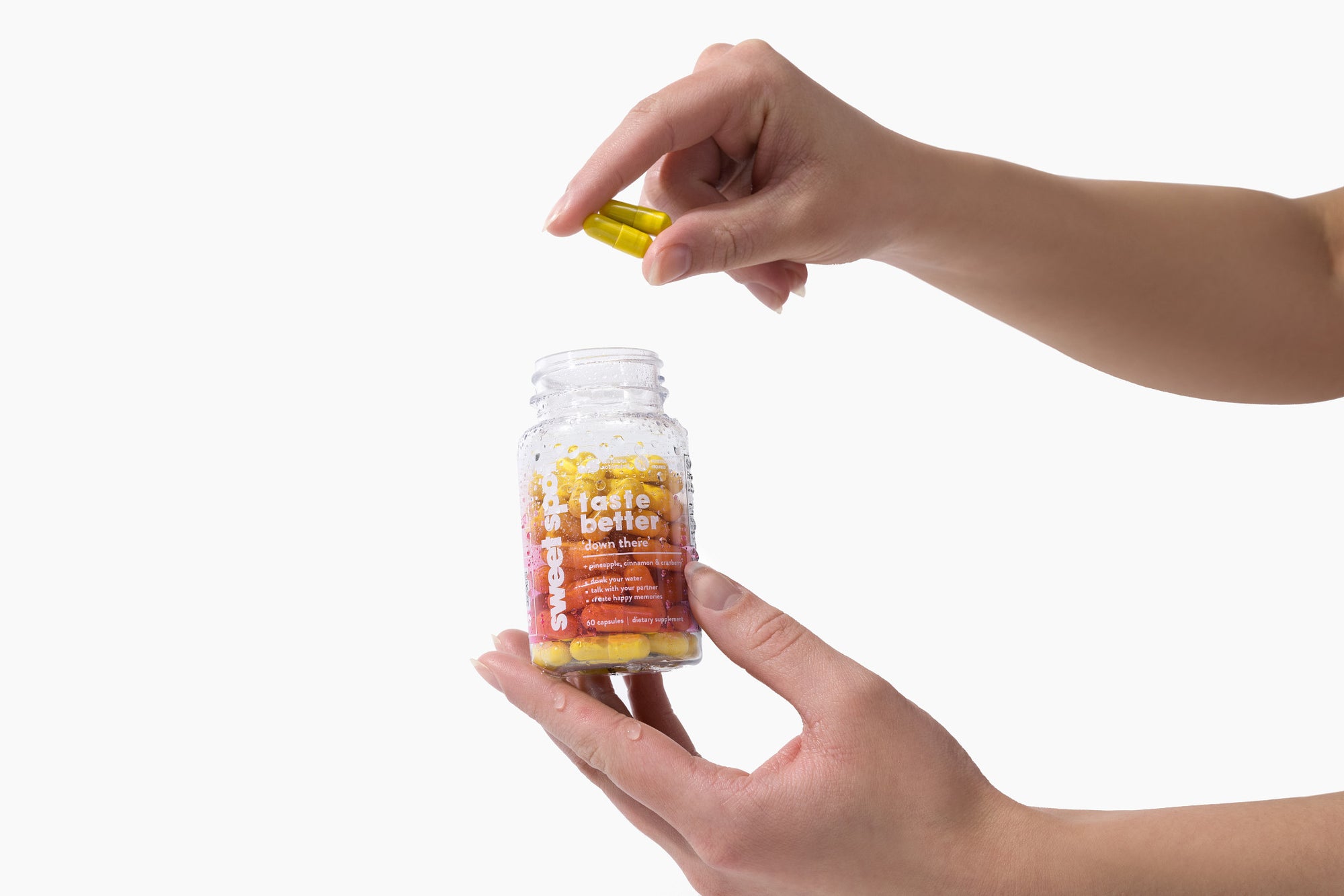
Aesthetic Enhancement (Pineapple): We include pineapple extract, which, while not clinically proven to alter flavor, is the ingredient most strongly associated with the desired "sweet" taste in popular culture. This bridges the gap between science and the delightful experience our customers seek, focusing on quality and user satisfaction.
Why Quality and Transparency Matter
In the highly saturated supplement market, consumers must exercise extreme caution. The sexual enhancement supplement market is plagued by low-accuracy information and a lack of regulatory oversight. Claims on effectiveness are often exaggerated, and critically, some unregulated products have been documented to illegally contain undeclared pharmaceutical ingredients (like sildenafil or tadalafil) that pose serious health risks to users, particularly those with pre-existing cardiovascular conditions.
As you navigate your intimate wellness journey, always prioritize quality, transparency, and products that offer ingredients with demonstrable, foundational health benefits (like probiotics and essential vitamins), not just empty aesthetic promises.
V. The Ultimate Recipe for Your Sweet Spot
Achieving and maintaining the "sweet spot" is not a quick fix; it’s a commitment to your body’s health, balance, and purity.
| The Sweet Spot Strategy (Intimate Wellness) | Goal | Scientific Basis / Action |
| Prioritize Probiotics | Eliminate Odor/Offense |
Restores the acidic, Lactobacillus-dominant pH (below 4.5) to fight BV and eliminate offensive odors. |
| Optimize Hydration | Dilute Pungency |
High water intake dilutes concentrated salts and metabolic waste products, neutralizing strong odors/tastes. |
| Sustain a Prudent Diet | Foundational Fluid Health |
Long-term consumption of fruits, vegetables, and antioxidants supports optimal metabolic health and reproductive fluid quality. |
| Strategic Supplementation | Enhance and Protect |
Use high-quality formulas that pair clinical ingredients (probiotics, cranberry) with anecdotal enhancers (pineapple) to support both health and experience. |
By focusing on a strong probiotic foundation, consistent hydration, and a long-term nutrient-rich diet, you are creating the healthiest possible environment for your entire body. This metabolic purity is the true recipe for intimate wellness and the confidence that comes with knowing you have achieved your natural, optimal "sweet spot."
Disclaimer: Statements regarding dietary supplements have not been evaluated by the Food and Drug Administration. These products are not intended to diagnose, treat, cure, or prevent any disease or health condition. Consult a healthcare professional before starting any new supplement regimen.
Essential Probiotic Strains and Applications for Women's Urogenital Health
| Lactobacillus Strain (Example) | Primary Clinical Target | Mechanism of Action | Broader Health Impact |
| Lactobacillus spp. dominance (e.g., L. crispatus) | BV, VVC, Recurrent UTI | Lactic acid production, lowering pH, competitive exclusion |
Supports genital barrier, eliminates offensive odors by restoring natural pH |
| Specific Combination (e.g., L. animalis ssp. lactis BL050 + L. rhamnosus LRH020) | Genitourinary Syndrome of Menopause (GSM) | Restoring microbiota, dramatically reducing inflammatory cytokines |
Improves Vaginal Health Index score, supporting long-term tissue health |
| Probiotics (Gut modulation) | PCOS, Metabolic Dysfunction | Modulating gut microbiota, improving blood glucose, cholesterol, and androgen levels |
Enhancing reproductive health and restoring the LH/FSH ratio |
| Bifidobacterium spp. | Vaginal Microbiome Support | Lactic acid production, ability to tolerate low pH |
Potentially protective; supports a healthy, acidic environment alongside Lactobacillus |
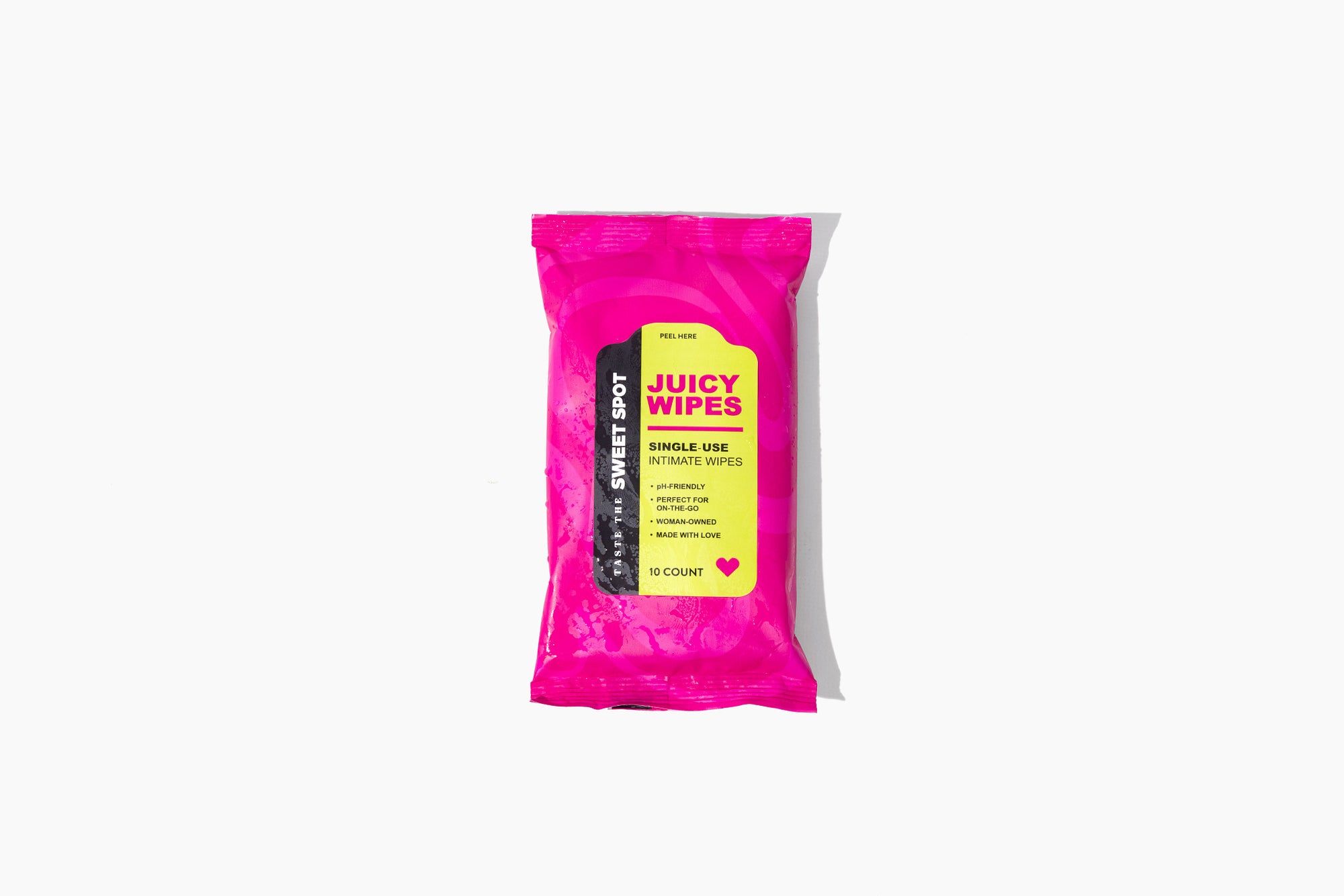
SHOP THE PRODUCTS BEHIND THE VIRAL HYPE
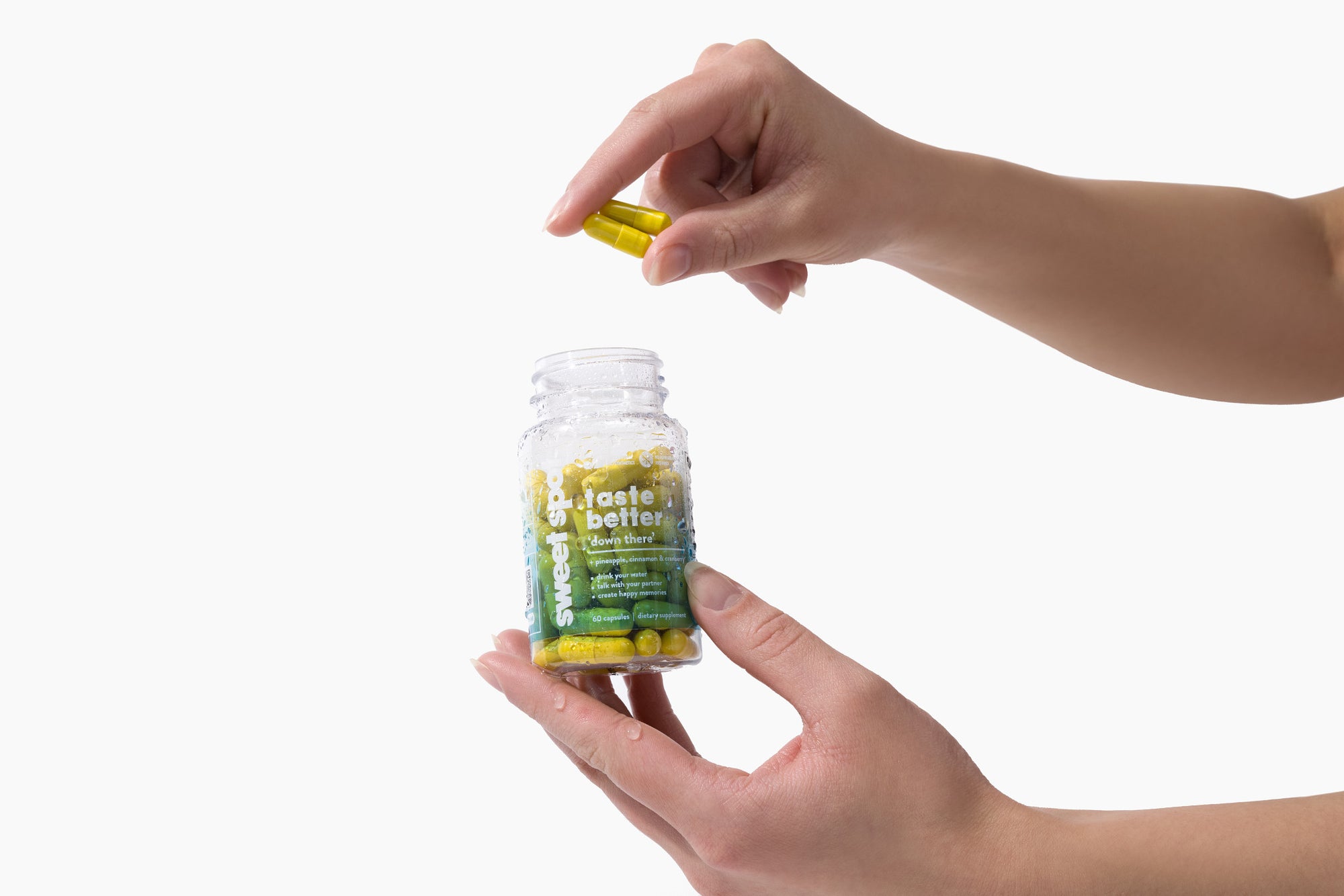
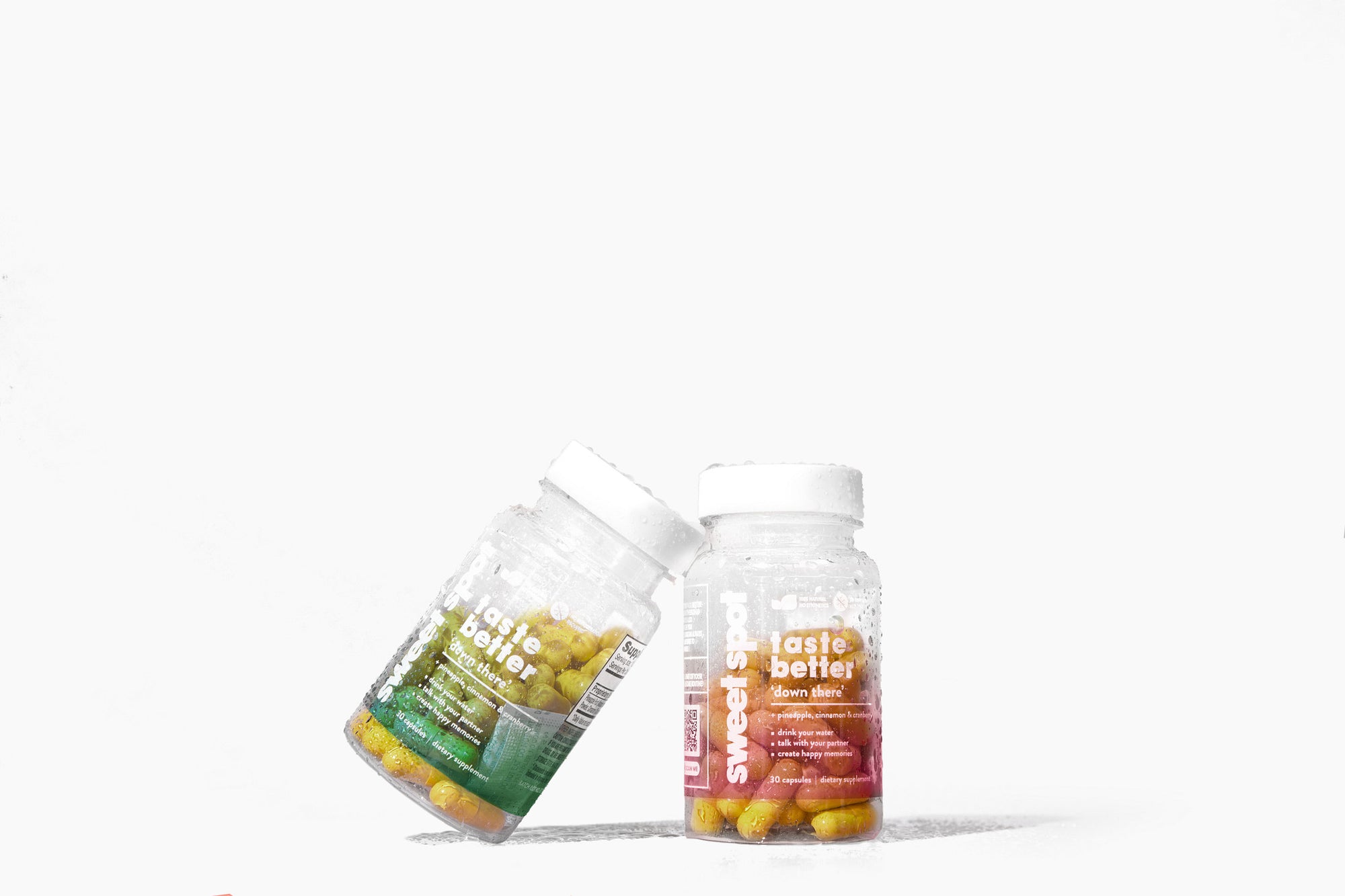
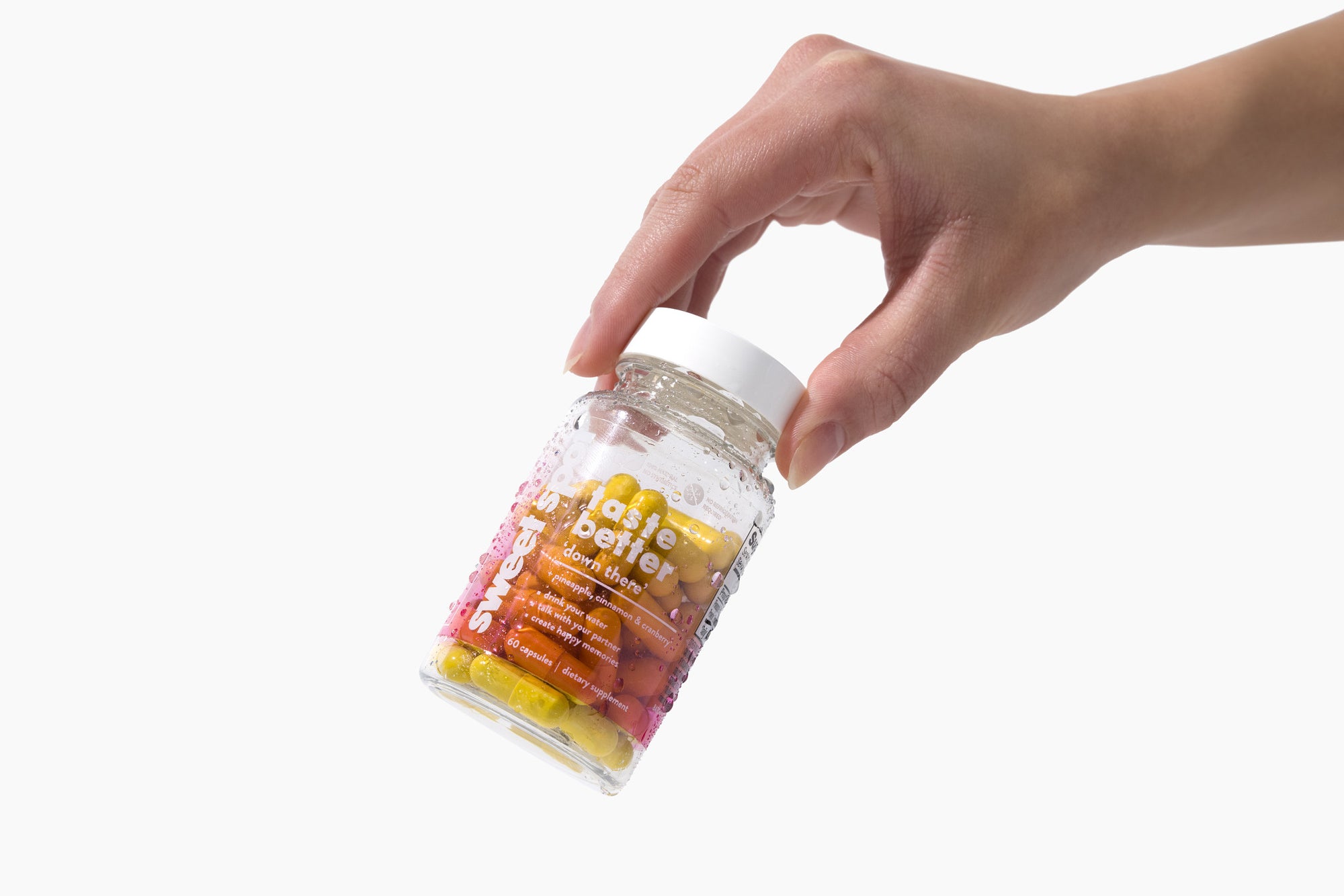
'TASTE BETTER DOWN THERE'
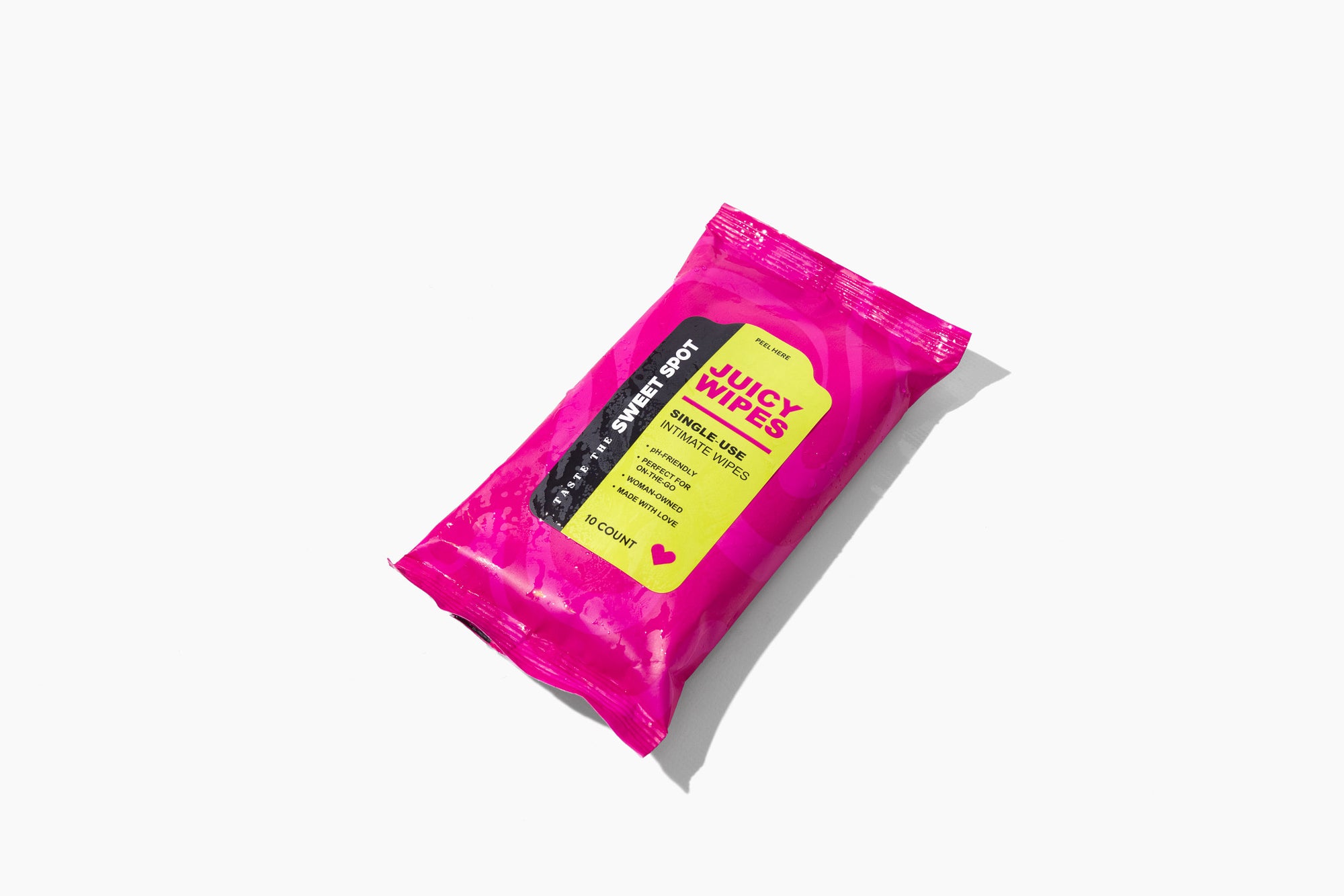
#STAYJUICY