

Rose macerate oil isn't being used in intimate care for its scent — though it has one. It's being used because the chemical compounds in it actively support intimate skin health, reduce inflammation, and contribute to natural freshness in ways that synthetic fragrances don't.
Macerat huileux de rose — rose macerate oil — is made by macerating rose petals in a carrier oil (typically sunflower, olive, or sweet almond) to draw out the fat-soluble compounds from the petals. The result is an oil infused with the biologically active components of rose — not the same as rose essential oil, and importantly, not a pure fragrance ingredient. It's a functional skincare compound with documented effects on skin inflammation, barrier function, and microbiome compatibility.
Here's what's actually in it, what each compound does, and why it's become a popular choice among women seeking natural intimate care that genuinely works.
What's Inside
What Rose Macerate Oil Actually Is (And What It Isn't)
There are three distinct rose-derived ingredients commonly discussed in skincare, and they are genuinely different products with different compositions and effects:
Rose Essential Oil (Rose Absolute / Otto)
A highly concentrated steam-distilled or solvent-extracted volatile oil — primarily a fragrance ingredient, containing mainly terpene alcohols like geraniol and citronellol in highly concentrated form. Expensive (real rose otto can cost over $5,000 per liter), often adulterated in commercial products. Too concentrated for undiluted intimate skin application.
Rose Hip Seed Oil (Rosa canina / Rosa rubiginosa)
Cold-pressed oil from the seeds of rose hips (the fruit of the rose bush, not the petals). Rich in linoleic acid, alpha-linolenic acid, and vitamin A precursors. Excellent for skin regeneration. Commonly confused with rose oil but chemically completely different — it smells earthy, not floral, because it contains none of the volatile terpene alcohols in rose petals.
Rose Macerate Oil (Macerat Huileux de Rose)
Carrier oil (usually sunflower, olive, or sweet almond) infused through maceration with fresh or dried rose petals. This draws the fat-soluble compounds from the petals into the oil — producing an ingredient that contains rose petal-derived active compounds at skin-compatible concentrations. Lower in fragrance volatiles than essential oil, but richer in the polyphenols and flavonoids that give rose its skin-active properties. This is what's being discussed here.
The Key Chemical Compounds in Rose Macerate Oil and What Each Does
Geraniol
A monoterpenoid alcohol and the primary aromatic compound in rose. Present in rose macerate at much lower, skin-compatible concentrations than in essential oil. Geraniol has well-documented antimicrobial activity — it inhibits the growth of certain bacteria and yeasts at relevant concentrations. On intimate skin, this means geraniol contributes to a surface environment that discourages the bacteria responsible for unpleasant odor without disrupting the Lactobacillus strains that maintain vaginal health.
Geraniol is also present in other aromatic plants — lemon grass, citronella, and palmarosa — and has been used in evidence-based antimicrobial applications for decades. Its presence in rose macerate is not incidental.
Citronellol
Another terpene alcohol with antimicrobial and anti-inflammatory properties. Citronellol works alongside geraniol in rose oil and has specific anti-inflammatory activity through inhibition of certain cytokines — signaling proteins that drive inflammatory responses in skin cells. For vulvar skin that experiences chronic low-grade friction irritation, the anti-inflammatory combination of geraniol and citronellol is clinically meaningful.
Citronellol is also found in geranium oil and has been extensively studied for its skin compatibility and functional activity. It is an approved cosmetic ingredient with a well-established safety profile for skin use.
Phenylethyl Alcohol (2-Phenylethanol)
An aromatic alcohol responsible for a significant part of rose's characteristic scent. Beyond fragrance, phenylethyl alcohol has demonstrated antimicrobial activity against a broad spectrum of bacteria, and critically, is recognized as having minimal disruption to beneficial skin microbiota. It's selectively active against pathogens while leaving commensal skin bacteria largely unaffected — a useful property for intimate skin care where microbiome disruption is a real concern.
Quercetin and Rose Polyphenols
Rose petals are rich in polyphenolic compounds, including quercetin and kaempferol. These are powerful antioxidants with anti-inflammatory properties that transfer into the macerate oil during infusion. Quercetin specifically inhibits mast cell degranulation — one of the primary mechanisms of skin inflammatory response — and has demonstrated activity in reducing skin redness and irritation in multiple clinical studies.
For intimate skin, quercetin's anti-inflammatory activity reduces the background inflammation from friction and environmental exposure that contributes to both discomfort and altered odor profiles.
Anthocyanins (in Red/Deep Pink Rose Varieties)
The compounds responsible for the red and pink pigmentation in roses. Anthocyanins are antioxidants with a particular affinity for blood vessel walls and connective tissue. In skin, they support microcirculation and collagen integrity. For intimate skin specifically, they contribute to healthy skin color, firmness, and overall condition. Present mainly in macerates made from deeply pigmented rose varieties.
Carrier Oil Components (Linoleic Acid, Oleic Acid)
The fatty acid composition of the carrier oil in a rose macerate contributes substantially to its skin effects. Sunflower oil-based macerates are high in linoleic acid — excellent for barrier repair. Olive oil macerates are high in oleic acid — more deeply emollient but heavier on skin. The carrier choice changes the skin feel and appropriateness for different applications. For intimate skin, a linoleic acid-rich carrier (sunflower, grapeseed) is generally preferred over oleic-heavy carriers because linoleic acid specifically supports the ceramide-based skin barrier.
How These Compounds Work on Intimate Skin
Antimicrobial Odor Management
The combination of geraniol, citronellol, and phenylethyl alcohol creates a surface environment that is genuinely antimicrobial at the concentrations present in a properly made macerate. This is not perfume masking odor — it is active chemistry reducing the bacteria that produce odor-causing metabolites on vulvar skin.
The critical distinction: these compounds target odor-causing bacteria (typically certain Gram-positive bacteria associated with apocrine gland odor) while showing much lower activity against the beneficial Lactobacillus strains that maintain vaginal health. This selectivity is one of the reasons rose macerate has gained attention in evidence-based intimate care.
Barrier Support and Moisture Retention
The polyphenols and fatty acids together support the skin barrier through complementary mechanisms: quercetin and other polyphenols reduce the inflammatory disruption of barrier function, while the carrier oil fatty acids physically integrate into and support the stratum corneum lipid structure. The result over daily use is more resilient, better-hydrated intimate skin that is less prone to the sensitivity and odor changes that come from barrier compromise.
Anti-Inflammatory Effect on Vulvar Skin
The daily friction of underwear, clothing, and movement creates low-grade microinflammation in vulvar skin that most women accept as normal but don't have to. The quercetin, citronellol, and other anti-inflammatory compounds in rose macerate directly reduce this baseline inflammation with daily application. Women report reduced sensitivity, less end-of-day discomfort, and a general feeling of skin being calmer and fresher.
How Rose Macerate Contributes to Natural Freshness
The mechanism of freshness improvement from rose macerate oil is different from the internal body chemistry approach of dietary changes and supplements. It works from the outside in:
Odor Compound Reduction
Apocrine sweat glands in the vulvar and perineal area produce precursor compounds that are converted to odor molecules by surface bacteria. The antimicrobial compounds in rose macerate reduce the bacterial populations that perform this conversion — meaning fewer odor molecules are produced even when sweat glands are active. This is the same mechanism as why deodorant works on underarm odor, but with skin-compatible botanical chemistry rather than aluminum-based blocking.
Skin Health and Freshness Connection
Inflamed, barrier-compromised skin has different surface chemistry than healthy skin. Inflammatory byproducts, transepidermal water loss products, and altered bacterial colonization all contribute to an unpleasant smell that doesn't come from internal body chemistry but from the skin surface itself. Healthy, well-moisturized intimate skin has a neutral surface chemistry that doesn't generate these odor contributions. Rose macerate supports the skin health that produces this neutral baseline.
The Scent Itself
At the concentrations present in a macerate (rather than essential oil), the rose scent is subtle and skin-temperature activated — present but not perfumed. Women describe it as a light natural floral note when close, not an applied fragrance. This contributes to the overall freshness perception for partners during intimacy without producing the synthetic, overpowering fragrance that intimate scent products usually deliver.
How Women Are Using Rose Macerate Oil for Intimate Care
Daily External Moisturizer
2–4 drops applied to the vulva and perineal area after showering and thoroughly drying. Massaged gently into the external skin — not inserted internally. Absorbed within a few minutes. No rinsing needed. This builds the antimicrobial and anti-inflammatory benefits cumulatively over days of consistent use.
Pre-Intimacy Application
Applied 10–15 minutes before sexual activity for lubrication and reduced friction irritation. The oils are absorbed by the time intimacy begins. Note: oil-based products degrade latex condoms — use non-latex condoms or apply post-activity if this is a concern.
Post-Intimacy Soothing
Many women apply rose macerate after sex specifically for its anti-inflammatory and soothing properties — to calm the friction-induced microirritation that makes the immediate post-intimacy period uncomfortable. Applied externally, the oil reduces the redness and sensitivity that can develop.
Menstrual and Perimenopause Support
Hormonal changes across the menstrual cycle and through perimenopause affect vulvar skin moisture and sensitivity. Daily rose macerate application helps maintain skin condition through these variations — particularly useful in the days immediately before menstruation (when estrogen drops and skin becomes drier and more sensitive) and consistently through perimenopause transition.
How to Choose a Quality Rose Macerate Oil
Quality varies enormously. Key factors in evaluating a rose macerate for intimate use:
- Rose variety — Rosa damascena and Rosa centifolia produce the richest polyphenol and terpene content. Rosa canina macerates are less common for this purpose. The label should specify the rose variety.
- Carrier oil — sunflower or grapeseed for a light, linoleic acid-rich base appropriate for intimate skin. Avoid mineral oil bases (petrolatum-derived, not biologically compatible with intimate skin chemistry).
- Maceration method — cold maceration preserves more biologically active compounds than heat-assisted maceration. Longer maceration periods (3–6 weeks) produce a richer extract than rapid methods.
- No added synthetic fragrance — if the label says "parfum" or "fragrance" in addition to the macerate, the product has added synthetic scent compounds that may irritate sensitive intimate skin
- Preservative system — macerates have a natural vitamin E content that supports shelf stability, but most commercial products add additional antioxidants. Look for tocopherol (vitamin E) rather than synthetic preservatives like BHT or BHA for intimate-use products
Frequently Asked Questions
Is rose macerate oil the same as rose essential oil?
No — they're chemically quite different. Rose essential oil is a highly concentrated volatile extract primarily for fragrance, too strong for undiluted skin use. Rose macerate is rose petals infused in a carrier oil — lower in volatiles, richer in polyphenols and antioxidants, and formulated specifically for skin application at body-safe concentrations.
Will rose macerate oil affect vaginal pH?
Applied externally to vulvar skin only — not internally — rose macerate doesn't directly affect vaginal pH. The vaginal canal has its own self-regulating pH maintained by Lactobacillus bacteria. External oils don't enter the vaginal canal in normal use.
Can I use rose macerate oil alongside a daily supplement like FOR HER?
Yes — and the combination is more effective than either alone. FOR HER works internally, shifting body chemistry to produce fresher secretions from inside. Rose macerate works externally, improving intimate skin health and surface odor management. They address different parts of the same goal and don't interfere with each other.
How quickly will I notice a difference in freshness?
Immediate comfort improvement is common after the first application. The antimicrobial and anti-inflammatory benefits that contribute to freshness build over 7–10 days of daily use. Most women report noticing a clear improvement in overall intimate freshness within one to two weeks of consistent daily application.
Is rose macerate safe during pregnancy?
The rose petal polyphenols and carrier oils in a macerate are generally considered safe for external use during pregnancy. However, high concentrations of geraniol from rose essential oil are sometimes cautioned against during pregnancy — the much lower concentrations in a macerate make this less of a concern. For any intimate care product during pregnancy, checking with your midwife or gynecologist is sensible.
The Bottom Line
Rose macerate oil earns its place in intimate care through chemistry, not marketing. Geraniol, citronellol, phenylethyl alcohol, and quercetin are all functionally active compounds at the concentrations a quality macerate delivers. Their combined antimicrobial, anti-inflammatory, and skin-supporting properties make rose macerate one of the most biologically credible botanical options for external intimate skin health and freshness.
Combined with an internal approach — diet improvements and a daily supplement targeting body chemistry — the result is comprehensive freshness that works from both directions.
FOR HER: The Internal Complement to External Rose Care
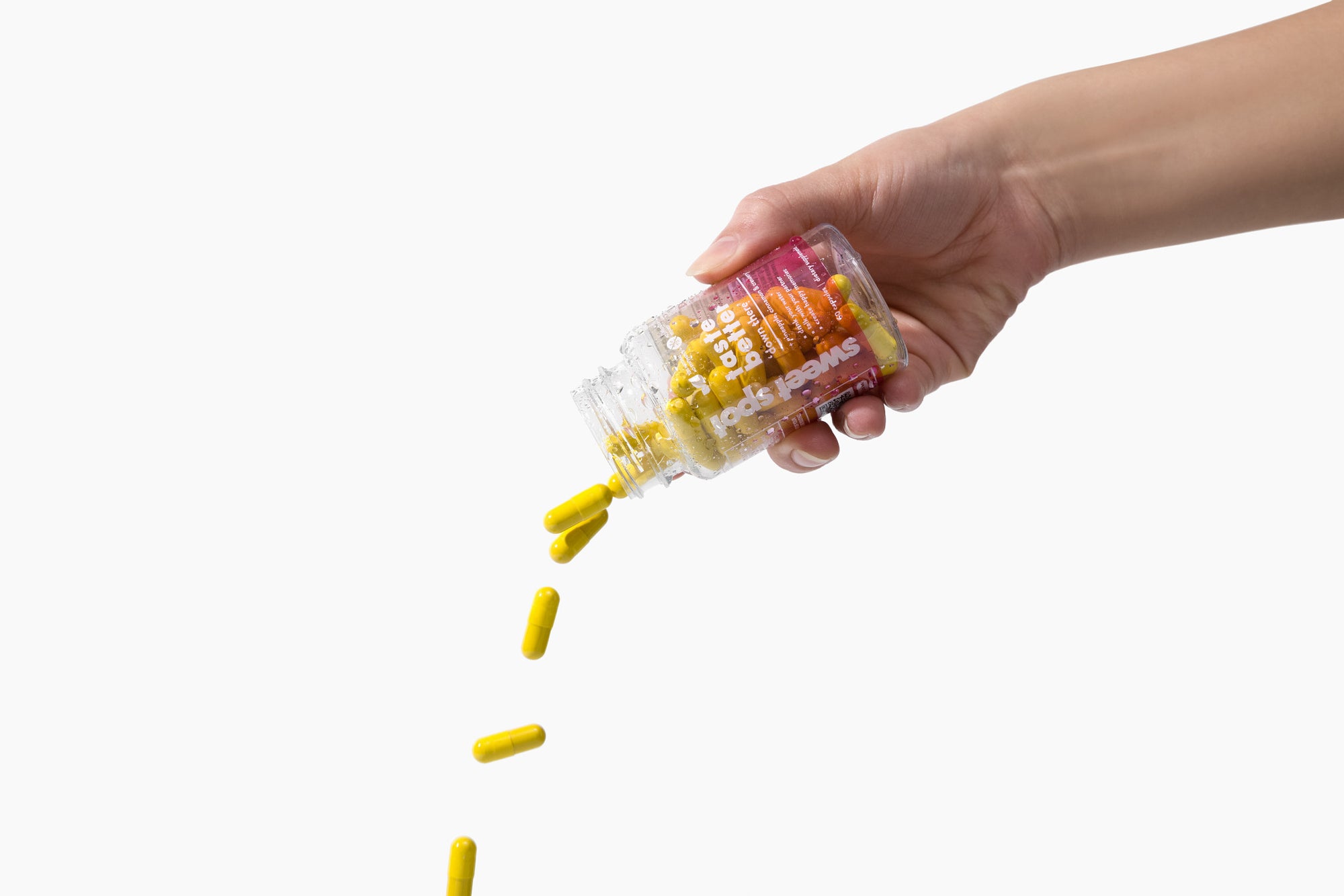
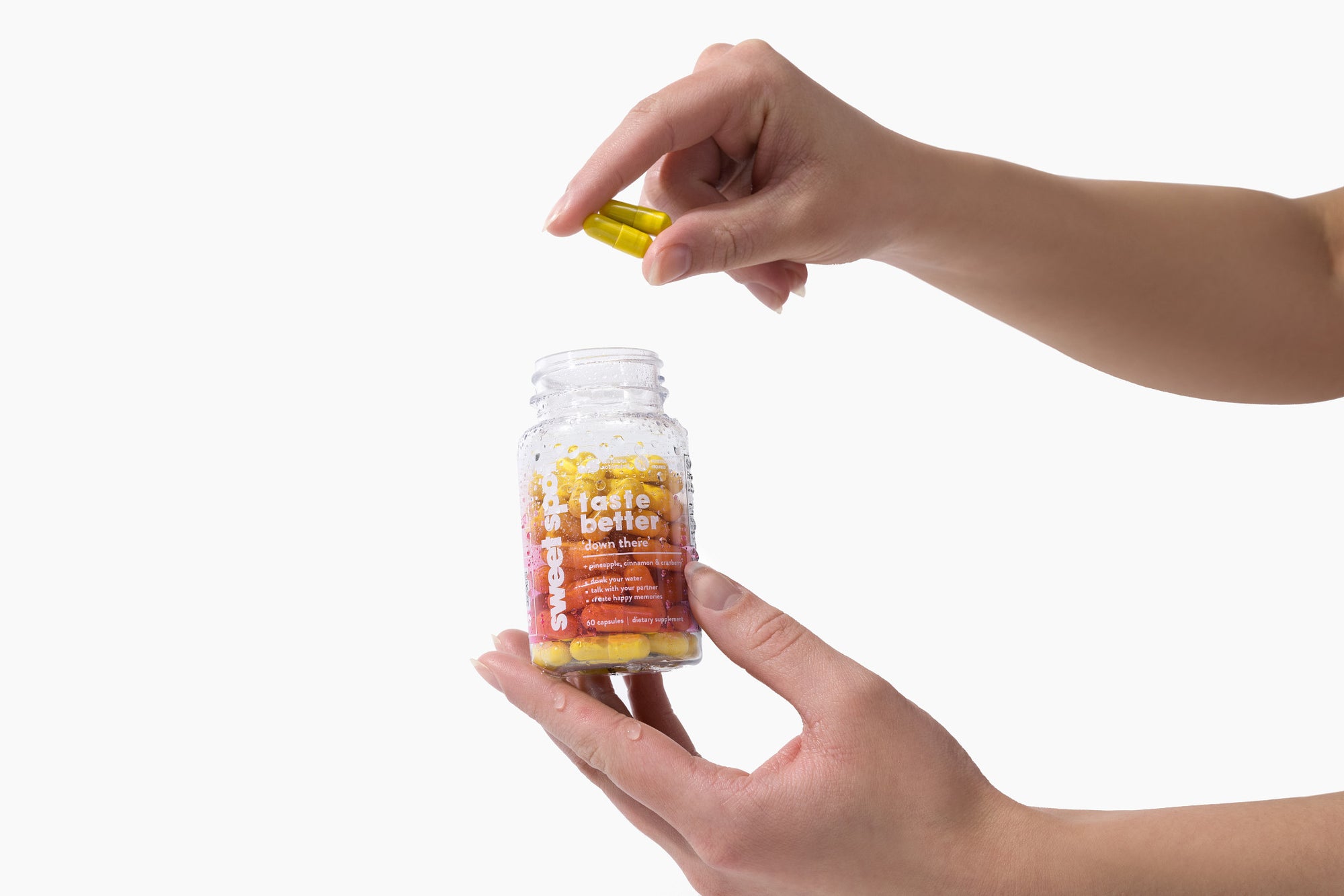
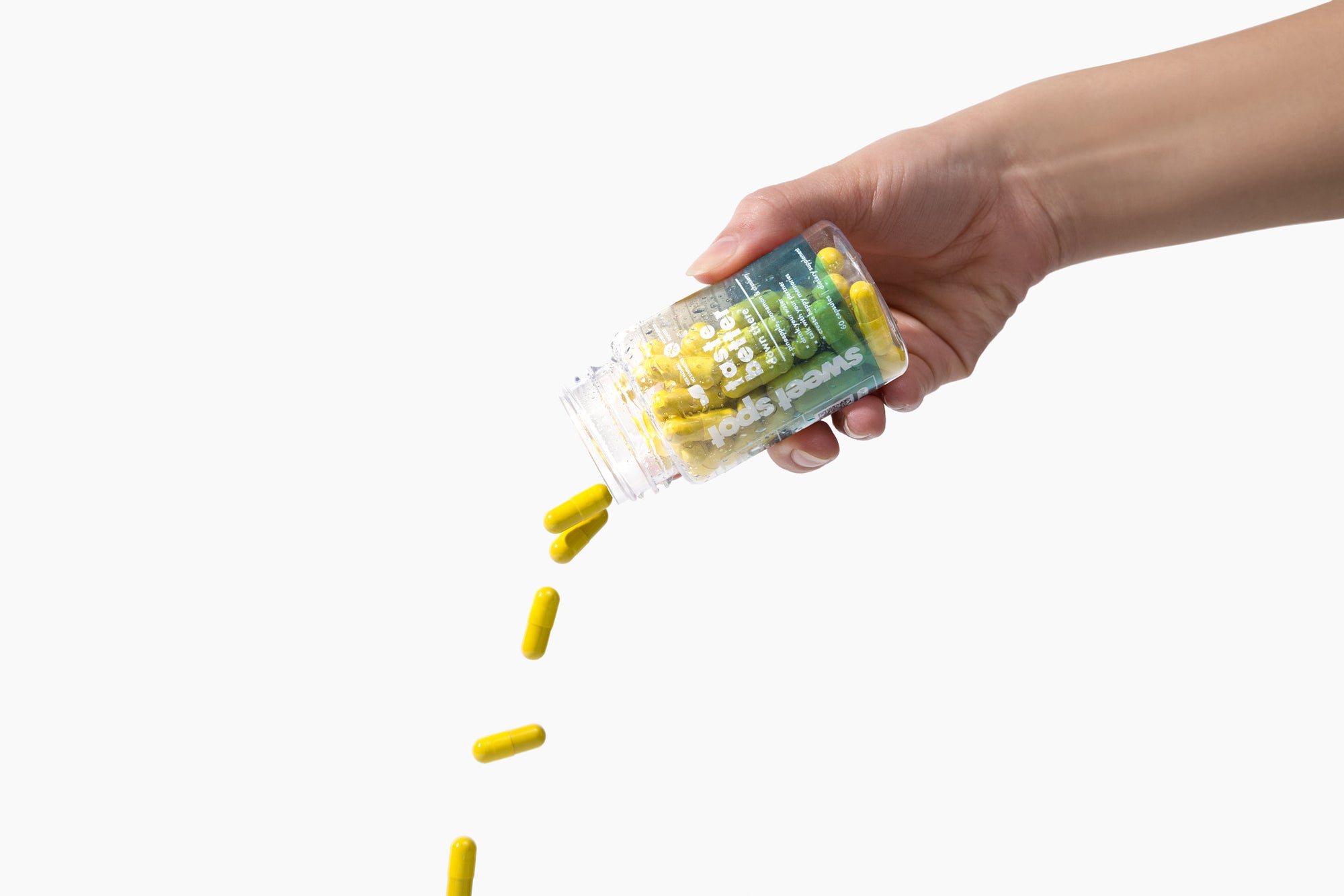
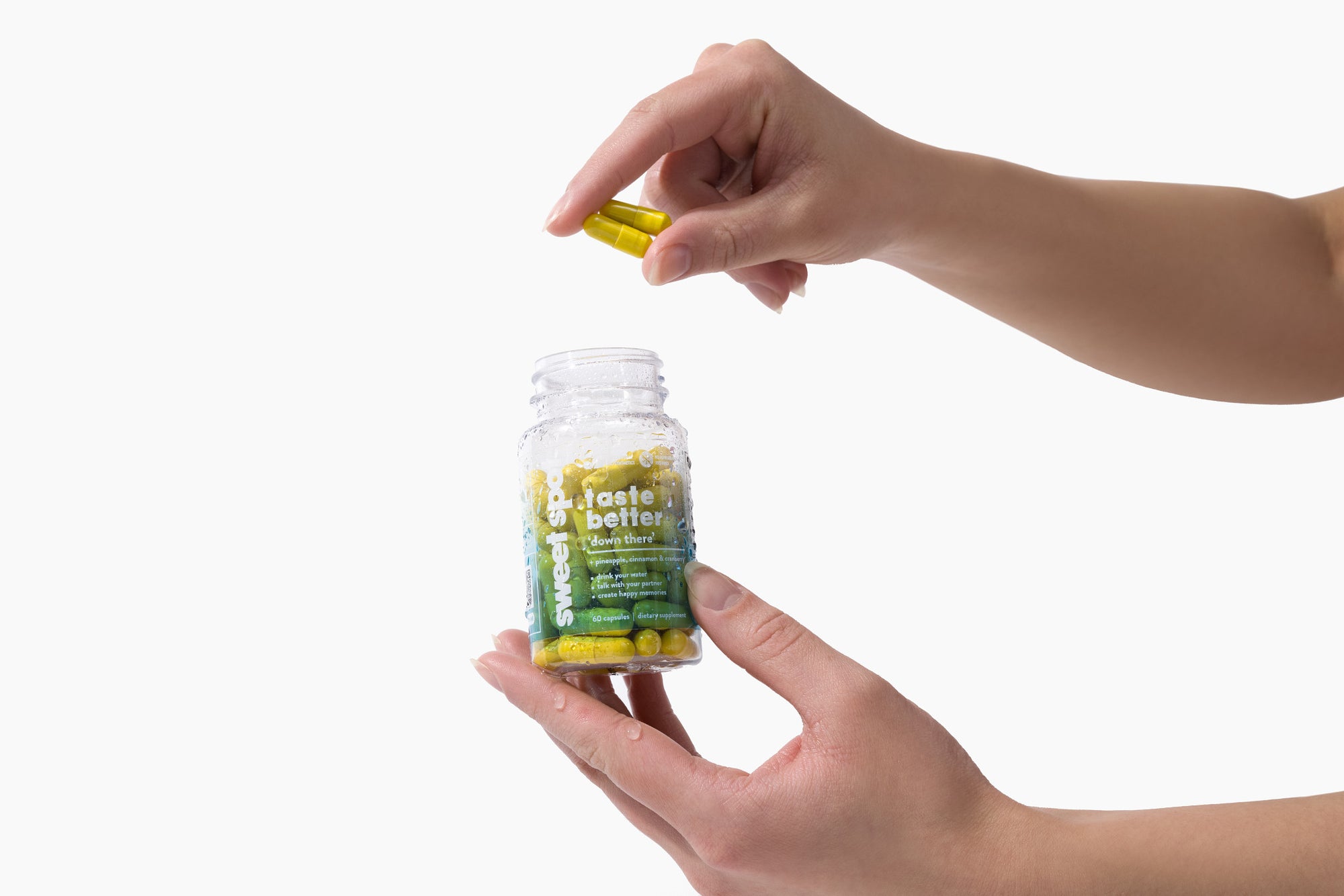
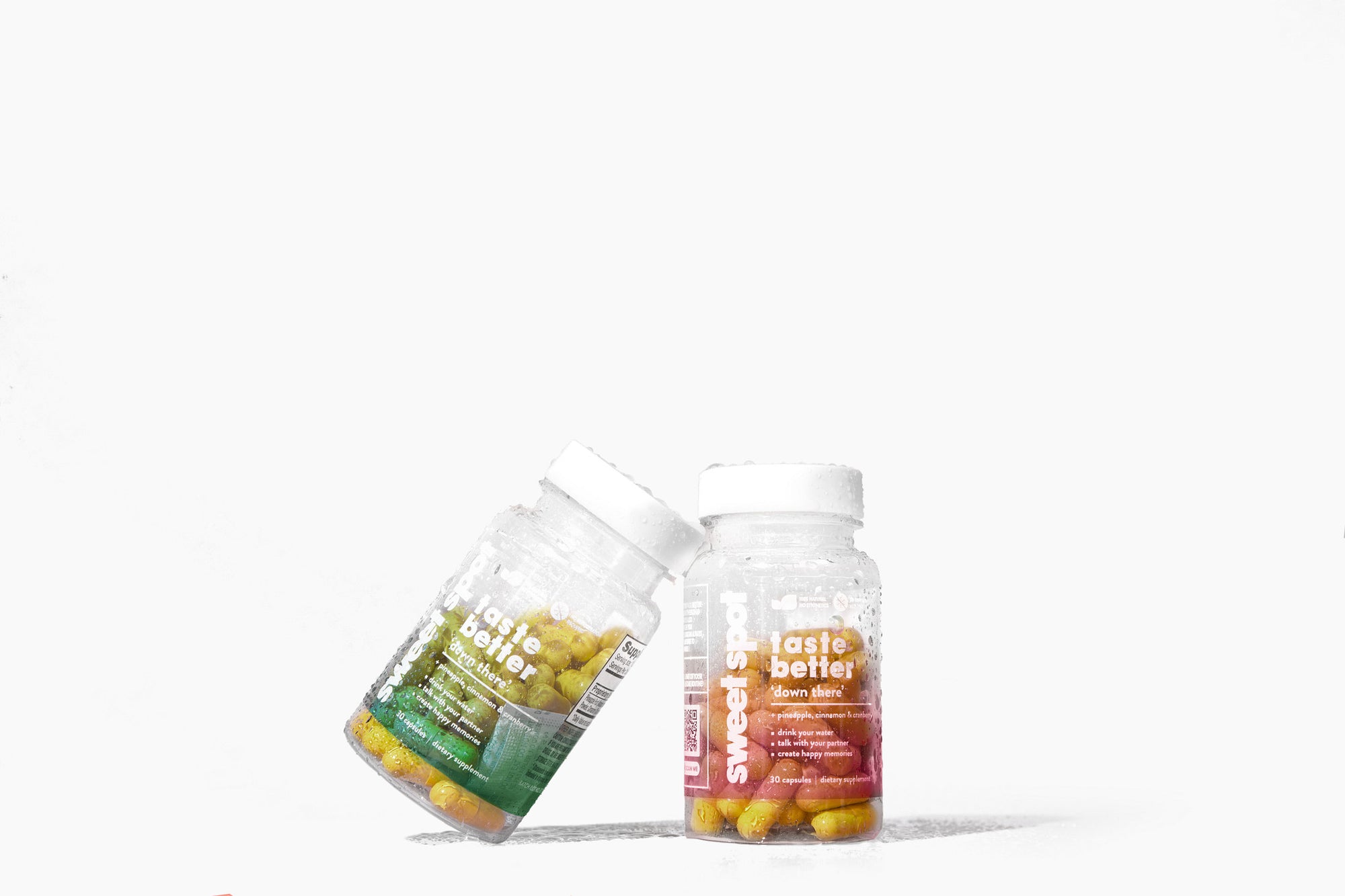
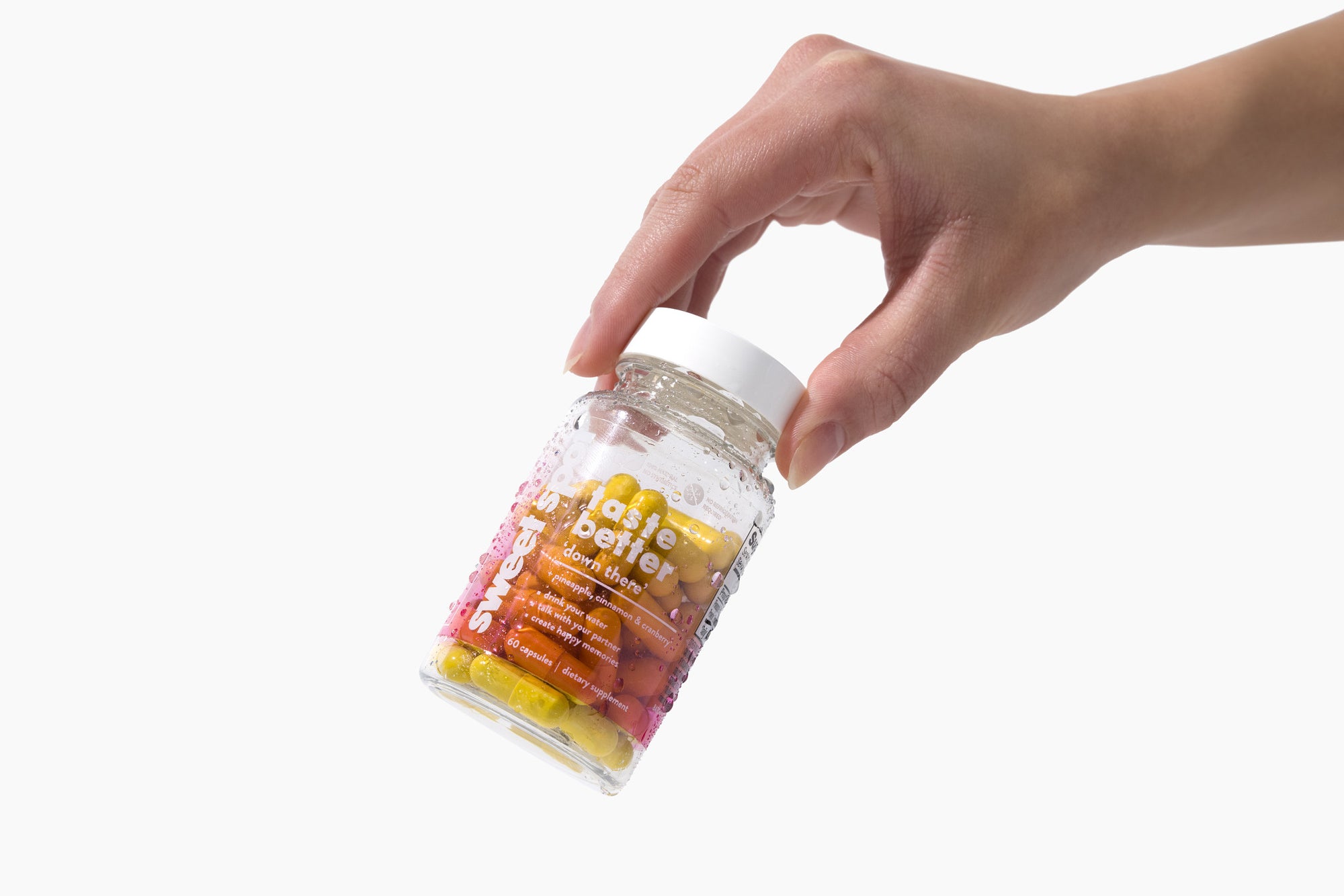
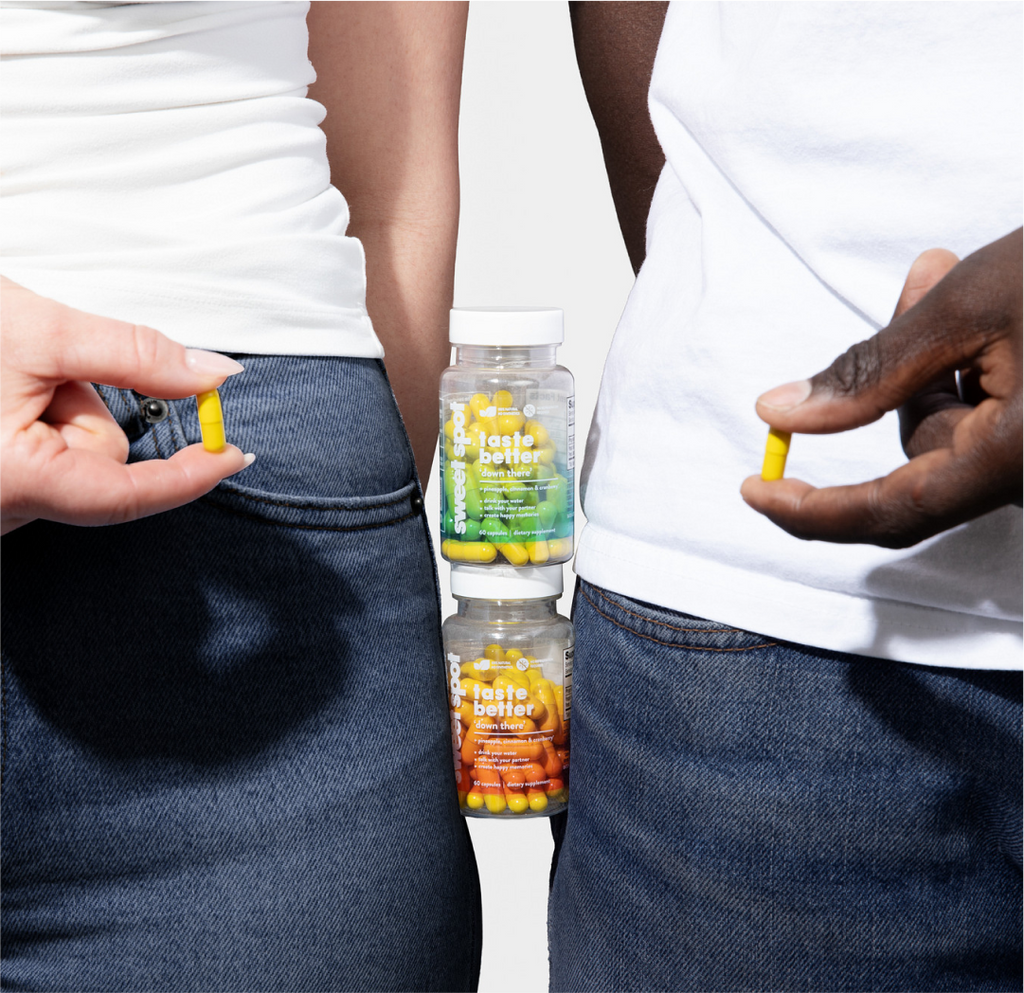
Rose macerate handles the outside. FOR HER handles the inside — shifting body chemistry with pineapple extract, cranberry, chlorophyll, and cinnamon so that your natural secretions taste and smell fresher from the source.
- 60 capsules — 30-day supply
- Made in the USA
- No artificial ingredients
- Formulated specifically for women's taste and freshness
Both partners want to feel more confident during intimacy? The His + Hers Bundle covers both.