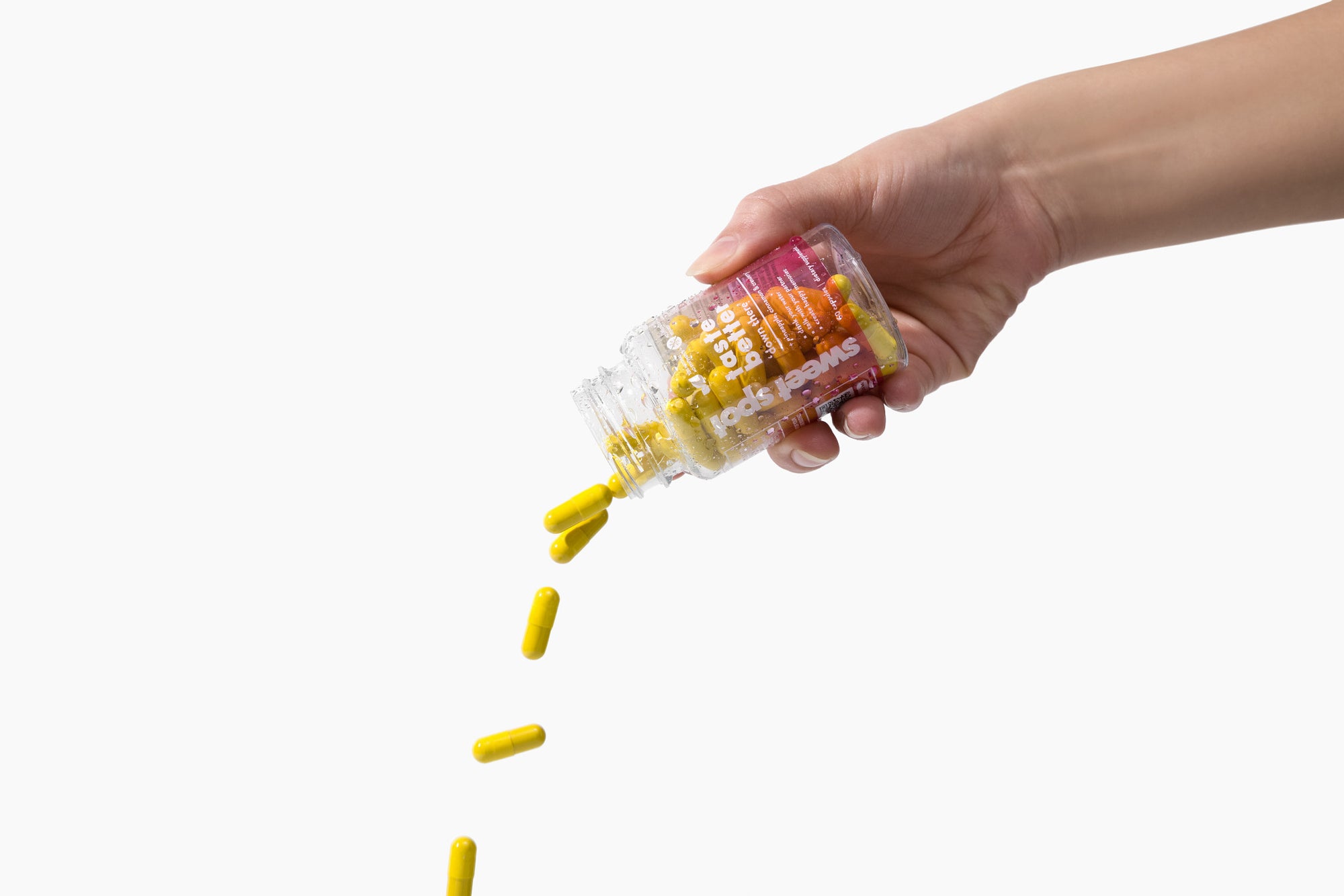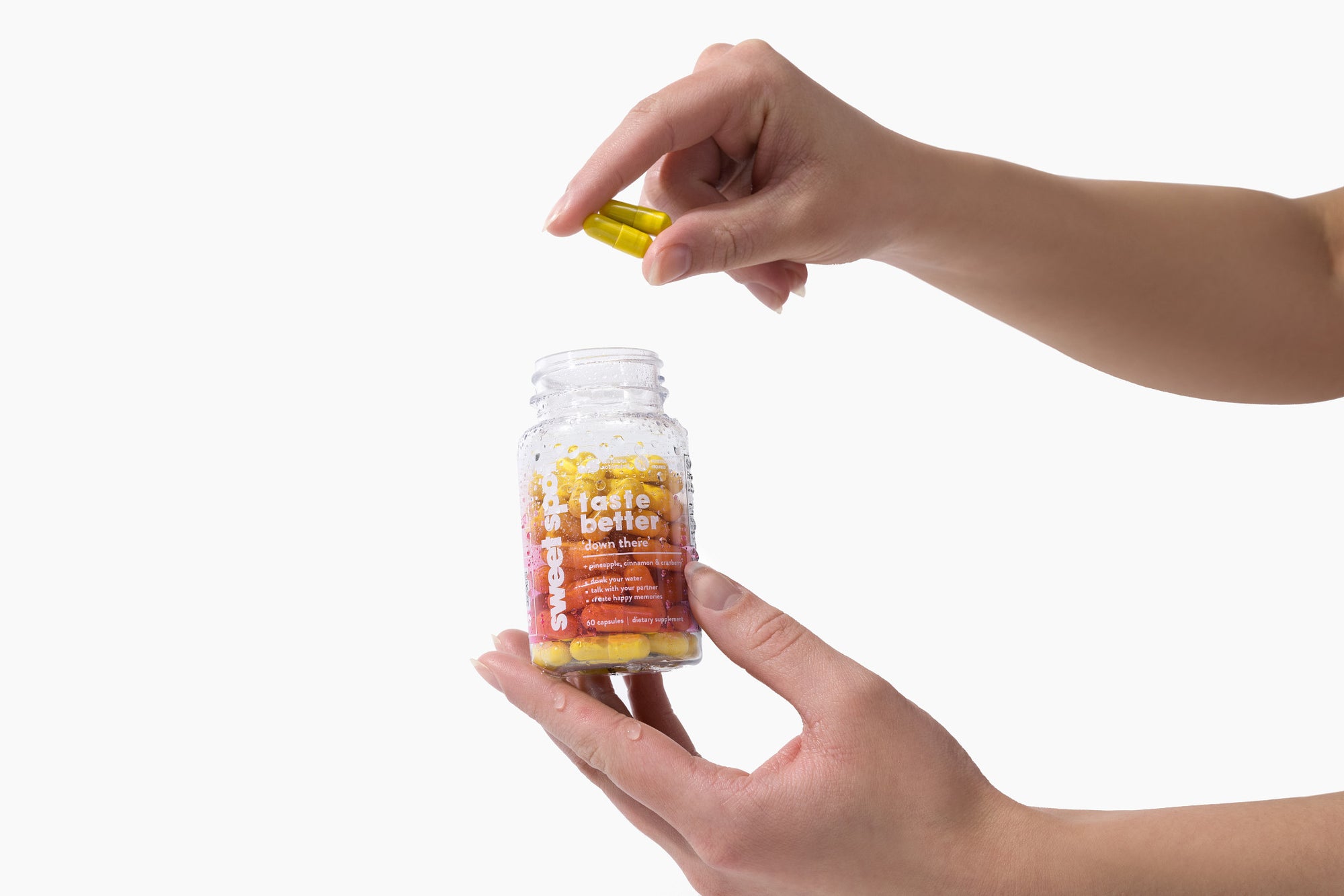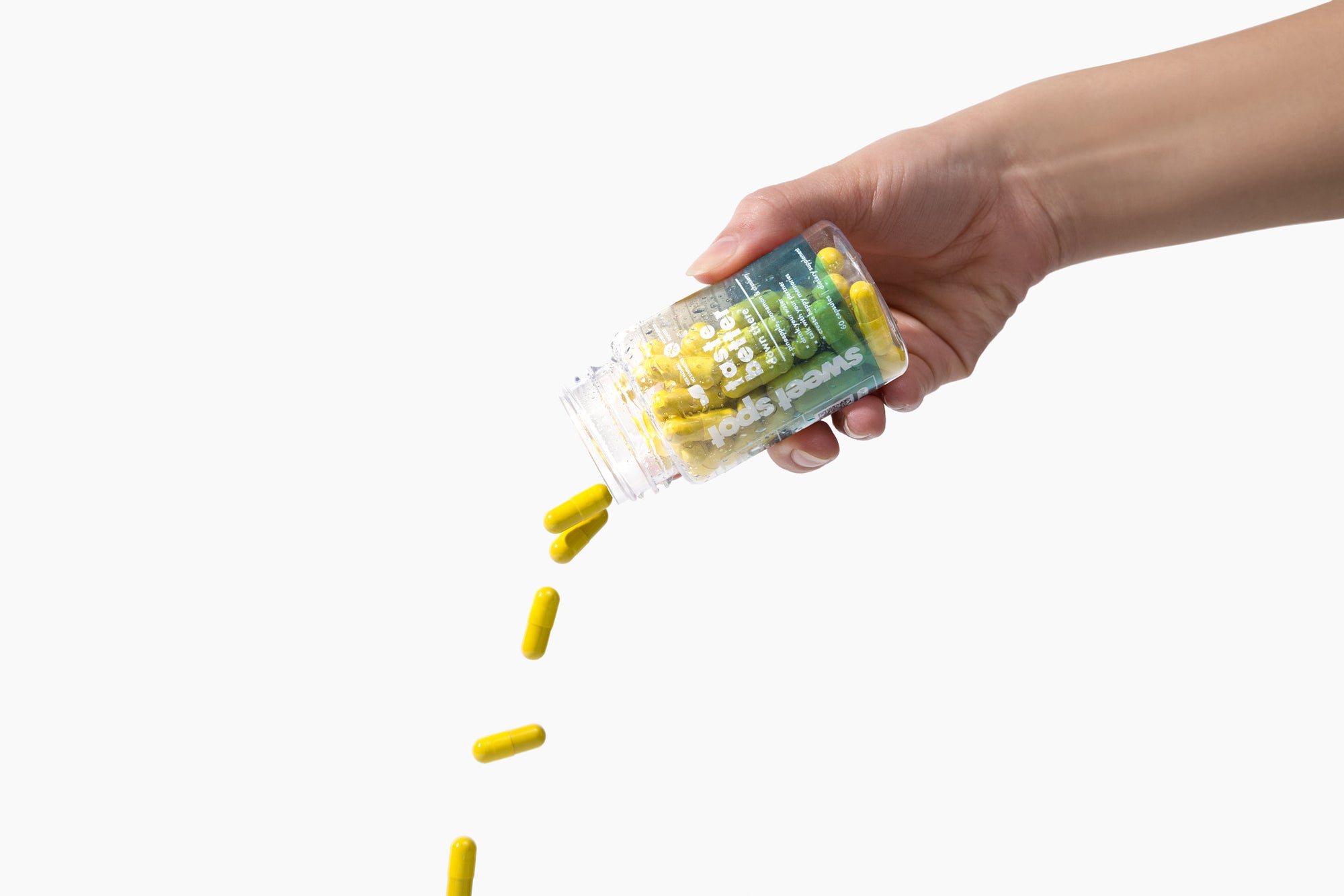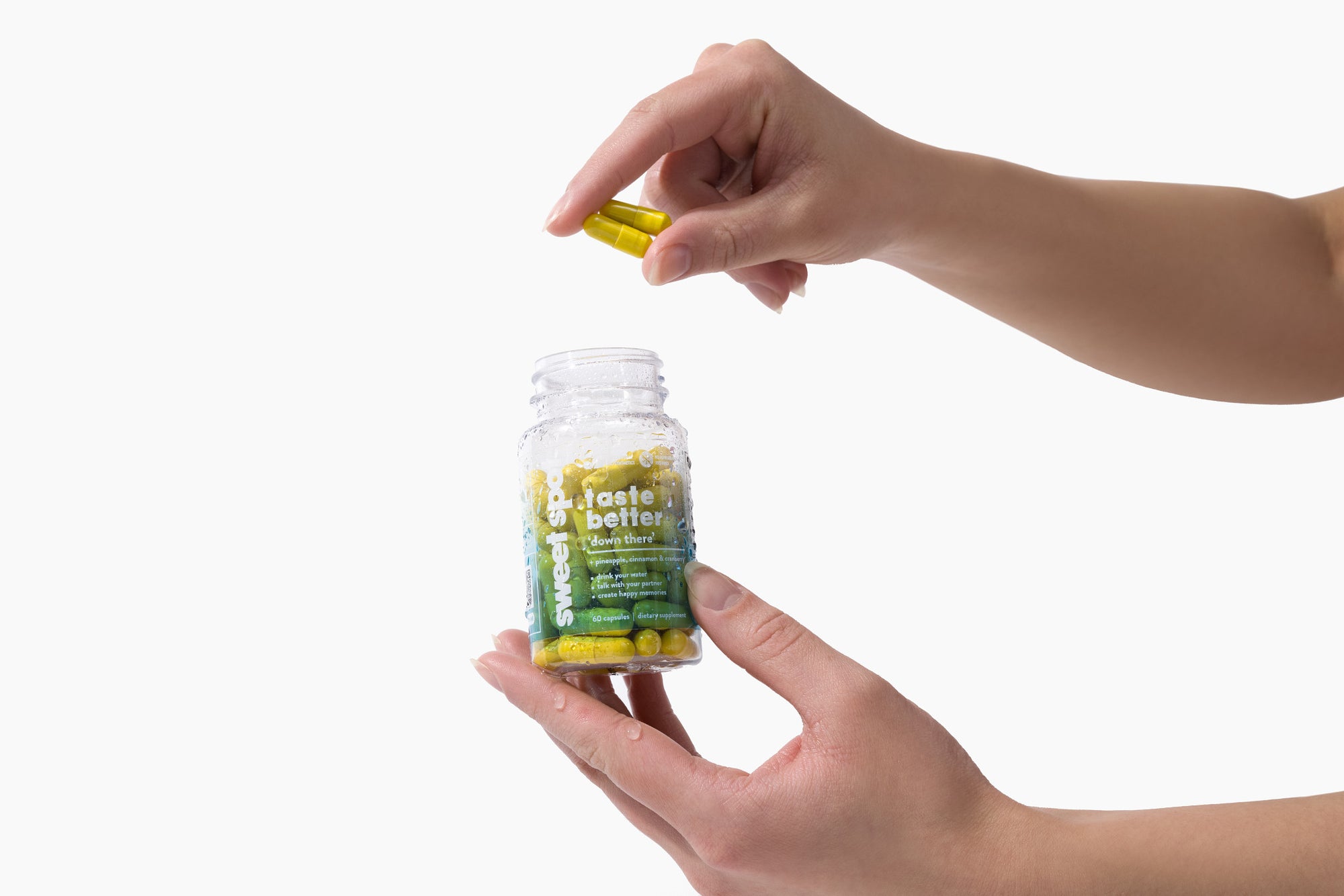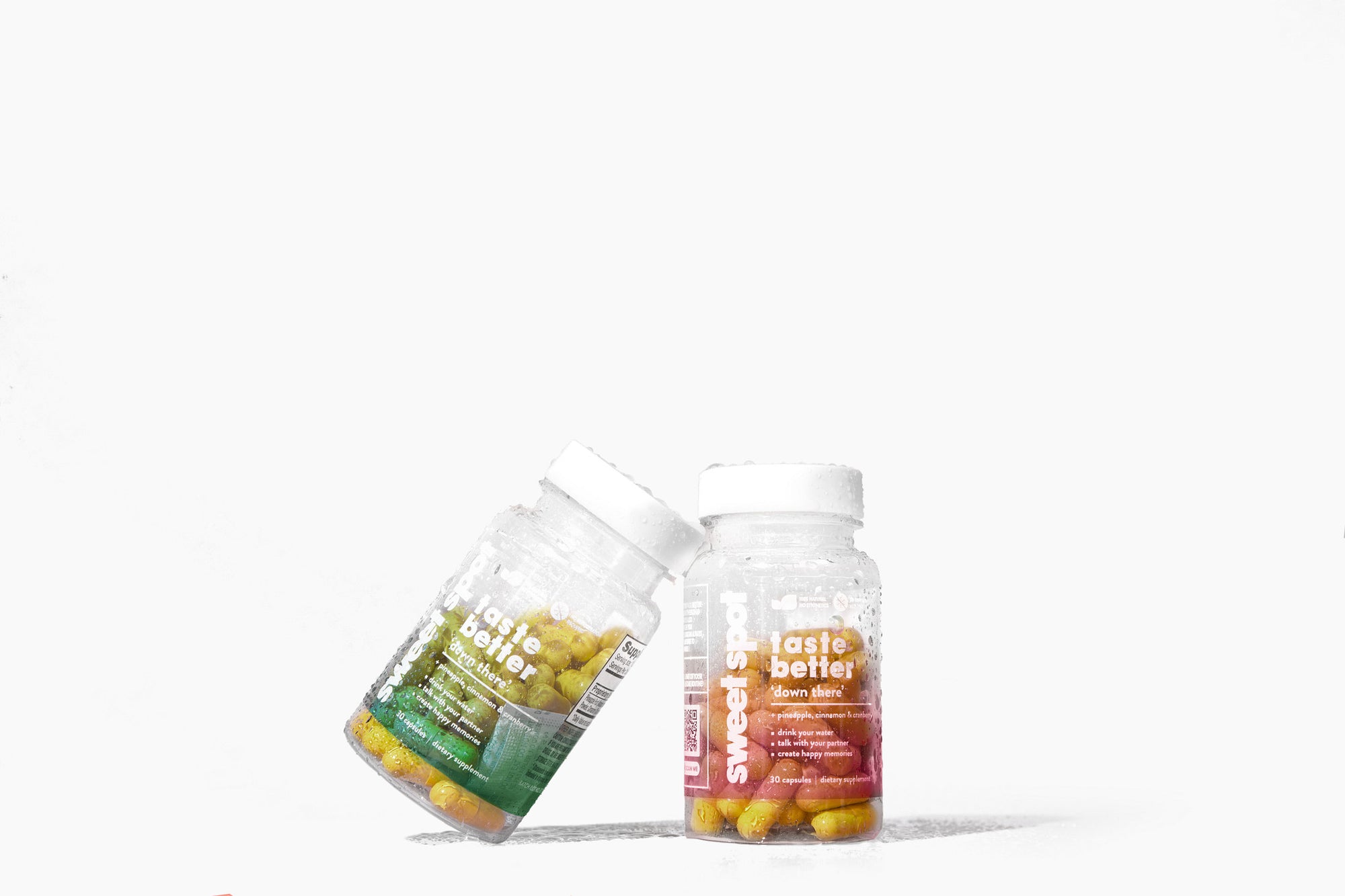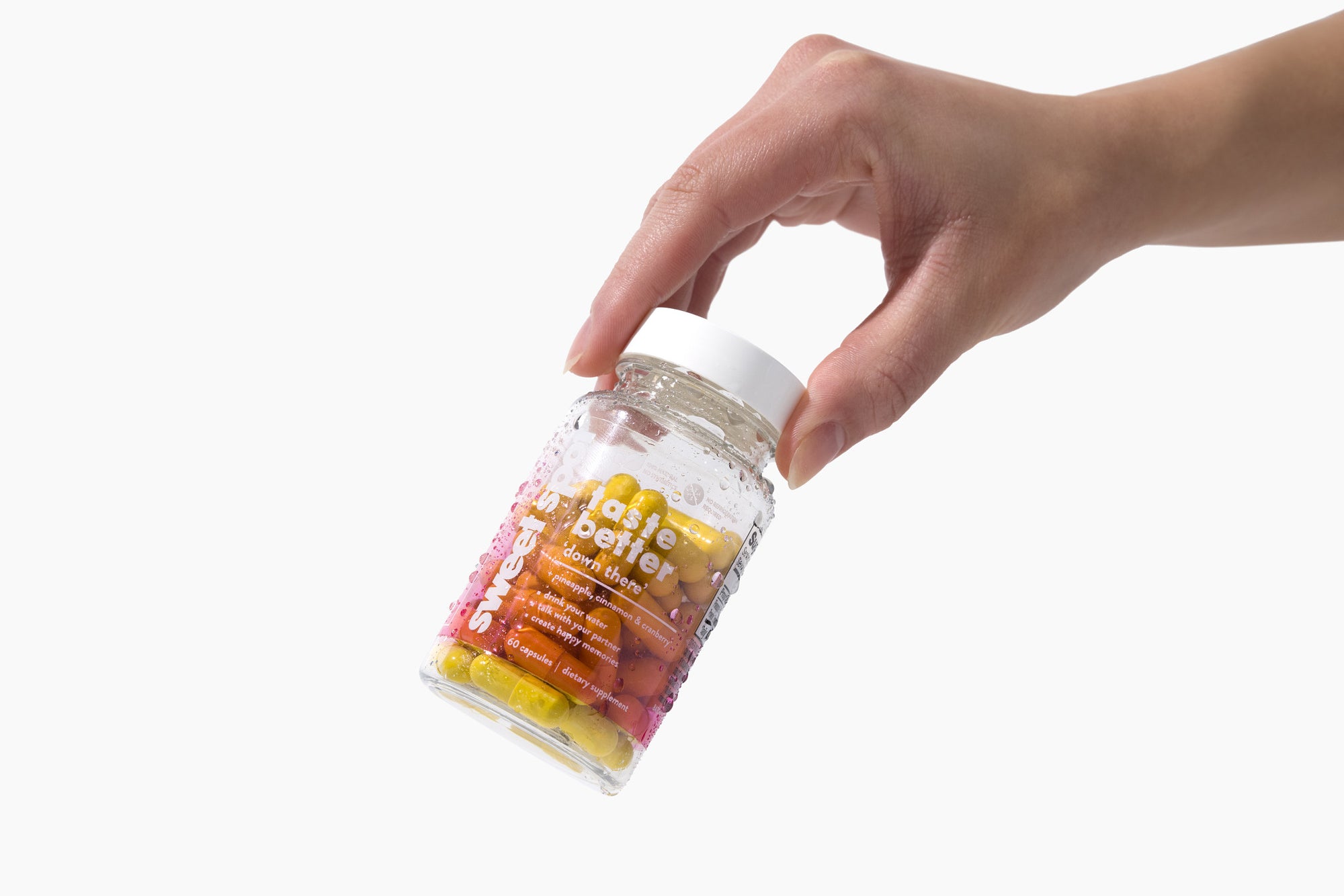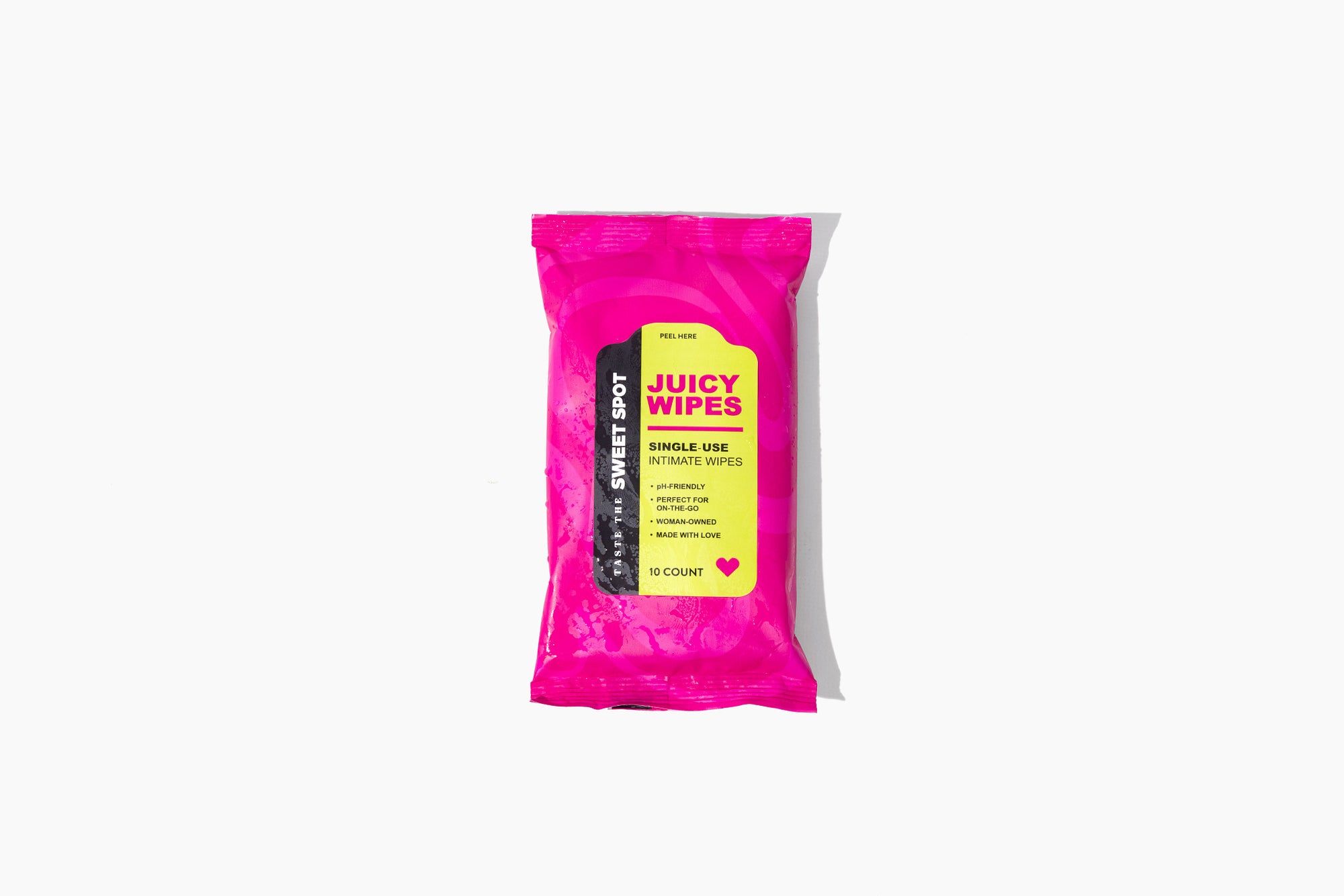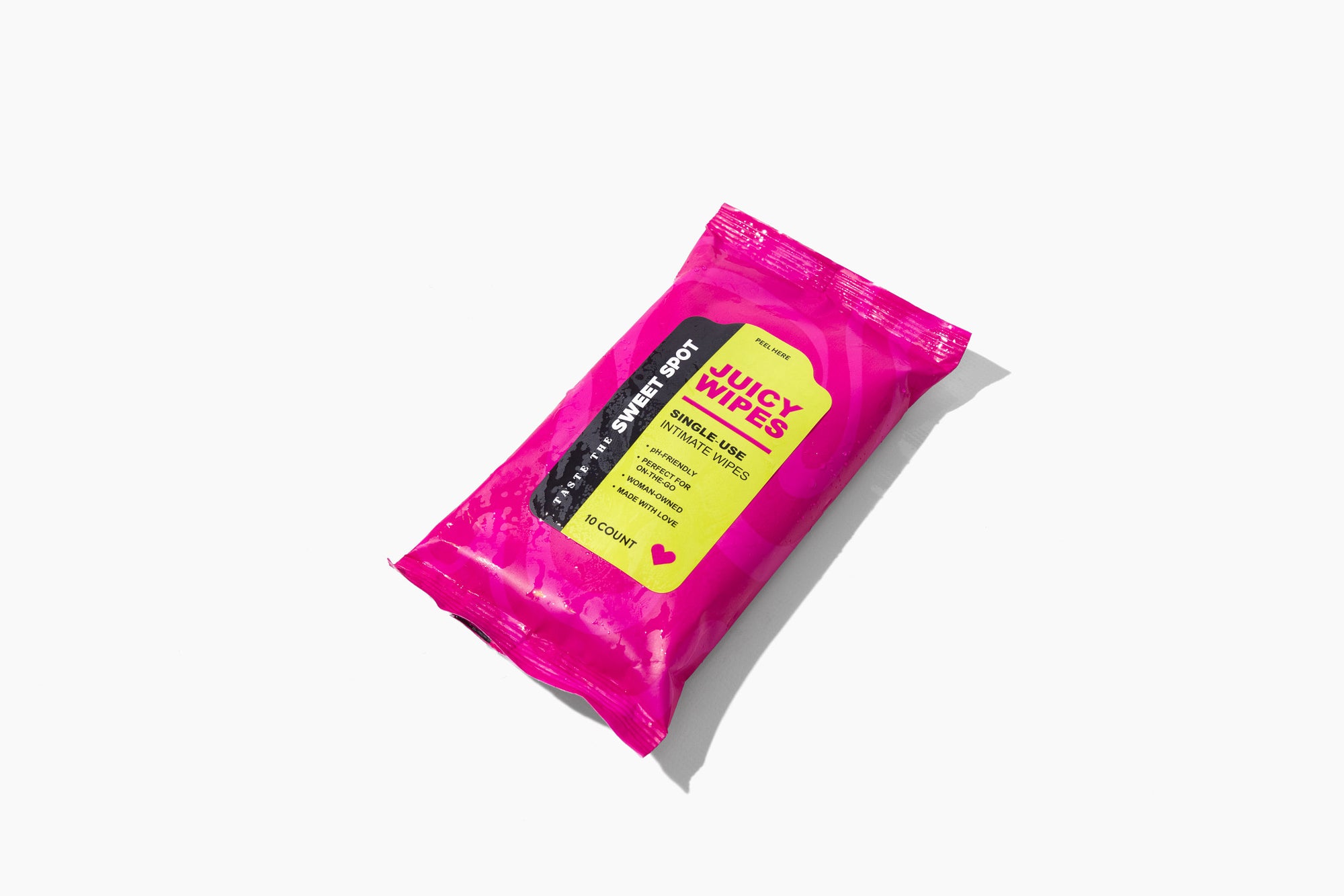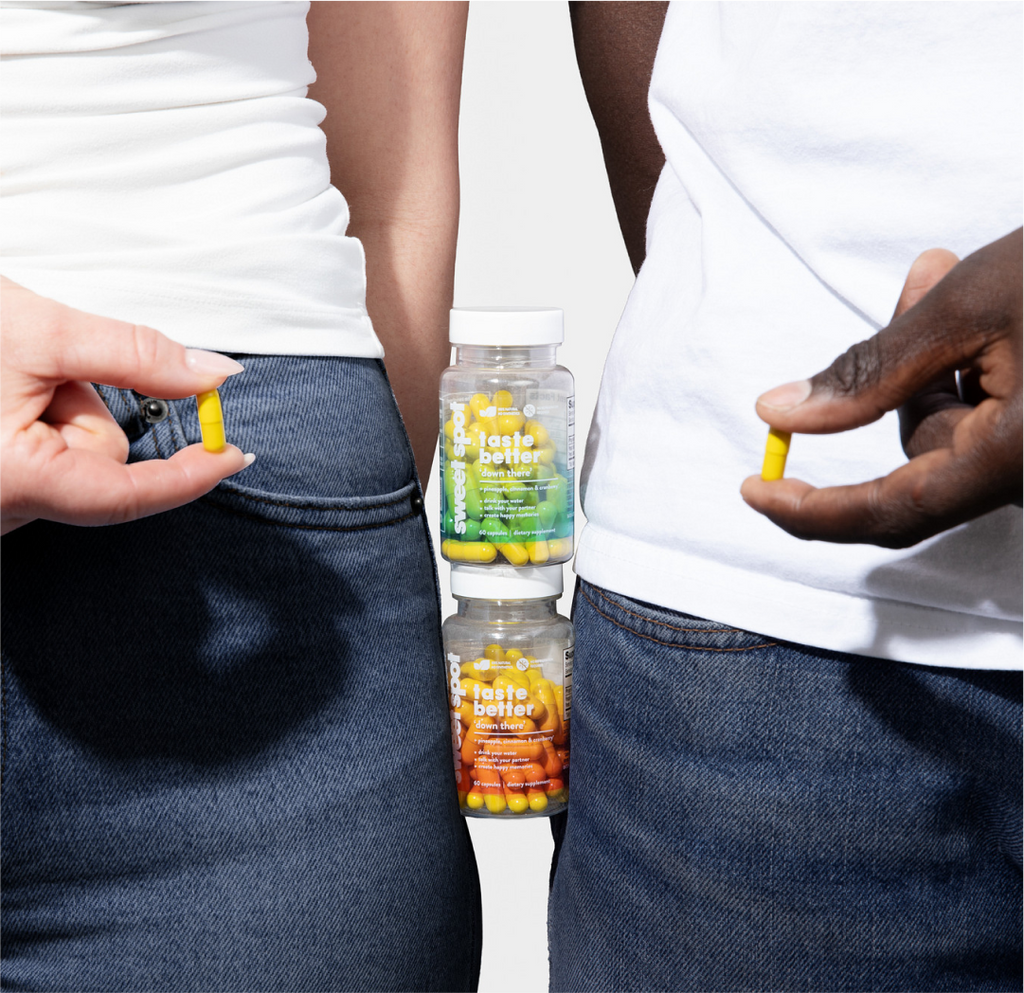


It sounds like magic, right?
Take a pill, taste sweeter.
Drink pineapple juice, taste like candy.
When something sounds too good to be true, our skepticism radar goes off. Is this snake oil? Is it a placebo? Or is there actual biology behind it?
We dug into the research, biochemistry, and anatomy to explain exactly how products like TasteTheSweetSpot actually work.
The Anatomy: How Secretions Are Made
To understand taste, you have to understand fluids.
Vaginal secretions are not just "water." They are a complex cocktail of:
- Water & Electrolytes (from blood plasma).
2. Mucus (from the cervix and Bartholin’s glands).
3. Sweat (from Apocrine glands in the vulva).
4. Bacteria & Byproducts (from the microbiome).
The Key Concept: Your body is a system of "Input -> Output."
Just as your sweat smells like garlic after a heavy Italian dinner, or your urine smells like coffee after an espresso, your vaginal fluids carry the chemical signature of what is in your bloodstream.
This process is called Excretion via Exocrine Glands.
The Ingredients: The Mechanism of Action
1. Bromelain (Pineapple Extract)
- The Claim: Sweetens the taste.
- The Science: Bromelain is a proteolytic enzyme (it digests proteins). Many "off" odors in the body are caused by the breakdown of proteins into amines.
- The Theory: High levels of bromelain may help break down these proteins before they are excreted as pungent odors, resulting in a milder, sweeter, less "protein-heavy" (salty/bitter) taste.
- The Evidence: While no double-blind studies exist specifically on "vagina taste" (science is behind!), centuries of anecdotal evidence and biological plausibility regarding enzymatic breakdown support this.
2. Cinnamaldehyde (Cinnamon)
- The Claim: Improves scent and blood flow.
- The Science: Cinnamaldehyde is an aromatic essential oil. These oils are volatile—meaning they evaporate and carry scent easily.
- The Mechanism: When ingested, these aromatic compounds enter the bloodstream. Because the body cannot fully digest them, they are excreted through breath, sweat, and fluids. This is why if you eat Curry (Fenugreek), you smell like maple syrup. Cinnamon works similarly, adding a warm, sweet baseline to bodily fluids.
3. Proanthocyanidins (PACs - Cranberry)
- The Claim: Prevents "Fishy" odor.
- The Science: This is the most clinically proven part. PACs prevent bacteria (specifically E. coli and Gardnerella) from adhering to cell walls.
- The Mechanism: By preventing bacterial adhesion, you lower the total count of "bad" bacteria in the microbiome. Fewer bad bacteria = fewer foul-smelling byproducts (amines). It creates a "cleaner" environment.
4. Vitamin C (Ascorbic Acid)
- The Claim: Balancing pH.
- The Science: Ascorbic acid acidifies the urine and can mildly lower systemic pH.
- The Mechanism: A healthy vagina needs to be acidic (pH 3.8-4.5) to kill pathogens. By supporting this acidity, Vitamin C prevents the alkaline shift that leads to rotten/fishy odors.
The Conclusion: Magic vs. Biology
No, a supplement will not make you taste like a literal strawberry lollipop.
That is marketing fluff. If anyone promises that, run away.
BUT, supplements CAN significantly alter your baseline scent profile by:
- Reducing the "Bad": Lowering the bacterial load that causes fishy smells (Cranberry/Vit C).
2. Modifying the Fluid: Breaking down proteins that taste salty/bitter (Bromelain).
3. Adding the "Good": Introducing warm, aromatic compounds into your secretions (Cinnamon).
It’s not magic. It’s chemistry.
By changing the inputs (what you swallow), you inescapably change the outputs (what you taste like).
See the science for yourself.