

You cleaned up your diet — and your taste got worse. You're not imagining it.
Many men report that their semen taste turned more bitter, sharper, or more "chemical" after switching to keto, Atkins, low-carb, or "no sugar" eating. The chemistry actually supports the experience: cutting natural sugars and increasing fat and protein shifts body chemistry in ways that affect taste, often in the wrong direction.
This guide explains exactly why it happens, what's happening at the metabolic level, and how to fix it without abandoning your eating plan.
What's Inside
Why Sugar-Free Diets Shift Taste Bitter
Three things change when you significantly cut carbs and sugar:
1. Less Natural Sweetness in Your Body Chemistry
Fructose and glucose from fruit don't just provide energy — they end up in body secretions and contribute mild sweetness. When you remove the input, the output shifts toward the underlying baseline, which for most men is more salty and slightly bitter.
2. More Protein and Fat Byproducts
To replace carbohydrate calories, sugar-free and low-carb diets typically lean heavier on protein and fat. The metabolic byproducts of protein digestion — including urea and certain sulfur-containing compounds — shift secretions toward bitter and sharp.
3. Ketosis Byproducts (For Keto Diets)
True ketosis produces ketones — beta-hydroxybutyrate, acetoacetate, and acetone. Acetone in particular has a sharp, almost chemical-like quality that's well-known for affecting breath ("keto breath"). The same compounds appear at much lower levels in other body secretions, including semen.
The Ketosis Factor
If you're on a strict keto diet (under 50g carbs daily, sustained), the ketosis effect on taste is real and the most common cause of "I cut sugar and my taste got worse."
What's Happening
In ketosis, your body shifts to burning fat for fuel instead of glucose. The byproduct of that fat burning is ketone bodies. These compounds are useful — they keep your brain fueled when carbs are low — but they have a distinctive sharp, sometimes acetone-like quality.
The Breath Connection
"Keto breath" is one of the most well-known side effects of starting keto. The same compounds that affect your breath appear in lower concentrations in other secretions. If your partner has noticed your breath changed and your taste changed at the same time, ketones are almost certainly involved.
How Long It Lasts
For most people, the most intense ketone-related side effects (including breath and taste changes) peak in the first 4–6 weeks of keto and gradually moderate as the body adapts. Some level of effect continues as long as you stay in ketosis.
The Protein-Heavy Problem
Even without ketosis — for example, on a moderate low-carb or "no added sugar" diet — protein-heavy eating shifts taste.
The Compounds at Play
Heavy protein consumption (especially red meat, dairy, eggs in large quantities) produces metabolic byproducts including:
- Urea and uric acid — concentrated in body fluids, contribute to sharper taste
- Sulfur compounds — particularly from eggs and red meat
- Ammonia byproducts — sharp, slightly metallic notes
Why You Notice It More on Low-Carb
On a normal mixed diet, these compounds are still present — but they're balanced by the natural sugars and softening compounds from carbs and fruit. Remove the balance and the protein byproducts dominate.
Specific Diets and How They Affect Taste
Strict Keto
Effect on taste: Most pronounced. Ketosis byproducts plus heavy fat/protein plus eliminated fruit. Often described as sharper, sometimes acetone-like.
Worst-case timing: Weeks 2–6 of strict keto, when ketosis is established but body hasn't fully adapted.
Low-Carb / Atkins
Effect on taste: Moderate. Less ketone production, but heavier protein and reduced fruit produce noticeable shift toward bitter.
"No Added Sugar"
Effect on taste: Mild to moderate. Depends heavily on whether you also cut natural fruit sugars. Cutting added sugar but keeping fruit usually doesn't hurt taste much; cutting both shifts taste noticeably.
Carnivore
Effect on taste: Most pronounced negative shift. Pure protein and fat with zero plant-derived compounds eliminates everything that supports sweeter, milder taste.
Mediterranean
Effect on taste: Generally neutral to slightly positive. Plenty of fruit, vegetables, fish over red meat, moderate dairy — well-balanced for body chemistry.
Whole-Food Plant-Based
Effect on taste: Often positive, with caveats. The fruit-heavy nature helps, but heavy garlic, onion, and cruciferous vegetable use can offset the benefit.
How to Fix It Without Quitting Your Diet
You don't have to choose between your eating plan and your taste. Five strategies:
1. Aggressive Hydration
Low-carb diets are dehydrating — your body excretes more water in ketosis, and you lose the water content that comes with fruit. Most men on keto need 3.5–4+ liters of water daily, plus electrolytes. Properly hydrating alone often resolves a meaningful portion of the bitter taste.
2. Strategic Low-Sugar Fruits
Most low-carb diets allow some fruit. Choose the ones that hit the bromelain and chlorophyll angles without breaking your macros. (Specific list below.)
3. Pineapple Extract Supplement
This is the cleanest workaround. A daily pineapple extract capsule delivers concentrated bromelain and other taste-shifting compounds with minimal carbs (typically under 1g) and no impact on ketosis. You get the taste benefit of pineapple without the sugar load.
4. Cut the Worst Offenders Hard
Your sugar-free diet hasn't given you a buffer against bitter foods — it's removed your buffer. So the impact of garlic, onions, beer, and coffee is amplified. Cutting these aggressively while on low-carb compensates for the reduced fruit input.
5. Increase Chlorophyll Intake
Parsley, mint, spinach, kale (in moderation), and chlorophyll supplements all support the freshening effect that fruit normally provides. Add a handful of fresh parsley to meals or take a chlorophyll supplement.
Low-Sugar Fruits That Still Help
If your diet allows fruit even in small amounts, prioritize these:
Berries
Strawberries, blueberries, raspberries, blackberries — relatively low in sugar and high in antioxidants. A half-cup serving fits in most low-carb plans.
Watermelon
92% water, modest sugar, and supports hydration. A small portion is keto-friendly.
Lemon and Lime
Negligible sugar, and the citric acid supports overall freshness. Use them aggressively in water, on fish, in marinades.
Avocado (Yes, It's a Fruit)
Full keto-compatible. Doesn't directly sweeten, but supports overall metabolic balance.
Tomatoes
Lower-sugar than tropical fruit, with antioxidants. Use generously.
Small Pineapple Servings
Even on stricter low-carb diets, half a cup of pineapple per day fits most plans (about 10g carbs). The bromelain payload from this small serving plus a daily supplement covers most men's needs.
The Supplement Workaround
Why Supplements Are the Cleanest Fix on Low-Carb
The conflict is simple: pineapple is the most effective taste-shifter, but pineapple is also relatively high in sugar. A concentrated pineapple extract supplement isolates the bromelain and other beneficial compounds without the sugar.
What to Look For
- Pineapple extract (or stem bromelain) clearly listed
- Chlorophyll for bitter neutralization
- Less than 1g of carbs per serving
- No added sugars or maltodextrin
- US manufacturing
How to Take It on Low-Carb
Take it daily, at the same time, ideally with your largest meal so it integrates with the rest of your eating routine. Two minutes per day, no impact on macros, full taste benefit.
Frequently Asked Questions
Will going off keto reverse the taste change?
Yes — usually within 1–2 weeks of returning to a more carb-balanced diet, taste shifts back toward whatever your pre-keto baseline was. If you're on keto for health reasons and don't want to come off, the supplement-and-hydration approach is the right alternative.
Is keto bad for sexual health overall?
Not inherently. Many men feel better on keto for energy, body composition, and metabolic markers. The taste effect is a known side effect, not a sign of poor sexual health.
What if I'm doing intermittent fasting?
Intermittent fasting alone doesn't usually shift taste much, unless it pushes you into ketosis. If your eating window is balanced (carbs, protein, fat), the fasting itself is taste-neutral.
Can I cheat with fruit on weekends?
For taste purposes, yes — a Saturday or Sunday loaded with pineapple, mango, and berries can help reset your week. Just be aware that for ketosis-based diets, this will kick you out of ketosis temporarily.
Why does my breath also smell different on keto?
Same reason as the taste change — ketones (especially acetone) are exhaled and excreted. Breath and intimate taste tend to track together. If your breath improved on keto, your taste probably did too.
How long does the keto-bitter phase typically last?
Worst is usually weeks 2–6 of strict keto. Most men report partial improvement after 8–12 weeks as the body adapts to fat-burning. Some level of taste shift continues throughout active ketosis.
Are artificial sweeteners a problem?
Some men report that sucralose, aspartame, and erythritol shift taste in subtle but noticeable ways. If your low-carb diet leans heavily on sweeteners, try cutting them for two weeks to see if there's a difference. Stevia is generally the cleanest option for taste-sensitive men.
The Practical Takeaway
If your sugar-free diet has changed your taste in the wrong direction, you have three options that don't require quitting your eating plan:
- Hydrate aggressively (3.5–4+ liters daily plus electrolytes)
- Add a daily pineapple extract supplement for concentrated bromelain without the sugar
- Cut the worst offenders harder than you did before, since your buffer is gone
Most men who follow this approach see meaningful improvement within 2 weeks while keeping their diet intact.
Concentrated Bromelain, Zero Sugar Load
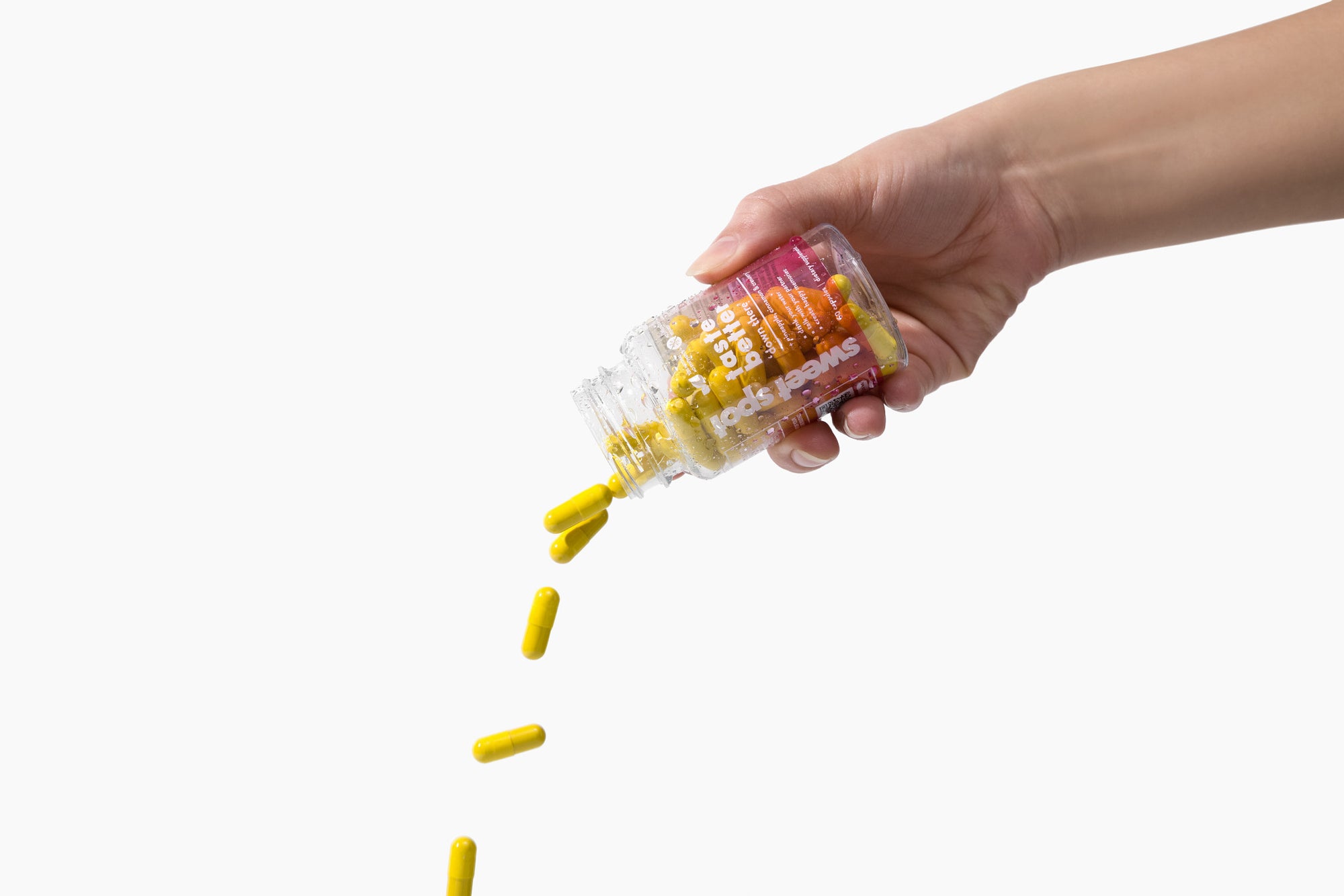
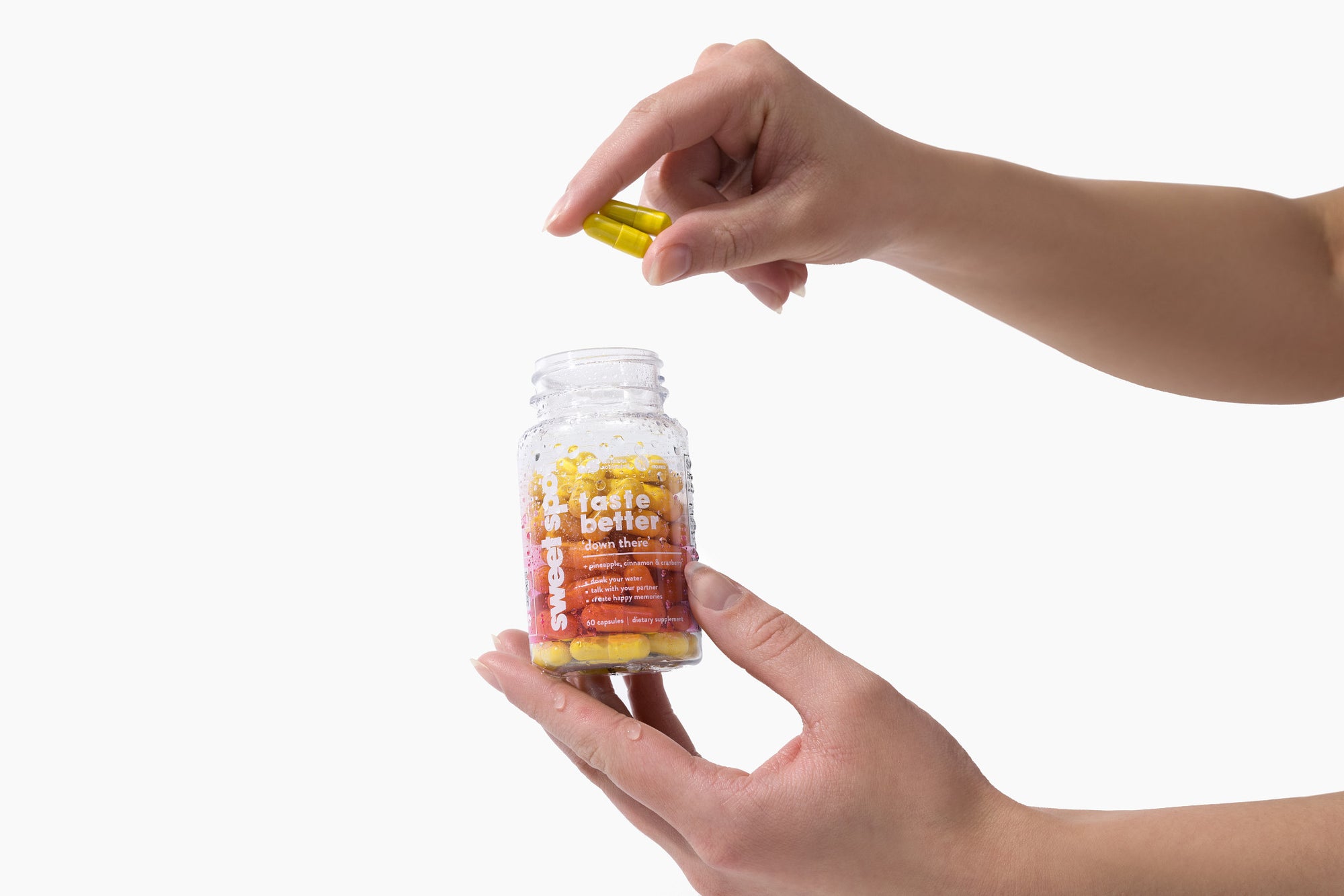
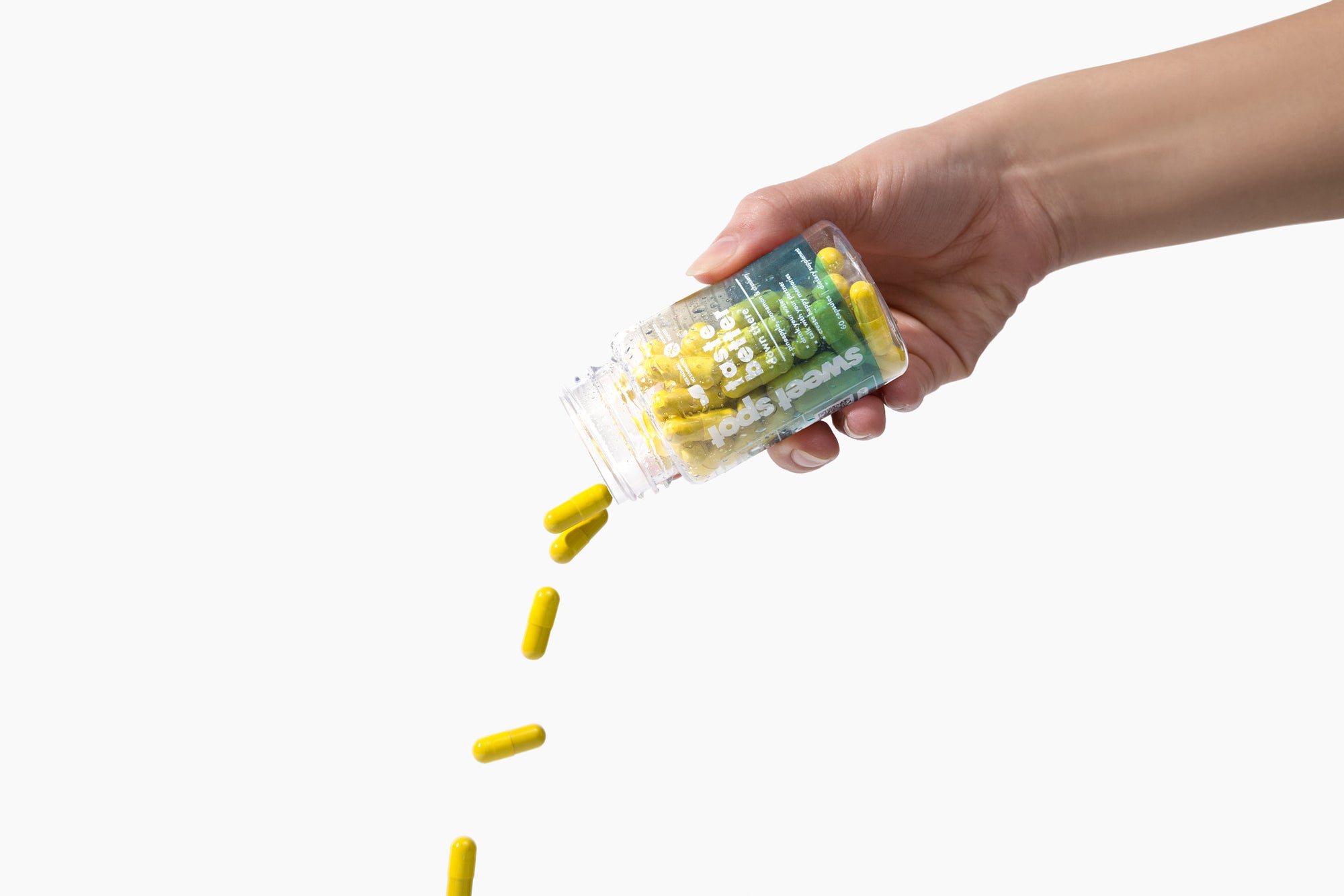
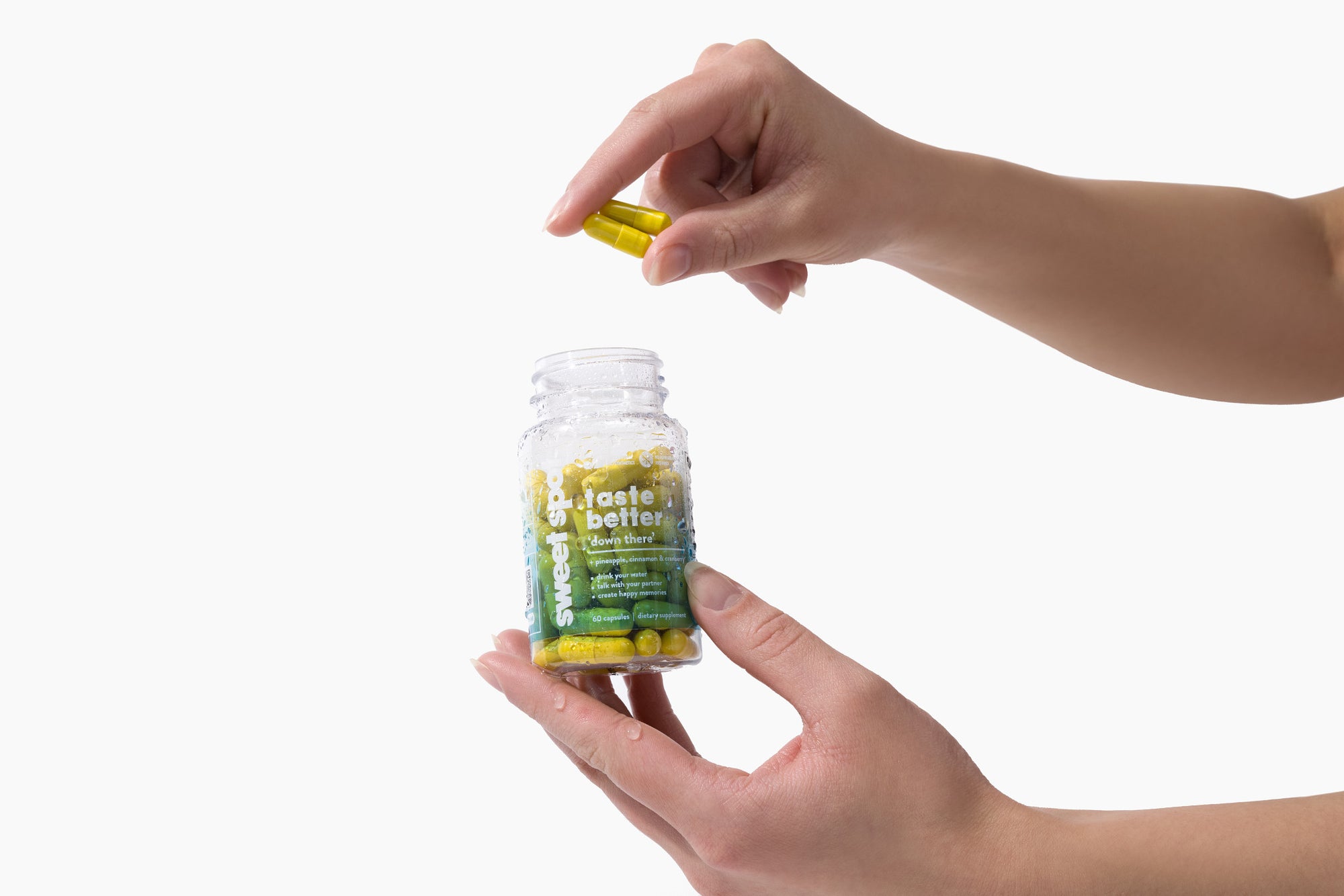
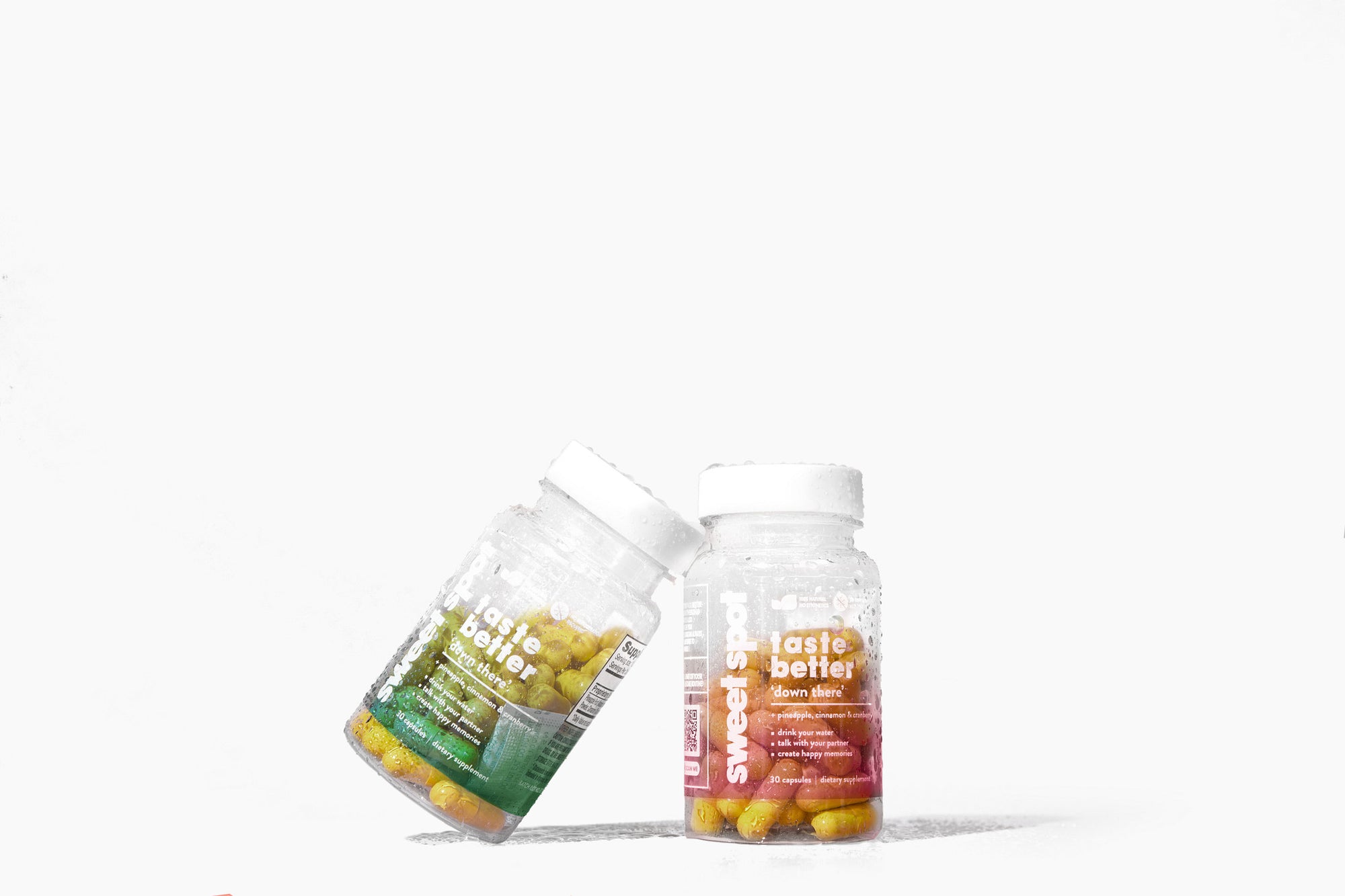
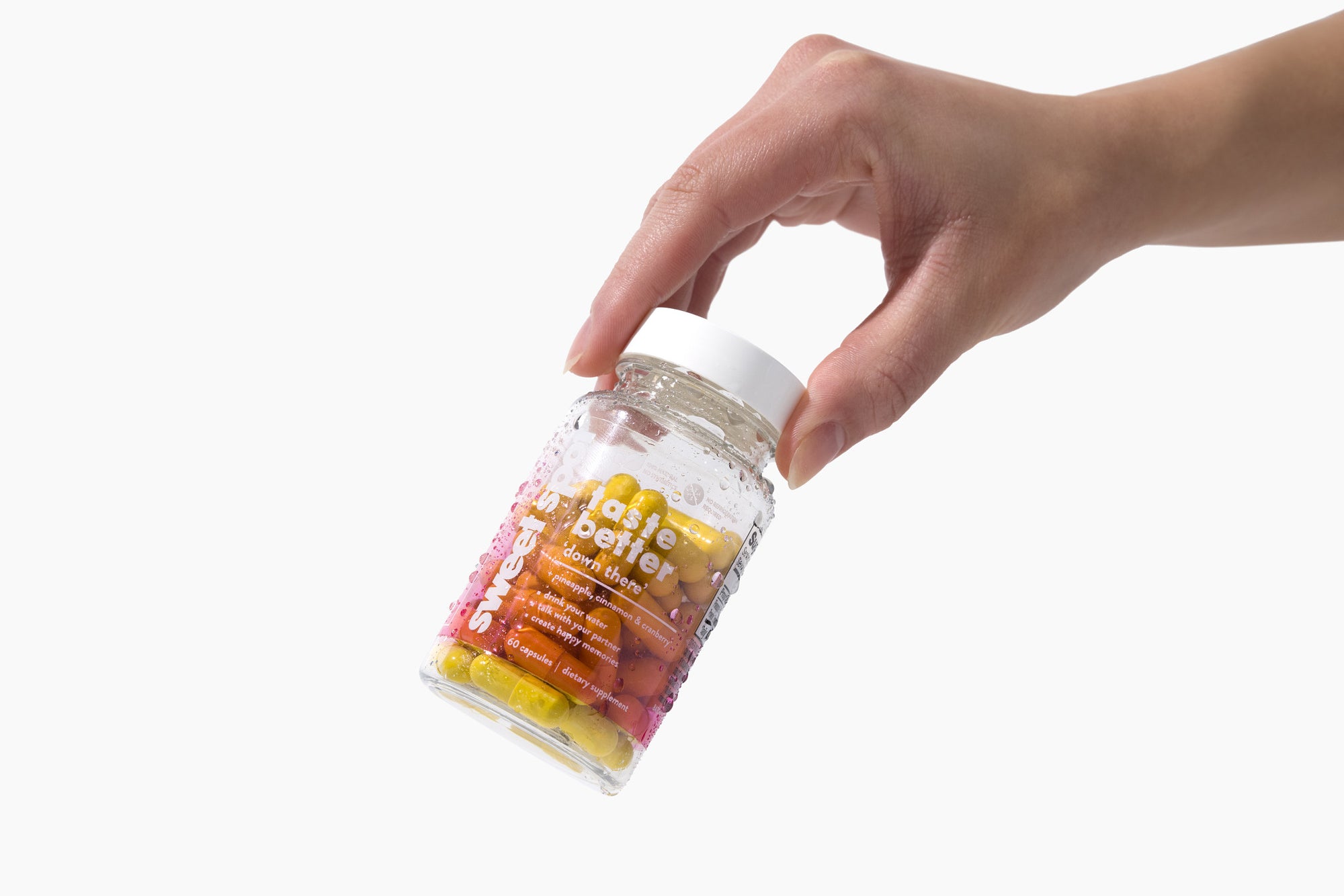
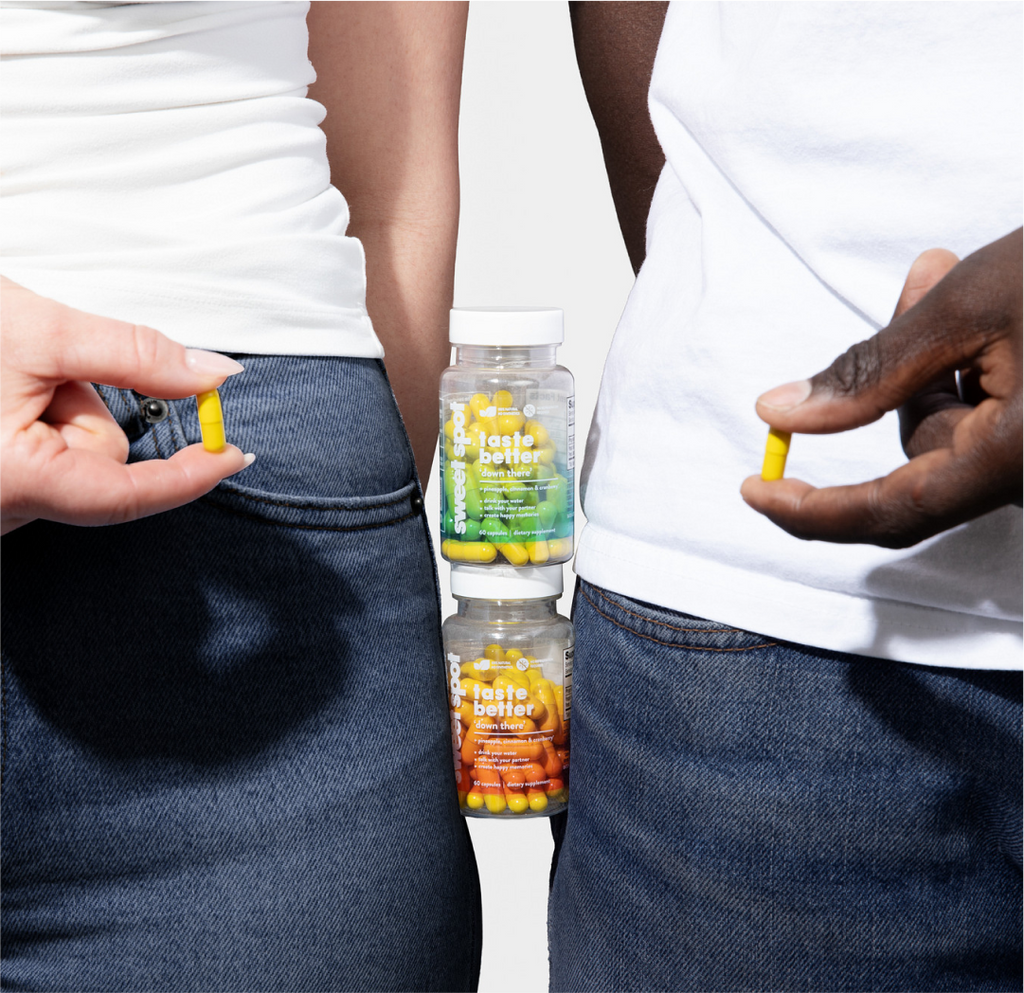
FOR HIM delivers concentrated pineapple extract — including bromelain plus chlorophyll, cranberry, and cinnamon — in a single daily capsule with under 1g of carbs.
- Keto-compatible and low-carb friendly
- Concentrated bromelain for taste shift
- Chlorophyll for bitter neutralization
- 60 capsules / 30-day supply
- Made in the USA, no artificial fillers or maltodextrin
Both partners doing low-carb? The His + Hers Bundle includes the men's and women's formulas — same daily routine, both sides covered.