

Every article about tasting better boils down to the same advice: eat more fruit, drink more water, avoid garlic. And that's not wrong. But then someone asks the obvious question: "If I can just change my diet, why would I pay for a supplement?"
It's a fair question. Let's give it a fair answer.
What Diet Can Do
Your diet is the biggest single factor determining how your bodily fluids taste. Every fluid your body secretes—from sweat to saliva to intimate secretions—reflects what you've eaten, drank, and how well you've hydrated in the last 24-72 hours.
Foods That Improve Taste:
- Pineapple — Contains bromelain, which breaks down bitter-tasting proteins
- Berries — High in antioxidants and natural sugars
- Citrus fruits — Vitamin C supports pH and provides freshness
- Watermelon — 92% water, natural hydrator
- Cinnamon — Blood flow support, blood sugar regulation
- Celery and parsley — Chlorophyll-rich, mild detoxifying effect
Foods That Make Taste Worse:
- Garlic and onions — Sulfur compounds secreted through all bodily fluids
- Red meat — High in sulfur-producing amino acids
- Asparagus — Contains asparagusic acid, metabolized into sulfur compounds
- Coffee (excess) — Increases acidity and dehydrates
- Alcohol — Dehydrates and introduces toxin metabolites
- Processed foods — Preservatives and sodium concentrate fluids
If you eat clean for 2-3 weeks straight—lots of fruit, no garlic, tons of water—you will notice a difference. No supplement needed.
So what's the problem?
The Problem with Diet Alone
The problem isn't that diet doesn't work. It's that diet is inconsistent.
1. You Can't Always Eat Clean
Life happens. You go out to dinner and there's garlic in everything. You travel and your diet goes out the window. You're busy and grab whatever's convenient. A supplement provides a consistent baseline that doesn't depend on your daily food choices.
2. You'd Need to Eat a LOT of Fruit
To get a meaningful dose of bromelain from pineapple, you'd need 2-3 cups of fresh pineapple daily. That's ~400 calories and 60g+ of sugar. For cranberry's PACs, you'd need to drink unsweetened cranberry juice daily (which tastes terrible). For chlorophyll, you'd need a large green salad or juice every single day.
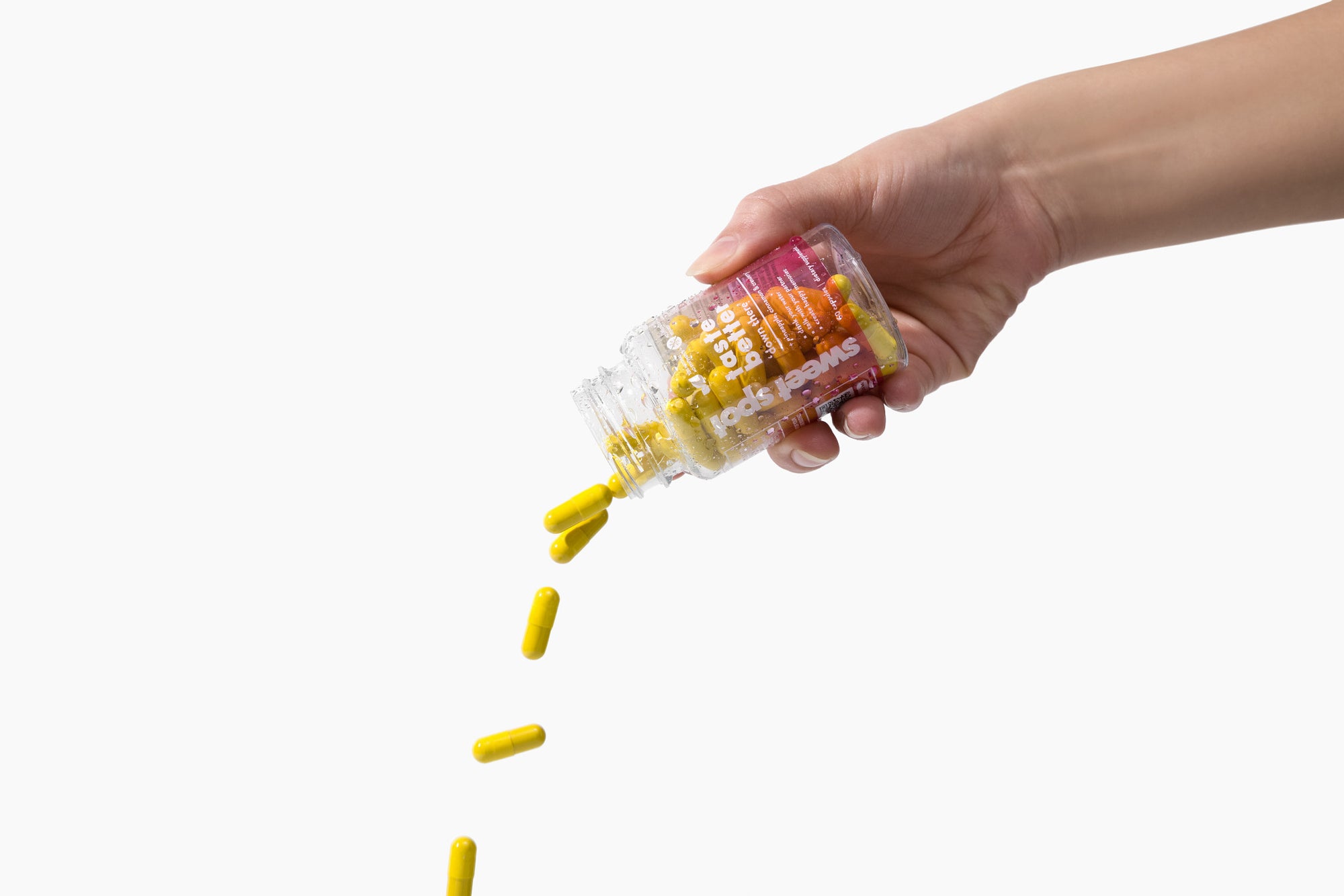
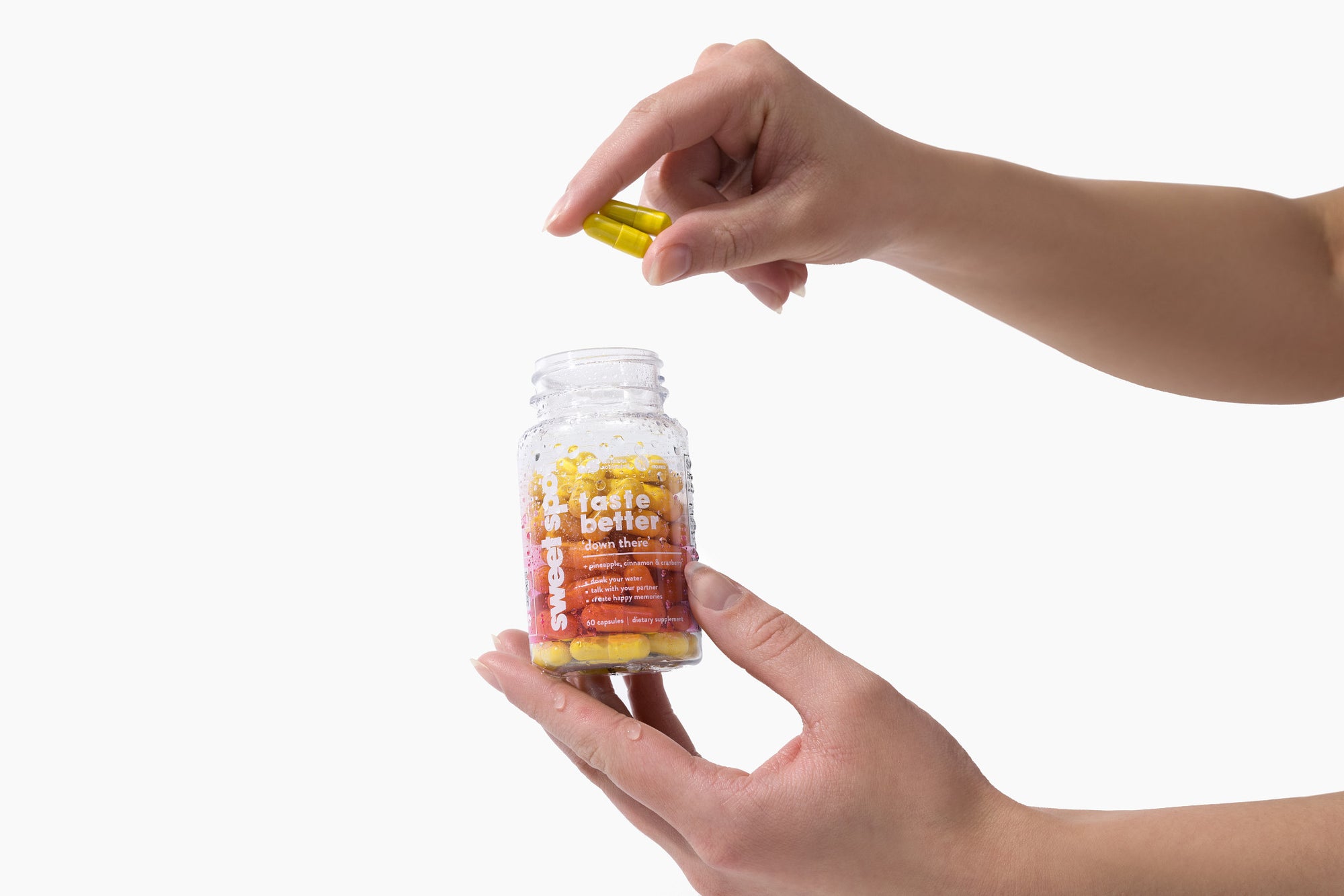
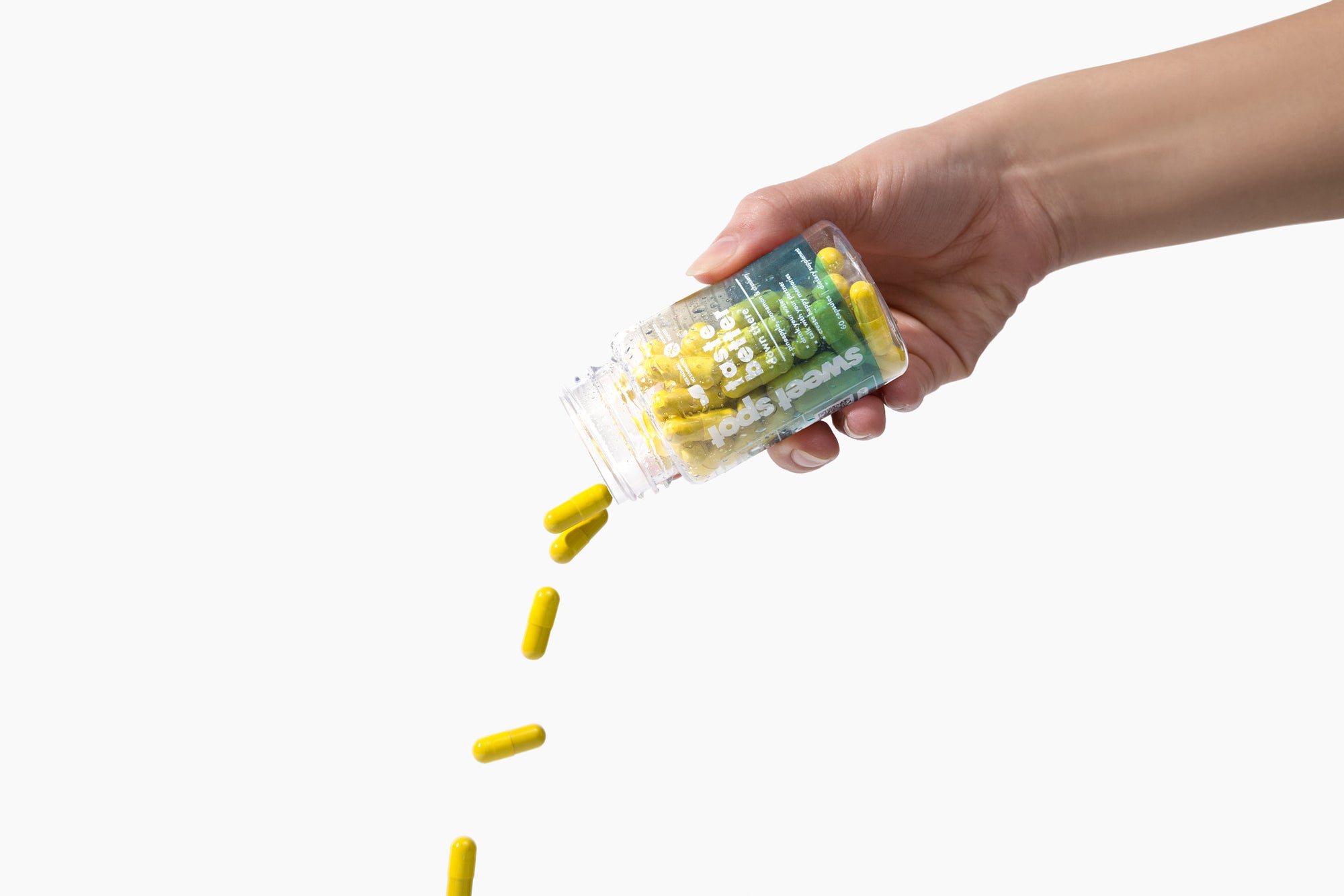
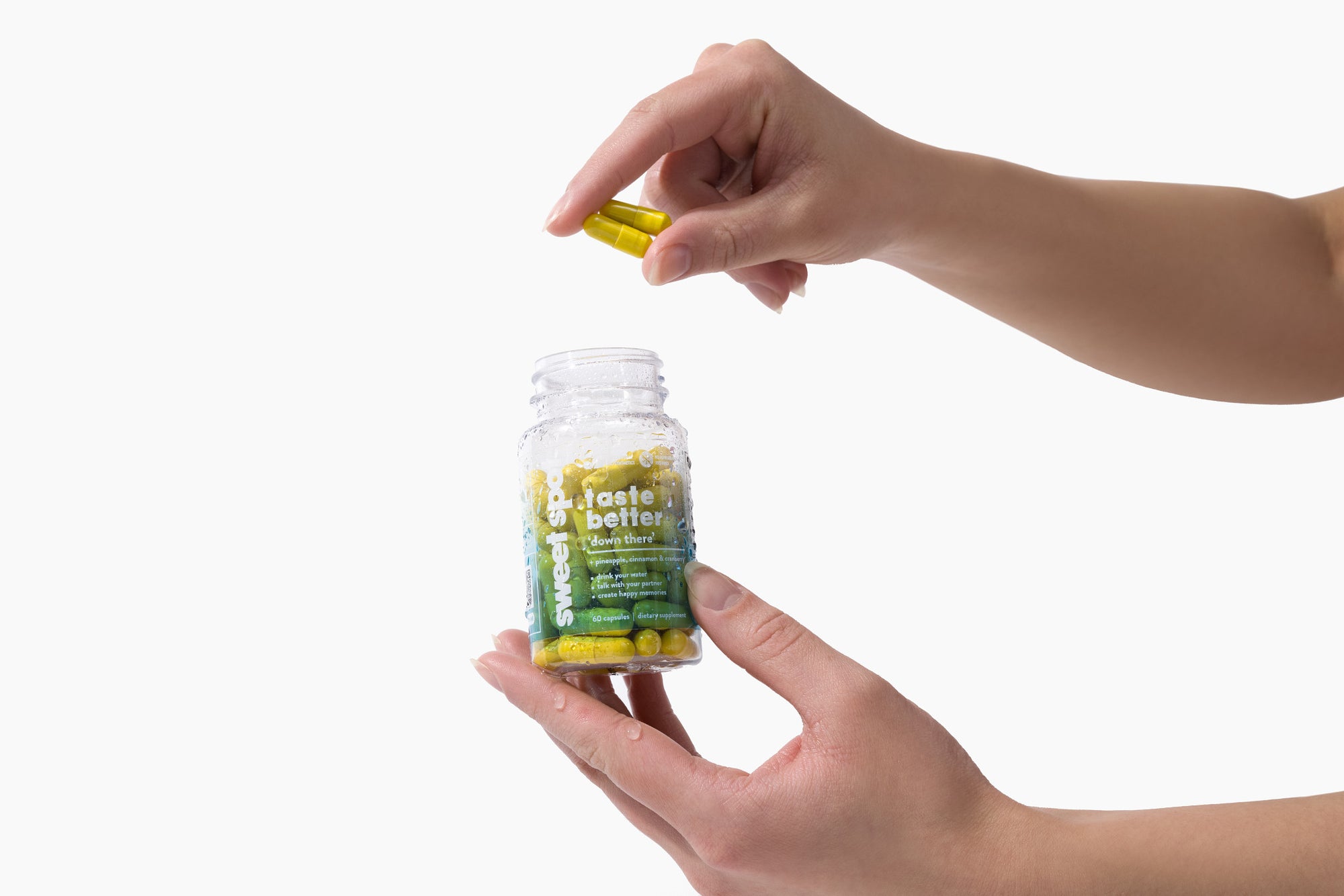
A supplement concentrates these active compounds into two capsules with zero sugar and minimal calories.
3. Fruit Quality Varies
Not all pineapples are created equal. A pineapple from Hawaii picked at peak ripeness has different bromelain levels than one that was picked green and shipped across the ocean. Pasteurized juice has had most of its enzymes destroyed by heat. A supplement uses standardized extracts with consistent potency.
4. Cooking Destroys Active Compounds
Bromelain is destroyed by heat. If you cook your pineapple (grilled pineapple, baked into a dessert), the enzyme is denatured and no longer active. You have to eat it raw and fresh for any benefit—and even then, the dose is variable.
5. Some Key Compounds Aren't in Food
Chlorophyll in supplement form is chlorophyllin—a water-soluble derivative that's more bioavailable than the chlorophyll in leafy greens. Your body absorbs more of it from a supplement than from eating a salad.
What Supplements Can Do (That Diet Can't)
Supplements aren't magic. They're efficiency. Here's what they bring to the table:
- Standardized doses — Same amount of active compound every single day, regardless of fruit quality or seasonal variation.
- Zero sugar — All the benefits of pineapple, cranberry, and cinnamon without the sugar that comes from eating the whole fruit (and without the yeast infection risk).
- Synergistic formulas — A good supplement combines multiple ingredients that work together. Bromelain + cranberry + cinnamon + chlorophyll covers more bases than any single food.
- Convenience — Two capsules with water. That's it. No shopping, no prep, no blending, no forcing yourself to eat things you don't like.
- Consistency — The biggest advantage. Even on your worst eating day, your supplement is maintaining a baseline of active compounds in your system.
The Head-to-Head Comparison
| Factor | Diet Alone | Supplement Alone | Diet + Supplement |
|---|---|---|---|
| Active Compound Dose | Variable | Standardized | Maximum |
| Sugar Intake | High (from fruit) | Zero | Moderate |
| Consistency | Depends on willpower | Automatic | Strongest |
| Time to Results | 2-3 weeks | 7-14 days | 5-10 days |
| Monthly Cost | $50-80 (organic fruit) | $25-30 | $40-60 total |
| Convenience | Low (daily prep) | High (2 pills) | Medium |
| Yeast Risk | Possible (fruit sugar) | Low | Low |
The Verdict
Diet alone works—if you're perfectly consistent for weeks. Most people aren't.
A supplement alone works—and it's easier. But it works even better when you're also eating well and staying hydrated.
Diet + supplement is the fastest, most effective approach. The supplement covers your baseline, and a clean diet amplifies the results.
Think of it like skincare: a good cleanser (diet) keeps your skin healthy. A serum (supplement) targets specific concerns. Use both and you get the best results in the shortest time.
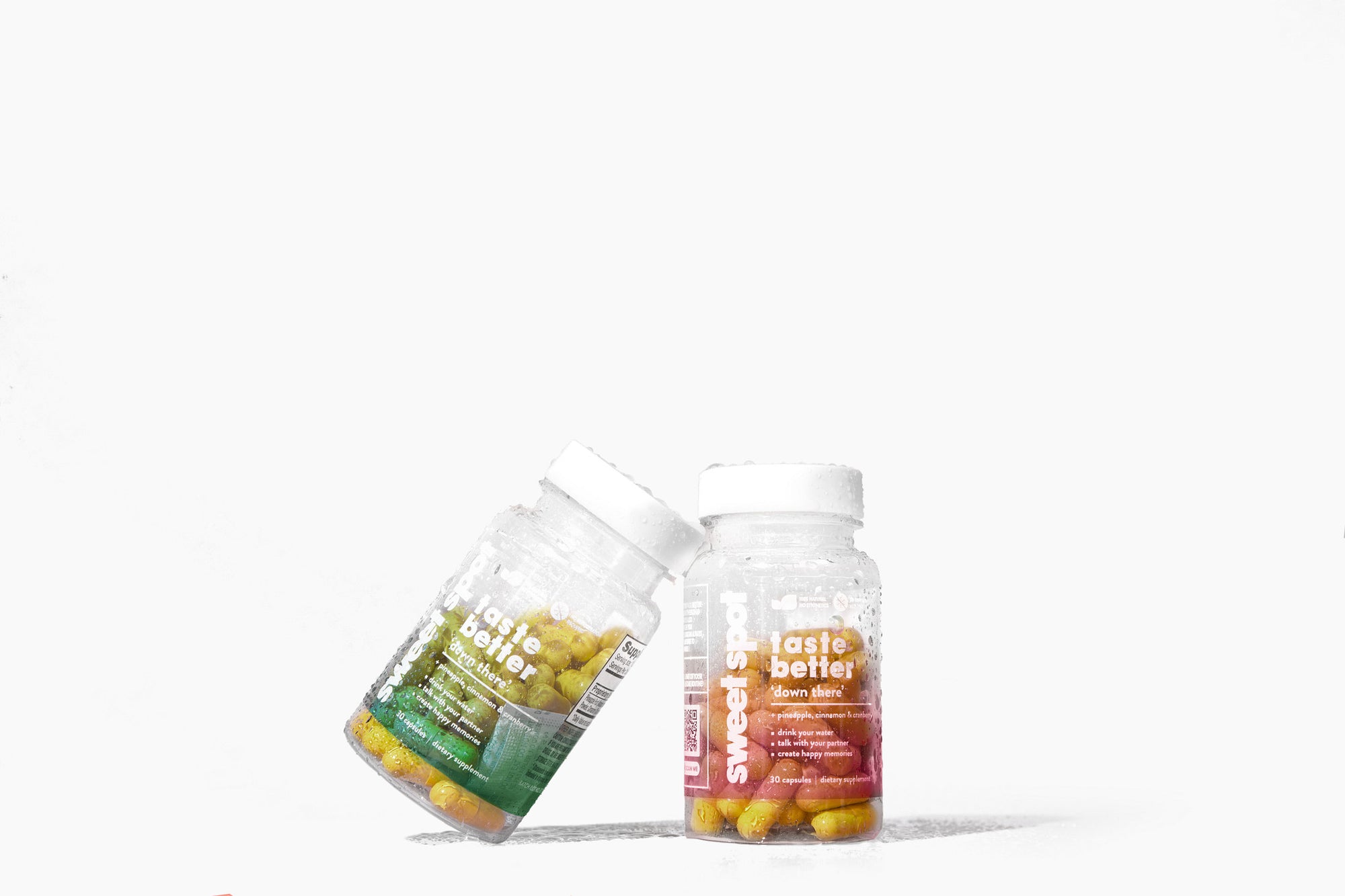
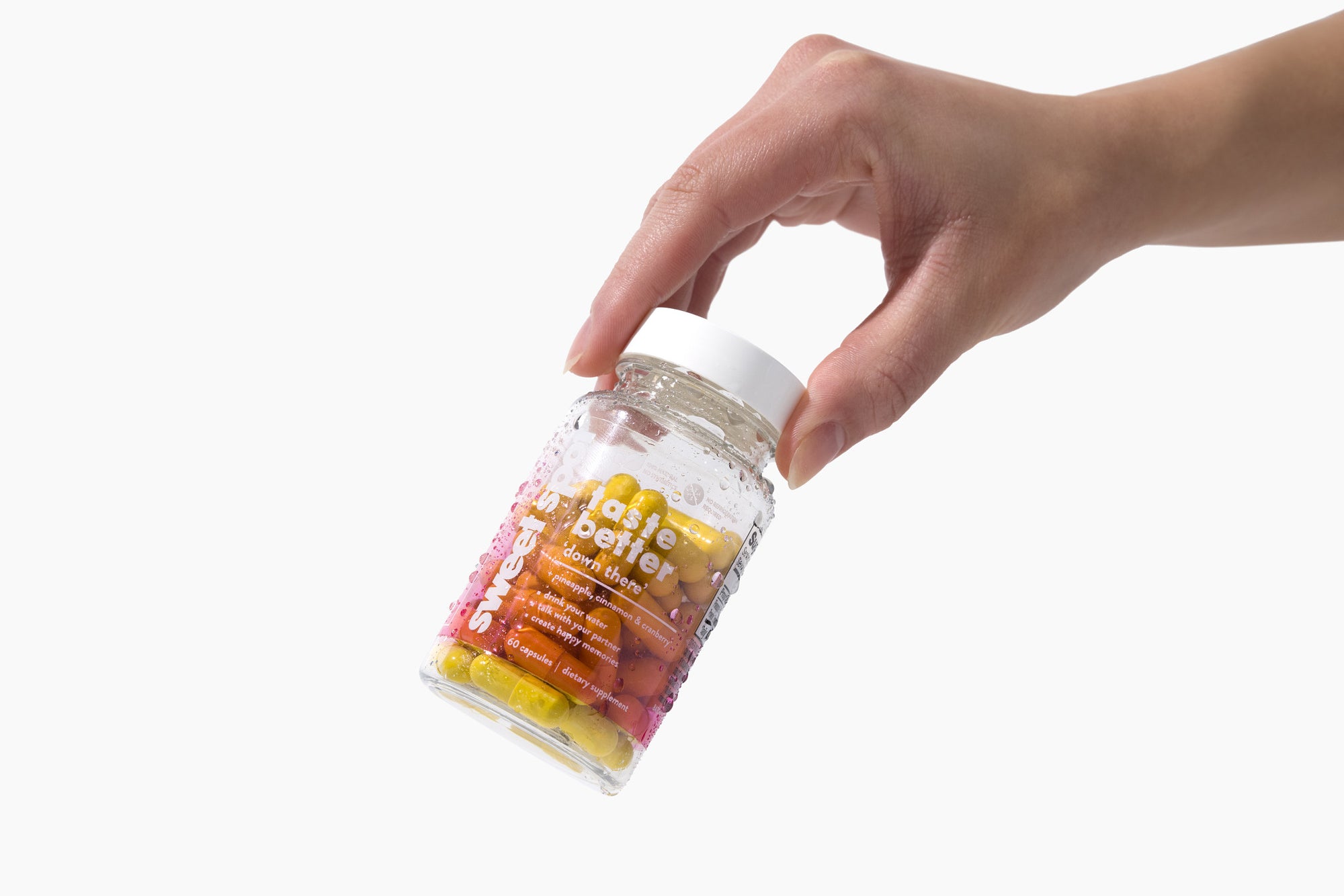
Ready for the best of both worlds? Get TasteTheSweetSpot here and let the supplement handle the heavy lifting while you enjoy eating well.
Frequently Asked Questions
Can you change how you taste just by changing your diet?
Yes. A diet rich in fruits (especially pineapple, berries, and citrus), combined with good hydration and reduced intake of garlic, onions, red meat, and coffee, can noticeably improve how you taste within 2-3 weeks. However, results depend on how consistently you maintain the dietary changes.
Are taste supplements better than eating fruit?
Supplements are more consistent and convenient than relying on fruit alone. They deliver standardized doses of active compounds (bromelain, PACs, chlorophyll) with zero sugar. Fruit is still beneficial for overall health, but supplements provide a reliable daily baseline that doesn't fluctuate with your grocery list.
How long does it take for diet to affect semen taste?
Individual foods can affect semen taste within 24-72 hours. Strong-flavored foods like garlic and asparagus can be noticeable within 12-24 hours. For a sustained improvement in baseline taste, consistent dietary changes need 2-3 weeks. Adding a supplement can accelerate results to 7-14 days.