

Most "feminine wipes" are doing more harm than good.
Walk into any drugstore and you'll find a wall of intimate wipes — most of them loaded with fragrance, alcohol, and detergents that disrupt the very pH they claim to support. The whole point of an intimate wipe is to clean and freshen without disturbing your natural balance, and most products on the market fail that test.
This guide explains what pH-balanced really means, when wipes actually help (and when they don't), what ingredients to avoid, and how to use wipes as part of a sensible daily freshness routine.
What's Inside
Why pH Matters
The Vaginal pH Range
A healthy vaginal environment is mildly acidic — typically pH 3.8 to 4.5. This acidity is maintained by lactobacilli (the "good bacteria" of the vaginal microbiome) and is what keeps everything else in balance: yeast under control, harmful bacteria suppressed, natural lubrication intact, and freshness regulated.
What Disrupts pH
- Soaps with alkaline pH (most regular soap is pH 9–10)
- Fragranced products
- Douches and "internal cleansers"
- Antibiotics (which kill lactobacilli along with target bacteria)
- Hormonal changes (menstruation, pregnancy, menopause)
- Sex (semen has alkaline pH around 7.2–8.0)
- Dietary and lifestyle factors
Why "pH-Balanced" on the Label Matters
A pH-balanced wipe has been formulated to match the natural acidic environment of the vaginal area (typically around pH 4–5). Using a properly pH-balanced wipe cleans without disrupting the chemistry that keeps everything in balance.
What Makes a Wipe pH-Balanced
The Right pH
The wipe solution itself should be in the 4–5 pH range. Brands that don't list pH on the package are usually best avoided for intimate use.
Gentle Cleansing Agents
The cleansing comes from mild surfactants — typically coco-based or amino acid-derived — that lift away sweat, oils, and discharge without stripping natural protective compounds.
Skin-Soothing Additions
Quality formulations include ingredients that calm and protect:
- Aloe vera — soothes and supports the skin barrier
- Chamomile or calendula — anti-inflammatory
- Vitamin E — antioxidant protection
- Cucumber extract — cooling and hydrating
What's NOT in It
This is the more important question. The right wipe is defined as much by what's missing as by what's present. (See next section.)
Ingredients to Avoid
Fragrance / Parfum
The single most common irritant. "Fragrance" on an ingredient list is a catch-all that can include dozens of synthetic compounds. Even "natural fragrance" is suspect for intimate use. Skip anything that doesn't say "fragrance-free" explicitly.
Alcohol (in High Concentrations)
Drying and disruptive. A trace of alcohol as a preservative may be fine, but anything with alcohol high in the ingredient list is essentially stripping the skin.
Sulfates (SLS, SLES)
Aggressive surfactants that strip the skin barrier. Common in cheap wipes; avoid.
Parabens
Common preservatives with hormone-disruption concerns. Many quality wipes have moved to alternative preservation systems.
Glycerin in Excess
In small amounts, glycerin is fine. In high concentrations, it can feed yeast in some women and contribute to imbalance.
Phthalates
Often hidden in "fragrance" listings. Avoid by choosing fragrance-free.
Propylene Glycol
Can cause irritation in sensitive skin. Better formulations use plant-derived alternatives.
When to Use Intimate Wipes
Intimate wipes are useful tools, but they're not a daily replacement for a shower. Used correctly:
Times They're Genuinely Helpful
- After working out, before you can shower
- During travel, especially long flights or road trips
- On heavy menstruation days, between bathroom visits
- After sex, for quick cleanup
- Before intimacy, for a quick freshen-up
- During hot weather or humidity
- On camping trips or outdoor activities
Times They're Not Necessary
- Daily, when you've already showered
- Multiple times per day at home — over-cleaning is its own form of disruption
- As a substitute for full hygiene
- Internally — wipes are external use only
Daily Use Guide
The Right Mindset
Think of wipes as supplemental, not foundational. Showers and proper hygiene are the foundation. Wipes are for the in-between moments where a full reset isn't practical.
How Often Is Too Often
Most women do well with 1–3 wipe uses per day on the days they need them. Using wipes more than that — particularly multiple times daily over weeks — can actually disrupt the balance you're trying to maintain.
Technique
- Always wipe front to back
- External use only — never internally
- One wipe is usually enough; if not, the wipe quality may be too thin
- Pat or dab gently rather than scrubbing
- Allow to air-dry briefly before getting fully dressed
For Travel
Travel is where intimate wipes shine. Long flights, layovers, road trips, hotel showers that don't always feel clean — wipes give you a baseline of freshness regardless of conditions.
The Travel Use Cases
- Long-haul flights: One wipe before landing makes the next 24 hours significantly more comfortable
- Road trips: Every gas station bathroom break
- Camping: The single most useful piece of intimate hygiene gear when shower access is limited
- Hot climate trips: Mid-day refresh keeps things comfortable
- Period travel: Cleaner changes, more confidence
What to Pack
Individually-wrapped wipes are the right format for travel — easier to carry, no resealing issues, no drying out. A pack of 30 individually-wrapped wipes covers most week-long trips with margin.
The TSA Question
Wipes pass standard TSA screening without issue. Pack them in your carry-on for in-flight access.
Post-Workout Freshness
Why Workouts Affect Intimate Freshness
Sweat, friction, tight workout clothes, and the warm/moist environment all contribute to bacterial buildup. The longer you stay in workout clothes, the more it compounds.
The Right Routine
- Change out of workout clothes as soon as possible
- If you can shower, shower
- If you can't shower, use a pH-balanced wipe
- Change into clean, breathable clothes (cotton underwear, loose bottoms)
- Stay hydrated
For Athletes Who Train Twice Daily
Two-a-day training plus wipes between sessions prevents the cumulative buildup that comes from staying in damp workout gear. The pH-balanced part is non-negotiable for this use case — alkaline wipes used multiple times daily will eventually disrupt the natural environment you're trying to support.
Post-Sex Cleanup
Why Cleanup Matters
Semen has an alkaline pH (7.2–8.0), which is dramatically different from the vaginal pH (3.8–4.5). The body handles this naturally, but the temporary pH shift afterward can contribute to short-term odor and discomfort. Quick external cleanup helps.
The Sequence
- Urinate (helps prevent UTIs)
- Use a pH-balanced wipe externally
- Drink water
- Sleep, or proceed with whatever's next
What Not to Do
- Don't douche or wash internally — this disrupts pH worse than letting the body handle it
- Don't use harsh soap immediately afterward
- Don't skip the bathroom — that's a recipe for UTIs
Wipes vs. Soap vs. Water Alone
Plain Water
Surprisingly effective for many women. Plain warm water on a soft cloth removes most surface oils and discharge without disrupting anything. Boring, but works.
Regular Bar Soap
The wrong choice for intimate use. Most regular soap has pH 9–10 — far too alkaline for the vaginal environment. Don't use it externally on intimate skin.
Body Wash With Fragrance
Same problem as soap, plus added fragrance and detergents. Skip for intimate use.
"Feminine Wash"
Variable. Some are genuinely pH-balanced and gentle; many are over-fragranced and over-marketed. Read labels carefully. The "summer's eve" generation of products is largely outdated.
pH-Balanced Wipes
The best portable option. Convenient, pre-measured, formulated for the right pH range. Quality varies hugely between brands — choose carefully.
The Right Stack
Daily shower with mild, pH-appropriate cleanser → pH-balanced wipes for in-between moments → no soap, no fragrance, no internal cleaning.
Stacking Wipes With Supplements
The External + Internal Approach
Wipes handle the external surface — sweat, discharge, residue. Supplements support the underlying chemistry — pH balance, freshness, taste, and the microbiome that keeps everything in equilibrium. The two work together.
The Combination That Works
- Wipes for daily and on-the-go external freshness
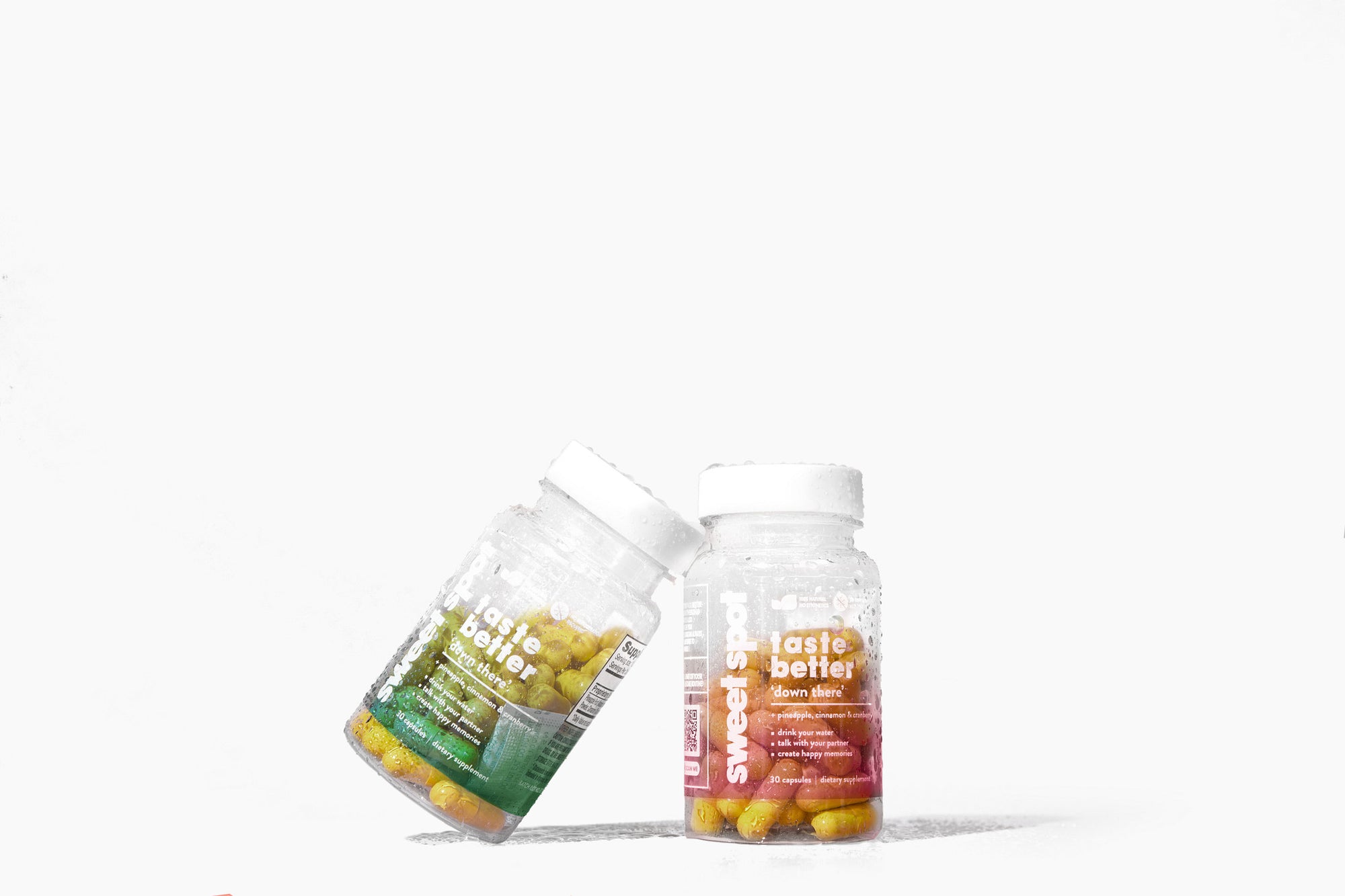
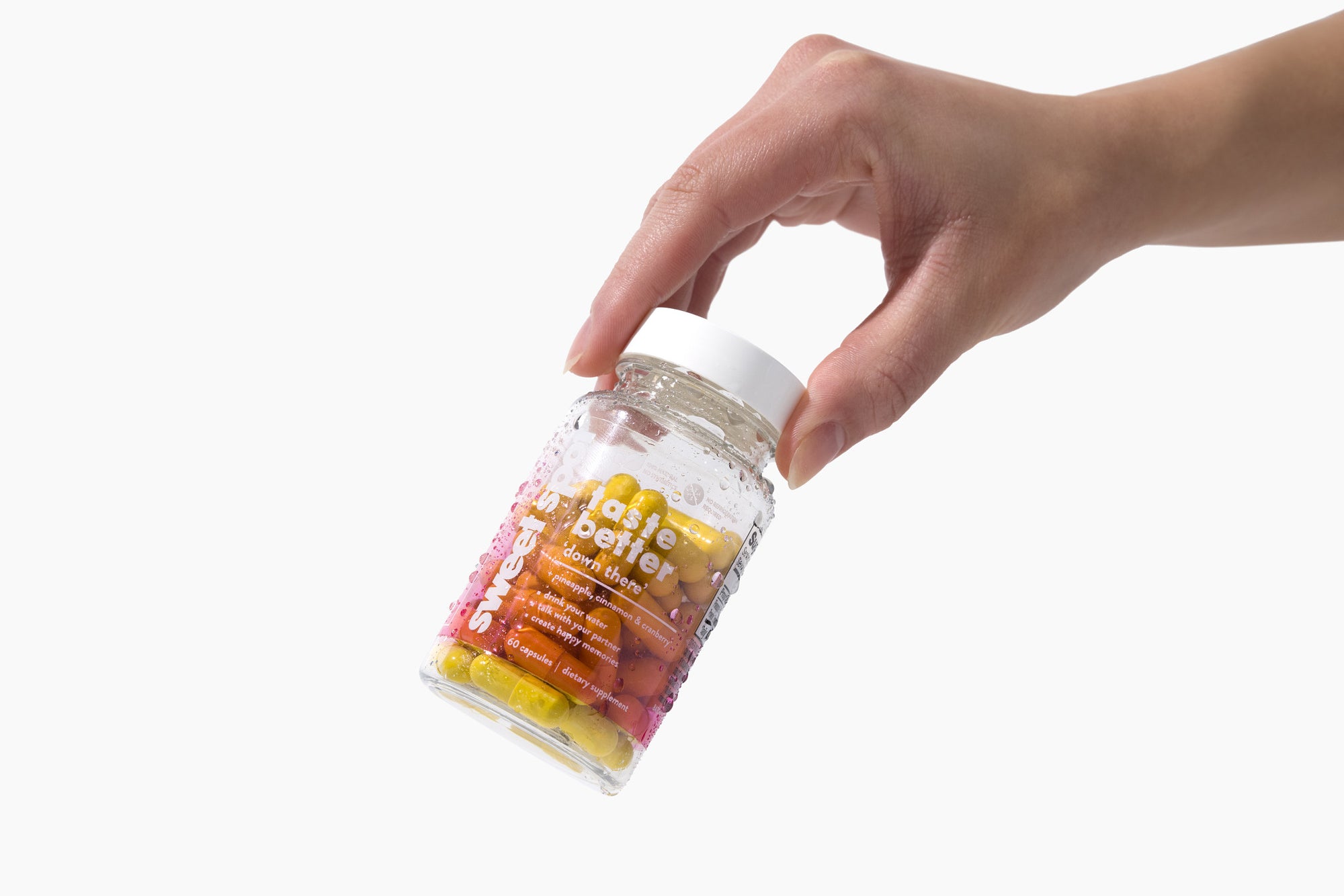
- A daily probiotic + pineapple extract supplement for internal pH and freshness support
- Hydration and reasonable diet for the foundation
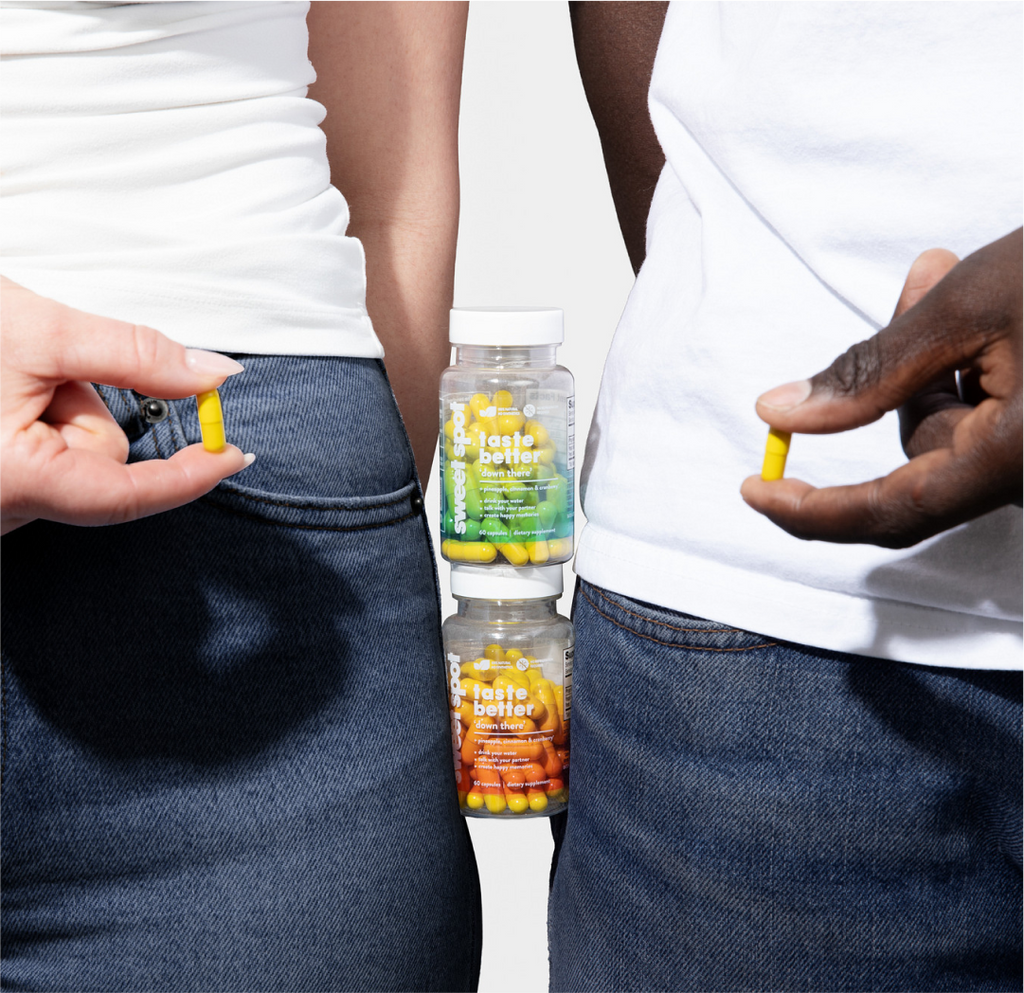
The Sweet Spot Approach
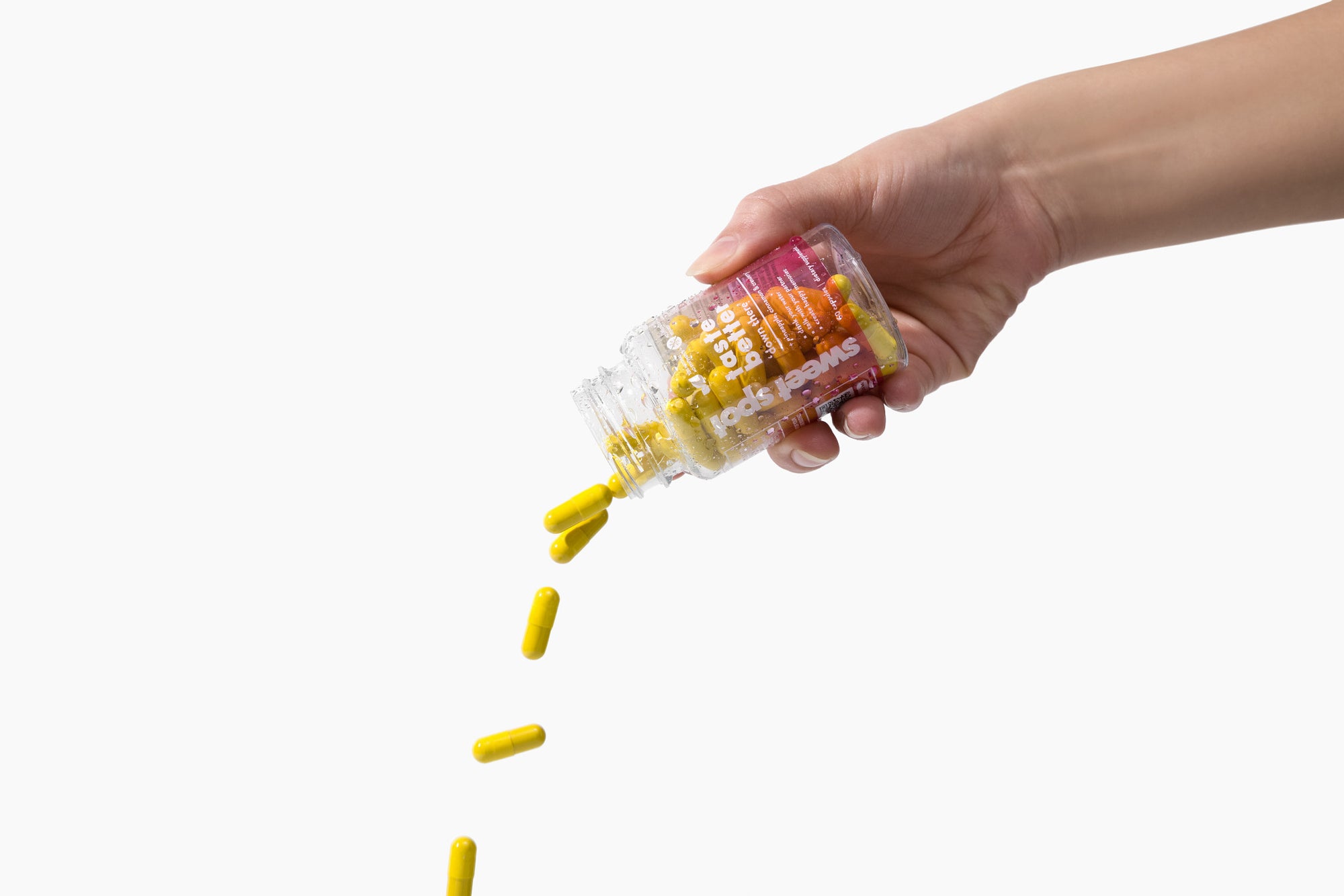
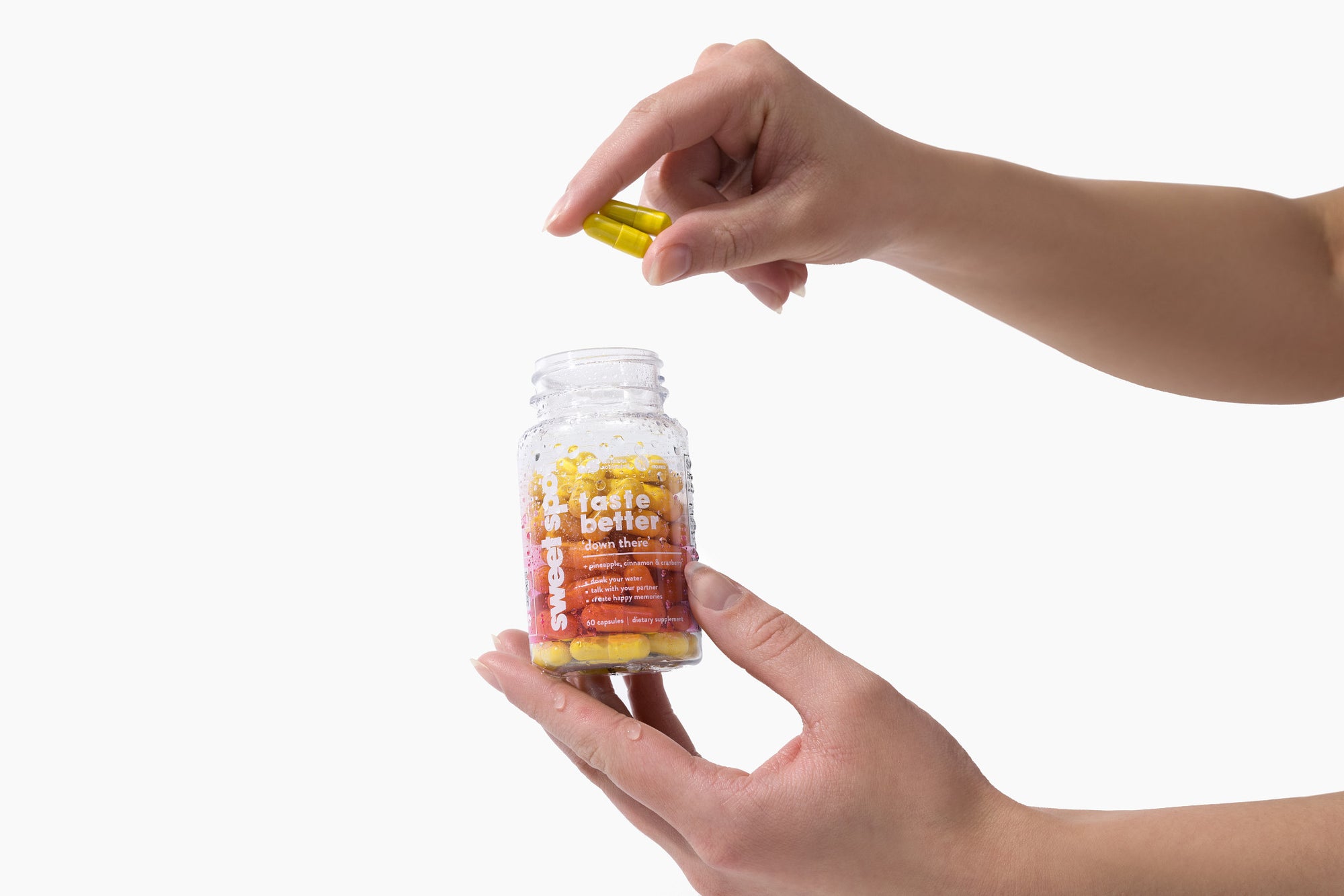
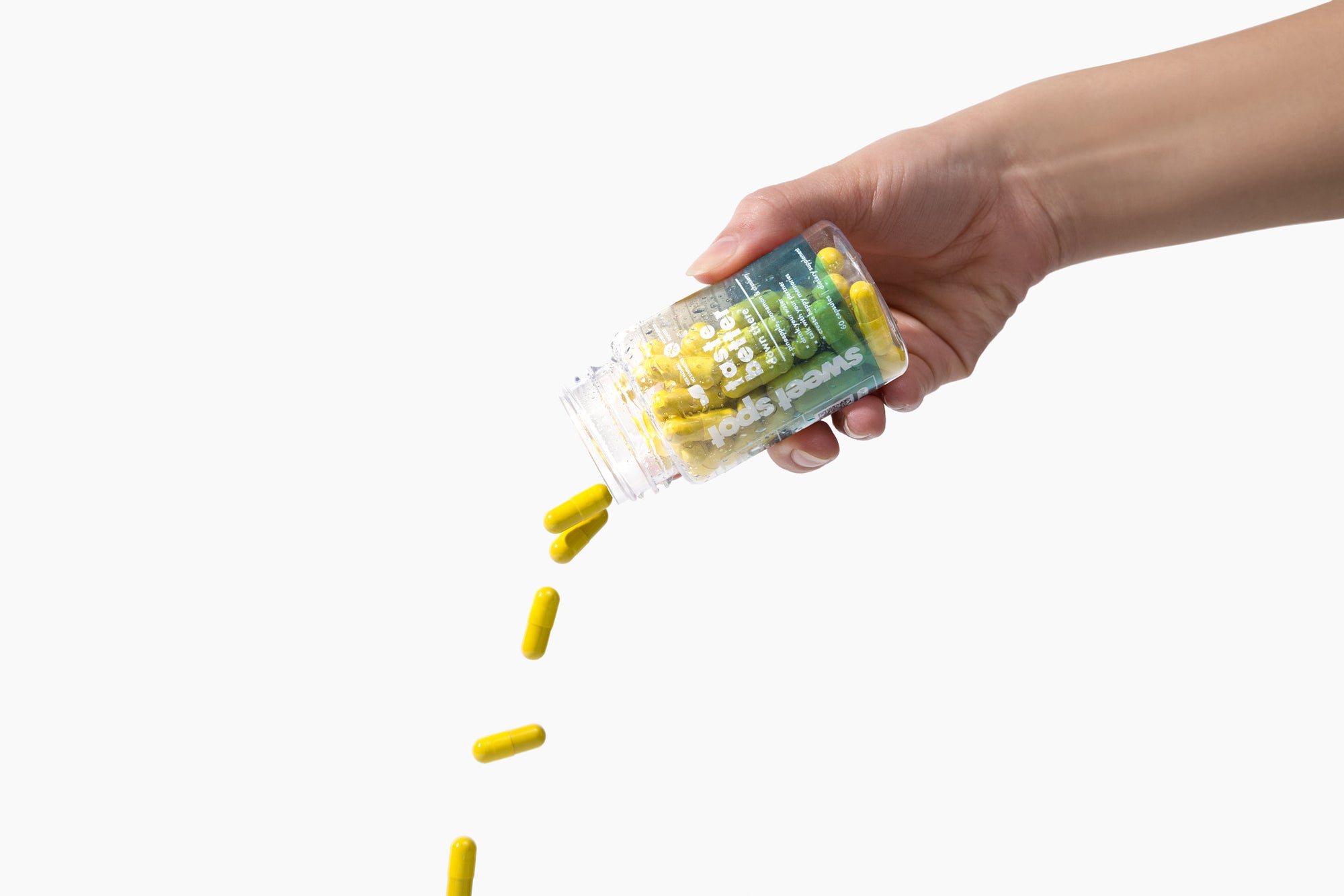
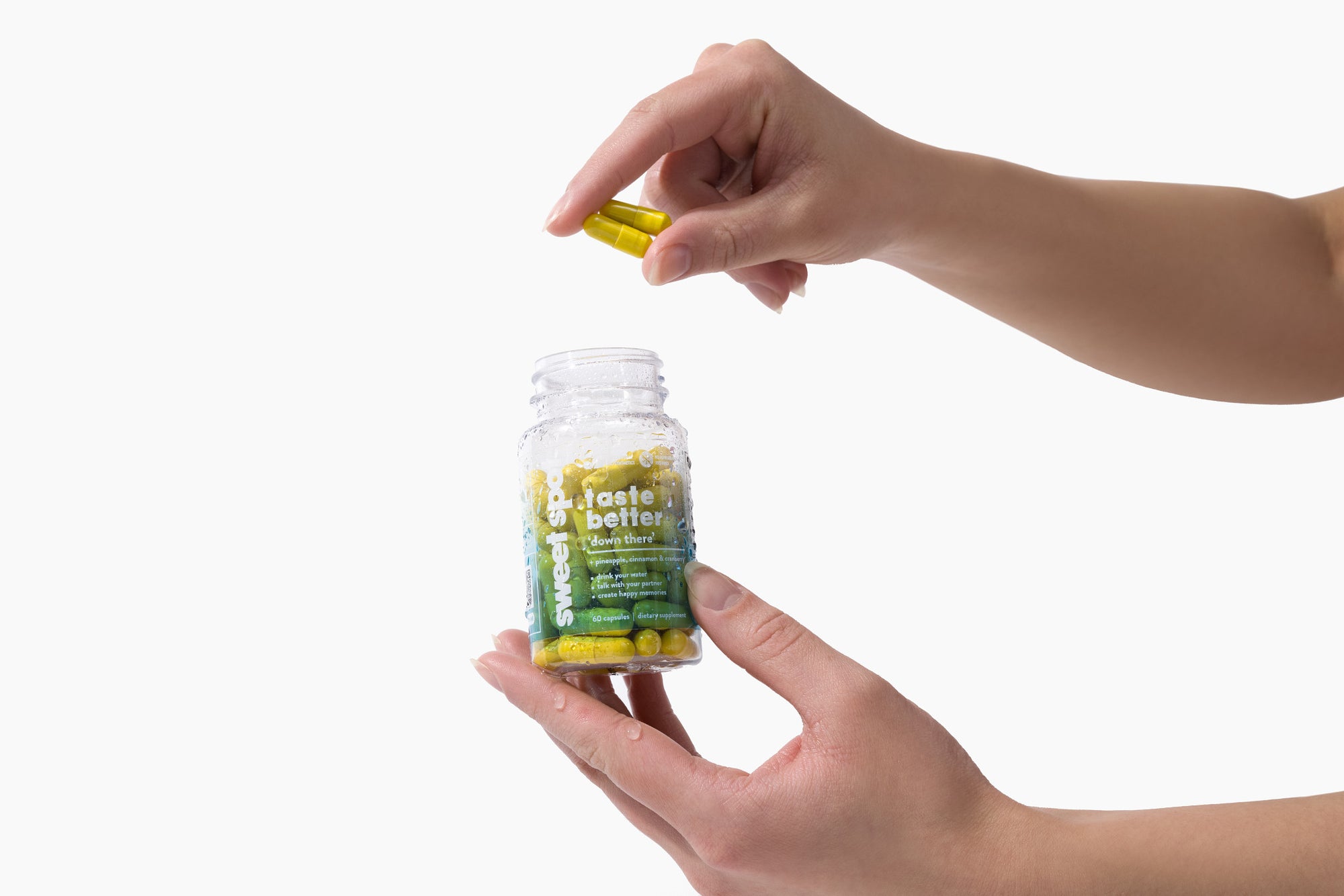
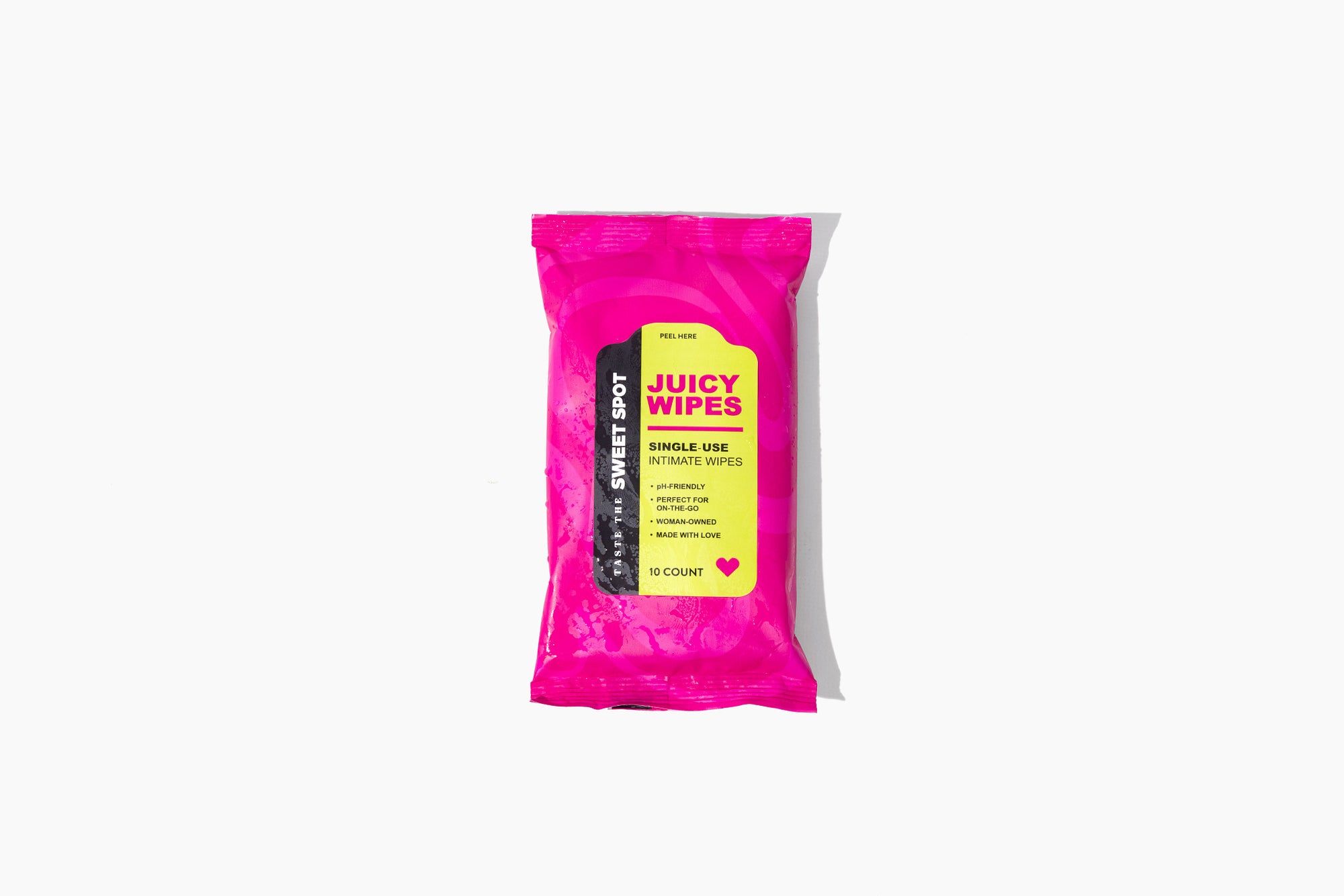
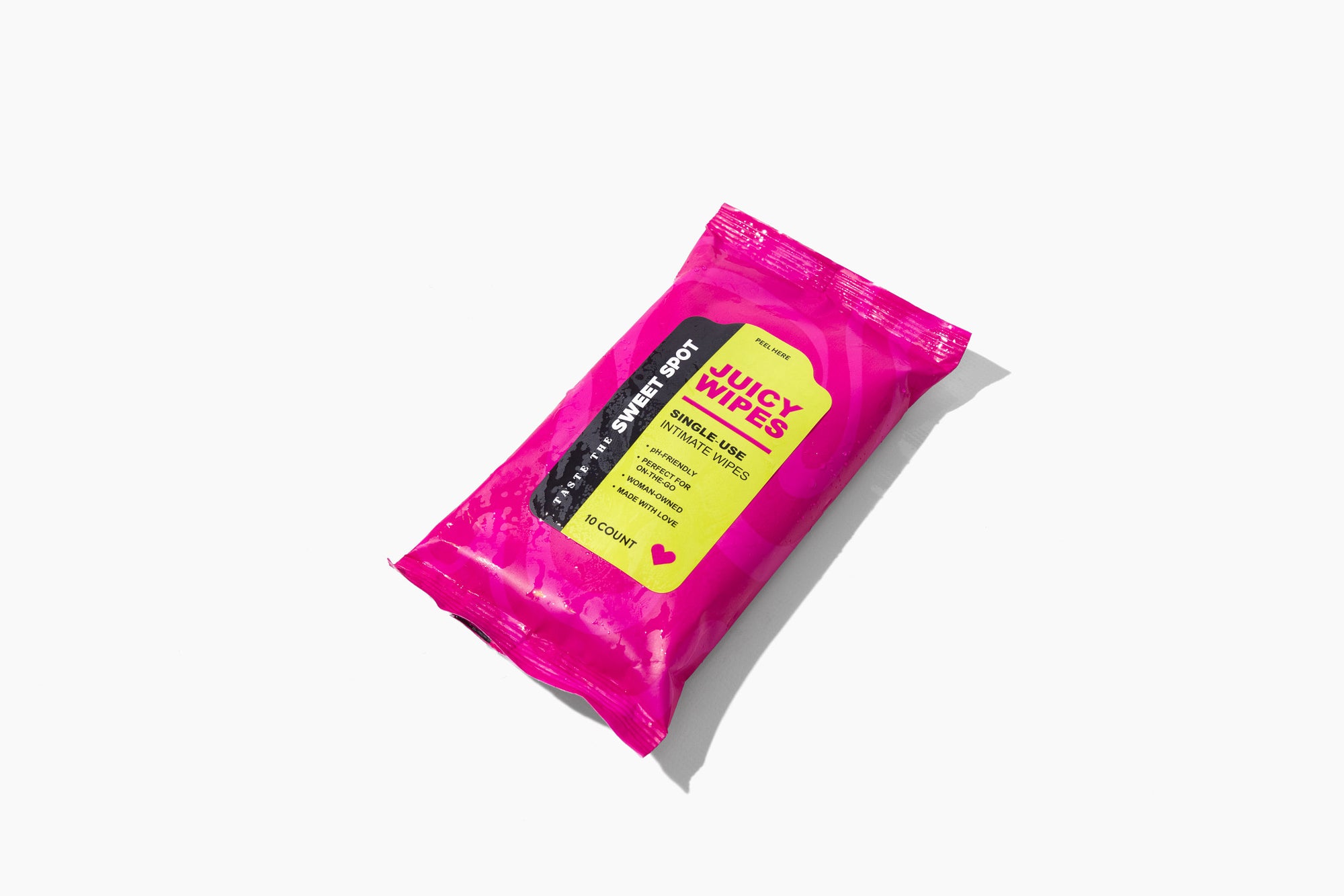
The pH-Balanced Intimate Wipes handle external freshness — flushable, aloe-infused, fragrance-free, gynecologist-tested. The FOR HER supplement supports internal balance with a pineapple extract and probiotic blend. Used together, they cover both sides of intimate freshness.
Frequently Asked Questions
Are intimate wipes safe to use daily?
Yes — provided they're pH-balanced, fragrance-free, and you're not using them excessively (3+ times daily long-term). The right wipes used reasonably support hygiene; the wrong wipes used excessively disrupt it.
Are flushable wipes really flushable?
Quality flushable wipes are designed to break down in water systems. Cheap "flushable" wipes often don't break down and contribute to plumbing issues. Look for wipes specifically labeled flushable AND biodegradable, with the brand standing behind both claims.
Can I use baby wipes for intimate use?
Generally not recommended. Most baby wipes are formulated for the slightly different pH of baby skin and often contain fragrances or detergents that aren't ideal for adult intimate use. A pH-balanced intimate wipe is purpose-built for the application.
Will wipes mess with my pH if I use them after sex?
Properly pH-balanced wipes won't disrupt your natural pH. Generic wipes or body-wipes can. The key is choosing wipes with a vaginal-appropriate pH range (4–5).
Are aloe vera wipes irritating?
Aloe vera is one of the most soothing additions you can have in an intimate wipe — it calms irritation and supports the skin barrier. The exception is if you have a specific aloe allergy, which is rare.
Can men use these wipes too?
Yes. The pH range is also compatible with male intimate skin. Anyone wanting on-the-go freshness without the harshness of regular wipes can use them.
What's the shelf life?
Sealed individually-wrapped wipes typically last 2–3 years. Once opened, use within 30 days of first opening. If you smell anything off when opening a wipe, discard it.
Will wipes alone fix odor issues?
Wipes handle the surface — they won't fix underlying chemistry imbalances. Persistent odor concerns usually point to something internal (pH imbalance, diet, possible infection) and may need both supplement support and potentially a doctor's input if symptoms persist.
The Bottom Line
Intimate wipes done right are a useful daily tool. Done wrong, they're irritating and disruptive. The shortlist for choosing well:
- pH-balanced (4–5 range)
- Fragrance-free
- Aloe vera and other soothing ingredients
- No alcohol, sulfates, parabens
- Flushable AND biodegradable
- Individually-wrapped for travel
Used reasonably alongside a daily supplement and good hydration, the right wipes are part of a complete freshness routine.
The Right Wipes — and the Right Internal Support
The pH-Balanced Intimate Wipes from Taste The Sweet Spot are formulated for daily use:
- pH-balanced (safe for sensitive skin)
- Flushable and biodegradable
- Infused with soothing aloe vera
- Fragrance-free and gynecologist-tested
- 30 individually-wrapped wipes per pack
Pair with the FOR HER supplement for internal pH and freshness support — the external + internal combination that handles both sides of intimate wellness.