

Medically reviewed for accuracy. Last updated February 2025.
Vaginal pH is one of the single most important — yet widely misunderstood — markers of intimate health. It influences everything from your susceptibility to infections, to the way you smell and feel, to your overall comfort and confidence. Yet most women have never had a conversation about pH with their doctor, their friends, or even themselves.
This guide changes that. We've compiled the latest peer-reviewed research, gynecological best practices, and practical advice into the most comprehensive resource on vaginal pH available anywhere. Whether you're dealing with recurring infections, curious about prevention, or simply want to understand your body better, this guide is for you.
What you'll learn:
- Exactly what vaginal pH is and why the 3.8–4.5 range matters
- The fascinating science of Lactobacillus and your vaginal microbiome
- 12 common causes of pH imbalance (and how to avoid each one)
- How to distinguish between BV, yeast infections, and normal discharge
- Step-by-step instructions for at-home pH testing
- 15+ evidence-based strategies for restoring and maintaining healthy pH
- How pH changes across every life stage — from puberty through menopause
- The impact of sex, medications, exercise, and diet on your vaginal environment
Chapter 1: What Is Vaginal pH and Why Does It Matter?
Understanding the pH Scale
The pH scale measures how acidic or alkaline (basic) a substance is, ranging from 0 (extremely acidic) to 14 (extremely alkaline), with 7 being neutral. To put this in everyday terms: lemon juice has a pH of about 2, pure water is 7, and baking soda is about 9.
Your vaginal environment is naturally acidic, typically falling between 3.8 and 4.5 on the pH scale. This acidity isn't a flaw or something that needs to be "fixed" — it's a brilliantly evolved defense mechanism that protects you from harmful bacteria, yeast overgrowth, and sexually transmitted infections.
Why Acidity Is Your Body's Shield
Think of your vaginal pH as a security system. When it stays in that optimal acidic range, it creates an environment where:
- Beneficial bacteria thrive — Lactobacillus species, the "good" bacteria, flourish in acidic conditions and actually produce the lactic acid that maintains this environment
- Harmful pathogens cannot survive — Most disease-causing bacteria, including those responsible for bacterial vaginosis (BV), prefer neutral or slightly alkaline environments
- Yeast is kept in check — Candida albicans (the fungus responsible for yeast infections) grows more aggressively when pH rises above 4.5
- STI transmission is reduced — Research published in the Journal of Infectious Diseases has shown that higher vaginal pH is associated with increased susceptibility to HIV, chlamydia, gonorrhea, and HPV
- Fertility is supported — While sperm requires a more alkaline environment to survive (and your body temporarily adjusts during ovulation), maintaining baseline acidity between fertile windows protects reproductive health
The Numbers That Matter
| pH Range | Classification | What It Means |
|---|---|---|
| 3.8 – 4.5 | Optimal / Healthy | Lactobacillus-dominant environment; strong natural defense against infection |
| 4.5 – 5.0 | Mildly elevated | Early sign of disruption; may not cause symptoms yet but warrants attention |
| 5.0 – 6.0 | Moderately elevated | Significant disruption; commonly associated with BV or other infections |
| 6.0 – 7.0+ | Highly elevated | Severe imbalance; often accompanied by strong symptoms; medical attention recommended |
It's important to note that pH can naturally fluctuate throughout your menstrual cycle. During menstruation, blood (which has a pH of about 7.4) can temporarily raise vaginal pH. Similarly, during ovulation, cervical mucus becomes slightly more alkaline to support sperm survival. These temporary fluctuations are completely normal — the concern arises when pH stays elevated outside of these natural windows.
Chapter 2: The Science of Lactobacillus and the Vaginal Microbiome
Your Vaginal Ecosystem: A World of Microorganisms
Your vagina is home to a complex community of microorganisms — bacteria, fungi, and viruses — collectively known as the vaginal microbiome. In a healthy state, this ecosystem is dominated by Lactobacillus species, which can comprise up to 95% of all vaginal bacteria.
The four most common Lactobacillus species found in the vagina are:
- Lactobacillus crispatus — Considered the most protective species; associated with the lowest rates of BV, STIs, and preterm birth. Women with L. crispatus-dominant microbiomes tend to have the most stable vaginal environments.
- Lactobacillus iners — The most common species overall, but considered less protective than L. crispatus. L. iners is more adaptable and can persist even during BV episodes, but it produces less lactic acid and hydrogen peroxide.
- Lactobacillus gasseri — A strong acid producer that contributes significantly to maintaining low pH. Less common but highly beneficial when present.
- Lactobacillus jensenii — Another protective species that produces both lactic acid and hydrogen peroxide, contributing to pathogen defense.
How Lactobacillus Protects You
Lactobacillus bacteria protect your vaginal health through several remarkable mechanisms:
1. Lactic Acid Production: Lactobacillus metabolizes glycogen (a sugar stored in vaginal epithelial cells) and produces lactic acid as a byproduct. This lactic acid is what maintains the acidic pH environment. Research has shown that lactic acid exists in two forms — D-lactic acid and L-lactic acid — and the D-form, produced primarily by L. crispatus, has particularly potent antimicrobial properties.
2. Hydrogen Peroxide Production: Several Lactobacillus species produce hydrogen peroxide (H₂O₂), which acts as a natural antiseptic. This creates a hostile environment for anaerobic bacteria (those that cause BV) and certain viruses.
3. Competitive Exclusion: By maintaining large populations, Lactobacillus physically occupies space along the vaginal walls, preventing harmful bacteria from establishing colonies. They literally crowd out the competition.
4. Bacteriocin Production: These are protein-based toxins produced by Lactobacillus that directly kill competing bacterial species. Think of them as targeted antimicrobial weapons.
5. Biofilm Prevention: Lactobacillus produces biosurfactants that prevent harmful bacteria from forming the protective biofilms that make infections like BV so difficult to treat and so prone to recurrence.
The Community State Types (CSTs)
Researchers have classified vaginal microbiomes into five major Community State Types:
| CST | Dominant Species | Characteristics |
|---|---|---|
| CST I | L. crispatus | Most stable and protective; lowest infection rates; pH typically 3.8–4.2 |
| CST II | L. gasseri | Protective; good acid production; moderate stability |
| CST III | L. iners | Common but less stable; can transition to CST IV more easily |
| CST IV | Mixed anaerobes | Low Lactobacillus; higher diversity; associated with BV; pH typically above 4.5 |
| CST V | L. jensenii | Protective; less common; good acid and H₂O₂ production |
The goal for optimal vaginal health is to support a Lactobacillus-dominant microbiome — ideally CST I or CST V — through the lifestyle, dietary, and supplementation strategies outlined later in this guide.
Chapter 3: 12 Causes of Vaginal pH Imbalance
Understanding what disrupts your pH is the first step toward protecting it. Here are the most common culprits, ranked roughly by how frequently they cause problems:
1. Antibiotics
Antibiotics are the single most common medical cause of vaginal pH disruption. While they're designed to kill harmful bacteria, they don't discriminate — they also destroy the beneficial Lactobacillus that maintain your vaginal acidity. A single course of broad-spectrum antibiotics can reduce Lactobacillus populations by up to 90%, and it can take weeks or even months for levels to fully recover. This is why yeast infections and BV so commonly follow antibiotic treatment for completely unrelated conditions like sinus infections or UTIs.
What to do: If you must take antibiotics, consider taking oral probiotics containing Lactobacillus rhamnosus and Lactobacillus reuteri during and for at least two weeks after your course. Talk to your doctor about whether a vaginal probiotic might also be appropriate.
2. Unprotected Sexual Intercourse
Semen has a pH of 7.2 to 8.0 — significantly more alkaline than the vaginal environment. When semen is deposited in the vagina, it temporarily raises vaginal pH, sometimes for 8 to 12 hours. While this is a natural process (sperm actually requires this alkaline shift to survive), frequent exposure to semen — especially without time for recovery between encounters — can lead to sustained pH elevation. Studies have found that women who have frequent unprotected sex have significantly higher rates of BV.
What to do: Consider using condoms, especially if you're prone to pH-related issues. If you prefer unprotected sex with a trusted partner, urinate afterward and allow your body time to naturally restore pH. Supplements designed to support vaginal pH, like Sweet Spot for Her, can also help your body bounce back more efficiently.
3. Douching
Despite being marketed as a hygiene product, douching is one of the most destructive things you can do to your vaginal pH. It physically flushes out Lactobacillus bacteria and introduces alkaline solutions directly into the vaginal canal. The American College of Obstetricians and Gynecologists (ACOG), the CDC, and virtually every major medical organization strongly advise against douching. Studies show that women who douche regularly are five times more likely to develop BV and have significantly higher rates of pelvic inflammatory disease (PID), ectopic pregnancy, and cervical cancer.
What to do: Stop douching completely. Your vagina is self-cleaning. Warm water on the external vulva is all you need for daily hygiene.
4. Hormonal Changes
Estrogen plays a crucial role in maintaining vaginal acidity. It stimulates the production of glycogen in vaginal epithelial cells — the same glycogen that Lactobacillus metabolizes to produce lactic acid. When estrogen levels drop (during menstruation, postpartum, breastfeeding, perimenopause, and menopause), glycogen production decreases, Lactobacillus populations decline, and pH rises. This is why vaginal infections and dryness become more common during these hormonal transitions.
What to do: During hormonal transitions, be extra vigilant about supporting your vaginal health through diet, probiotics, and possibly hormonal treatments (discuss with your doctor). Vaginal estrogen therapy can be particularly effective for menopausal women.
5. Harsh Soaps and Cleansers
Most commercial soaps, body washes, and even many products marketed as "feminine hygiene" products have a pH of 8 to 10 — far more alkaline than your vaginal environment. Using these products in or around the vagina strips away the protective acid mantle and disrupts the microbiome. Fragranced products are even worse, as the chemical compounds in artificial fragrances can directly irritate vaginal tissue and alter bacterial populations.
What to do: Use only warm water on the vulva. If you feel you need a cleanser, choose one specifically formulated with a pH of 3.5 to 4.5 and free of fragrances, dyes, and sulfates. Never use any soap inside the vaginal canal.
6. Diet and Blood Sugar
What you eat directly influences your vaginal pH. Diets high in refined sugar and processed carbohydrates can promote yeast overgrowth (Candida feeds on sugar) and alter the vaginal microbiome. Conversely, diets rich in probiotic foods, fiber, and nutrients that support beneficial bacteria help maintain optimal pH. Women with uncontrolled diabetes or insulin resistance are particularly vulnerable to pH disruption because elevated blood sugar creates a systemic environment that favors pathogenic organisms.
What to do: Focus on a whole-foods diet rich in vegetables, lean proteins, fermented foods, and adequate fiber. Limit refined sugars and processed foods. If you have diabetes, work with your healthcare team to optimize blood sugar control.
7. Tight, Non-Breathable Clothing
Tight jeans, synthetic underwear, leggings, and shapewear trap heat and moisture against the vulvar and vaginal area. This warm, moist environment shifts conditions in favor of yeast and harmful bacteria while making it harder for Lactobacillus to maintain dominance. Staying in wet swimsuits or sweaty workout clothes compounds this effect significantly.
What to do: Choose cotton or moisture-wicking underwear. Change out of sweaty workout clothes and wet swimsuits promptly. Consider going commando at night to allow airflow. Opt for looser-fitting bottoms when possible.
8. Stress and Cortisol
Chronic stress raises cortisol levels, which in turn suppresses immune function and can alter the vaginal microbiome. Research published in Psychosomatic Medicine found that women reporting high psychosocial stress had significantly lower Lactobacillus concentrations and higher rates of BV. Stress also disrupts sleep, increases sugar cravings, and can alter hormonal balance — all of which indirectly affect vaginal pH.
What to do: Prioritize stress management through regular exercise, adequate sleep, mindfulness practices, therapy, or whatever works for your lifestyle. Recognize that vaginal health is connected to your overall mental and physical wellbeing.
9. Menstrual Blood and Period Products
Menstrual blood has a pH of approximately 7.4, which significantly raises vaginal pH during your period. This is a normal, temporary shift that your body is designed to handle. However, certain period products can extend or worsen this disruption. Tampons absorb not just blood but also vaginal moisture and beneficial bacteria. Scented pads and tampons introduce chemical irritants. Leaving any product in too long creates a breeding ground for harmful bacteria.
What to do: Change tampons and pads frequently (every 4-6 hours). Consider unscented, organic cotton products. Menstrual cups, while not right for everyone, may be less disruptive to vaginal pH than tampons. Taking a probiotic supplement during and right after your period can help your microbiome recover more quickly.
10. Swimming Pools and Hot Tubs
Chlorinated water in swimming pools typically has a pH of 7.2 to 7.8, and the chlorine itself acts as an antimicrobial that doesn't distinguish between harmful and beneficial bacteria. Hot tubs are even more problematic — the warm, chemically treated water creates ideal conditions for pH disruption. Bromine, commonly used in hot tubs, can be particularly irritating to vaginal tissue.
What to do: Rinse your vulvar area with clean water immediately after swimming. Remove wet swimsuits as soon as possible. Avoid sitting in hot tubs for extended periods. Consider using a barrier like a waterproof liner if you swim frequently.
11. Hormonal Birth Control
Hormonal contraceptives — including the pill, patch, ring, and hormonal IUDs — alter your body's natural estrogen and progesterone balance. While the effects vary by individual and by method, some women experience vaginal pH changes when starting, stopping, or switching hormonal birth control. The copper IUD, while non-hormonal, has been associated with changes in menstrual flow that can temporarily affect pH.
What to do: If you notice vaginal symptoms after starting a new birth control method, discuss it with your healthcare provider. Keep a symptom diary to identify patterns. Supporting your vaginal microbiome with probiotics and a healthy diet can help offset any birth control-related disruption.
12. New Sexual Partners
Research consistently shows that having new or multiple sexual partners is associated with increased risk of BV and vaginal pH disruption. This isn't a moral judgment — it's microbiology. Every person's genital area has its own unique bacterial ecosystem, and introducing new bacterial populations can destabilize your vaginal microbiome. Penile bacteria, in particular, can directly alter the vaginal bacterial community. A 2020 study in the New England Journal of Medicine found compelling evidence that BV-associated bacteria can be sexually transmitted between partners.
What to do: Use condoms with new partners. Ensure both you and your partner practice good hygiene. Support your vaginal microbiome proactively if you're in a period of dating. The Partner Pack can help both you and a partner maintain optimal intimate wellness.
Chapter 4: Symptoms of pH Imbalance — How to Tell What's Going On
Common Signs Your pH May Be Off
Your body gives you signals when vaginal pH is disrupted. The key symptoms to watch for include:
- Unusual odor — A "fishy" smell is the hallmark of bacterial vaginosis and elevated pH. Mild, musky odors are normal; strong, foul, or fishy odors are not.
- Changes in discharge — Color, consistency, and volume changes can all indicate pH disruption. Gray, green, yellow, or chunky white discharge warrants attention.
- Itching or irritation — While itching can have many causes, persistent vaginal or vulvar itching often signals a pH-related infection.
- Burning during urination — pH imbalance can cause inflammation that leads to a burning sensation when urine contacts irritated tissue.
- Pain during intercourse — Disrupted pH can lead to inflammation, dryness, or infection that makes sex uncomfortable.
- General discomfort — A persistent feeling that "something is off" down there shouldn't be ignored.
BV vs. Yeast Infection vs. Normal: The Comparison Table
One of the most common sources of confusion is distinguishing between bacterial vaginosis, a yeast infection, and normal vaginal function. Here's a detailed comparison:
| Characteristic | Normal / Healthy | Bacterial Vaginosis (BV) | Yeast Infection |
|---|---|---|---|
| pH Level | 3.8 – 4.5 | Above 4.5 (often 5.0 – 6.0+) | Usually normal or slightly elevated (4.0 – 4.7) |
| Discharge Color | Clear to milky white | Gray, white, or greenish | White (often bright white) |
| Discharge Consistency | Thin to slightly thick; varies with cycle | Thin, watery, homogeneous coating | Thick, clumpy, "cottage cheese"-like |
| Odor | Mild, slightly musky (varies throughout cycle) | Strong, fishy odor (especially after sex) | Usually odorless or mild yeasty/bread-like |
| Itching | None or mild, occasional | Mild or none | Intense itching, often the primary symptom |
| Burning | None | Mild burning, especially during urination | Burning during urination and/or sex |
| Redness / Swelling | None | Usually none or mild | Often significant vulvar redness and swelling |
| Cause | N/A | Overgrowth of anaerobic bacteria (Gardnerella, Prevotella, etc.) | Overgrowth of Candida (usually C. albicans) |
| Primary Treatment | N/A | Antibiotics (metronidazole or clindamycin) | Antifungals (fluconazole or topical azoles) |
| Recurrence Rate | N/A | Very high — up to 50% within 12 months | Moderate — about 40% experience recurrence |
Important: Self-diagnosis can be unreliable. Studies show that women correctly identify the type of vaginal infection only about 30-50% of the time. If you're experiencing persistent or severe symptoms, always see a healthcare provider for proper testing and diagnosis.
Chapter 5: How to Test Your Vaginal pH at Home
What You'll Need
At-home vaginal pH testing is simple, affordable, and can provide valuable information about your vaginal health. Here's what you need and how to do it:
- Vaginal pH test strips — Available at most pharmacies and online. Look for strips that measure in the 3.0–6.0 range for the most accurate vaginal readings. Brand examples include "vH essentials" and "Vagisil Screening Kit."
- Clean hands
- Privacy and a few minutes
Step-by-Step Testing Instructions
Step 1: Wash your hands thoroughly with unscented soap and dry them completely.
Step 2: Choose the right time. Don't test during your period, within 24 hours of intercourse, or right after using any vaginal products. These can all give false readings. The ideal time is mid-cycle, at least 48 hours after sex, with no recent use of vaginal medications or lubricants.
Step 3: Position yourself comfortably. You can sit on the toilet, squat, or stand with one foot elevated — whatever gives you easy access.
Step 4: Insert the test strip. Gently place the pH strip against the vaginal wall (about 1-2 inches inside the vaginal opening). Hold it there for 5 seconds to ensure adequate contact with vaginal fluid. Do not touch the strip to your cervix, as cervical mucus has a different pH than vaginal fluid.
Step 5: Remove and read immediately. Compare the color of the strip to the included color chart within 1 minute of removal. The colors typically range from yellow/orange (acidic, lower pH) to green/blue (alkaline, higher pH).
Step 6: Record your results. Note the date, your pH reading, any symptoms, and where you are in your menstrual cycle. Tracking over time is far more valuable than a single reading.
Interpreting Your Results
| Your Reading | What It Likely Means | Action to Take |
|---|---|---|
| 3.8 – 4.5 | Healthy range; your vaginal microbiome is likely balanced | Maintain your current routine; continue healthy habits |
| 4.5 – 5.0 | Slightly elevated; possible early disruption | Focus on pH-supportive diet, probiotics, and hygiene; retest in a few days |
| 5.0 – 6.5 | Significantly elevated; possible infection | If accompanied by symptoms (odor, discharge changes), see a healthcare provider |
| Above 6.5 | Highly elevated; likely infection or significant disruption | See a healthcare provider promptly for testing and treatment |
Pro tip: Test yourself when you're feeling completely normal and healthy to establish your personal baseline. Everyone's body is slightly different, and knowing your typical pH makes it easier to spot changes early.
Support Your pH Balance Daily
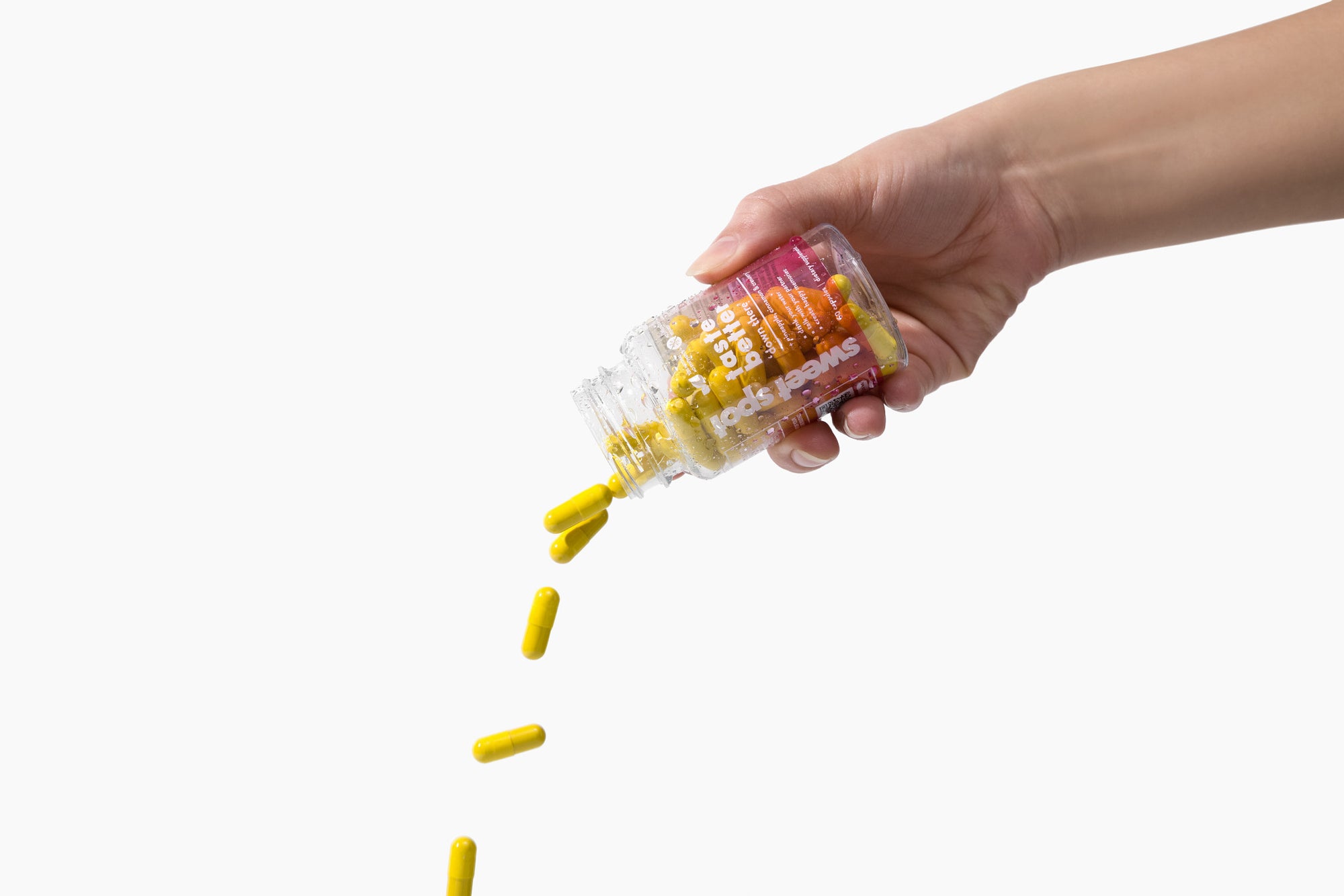
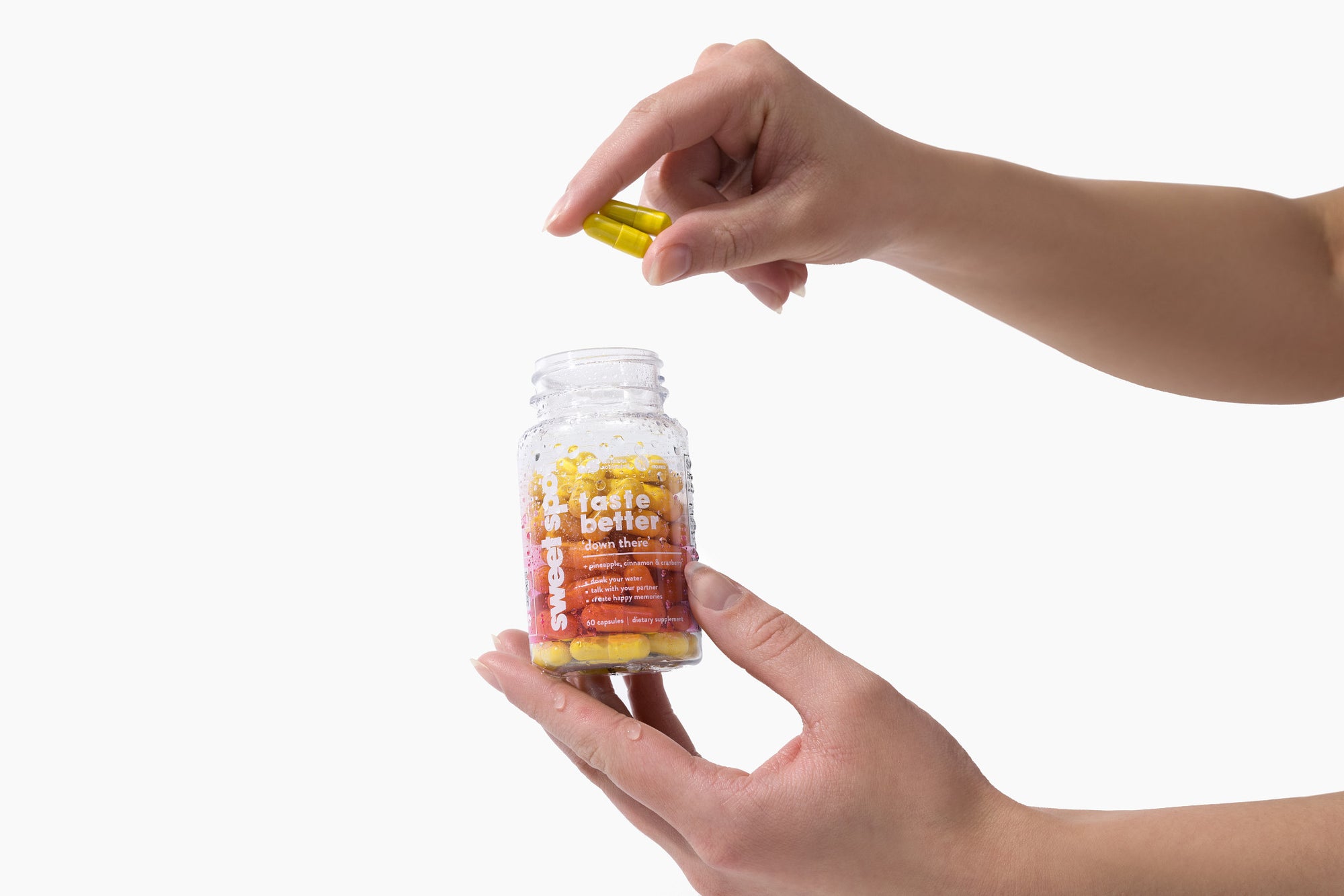
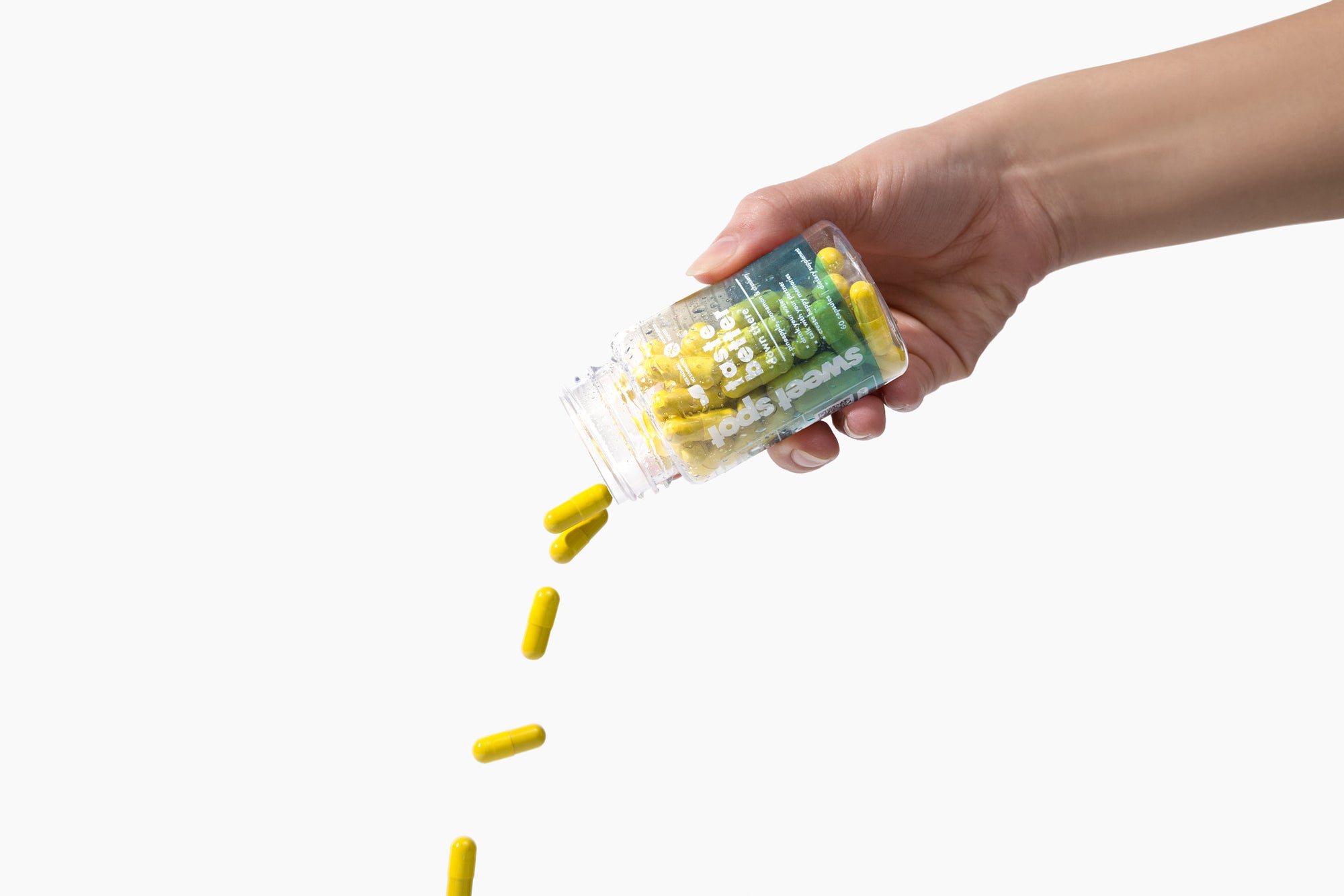
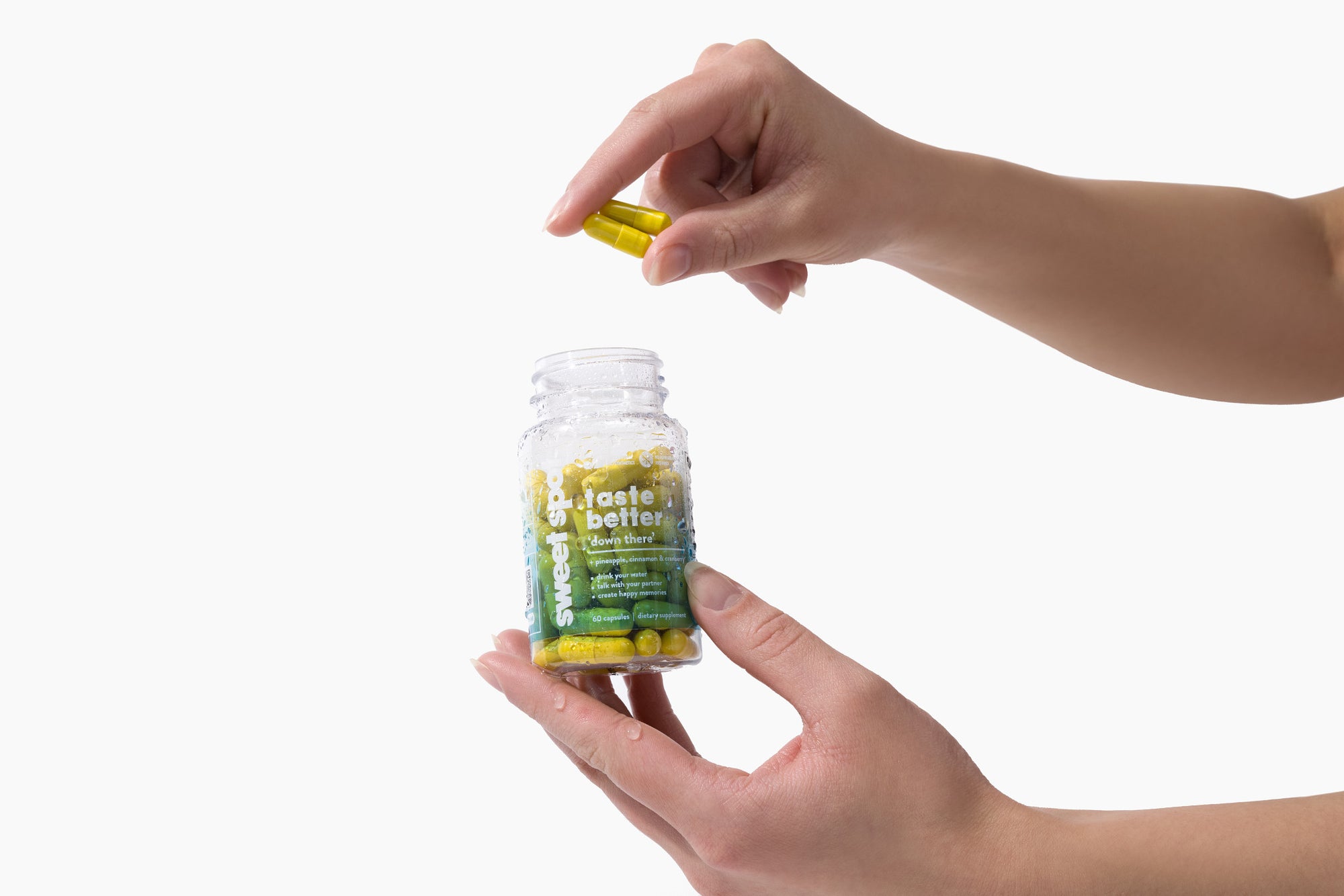
Sweet Spot for Her is formulated with scientifically-backed ingredients that support vaginal microbiome health, healthy pH levels, and natural taste and odor. It works from the inside out — exactly where pH balance begins.
Chapter 6: 15+ Natural Ways to Restore and Maintain Healthy Vaginal pH
Whether you're recovering from an infection, trying to prevent recurrence, or simply optimizing your intimate health, these evidence-based strategies can help you achieve and maintain a healthy vaginal pH.
1. Eat Probiotic-Rich Foods Daily
Fermented foods like plain yogurt (with live active cultures), kefir, sauerkraut, kimchi, miso, tempeh, and kombucha introduce beneficial Lactobacillus and other probiotic bacteria into your digestive system. While the exact mechanism by which gut probiotics influence vaginal health is still being studied, research suggests a strong gut-vaginal axis — bacteria from the digestive tract can colonize the vagina through anatomical proximity. A 2019 meta-analysis found that women who regularly consumed probiotic yogurt had significantly lower rates of BV.
2. Take a Targeted Probiotic Supplement
For more concentrated support, consider a probiotic supplement specifically formulated for vaginal health. Look for products containing Lactobacillus rhamnosus GR-1 and Lactobacillus reuteri RC-14 — these are the two most clinically studied strains for vaginal health, with over 25 years of research supporting their efficacy. Other beneficial strains include L. crispatus, L. acidophilus, and L. plantarum. Aim for at least 1-10 billion CFU (colony forming units) per day.
3. Increase Prebiotic Fiber Intake
Prebiotics are non-digestible fibers that feed beneficial bacteria. Foods rich in prebiotics include garlic, onions, leeks, asparagus, bananas, oats, flaxseeds, and chicory root. By feeding the good bacteria in your gut (which in turn support vaginal bacteria), prebiotics create a systemic environment that favors Lactobacillus dominance.
4. Stay Hydrated
Adequate water intake supports all mucous membranes, including vaginal tissue. When you're dehydrated, vaginal moisture decreases, the concentration of protective secretions changes, and the mucosal barrier weakens. Aim for at least 8 glasses (64 ounces) of water per day, more if you're active or live in a hot climate. Proper hydration also helps dilute and flush toxins that can disrupt the vaginal environment.
5. Eat More Fruits and Vegetables
A diet rich in fruits and vegetables provides antioxidants, vitamins, and minerals that support immune function and tissue health. Citrus fruits (oranges, grapefruits, lemons) are particularly beneficial due to their vitamin C content, which has been shown to lower vaginal pH when taken as a supplement. Cranberries contain proanthocyanidins that prevent harmful bacteria from adhering to mucosal surfaces. Leafy greens provide folate, which supports healthy cell turnover in vaginal tissue.
6. Limit Sugar and Refined Carbohydrates
High sugar intake promotes Candida (yeast) overgrowth and feeds harmful bacteria. Refined carbohydrates (white bread, pasta, pastries) are rapidly converted to sugar in your body. Reducing your intake of these foods can significantly improve your vaginal microbiome composition. This doesn't mean you need to eliminate sugar entirely — just be mindful of excess consumption, especially if you're prone to yeast infections.
7. Choose Cotton Underwear and Breathable Fabrics
Cotton is naturally breathable and absorbs moisture, keeping the vulvar area dry. Synthetic fabrics (polyester, nylon, spandex) trap heat and moisture, creating conditions that favor yeast and harmful bacteria. Choose cotton or cotton-gusset underwear for daily wear. When exercising, opt for moisture-wicking fabrics designed for active use, and change out of them promptly after your workout.
8. Practice Proper Front-to-Back Hygiene
Always wipe front to back after using the bathroom. This prevents the introduction of fecal bacteria (particularly E. coli) from the rectal area into the vaginal area. This simple habit is one of the most effective prevention strategies for both UTIs and vaginal pH disruption. Teach this to daughters and young girls from the start of toilet training.
9. Use Condoms During Sex
Condoms provide a barrier that prevents direct exposure of the vaginal environment to semen (pH 7.2-8.0) and to any bacteria from a partner's genitals. This is especially important with new partners or if you're prone to post-sex BV. If you and your long-term partner prefer unprotected sex, the other strategies in this list become even more important for maintaining pH balance.
10. Try Vitamin C Vaginal Suppositories
Ascorbic acid (vitamin C) vaginal tablets have been shown in clinical trials to lower vaginal pH directly. A study published in the European Journal of Obstetrics, Gynecology, and Reproductive Biology found that daily vaginal vitamin C tablets were as effective as antibiotics at preventing BV recurrence over six months. Look for products specifically designed for vaginal use — do not insert regular vitamin C tablets, as these may contain fillers that irritate tissue.
11. Include Garlic in Your Diet
Garlic contains allicin, a compound with natural antimicrobial properties. While eating garlic won't directly change your vaginal pH, it supports immune function and provides prebiotic fiber for beneficial bacteria. Note: We're talking about eating garlic, not inserting it vaginally. Despite popular internet advice, inserting garlic into the vagina is not recommended by medical professionals and can cause irritation and burns.
12. Manage Stress Actively
As discussed earlier, chronic stress disrupts hormonal balance and immune function, both of which affect vaginal pH. Regular exercise, meditation, yoga, deep breathing, adequate sleep (7-9 hours per night), and social connection all help manage stress. Even 10 minutes of daily mindfulness practice has been shown to reduce cortisol levels measurably.
13. Take a Daily Intimate Wellness Supplement
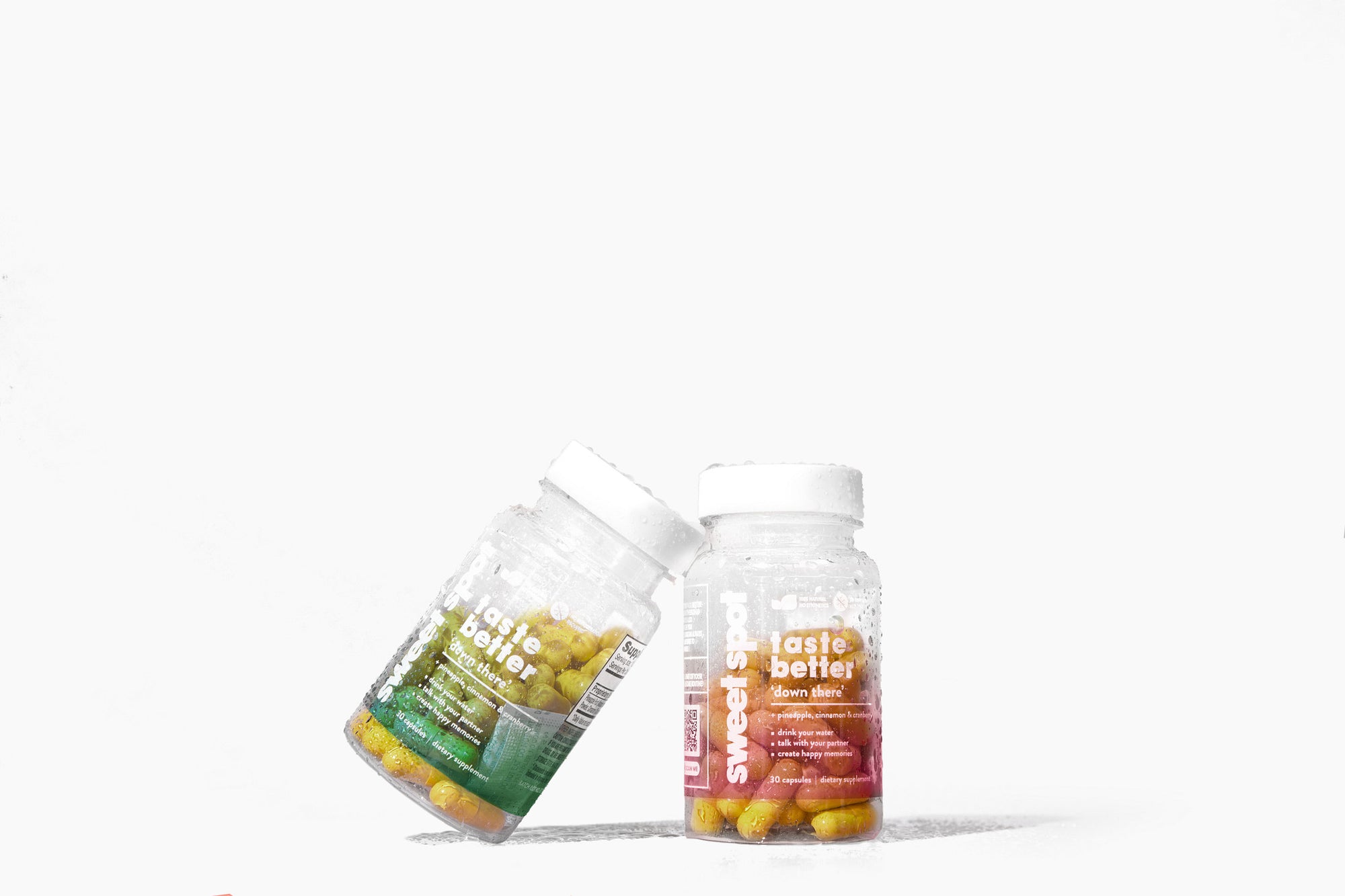
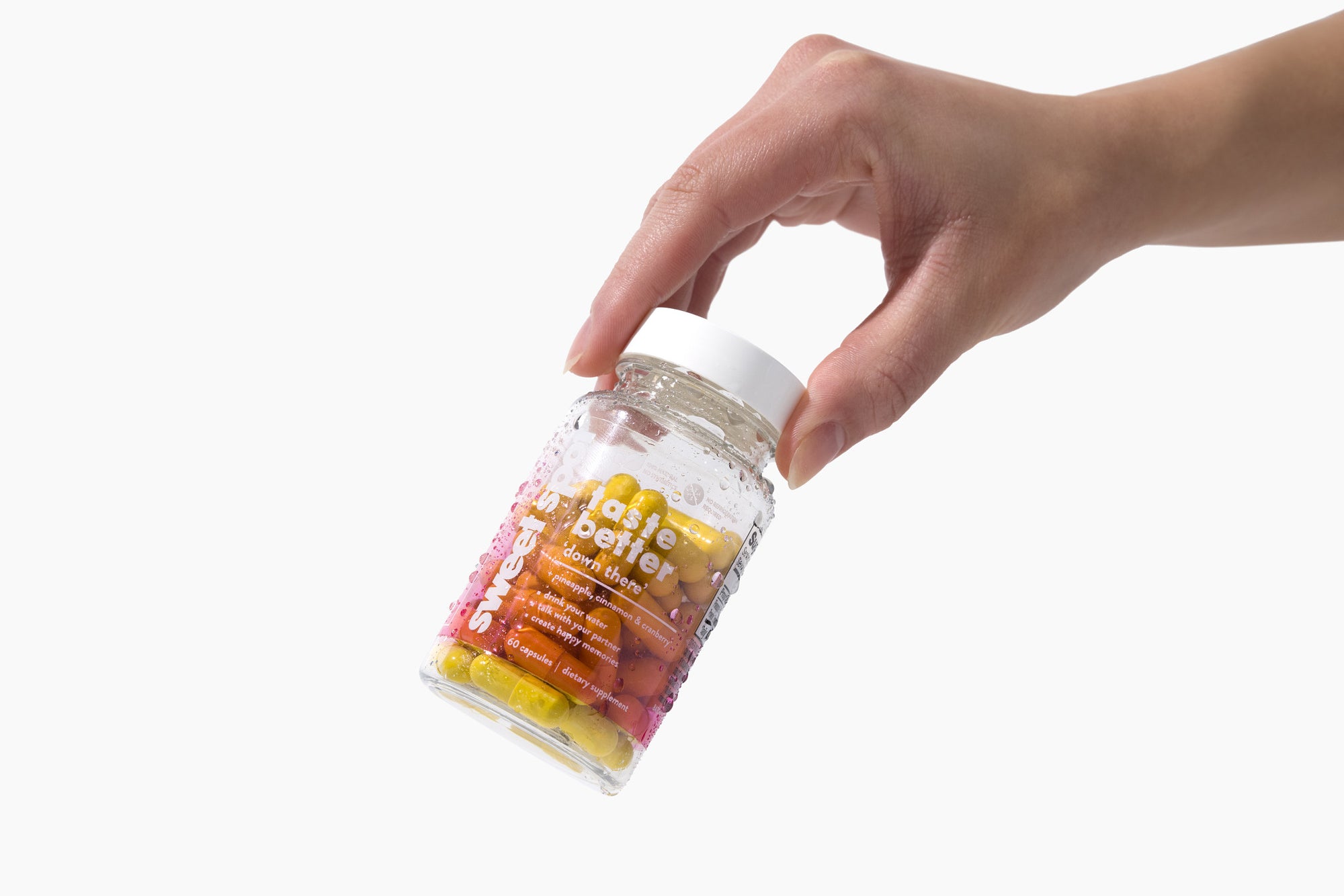
Specialized supplements can provide concentrated support for vaginal pH and microbiome health. Look for supplements containing ingredients like cranberry extract (for anti-adhesion properties), probiotics (for Lactobacillus support), vitamin C (for pH acidification), vitamin D (for immune support), and folic acid (for mucosal health). Sweet Spot for Her combines many of these key ingredients in one daily supplement designed specifically for vaginal wellness.
14. Avoid Unnecessary Vaginal Products
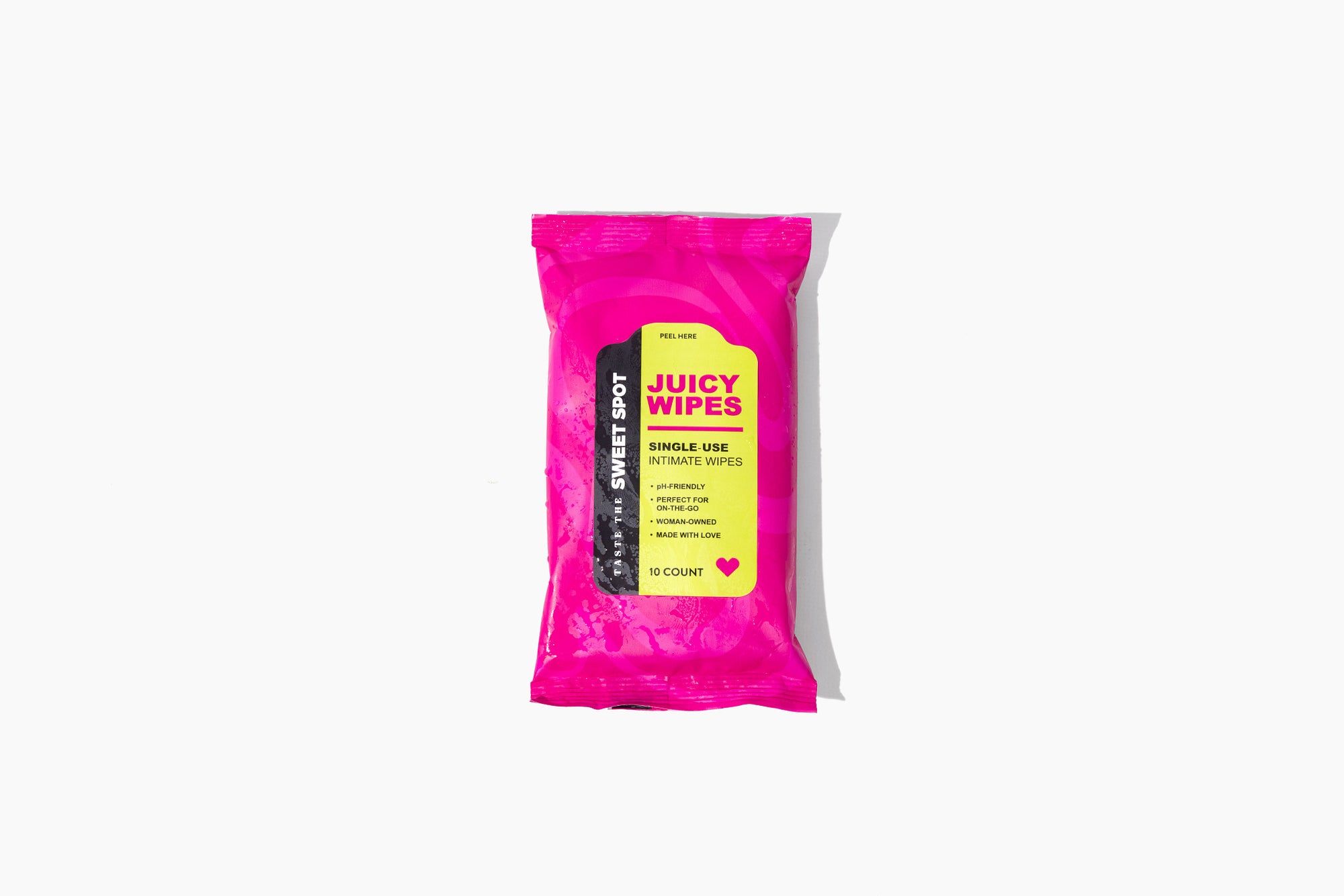
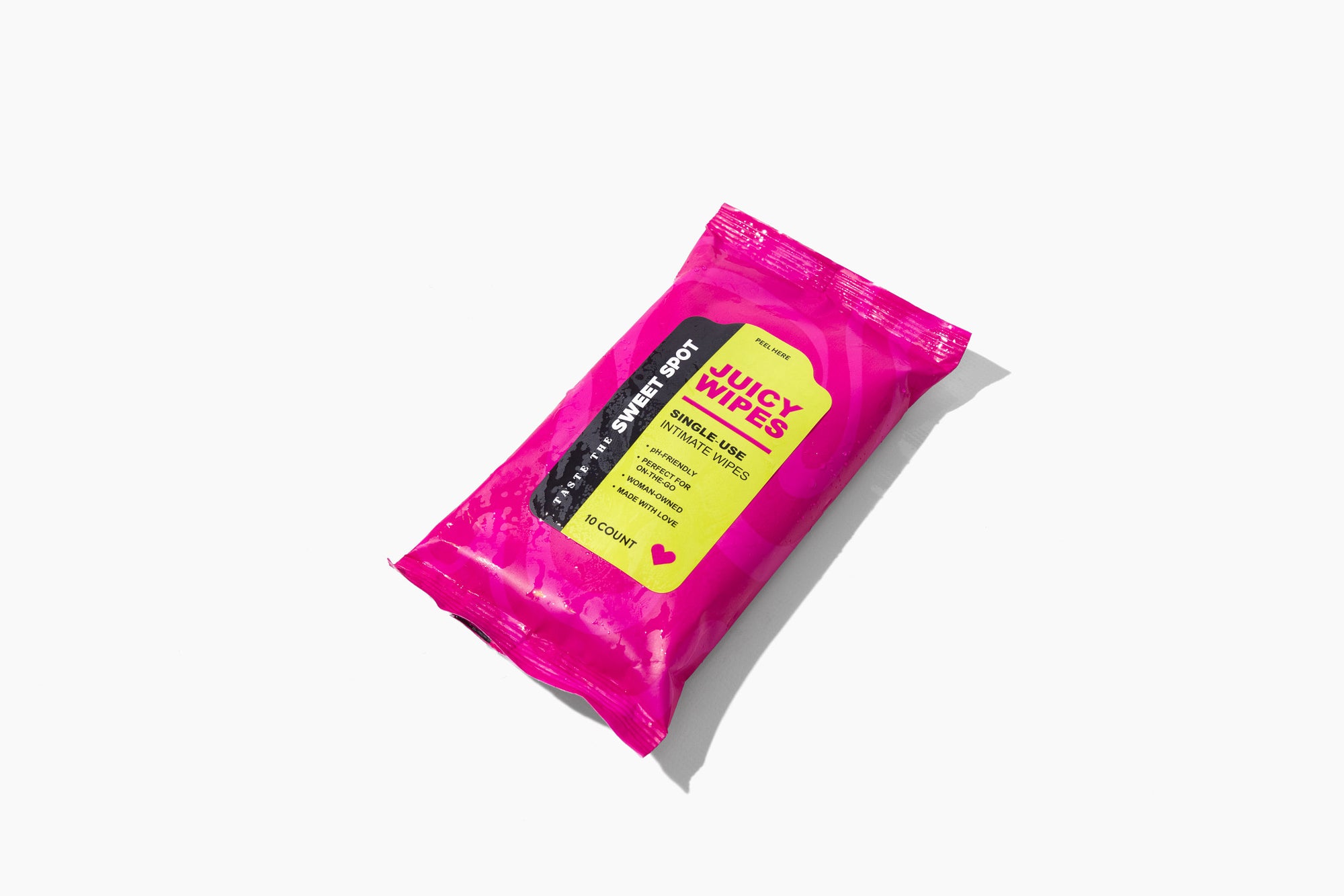
Vaginal deodorants, sprays, scented wipes, perfumed lubricants, and "freshening" products do more harm than good. They disrupt the natural microbiome, alter pH, and can cause allergic reactions and chemical irritation. If you feel you need external cleansing beyond water, use only pH-balanced, fragrance-free products specifically tested for intimate use, like pH-balanced Intimate Wipes.
15. Don't Sit in Wet Clothes
Change out of wet swimsuits, sweaty workout clothes, and damp underwear as quickly as possible. Prolonged moisture exposure creates an ideal environment for yeast overgrowth and bacterial disruption. Keep a change of clean, dry underwear in your gym bag and beach bag.
16. Consider Apple Cider Vinegar Baths (Cautiously)
Some women find that adding 1-2 cups of raw, unfiltered apple cider vinegar to a warm bath (not hot) helps support vaginal pH. The acetic acid in ACV has a pH of about 2-3, which can help create a mildly acidic environment when diluted in bath water. However, the evidence for this is largely anecdotal. Never apply undiluted ACV directly to vaginal tissue, and never douche with ACV — both can cause severe chemical burns.
17. Get Regular Exercise
Moderate, regular exercise supports immune function, reduces stress hormones, improves circulation (including to pelvic tissues), and helps maintain healthy weight — all of which indirectly support vaginal pH balance. Aim for 150 minutes of moderate exercise per week. The key word is "moderate" — excessive, intense exercise without adequate recovery can actually increase cortisol and suppress immune function.
Chapter 7: Vaginal pH Through Every Life Stage
Your vaginal pH isn't static — it changes naturally throughout your life in response to hormonal shifts. Understanding these changes helps you know what to expect and how to support your body at every stage.
Childhood and Pre-Puberty (Before ~Age 11)
Before puberty, vaginal pH is relatively neutral to slightly alkaline (6.0–7.0). This is because pre-pubertal girls have very low estrogen levels, which means minimal glycogen production and fewer Lactobacillus bacteria. The vaginal walls are thinner and more vulnerable to irritation. pH support at this stage focuses on basic hygiene education: proper wiping technique, avoiding harsh soaps, and wearing cotton underwear.
Puberty and Teens (Ages ~11-18)
As estrogen rises during puberty, vaginal pH drops into the acidic range (3.8–4.5) for the first time. This transition involves the development of the Lactobacillus-dominant microbiome. Teens may notice new vaginal discharge — this is completely normal and is a sign that the vaginal self-cleaning system is activating. This is an important time for education about what's normal and what warrants a doctor visit.
Reproductive Years (Ages ~18-40)
During your reproductive years, vaginal pH generally stays in the optimal 3.8–4.5 range, though it fluctuates with your menstrual cycle:
- During menstruation: pH rises temporarily (up to 7.0+) due to alkaline menstrual blood
- Follicular phase (post-period): pH gradually decreases back to normal as Lactobacillus recover
- Ovulation: pH may rise slightly (to ~4.5–5.0) due to more alkaline cervical mucus, which helps sperm survival
- Luteal phase: pH typically stabilizes in the optimal range
This is the stage where lifestyle factors — sex, birth control, diet, stress — have the most day-to-day impact on pH. Active management through the strategies in Chapter 6 is most important during these years.
Pregnancy
During pregnancy, estrogen levels surge dramatically, which actually causes vaginal pH to decrease even further (often 3.5–4.0). This extra acidity is thought to be the body's way of providing additional protection against infections that could harm the developing fetus. However, the high estrogen also increases glycogen production substantially, which can paradoxically promote yeast overgrowth (which is why yeast infections are more common during pregnancy). Vaginal discharge (leukorrhea) also increases significantly during pregnancy — this is normal.
Important: BV during pregnancy is associated with increased risk of preterm birth, low birth weight, and premature rupture of membranes. If you experience any signs of vaginal infection during pregnancy, see your healthcare provider promptly.
Postpartum and Breastfeeding
After delivery, estrogen levels drop dramatically — especially if you're breastfeeding, as breastfeeding suppresses estrogen production. This causes vaginal pH to rise (often to 5.0–6.0 or higher), reducing Lactobacillus populations and increasing vulnerability to infections. Many women experience vaginal dryness, irritation, and increased susceptibility to BV and yeast infections during this period. This is compounded by disrupted sleep, stress, and the physical recovery from childbirth.
What helps: Probiotic supplementation, adequate hydration, and using water-based or silicone-based lubricants (pH-balanced) for sexual activity. Be patient with your body — it can take 6-12 months post-delivery (or longer if breastfeeding) for vaginal pH to fully normalize.
Perimenopause (Typically Ages ~40-55)
As you approach menopause, estrogen levels begin to fluctuate unpredictably before declining. Vaginal pH gradually rises, and the microbiome begins to shift away from Lactobacillus dominance. You may notice increased dryness, occasional burning, changes in discharge, and increased susceptibility to UTIs and vaginal infections. These changes can begin years before your periods actually stop.
Menopause and Post-Menopause
After menopause, with persistently low estrogen levels, vaginal pH typically rises to 5.0–7.0 or higher. The vaginal walls become thinner (atrophic), drier, and less elastic — a condition known as genitourinary syndrome of menopause (GSM), which affects up to 84% of postmenopausal women. The Lactobacillus population may decline significantly, and the microbiome often shifts to resemble the pre-pubertal state.
Management options:
- Vaginal estrogen therapy — Creams, rings, or tablets that deliver estrogen locally to the vagina. This is the most effective treatment for restoring vaginal pH and microbiome health in postmenopausal women.
- Vaginal moisturizers — Regular use (2-3 times per week) of pH-balanced vaginal moisturizers helps maintain hydration.
- Vaginal probiotics — Suppositories or capsules containing Lactobacillus strains can help repopulate beneficial bacteria.
- Continued sexual activity — Regular sexual stimulation (with a partner or solo) promotes blood flow to vaginal tissue and helps maintain elasticity.
- Daily supplements — Sweet Spot for Her can provide ongoing nutritional support for vaginal wellness throughout menopause.
Chapter 8: How Sex Affects Vaginal pH and What You Can Do About It
The pH Impact of Sexual Activity
Sexual activity is one of the most significant — and frequent — disruptors of vaginal pH. Understanding exactly how and why this happens empowers you to enjoy an active sex life while protecting your vaginal health.
Semen exposure: As noted earlier, semen has a pH of 7.2–8.0. When it enters the vagina, it can raise vaginal pH by 1-2 full points within minutes. In a healthy woman, the vaginal environment typically returns to normal within 6-8 hours, but in women with a vulnerable microbiome, this temporary shift can trigger a cascade that leads to BV or other issues.
Saliva: If saliva is introduced during oral sex, it can also alter vaginal pH. Saliva has a pH of 6.2–7.6 and contains digestive enzymes that can disrupt the vaginal mucosa.
Lubricants: Many commercial lubricants have a pH that's far too high for vaginal health. Some water-based lubricants have a pH of 6.0–8.0. Additionally, lubricants containing glycerin, parabens, or propylene glycol can promote yeast growth and irritate vaginal tissue.
Friction and microtrauma: Vigorous sexual activity can cause microscopic tears in vaginal tissue, which disrupts the mucosal barrier and can allow pathogenic bacteria to establish themselves.
Fingers and toys: Anything introduced into the vagina carries its own bacteria. Hands, sex toys, and other objects can introduce foreign bacteria that compete with Lactobacillus.
Protecting Your pH During an Active Sex Life
- Urinate after sex — This primarily helps prevent UTIs, but the act of flushing the urethral area also helps remove some bacteria from the vulvar region.
- Use pH-balanced lubricants — Choose lubricants with a pH of 3.8–4.5 and an osmolality below 1200 mOsm/kg. The WHO recommends against lubricants with high osmolality, as they can damage vaginal tissue. Brands like Good Clean Love, Sliquid, and Lube Life offer pH-balanced options.
- Clean toys properly — Wash sex toys with warm water and mild, unscented soap before and after every use. Consider using condoms on shared toys.
- Consider condoms — If BV is a recurring issue, using condoms can significantly reduce recurrence by preventing semen exposure and bacterial exchange.
- Support your partner's health too — Your partner's bacterial balance affects yours. The Partner Pack helps both partners maintain optimal intimate wellness, reducing the bacterial disruption that can occur during sex.
- Take a daily pH-support supplement — Consistent daily supplementation with ingredients that support Lactobacillus and vaginal acidity provides ongoing protection that helps your body recover more quickly after sex.
Chapter 9: Medications and Their Impact on Vaginal pH
Many common medications can affect vaginal pH as a side effect. Being aware of these allows you to take proactive steps to protect your vaginal health during treatment.
Antibiotics
As discussed, antibiotics are the most significant medication-related cause of vaginal pH disruption. Broad-spectrum antibiotics (amoxicillin, ciprofloxacin, doxycycline, azithromycin) are the worst offenders, but even narrow-spectrum antibiotics can affect the vaginal microbiome. If you're prescribed antibiotics, discuss vaginal probiotic support with your healthcare provider.
Hormonal Medications
Combined oral contraceptives, progesterone-only pills, hormone replacement therapy, and fertility medications all alter estrogen and progesterone levels, which in turn can affect vaginal pH. The effects are highly individual — some women notice no change, while others experience significant disruption.
Corticosteroids
Systemic corticosteroids (prednisone, dexamethasone) suppress immune function, which can allow opportunistic organisms to overgrow. Inhaled corticosteroids used for asthma can also increase yeast susceptibility.
Immunosuppressants
Medications that suppress the immune system — including those used for autoimmune diseases, organ transplants, and cancer treatment — reduce the body's ability to maintain microbial balance, often leading to vaginal pH elevation and increased infection risk.
Diabetes Medications
SGLT2 inhibitors (empagliflozin, dapagliflozin, canagliflozin), which work by causing the kidneys to excrete excess sugar in urine, significantly increase the risk of genital yeast infections. The increased sugar in the genital area feeds Candida directly.
Chemotherapy and Radiation
Cancer treatments can profoundly affect vaginal health by damaging rapidly dividing cells (including vaginal epithelial cells), suppressing immune function, and causing premature menopause. pH disruption during cancer treatment is common and often severe.
Chapter 10: Exercise, Swimming, and Vaginal pH
Exercise: The pH Balancing Act
Regular moderate exercise is beneficial for vaginal health because it reduces stress, supports immune function, and promotes healthy circulation. However, exercise also creates conditions that can challenge vaginal pH:
- Sweat and moisture: Exercise creates a warm, moist environment in the genital area, especially when wearing tight workout clothes. This favors yeast growth.
- Friction: Activities like cycling, spinning, and horseback riding create sustained friction against the vulvar area, which can irritate tissue and disrupt the protective mucosal barrier.
- Intense exercise and cortisol: Very intense or prolonged exercise (marathon training, CrossFit, intense daily workouts) can elevate cortisol and temporarily suppress immune function.
Best practices for exercisers:
- Wear moisture-wicking underwear and workout pants
- Change out of sweaty clothes immediately after exercising
- Shower or at minimum clean the vulvar area with water after working out
- Use a clean towel to pat the area dry (don't share gym towels)
- If you cycle frequently, invest in padded shorts and apply a pH-balanced chamois cream
- Keep Intimate Wipes in your gym bag for quick, pH-safe post-workout freshening
Swimming and Water Activities
Chlorinated pool water (pH 7.2–7.8), saltwater, lake water, and hot tub water all have pH levels significantly higher than the vaginal environment. Extended exposure can temporarily elevate vaginal pH and kill beneficial bacteria.
Best practices for swimmers:
- Rinse your vulvar area with clean water immediately after swimming
- Remove wet swimsuits as soon as possible — bring a change of dry clothes
- Avoid hot tubs if you're prone to vaginal infections
- If you swim regularly (multiple times per week), consider taking a daily probiotic to keep Lactobacillus populations robust
- Consider wearing a menstrual cup while swimming to reduce direct water exposure to the vaginal canal
Chapter 11: When to See a Doctor
While many pH imbalances can be prevented or managed with lifestyle strategies, there are clear situations where professional medical care is essential:
- Persistent symptoms: If unusual odor, discharge, itching, or burning persists for more than a few days despite at-home care, see a doctor.
- Severe symptoms: Intense pain, heavy or colored discharge, fever, or pelvic pain require prompt medical evaluation.
- Recurrent infections: If you're experiencing more than 3-4 vaginal infections per year (BV or yeast), you need a thorough evaluation to identify underlying causes.
- Pregnancy: Any vaginal symptoms during pregnancy should be evaluated by your healthcare provider due to the risk of complications.
- Post-menopausal changes: If vaginal dryness, pain, or recurrent infections are affecting your quality of life, discuss treatment options including vaginal estrogen therapy.
- Bleeding outside your period: Unexpected vaginal bleeding (not related to menstruation) should always be evaluated.
- Pain during sex: Persistent pain during intercourse is not normal and deserves medical attention.
- Failed self-treatment: If over-the-counter treatments for yeast infections aren't working, you may have been misdiagnosed. See a provider for proper testing.
What to expect at your appointment: Your provider will likely perform a pelvic exam, test your vaginal pH, examine your discharge under a microscope (a "wet mount"), and may send samples for culture or PCR testing. These tests are quick, minimally uncomfortable, and provide crucial diagnostic information.
Chapter 12: The Supplement Guide — What Actually Helps Vaginal pH
The supplement market is flooded with products claiming to support "feminine health," but which ingredients actually have scientific evidence behind them? Here's a comprehensive breakdown:
Strongly Evidence-Based Ingredients
Probiotics (Lactobacillus strains): The most well-studied supplements for vaginal pH. Oral probiotics containing L. rhamnosus GR-1, L. reuteri RC-14, L. crispatus, and L. acidophilus have been shown in multiple randomized controlled trials to reduce BV incidence, lower vaginal pH, and increase Lactobacillus colonization. Both oral and vaginal administration routes have shown benefits.
Vitamin C (Ascorbic Acid): When used as a vaginal suppository, ascorbic acid directly lowers vaginal pH. Multiple studies have demonstrated its effectiveness in preventing BV recurrence. Oral vitamin C also supports immune function, which indirectly supports the vaginal microbiome.
Vitamin D: Vitamin D deficiency is associated with increased rates of BV. Supplementation in deficient women has been shown to reduce BV recurrence. Vitamin D supports immune cell function in the vaginal mucosa and promotes the production of antimicrobial peptides.
Cranberry Extract: Cranberry contains proanthocyanidins (PACs) that prevent pathogenic bacteria from adhering to mucosal surfaces. While most studied for UTI prevention, these anti-adhesion properties benefit the vaginal environment as well.
Moderately Evidence-Based Ingredients
Folic Acid: Folate supports healthy cell division and turnover in vaginal epithelial tissue. Some studies have found that folate deficiency is associated with increased BV risk, particularly in pregnant women.
Zinc: Zinc is crucial for immune function and has natural antimicrobial properties. Low zinc levels have been associated with increased susceptibility to vaginal infections.
Omega-3 Fatty Acids: Anti-inflammatory properties may help modulate the vaginal immune response and support mucosal health.
Vitamin E: Particularly beneficial for postmenopausal women, vaginal vitamin E application has been shown to improve vaginal dryness and tissue health.
Emerging / Promising Ingredients
Lactoferrin: A protein naturally found in bodily secretions that has antimicrobial and prebiotic properties. Early studies suggest vaginal lactoferrin may help restore Lactobacillus populations.
Boric Acid Suppositories: Used for decades by gynecologists as a second-line treatment for recurrent BV and yeast infections. Boric acid has both antimicrobial and pH-lowering properties. However, it should only be used under medical supervision and is toxic if taken orally.
D-Mannose: A natural sugar that prevents E. coli from adhering to urinary and vaginal tract walls. Primarily studied for UTI prevention but may support overall vaginal health.
Comprehensive Daily pH Support
Sweet Spot for Her combines key evidence-based ingredients — including probiotics, vitamins, and botanical extracts — into a single daily supplement designed to support vaginal pH, microbiome health, and natural taste and odor. No guesswork, no stacking multiple products.
Chapter 13: Frequently Asked Questions
What is a normal vaginal pH level?
A normal, healthy vaginal pH is between 3.8 and 4.5 for women of reproductive age. This acidic environment is maintained primarily by Lactobacillus bacteria, which produce lactic acid. However, "normal" can vary slightly from person to person, and pH naturally fluctuates throughout your menstrual cycle — rising slightly during menstruation and ovulation. Pre-pubertal girls and postmenopausal women naturally have a higher vaginal pH (5.0–7.0) due to lower estrogen levels.
Can food really affect vaginal pH?
Yes, diet can influence vaginal pH, though the effect is indirect. Foods high in refined sugar can promote yeast overgrowth, which disrupts the vaginal microbiome. Probiotic-rich foods (yogurt, kefir, sauerkraut) introduce beneficial Lactobacillus bacteria that support vaginal acidity. Prebiotic foods (garlic, onions, fiber-rich foods) feed beneficial bacteria. A 2019 study found that women with diets high in fruits, vegetables, and fermented foods had significantly lower rates of BV. While food alone won't "fix" a pH imbalance, a healthy diet creates the systemic conditions that support optimal vaginal health.
How long does it take for vaginal pH to return to normal after sex?
In a healthy woman with a robust Lactobacillus-dominant microbiome, vaginal pH typically returns to normal within 6 to 8 hours after unprotected sex. However, this recovery time can be longer if your microbiome is already compromised, if you have sex multiple times in a short period, or if you're in a life stage with lower estrogen. Using condoms, urinating after sex, and taking pH-supportive supplements can help speed up recovery.
Does douching help balance vaginal pH?
Absolutely not. Douching is one of the most harmful things you can do to your vaginal pH. It flushes out the beneficial Lactobacillus bacteria that maintain acidity, introduces alkaline solutions into the vaginal canal, and disrupts the natural self-cleaning mechanism. Women who douche regularly are 5 times more likely to develop BV and have increased rates of STIs, pelvic inflammatory disease, and ectopic pregnancy. Every major medical organization — including ACOG, the CDC, and the WHO — recommends against douching. Your vagina is self-cleaning; it doesn't need to be "washed out."
Can probiotics really help vaginal health?
Yes — probiotics are one of the most evidence-backed supplements for vaginal health. Clinical trials have shown that oral probiotics containing Lactobacillus rhamnosus GR-1 and Lactobacillus reuteri RC-14 can reduce BV incidence, increase vaginal Lactobacillus colonization, and help restore normal pH. Vaginal probiotic suppositories have also shown benefit. The key is choosing the right strains (not all probiotics are equal for vaginal health) and taking them consistently. Most studies show benefits after 4-8 weeks of daily use.
Why does my vaginal odor change throughout my cycle?
Vaginal odor changes throughout your cycle are completely normal and directly related to pH fluctuations and hormonal shifts. During menstruation, the alkaline blood raises pH and may create a slightly metallic or iron-like scent. Around ovulation, when cervical mucus increases and becomes more alkaline, you may notice a slightly different odor. After sex, the alkaline semen can temporarily alter odor. A mild, slightly musky or tangy odor that varies with your cycle is normal. What's not normal: a strong, persistent "fishy" odor (suggests BV), a very sweet or beer-like odor (may suggest yeast overgrowth), or any odor accompanied by unusual discharge, itching, or pain.
Is vaginal pH different during pregnancy?
Yes. During pregnancy, elevated estrogen levels typically cause vaginal pH to decrease to 3.5–4.0, making it even more acidic than usual. This extra acidity is thought to be a protective mechanism for the developing fetus. However, the high estrogen also increases glycogen production, which can promote yeast overgrowth — explaining why yeast infections are more common during pregnancy. It's important to report any vaginal symptoms to your healthcare provider during pregnancy, as BV during pregnancy is associated with preterm birth and other complications.
Can stress really cause vaginal infections?
Stress doesn't directly cause vaginal infections, but it creates conditions that make them much more likely. Chronic stress elevates cortisol, which suppresses immune function — including the local immune response in vaginal tissue. Research published in Psychosomatic Medicine found that women with high psychosocial stress had significantly lower Lactobacillus concentrations and higher BV rates. Stress also disrupts sleep, increases sugar cravings, and can alter hormonal balance — all of which indirectly affect vaginal pH. Managing stress through exercise, sleep, mindfulness, and social support is a legitimate strategy for preventing vaginal pH disruption.
How do I know if I should see a doctor about my vaginal pH?
See a doctor if you experience: a persistent strong or fishy odor lasting more than a few days; unusual discharge (gray, green, yellow, or chunky white); persistent itching, burning, or pain; pain during sex; symptoms that don't improve with over-the-counter treatments within 3-5 days; more than 3-4 vaginal infections per year; any vaginal symptoms during pregnancy; or unexplained vaginal bleeding. Self-diagnosis is unreliable — studies show women correctly identify the type of vaginal infection only 30-50% of the time. A healthcare provider can perform definitive testing (pH measurement, microscopy, cultures, PCR) and provide targeted treatment.
Do menstrual cups affect vaginal pH?
Research on menstrual cups and vaginal pH is still emerging, but early evidence suggests that menstrual cups may be less disruptive to vaginal pH than tampons. Tampons absorb vaginal fluid (along with blood), which removes some of the moisture containing Lactobacillus and lactic acid. Menstrual cups collect blood without absorbing vaginal secretions, potentially allowing the protective microbiome to remain more intact. A 2019 systematic review published in The Lancet Public Health found menstrual cups to be safe with no significant adverse effects on vaginal flora. However, proper cleaning and sterilization of the cup between uses is essential.
Can I test vaginal pH at home, and are home tests accurate?
Yes, you can test vaginal pH at home using commercially available pH test strips or kits. These tests are relatively accurate when used correctly — they typically correlate well with clinical measurements. However, home pH tests have limitations: they tell you your pH number but can't diagnose what's causing an abnormality. A high pH could indicate BV, trichomoniasis, or simply be a normal fluctuation due to menstruation, recent sex, or your menstrual cycle phase. Home tests are best used for monitoring trends over time and as a screening tool that helps you decide when to see a healthcare provider, not as a replacement for professional diagnosis.
What supplements are best for vaginal pH balance?
The supplements with the strongest evidence for supporting vaginal pH include: Probiotics containing Lactobacillus rhamnosus GR-1 and L. reuteri RC-14 (or L. crispatus and L. acidophilus); Vitamin C (especially as vaginal suppositories for direct pH lowering); Vitamin D (particularly if you're deficient); and Cranberry extract (for anti-adhesion properties). Other helpful ingredients include folic acid, zinc, and omega-3 fatty acids. A comprehensive supplement like Sweet Spot for Her combines multiple supportive ingredients for convenient daily use. Always look for third-party tested supplements from reputable manufacturers.
Final Thoughts: Your pH Is in Your Hands
Vaginal pH isn't something most of us learned about in health class, but it's one of the most fundamental aspects of intimate wellness. The good news is that once you understand what disrupts your pH and what supports it, maintaining a healthy vaginal environment becomes a manageable — even empowering — part of your self-care routine.
The strategies in this guide aren't about perfection. They're about awareness and consistent, small choices: choosing cotton underwear, eating more probiotic foods, staying hydrated, being mindful about the products you use, and supporting your body with targeted supplementation.
Your vaginal microbiome is a living ecosystem that responds to how you treat it. Treat it well, and it will return the favor — with comfort, confidence, and health at every stage of your life.
Ready to Support Your Vaginal Health from the Inside Out?
Explore our full line of intimate wellness supplements, formulated with science-backed ingredients to support pH balance, microbiome health, and natural freshness.
Disclaimer: This article is for informational purposes only and does not constitute medical advice. Always consult with a qualified healthcare provider regarding any health concerns or before starting any supplement regimen. If you suspect you have a vaginal infection, please see a doctor for proper diagnosis and treatment.