


Why Do I Smell Down There? Common Causes & How to Fix It Naturally
It's one of the most common and most anxiety-inducing intimate worries — and almost nobody feels comfortable asking about it out loud. If you've found yourself wondering "why do I smell down there?", take a breath: you're completely normal, this is incredibly common, and in most cases it's manageable with the right knowledge. This thorough guide explains what's normal, what isn't, the most common causes of vaginal odor, and exactly how to address it naturally — plus when it's time to see a doctor.
First, the Most Important Truth: Some Scent Is Normal
Let's clear this up immediately, because it relieves a lot of unnecessary anxiety: a healthy vagina has a natural scent, and that's completely normal. It is not supposed to smell like flowers, fruit, or nothing at all. A mild, slightly musky or tangy scent that varies through your cycle is healthy and expected. The marketing industry has spent decades making women feel they need to eliminate their natural scent entirely — but chasing "odorless" with harsh products is exactly what causes problems. The goal isn't to erase your scent; it's to recognize when something has genuinely changed and address the cause.
What Affects Your Natural Scent (Normally)
- Your menstrual cycle. Scent naturally shifts with hormonal changes throughout the month. A slightly more metallic note around your period is normal (that's blood, which is alkaline).
- Sweat. The area has lots of sweat glands; exercise and heat naturally affect scent temporarily.
- Diet. What you eat shows up here, just like it affects body odor and breath.
- Sex. Semen is alkaline and can temporarily change scent and pH.
- Hydration. Dehydration can concentrate odors.
The Common Causes of Stronger or Unusual Odor
When odor becomes noticeably stronger, unpleasant, or different from your normal, it usually traces back to a disruption in your vaginal balance. Here are the most common culprits:
1. Disrupted pH Balance
This is the root cause behind most odor issues. A healthy vagina is slightly acidic (pH 3.8–4.5), maintained by protective Lactobacillus bacteria. When pH rises and that balance is disrupted, odor-causing bacteria can flourish. Many of the causes below ultimately work by throwing off this balance.
2. Bacterial Vaginosis (BV)
The most common cause of a distinct, strong "fishy" odor — especially noticeable after sex. BV is an overgrowth of anaerobic bacteria that crowd out the good Lactobacillus. It often comes with thin, grayish discharge and needs medical treatment (antibiotics).
3. Douching and Over-Washing
Ironically, trying too hard to be "clean" is a leading cause of odor. Douching and harsh, scented soaps strip away protective bacteria and disrupt pH — making odor worse, not better. The vagina is self-cleaning.
4. Sweat and Trapped Moisture
Tight, non-breathable clothing, sitting in damp gym clothes or wet swimsuits, and general heat create the warm, moist environment that odor-causing bacteria love.
5. Diet and Dehydration
A diet heavy in processed food, sugar, garlic, and alcohol — combined with not drinking enough water — can contribute to stronger odor. Conversely, fresh fruit and hydration support a fresher profile.
6. A Forgotten Tampon
It happens more than you'd think — a forgotten or "lost" tampon is a common cause of sudden strong odor and requires prompt removal (and a doctor's visit if you can't remove it).
7. Hormonal Changes
Pregnancy, menopause, and your cycle all shift hormones, which can affect scent and pH balance.
How to Address Odor Naturally
For everyday freshness and prevention (not for treating an active infection), these natural strategies are the foundation:
1. Support Your pH From the Inside
Since most odor issues stem from disrupted balance, supporting your pH is the most effective long-term strategy. Probiotics and pineapple-based supplements help maintain the protective, acidic environment that keeps odor in check. This inside-out approach addresses the root, not just the symptom.
2. Stop Douching and Over-Washing
Counterintuitive but crucial. Switch to gentle, external-only washing with warm water or a mild, pH-balanced cleanser. Ditch scented washes, sprays, and "feminine deodorants" entirely — they make things worse.
3. Hydrate
Water dilutes and flushes, supporting natural freshness. Make it your default drink all day.
4. Eat for Freshness
Load up on fresh fruit (pineapple, citrus, melon) and vegetables; cut back on excess sugar, garlic, and alcohol.
5. Choose Breathable Fabrics
Cotton underwear and looser clothing let things breathe. Change out of damp clothes promptly.
6. Freshen Up Smartly
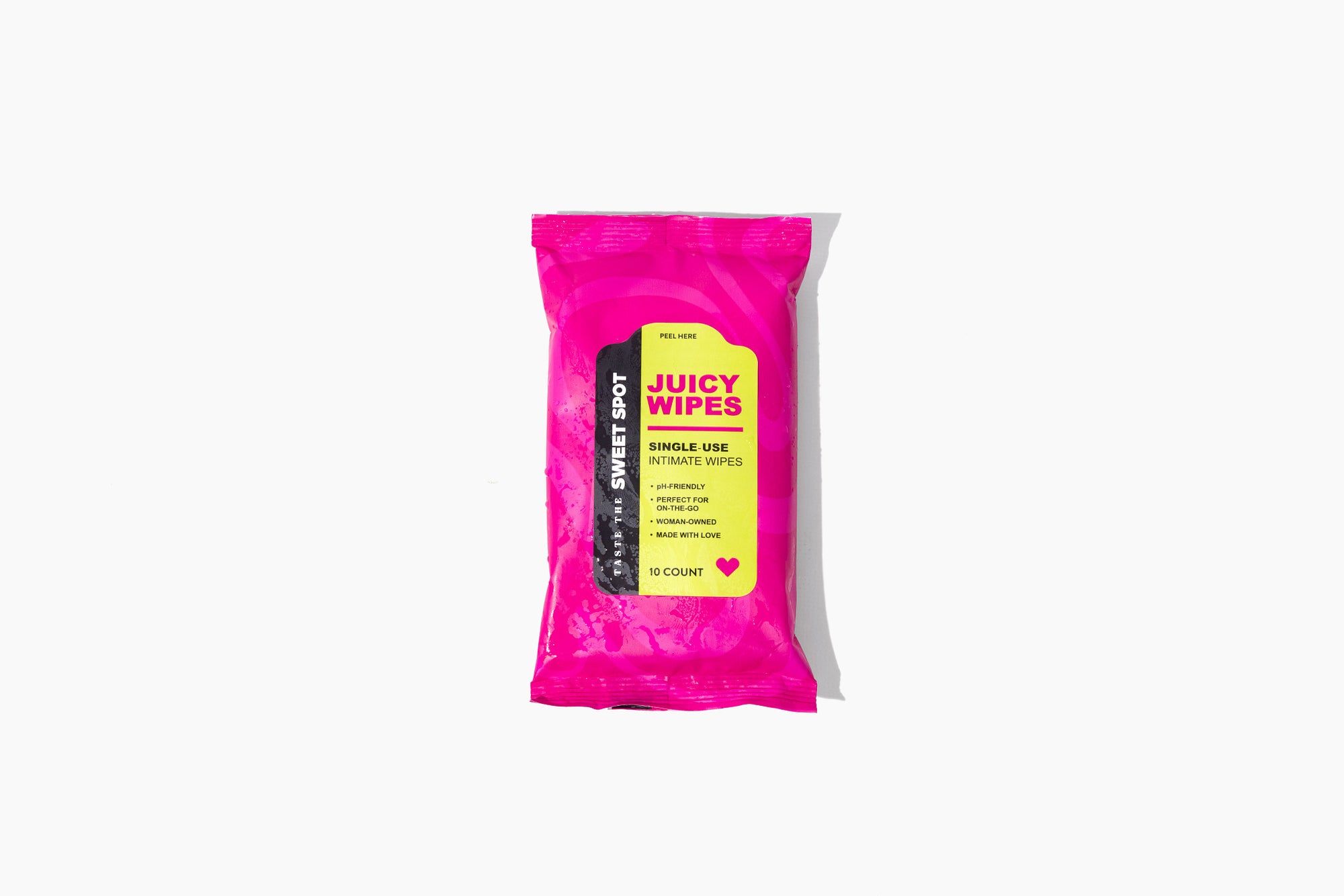
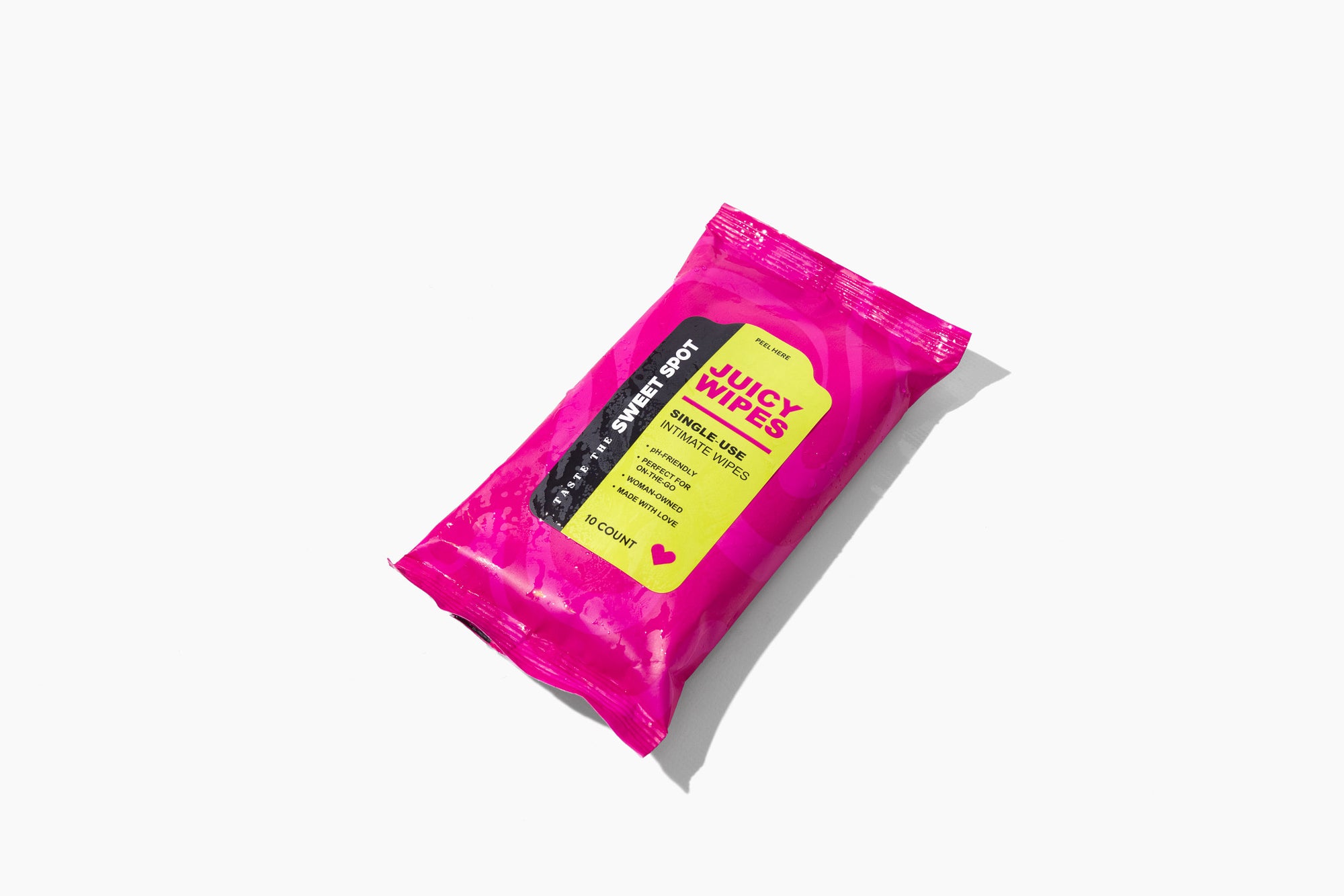
For workouts, travel, periods, or on hot days, use a pH-balanced intimate wipe for a gentle refresh — never a perfumed product that disrupts your balance.
Building a Daily Freshness Routine
The women who rarely worry about odor treat freshness as a simple daily system rather than a reaction to problems:
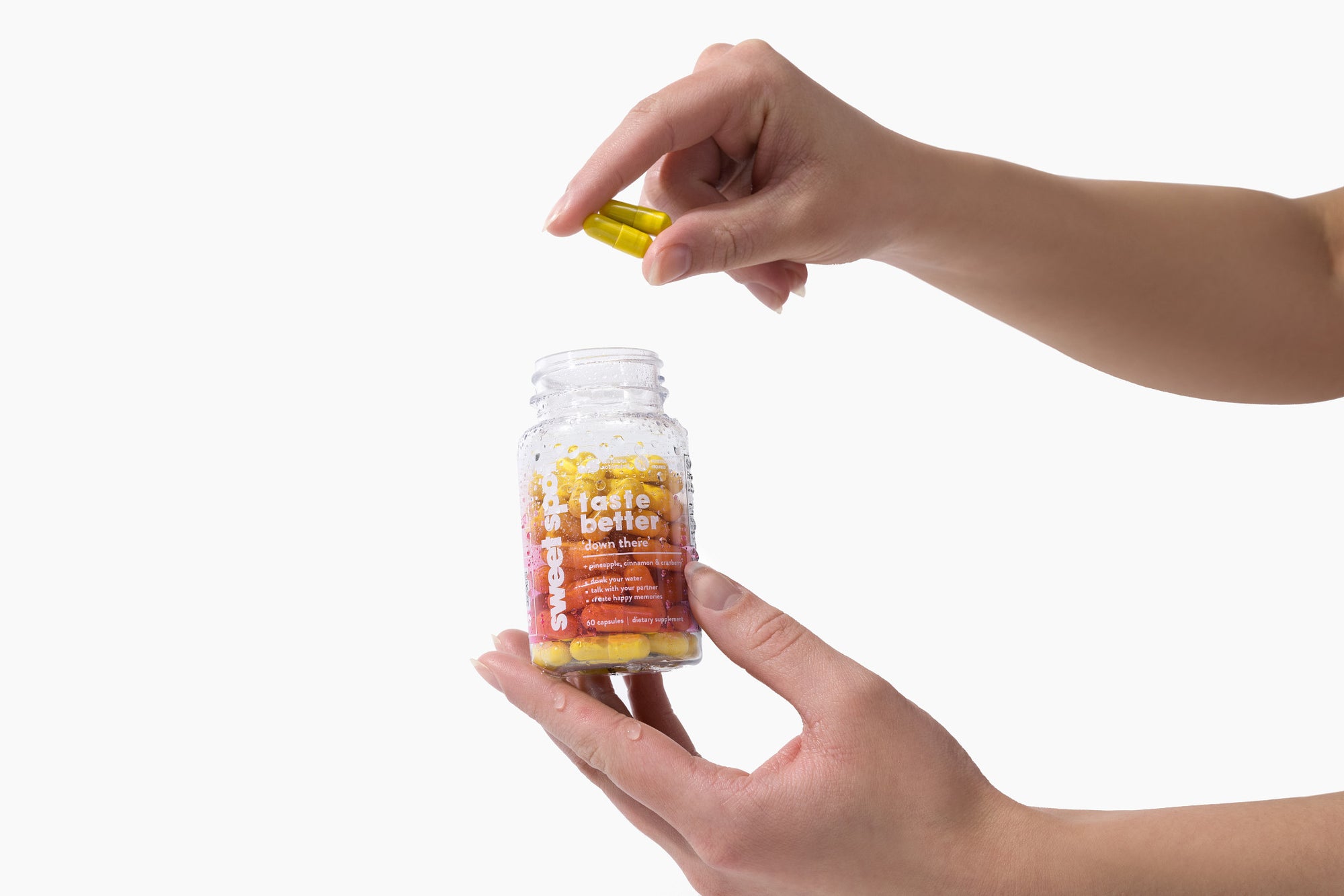
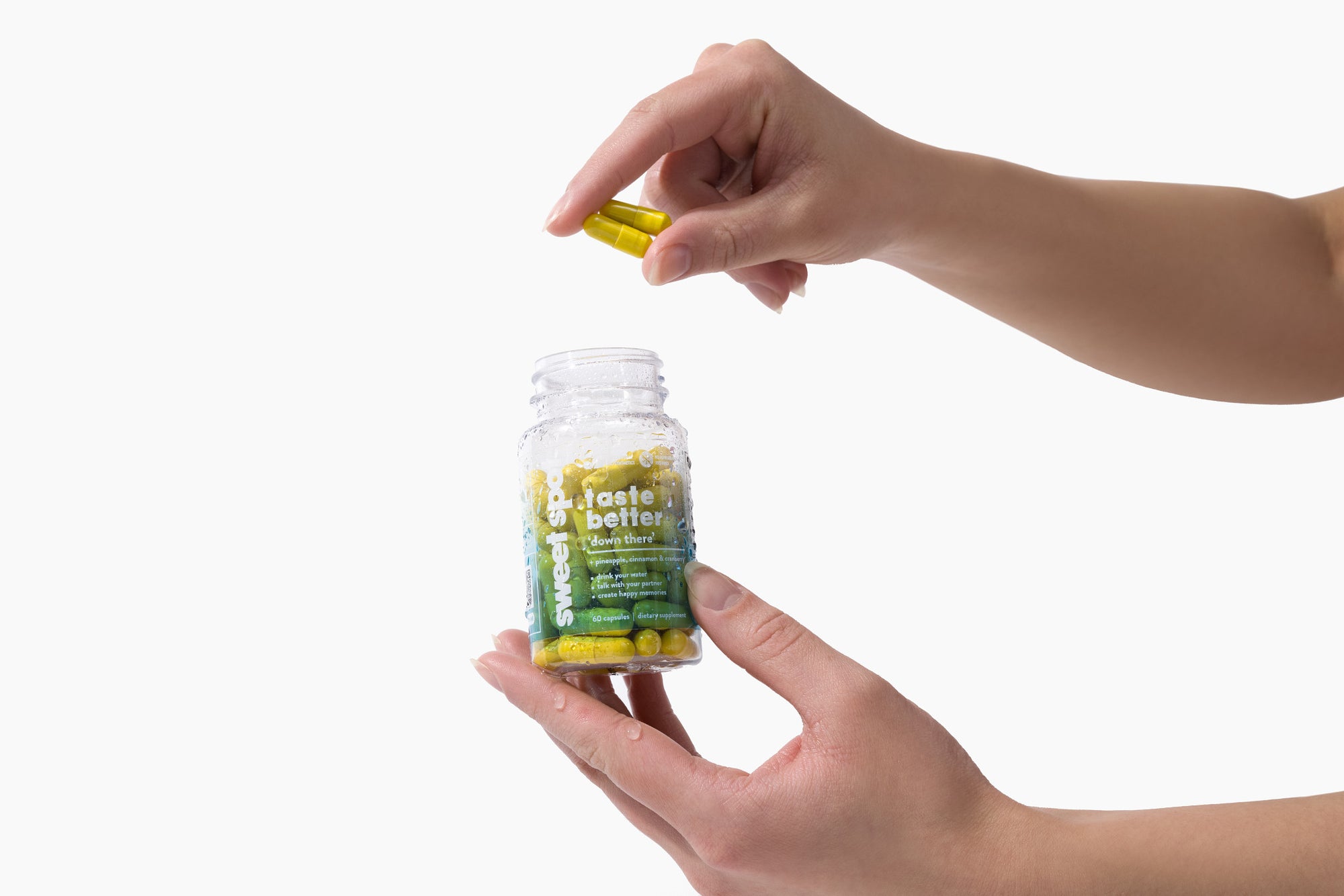
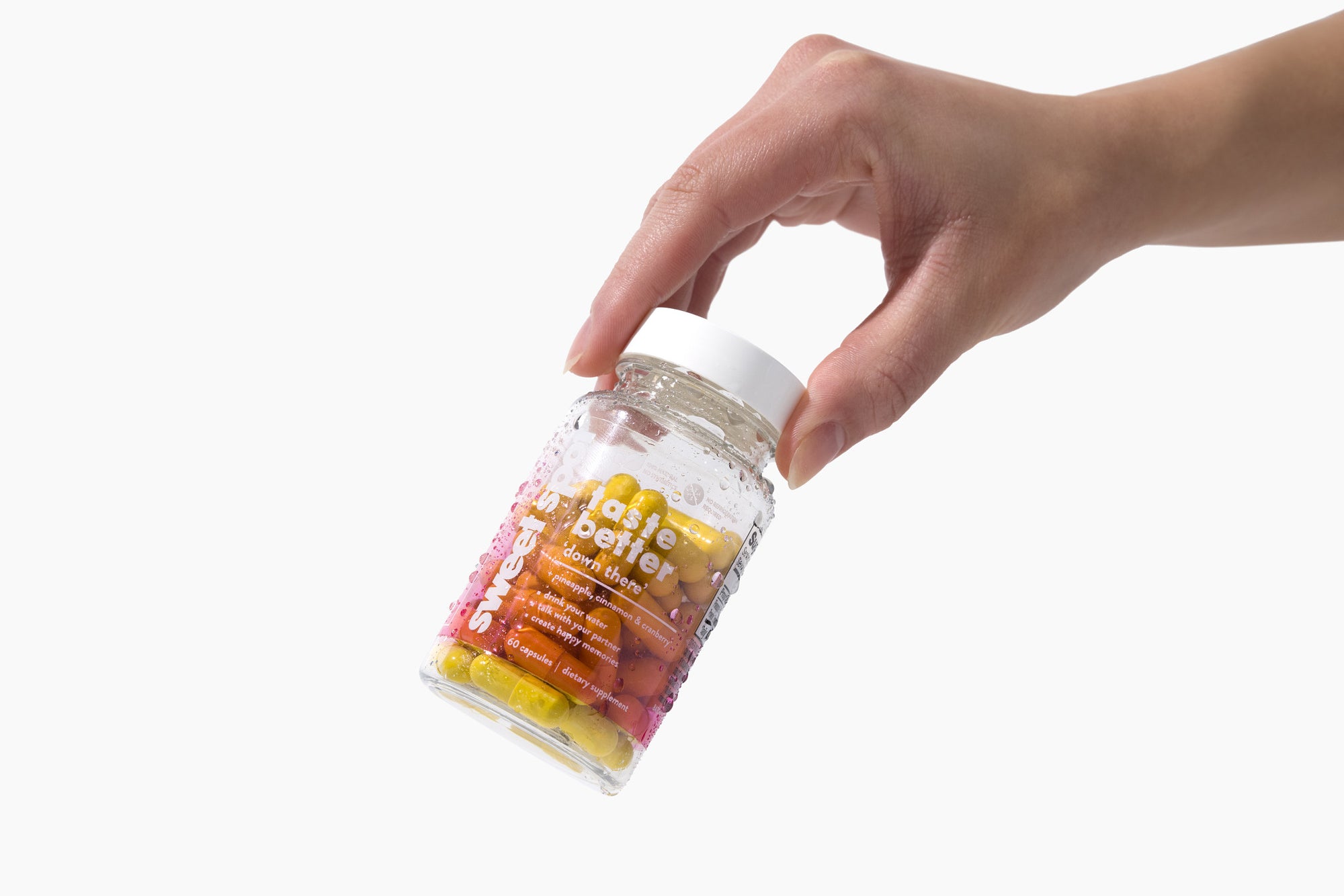
- Inside-out support: a daily supplement like Women's Sweet Spot — pineapple extract plus ingredients chosen to support pH balance and freshness — taken consistently with plenty of water.
- Gentle hygiene: external washing only, no douching or scented products.
- Smart habits: breathable fabrics, prompt changes out of damp clothing, and pH-balanced wipes for on-the-go freshness.
- Fresh diet: more fruit and water, less sugar, garlic, and alcohol.
When to See a Doctor — Don't Ignore These
Natural habits support a healthy baseline, but they're not a substitute for medical care. See a healthcare provider if you notice:
- A strong, persistent fishy odor (possible BV)
- Unusual discharge (gray, green, yellow, or frothy)
- Itching, burning, redness, or swelling
- Pain during sex or urination
- Any sudden, dramatic change in odor
- Fever or pelvic pain
These can signal infections like BV, a yeast infection, or an STI that need proper diagnosis and treatment. There's no shame in it — providers deal with this every single day, and getting the right treatment is far better than guessing.
The Bottom Line
If you're wondering why you smell "down there," remember two things: some natural scent is completely normal, and when odor genuinely changes, it almost always traces back to a disrupted pH balance. The most effective approach is to support that balance from the inside, stop the harsh habits (douching, scented products) that disrupt it, and maintain simple, gentle daily care. Address the root cause rather than masking the symptom, and lasting freshness follows — and never hesitate to see a doctor when something feels truly off.
Frequently Asked Questions
Is it normal to have a vaginal smell?
Yes. A healthy vagina has a natural, mild scent that varies through your cycle. The goal isn't to eliminate it but to notice when it changes significantly.
What causes a strong fishy smell?
A strong fishy odor, especially after sex, is most commonly caused by bacterial vaginosis (BV), an imbalance that needs medical treatment. See a provider to confirm.
Why does douching make odor worse?
Douching strips away protective bacteria and disrupts your natural pH, which allows odor-causing bacteria to flourish. The vagina is self-cleaning and should never be douched.
Can diet and supplements help with odor?
Yes — supporting your pH balance from the inside with hydration, a fresh diet, probiotics, and pineapple-based supplements helps maintain the acidic environment that keeps odor in check.
When should I see a doctor about odor?
See a provider for a strong persistent odor, unusual discharge, itching, burning, pain, or any sudden dramatic change — these can signal an infection that needs treatment.
Support lasting freshness from the inside out with Women's Sweet Spot and gentle pH-balanced Intimate Wipes.
This article is for educational purposes only and is not medical advice. Consult a qualified healthcare professional for diagnosis and treatment of any medical condition.
SHOP THE PRODUCTS BEHIND THE VIRAL HYPE
'TASTE BETTER DOWN THERE'



#STAYJUICY