

The Complete Guide to Intimate Wellness, Freshness, Taste and Confidence
This is the most comprehensive intimate wellness resource we've ever written — a single, no-shame master guide to everything about how you taste, smell, and feel “down there.” Whether you're a woman curious about pH and freshness, a man wondering how to taste better, or a couple who wants to feel confident together, this guide has you covered from A to Z. Every section is grounded in real science, written without embarrassment, and built to give you a practical playbook you can actually use.
Intimate wellness is one of the most searched-for and least openly discussed topics in health. People whisper the questions into search bars that they'd never say out loud: Why do I smell different? How do I taste sweeter? Does pineapple really work? Is this normal? We're answering all of it here, thoroughly and honestly. Consider this your complete reference — bookmark it, and come back to any section whenever you need it.
This mega-guide pulls together and expands on our Complete Intimate Wellness Guide and our Ultimate Guide to Intimate Confidence, with links throughout to deeper articles on each topic.
Full Table of Contents
- Part 1: The Basics — What's Normal & Why It Matters
- Part 2: The Complete Science of Body Chemistry
- Part 3: The Complete Women's Guide
- Part 4: The Complete Men's Guide
- Part 5: The Pineapple & Food Myths, Settled
- Part 6: The Complete Intimate Wellness Diet
- Part 7: Hydration — The Master Lever
- Part 8: The Microbiome & Probiotics
- Part 9: The Complete Hygiene Guide
- Part 10: Hormones, Cycle & Life Stages
- Part 11: Common Concerns & When to See a Doctor
- Part 12: Lifestyle — Sleep, Stress, Movement
- Part 13: For Couples
- Part 14: Your Complete Daily & Weekly Routine
- Part 15: Products, Ingredients & What to Look For
- Part 16: The Complete FAQ
Part 1: The Basics — What's Normal & Why It Matters
Let's begin where every honest intimate wellness conversation should: with reassurance. Having a natural scent and taste is completely normal and healthy. No healthy human body is truly odorless or flavorless, and it's not supposed to be. A mild, slightly musky or tangy scent, and a taste that leans salty with hints of sweet or bitter, are signs of a normal, healthy body.
The Myth of “Odorless”
For generations, the personal-care industry profited from convincing people — women in particular — that their natural bodies were a problem to be scrubbed, sprayed, and masked away. This is not just false; it's harmful. The harsh, perfumed products marketed as “solutions” are frequently the very cause of the imbalance, irritation, and odor they claim to fix. The healthiest, freshest people aren't the ones erasing their natural scent — they're the ones supporting their natural balance.
What “Balance” Actually Means
Throughout this guide you'll see one word again and again: balance. Intimate wellness isn't about elimination or perfection — it's about supporting your body's natural equilibrium: the right pH, a healthy population of good bacteria, good hydration, and a fresh diet. When those are in balance, freshness and pleasant taste are the natural result. When they're disrupted, problems follow. Everything in this guide comes back to protecting and supporting that balance.
Why It Matters Beyond Vanity
This isn't only about taste or impressing a partner. Intimate balance is genuinely tied to health and comfort — a balanced pH protects against infections, good hydration supports comfort and function, and a healthy microbiome is part of your overall wellbeing. And yes, it's also tied to confidence: when you're not second-guessing how you feel, you can simply be present. Health and confidence, together — that's the real payoff.
Part 2: The Complete Science of Body Chemistry
To master intimate wellness, you need to understand one foundational principle: your intimate fluids are a reflection of your overall body chemistry, exactly like your breath and your sweat. What you put into your body shapes what comes out of it. This is the mechanism behind everything else in this guide.
What Determines Taste and Scent
Both semen and vaginal secretions get their character from a balance of components:
- Natural sugars (like fructose) — contribute a slightly sweet note.
- Proteins and amino acids — can taste faintly bitter.
- Minerals such as zinc and calcium — add a salty or metallic edge.
- pH — how acidic or alkaline the fluid is, which shapes the overall profile.
- Bacteria — the balance of your microbiome, especially for women.
Shift any of these — through diet, hydration, health, or bacterial balance — and taste and scent shift with them. This is why the same person can vary from week to week, and why you have real influence.
The Four Levers You Control
Everything you can do to support intimate wellness falls into four categories:
- Hydration — determines how dilute or concentrated your fluids are.
- Diet — the sugars, proteins, minerals, and aromatic compounds you consume.
- Microbiome — the balance of beneficial vs. odor-causing bacteria.
- Lifestyle — sleep, stress, movement, alcohol, and smoking.
The rest of this guide is a detailed manual for pulling each lever in the right direction.
The Critical Role of Timing
One principle bears repeating because so many people get it wrong: body chemistry changes gradually, not instantly. Hydration can produce a noticeable difference within a day, but dietary and microbiome changes generally need one to two weeks (sometimes up to four) of consistency to fully take hold. Intimate wellness is a lifestyle pattern, not a last-minute trick performed an hour before intimacy. Consistency is, genuinely, the cheat code.
Part 3: The Complete Women's Guide
For women, intimate freshness, taste, and health all orbit one master concept: vaginal pH balance. Understand this, and you understand the whole picture.
What Is a Healthy Vaginal pH?
A healthy vagina is slightly acidic, with a pH between roughly 3.8 and 4.5. This acidity is not incidental — it's a sophisticated defense system. It creates an environment where beneficial bacteria flourish and harmful, odor-causing bacteria struggle to survive.
The Heroes: Lactobacillus Bacteria
Your vaginal ecosystem is dominated (in health) by protective bacteria called Lactobacillus. These beneficial microbes produce lactic acid, which maintains that crucial acidic pH. Think of them as a self-sustaining security team keeping everything in balance. The vast majority of freshness and odor problems trace back to these good bacteria being depleted or crowded out — which is why supporting them is the single most important thing a woman can do for intimate freshness.
What Disrupts a Woman's Balance
- Douching and scented soaps — the number-one offenders; they strip protective bacteria and disrupt pH.
- Antibiotics — kill good bacteria along with the bad.
- Semen — alkaline (pH ~7.2–8.0), so unprotected sex can temporarily raise vaginal pH.
- Menstruation — blood is slightly alkaline and shifts pH during your period.
- Excess sugar and processed food — can feed yeast and disrupt bacterial balance.
- Hormonal changes — pregnancy, menopause, and your monthly cycle all affect pH.
- Tight, non-breathable clothing — traps heat and moisture.
The Women's Freshness Foundation
Supporting balance comes down to a consistent set of habits: feed your good bacteria with probiotics and fermented foods, hydrate well, eat a fresh diet low in excess sugar, practice gentle external-only hygiene (never douche), wear breathable cotton, and use pH-balanced products for freshening. Support the balance, and freshness, comfort, and a pleasant taste follow naturally. For a deeper dive, see our articles on vaginal pH and how to taste sweeter.
Part 4: The Complete Men's Guide
Men have just as much influence over their intimate freshness and taste as women — and it's directly tied to overall health and lifestyle.
What Semen Is Actually Made Of
A common surprise: semen is only about 1–5% sperm by volume. The other 95%+ is seminal fluid, produced by several glands, each contributing to the taste:
- Seminal vesicles (60–70% of the fluid) — add fructose, a sugar that fuels sperm and lends a slightly sweet note.
- Prostate (20–30%) — adds enzymes and minerals like zinc, contributing a salty or metallic quality.
- The fluid is buffered to an alkaline pH (~7.2–8.0) to protect sperm in the acidic vaginal environment.
So the flavor is a balance of sweet (sugars), bitter (proteins), and salty/metallic (minerals) — and diet and hydration shift that balance.
The Men's Playbook for Better Taste & Freshness
- Hydrate first and most. Dehydration concentrates the bitter and salty notes; water dilutes and softens them, often within a day.
- Eat fruit-forward. More pineapple, citrus, and melon; less garlic, onions, asparagus, and heavy red meat.
- Cut the big three: alcohol, excess caffeine, and smoking — all sharpen flavor and add chemical notes.
- Support overall health. Because body chemistry reflects total wellness, sleep, exercise, and a clean diet all show up.
For the full breakdown, see how to make semen taste better and why semen tastes the way it does.
Part 5: The Pineapple & Food Myths, Settled
No intimate wellness guide is complete without addressing the internet's favorite question: does pineapple really make you taste sweeter? Here's the definitive, honest answer.
There is no rigorous clinical study proving pineapple makes you taste sweeter. Anyone stating it as proven fact is overselling it. But the idea is far from a pure myth — it's directionally correct for a logical reason:
- Pineapple is high in water, and hydration is the biggest single factor in a milder taste.
- It's rich in natural fruit sugars.
- It's low in the sulphur compounds (abundant in garlic, onions, and asparagus) that push flavor toward bitter.
So the accurate statement is: a diet rich in fresh, water-heavy, low-sulphur fruit like pineapple supports a milder, fresher taste. Two myths to bury: expecting an instant effect (it takes one to two weeks), and treating pineapple as a magic bullet (it works within an overall fresh diet, not alone). Read the full breakdown in does pineapple make you taste sweeter?
Part 6: The Complete Intimate Wellness Diet
Your diet is one of your most powerful tools. Here's the complete, science-based eat-this-not-that for both men and women.
✅ The Freshness Foods
- Fruits: pineapple, oranges, lemons, grapefruit, watermelon, cantaloupe, apples, berries, mango — water-rich and naturally sweet.
- Hydrating vegetables: celery, cucumber, lettuce, leafy greens.
- Probiotic foods: yogurt with live cultures, kefir, sauerkraut, kimchi, miso, tempeh.
- Prebiotic fiber: fruits, vegetables, oats, and whole grains — the fuel your good bacteria need.
- Aromatic herbs & spices: parsley, mint, peppermint, basil, cinnamon, nutmeg, cardamom.
- Water — the most important input of all.
⌠The Foods That Work Against You
- Sulphur bombs: garlic, onions, asparagus, broccoli, cabbage, cauliflower — healthy, but not taste-friendly.
- Heavy proteins: red meat and excess dairy.
- Dehydrators: alcohol and excess caffeine.
- Processed & sugary junk: disrupts body chemistry and, for women, feeds imbalance.
- Strong spices in excess (for some people) — curry and heavy spice blends can come through.
The strategy is a favorable balance, kept up consistently — not joyless perfection. Lean toward the ✅ list, ease off the ⌠list (especially a day or two before intimacy), and keep water constant. See our full foods that improve intimate taste guide.
Part 7: Hydration — The Master Lever
If you take only one thing from this entire guide, make it this: water is the single most effective tool for intimate freshness and taste. Your intimate fluids are exactly that — fluids — and when you're well hydrated, they're more dilute, milder, and fresher. When you're dehydrated, everything concentrates: stronger, sharper, more bitter. It's the same reason dehydration darkens urine and intensifies its odor.
The Wider Benefits of Hydration
- Milder taste and fresher scent — the direct dilution effect.
- Natural lubrication and comfort — hydrated tissues are more comfortable.
- Healthy circulation — which supports arousal and function.
- Flushing of waste — helping your body clear what can concentrate odor.
- Glowing skin and steady energy — the whole-body bonus.
How to Actually Stay Hydrated
- Aim for roughly 2 liters (eight 8-oz glasses) a day, adjusted for body size, activity, and climate.
- Sip consistently all day rather than chugging occasionally.
- Make water your default — not soda, energy drinks, or endless coffee.
- Use pale yellow urine as your simple hydration gauge.
- Eat your water — water-rich fruits and vegetables count double (hydration + freshness).
Best of all, hydration acts fast — many people notice a difference within a day or two. Read more in hydration and intimate wellness.
Part 8: The Microbiome & Probiotics
Here's the concept that ties the whole guide together: intimate freshness is fundamentally a story about bacteria. Your body hosts trillions of microbes, and the balance between beneficial and harmful ones shapes your scent, taste, and health — intimately and throughout your body.
Why Good Bacteria Are Everything (Especially for Women)
Protective Lactobacillus keep the vaginal environment acidic and fresh. When they're depleted — by antibiotics, harsh products, poor diet, or hormonal shifts — the balance tips, pH rises, and odor and infections (like BV and yeast overgrowth) become far more likely.
How Probiotics Help
- They replenish and reinforce your protective Lactobacillus population.
- They help maintain acidic pH, keeping odor-causing bacteria in check.
- They help you bounce back after antibiotics, your period, or other disruptions.
How to Support Your Microbiome
Take a probiotic supplement featuring Lactobacillus strains designed for feminine or intimate health, or eat probiotic foods (yogurt with live cultures, kefir, fermented vegetables). Feed them with prebiotic fiber from produce and whole grains. Because you're supporting a living ecosystem, give it a few weeks of consistent use to build. Full detail in probiotics for intimate health.
Part 9: The Complete Hygiene Guide
The golden rule of intimate hygiene is beautifully counterintuitive: gentler is better, and less is more. Over-cleaning is one of the most common causes of imbalance, irritation, and odor.
The Do's
- Wash the external area only, with warm water or a mild, pH-balanced cleanser.
- Wipe front to back to protect urinary and vaginal health.
- Urinate after sex to support urinary health.
- Change out of damp clothing promptly — sweaty gym wear, wet swimsuits.
- Wear breathable cotton and looser fits.
- Use pH-balanced wipes for on-the-go freshening (travel, workouts, periods).
The Don'ts
- Never douche. The vagina is self-cleaning; douching strips protective bacteria and disrupts pH — a leading cause of odor.
- Skip scented soaps, washes, sprays, and “feminine deodorants.” They disrupt balance and cause the problems they promise to solve.
- Avoid sitting in damp clothes or tight synthetics for long periods.
- Don't over-wash — more scrubbing is not more clean; it's more disruption.
Freshening should always respect your natural balance, never fight it.
Part 10: Hormones, Cycle & Life Stages
For women especially, intimate freshness naturally shifts with hormones. Understanding these rhythms removes a lot of unnecessary worry — much of what people fear is “wrong” is simply normal variation.
Across the Monthly Cycle
- Menstruation: blood is slightly alkaline, so scent can become a touch more metallic and pH shifts temporarily. Normal.
- Follicular phase (after your period): typically the freshest, most balanced feeling of the month.
- Ovulation (mid-cycle): discharge increases and becomes clearer and more slippery as fertility peaks. Normal.
- Luteal phase (before your period): discharge thickens; some notice subtle scent changes.
Across Life Stages
- Pregnancy: major hormonal shifts change discharge, scent, and pH; balance is more sensitive.
- Postpartum & breastfeeding: hormone levels change again, affecting moisture and balance.
- Perimenopause & menopause: declining estrogen reduces natural lubrication and can raise vaginal pH, affecting freshness and comfort.
Through all of these, the fundamentals still apply: hydration, fresh diet, probiotics, and gentle care support balance. When hormonal changes cause discomfort, a healthcare provider can help.
Part 11: Common Concerns & When to See a Doctor
Natural habits support a healthy baseline, but they are not a substitute for medical care. It's important to know the difference between normal variation and a genuine problem.
Common Conditions to Be Aware Of
- Bacterial vaginosis (BV): the most common cause of a strong, fishy odor (especially after sex), often with thin grayish discharge. Caused by bacterial imbalance; needs medical treatment.
- Yeast infections: typically cause thick white discharge, itching, and irritation rather than strong odor. Common and treatable.
- UTIs (urinary tract infections): cause burning with urination and urgency; need medical care.
- STIs: some can cause unusual discharge or odor; testing and treatment matter.
See a Healthcare Provider If You Notice
- A strong, persistent fishy odor (possible BV)
- Unusual discharge (gray, green, yellow, or frothy)
- Itching, burning, redness, or swelling
- Pain during sex or urination
- Any sudden, dramatic change in odor or taste
- Fever or pelvic pain
There is no shame in any of this — healthcare providers deal with these concerns every single day, and getting proper diagnosis and treatment is always better than guessing or masking. Natural wellness habits and good medical care work together, not in opposition.
Part 12: Lifestyle — Sleep, Stress, Movement
Intimate wellness reflects your whole life, not just your plate and your water bottle.
- Sleep. Poor sleep stresses the body and disrupts hormones and immunity, which can affect balance and freshness. Prioritize consistent, quality rest.
- Stress. Chronic stress raises cortisol and can disrupt hormonal and microbial balance. Stress management supports your whole system, intimately included.
- Movement. Regular exercise supports circulation, hormones, and mood — just change out of sweaty clothes promptly to avoid trapped moisture.
- Smoking. Introduces chemicals that affect all bodily fluids and works against fresh taste and scent. Quitting is one of the highest-impact changes you can make.
- Alcohol. Dehydrating and disruptive to balance; moderation pays off intimately.
Whole-body wellness is intimate wellness. The habits that make you healthier overall make you fresher, too.
Part 13: For Couples
Intimate wellness is even better as a team sport. When both partners feel fresh and confident, intimacy becomes more relaxed, playful, and connected.
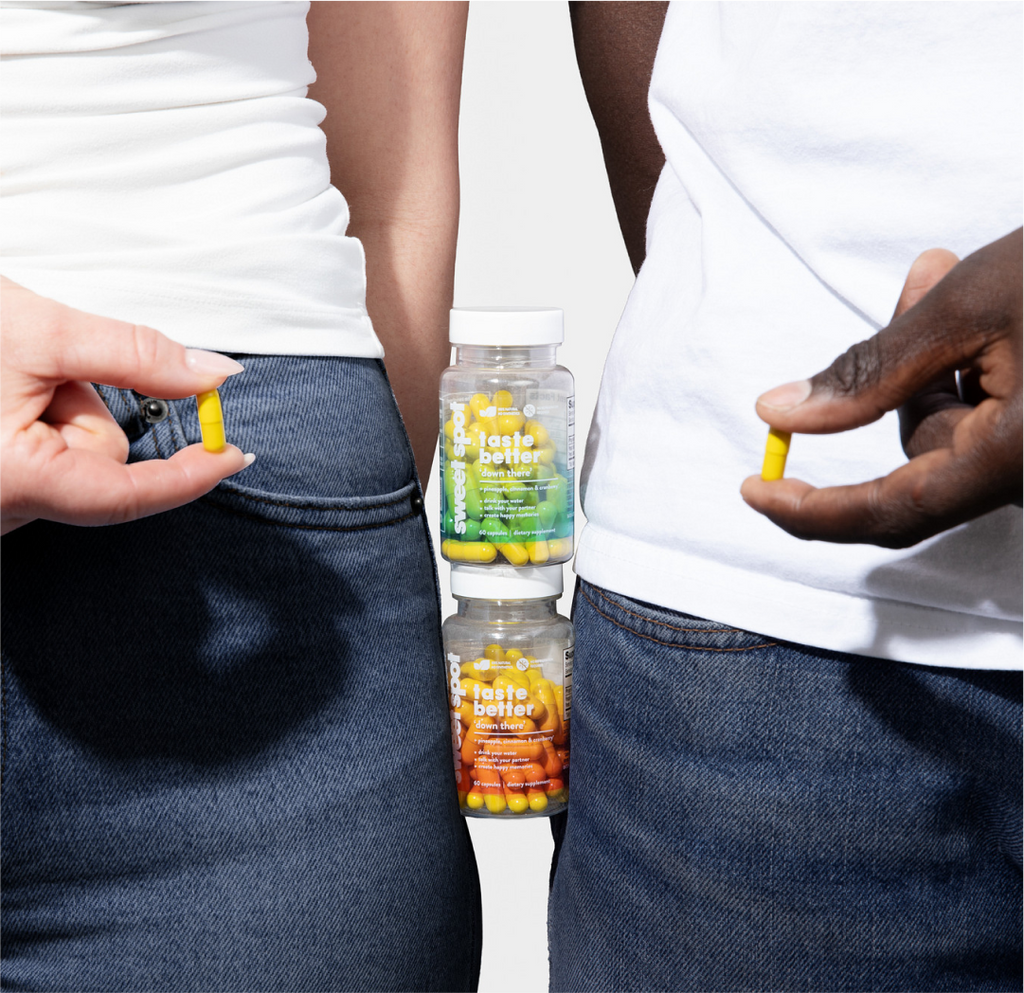
- Make it a shared habit. His + Hers routines — hydrating, eating fresh, and taking daily supplements together — are easier to sustain as a pair.
- Drop the shame, keep the fun. Talking openly about freshness and taste removes anxiety and deepens trust.
- Gift freshness. Keeping each other stocked is a thoughtful (and cheeky) way to show you care.
- Focus on presence. The real reward isn't a specific flavor — it's both partners being fully present and at ease with each other.
Part 14: Your Complete Daily & Weekly Routine
Here's everything above, distilled into a simple system you can actually follow.
Every Day
- Hydrate — water as your default, all day long.
- Support from the inside — a daily supplement with pineapple extract and (for women) probiotic and pH-supporting ingredients.
- Eat fresh — include fruit and probiotic foods; go easy on sugar, garlic, and processed food.
- Gentle hygiene — external-only washing, breathable cotton, pH-balanced wipes as needed.
Every Week
- Plan fresh meals — keep the freshness foods stocked so the easy choice is the fresh one.
- Move your body — several sessions, changing out of damp clothes promptly.
- Protect your sleep — consistent, quality rest.
- Manage stress — whatever works for you: walks, breathing, downtime.
The 4-Week Ramp
New to all this? Layer it in: Week 1 master hydration; Week 2 upgrade your diet and start a supplement; Week 3 fix hygiene and switch to breathable fabrics; Week 4 dial in sleep, stress, and movement. By the end, it's not a routine — it's just how you live.
Part 15: Products, Ingredients & What to Look For
You can support intimate wellness through diet and habits alone. Quality products simply make the proven fundamentals effortless and consistent — which is exactly what drives results over time.
Ingredients Worth Looking For
- Pineapple — water-rich, naturally sweet, low in bitter compounds; the signature freshness fruit.
- Probiotics (Lactobacillus) — the good bacteria central to women's freshness.
- Cranberry — long associated with urinary and intimate health.
- Cinnamon & citrus — naturally sweet, taste-friendly additions.
- Aloe vera (in wipes) — soothing and gentle for external freshening.
What to Avoid in Products
- Artificial fragrances and perfumes (disrupt pH)
- Harsh sulfates and synthetic additives
- Anything marketed for “douching” or internal cleaning
The Sweet Spot Essentials
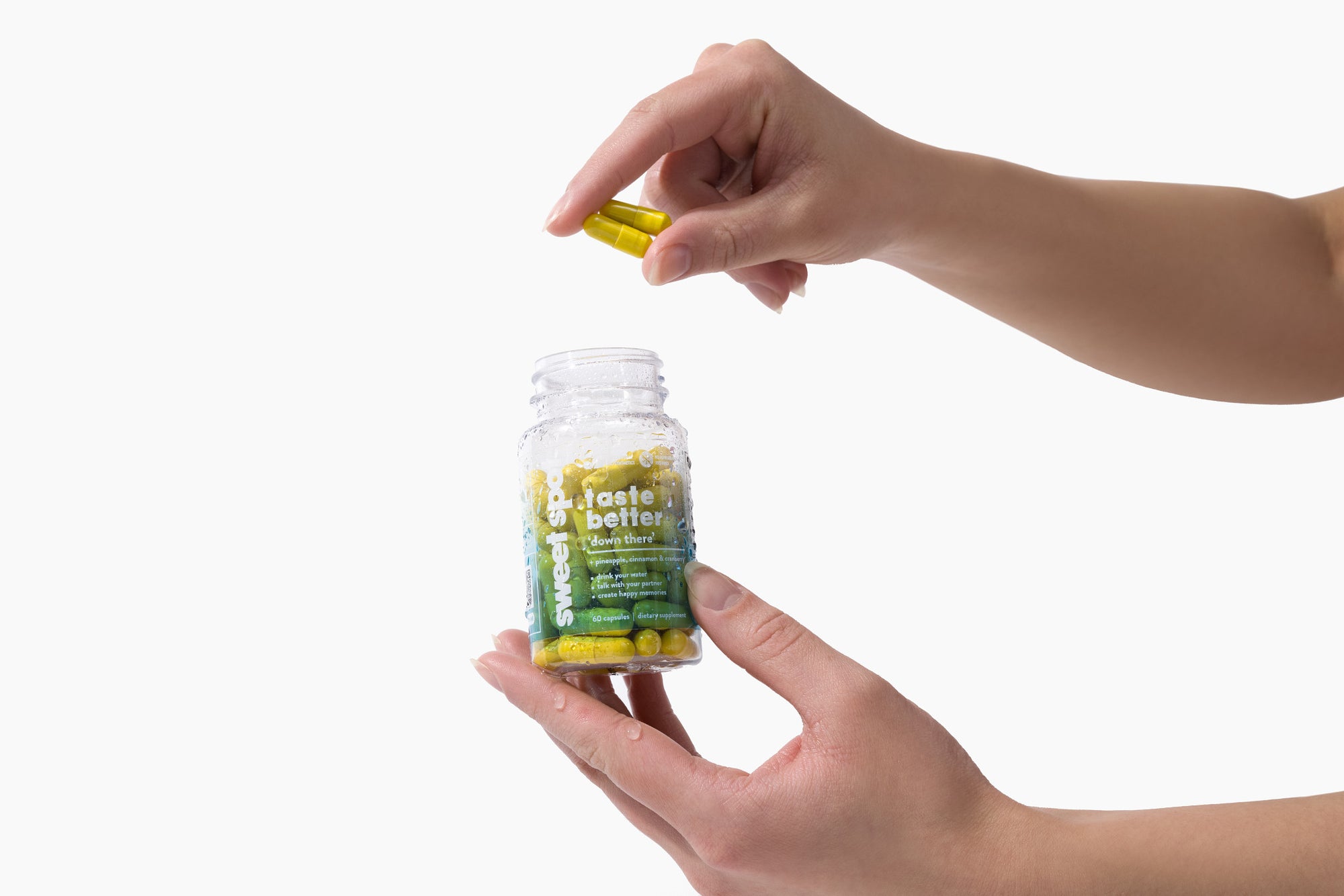
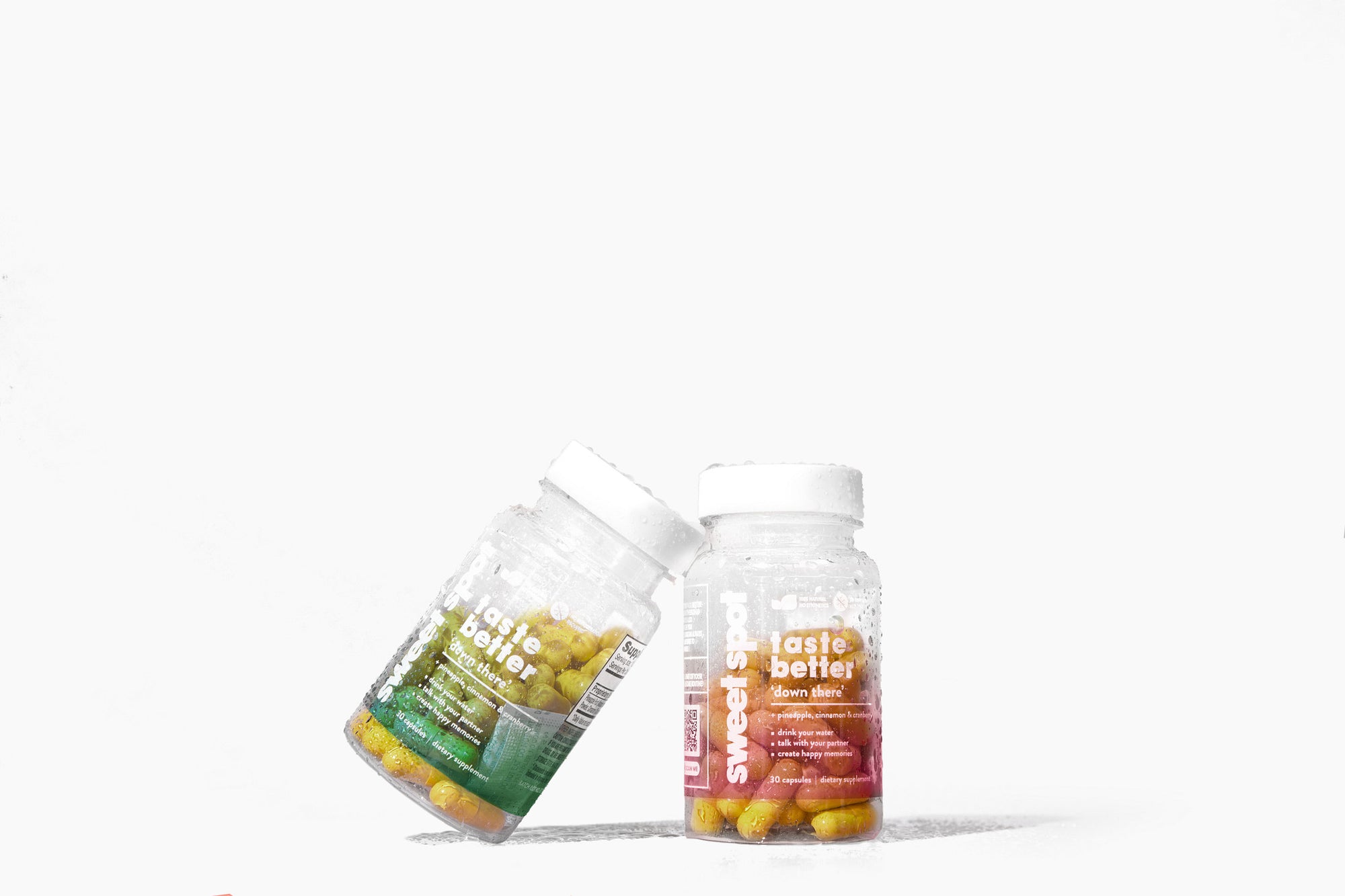
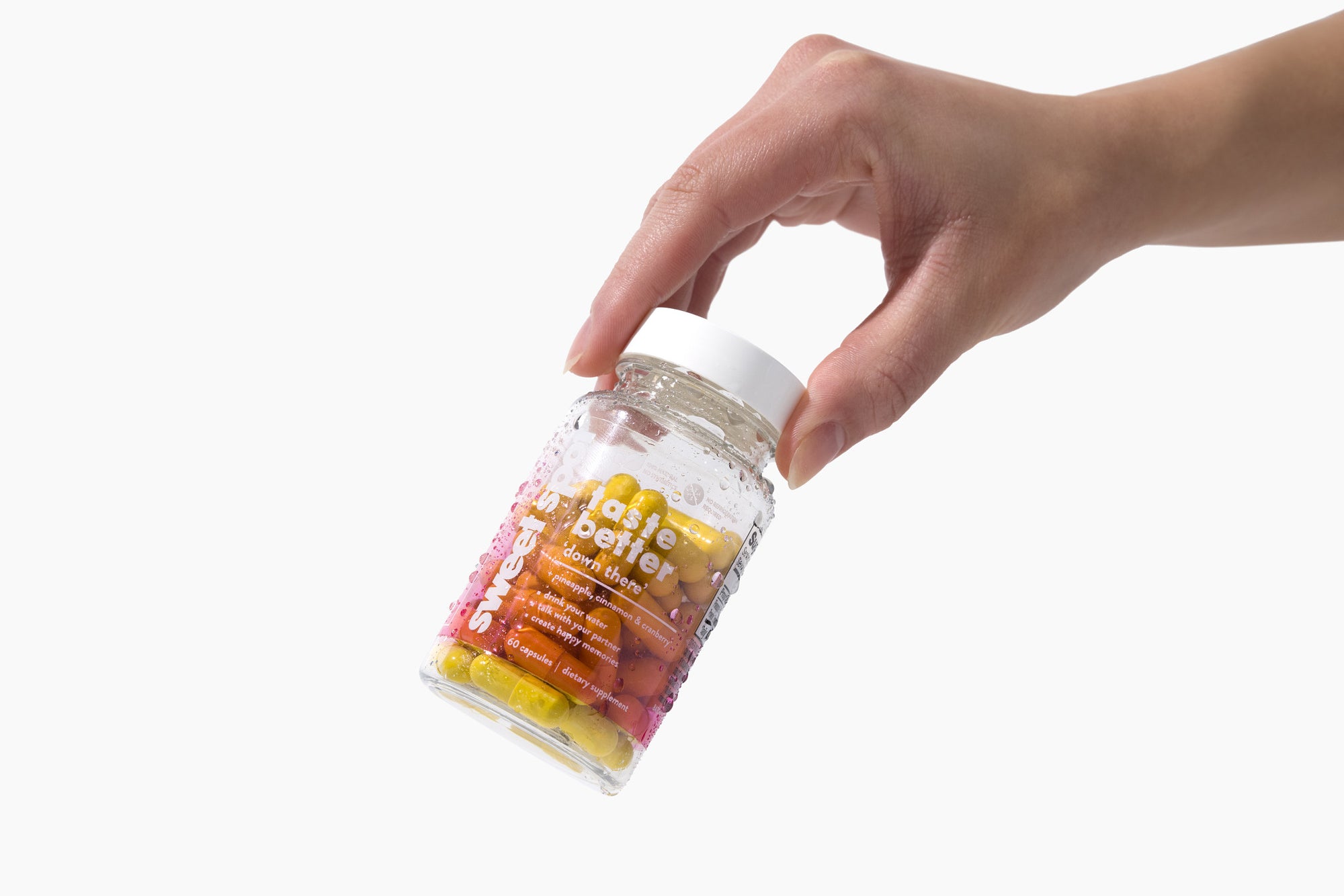
- Women's Intimate Wellness Supplement — daily pineapple-and-probiotic-inspired support for healthy vaginal pH, freshness, and a sweeter, more confident you.
- Men's Intimate Wellness Supplement — a clean, pineapple-powered daily blend for men's freshness and taste.
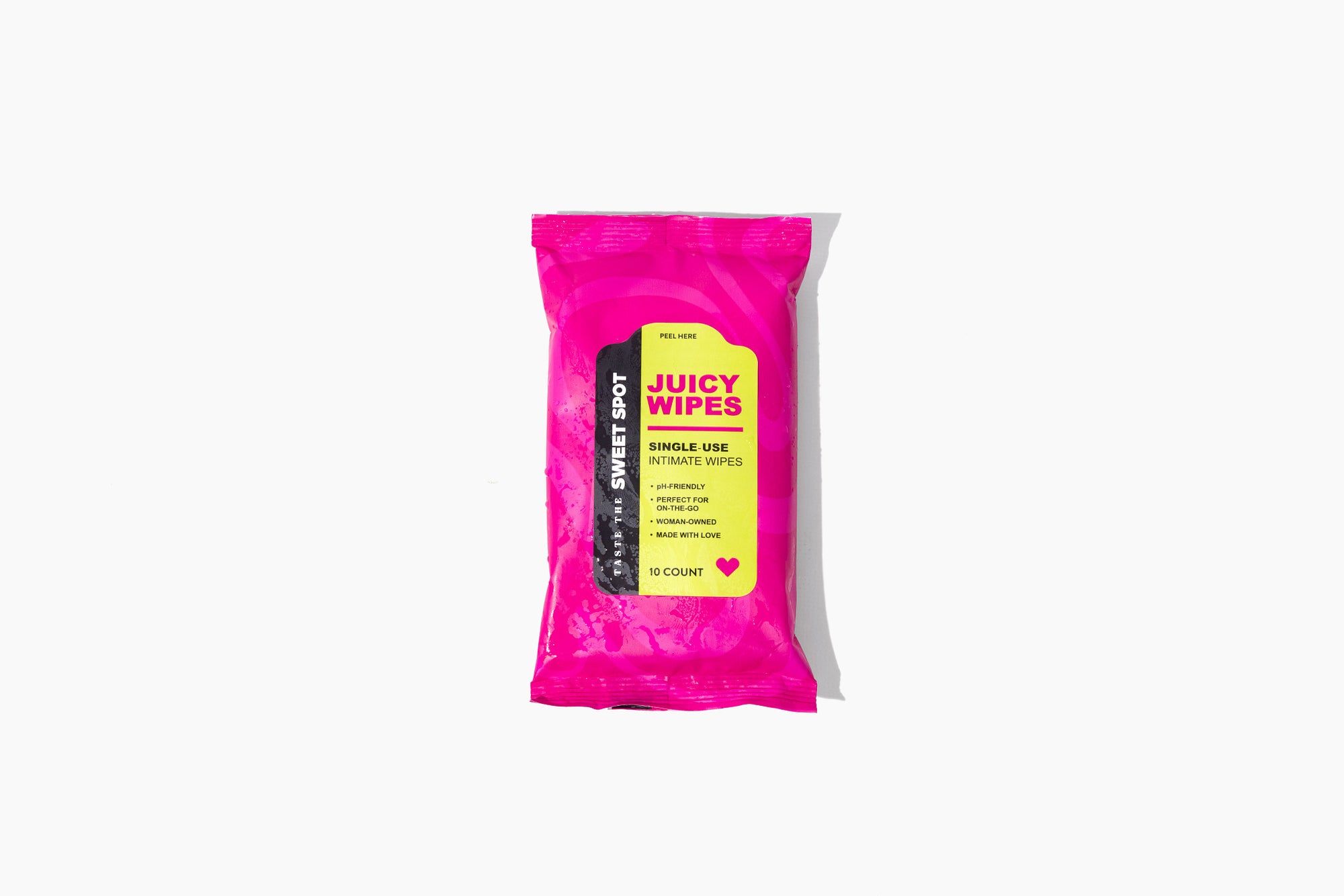
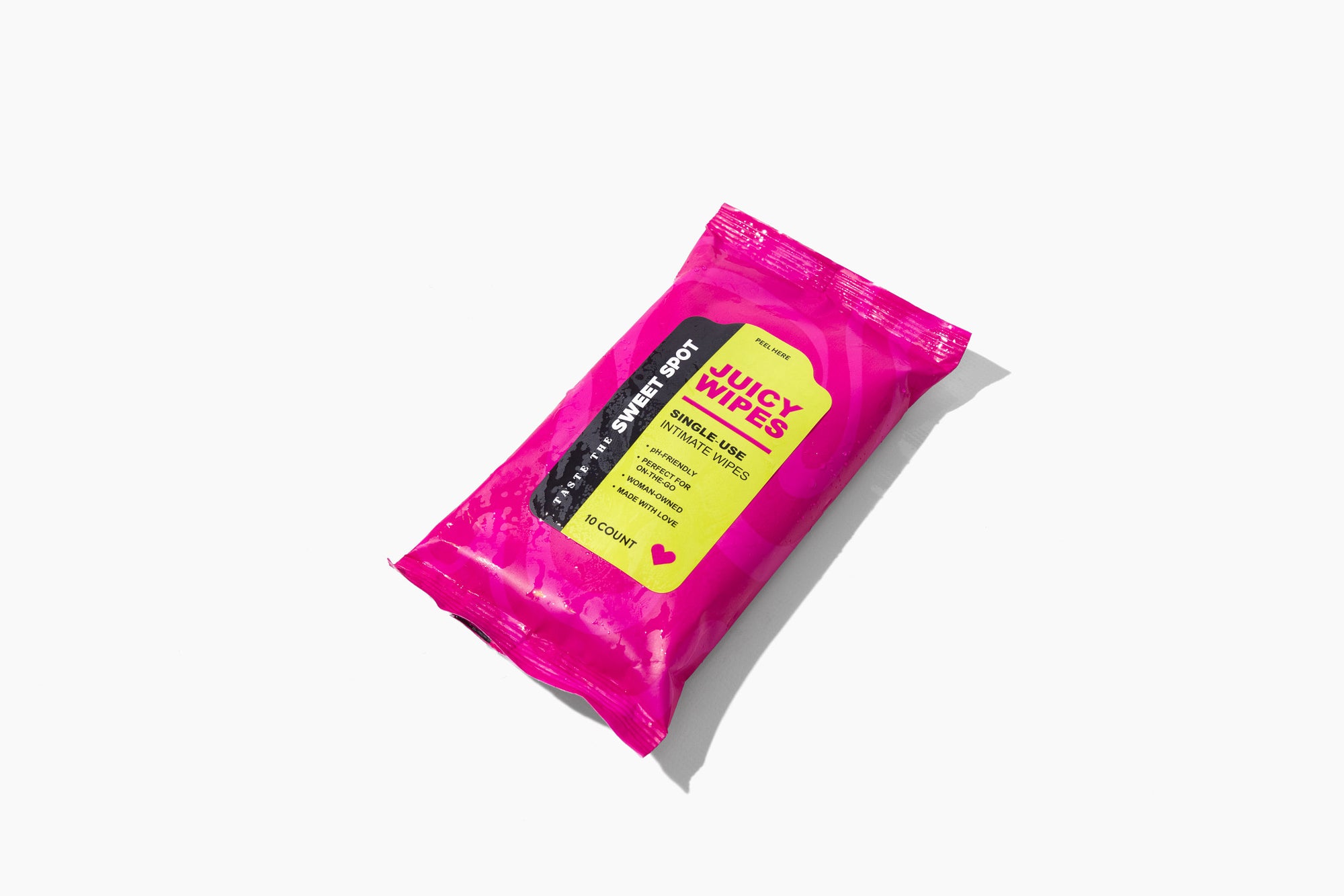
- pH-Balanced Intimate Wipes — plant-powered, flushable, biodegradable wipes with aloe for gentle, on-the-go freshness.
- His + Hers Bundles — the easiest way for couples to stay fresh and confident together.
Part 16: The Complete FAQ
Is it normal to have an intimate scent or taste?
Yes, completely. A healthy body has a natural, mild scent and taste that varies with diet, hydration, and (for women) your cycle. The goal is a balanced baseline, not elimination.
Can you really change how you taste and smell?
Yes, within a natural range. Intimate taste and scent reflect body chemistry, which responds to hydration, diet, and (for women) pH and bacterial balance over time.
How do I taste sweeter?
Hydrate heavily, eat more fresh fruit (like pineapple), cut bitter and sulphur-rich foods (garlic, asparagus, red meat), and reduce alcohol, caffeine, and smoking — consistently for one to two weeks.
How do I smell fresher down there naturally?
Support your pH and good bacteria from the inside, hydrate, eat fresh, wear breathable fabrics, change out of damp clothing, and freshen gently with pH-balanced products — never harsh perfumed sprays.
Does pineapple actually make you taste sweeter?
It's folklore rather than proven fact, but it has real logic: pineapple is water-rich, naturally sweet, and low in bitter sulphur compounds, so a pineapple-rich, hydrated diet reasonably supports a milder taste as part of an overall fresh diet.
How long until I notice results?
Hydration can help within a day or two; dietary and probiotic changes take one to two weeks (up to about four) of consistency to fully settle in.
What's the single most effective thing I can do?
Drink more water, consistently. Hydration is the biggest and fastest lever for a milder, fresher taste and scent.
Why is douching bad if it's marketed as cleaning?
Douching strips away protective bacteria and disrupts your natural acidic pH, which allows odor-causing bacteria to flourish. The vagina is self-cleaning and should never be douched.
How do probiotics help intimate health?
They replenish the protective Lactobacillus bacteria that maintain a healthy, slightly acidic vaginal pH — the foundation of natural freshness — and take a few weeks of consistent use to build.
Do sleep and stress really affect intimate freshness?
Yes. Poor sleep and chronic stress disrupt hormones, immunity, and microbial balance, all of which can affect freshness. Whole-body wellness supports intimate wellness.
Does intimate freshness change during my cycle?
Yes, and it's normal. Scent can be more metallic around your period (blood is alkaline), and discharge changes through the month as hormones shift.
Do men and women need different approaches?
The fundamentals — hydration and fresh diet — apply to both. Women have the added central factor of vaginal pH and bacterial balance, supported by probiotics and gentle hygiene.
Are pH-balanced intimate wipes safe for sensitive skin?
Yes — quality pH-balanced wipes are plant-powered and body-safe, with soothing ingredients like aloe, for gentle external freshening. Look for flushable, biodegradable options.
When should I see a doctor?
For a strong persistent odor, unusual discharge, itching, burning, pain, or any sudden dramatic change — these can signal an infection like BV or a yeast infection that needs proper treatment.
The Bottom Line
Intimate wellness comes down to one elegant idea: support your body's natural balance, and freshness, pleasant taste, and genuine confidence follow. Pull the four levers you control — hydration, diet, microbiome, and lifestyle — practice gentle hygiene, support your body from the inside, and give it consistent time. Drop the shame and the impossible “odorless” ideal, address the root instead of masking symptoms, and see a doctor when something genuinely changes. Do that, and you'll feel fresher, taste sweeter, and — best of all — stop second-guessing and start showing up fully. That's the whole A-to-Z. Now it's yours.
Build your freshness and confidence from the inside out with Women's Sweet Spot, Men's Sweet Spot, and pH-Balanced Intimate Wipes.
This guide is for educational purposes only and is not medical advice. Statements have not been evaluated by the FDA and are not intended to diagnose, treat, cure, or prevent any disease. Consult a qualified healthcare professional for diagnosis and treatment of any medical condition.
SHOP THE PRODUCTS BEHIND THE VIRAL HYPE
'TASTE BETTER DOWN THERE'
#STAYJUICY