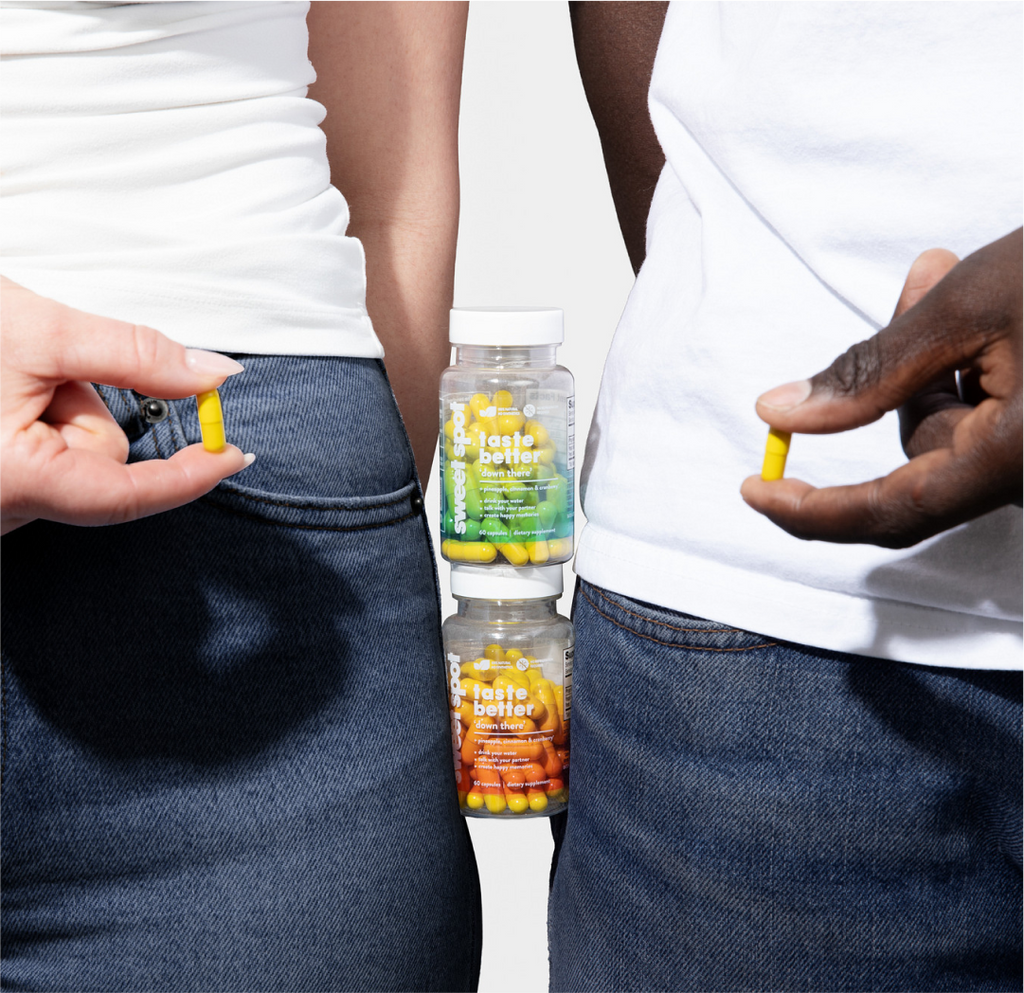


What to Do After Sex: Freshness & UTI Prevention Guide
The main event gets all the attention, but what you do in the 30 minutes after sex matters just as much for your comfort, freshness, and urinary health. Here’s the simple, no-stress routine — what to do, what to skip, and how to lower your UTI risk without killing the mood.
Quick Answer
Quick Answer: After sex, pee within 30 minutes to help flush bacteria from the urethra, gently clean the external area with water or pH-balanced wipes, and hydrate. Skip douching and harsh soaps. These simple habits support freshness and may help lower UTI risk — see a doctor for burning, urgency, or recurrent UTIs.
1. Pee After Sex — The Golden Rule
This is the single most-repeated advice for a reason. During sex, bacteria can be pushed toward the urethra, and urinating afterward helps flush them out before they travel upward. Aim to pee within about 30 minutes — you don’t need to sprint to the bathroom mid-cuddle, but don’t fall asleep for hours first either. This habit is associated with lower UTI risk, especially for people prone to post-sex UTIs.
2. Gentle Clean-Up: Keep It Simple
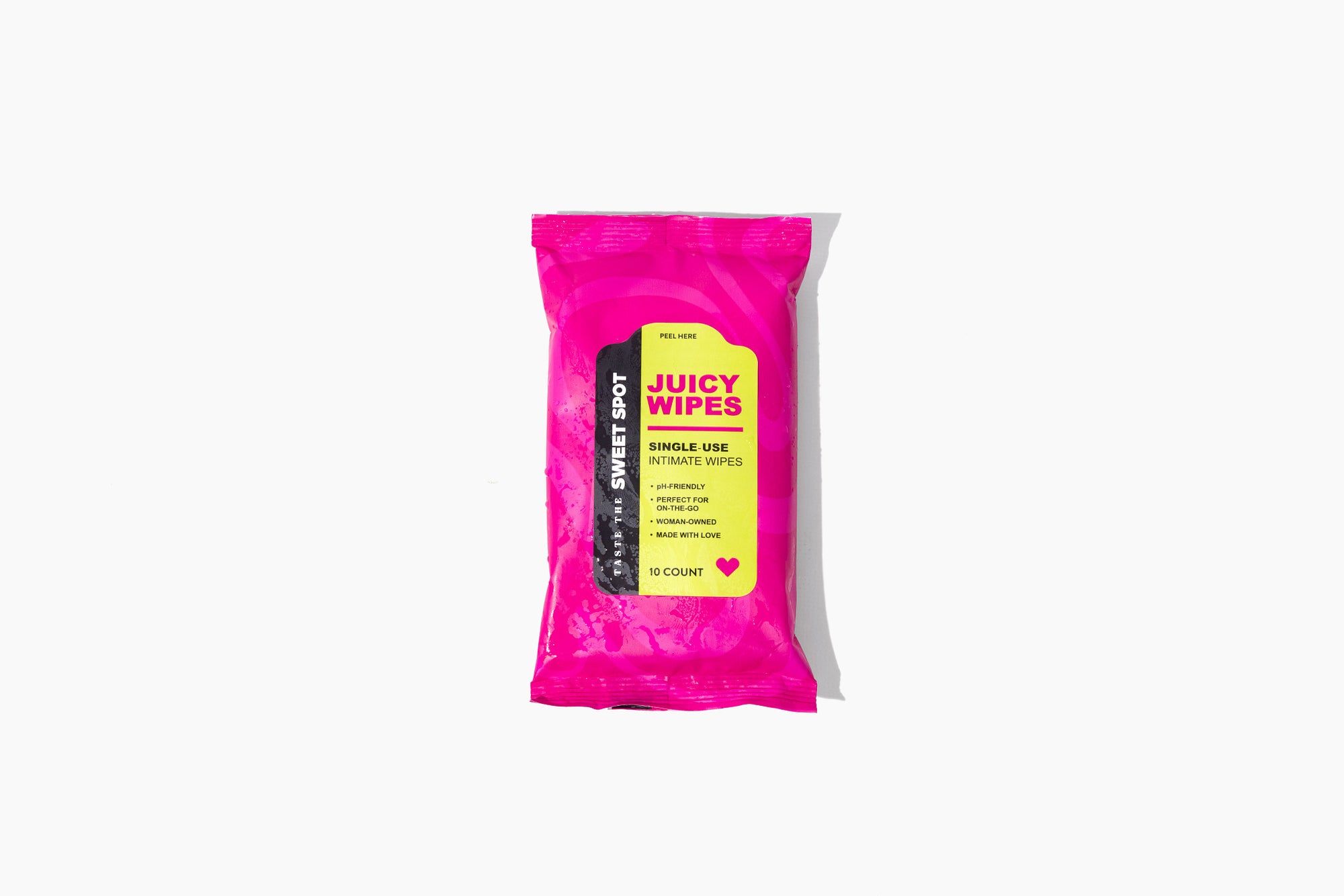
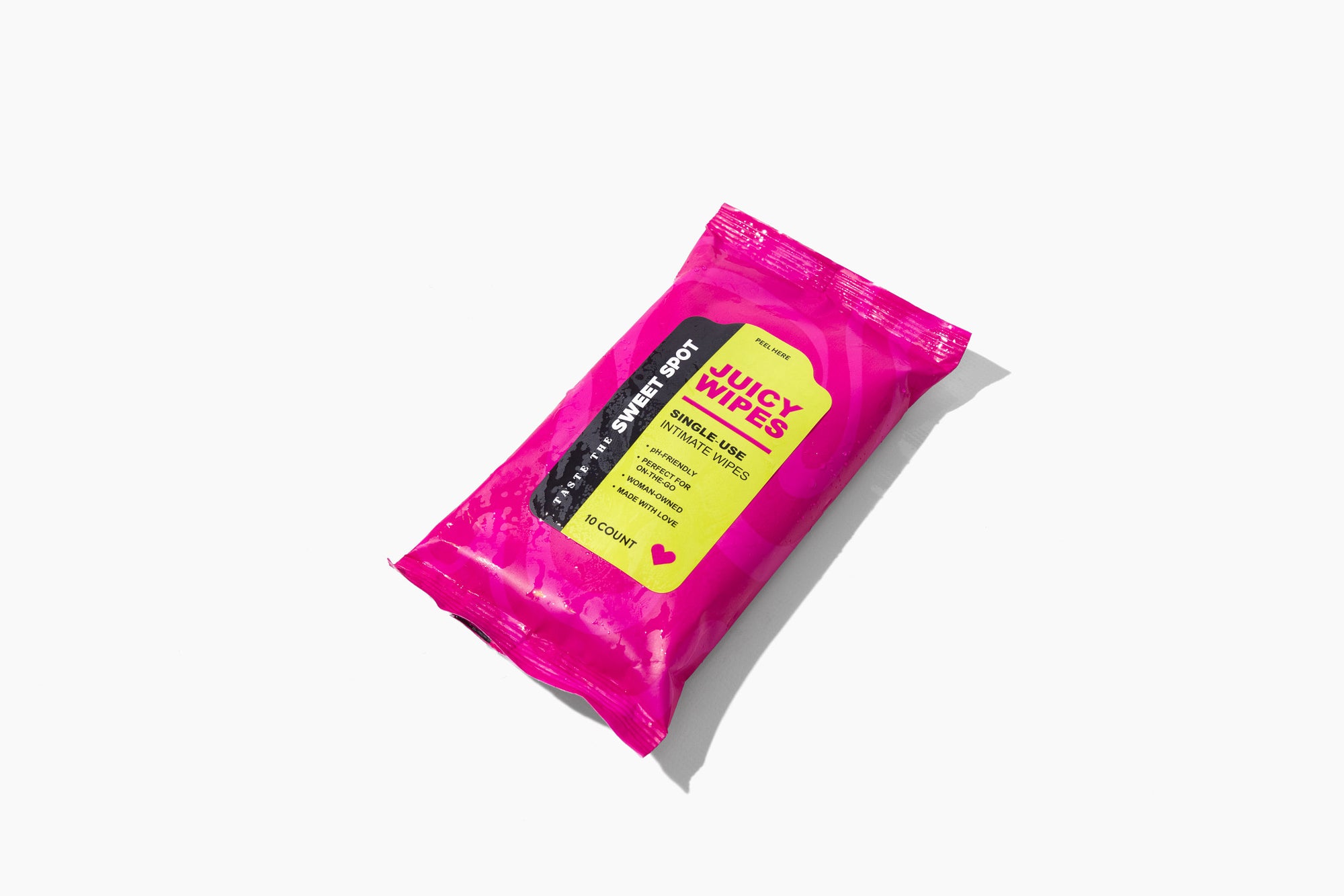
Warm water on the external vulva is all you need — no special products required. If you want to feel extra fresh, pH-balanced, fragrance-free intimate wipes are perfect for a quick external clean-up (ideal for the nightstand drawer). Pat dry gently rather than rubbing. Remember: the vagina cleans itself internally, so everything you do is external-only.
A quick note on lubricant: if you used lube, choose water- or silicone-based formulas without added fragrances or spermicides for next time — some glycerin-heavy or strongly fragranced lubes can irritate sensitive tissue and leave you feeling less fresh afterward.
3. Hydrate — Before and After
Drinking water after sex supports the whole system: it keeps urine flowing (which helps the flushing effect) and aids overall recovery. Keep a glass of water by the bed — it’s a small ritual that doubles as self-care. Bonus: staying hydrated also supports healthy mucous membranes generally.
4. What to Skip After Sex
-
Douching: Never the answer. It disrupts protective Lactobacillus and raises infection risk.
-
Harsh or scented soaps: Antibacterial body wash and fragranced products irritate delicate tissue — gentle and fragrance-free only.
-
“Feminine deodorant” sprays: Masking scent while disrupting flora is a bad trade. Address causes, not smells.
-
Holding your pee: If you feel the urge, go. Holding it gives bacteria more time where you don’t want them.
-
Tight synthetic underwear to sleep in: Breathable cotton — or nothing — lets everything air out overnight.
5. UTI Prevention: The Bigger Picture
If UTIs tend to follow intimacy for you, layer in these evidence-informed habits. Cranberry products and D-mannose are popular for urinary tract support — research on cranberry is mixed but suggestive for some people, and D-mannose has emerging evidence for helping prevent bacterial adhesion. Probiotics with Lactobacillus strains may help support a balanced urogenital microbiome. None of these treat an active UTI — antibiotics prescribed by a doctor do that — but they’re reasonable parts of a prevention routine. Wiping front to back, staying hydrated, and not holding urine round out the strategy.
Timing matters too: the habits that prevent UTIs work best as a system, not solo acts. Peeing after sex without hydrating is half a strategy; cranberry without the bathroom trip is wishful thinking. Stack two or three of these consistently and you’ve built real protection — your urinary tract will thank you.
6. Know the Signs of a UTI
Even with perfect habits, UTIs happen. Watch for burning when you pee, a frequent or urgent need to urinate with little output, cloudy or strong-smelling urine, and pelvic discomfort. Fever, back pain, or nausea can signal the infection has reached the kidneys — that needs prompt medical care. Don’t try to ride out a UTI with cranberry juice alone; get tested and treated.
7. Build Your Post-Sex Kit
Make the routine effortless by keeping a small kit where you need it. The essentials: a water bottle for hydration, pH-balanced fragrance-free intimate wipes for quick external clean-ups, and clean cotton underwear (or the freedom to skip it) for sleeping. If you’re prone to post-sex UTIs, talk to your doctor about whether cranberry or D-mannose makes sense as part of your personal prevention plan — and keep them where you’ll actually remember them.
Two more smart additions: a pH-friendly, glycerin-free lubricant for next time (some lubricants with high osmolality or spermicides can irritate tissue and disrupt flora — check labels), and an unscented pantyliner for the morning after if you want extra freshness confidence. None of this needs to be elaborate — a small pouch in the nightstand drawer turns good intentions into automatic habits. Future you says thanks.
8. When to See a Doctor
-
UTI symptoms: Burning, urgency, cloudy urine — get a urine test and proper treatment.
-
Recurrent UTIs: Two or more in six months (or three in a year) deserves a preventive plan with your doctor.
-
Unusual discharge or odor after sex: Could indicate BV or another condition needing diagnosis.
-
Pain during or after sex: Persistent pain isn’t normal — get it evaluated.
This article is educational only and isn’t medical advice. Your post-sex routine should feel like self-care, not a chore list — keep it simple and consistent.
Keep the Glow Going
Pee, rinse gently, hydrate, breathe. That’s the whole routine — four small steps that protect your freshness and your urinary health. Make it a habit and you’ll never have to think about it again.
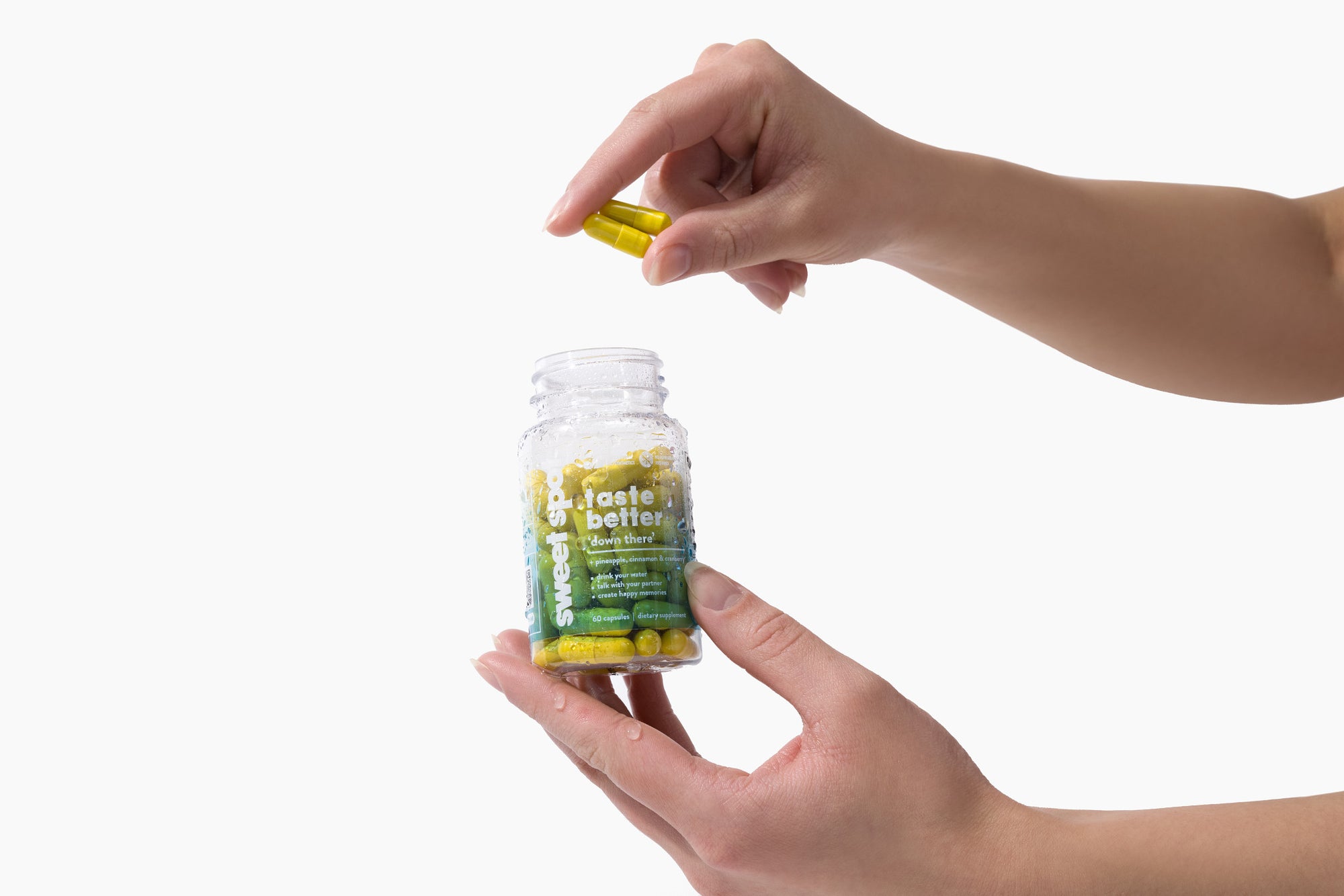
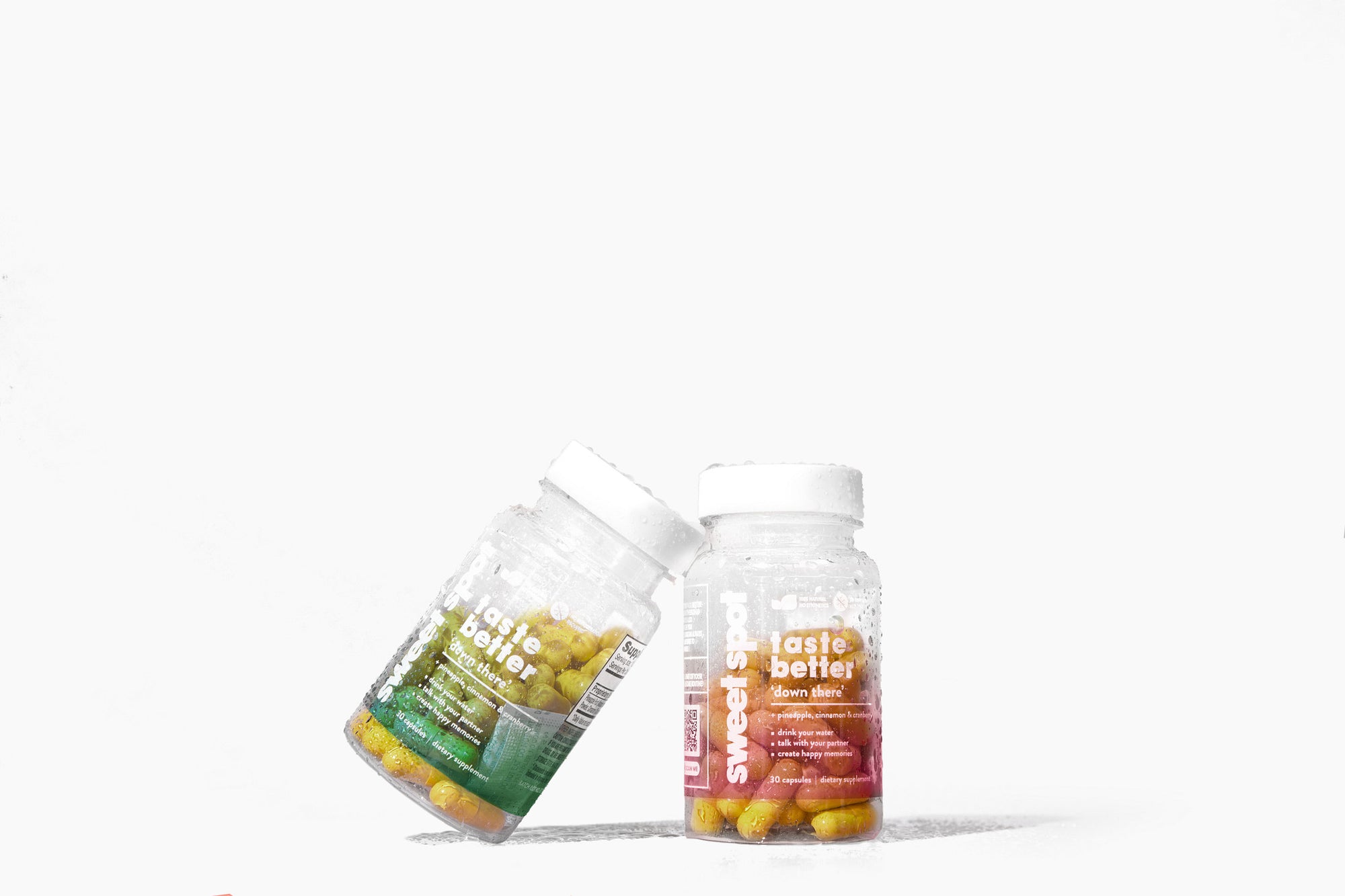
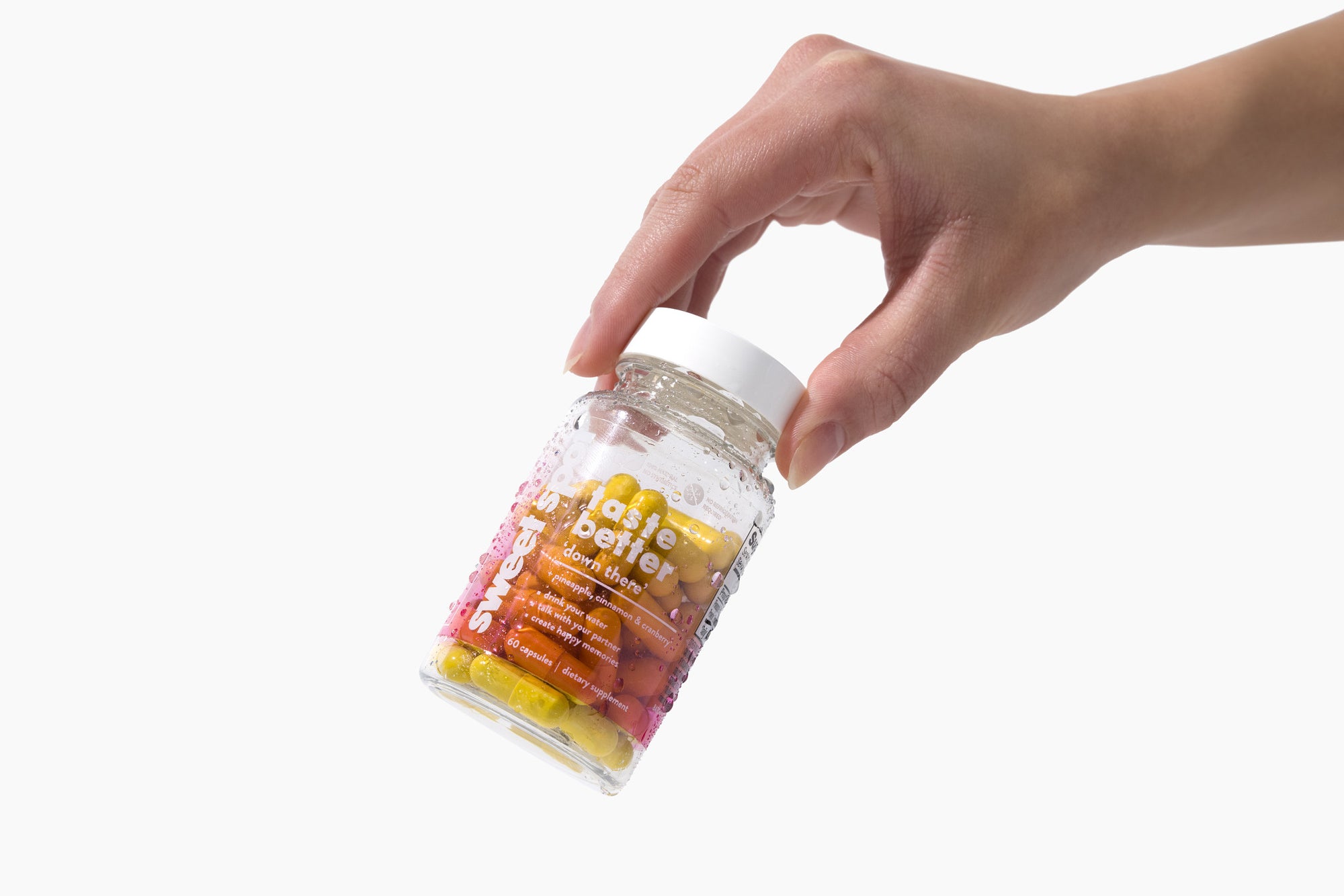
Stock your nightstand the smart way: shop the full Sweet Spot collection, including pH-balanced wipes for post-intimacy freshness and the Women’s Sweet Spot formula for daily feminine balance.
Frequently Asked Questions
How soon after sex should I pee?
Within about 30 minutes is the commonly recommended window. It doesn’t have to be immediate — but don’t wait hours or fall asleep first if you’re UTI-prone.
Should I shower after sex?
A full shower isn’t necessary. A gentle external rinse with warm water (or pH-balanced wipes) is plenty. Over-washing with soap does more harm than good.
Can I prevent UTIs without antibiotics?
Prevention habits — peeing after sex, hydration, not holding urine — lower risk, and cranberry, D-mannose, and probiotics may offer additional support. But an active UTI needs proper medical treatment; prevention and treatment are different jobs.
Is it normal to feel sore after sex?
Mild, brief soreness can be normal, especially with extra friction or insufficient lubrication. Persistent pain, bleeding, or soreness that lasts days isn’t — see your doctor.
Do I need to clean up right away or can I cuddle first?
Cuddle first — the 30-minute pee window gives you plenty of time. Intimacy shouldn’t feel like a timed drill.
Can my partner’s hygiene affect my UTI risk?
Yes — partners should wash hands and genitals before sex, since bacteria transfer is a two-way street. It’s a team effort, and it’s a totally reasonable thing to ask for.
Are post-sex wipes safe?
Wipes formulated for intimate skin — pH-balanced, fragrance-free, alcohol-free — are safe for external use. Avoid generic baby wipes or anything with fragrance or harsh preservatives on intimate skin.
SHOP THE PRODUCTS BEHIND THE VIRAL HYPE
'TASTE BETTER DOWN THERE'
#STAYJUICY