

How to read a vaginal supplement label without buying the slogan
A vaginal supplement label is two documents glued together. The front is an ad. The back is the only part with a duty to list a serving and an amount. People buy the ad because they are worried, tired, or ashamed. This page is a reading guide. It asks you to find the serving size, to notice when a proprietary blend hides amounts, and to treat a third party seal as a quality check rather than a medical claim. No label on this shelf is a treatment for infection.
Quick Answer
Quick Answer: Read a vaginal supplement label from the serving upward, not from the flower downward. See how many capsules count as one serving. If a blend lists a single weight for ten ingredients, you do not know the amount of any of them. A seal can support manufacturing quality. It cannot prove an effect on pH, odor, or yeast. If the front promises to fix an infection, the label has already failed you. Put it back. A capsule is not a treatment.
1. Serving size is the first honest line
Find the words serving size and servings per container. A bottle of sixty capsules taken as two a day is a month, not a bargain pile of single servings. Some labels make the nutrient numbers look large by setting the serving at three or four pieces. Compare products only after you match the serving to a day you would actually follow. If you cannot picture swallowing that many, the panel is fiction. Check whether the suggestion is with food or water. Those directions are routine, not evidence of a vaginal outcome. If you are pregnant, the serving on a freshness bottle is not automatically appropriate. The obstetric clinician still has to agree before you start.
2. Proprietary blends are a curtain
A proprietary blend names several ingredients and one combined weight. The order is often descending, and the first name may still be a sprinkle. You cannot tell. That structure protects a recipe. It also protects the seller from a comparison you might win. For a vaginal product, the curtain is especially unhelpful, because the interesting questions are simple. How much of the main extract is there. Is a vitamin present at a meaningful amount or at a dusting. This page will not guess through the curtain. If the choice matters, prefer a label that states each amount. If you need zinc or vitamin D, buy a label that says those amounts plainly. Do not assume a feminine blend included them.
3. Third party seals check quality, not biology
A seal from an outside tester can mean the bottle was checked for identity, contaminants, or whether the contents match the label. That is worth something. It is not a study of your vagina. It does not mean the formula changes odor, treats an infection, or balances a strip. Read the seal's actual sentence if it is printed. Words like tested and verified are not the same claim. Some marks are the company's own icon dressed up as authority. If you do not recognize the mark, you can look up what it certifies without believing the front panel's story. Quality is about not being fooled on contents. Medicine is about a diagnosis. Keep the two stamps in different rooms.
4. Slogan words to slow down on
Balance, flora, feminine, odor, fresh, and clean do not identify an ingredient. Doctor recommended, without saying recommended for what, is a costume. Natural is not a dose and not a safety proof. A picture of fruit is not a measurement of fruit extract. Clinical strength is meaningless unless a clinical use is described with the limits attached, and even then a label is a poor place to practice medicine. This page will not list competitor brands. The test is the same on every bottle. Can you say, in one sentence, what you are swallowing and what you are not expecting it to do. If the sentence needs the word miracle, you are reading the ad.
5. A label still cannot see you
Even a perfectly honest panel cannot tell bacterial vaginosis from yeast, or a urinary infection from irritation. Fishy odor with thin discharge, itching, burning, pelvic pain, fever, bleeding, or pain when you pee outrank any reading session. Bring the bottle to the visit if you already started it. The clinician can use the panel faster than your memory. Do not place any capsule in the vagina because the label said feminine. Swallow only what is meant to be swallowed. If you feel worse, stop and call. Reading well is a shopping skill. It is not a license to skip care, and it is not a treatment plan you can perform alone on a Thursday night.
6. Lines to find before you pay
Serving size and capsules per day. Confirm how many capsules make a serving and how many days the bottle then lasts, so a large jar is not a short and expensive week in disguise.
Each amount, not a single blend weight. Prefer labels that state the amount of each ingredient, because a proprietary blend can hide a sprinkle behind an impressive list of familiar names on the back.
The seal's actual job. Read a third party mark as a check on quality and identity, not as proof that the capsule changes vaginal pH, odor, or an infection.
The sentence you can say aloud. If you cannot explain what you are buying without using the front slogan, you are not ready to pay, and the panel has not earned the sale.
7. Choosing after the panel, not before
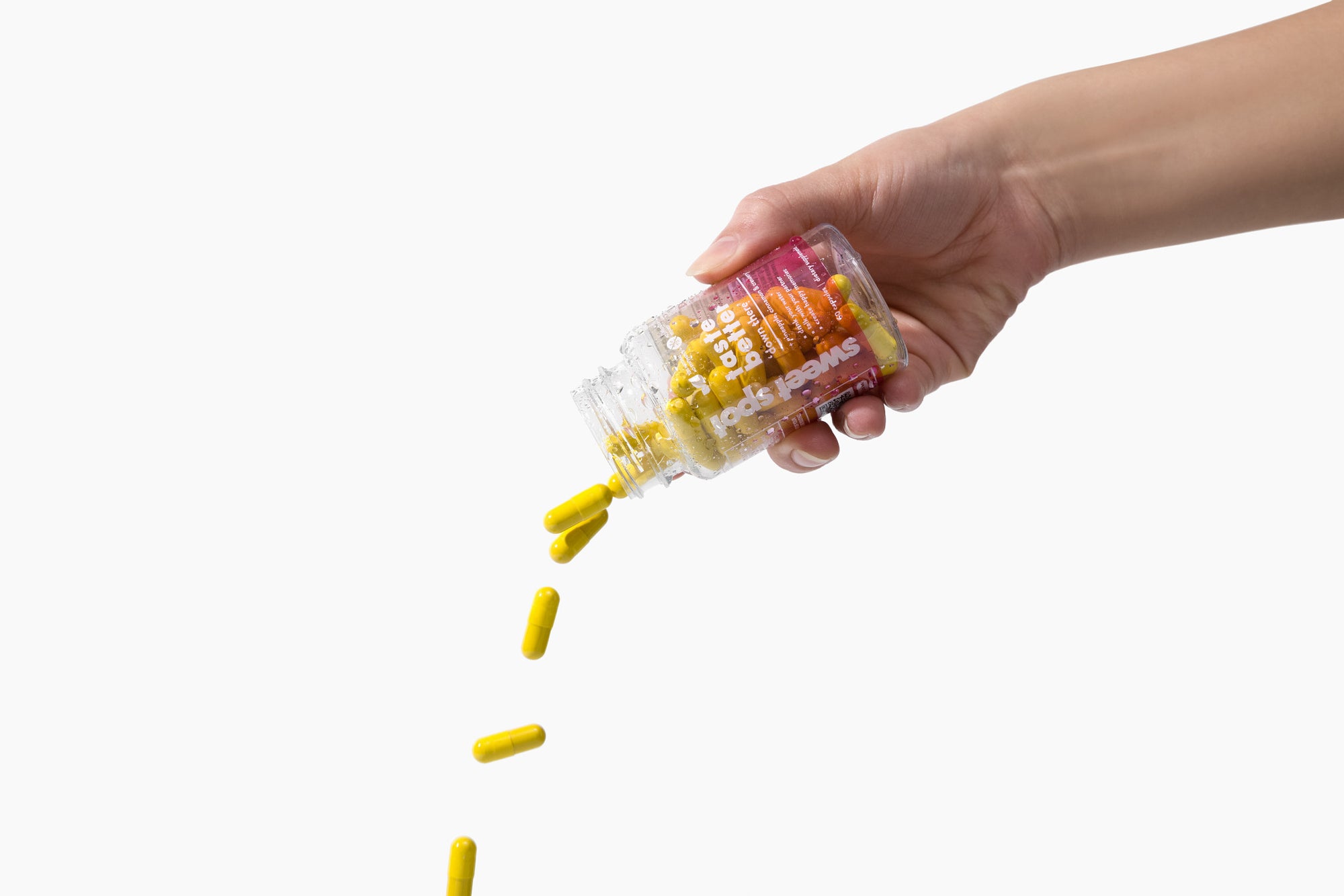
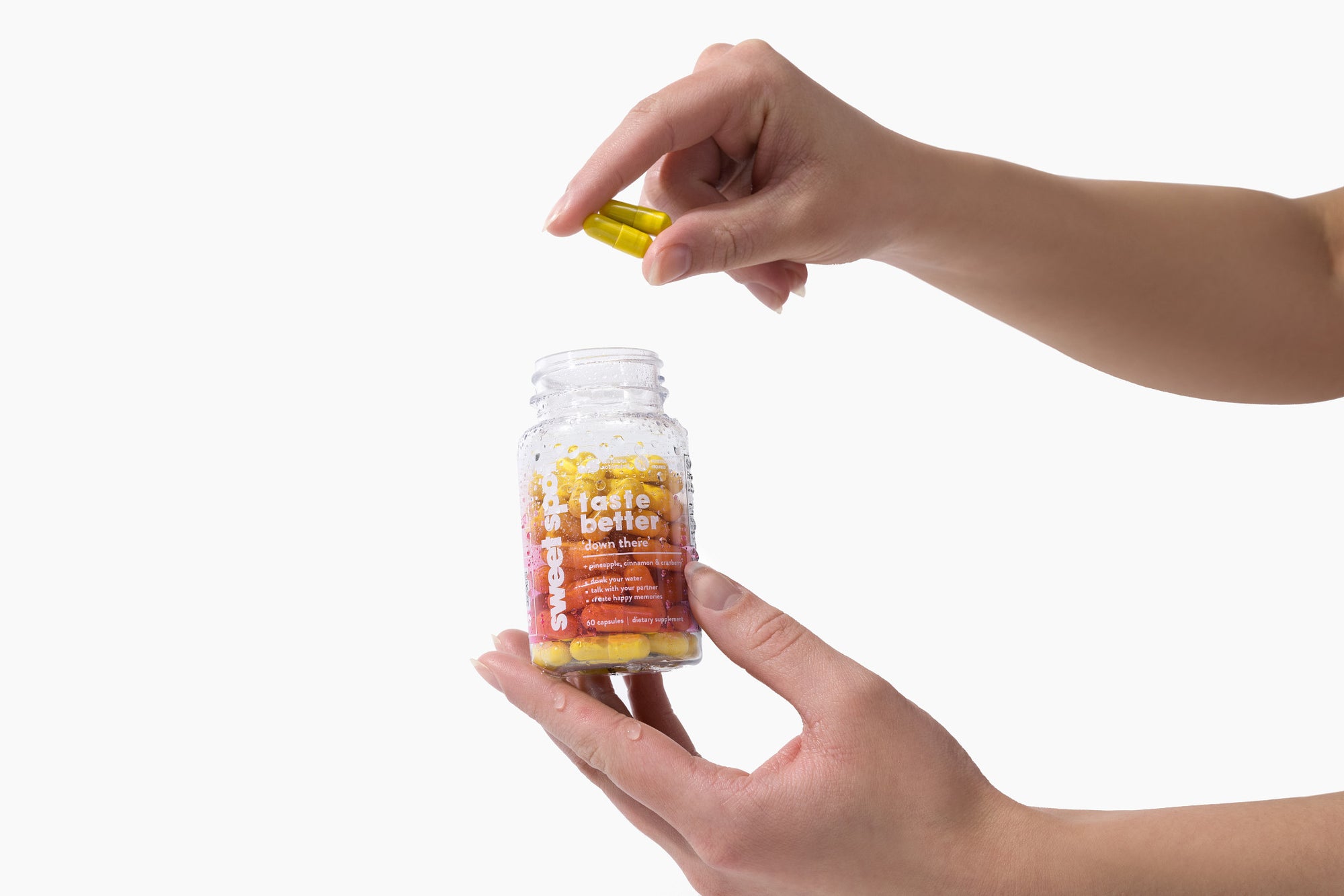
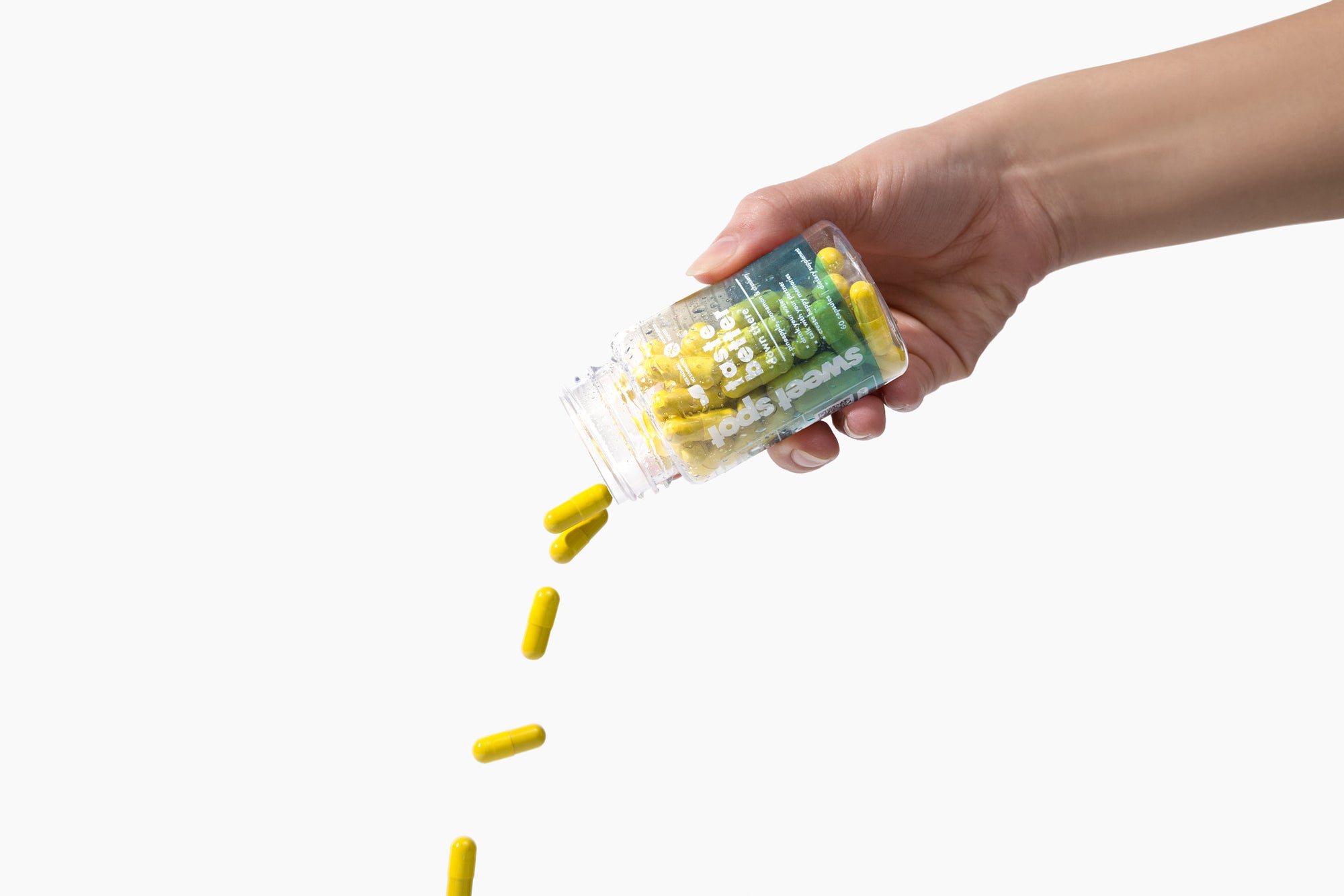
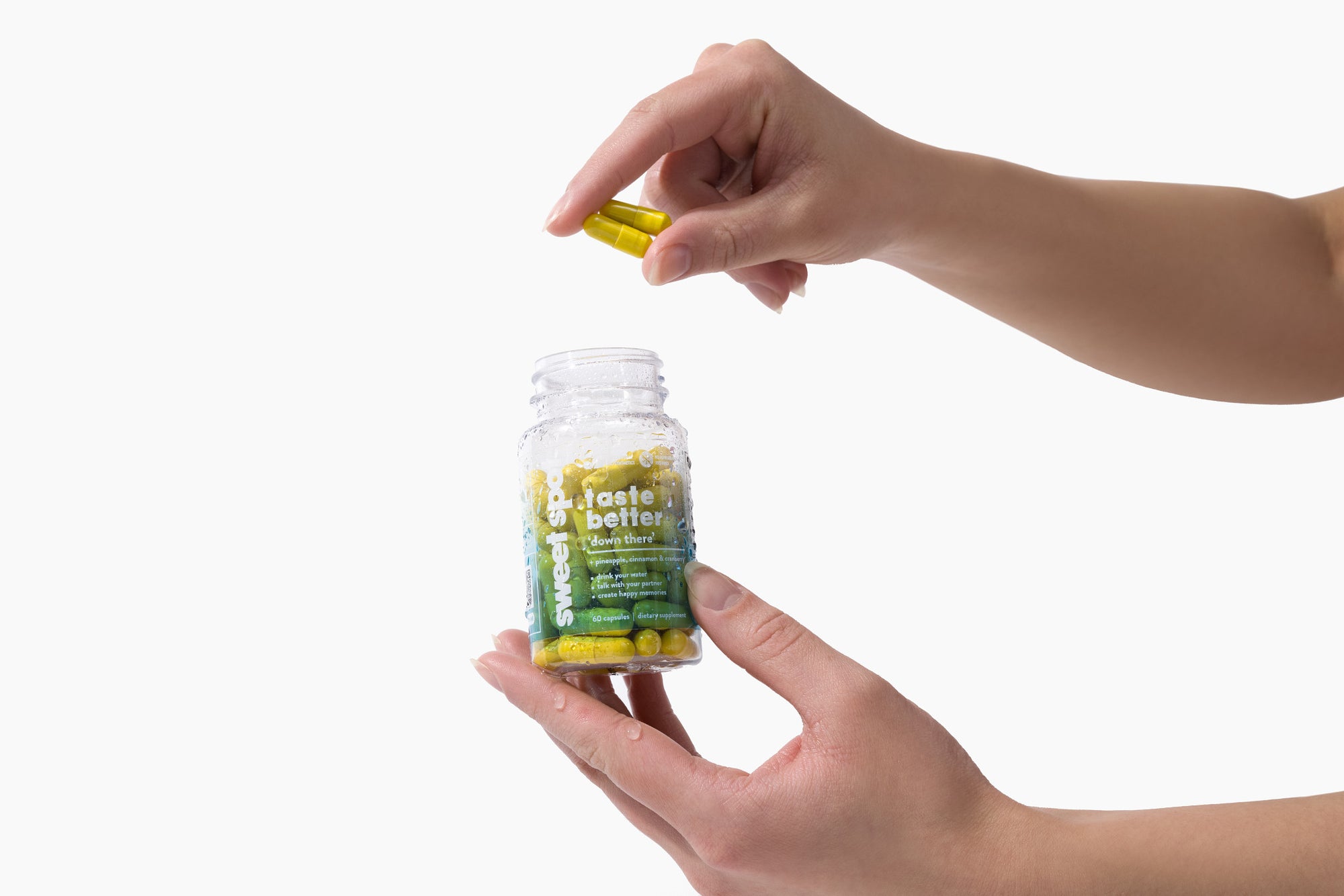
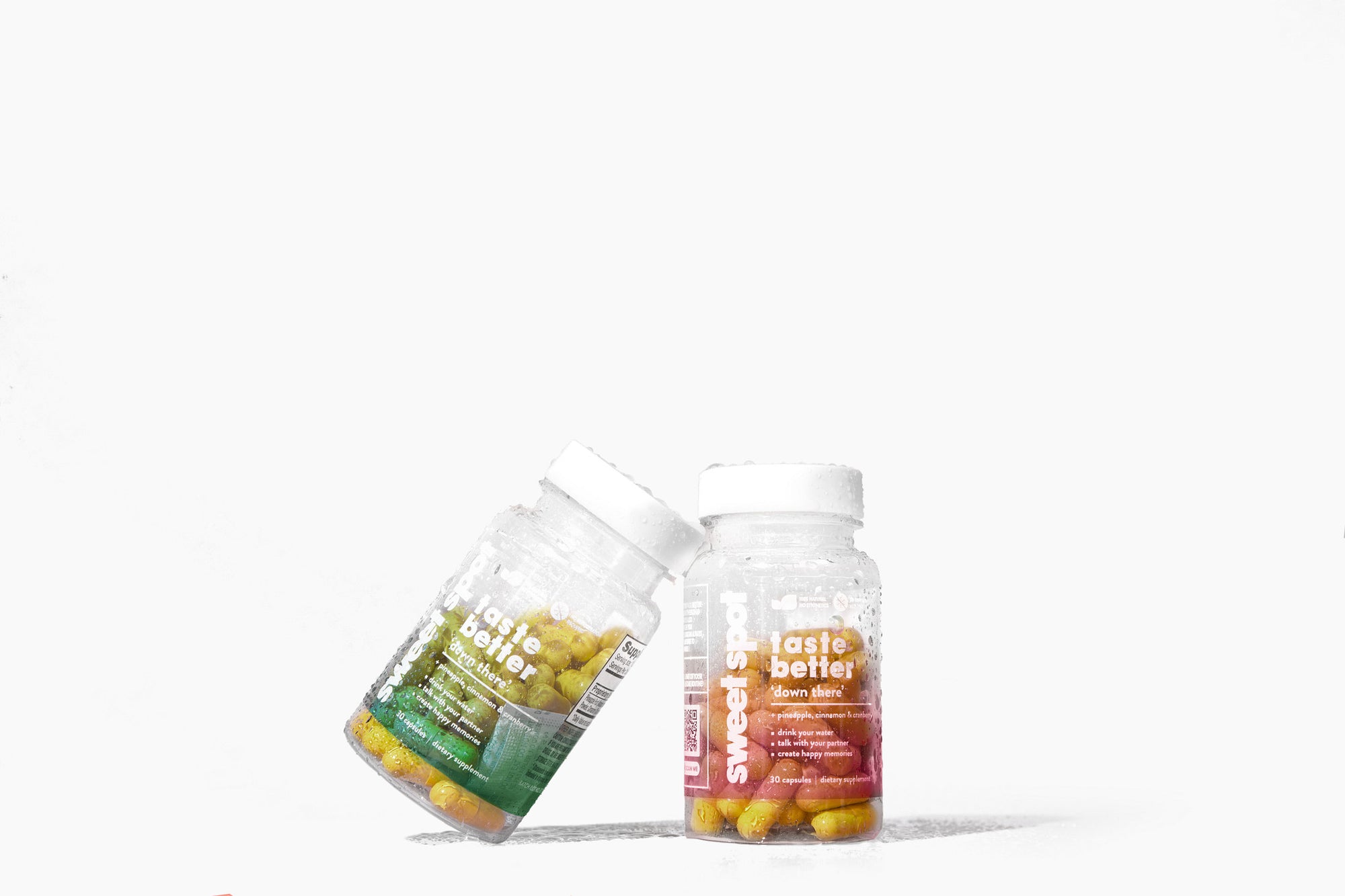
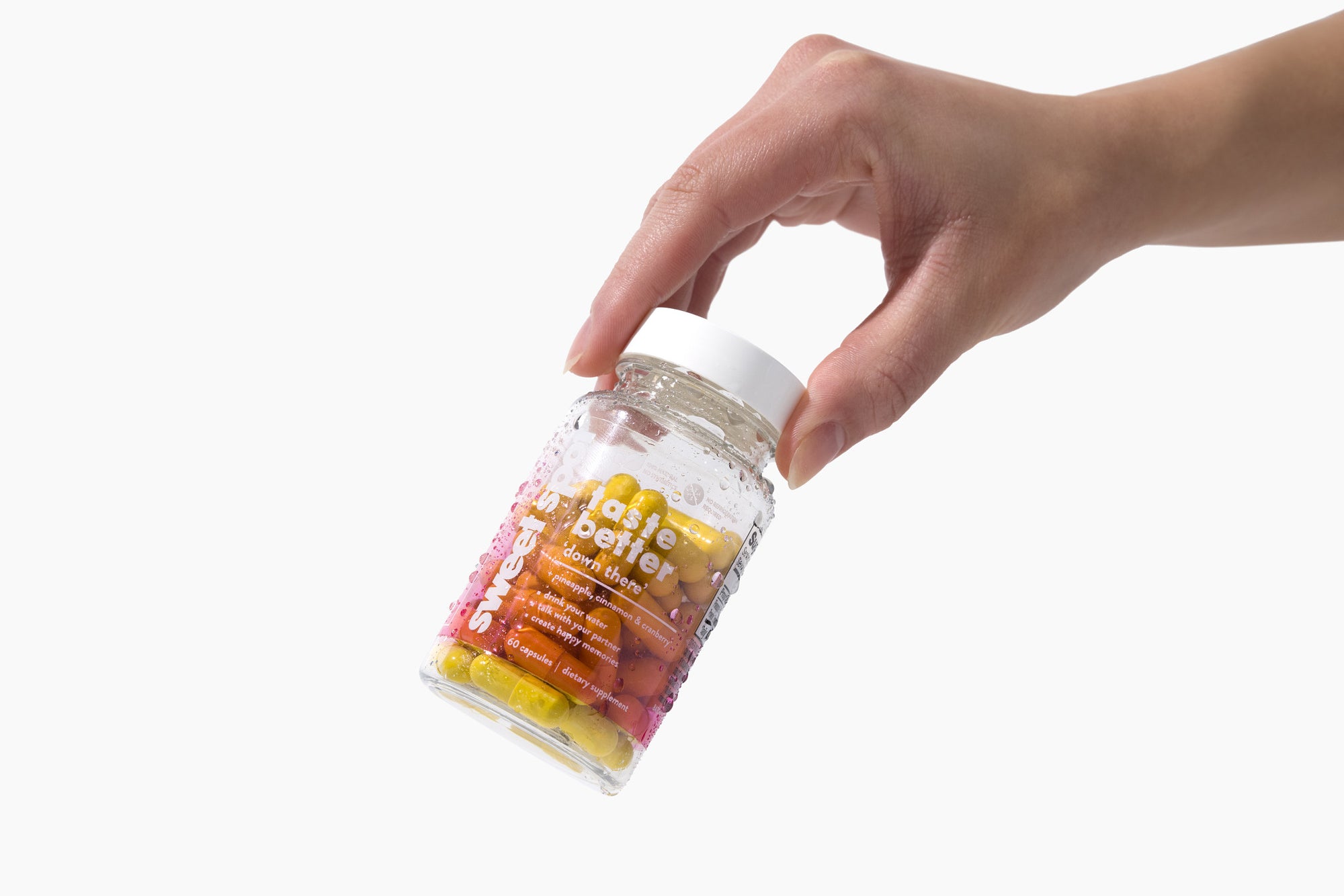
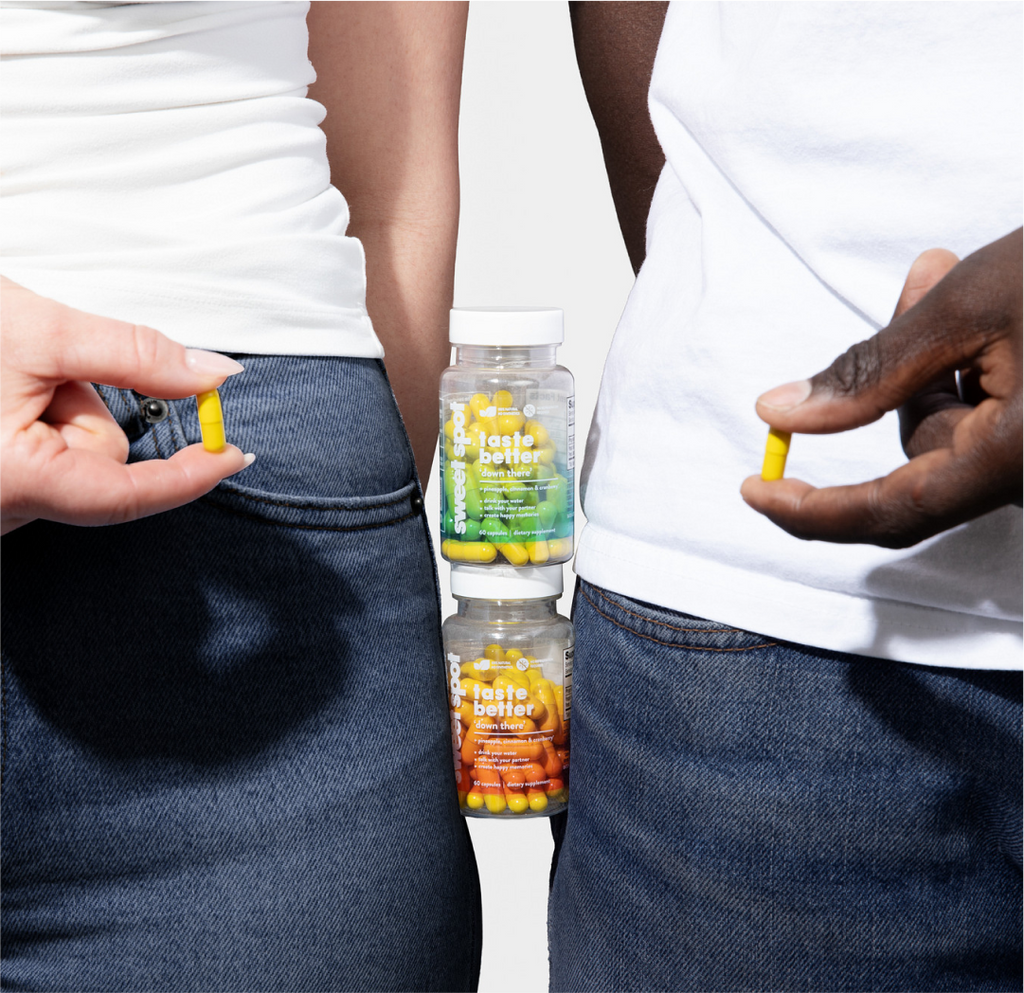
Choose the label you can paraphrase. Women's Sweet Spot, for example, states pineapple extract plus a probiotic blend, two capsules a day with water, no artificial flavors or fillers, made in the USA. It is not a vitamin pill. If your goal is vitamin D, that is the wrong label. If your goal is a modest freshness habit after an exam, the panel matches the goal. Match first. Then decide if you want it at all.
8. Pair reading with one other check
Pair the panel with your current bottles so you do not double the same nutrient. Pair a seal with a quick look at what the seal claims, not with a feeling of safety about infections. Pair any new start in pregnancy with the obstetric clinician. Do not pair a frightening symptom with a late night order. The label will still be there after the appointment. Your chance to describe discharge is more time sensitive than the sale.
9. When to Talk to Your Doctor
A careful reading does not replace care. Fishy odor with thin discharge, itching, burning, pelvic pain, fever, bleeding, or pain when you pee means see a clinician and bring the label. If you are pregnant, do not start a new supplement unless the obstetric clinician agrees. Rash, vomiting, or worsening pain after a new product is a reason to stop and call. This page is not medical advice. A label is not a treatment.
The back of the bottle is the product
Read the serving, refuse blends that hide amounts, and let seals speak only to quality. Slogan words are not evidence. No vaginal supplement label can diagnose you or stand in for a clinician when symptoms show up. Bring the panel if you already started it.
Keep reading on JuicyVibes: pH balance pills, vitamins for vaginal health.
If you want a freshness routine beside real food, Women's Sweet Spot is pineapple extract plus a probiotic blend for intimate pH support and natural freshness. The page says two capsules a day with water, no artificial flavors or fillers, made in the USA. Its label is a freshness capsule, not a vitamin formula, and it is not a treatment for infection. Capsule pages offer a one-time purchase and automatic monthly delivery. The price, and any cancellation terms, are on that page. This article does not promise a refund or a pause button. You can also shop the full collection.
Frequently Asked Questions
What is the first line to read on a vaginal supplement label?
Serving size, then servings per container, then the suggestion per day. Those lines tell you what the rest of the numbers mean. The front of the bottle does not. If the daily amount is more capsules than you will take, the panel does not describe your real intake. Start there before you debate ingredients.
Are proprietary blends always a reason to walk away?
They are a reason to hesitate when you care about the amount. A single weight for many names hides the split. If you are choosing a specific nutrient, buy a label that states it. If you are choosing a simple freshness habit and the main ingredients are clear, you can still decide with your eyes open. Hidden is not the same as proven.
Does a third party seal mean the product works?
No. It can support a quality check, such as whether the contents match the label. It is not a medical claim about pH, odor, yeast, or bacterial vaginosis. Read the words next to the mark. A company's own icon is not an outside test. Quality and effectiveness are different compliments.
How do I spot a fake medical promise?
Watch for infection language, overnight odor claims, and the idea that a capsule replaces an exam. Those promises are not a treatment, and they are not evidence. Fruit pictures and the word clean are advertising. If you need care, the label cannot examine you. Put the bottle down and book the visit.
Should I show the label to a clinician?
Yes, especially if you already started the product or you are pregnant. A photo of the panel is enough. It helps them see overlap with a prenatal or a prescribed medicine. You do not need to defend the purchase. Information beats embarrassment, and the panel is clearer than a paraphrase from memory.