Female Health
Probiotic Suppositories vs. Oral Probiotics: Key Differences

Pineapple-extract supplement. 60 capsules · 30-day supply.
Shop For Her →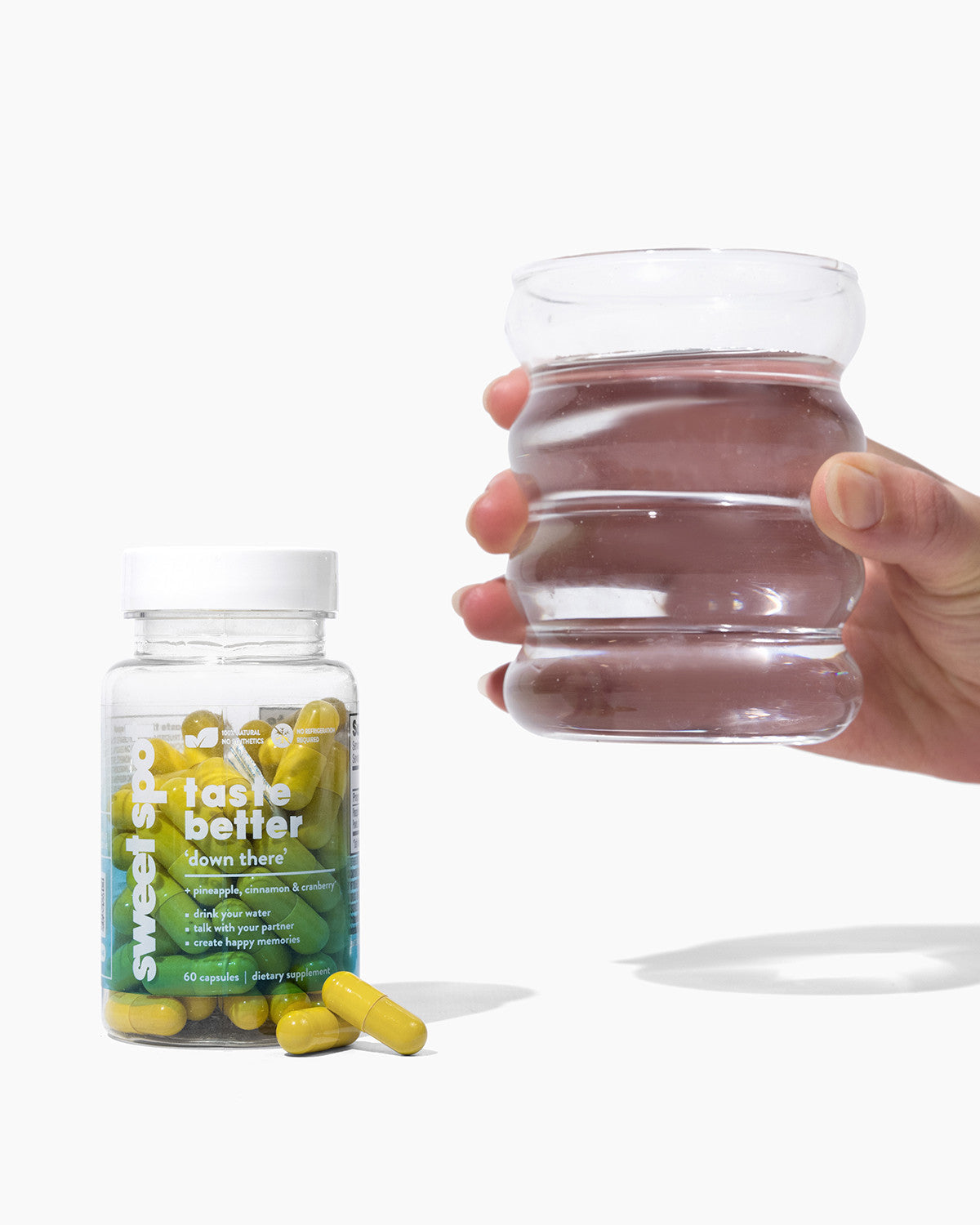
Probiotic suppositories and oral probiotic capsules can share a word on the label, but they are very different products. Probiotic suppositories are designed or studied for use in the vagina, usually in a clinical context, while an oral capsule is swallowed with water and travels through your digestive system. The route changes the evidence, the risks, and who should guide the decision, so it's worth understanding the difference before you buy anything.
Quick Answer
A swallowed capsule and a vaginal probiotic product aren't interchangeable. Research on vaginal products is mixed and usually happens under clinician guidance, so any internal product is a conversation for your clinician, not a shopping decision. This guide explains the difference; it isn't an insertion guide or a buying guide.
How Are Probiotic Suppositories Different From Oral Capsules?
When you swallow a capsule, it passes through your stomach and gut. A suppository, or any product designed for the vagina, is a local product with a different purpose in the studies that look at it. Marketing sometimes blurs the two because both get called probiotics, but your body doesn't treat them as the same thing just because the packaging uses one word.
Here's a simple way to keep them straight:
- Swallowed capsule. Travels through digestion. An oral product doesn't become a local vaginal product just because its label mentions a probiotic blend.
- Clinic product. Some studies use clinician-guided products in the vagina for specific diagnoses. Those methods belong to the care team that ordered them.
- No repurposing. Opening a capsule, mixing the powder, or placing a tablet internally isn't a clever shortcut. Oral products are made to be swallowed.
- Symptom check. Itching, burning, odor, or pain is a reason to be examined, not a reason to pick a route from an article.
What Does the Research on Vaginal Probiotics Show?
Some clinical studies explore vaginal probiotic products for people with recurrent yeast infections or bacterial vaginosis, usually alongside or after standard care. The products, the participants, and the outcomes vary from paper to paper, and the overall results are mixed. In plain terms, you can't pull a clear yes out of the stack.
A positive study isn't a personal recommendation, and a negative one doesn't prove every microbe product is useless. Either way, when a clinic ran the method, the method belongs in the clinic. A study's methods section isn't a set of home instructions. If you want a closer look at the evidence for specific conditions, our pieces on probiotics and bacterial vaginosis and probiotics for UTI and yeast walk through what's known.
Should You Buy a Vaginal Probiotic on Your Own?
You might be hoping for a brand name, a shape, an applicator tip, or a step-by-step. You won't find those here, and that's deliberate. Recommending probiotic suppositories from an article would assume we can see your symptoms, your pregnancy status, and your history. We can't.
If a clinician offers a vaginal product, ask how it fits your diagnosis and which warning signs matter. If no clinician is involved yet, it's better not to start that conversation with a shopping cart. And an oral capsule doesn't become a suppository because someone online says the vaginal route works faster. Speed isn't a medical argument.
It also helps to remember that a product being sold over the counter isn't the same as a clinical recommendation. Products marketed for vaginal use vary widely, and a clinician can tell you whether one fits your situation or whether a different approach makes more sense.
What Should Never Go Inside the Vagina?
Some home remedies sound logical but can irritate delicate tissue or delay proper care. Please don't place any of these in the vagina:
- Oral capsules or tablets meant to be swallowed
- Powder from an opened capsule
- Yogurt
- Garlic
- Oils
- Vinegar
Yogurt and other foods with live cultures are perfectly fine to eat if you enjoy them; they just aren't the vaginal half of a routine. External care for the vulva, ideally unscented, stays on the outside. The steadier choice is often the boring one: swallow only what's meant to be swallowed, and let a clinician handle anything internal.
Probiotics and Pregnancy
Pregnancy makes at-home experiments especially unwise. Don't start any new supplement, oral or otherwise, unless your obstetric clinician agrees, and don't try a new product route on your own. Studies you read online aren't permission during pregnancy.
Itching, bleeding, pain, fever, or a new odor during pregnancy should be reported to the clinician who knows your pregnancy, rather than managed with a new product. Our article on pregnancy and new supplements covers this in more detail.
What to Ask If a Clinician Suggests a Vaginal Probiotic
If a vaginal product does come up at an appointment, you're entitled to understand it. Good questions to ask:
- Why this product, for my specific diagnosis?
- Is it meant to go alongside my other treatment, or after it?
- How long should I use it, and when should I stop?
- What warning signs mean I should call you?
- Does anything change if I'm pregnant or trying to conceive?
And if what you really wanted all along was an oral capsule, that's a separate, simpler decision. Read the supplement panel rather than the front of the box (our guide on how to read a probiotic label shows you how), and take it with water, as the label says.
When to See a Doctor
See a clinician before you consider any vaginal product, including one you read about in a study summary. Also book a visit for:
- Itching or burning
- A fishy odor
- Unusual discharge
- Pelvic pain
- Fever
- Bleeding
- Pain when you pee
If you've already placed something in the vagina, say so plainly so your clinician can help without guesswork, and tell them what else you've tried. During pregnancy, don't add a supplement or try a new route unless your obstetric clinician agrees. This article isn't medical advice or a set of instructions.
An Oral Option for Everyday Freshness
If a swallowed capsule is what you're after, Women's Sweet Spot is an oral probiotic-friendly dietary supplement featuring pineapple extract, formulated to support intimate pH balance and natural freshness. You take two capsules daily with water. It has no artificial flavors or fillers and is made in the USA. It isn't a suppository or a vaginal tablet, and it isn't a treatment for any infection, so it should always be used exactly as the label directs.
Frequently Asked Questions
Why are vaginal probiotics studied alongside antibiotics?
Most studies test them as an add-on to standard care, or as something used after it, not as a replacement. That detail matters when you read a headline. Even a promising result usually means "with treatment," so it's never a reason to skip the medication a clinician prescribed in favor of a probiotic you picked yourself.
I already put something inside. What should I do now?
Stop, and don't follow it with a second remedy to cancel the first. If you notice burning, itching, swelling, or unusual discharge, call a clinician and tell them exactly what you used and when. They've heard it all before. Being specific helps them treat irritation quickly instead of guessing at the cause.
Are store-bought vaginal probiotics safe to try on my own?
Being on a shelf isn't the same as being right for you. These products vary a lot, and the research behind them is mixed. Symptoms that made you look for one, such as itch, odor, or discharge, need a diagnosis first. Take the product name to a clinician and ask whether it fits, before you open the box.
Can I open an oral probiotic capsule and mix it into a drink?
Follow the label. Most oral capsules, including Women's Sweet Spot, are designed to be swallowed whole with water, and opening them changes how they're meant to be taken. Above all, the powder shouldn't be repurposed for use anywhere else on the body. If swallowing capsules is hard for you, ask a pharmacist for options.
I'm pregnant and itchy. Can I try a probiotic?
Call your obstetric clinician first. Itching in pregnancy can have several causes, and the right care depends on which one it is. Don't start a new supplement or a vaginal product unless they agree. Write down when the itch began and any discharge or odor so the call is quick and useful.
YOUR NEXT STEP, ON YOUR TERMS
Keep it simple.
Find your routine.
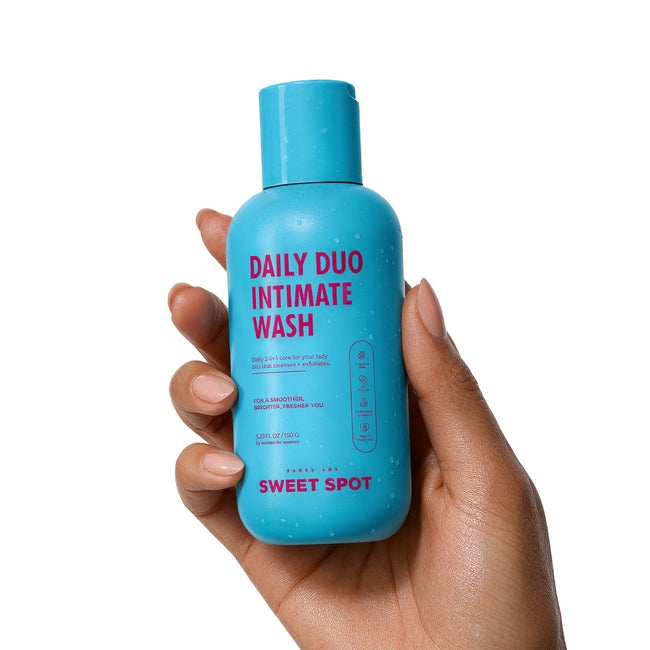
Explore daily supplements and external-care essentials. Our products are not treatments for medical conditions; speak with a qualified clinician about symptoms or health concerns.

Or explore other products: