

The Best Vitamins for Vaginal Health: What Research Suggests
Your vaginal health doesn’t start and end down there — it’s connected to your overall nutrition. Certain vitamins and minerals play supporting roles in immune function, tissue health, and microbiome balance. Here’s what the research actually suggests about the key players, where to get them from food, and how to think about supplements.
Quick Answer
Quick Answer: Vitamin D, vitamin C, vitamin E, B-complex vitamins, and zinc are the nutrients most studied in connection with vaginal and immune health. Research suggests they may support tissue integrity and immune function, but they don’t treat infections. A balanced diet comes first; supplements can help fill gaps — talk to your doctor about testing for deficiencies.
1. Vitamin D: The Immune Supporter
Vitamin D receptors are found throughout reproductive tissue, and deficiency is remarkably common — especially in northern climates and among people with darker skin. Research has linked low vitamin D levels with higher rates of bacterial vaginosis, and some studies suggest supplementation may support vaginal health in deficient individuals. The mechanism isn’t fully mapped, but vitamin D’s role in immune regulation is well established. Best food sources: fatty fish, egg yolks, and fortified foods — though sunlight and supplements do most of the heavy lifting for most people.
2. Vitamin C: Antioxidant Defense
Vitamin C is a potent antioxidant that supports immune function and collagen production — both relevant to healthy vaginal tissue. Some research has explored vitamin C (including vaginal vitamin C tablets in clinical settings) for supporting healthy vaginal flora after BV treatment, with promising but preliminary results. For daily nutrition, citrus fruits, bell peppers, strawberries, and broccoli are excellent sources.
3. Vitamin E: Tissue Health
Vitamin E supports skin and mucous membrane health through its antioxidant activity. It’s often discussed in the context of vaginal dryness, particularly around menopause, when declining estrogen thins vaginal tissue. While evidence for oral vitamin E specifically for vaginal health is limited, maintaining adequate levels supports the tissues involved. Find it in nuts, seeds, spinach, and avocado.
4. B-Complex Vitamins: The Behind-the-Scenes Crew
B vitamins — especially B6, folate (B9), and B12 — support cell metabolism, red blood cell formation, and nervous system function. They don’t get the spotlight, but deficiencies can show up as fatigue, weakened immunity, and poor tissue repair — all of which affect intimate health indirectly. Whole grains, legumes, eggs, and leafy greens are solid sources. If you’re on hormonal birth control, note that it can lower levels of certain B vitamins — worth discussing with your doctor.
5. Zinc: Small Mineral, Big Job
Zinc is essential for immune function and wound healing, and the vaginal mucosa is no exception. Research suggests zinc deficiency may impair immune responses, potentially leaving you more vulnerable to infections generally. Oysters, beef, pumpkin seeds, and lentils are rich sources. A little goes a long way — more is not better with zinc, and high doses can interfere with copper absorption.
6. Food First: Eating for Intimate Wellness
-
Colorful produce: Berries, citrus, peppers, and leafy greens deliver vitamins C, E, and folate plus fiber that feeds beneficial gut bacteria.
-
Fermented foods: Yogurt with live cultures, kefir, and kimchi support your microbiome from the gut outward.
-
Healthy fats: Nuts, seeds, avocado, and fatty fish provide vitamin E and the fats needed to absorb vitamins A, D, E, and K.
-
Hydration: Water won’t fix a deficiency, but good hydration supports every tissue in your body, including mucous membranes.
7. Choosing a Supplement Wisely
If diet alone isn’t cutting it, look for supplements with transparent labeling, appropriate (not mega) doses, and third-party testing. Avoid the temptation of “kitchen sink” blends with 40 ingredients at dust-level doses — targeted formulas with meaningful amounts of a few key nutrients beat fairy-dusting every time. And get your vitamin D levels tested before supplementing heavily; it’s a simple blood test that takes the guesswork out.
One more tip: consistency beats intensity. A modest daily dose you actually take every morning outperforms an ambitious protocol you abandon after a week. Set it next to your toothbrush, pair it with an existing habit, and let routine do the heavy lifting.
8. Smart Pairings: Supplements That Work Well Together
Nutrients don’t work in isolation — some combinations are genuinely better together. Vitamin D pairs well with vitamin K2 and magnesium, which support how your body uses it. Vitamin C enhances iron absorption, a nice bonus if you’re also addressing low iron. Zinc and copper compete for absorption, so if you supplement zinc long-term, keep copper in mind and don’t megadose. And probiotics pair beautifully with prebiotic fiber — the fiber feeds the beneficial bacteria, helping them thrive.
A few practical rules: take fat-soluble vitamins (D, E, K) with meals containing some healthy fat for better absorption. Space iron and calcium apart, since calcium can block iron uptake. And resist the urge to stack five overlapping formulas — more products usually means duplicated ingredients at odd doses. One thoughtful, well-made formula plus targeted additions (like vitamin D if you’re deficient) beats a chaotic supplement shelf every time.
9. When to Talk to Your Doctor
Supplements support nutrition — they don’t diagnose or treat conditions. See your doctor if you have symptoms of infection (odor, unusual discharge, itching, burning), if you suspect a deficiency, if you’re pregnant or breastfeeding, or before starting any new supplement regimen alongside medications. This article is educational only and isn’t medical advice.
Nourish From the Inside Out
Vitamins D, C, E, B-complex, and zinc each play a supporting role in the immune and tissue health that underpins vaginal wellness. Prioritize real food, fill gaps thoughtfully, and let your body do what it does best.
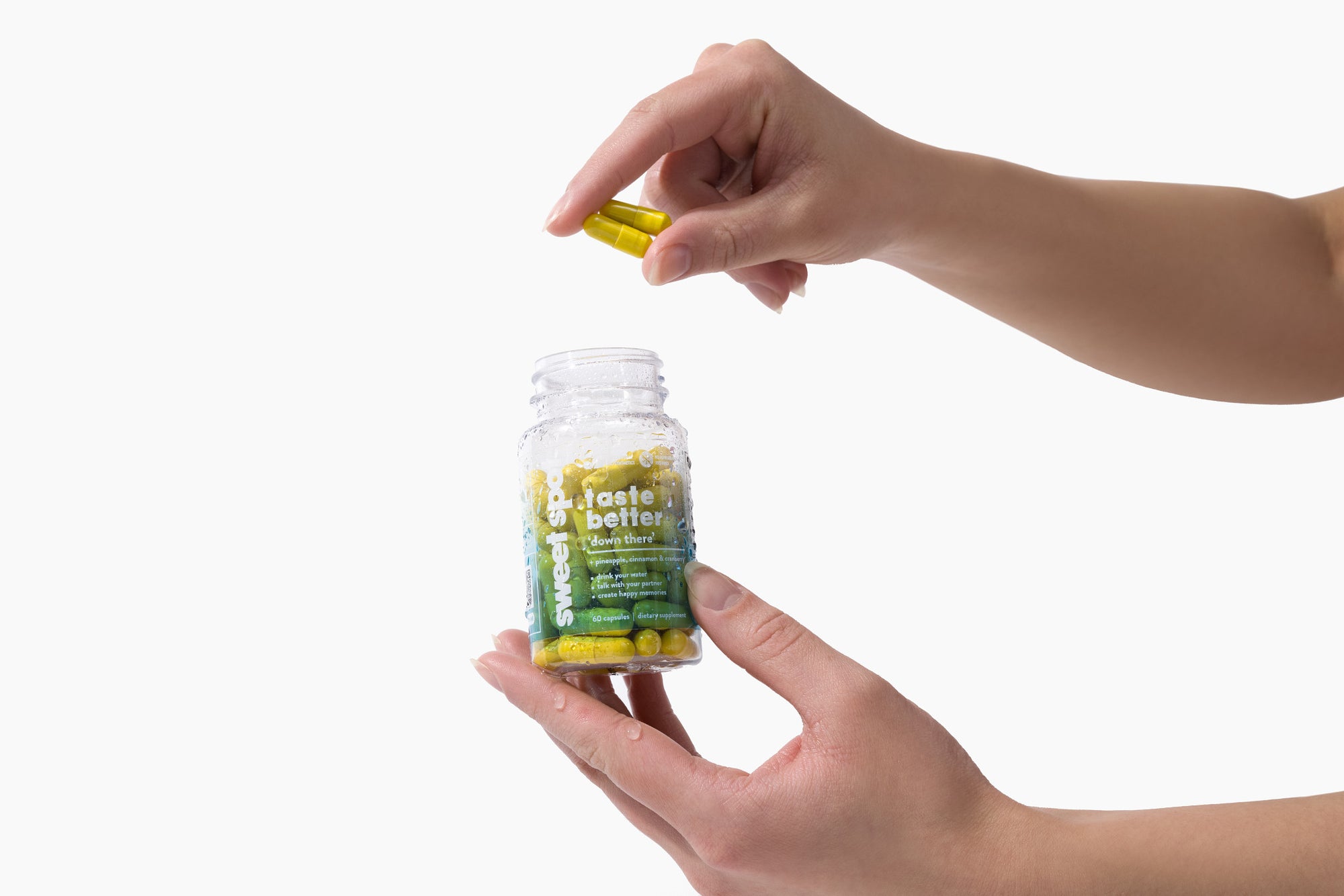
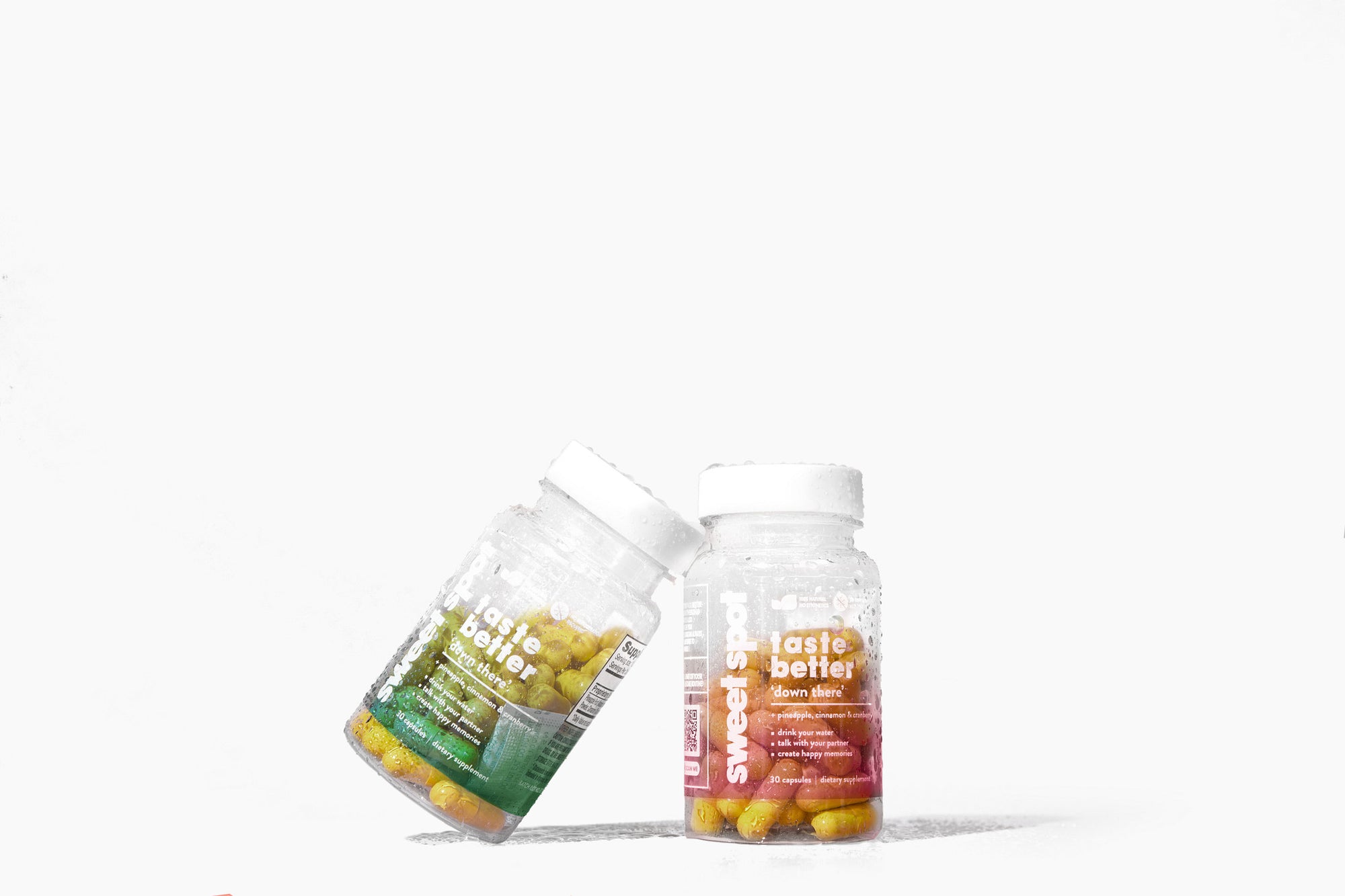
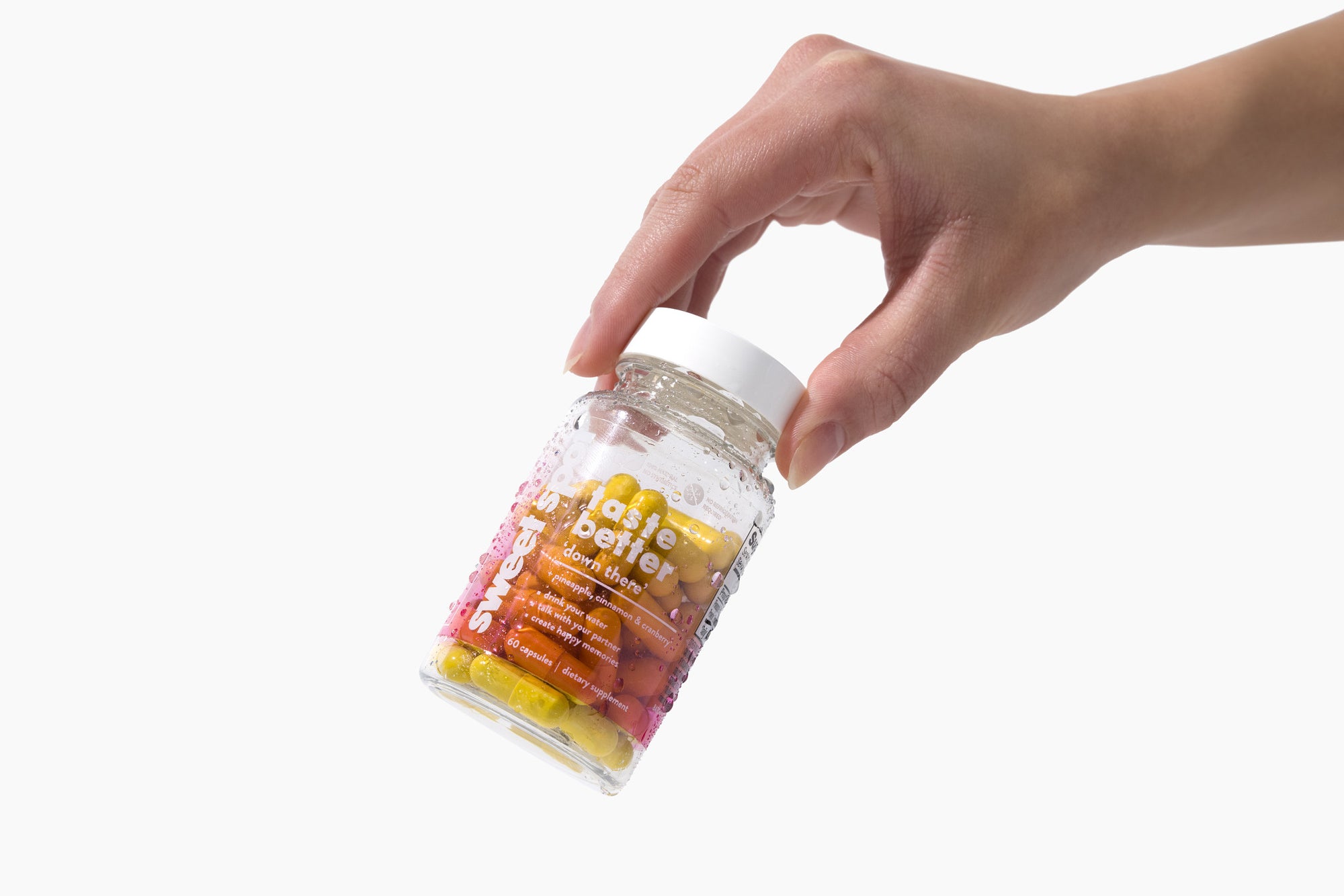
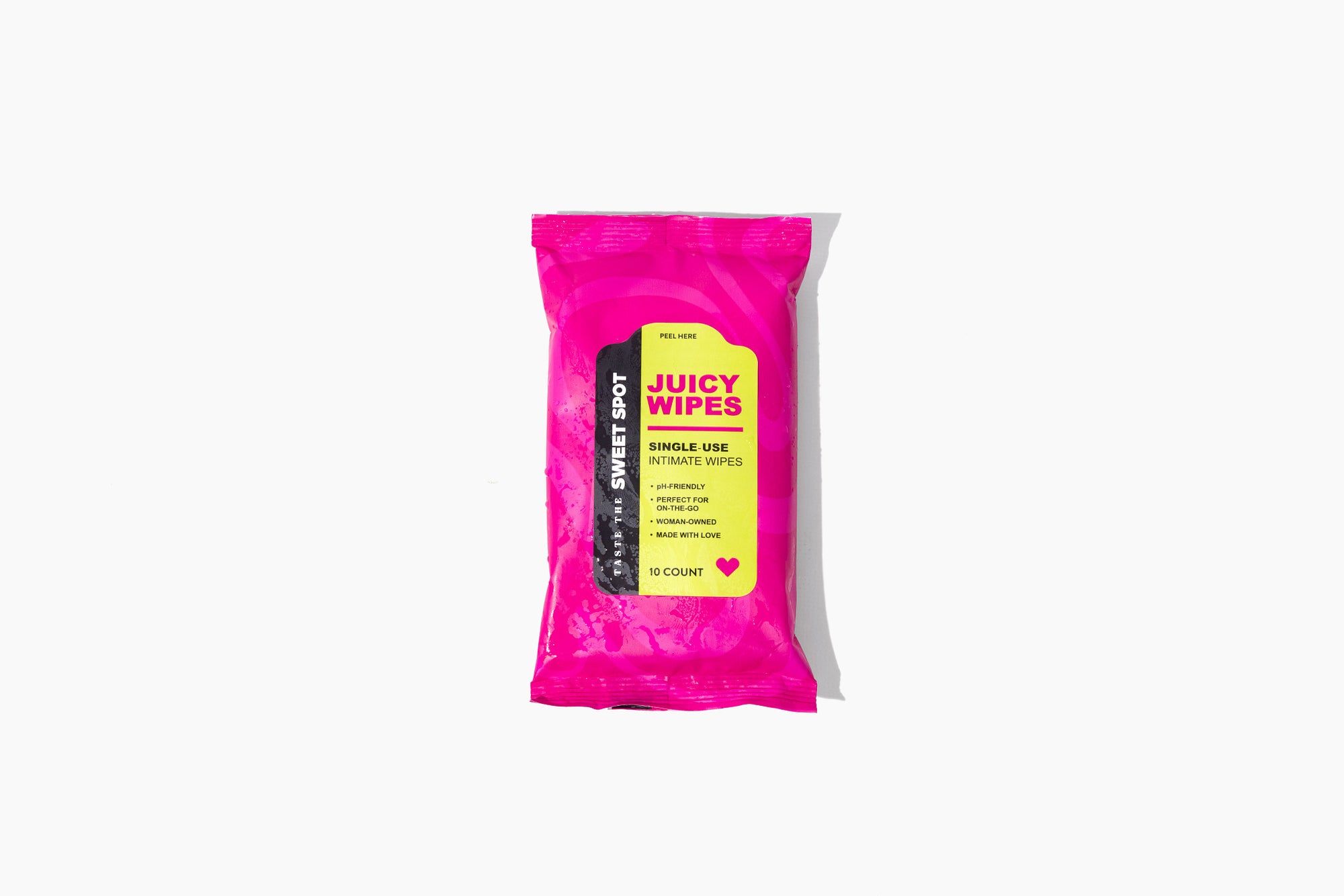
Building a complete feminine wellness routine? Explore the Women’s Sweet Spot formula, crafted with clean ingredients for intimate balance — or shop the full collection.
Frequently Asked Questions
Can vitamin D deficiency cause BV?
Research has found an association between low vitamin D levels and higher BV rates, but association isn’t causation. Correcting a deficiency may support overall vaginal health, but it’s not a BV treatment — see your doctor for proper diagnosis and care.
Should I take a multivitamin for vaginal health?
A quality multivitamin can cover your bases if your diet is inconsistent, but targeted nutrition and testing for specific deficiencies (like vitamin D) is a smarter approach than guessing.
Does vitamin C help prevent UTIs?
Vitamin C may slightly acidify urine, but the evidence for UTI prevention is weak. Cranberry and D-mannose have more research behind them for urinary tract support — and none replace medical treatment for an active UTI.
Can I get all these vitamins from food alone?
Mostly, yes — with the big exception of vitamin D, which most people can’t get enough of from food and limited sun. B12 can also be tricky for vegetarians and vegans. Testing beats assuming.
Are gummy vitamins effective?
They can be, but many gummies contain added sugars and lower doses than capsules. Check the label for actual amounts — and skip the ones that are basically candy with aspirations.
Can vitamins change vaginal odor or taste?
No vitamin directly changes odor or taste. Good nutrition supports the balanced microbiome that keeps you fresh — but if odor is a concern, look at hygiene habits and pH, and see a doctor if it persists.
SHOP THE PRODUCTS BEHIND THE VIRAL HYPE
'TASTE BETTER DOWN THERE'
#STAYJUICY