


Why Does My Vagina Smell? Causes & How to Fix It
Let’s normalize this conversation: every vagina has a scent, and noticing yours doesn’t mean something’s wrong. But when odor changes or gets strong, it’s worth understanding why. Here’s what’s normal, what causes shifts, how to freshen up safely, and when a smell is your body asking for medical attention.
Quick Answer
Quick Answer: A mild musky scent is completely normal. Strong fishy odor often signals bacterial vaginosis and needs a doctor’s diagnosis. Common fixable causes include sweat, diet, your period, and scented products. Never douche to mask odor — it makes things worse. See a doctor for persistent fishy, foul, or rotten smells.
1. What’s Normal (Spoiler: More Than You Think)
A healthy vagina typically has a mild, musky, slightly tangy scent — that’s the smell of a working microbiome. Your scent naturally shifts with your cycle, after workouts, during pregnancy, and with age. It’s stronger after sex (semen is alkaline and temporarily changes things) and around your period. None of this means you’re unclean. The goal isn’t zero scent — it’s your normal, healthy baseline.
2. Common Causes of Stronger-Than-Usual Odor
-
Bacterial vaginosis (BV): The number-one medical cause. A fishy odor — often stronger after sex — with thin grayish discharge. Needs prescription treatment from a doctor.
-
Sweat and trapped moisture: The groin has lots of sweat glands. Tight synthetic underwear, long days, and workouts amplify things fast.
-
Your period: Menstrual blood is alkaline and changes both pH and scent. Totally normal, usually resolves after your cycle.
-
Diet: Strongly spiced foods, garlic, onions, and alcohol can subtly influence body odor. Hydration helps dilute everything.
-
Forgotten tampon: A tampon left in too long can cause a distinctly rotten smell. If you suspect one, see a doctor promptly to have it removed.
-
Hormonal shifts: Pregnancy, postpartum, and menopause all change your scent profile as estrogen — and your microbiome — shift.
3. The Fishy Smell: What It Usually Means
A distinctly fishy odor is the classic calling card of BV, caused by an overgrowth of certain bacteria when Lactobacillus levels drop. It’s the smell most worth taking seriously — not because it’s an emergency, but because BV needs proper diagnosis and prescription treatment, and masking it with fragranced products only delays care. If the fishy smell is new, persistent, or paired with unusual discharge, book a doctor’s visit. Quick, simple, and the fastest path back to normal.
4. Safe Ways to Freshen Up
Smart Daily Hygiene
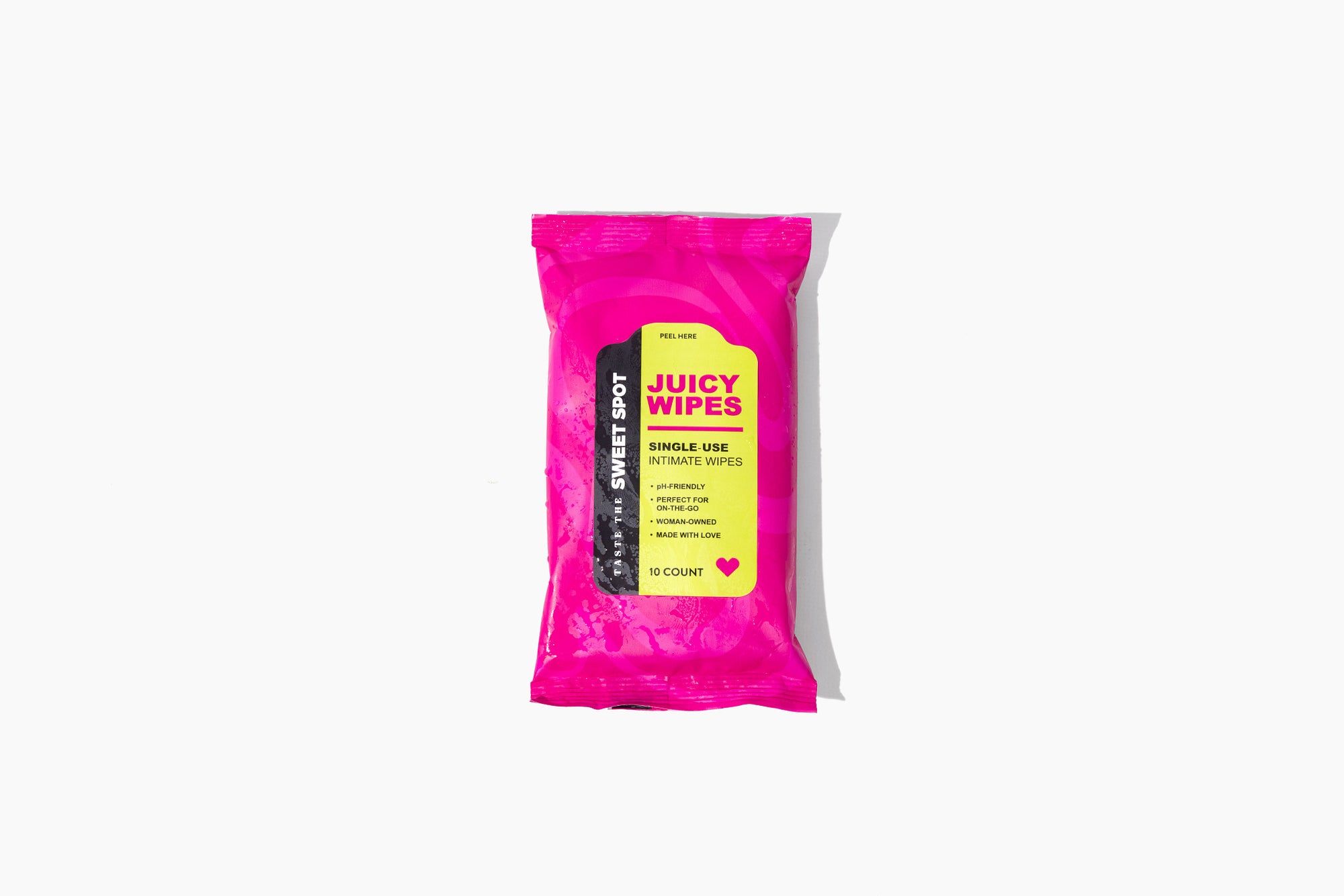
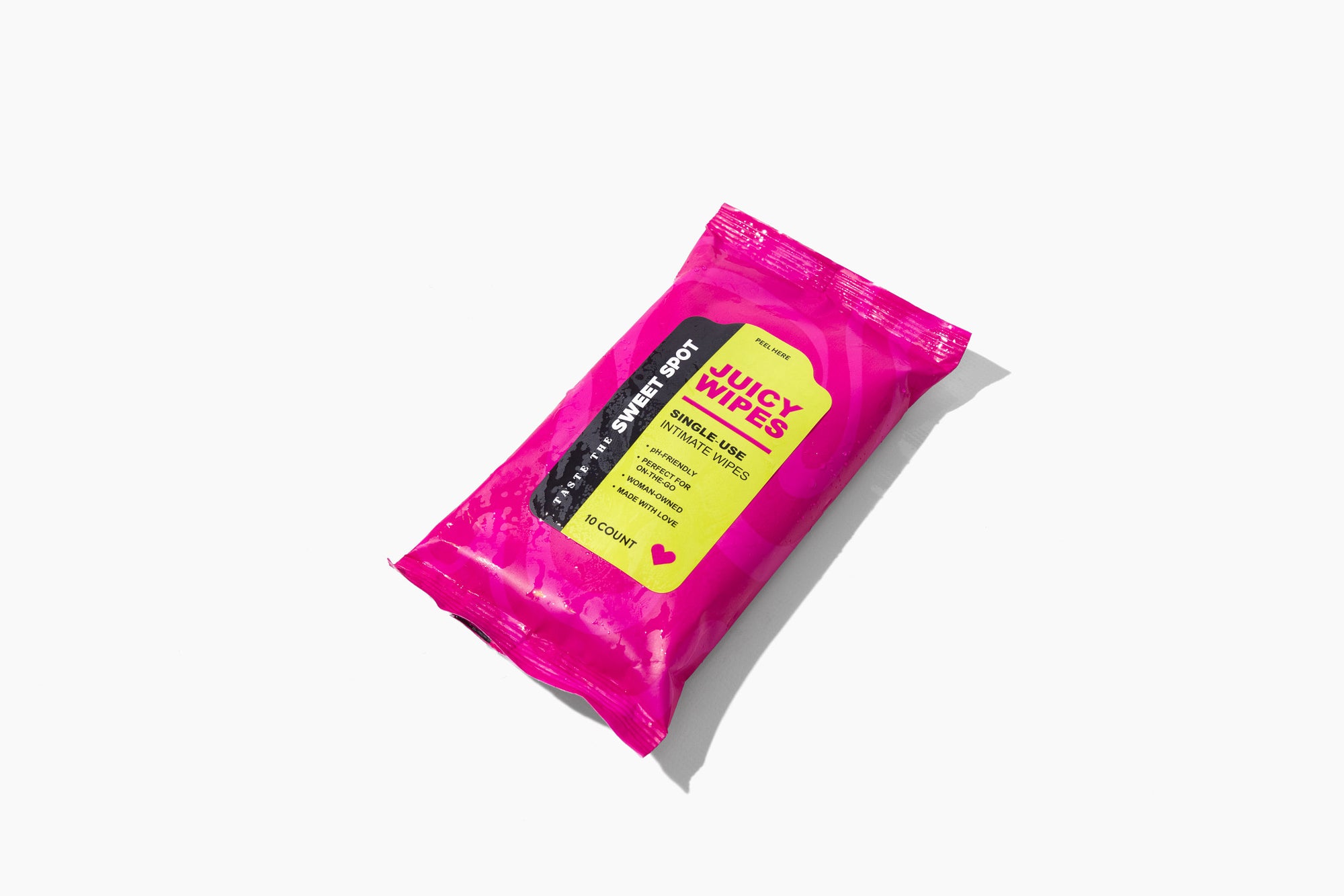
Wash the external vulva daily with warm water and a mild, fragrance-free cleanser. Wear breathable cotton underwear, change out of sweaty clothes promptly, and wipe front to back. For freshness on the go — after the gym, before a date, during your period — pH-balanced, fragrance-free intimate wipes are a safe external option.
Support Your Microbiome
Since odor often stems from microbial imbalance, supporting your Lactobacillus makes sense: consider probiotics with studied vaginal strains (L. rhamnosus GR-1, L. reuteri RC-14, L. crispatus), eat fermented foods, and stay hydrated. These support the ecosystem — they don’t perfume it.
Diet and Hydration Tweaks
Drinking plenty of water helps your body flush normally. Some people notice fresher-feeling results when they cut back on alcohol and heavily processed foods, though the effect is subtle. There’s no magic food — consistency with the basics matters more.
5. What NOT to Do
-
Don’t douche: It washes away protective bacteria, raises pH, and is linked to more BV — the opposite of what you want.
-
Don’t use scented products internally: Fragranced washes, sprays, and “feminine deodorants” irritate tissue and disrupt flora. Scent on top of imbalance just adds irritation.
-
Don’t over-wash: Scrubbing aggressively or washing multiple times a day strips natural protection. Gentle and once-daily is plenty.
-
Don’t ignore a new persistent odor: Masking a fishy or foul smell instead of getting checked lets treatable conditions linger.
6. Odor Across Your Cycle: A Month-Long Map
Your scent isn’t random — it follows your hormones. During the follicular phase (after your period), estrogen rises and things tend to feel freshest. Around ovulation, increased clear discharge is normal and can carry a slightly stronger scent. In the luteal phase (PMS week), progesterone dominance and pre-period shifts often make odor more noticeable. Then menstruation itself brings the alkaline blood effect.
Knowing this map changes everything: instead of panicking at every shift, you start recognizing your pattern. Try jotting quick notes for a cycle or two — when scent peaks, what it smells like, any accompanying discharge. You’ll quickly learn your normal, which makes genuinely abnormal changes (like a new fishy odor mid-cycle) stand out immediately. Your body has a rhythm; learning it is the ultimate freshness hack.
7. When to See a Doctor
-
Fishy odor that persists: Likely BV — needs diagnosis and prescription treatment.
-
Foul or rotten smell: Could indicate a forgotten tampon or another issue needing prompt care.
-
Odor with discharge, itching, or burning: Combined symptoms point to an infection that needs identifying.
-
Sudden change with no clear cause: A sharp shift in your normal scent deserves a professional opinion.
This article is educational only and isn’t medical advice. Your nose knows when something’s different — trust it enough to get answers.
Fresh Is a Feeling, Not a Fragrance
Mild scent is normal and healthy. When odor shifts, start with the gentle fixes — breathable fabrics, smart hygiene, microbiome support — and see a doctor for anything fishy, foul, or persistent. Confidence comes from knowing your body, not masking it.
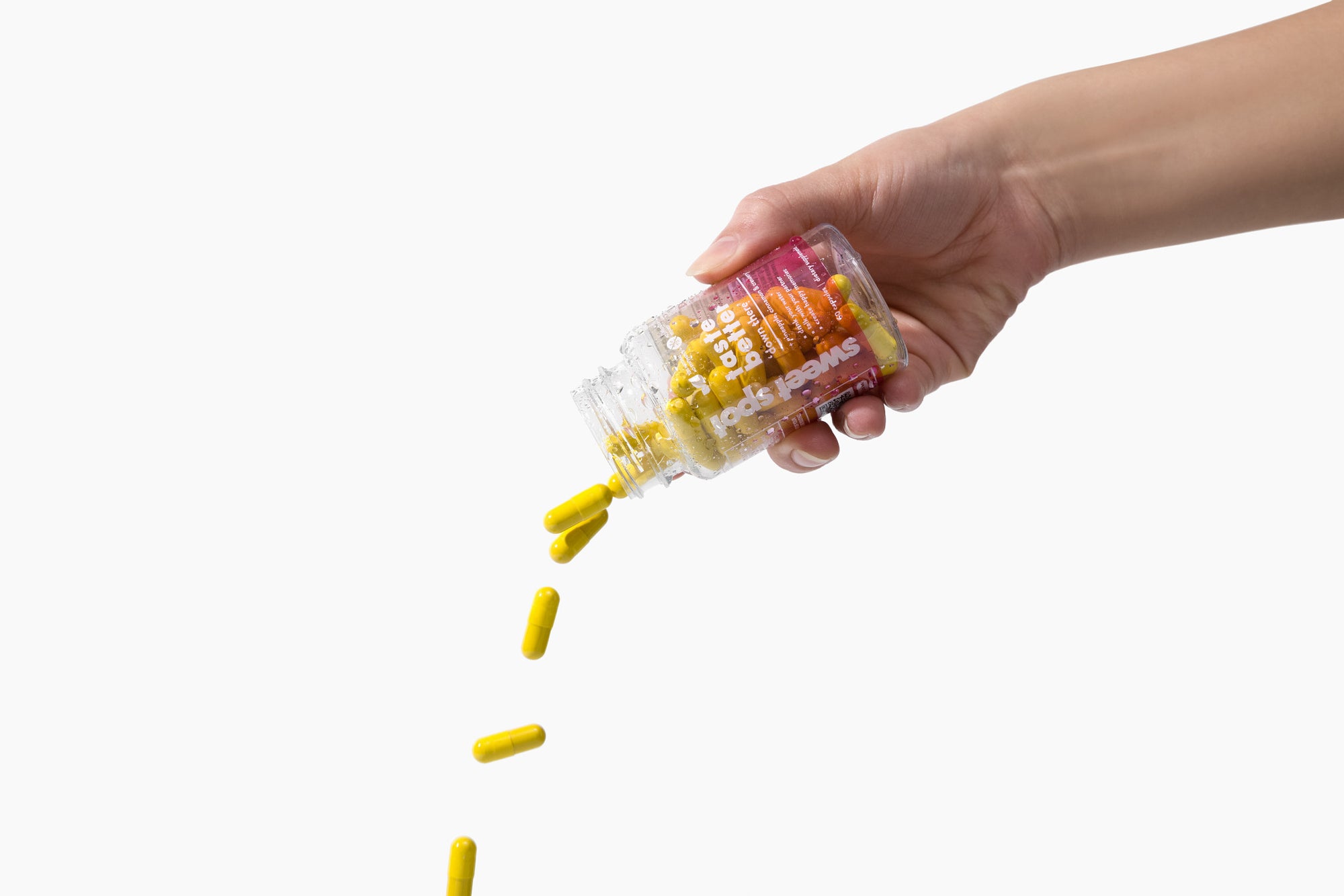
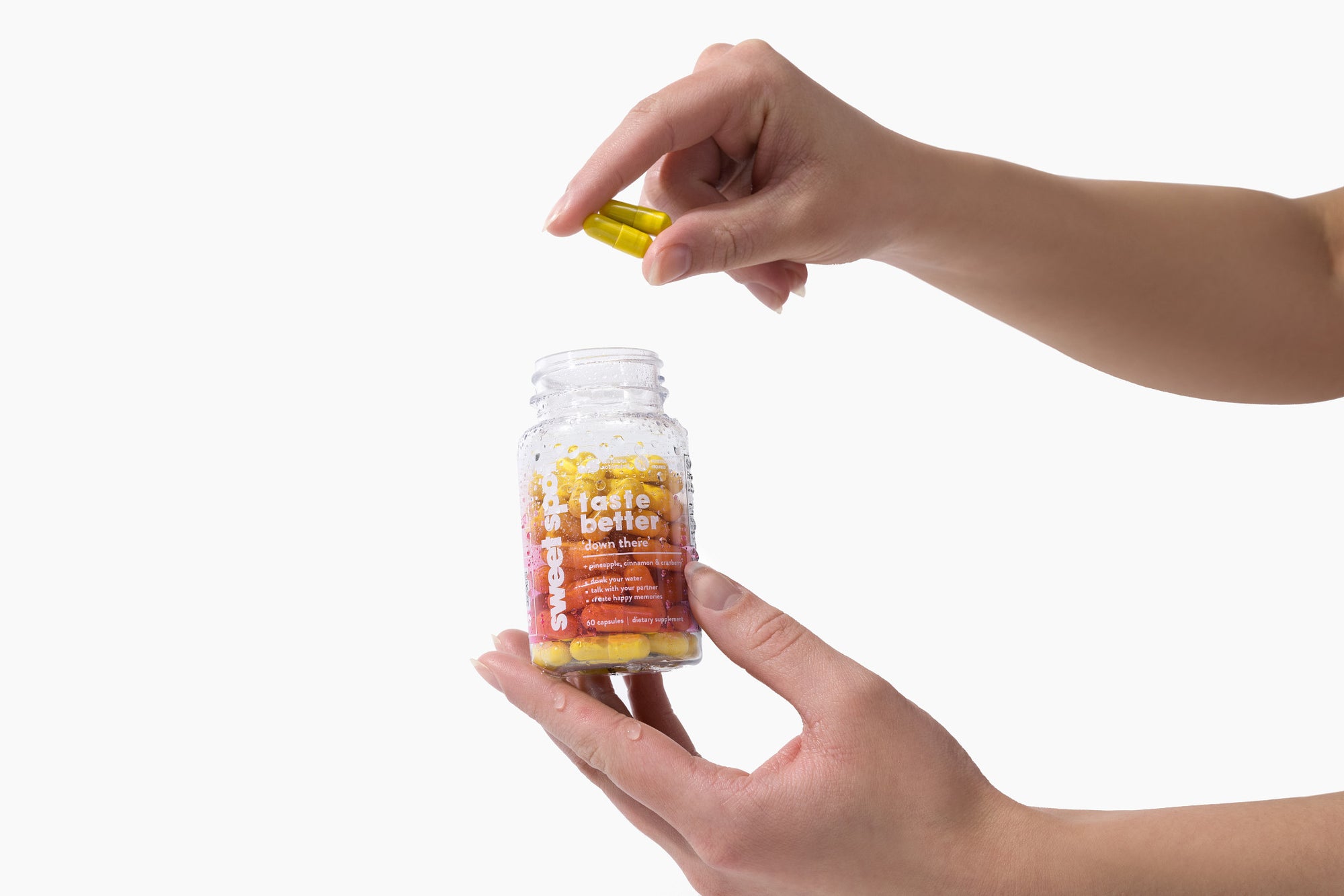
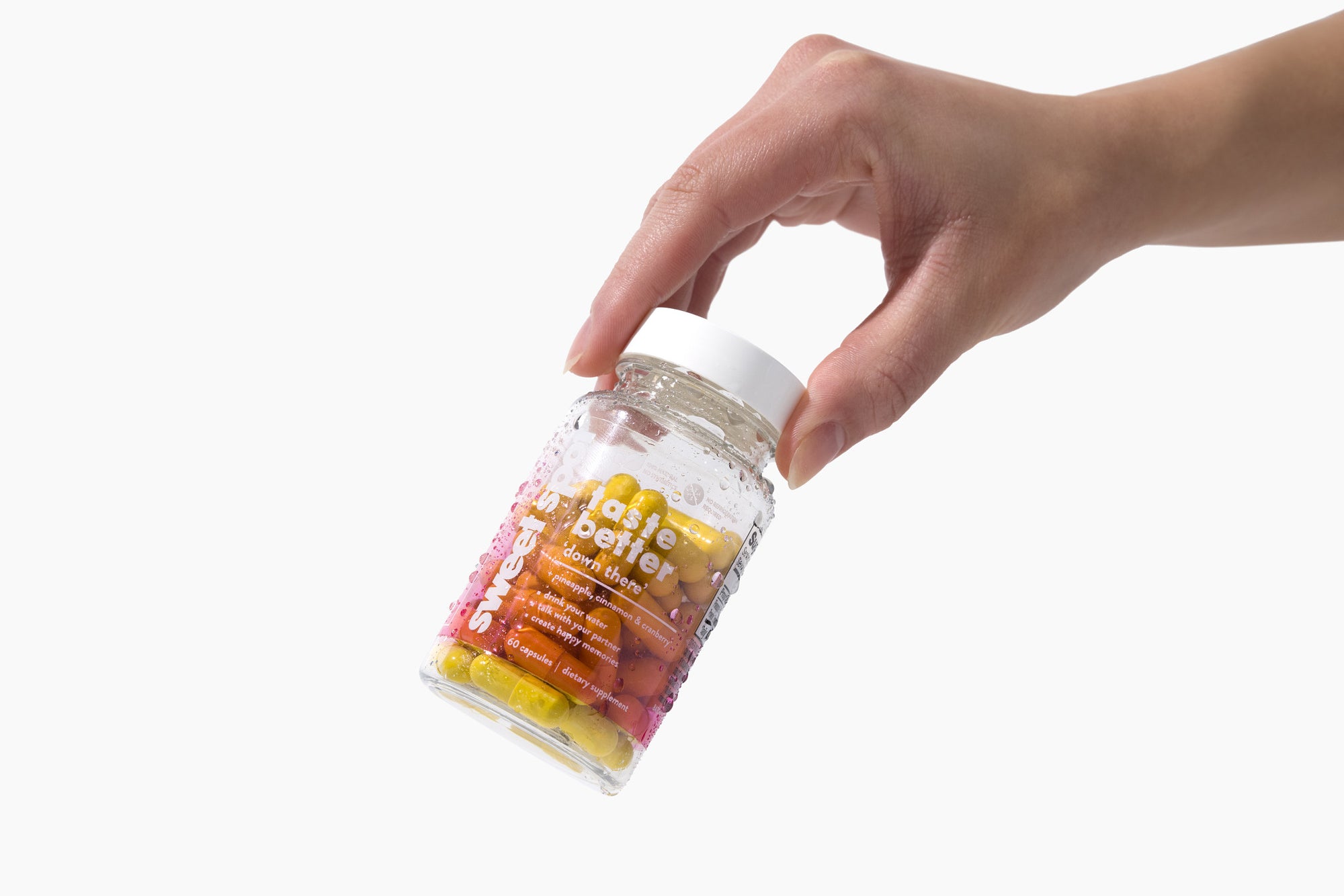
Want daily freshness support that works with your body? Try the Women’s Sweet Spot formula with probiotics for feminine balance — or shop the full collection.
Frequently Asked Questions
Is it normal for my vagina to smell after sex?
Yes — semen is alkaline and temporarily shifts vaginal pH, which changes scent. It usually normalizes within a day. If a fishy smell lingers well beyond that, get checked for BV.
Why do I smell more during my period?
Menstrual blood is slightly alkaline and alters both pH and odor. Change pads, tampons, or cups regularly, rinse the external area, and know it typically resolves when your cycle ends.
Can probiotics help with vaginal odor?
They may help support the balanced microbiome that keeps odor in check — many people report improved freshness with consistent use. But probiotics don’t treat BV, so a persistent fishy odor still needs a doctor.
Do “feminine deodorant” sprays work?
They mask odor temporarily while often irritating tissue and disrupting flora — a bad trade. Address the cause (hygiene, balance, or a doctor’s visit) instead of spraying over it.
Can diet really change how I smell down there?
Subtly, yes — strong foods and alcohol can influence overall body odor, and good hydration helps. But diet won’t fix BV-related odor; that needs medical treatment.
Why does my discharge smell but I have no other symptoms?
BV can present with odor and discharge as the only symptoms — itching isn’t always present. Odor-plus-discharge without itching is actually a classic BV pattern worth getting tested.
Is vaginal odor worse in summer?
Often, yes — heat and humidity mean more sweat and moisture, which amplify scent. Breathable fabrics, quick changes after sweating, and gentle daily cleansing keep summer freshness in check.
SHOP THE PRODUCTS BEHIND THE VIRAL HYPE
'TASTE BETTER DOWN THERE'



#STAYJUICY