Female Health
Daily Intimate Hygiene Routine: The Simple Steps That Matter

Pineapple-extract supplement. 60 capsules · 30-day supply.
Shop For Her →
A good daily intimate hygiene routine is so small you'll barely notice it. Warm water on the outside, a pat dry, breathable underwear, and the same food, water, and sleep habits that keep the rest of you well. That covers what most healthy people need. Anything beyond that is optional, and if you feel fine right now, you can stop reading the product aisle and trust your body.
The Short Answer
Wash the vulva with warm water once a day and pat it dry. Wear cotton or other breathable underwear, and change out of damp clothes when you can. Eat reasonably, drink when you're thirsty, and sleep as well as your life allows. See a clinician for odor, itching, or pain instead of adding products, and treat any supplement as optional.
How to Wash: The Core of a Daily Intimate Hygiene Routine
Use warm water on the vulva, the outer area, and then pat dry with a clean towel. That's the wash.
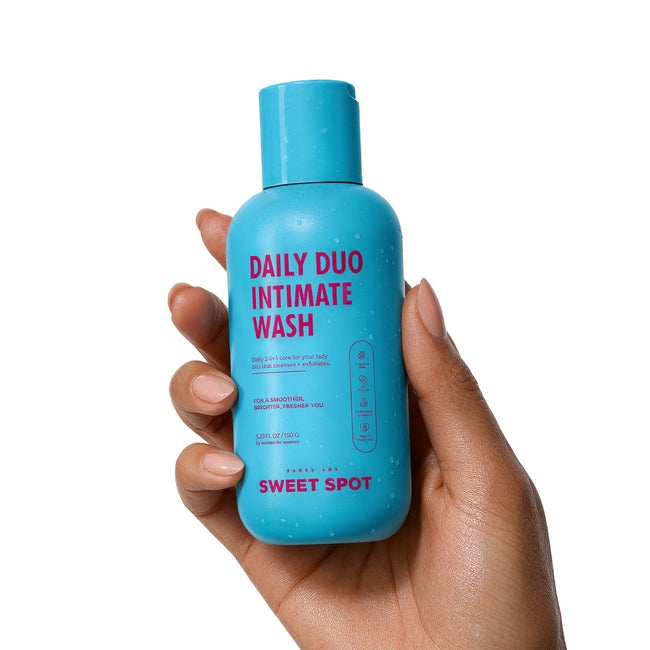
An unscented cleanser is optional. If you like one, keep it on the outside and rinse it off completely, because leftover residue can sting. The vagina itself cleans itself and doesn't need washing inside, and douching tends to backfire for exactly that reason.
The common mistake is stacking. A wash, then a scrub, then a scented spray, then a wipe, all on the same patch of skin. Each one adds a chance of irritation, and none of them make you cleaner than water did. If you'd like to know which cleansers are gentlest, our guide to soap on vulvar skin has the details.
Does Underwear Matter for Intimate Health?
Somewhat, mostly for comfort. Cotton breathes well, and getting out of damp leggings or a wet swimsuit sooner rather than later keeps skin happier. Some people like sleeping without underwear, or in loose shorts, to let the area breathe overnight. That's comfort, not treatment.
Thongs irritate some people and not others. If yours feel fine, keep wearing them. There's no score here. Our article on underwear and intimate freshness looks at fabrics and fit in more depth.
If you work out, the post-gym window matters most. Sitting in sweaty clothes for an hour on the drive home is the moment worth changing. Shower when you can, or at least swap into dry underwear. See our gym hygiene guide for a quick plan.
What About Diet and Water?
You don't need a special drink or a powder in your water bottle. Plain water when you're thirsty is fine. A plate with some color, some protein, and some plants is good general health, and it supports you as a whole person. It isn't a treatment for discharge or pH, and you don't need to photograph it for anyone.
If a clinician has you on a medical diet, follow their advice over anything here. Otherwise, simple meals you actually enjoy and can repeat are the goal.
Sleep and Stress Count Too
Sleep is the least marketed part of intimate wellness. It matters for general health, and it won't diagnose or fix a yeast problem on its own. A steadier night is good for you. It's not a scheduled answer for odor.
And if your sleep is wrecked by a newborn or night shifts, you aren't failing at intimate care. You're tired. Please don't buy five products to apologize for your schedule. Change out of damp clothes when you can and let the rest be enough.
Should You Use Intimate Wipes Every Day?
No, though they can be handy. A wipe is an external freshen for when you're away from a sink: a long travel day, after a lunchtime run, between meetings. At home, water does the job better and costs nothing.
If you use them, choose fragrance-free ones made for intimate skin, keep them on the outside, and stop if anything stings. Our guide on how to use intimate wipes covers the details. A wipe isn't a treatment for anything.
A Sample Day That Takes Five Minutes
To make this concrete, here's what a full day can look like for someone who feels well:
- Morning shower: warm water on the vulva, unscented cleanser on the outside if you like it, rinse, pat dry.
- Getting dressed: cotton underwear, or whatever feels comfortable on you.
- Midday: water when you're thirsty, a lunch with something green on the plate.
- After a workout: change out of damp clothes soon. A wipe if there's no shower.
- Bedtime: looser clothes or none, and as much sleep as you can get.
That's it. No bottles required.
Are Supplements Part of a Daily Routine?
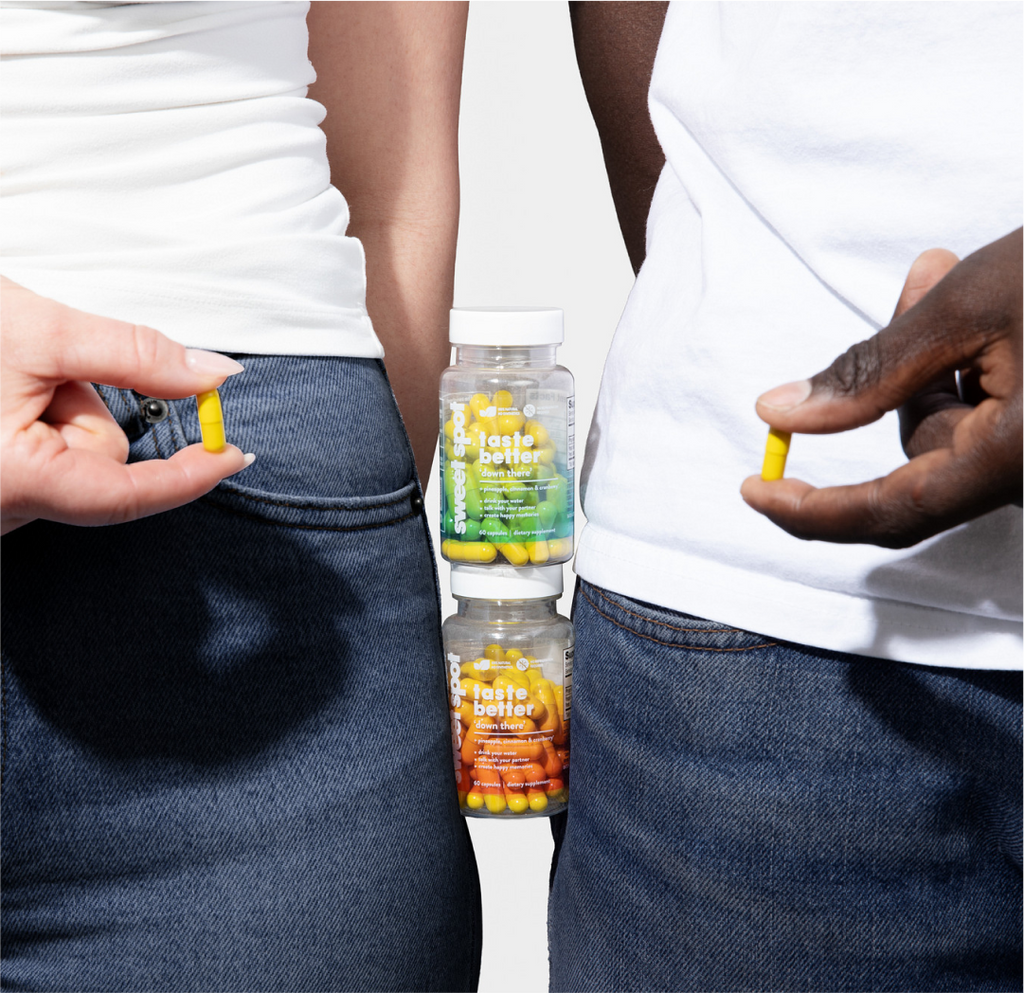
Only if you want one, and one is the right number. Women's Sweet Spot combines pineapple extract in a probiotic-friendly dietary supplement for intimate pH support and natural freshness, two capsules a day with water. It isn't a treatment, and it isn't cranberry, cinnamon, chlorophyll, zinc, vitamin C, fiber, kefir, or a prenatal.
Where routines go wrong is the stack. A capsule plus a special wash plus a tea plus a powder plus a second probiotic is no longer simple, and you can't tell which piece is doing anything. Pick one, or pick none. If you're pregnant or breastfeeding, don't start any new supplement unless your obstetric clinician agrees.
When to See a Doctor
Your routine is for the days you feel well. It isn't somewhere to hide a symptom. See a clinician for:
- A fishy odor
- Itching that doesn't settle
- Thick or unusual discharge
- Sores
- Pelvic pain
- Bleeding after sex or bleeding you can't explain
- Fever, or pain when you pee
Don't add products while you wait, hoping five of them equal one visit. A clinician may prescribe medication after an exam. In pregnancy, call promptly for bleeding or fever. Booking an appointment is part of taking care of yourself, not a sign the routine failed. This article is educational and not medical advice.
If you'd like a single, simple supplement alongside your routine, Women's Sweet Spot is two capsules a day with water, with no artificial flavors or fillers, made in the USA. For those away-from-the-sink moments, the fragrance-free intimate wipes with aloe are pH-balanced . Both are optional, and neither is a treatment.
Frequently Asked Questions
How often should I wash my intimate area?
Once a day is plenty for most people, plus an extra rinse after sex, a sweaty workout, or during your period if that feels good. Washing more often, or with stronger products, tends to cause irritation rather than prevent it. If you feel the need to wash many times a day because of odor, that's a sign to see a clinician.
Is it normal to have some discharge every day?
Yes. A small amount of clear or white discharge that changes a bit across your cycle is normal, and it's part of how the vagina keeps itself clean. Washing won't and shouldn't stop it. What's worth checking is a change: a new color, a thick or cottage-cheese texture, a fishy smell, or discharge with itching or pain.
Can I use regular body wash on my vulva?
You can if it's unscented and mild, used only on the outside, and rinsed off well. Many standard body washes contain fragrance, which is a common irritant for vulvar skin. If you notice stinging or redness, switch to plain water for a week and see whether things calm down before you try anything new.
Do I need a special routine during my period?
Not really. The same warm-water wash works, maybe twice a day if you feel like it. Change pads, tampons, or cups as directed on the packaging. An external wipe can be handy on the go. Skip scented pads and products, and see a clinician if your period comes with unusual odor, fever, or pain that's worse than your normal.
What if I feel completely fine?
Then your routine is working, and you don't need to optimize it. Keep the water, the cotton, and the meals, and ignore the rest of the aisle. An ad can make comfort feel incomplete, but feeling well is the whole goal. If symptoms show up later, that's when the plan changes, starting with a visit.
YOUR NEXT STEP, ON YOUR TERMS
Keep it simple.
Find your routine.
Explore daily supplements and external-care essentials. Our products are not treatments for medical conditions; speak with a qualified clinician about symptoms or health concerns.
Or explore other products: