Female Health
Acidophilus for Yeast Infection: What the Research Shows

Pineapple-extract supplement. 60 capsules · 30-day supply.
Shop For Her →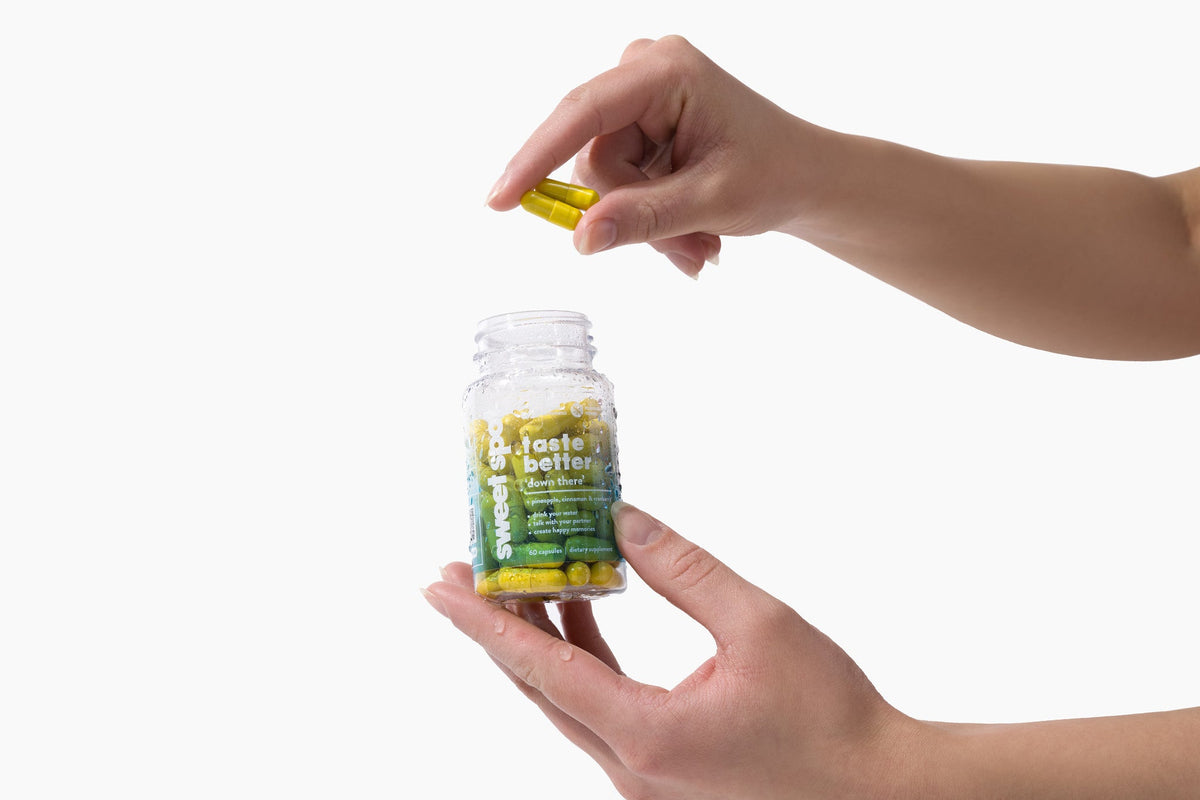
Acidophilus for yeast infection is one of the most common searches people make when itching starts, usually because the name is familiar from yogurt cups and supplement shelves. The honest answer is that research on probiotics and yeast outcomes is mixed, and no capsule is a treatment. Yogurt is food to eat, never something to place inside the vagina. If you're itchy or burning, a clinician still needs to confirm the cause.
Quick Answer
Acidophilus feels like a natural fit for yeast because the name is so familiar, but familiar isn't the same as proven. Studies on probiotics and yeast disagree, and we won't invent strains or counts to settle the argument. Eat yogurt if you enjoy it, keep it out of the vagina, and see a clinician for itching rather than building a home protocol from a label.
Why Acidophilus Comes Up So Often
Acidophilus became a household word through decades of yogurt ads and probiotic labels. When yeast comes up, it's the name people remember, even though remembering a word isn't the same as having a match for your symptoms.
Labels often use the common name without telling you whether the product fits a medical problem. We're not going to add species names or counts on top of that memory. Those details change from product to product and study to study, and a blog list would only look more precise than it really is. Precision you can't verify isn't the same as honesty, and you deserve a plain answer instead.
If you want to understand what labels can and can't tell you, our guide on how to read a probiotic label is a good starting point.
Acidophilus for Yeast Infection: What the Research Says
Researchers have asked whether probiotics, including products sold under the acidophilus name, change outcomes for people with recurrent yeast infections. The results don't line up neatly:
- Some trials test probiotics alongside standard antifungal care rather than on their own.
- Many studies are small, short, or designed in ways that are hard to compare.
- A few suggest fewer bothersome days.
- Others show little difference from the comparison group.
You can't average that into a personal promise. Mixed means mixed, and we won't tell you which strain to hunt down. For a closer look at the studies, see our articles on probiotics and candida research and probiotics and thrush. Either way, a capsule isn't a treatment while the science sorts itself out.
Is Yogurt Good for Yeast Infections?
If you like yogurt, enjoy it. Live cultures in food are still food, not a measured medical dose and not a substitute for an exam. The cup in your fridge can't tell yeast from bacterial vaginosis or from irritation caused by a new product.
Please don't place yogurt in the vagina, on a tampon, or on any other internal carrier. That idea circulates because it sounds gentle, but gentle isn't the same as wise. Spoon, bowl, done. Our article on yogurt and vaginal health explains where yogurt actually belongs in your routine.
What a Probiotic Capsule Can't Do
A capsule can't confirm a yeast infection. It can't rule out bacterial vaginosis, skin irritation, or a urinary problem that happens to itch nearby. It can't replace antifungal medicine a clinician prescribes, and it shouldn't delay that visit.
If you and your clinician later decide a probiotic makes sense as a general habit, that's a quiet extra, not the treatment plan. Women's Sweet Spot, for example, features pineapple extract in a probiotic-friendly dietary supplement for intimate pH support and natural freshness. It's two capsules a day with water, with no artificial flavors or fillers, and it's made in the USA. It isn't an acidophilus protocol, and it isn't a treatment for yeast.
How to Read a Probiotic Label Without a Scavenger Hunt
When a label says probiotic-friendly dietary supplement, take it at face value: you're looking at pineapple extract, not a single hero ingredient with a job title. The Women's Sweet Spot page uses that wording and doesn't ask you to memorize strains. It also isn't a cranberry, cinnamon, chlorophyll, zinc, vitamin C, or bromelain product.
If another bottle leads with acidophilus and a long paragraph of codes, you don't have to decode it from a blog post. When symptoms are involved, ask a clinician, or skip the bottle until you've been seen. A strain code isn't a diagnosis.
When you do choose a product, simple filters work best: a readable serving, a modest claim, and no promise to cure yeast. If you're pregnant, don't add any supplement unless your obstetric clinician agrees. And leave medical products that were studied for vaginal use in your clinician's hands.
Home Remedies to Skip
The same caution applies to other popular pantry ideas. These don't belong inside the vagina:
- Yogurt, whether on a tampon or otherwise
- Garlic
- Vinegar
- Oils
- Opened probiotic capsules
If you need a hygiene step, unscented external washing of the vulva is enough, and it stays on the outside. What helps most is an exam plus whatever medicine is actually indicated, with any freshness habit kept clearly optional.
When to See a Doctor
Get checked for itching, burning, a fishy odor, unusual discharge, pelvic pain, fever, bleeding, or pain when you pee, even if you're sure it's yeast again. Recurrent symptoms deserve a fresh look, not a stronger pantry experiment. Tell your clinician about recent antibiotics, new products, and anything you've already placed internally, without embarrassment. If you're pregnant, don't start a new supplement unless your obstetric clinician agrees. If antibiotics are part of the picture, our guide to probiotics after antibiotics covers the questions worth asking. This article is educational and can't see what's causing your symptoms.
If you'd like a gentle daily freshness routine alongside a balanced diet, Women's Sweet Spot features pineapple extract in a probiotic-friendly dietary supplement in two easy capsules a day. It doesn't list individual strains or counts, and it isn't a yeast treatment, so think of it as everyday wellness support. You can browse other options in the full collection.
Frequently Asked Questions
Can I take a probiotic while using antifungal medicine?
Ask the clinician who prescribed the antifungal. Some studies have tested probiotics alongside standard treatment, so it's a fair question, but whether it makes sense for you depends on your history and what you were prescribed. Mention every supplement you already take. Never swap the prescribed treatment for a probiotic, or stop it early because you feel better.
Are the cultures in yogurt the same as a probiotic supplement?
Not really. Yogurt cultures vary by brand and batch, and the label rarely tells you how much survives to the spoon. A supplement lists a blend and a serving, which is more consistent, though still not proof it helps yeast. Think of yogurt as a nice food and a supplement as an optional habit. Neither one is a treatment.
Why do my yeast infections keep coming back?
Sometimes they aren't yeast at all. Bacterial vaginosis, skin irritation, and other conditions can look and feel similar, so treating every flare the same way can miss the real cause. If you've had several episodes, ask for a proper exam and possibly a lab test. Bring a list of what you've tried, including dates, so your clinician can see the pattern.
Is Women's Sweet Spot an acidophilus supplement?
No. It's pineapple extract plus a probiotic blend for intimate pH support and natural freshness, taken as two capsules a day with water. The page describes the blend without asking you to chase particular strains. It isn't a treatment for yeast or any infection, and if you're pregnant, check with your obstetric clinician before starting it.
What can I do tonight if I'm itchy and can't be seen until tomorrow?
Keep it simple. Rinse the outside with plain water, pat dry, and wear loose cotton underwear to bed. Skip scented products, and don't put anything inside, from yogurt to an opened capsule. Write down when the itch started and what the discharge looks like. Then call first thing. If you have fever or pelvic pain, seek care sooner.
YOUR NEXT STEP, ON YOUR TERMS
Keep it simple.
Find your routine.
Explore daily supplements and external-care essentials. Our products are not treatments for medical conditions; speak with a qualified clinician about symptoms or health concerns.
Or explore other products: