

food sources of vaginal vitamins, with two honest exceptions
food sources of vaginal vitamins is an odd phrase, because the vagina does not have a private grocery list. The person who has the tissue needs the same nutrients as the rest of the body. A plate with produce, yogurt as food, nuts, fish, and water covers more of that ordinary need than a feminine bottle. Two exceptions matter. Vitamin D is hard to eat enough of. B12 is hard to get if you eat no animal foods. Neither exception is a treatment for odor or infection.
Quick Answer
Quick Answer: food sources of vaginal vitamins are mostly just food sources of vitamins. Peppers and fruit for vitamin C, nuts and greens for vitamin E, fish and eggs for several others, yogurt as a food rather than a prescription. Vitamin D often needs a test because meals fall short. B12 needs a plan if animal foods are absent. Water supports the person, not a pH strip. None of this is a treatment for bacterial vaginosis, yeast, or a urinary infection.
1. Build the plate before you build a stack
A useful week of eating is repetitive in a boring way. Vegetables at two meals, fruit you actually finish, a protein food, some nuts or seeds, and a grain. That pattern supplies vitamin C, folate, vitamin E, and a share of zinc without a chart on the fridge. It does not supply a diagnosis. If you searched because of discharge, the plate is still worth eating and the exam is still worth booking. People get trapped trying to optimize seven nutrients while skipping lunch. Eat the lunch. Intimate health marketing loves the idea of a special diet. Your intestines do not sort groceries into a vaginal pile and a bone pile. Absorption is general, not a private route.
2. Yogurt is a food, and that is the whole claim
Plain yogurt contains live cultures and some protein, calcium, and, if it is dairy yogurt, a little B12. Those are reasons to eat it if you like it and tolerate lactose. They are not a prescription, and they are not a count of organisms this page will invent. Sweetened yogurt is closer to a dessert. The live cultures do not become a treatment for yeast or bacterial vaginosis because they are in a cup. Do not put yogurt in the vagina. That home experiment irritates tissue and still leaves you without a diagnosis. A spoon at breakfast is enough yogurt for this article. If dairy does not agree with you, you do not need it to have a respectable diet.
3. Vitamin D is the exception food cannot politely cover
Fatty fish, egg yolks, and fortified milks or plant drinks contribute vitamin D. For many adults, especially in northern winters or with little sun on skin, those foods do not close the gap a blood test later shows. That is the vitamin D exception to an otherwise food first page. It is not permission to guess a high dose. Ask for a 25 hydroxyvitamin D test and let a clinician read the number. This article will not rank results or offer units. Sun helps and also burns, so do not trade a meal for a burn. If you are pregnant, a prenatal may already include vitamin D, and additions wait for the obstetric clinician.
4. B12 is the exception when animal foods are off the plate
Fish, eggs, dairy, and meat carry B12. Plants do not make it. If you eat no animal foods, you need fortified foods or a supplement you can name, not a hope that greens will cover it. Folate from beans and leaves does a different job and can mask the blood picture of low B12 while nerve symptoms continue. That is why the exception is specific. Fatigue, tingling, or a sore tongue should be seen, because iron and thyroid problems mimic the story. A feminine gummy is not automatically a B12 plan. Read whether the nutrient is there in a meaningful amount. None of this switches vaginal pH. It keeps nerves and blood cells in the conversation they actually belong to.
5. Water and the habits that are not vitamins
Drinking when you are thirsty supports circulation, bowel comfort, and ordinary energy. It does not flush the vagina, and you should not try to rinse inside. Extra gallons will not order a different scent by Friday. Sleep, a walk, and enough protein do more for immunity than a fourth capsule. Fiber from beans, oats, and fruit feeds the gut in a general way this page will not exaggerate. If antibiotics recently shook your digestion, tell the clinician rather than starting five fermented products at once. Food is allowed to be pleasant. The moment a meal plan claims to be infection care, it has left nutrition and started making medical promises it cannot keep.
6. A week of food, not a protocol
Produce you will actually eat. Peppers, citrus, berries, and greens cover vitamin C and folate in meals you repeat, and they support you without acting as a treatment for discharge or odor.
Yogurt on a spoon. Plain yogurt is a food with live cultures, protein, and calcium, and it stays in the bowl rather than becoming a vaginal prescription or a home experiment.
Nuts, seeds, and fish. Almonds and sunflower seeds carry vitamin E, while fatty fish adds vitamin D and other nutrients, still as dinner rather than as a pH tool.
Water beside the meal. Drink when you are thirsty, including with these foods, because hydration is ordinary care for the person and not a rinse or a treatment for infection.
7. When food is not the whole answer
Choose meals first, then a supplement only for the exception you can explain. Vitamin D after a test. B12 if animal foods are absent or absorption is a known problem. Folate in a clinician's preconception plan. Do not choose a feminine blend because the food list felt incomplete. If you cannot cook this week, a simple multivitamin is a bridge, not an identity. Tell a clinician what you already take before you add a second bridge.
8. Pair the plate with the right follow up
Pair fish or fortified drinks with a vitamin D test if you have been low before, not with a guessed high dose. Pair a plant only pattern with an explicit B12 source. Pair yogurt with breakfast if you enjoy it, not with a plan to treat itching. Pair any new supplement in pregnancy with an obstetric yes. Pair fishy odor, fever, or pain when you pee with a visit this week, while the grocery habit continues in the background.
9. When to Talk to Your Doctor
Food does not cancel red flags. Fishy odor with thin discharge, itching, burning, pelvic pain, fever, bleeding, or pain when you pee means see a clinician. If you are pregnant, do not add supplements because a meal felt short. Your obstetric clinician agrees first. Fatigue with tingling deserves a blood test, not a new bottle alone. This page is education, not a diet prescription, and meals are not a treatment for infection.
Eat the pattern, name the exceptions
Produce, yogurt, nuts, fish, and water cover the ordinary version of this topic. Test vitamin D instead of guessing it. Plan B12 if you eat no animal foods. Keep infections in the clinic, not in the grocery aisle. Meals support you and are not a treatment for infection.
Keep reading on JuicyVibes: vitamins for vaginal health, vaginal pH balance guide.
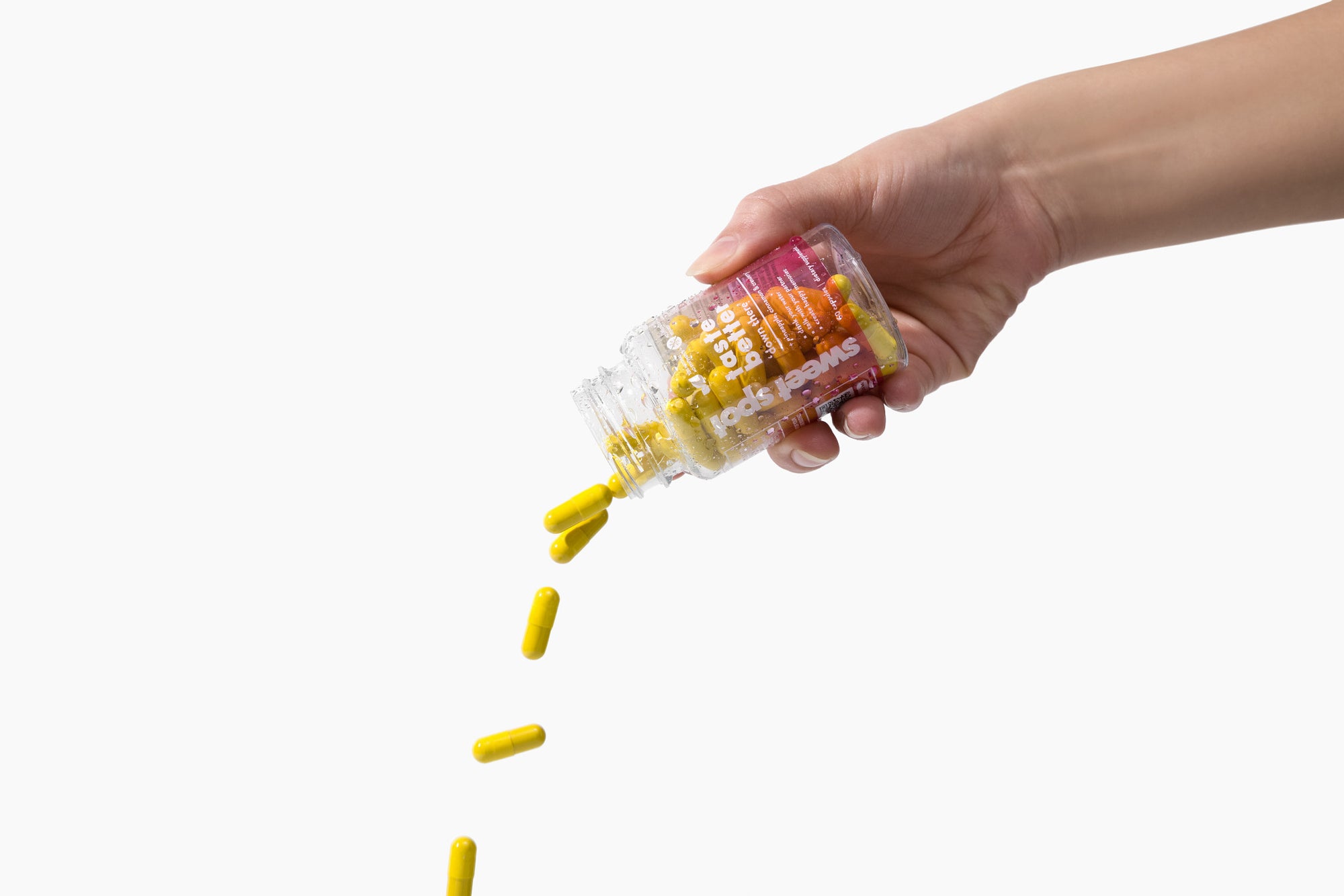
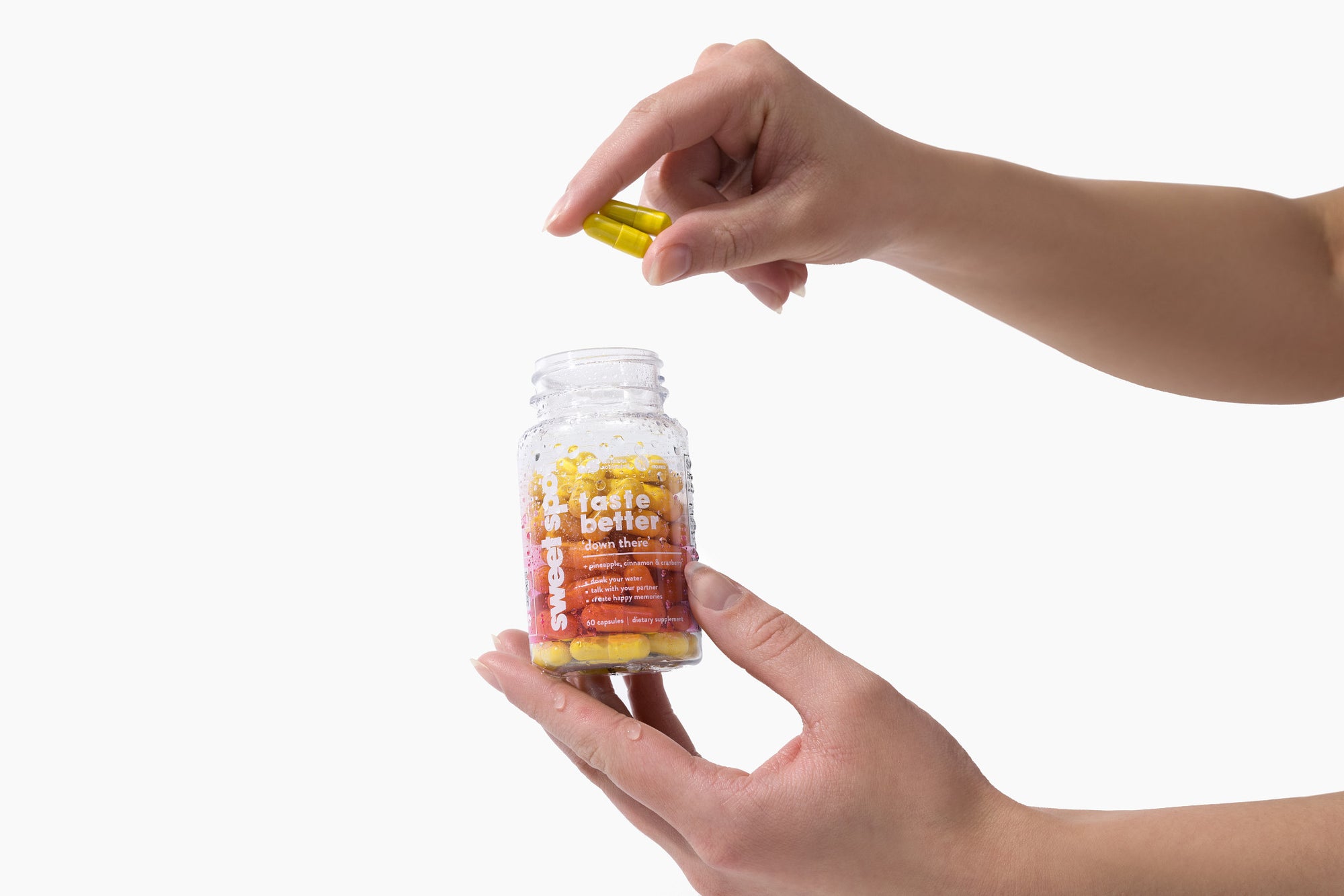
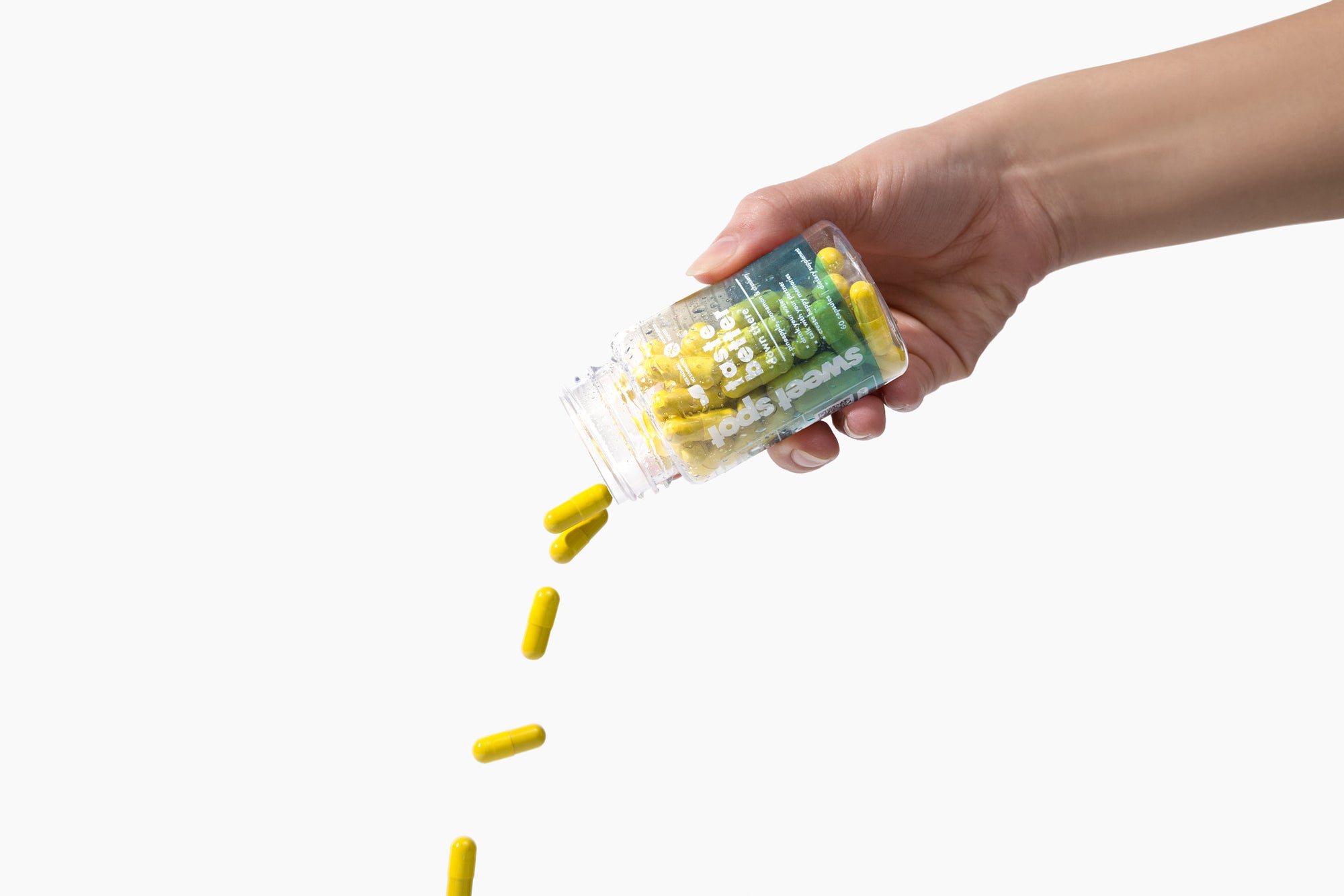
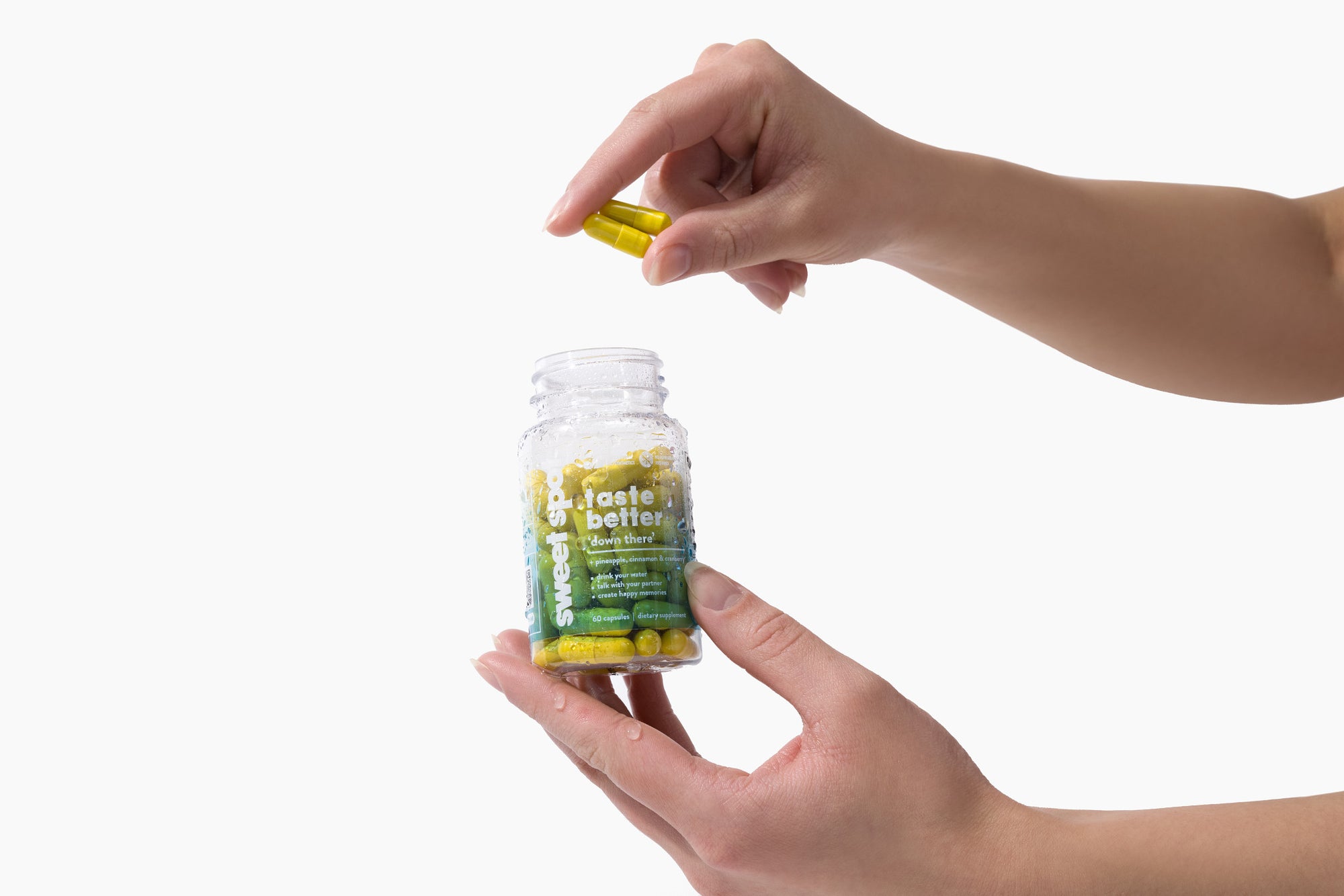
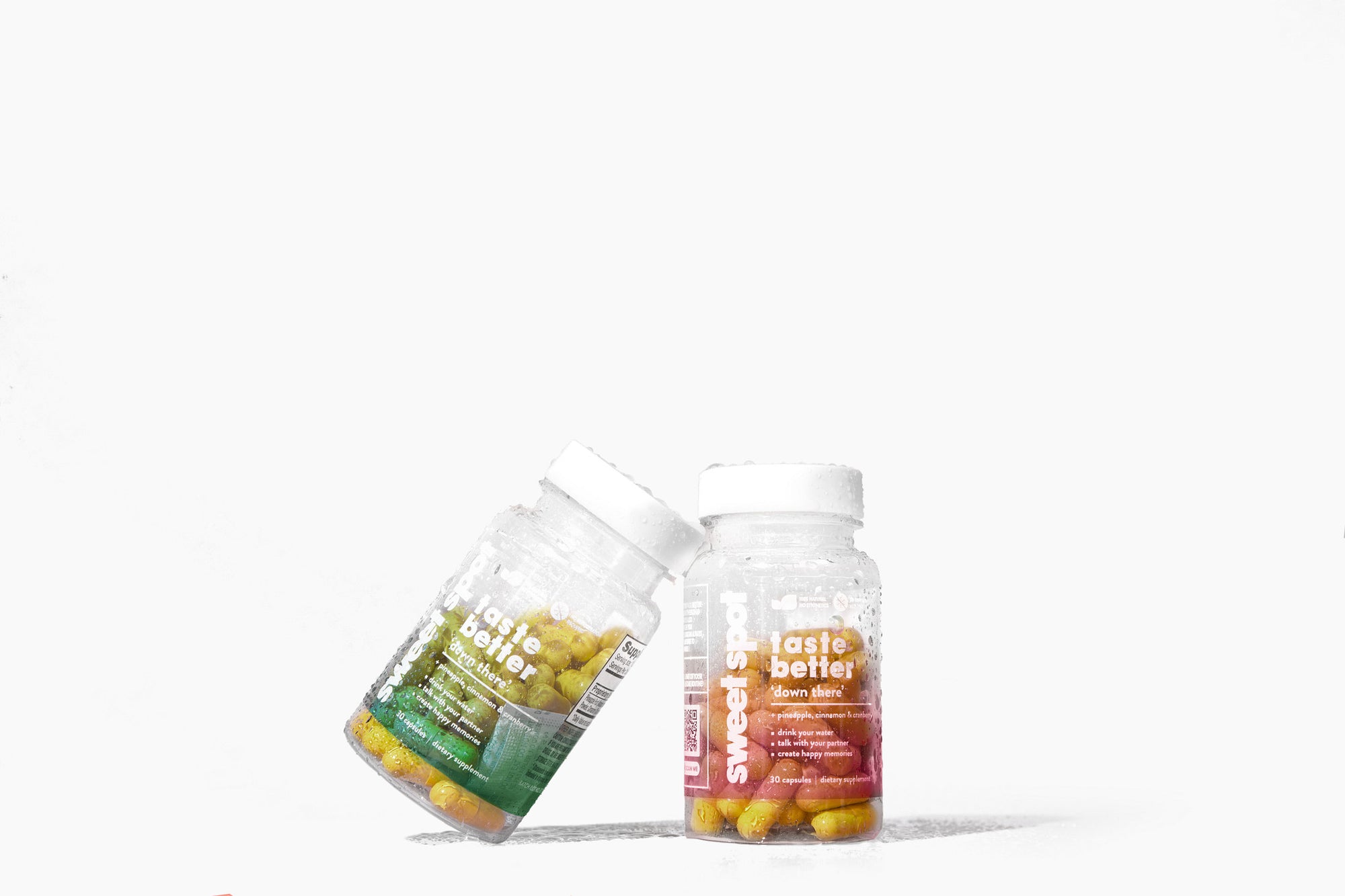
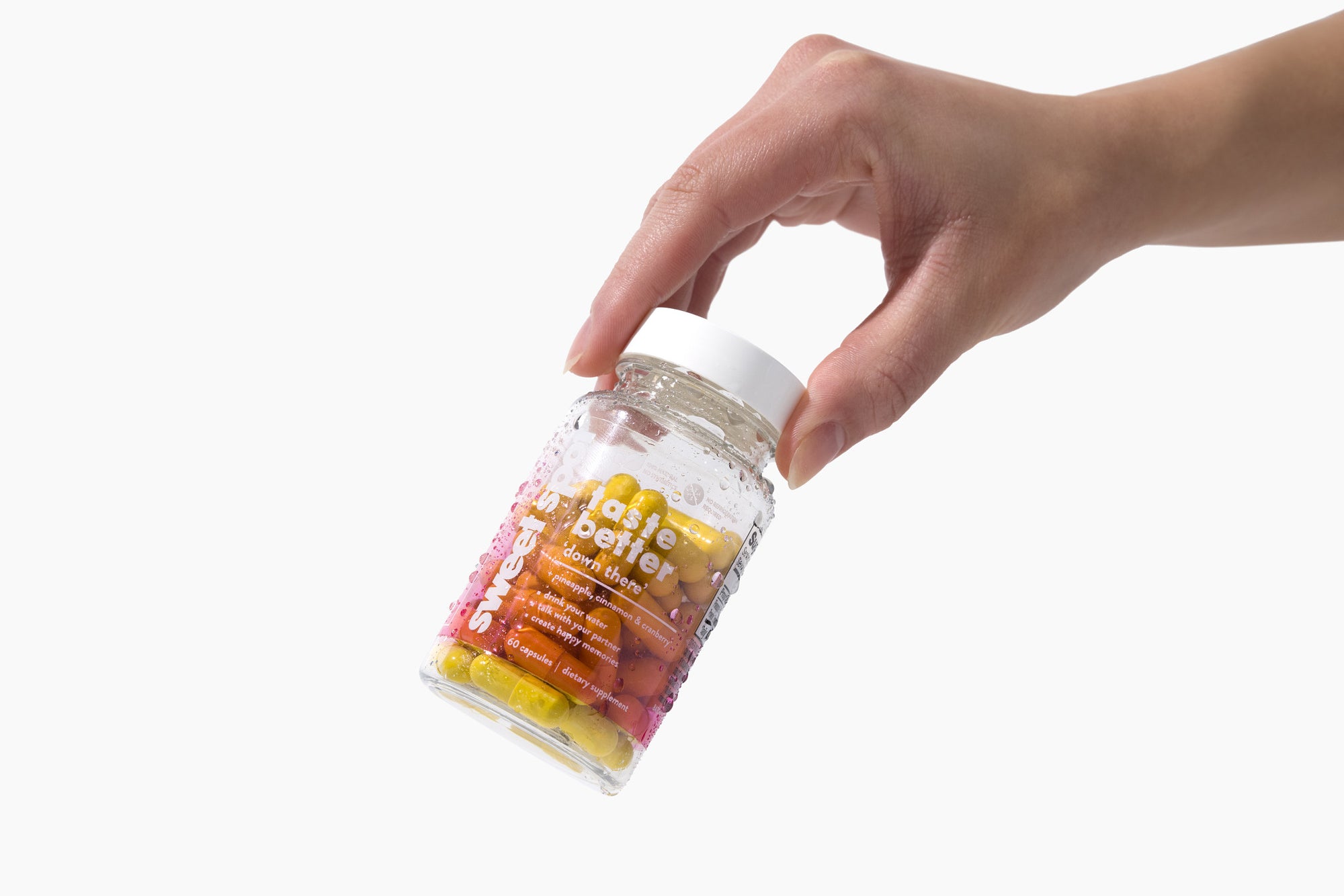
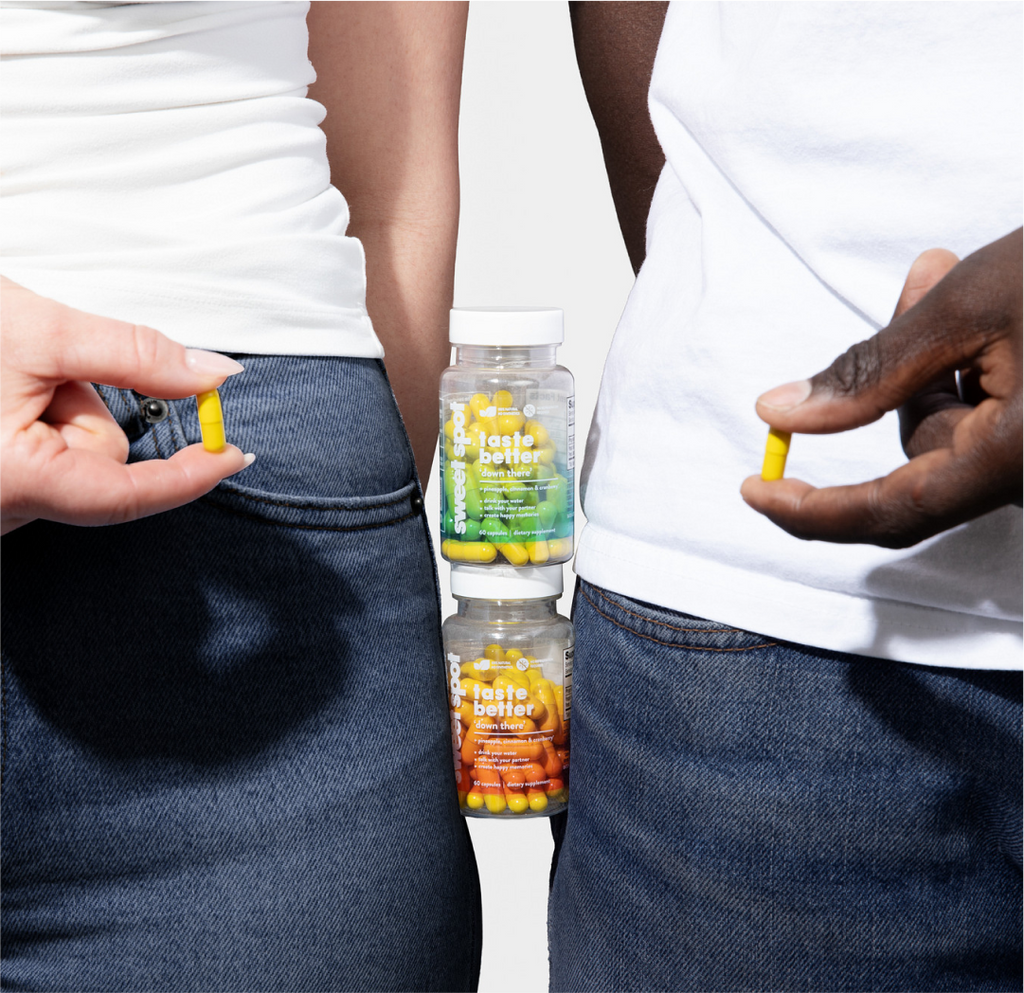
If you want a freshness routine beside real food, Women's Sweet Spot is pineapple extract plus a probiotic blend for intimate pH support and natural freshness. The page says two capsules a day with water, no artificial flavors or fillers, made in the USA. It is not a multivitamin, and it is not a treatment for a diet gap or for infection. Capsule pages offer a one-time purchase and automatic monthly delivery. The price, and any cancellation terms, are on that page. This article does not promise a refund or a pause button. You can also shop the full collection.
Frequently Asked Questions
What are the best food sources of vaginal vitamins?
There is no separate vaginal menu. Vitamin C comes from peppers, citrus, and broccoli. Vitamin E comes from nuts, seeds, and avocado. Folate comes from greens and beans. These foods support the person who has the tissue. They are not a treatment for pH changes, odor, or infection, and they do not replace an exam.
Does yogurt balance vaginal pH?
Yogurt is a food. Eating it can be part of a pleasant breakfast. It does not set vaginal pH, and it is not a treatment for bacterial vaginosis or yeast. Do not place yogurt in the vagina. If you dislike dairy, skip it. Cultures in a cup are not a prescription this page will invent.
Why is vitamin D different from vitamin C?
Many people can eat enough vitamin C from produce. Vitamin D from fatty fish, yolks, and fortified foods often still leaves a gap, especially with little sun. That is why a blood test matters before a high dose. The test result is for a clinician to read. This page will not give you a range or a unit count.
I eat no animal foods. What is the B12 point?
Plants do not provide B12, so fortified foods or a supplement are the practical options. Greens supply folate, not B12. Ask a clinician if fatigue or tingling is present, because other causes look similar. A product marketed for intimate health is not automatically the B12 plan you need.
Can a food plan replace a visit for odor?
No. A steady plate supports general health and can continue while you are evaluated. Fishy odor with thin discharge, itching, or pain when you pee is a clinician problem. Food is not a treatment for that pattern. Write down timing and discharge, then take the note to the visit.