Female Health
Gummy Vitamins for Vaginal Health: Sugar, Doses & Limits

Pineapple-extract supplement. 60 capsules · 30-day supply.
Shop For Her →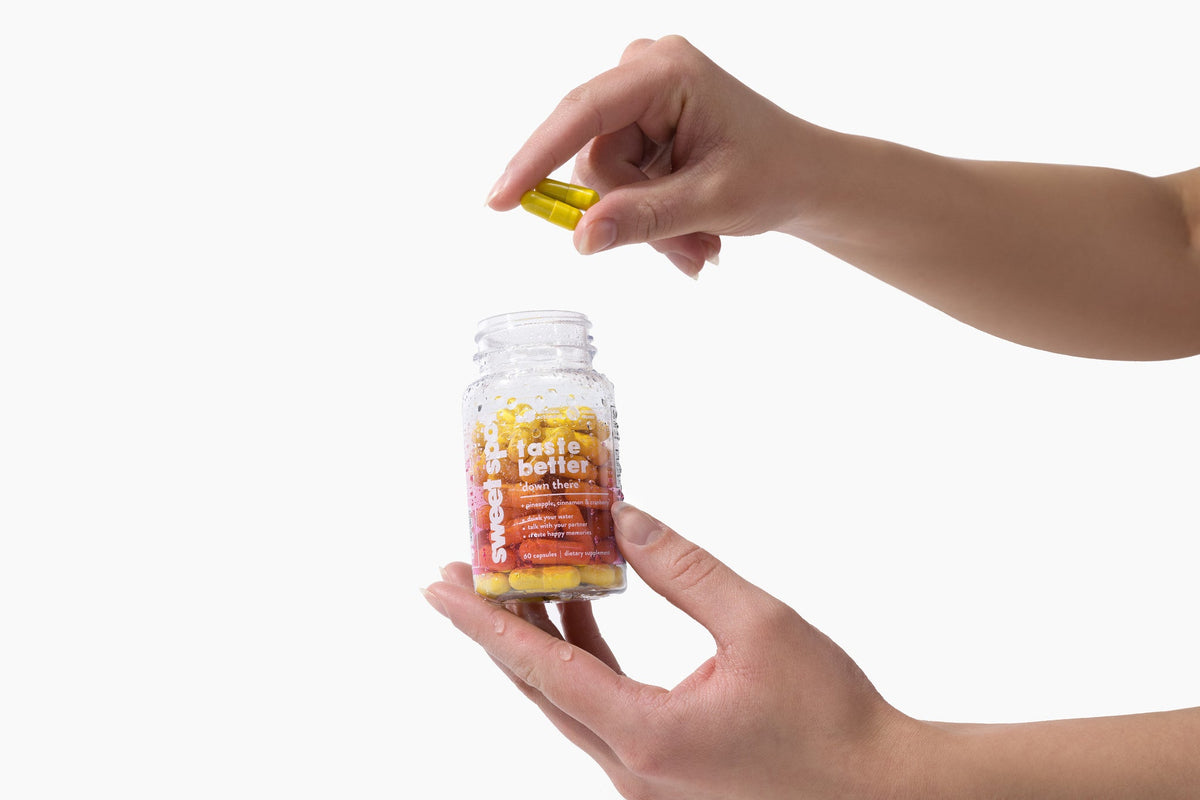
Gummy vitamins for vaginal health look friendlier than tablets, which is a big part of their appeal. But the chewy format usually means more sugar and smaller amounts of the nutrients printed on the front. A gummy can still be a fair choice if you can't stand swallowing pills and the panel is honest. What it can't do is set your vaginal pH or treat yeast, bacterial vaginosis, or odor.
The Short Answer
Gummies are vitamins in a candy-like format, not a vaginal health method. Check how many pieces make a serving, look at the sugar, and expect lower amounts of things like vitamin D, zinc, or B12 than a standard tablet. That can be fine for filling a known gap in your diet. If itching or odor started your search, see a clinician instead.
Why Gummy Vitamins Contain Less of Some Nutrients
Turning a vitamin into a gummy takes room. Sugar, syrups, or other sweeteners create the texture, and that leaves less space for the active ingredients. Some nutrients taste bitter and don't hold up well in a chewy recipe, so manufacturers use less or leave them out.
Heat and moisture can also break down certain vitamins, which is one more reason gummies sometimes list modest amounts. None of this makes gummies dangerous. It makes them a trade: you get convenience and taste, and you accept a different nutrition panel. The "intimate" wording on some bottles adds a second, quieter suggestion, that the trade has something to do with vaginal tissue. It doesn't. Your body can't tell your vitamin was chewy.
How Much Sugar Is in Gummy Vitamins?
A serving can look a lot like a small handful of sweets, and if the serving is three pieces, the sugar adds up. For most people, that's a minor line in the day's diet. If you live with diabetes, count it the way you'd count any other sweet, inside the plan your clinician knows about.
Does the sugar cause yeast infections? We won't make that claim. Evidence that cutting sugar clears yeast is weak, and a few gummies aren't the lever either way. Our article on sugar and yeast research walks through what's known. If you want the nutrients without the sweet, a capsule or tablet usually delivers them with almost no sugar. And if you just prefer the chew, that's a perfectly fine reason. Own it.
Gummy Vitamins for Vaginal Health: How to Read the Label
Start with the serving size, not the berry illustration. Then work down the panel:
- Pieces per serving. Two or three gummies per serving changes both the sugar and the nutrient total you thought you were getting.
- Grams of sugar. Decide whether you want that sweet every day, knowing the texture depends on it.
- The nutrient you actually need. Look for vitamin D, B12, folate, iron, or zinc only if one of those is the reason you're shopping.
- Botanical sprinkles. A long list of plant extracts with no amounts makes the label longer without telling you much.
- Seals. A third-party mark speaks to manufacturing quality, not to vaginal outcomes.
If cost matters, set the gummy next to a standard tablet. Sometimes you'll pay more for less. That's allowed, as long as you don't believe a pink, floral bottle makes it a stronger intimate formula. For a deeper look at reading panels, see how to read vagina vitamin labels.
When a Gummy Is a Reasonable Choice
Some people gag on tablets. Others are recovering from an illness and need whatever format they can keep down. In cases like these, a gummy with a clear panel can fill a documented gap. Two common examples:
- Vitamin D after a blood test shows you're low. Our guide on testing vitamin D before supplements explains why the test comes first.
- B12 when you eat no animal foods, as long as you confirm the amount is meaningful.
Choose the fewest nutrients that match the gap. Tell your clinician, especially if you take thyroid medicine, antibiotics, or a prenatal, because interactions and overlap are individual. Then put a review date on your calendar so the bottle doesn't quietly become furniture on your counter.
Why Some Gummies Skip Iron
Iron tastes metallic and is hard to hide in a chew, so many gummies leave it out entirely. That's a relief if you don't need iron and a real gap if you do. If you're tired all the time and wondering about iron, ask for a blood count rather than guessing. And don't crush a separate iron pill into some homemade mixture to compensate.
Gummy Vitamin Safety: Kids and Pregnancy
Gummies look and taste like candy, which makes storage a genuine safety issue in homes with children. Keep the lid closed and the bottle up high, out of sight. Don't share an adult gummy with anyone as a remedy.
Pregnancy calls for extra care. A gummy is still a supplement, even when it tastes like a snack, so don't start one unless your obstetric clinician agrees. Your prenatal may already cover what you need, and some formulas contain extra vitamin A, which can matter during pregnancy. We cover this in more detail in pregnancy and new supplements.
What a Gummy Can't Do
A chewable won't examine you, and it shouldn't be a reason to put off a swab, a urine test, or that menopause conversation you've been meaning to have for months. Skip any bottle that claims to fix odor. Brands that state amounts in plain numbers, without a proprietary blend hiding the dose, are easier to trust.
When to See a Doctor
Gummies don't change the red flags. Book a visit if you notice:
- A fishy odor with thin discharge
- Itching or burning
- Pelvic pain or fever
- Bleeding you can't explain
- Pain when you pee
If you're pregnant, leave new gummies on the shelf until your obstetric clinician agrees, and report any infection symptoms. If you have diabetes and the sugar load matters, mention it. This article is general information, not medical advice.
If You'd Rather Skip the Sugar
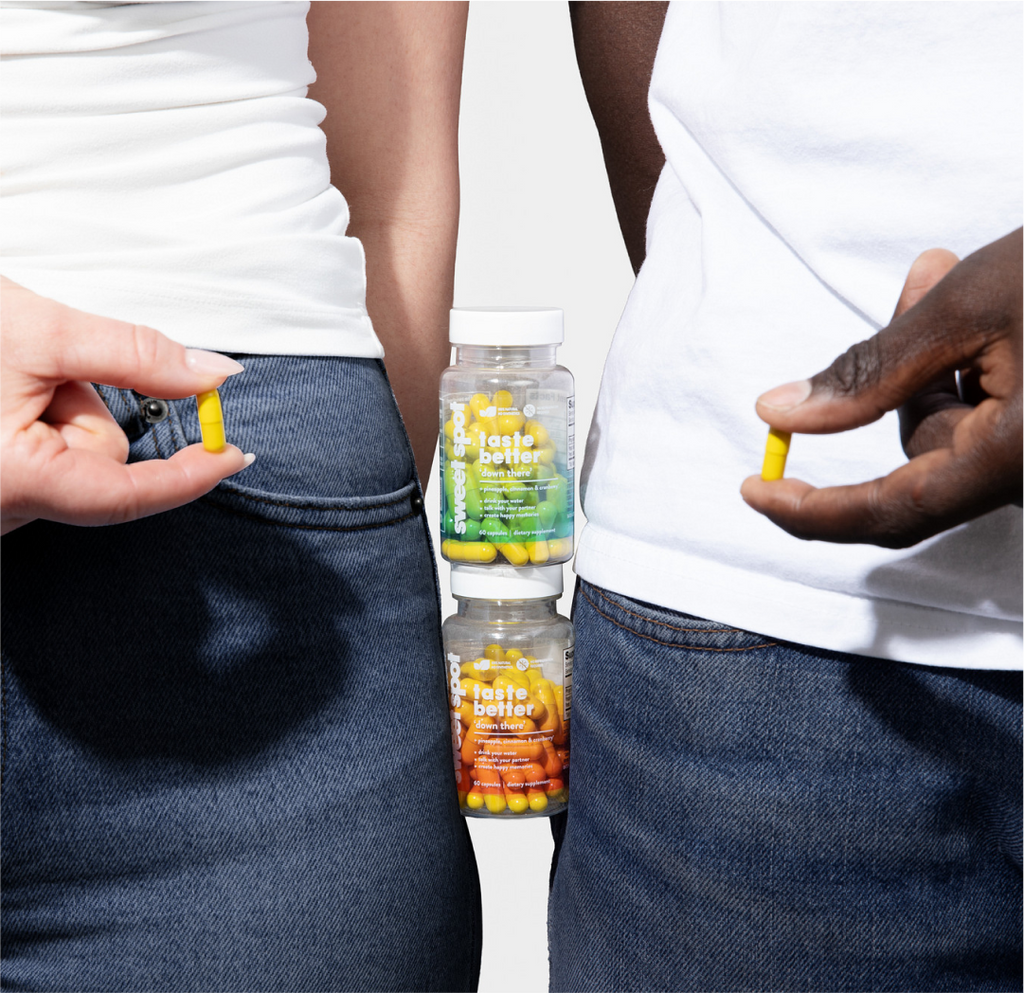
If what you really want is a simple daily freshness routine, a capsule may suit you better than a candy-style chew. Women's Sweet Spot combines pineapple extract in a probiotic-friendly dietary supplement to support natural freshness, two capsules daily with water, with no artificial flavors or fillers. It isn't a vitamin formula, and it isn't a treatment for odor, pH problems, or infection, so it won't replace vitamin D or B12 you've been told you need.
Frequently Asked Questions
Are "intimate health" gummies different from regular gummy vitamins?
Usually the main difference is the marketing. Line the two panels up and you'll often find similar sugar and similar modest amounts of familiar nutrients, sometimes with a few botanicals added. If the price is higher, ask what extra you're actually getting. A floral label and the word "feminine" aren't ingredients.
Do gummy vitamins go bad faster than tablets?
They can be more sensitive to heat and moisture, so storage matters. Keep the lid tight and the bottle in a cool, dry cupboard rather than a steamy bathroom or a hot car. If gummies stick together, melt, or smell off, or the best-by date has passed, replace them.
Can I take gummy vitamins with my other supplements?
Possibly, but check for overlap first. Gummies often repeat nutrients you already get from a multivitamin or prenatal, and doubling up isn't automatically better. Lay the bottles side by side and compare. If you take thyroid medicine, antibiotics, or anything prescribed, ask your pharmacist or clinician about timing.
Are sugar-free gummy vitamins a better option?
They cut the sugar, which helps if you're counting it for diabetes or your teeth. Read the panel, though. Some sugar-free gummies use sugar alcohols, which can upset the stomach if you eat several. The same rules apply: check the serving, the amounts, and whether the nutrients match a real need.
How long should I keep taking a gummy vitamin?
As long as there's a reason. If you started for low vitamin D, ask your clinician when to retest. If you started because a label promised freshness, it's fair to stop. Picking a review date when you open the bottle keeps a supplement from turning into a habit nobody remembers choosing.
YOUR NEXT STEP, ON YOUR TERMS
Keep it simple.
Find your routine.
Explore daily supplements and external-care essentials. Our products are not treatments for medical conditions; speak with a qualified clinician about symptoms or health concerns.
Or explore other products: