Female Health
Does Sugar Cause Yeast Infections? What the Evidence Says
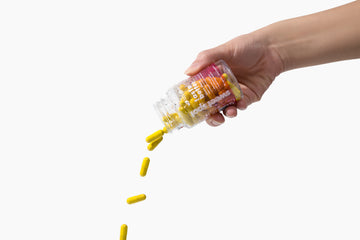
Pineapple-extract supplement. 60 capsules · 30-day supply.
Shop For Her →
Does sugar cause yeast infections? It's one of the most common questions people ask when an itch shows up after a week of sweets. The honest answer is that the evidence linking sugar in your diet to vaginal yeast problems is weak, and quitting sugar isn't a treatment. Eating fewer ultra-processed foods can be good for general health, but itch and discharge still deserve a clinician.
Quick Answer
The idea that sugar feeds yeast infections is popular, but research doesn't support cutting sugar as a way to treat or prevent them. A simpler eating pattern is fine for general health reasons. It isn't antifungal care, though, and it doesn't replace an exam. Recurrent itch or discharge should be seen whatever your diet looks like.
Where Did the Sugar and Yeast Idea Come From?
Sugar and yeast share a headline partly because yeast in a lab dish can use sugars to grow. It's also appealing to feel in control when the rule is something you can eat or avoid. The trouble is the leap from a lab dish to your body, which the evidence doesn't make.
You may hear that dessert feeds the problem and that a strict diet fixes it. Those claims are confident and ahead of the studies. If your itch followed a week with several changes, such as stress, antibiotics, or a new product, sugar may not even be the relevant factor.
It's fine to notice your own patterns. Just don't turn one observation into a law.
Does Sugar Cause Yeast Infections, According to Research?
Evidence that quitting sugar changes yeast problems is weak. Small personal stories and strict online forums aren't the same as results you can rely on for care. Where research on sugar and yeast exists, it doesn't give us a protocol, a gram limit, or a promise.
Saying the evidence is weak isn't the same as saying sweets are a health food. It means you shouldn't delay an exam to finish a two-week ban and see what happens. If symptoms are here now, see a clinician now. They may prescribe medication after an exam, and that choice is theirs, so we won't name a drug or dose. Your diet can come up there as useful context.
Is Eating Less Sugar Still Worth It?
It can be, for ordinary reasons. Eating fewer ultra-processed foods, enjoying more regular meals, and drinking fewer sugary drinks can support general health. People make those changes for energy, for their teeth, or because a clinician advised it for blood sugar.
Those are real reasons. They just aren't antifungal care. You also don't need to overhaul breakfast before you're allowed to ask for an exam, and you're not lazy because you ate fruit.
Does Diabetes Raise the Risk of Yeast Infections?
If you live with diabetes, your glucose plan is the one your prescriber manages, not a purity challenge from a forum. Our article on diabetes and yeast infections covers that connection in more depth.
We don't recommend cinnamon capsules, chromium, or berberine for yeast or for glucose control. Keep any diabetes medication decisions with your prescriber, and mention recurring itch at your next visit rather than rewriting your plan around a sugar headline.
Why You Don't Need a Candida Diet
You won't find a banned-foods list, a candida diet stage, or a reintroduction schedule here. Those plans dress food up as antifungal treatment, and food isn't that. Thick discharge, burning, or repeat episodes belong with a clinician who can actually look.
While you wait for that visit, a few safety points matter:
- Don't reuse an old tube of medication because a sweet week and an itch lined up.
- Don't insert yogurt, food, or anything else into the vagina. Our article on yogurt and vaginal health explains where yogurt belongs.
- Don't wait to finish a diet experiment before getting checked.
- If restrictive eating is starting to make you anxious around food, mention it to a clinician. That's worth care in its own right.
Modest meals plus a real visit will always beat a heroic diet plus a delay. Your plate can stay boring, and that's perfectly fine.
What About Supplements for Yeast?
Many people look for a supplement to replace cutting sweets. Research on probiotics and vitamins for yeast is limited and mixed. If you'd like to read more, our reviews of probiotics for candida and vitamins for yeast infections explain what the studies can and can't show.
The short version is that no capsule is a sugar policy, and no capsule is antifungal care. Using one doesn't mean sugar was the problem, and avoiding sugar doesn't require one.
What to Write Down Before Your Appointment
A short note makes a quick visit far more useful than a food diary ever could. Jot down:
- When the itch or discharge started, and whether it's thick, thin, or has an odor
- Any antibiotics in the past few weeks
- New soaps, washes, wipes, or laundry products
- Previous episodes, and what you were prescribed for them
- Anything you've already tried at home, including over-the-counter tubes
If you've been cutting sugar, you can add that too. It's context for the conversation, and nobody is grading your plate.
When to See a Doctor
See a clinician whether you eat sweets or not if you have:
- Itching or thick discharge
- Burning or pain
- A fishy odor
- Symptoms that keep coming back
Mention your diet as context. If eating has started to feel frightening, say that too. Go sooner if you're pregnant or have a fever. This article is general information, not medical advice or antifungal instruction.
An Optional Everyday Habit
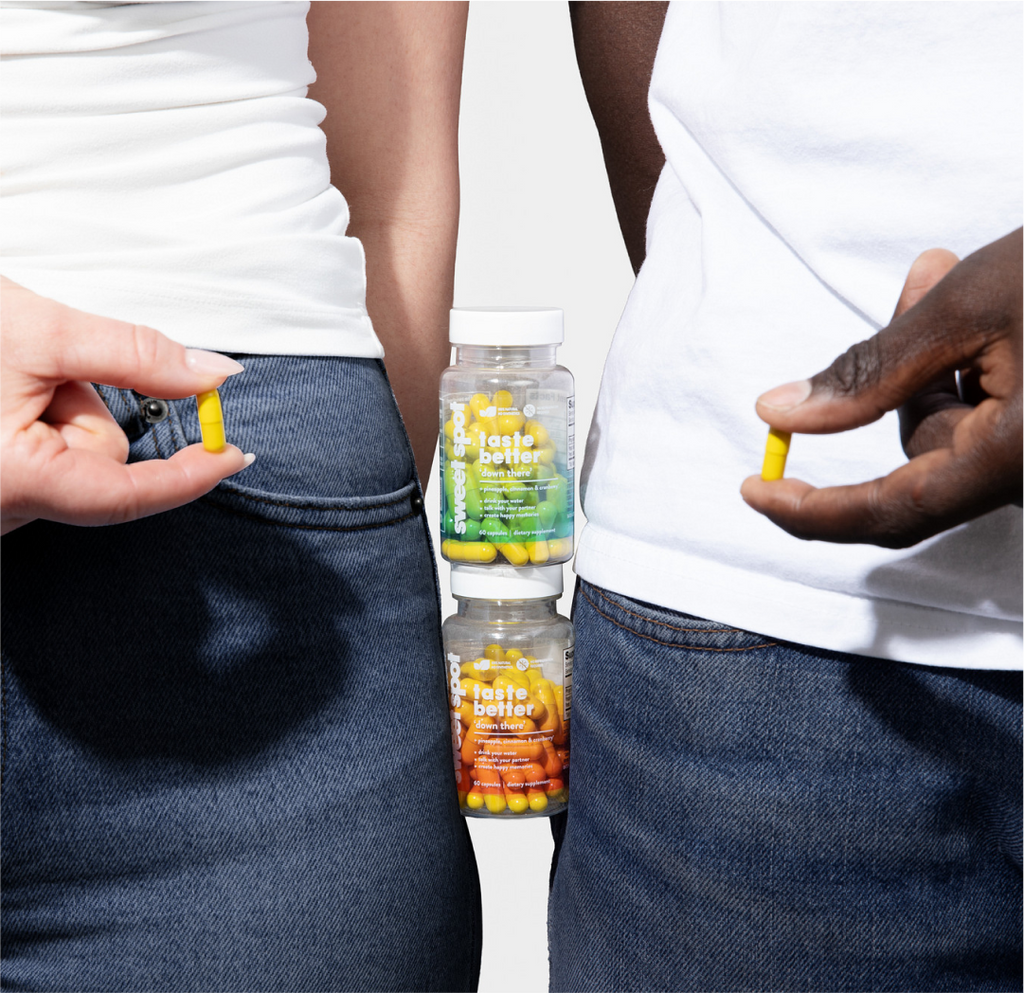
If you feel well and want a simple wellness routine, Women's Sweet Spot is a probiotic-friendly pineapple-extract dietary supplement for natural freshness, two capsules a day with water. It doesn't require a sugar ban and isn't antifungal care. If you're pregnant or breastfeeding, check with your obstetric clinician before starting it.
Frequently Asked Questions
If I stop eating sugar, will my yeast infection go away?
The evidence for that hope is weak. Cutting sugar isn't a treatment or antifungal care, and sugar and yeast are linked more strongly in marketing than in research. If you have itching or thick discharge, see a clinician. A week of dieting isn't a substitute for an exam, and it can delay care that works.
Should I follow a candida diet I found online?
We don't recommend it. Candida diets with stages, banned lists, and reintroduction schedules present food as antifungal treatment, which it isn't. If symptoms keep coming back, ask a clinician to confirm it's really yeast, since irritation or bacterial vaginosis can feel similar. And if a strict diet is making you anxious about eating, say so.
Can eating fruit cause yeast infections?
There's no good reason to single out fruit. Evidence on sugar and yeast is weak overall, and one food is a poor suspect. Eat fruit if you enjoy it and tolerate it well. If you're managing blood sugar, your clinician or a dietitian can tell you how fruit fits your own plan. Either way, a fear of fruit shouldn't delay an exam.
Can a supplement replace cutting out sweets?
No, and neither one is antifungal care. Women's Sweet Spot is a probiotic-friendly pineapple extract dietary supplement for natural freshness. It doesn't require a sugar ban, and a sugar ban doesn't require it. If you feel fine, you can skip both the ban and the bottle.
I have diabetes. Should I follow sugar rules to prevent yeast?
Your diabetes plan is whatever care and medication your clinician has set, so stick with that. We don't recommend cinnamon capsules, chromium, or berberine, and a probiotic isn't part of a glucose plan. If you get recurrent itching, have it checked rather than rewriting your prescriptions around a sugar headline.
YOUR NEXT STEP, ON YOUR TERMS
Keep it simple.
Find your routine.
Explore daily supplements and external-care essentials. Our products are not treatments for medical conditions; speak with a qualified clinician about symptoms or health concerns.
Or explore other products: