

What sweat and groin odor is and is not
Hot days make sweat and groin odor a common worry after a workout, a commute, or hours in clothes that never quite dried. Surface sweat can smell sour, salty, or simply human. That surface smell is not the same thing as a fishy odor coming from vaginal discharge. If you use a wipe, it stays on the outside. A fishy internal smell needs a clinician. This page is not medical advice, and sweat is not a moral failing or a reason to scrub skin raw.
Quick Answer
Quick Answer: Wash the outside with water, dry the folds, and change damp clothes when sweat and groin odor is the whole story. That surface smell often fades. It is not the same as fishy discharge. Intimate wipes are external only, and they are not a treatment. If the smell seems to come from inside, or it stays fishy after a shower, see a clinician. Do not confuse a hot afternoon with an infection you diagnosed yourself.
1. Surface sweat is its own smell
Sweat and groin odor on the surface usually come from moisture, skin, hair, and the ordinary microbes that live in a warm fold. Apocrine glands in the groin make a thicker sweat than the watery sweat on your forehead, and fabric traps it. The result can be sharp for an hour and then quiet after a rinse and dry clothes. That pattern is common. It is not automatically bacterial vaginosis, and it is not a yeast problem you can name from a gym locker. Body odor research is mostly skin chemistry, not your worth. If the smell is only there when you are hot and it leaves when you are clean and dry, you can start with hygiene, not fear.
2. Folds hold more than open skin
The groin is a fold. Thigh meets torso, labia meet each other, and air does not circulate the way it does on an arm. Sweat sits. Discharge can mix with it. Synthetic leggings seal the area. By evening the scent can be stronger than it was at noon, even if nothing new is wrong. A shower, a pat dry, and a dry pair of underwear are reasonable responses. They are not a treatment. They do not prove you waited too long to be clean. People sweat. The goal is comfort and a clear head about what is skin and what might be discharge that needs an exam.
3. Wipes are an outside tool
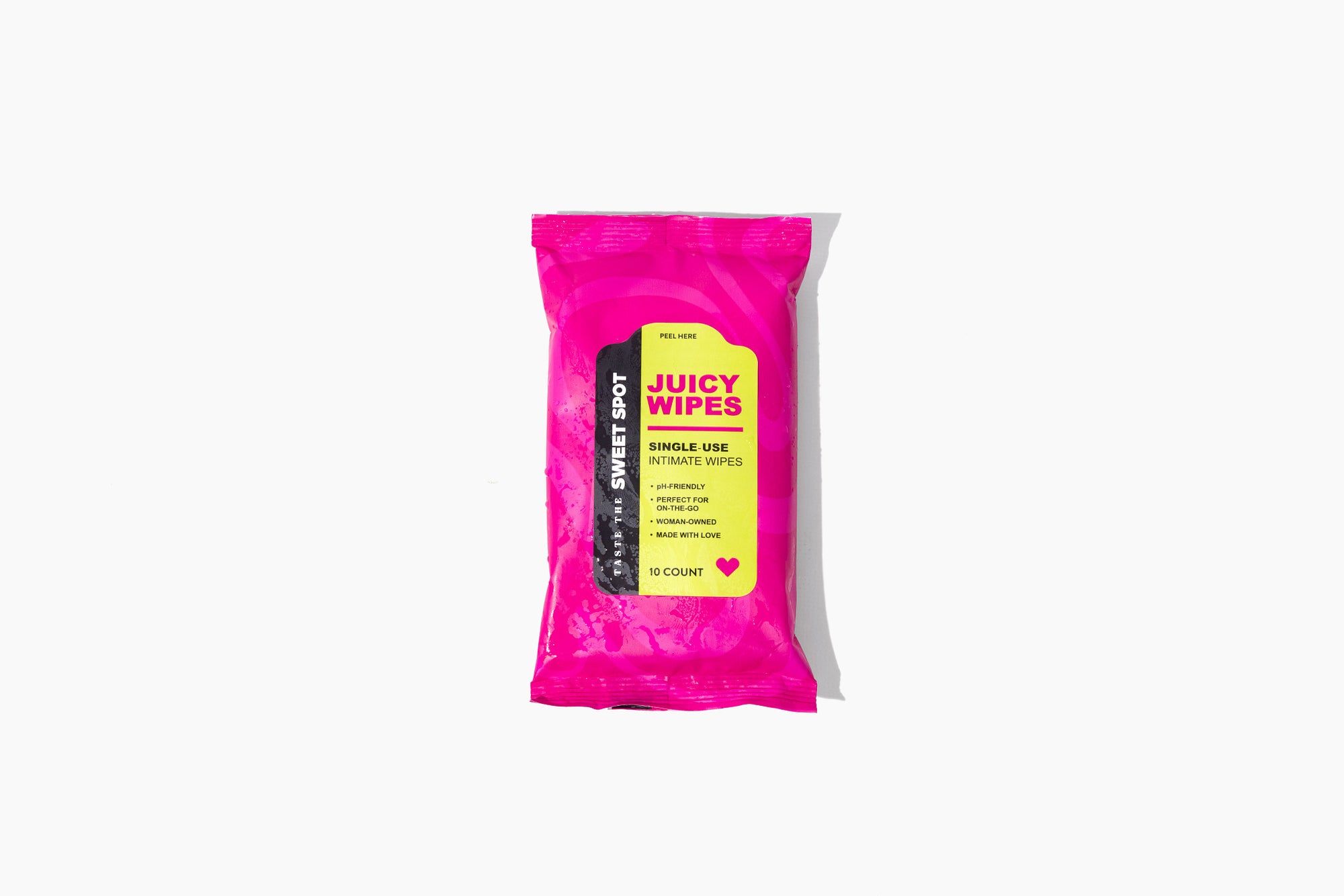
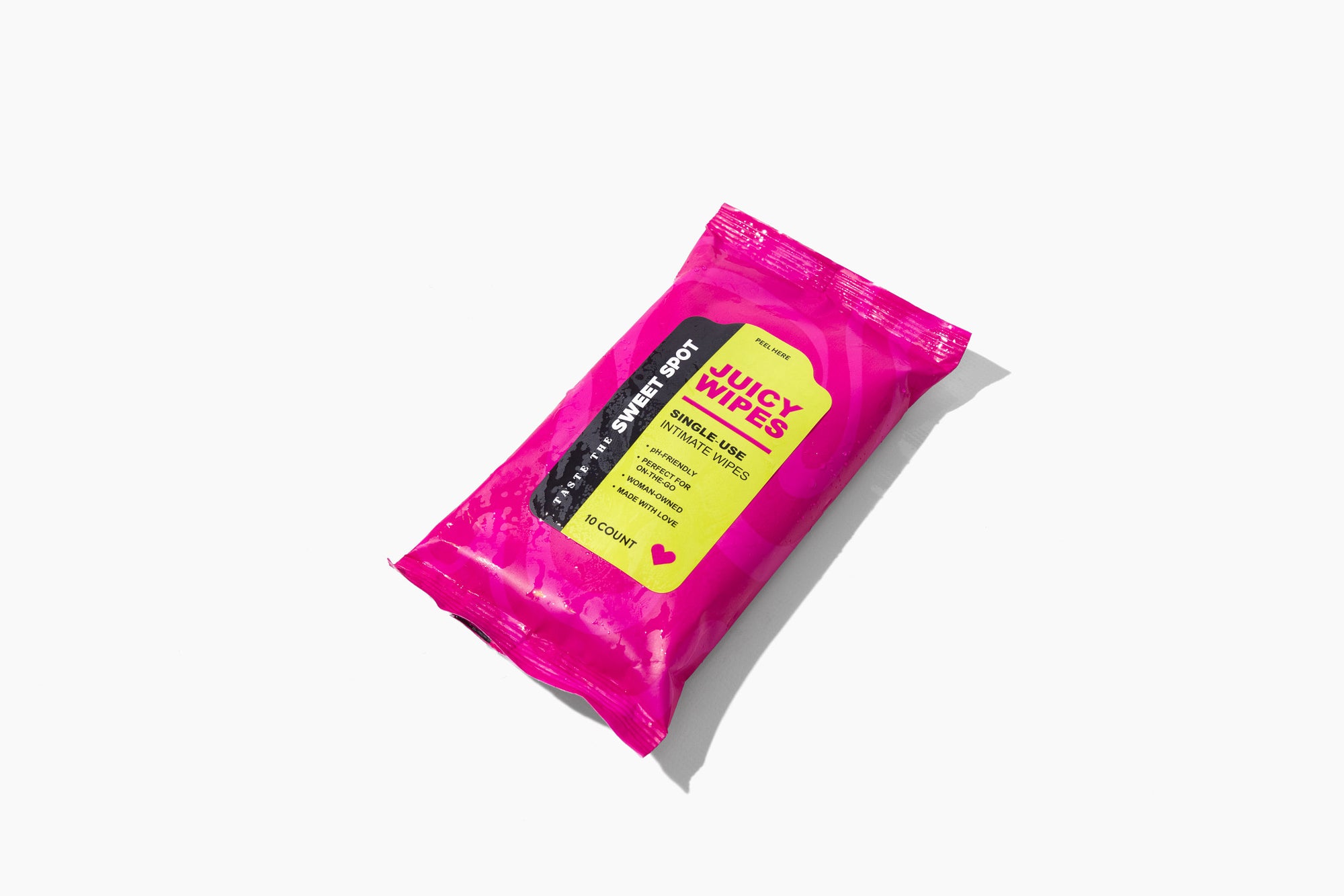
An intimate wipe is a different object from a hand sanitizer or a makeup wipe. The product page for these wipes describes them as pH-balanced, flushable, and biodegradable, with aloe. It says fragrance-free and gynecologist-tested, and a lower section also names green tea and pomegranate. Those are product details, not medical claims. The wipe goes on the vulva and nearby skin, then you are done. It does not go inside the vagina. It does not reach an internal cause of odor. It is not a treatment. If the skin stings, stop. Stinging is information, not a sign to wipe harder or to switch to something harsher from a different aisle.
4. Fishy and internal is a visit
A fishy smell, especially with thin discharge, is a different category from sweat and groin odor on the skin. People often hope a better wash will settle it. Washes and wipes stay outside. They cannot tell bacterial vaginosis from a yeast problem or from something else, and neither can you from a blog. See a clinician and describe the smell, the discharge, and how long it has been there. A clinician may prescribe medication after an exam. This page will not name a drug or a dose. Do not delay that visit in order to finish a pack of wipes. The wipe was never the test.
5. Clothes and a rinse are enough to try
If the story is only sweat, the experiment is simple. Rinse the outside with warm water. Use an unscented cleanser only if you want one, and rinse it fully. Pat dry, including the fold where thigh meets torso. Put on dry underwear. That is a fair trial of the sweat explanation. Give it the rest of the day, not ten frantic minutes and a second product. If the fishy quality remains, or itch and unusual discharge are part of it, stop experimenting. You have learned that this is not just sweat and groin odor. The next teacher is a clinician, not a stronger fragrance.
6. When the smell is probably sweat
It tracks heat. The scent shows up after exercise, heat, or tight clothes and fades once you are clean and dry. That timing fits surface sweat better than a new internal problem.
Skin, not discharge. You notice it on the groin folds or pubic hair, not as a change in vaginal discharge. Keep that distinction. It keeps you from treating a shower problem like an exam.
Outside wipe only. If you use a wipe, it touches external skin and stops there. It is not a treatment, and it is not a wash for the inside of the vagina.
Fishy means a visit. A fishy smell that remains after washing, especially with discharge, is not a sweat story. Take that pattern to a clinician instead of buying a stronger product.
7. Choose a wipe only for the surface
Choose an external wipe when you want a quick freshen of sweaty skin and you do not have irritation. Fragrance-free matters on the vulva. A makeup wipe, a baby wipe with scent, or a sanitizing cloth is a different product with a different job. Do not collect three kinds and use them together. If your skin is already sore, water and a dry towel are kinder than any wipe. A wipe is not a treatment, and it is not a substitute for an exam when the odor is fishy and internal.
8. Pair the wipe with dry clothes
Pair any wipe with a change out of damp leggings and a full dry of the folds. The intimate wipes are pH-balanced, flushable, and biodegradable, with aloe. The page says fragrance-free and gynecologist-tested, and a lower section names green tea and pomegranate. They stay on the outside. They are not a treatment. If you also want a capsule later, that is a separate product and a separate decision, not a second wipe for the same sweat.
9. When to Talk to Your Doctor
See a clinician for a fishy odor, unusual discharge, itching, burning, sores, swelling, pelvic pain, or fever. Sweat that leaves after a wash can stay a home habit. This page is not medical advice. A clinician may prescribe medication after an exam. This article will not name that medication or a dose. Go sooner if you are pregnant or the smell appeared with pain. Bring notes on timing.
Skin sweat and internal odor differ
Sweat and groin odor on the surface is common, and it is not the same as fishy discharge. Rinse, dry, and change clothes. Keep wipes external. They are not a treatment. A fishy internal smell needs a clinician, not a harsher cloth. You are allowed to sweat on a hot day.
Keep reading on JuicyVibes: vaginal odor causes and fixes, pH-balanced intimate wipes.
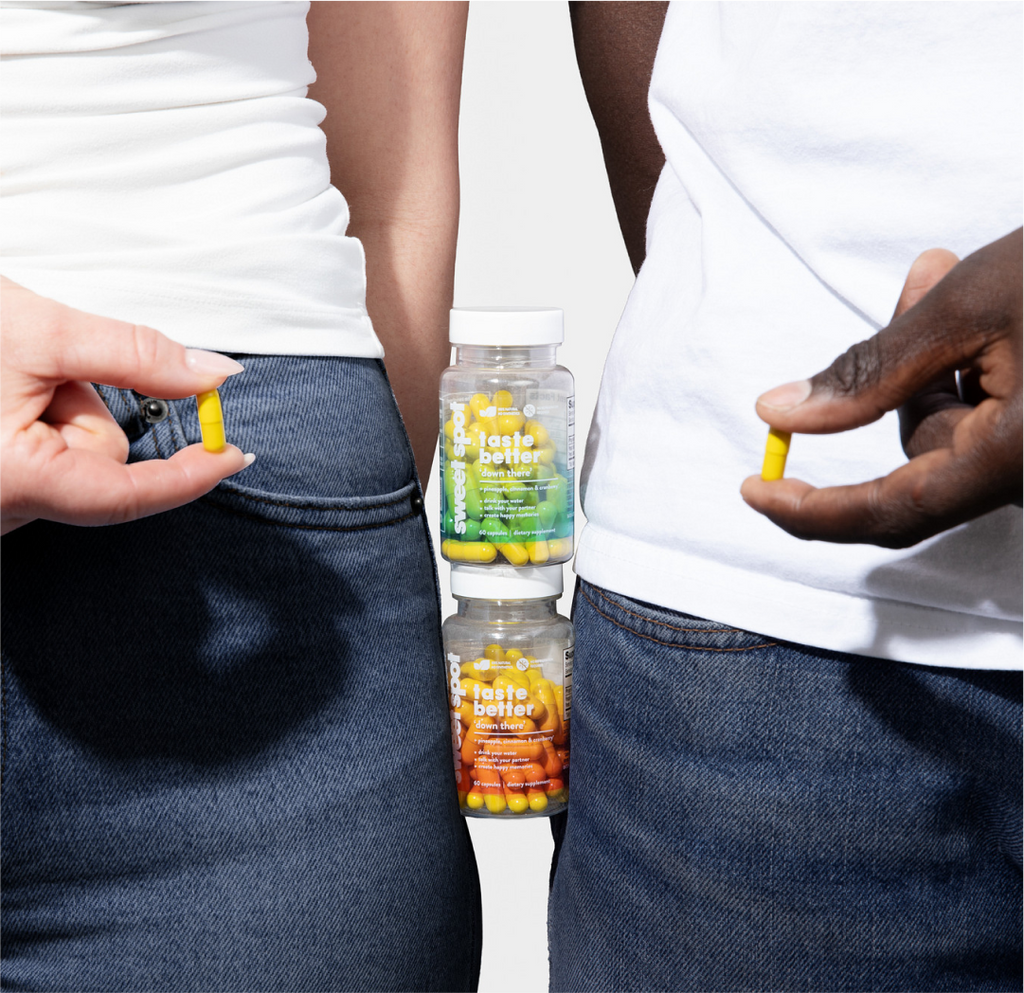
For external freshening, the intimate wipes are pH-balanced, flushable, and biodegradable, with aloe. The page says fragrance-free and gynecologist-tested, and a lower section also names green tea and pomegranate. They are not a treatment, and a fishy smell from inside still needs a clinician rather than another wipe. They stay on the outside. They are not a wash for inside the vagina and they are not a treatment. Shop the full collection for the capsules too.
Frequently Asked Questions
Is groin sweat the same as a vaginal infection?
No. Sweat and groin odor on skin often track heat and tight clothes, then fade after a wash and dry fabric. A vaginal infection is a medical question, usually with discharge, itch, burning, or a fishy smell that washing does not explain. This page cannot sort those for you. A clinician can.
Can I use an intimate wipe on sweaty skin?
Yes, on the outside, if your skin tolerates it. These wipes are pH-balanced, flushable, and biodegradable, with aloe, and the page says fragrance-free and gynecologist-tested. They are not a treatment. Do not use them inside the vagina. If they sting, stop and go back to water.
Why does the smell get worse in leggings?
Leggings hold heat and moisture against the groin folds, so sweat stays on the skin longer. That can sharpen surface odor by the end of a session. Changing into dry clothes is a fair response. It is not a treatment, and it will not explain a fishy smell that is really discharge.
Should I scrub until the scent is gone?
No. Scrubbing the vulva makes tiny breaks in skin that then sting and can smell more irritated, not cleaner. Warm water, a gentle pat dry, and dry underwear are enough for ordinary sweat. If you are chasing a fishy internal smell, scrubbing will not reach it.
When is odor no longer a sweat story?
When it is fishy, when discharge looks or smells new, when you itch or burn, or when a real shower changes nothing. That is the moment for a clinician. Another wipe is not a treatment, and it is not a diagnosis. Describe the timing and the discharge at the visit.