

fishy vaginal odor is a reason for an exam, not a vitamin
fishy vaginal odor is one of the clearer reasons to stop shopping and start with a clinician. The pattern people describe is a fishy smell, often stronger after sex, with discharge that is thin rather than thick and itchy. That pattern is commonly evaluated for bacterial vaginosis. It is not a vitamin deficiency, and it is not a hygiene failure. Wipes do not replace the exam. Vitamins do not either. This page will not give you a medicine name or a dose. It will tell you why the visit comes first.
Quick Answer
Quick Answer: Read fishy vaginal odor with thin discharge as a medical pattern, not as a scent to cover. Clinicians often consider bacterial vaginosis, and sometimes other causes an exam can sort. Home wipes, scented soaps, and vitamin bottles are not a treatment for that pattern. Do not place products in the vagina while you wait. Note timing, sex, periods, and antibiotics. If you are pregnant, call rather than experiment. The exam is the start of care, not a last resort after the aisle fails.
1. Name the pattern without dramatizing it
Fishy is a specific word, different from musky, metallic, or the smell of sweat on skin. People often notice it more after sex, because semen is alkaline and can make the scent bloom. The discharge in this pattern is commonly thin, gray, or watery, not the thick cottage cheese texture associated with yeast. Itching can be mild or absent. None of these details lets you finish the diagnosis in a bathroom. They do let you stop calling it stress or a bad week. If bleeding, fever, or pelvic pain joins the smell, the visit is urgent rather than soon. If you might have left a tampon in, say that immediately. Ordinary embarrassment should not outrank a stuck item.
2. Why bacterial vaginosis is the usual question
Bacterial vaginosis is a shift in the vaginal microbial community, often with fewer lactobacilli and a higher pH. The fishy odor and thin discharge are classic clues, which is why clinicians start there. Classic is not certain. Trichomonas and other problems can overlap, and yeast can coexist. A swab or a microscope, depending on the clinic, does work a nose cannot do. This page will not tell you which medicine follows a positive result, or how long to take it, or whether a partner needs care. Those are decisions after a diagnosis. What you can know now is that the condition is common, it is not a character flaw, and a vitamin will not stand in for the test.
3. Wipes are an outside tool
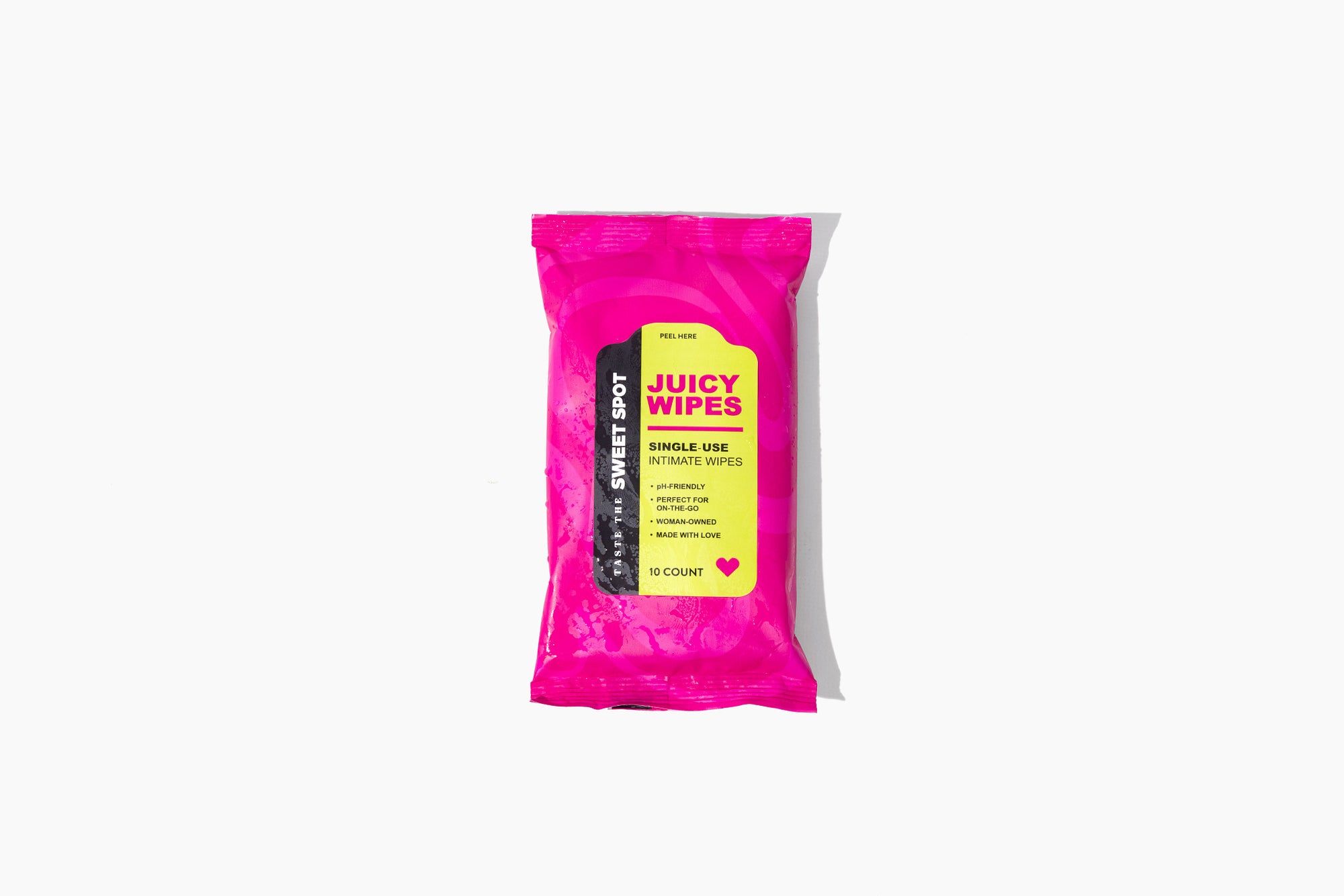
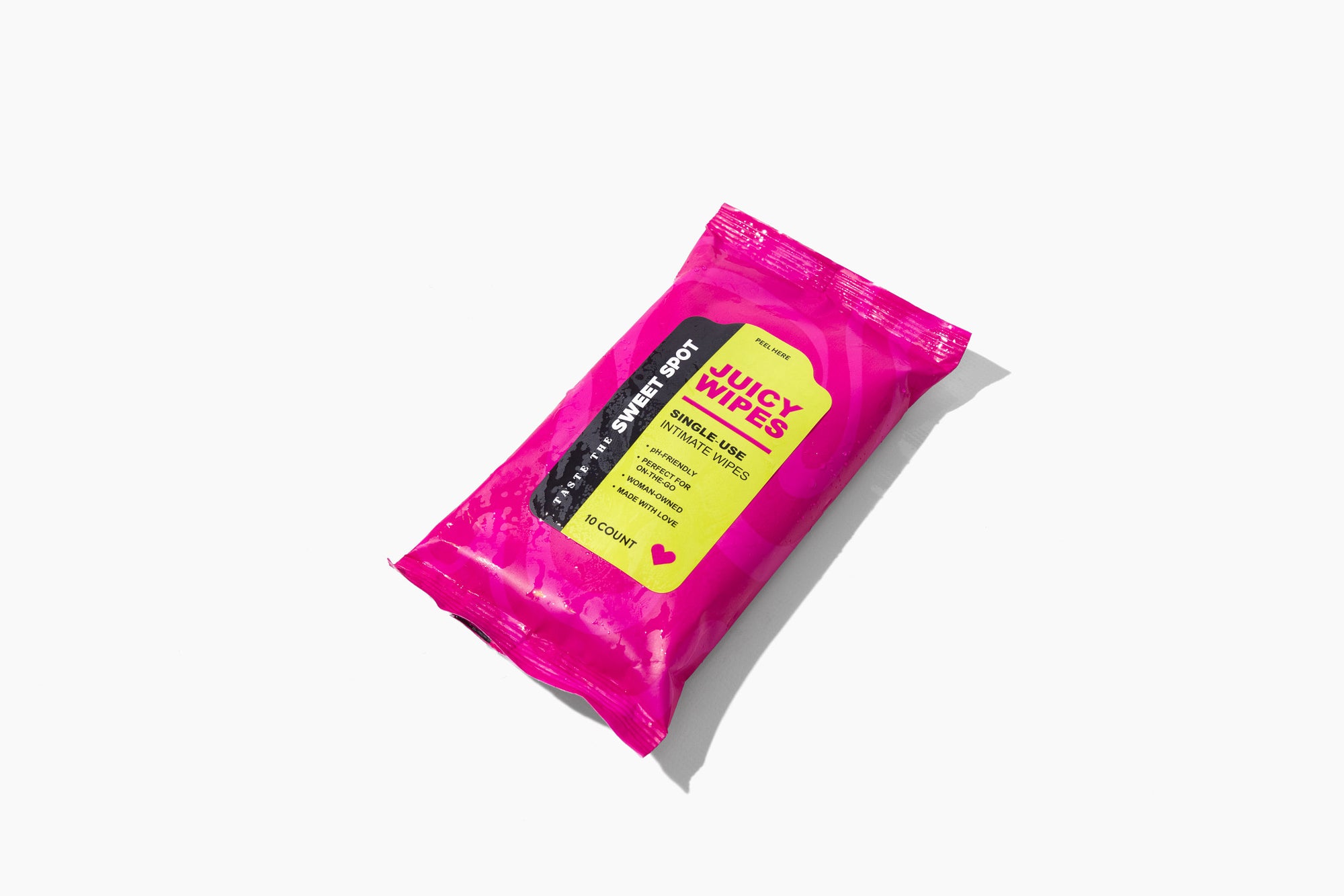
A wipe on the vulva can remove sweat. It does not treat the vagina, and it should not be used as if it did. Fragrance, even in products that sound gentle, can sting irritated skin and make you think the infection worsened. Flushable is a plumbing word, not a medical one. If you use a plain wipe while you wait for an appointment, keep it external and stop if it burns. Do not rely on it to erase a fishy smell by the evening. The smell may quiet and return, which is not success. Douching is a worse idea. Rinsing inside is associated with more microbial upset, not less.
4. Vitamins do not take the place of the swab
Vitamin D has an observational link with bacterial vaginosis in some studies. Association is not a treatment, and it is not a reason to delay care for a fishy smell you have today. Vitamin C foods are fine as food. They are not a protocol, and vaginal vitamin C tablets from clinic research are not a home project. Zinc does not deodorize this pattern, and high intakes can interfere with copper. A probiotic capsule marketed near BV is still not the exam. No strain name and no count belongs on this page, because neither one is a prescription. If you already take a prescribed vitamin for a documented gap, continue it as directed and mention it.
5. What to do between now and the appointment
Book the visit. Write when the smell started, whether sex or a period made it stronger, and what the discharge looks like. List antibiotics and new partners. Rinse the vulva with water. Wear something breathable. Skip sex if it burns, and say so at the visit. Do not borrow medicine. Do not search a dose. If you are pregnant, tell the scheduler, because timing may matter more. If fever, severe pain, or heavy bleeding appears, do not wait for the original slot. A freshness capsule, including one with pineapple extract, is not part of this interval. It is not a treatment for fishy odor. You can think about preferences after someone has looked.
6. What helps the clinician help you
Use the word fishy if it fits. Fishy is a useful descriptor, especially if the smell strengthens after sex, and it points the visit toward an exam rather than toward a deodorant discussion.
Describe thin versus thick. Thin, watery, or gray discharge tells a different story from thick itchy discharge, so say which one you see instead of only saying that something smells wrong.
Mention pregnancy and antibiotics. Both change the context of a fishy smell, and the clinician needs them in the first minute rather than discovering them after a plan is already sketched.
Bring products, not theories. Show wipes, soaps, and new capsules you used this week so irritation from those products can be separated from the infection question itself at the visit.
7. Nothing to choose in the aisle tonight
Do not choose a vitamin, a wipe multipack, or a pH pill as the response to a fishy smell. The choice that matters is the appointment time. After a clinician has evaluated you, follow that plan rather than a softer substitute. If, much later, you want a freshness habit with no infection in view, that is a separate purchase with a modest claim. It does not belong in the same basket as this symptom. Leave the aisle for tonight.
8. Pair the smell with an exam, full stop
Pair the odor with a same week visit. Pair the visit with your notes. Pair water on the vulva with patience about internal products, meaning do not use them. Do not pair the symptom with a partner's leftover medicine. Do not pair pregnancy with a supplement experiment. If someone offers a home remedy that involves placing food or a capsule in the vagina, decline. The pairing that changes outcomes is the clinician, not the combination of bottles.
9. When to Talk to Your Doctor
Fishy vaginal odor with thin discharge means see a clinician. Add itching, burning, pelvic pain, fever, bleeding, or pain when you pee and the same instruction gets louder. In pregnancy, call and do not start a new supplement unless the obstetric clinician agrees. Do not use wipes or vitamins as a stand in for the exam. This page is not medical advice, and it is not a treatment plan. It will not name a drug or a dose.
The exam is the first step
A fishy smell with thin discharge is a reason to be examined, often for bacterial vaginosis. Wipes and vitamins do not replace that. Skip home medicine plans. Let a clinician name what is going on, and leave capsules out of the emergency response and book the visit.
Keep reading on JuicyVibes: bacterial vaginosis versus yeast, vaginal odor causes and fixes.
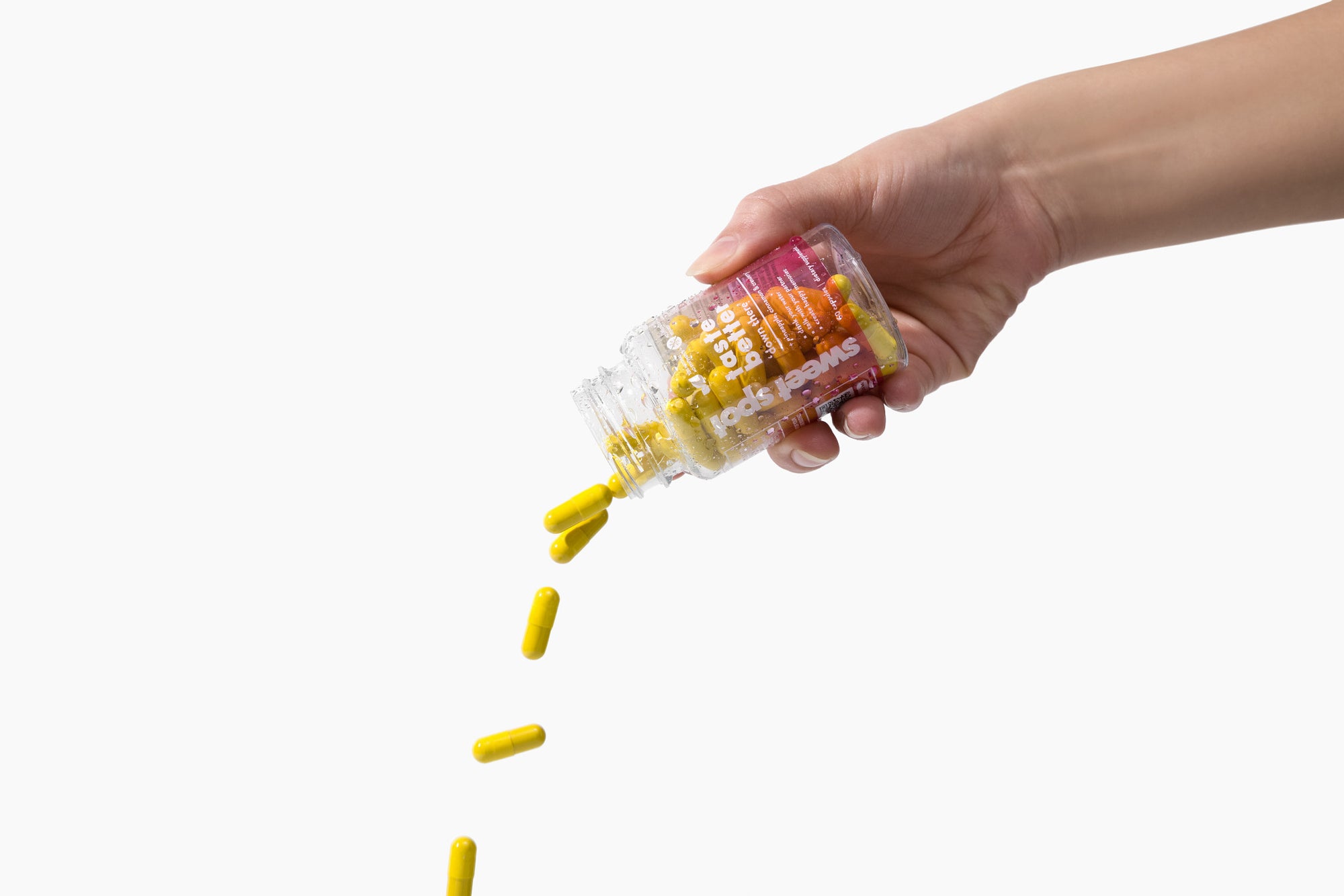
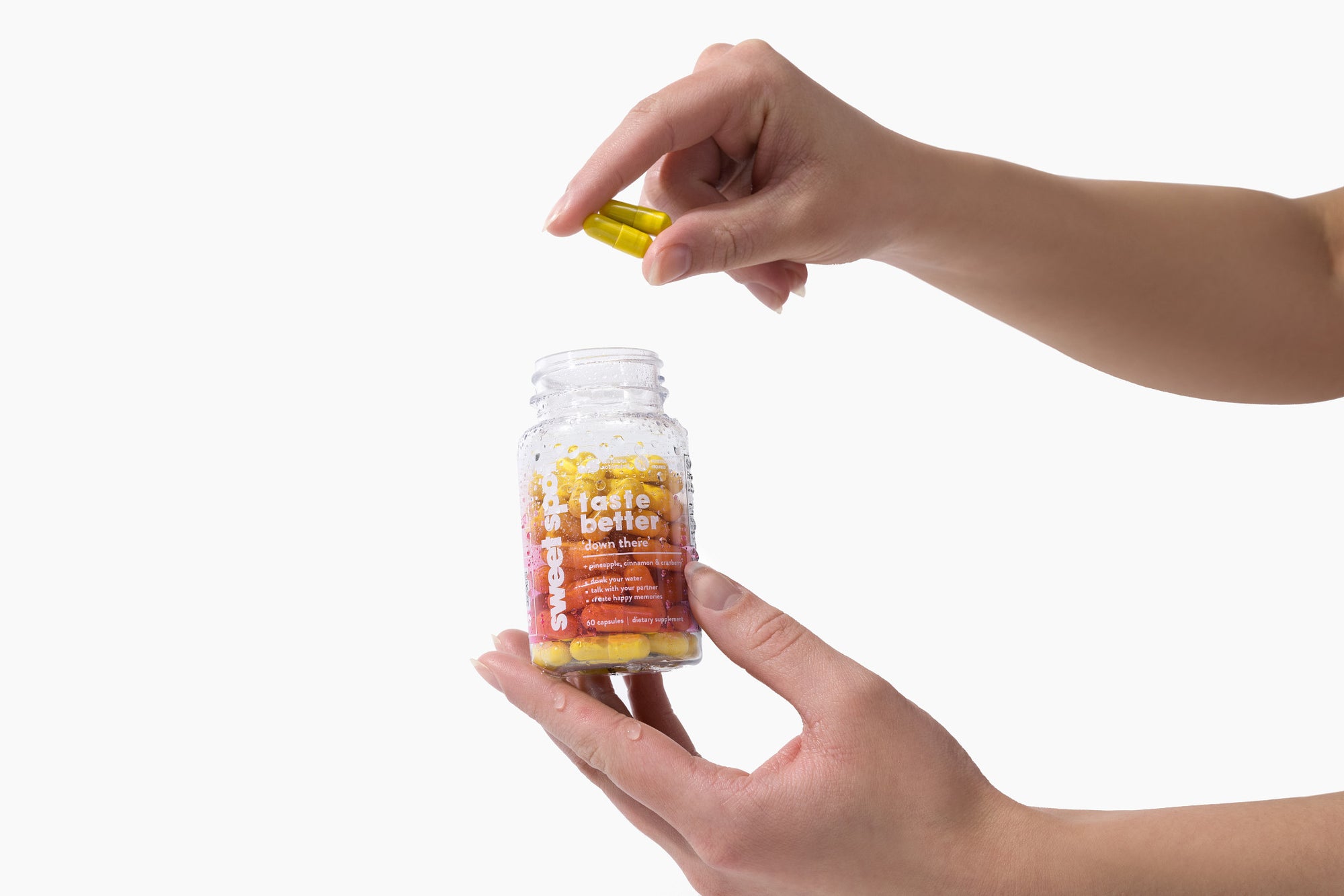
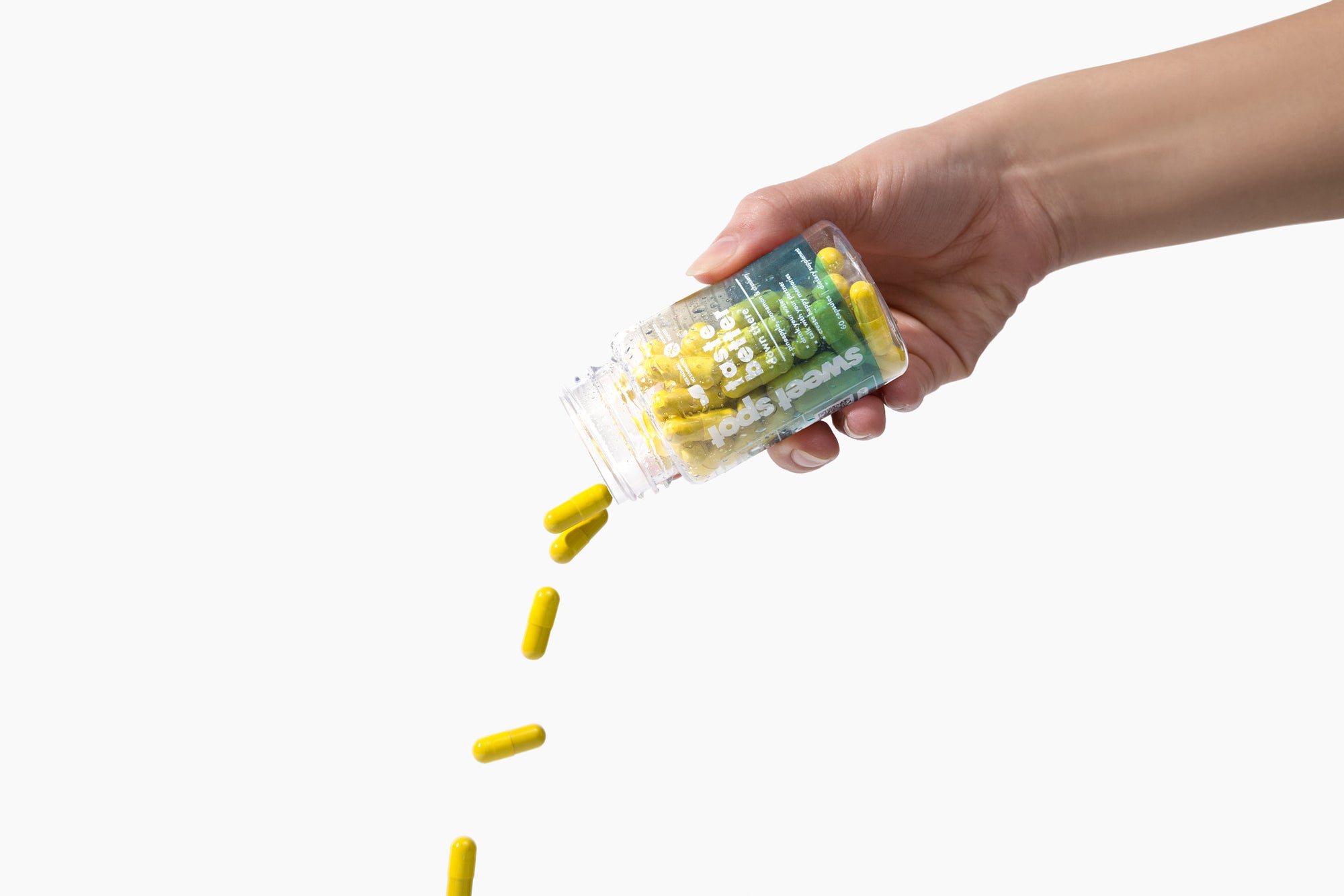
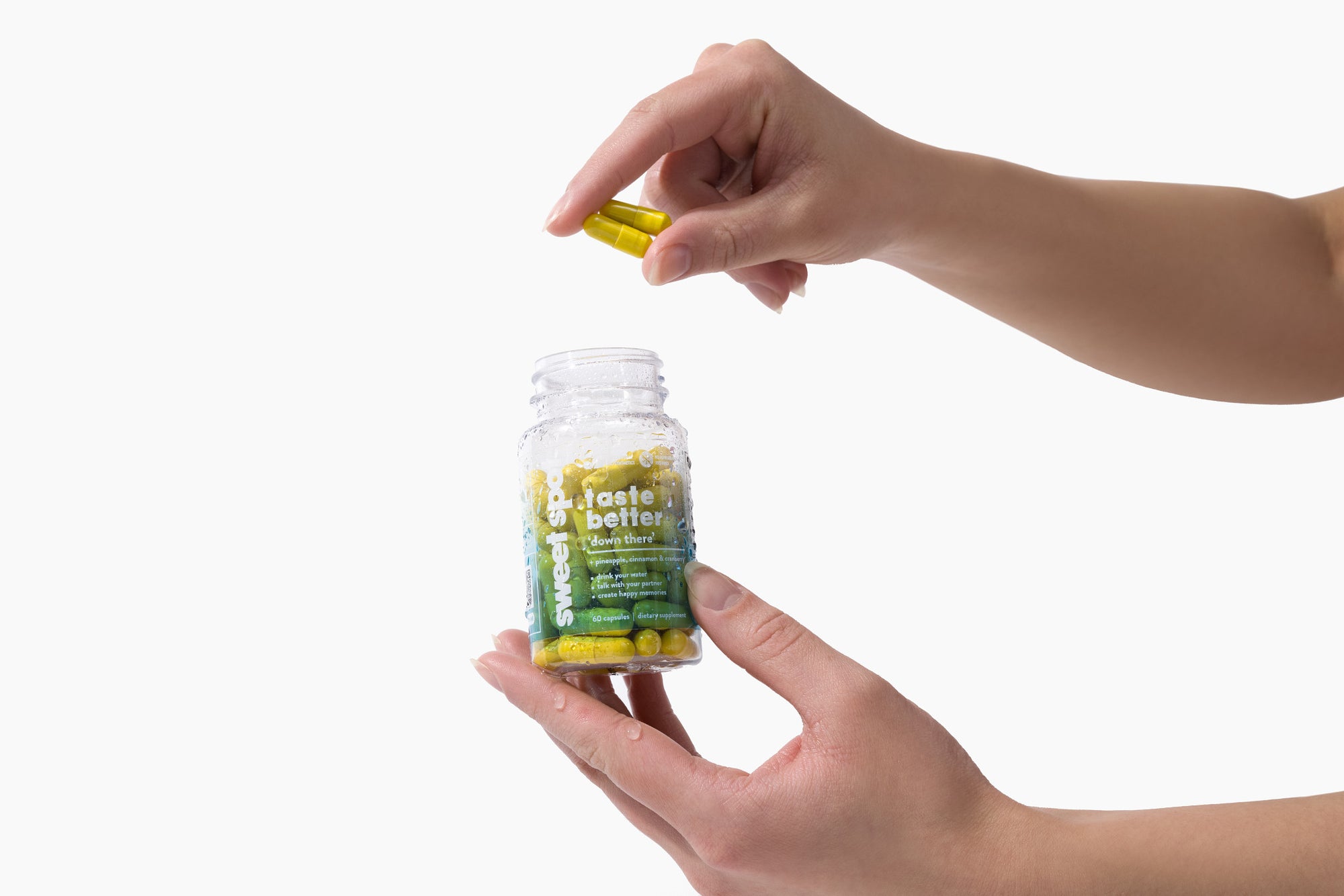
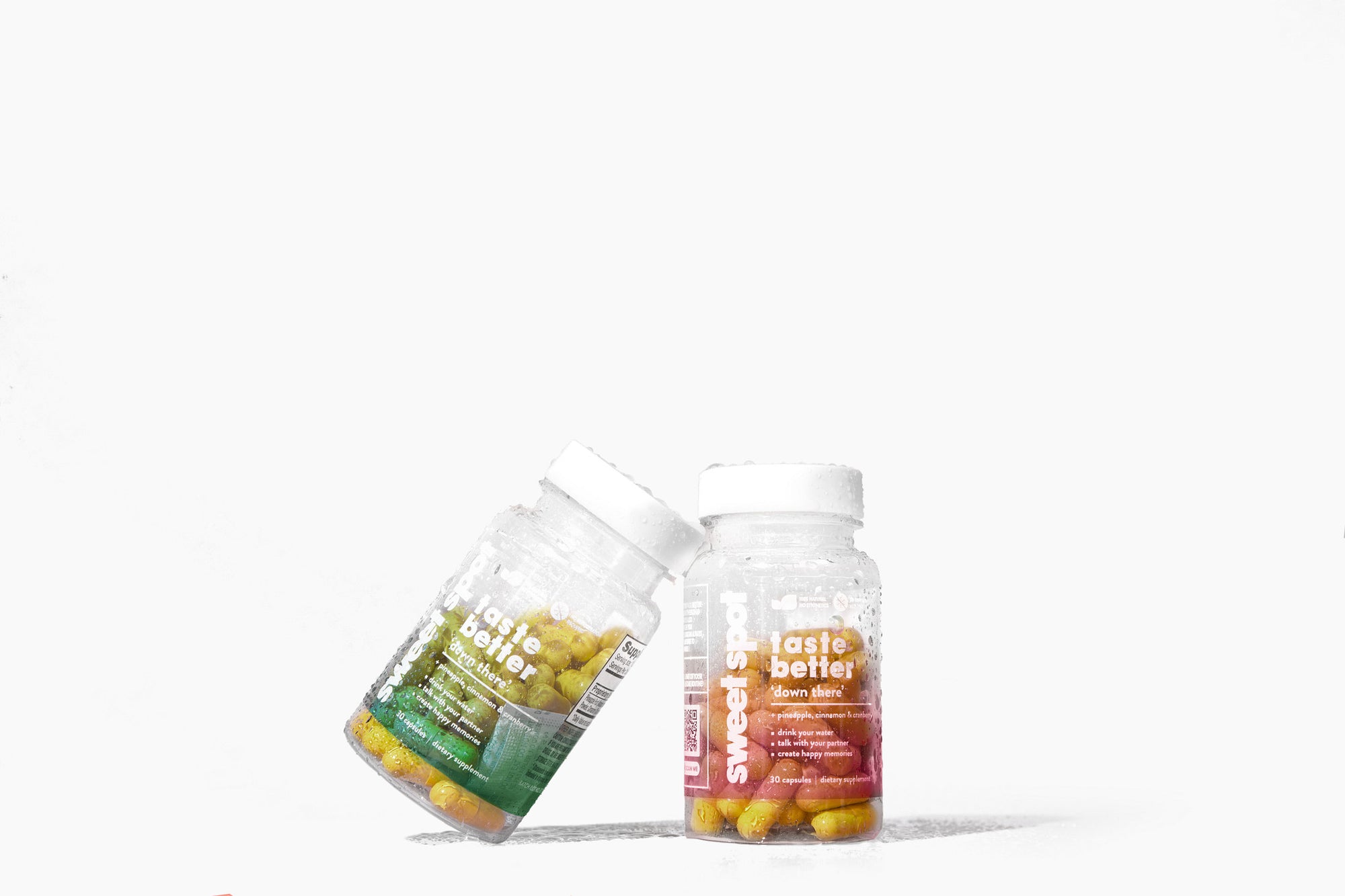
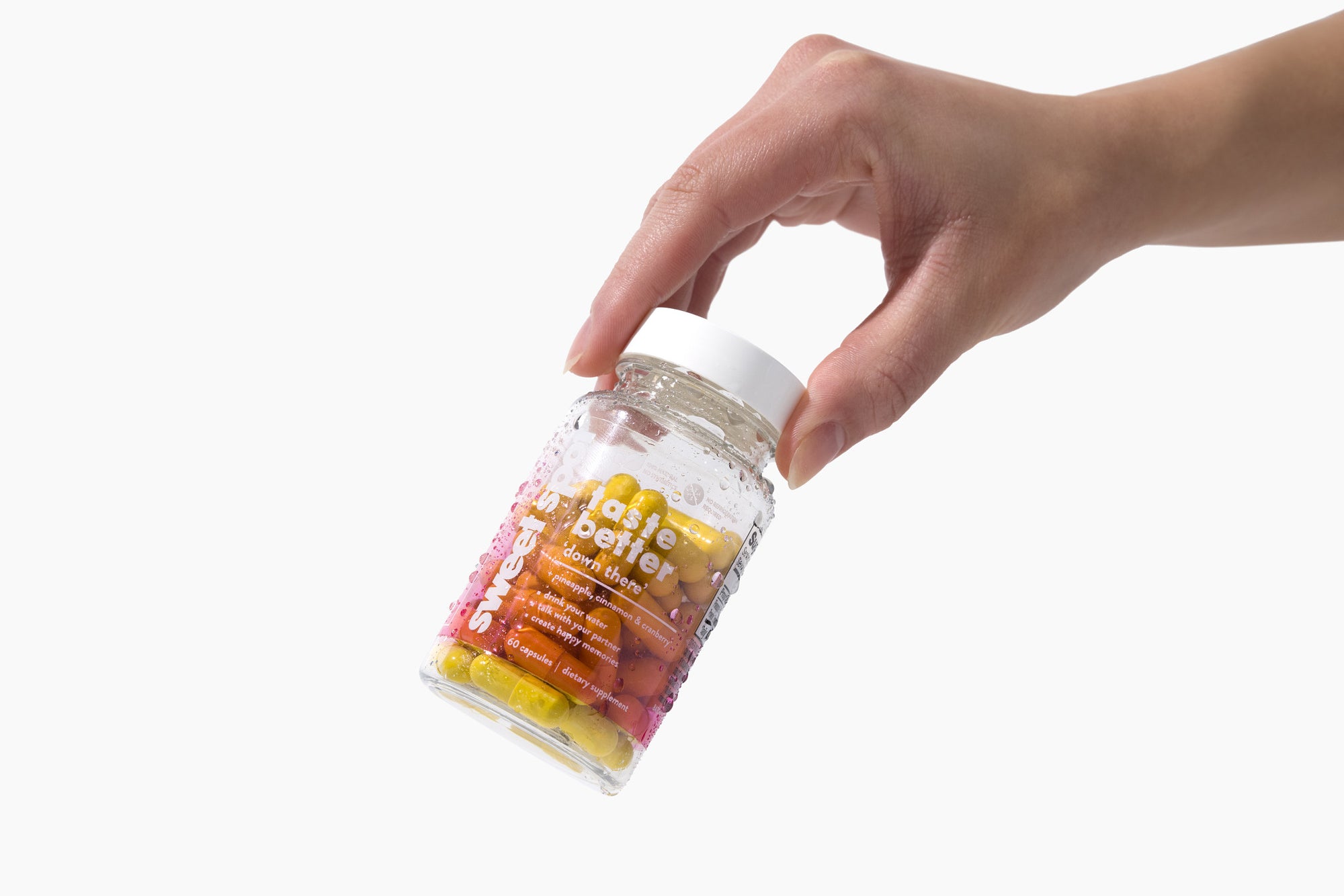
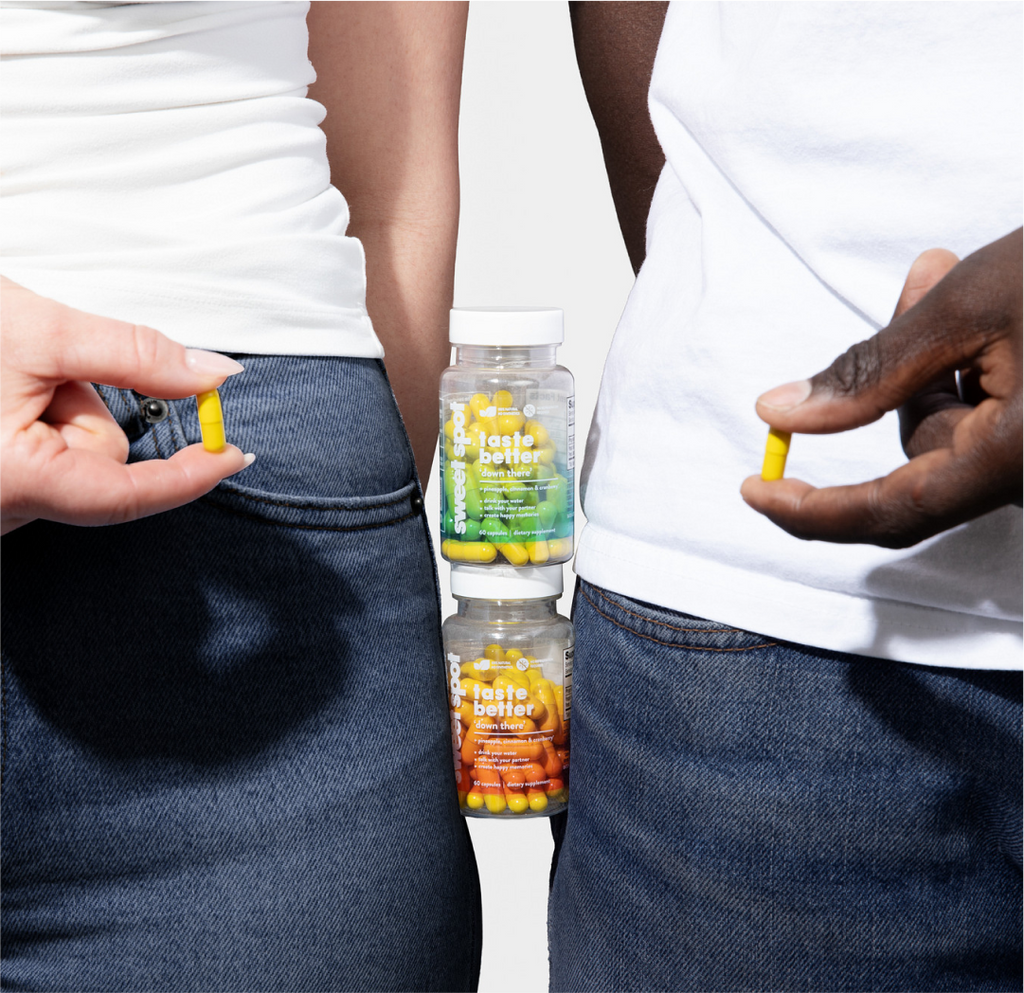
If you want a freshness routine beside real food, Women's Sweet Spot is pineapple extract plus a probiotic blend for intimate pH support and natural freshness. The page says two capsules a day with water, no artificial flavors or fillers, made in the USA. It is not a wipe and it is not a vitamin, and it is not a treatment for fishy odor or bacterial vaginosis. Capsule pages offer a one-time purchase and automatic monthly delivery. The price, and any cancellation terms, are on that page. This article does not promise a refund or a pause button. You can also shop the full collection.
Frequently Asked Questions
Is fishy vaginal odor always bacterial vaginosis?
Often that is the pattern clinicians evaluate, especially with thin discharge and a stronger smell after sex. It is not a certainty. Other infections can look similar enough that a test matters. You cannot confirm it with a vitamin or a wipe. Book the exam, and let the result, not a search bar, put a name on it.
Can vitamins calm the smell until my appointment?
No. They are not a treatment for this pattern, and they are not deodorant. Vitamin D research is about association, not about covering a smell this week. Do not start a high dose while you wait. Keep any prescribed vitamin you already use, mention it, and put your energy into getting seen.
Are intimate wipes useful here?
Only as an external freshening step, and only if they do not burn. They do not replace an exam, and they are not a treatment for bacterial vaginosis. Skip fragrance if your skin is irritated. Do not use them inside. If the fishy smell remains, the wipe did not solve the medical question.
Should I avoid sex until I am seen?
If sex burns or the smell distresses you, waiting is reasonable. Semen can make a fishy scent more noticeable, which is a clue, not an experiment you should run. Tell the clinician whether symptoms flare after sex. Do not use a new product immediately afterward to hide the change. The history is more useful than a cover up.
What if this keeps coming back?
Recurrent fishy odor needs follow up, not a bigger stack of capsules. Tell the clinician how many episodes you have had and what happened after prior care, without this page naming that care. Ask what to do when it returns. A freshness supplement is still not a treatment between episodes. The pattern belongs in the chart.