

vitamin D vaginal health: receptors, tests, and real limits
vitamin D vaginal health is a narrower topic than a whole multivitamin aisle. This nutrient has receptors in reproductive tissue, and low blood levels are common in winter, in northern latitudes, and in people with darker skin. Observational work links lower levels with bacterial vaginosis more often than chance. Association is not a treatment. The practical step, if deficiency is plausible, is a blood test before anyone reaches for a high dose. Food helps less here than it does for vitamin C.
Quick Answer
Quick Answer: vitamin D vaginal health research is mostly about blood levels and associations, not about a capsule that sets pH. Receptors in the tissue explain the scientific interest. They do not make a pill into care for bacterial vaginosis. Fatty fish, egg yolks, and fortified foods contribute, and many people still test low. Do not start a high dose because a blog sounded confident. Ask for the blood test, and remember a vitamin is not a treatment.
1. Why receptors matter, and where they stop
Cells in the vagina and in the wider reproductive tract can respond to vitamin D, because they carry receptors for it. That is a biological fact, and it is why researchers measure this vitamin when they study infections and pregnancy outcomes. A receptor is not a switch labeled normal flora. It means the tissue can hear a signal. It does not tell you that extra vitamin D, past what your blood needs, will turn the signal up in a useful way. More signal is not automatically better. Hormone like vitamins have ceilings. Vitamin D is one of them, which is why casual high dosing is a poor hobby.
2. The BV link is observational
Several studies have reported that people with bacterial vaginosis are more likely to have lower vitamin D than people without it. Some of that work adjusts for season, body weight, or other factors, and some of it does not. Observational designs can be pushed around by things they did not measure, including sexual practices, douching, smoking, and access to care. A few trials of supplementation exist, and they do not add up to a recommendation that vitamin D replaces BV care. If your level is low, correcting it may be reasonable for bone and muscle reasons your clinician already cares about. That correction is not a treatment for bacterial vaginosis.
3. A blood test before a high dose
The usual test is 25 hydroxyvitamin D. This page will not tell you which number is low, borderline, or high, because interpreting the result is the lab report plus your clinician. Guessing a dose from symptoms is the mistake. Symptoms of deficiency are vague, and vaginal symptoms are a bad proxy for a blood level. High doses taken for months can raise calcium in ways you cannot feel until they matter. Sun exposure contributes, and it also carries skin risk, so do not trade a bottle for a burn. Ask for the test if you rarely get sun, cover your skin, have darker skin in a northern winter, or have a condition that affects absorption.
4. Food sources, with a modest expectation
Fatty fish such as salmon, mackerel, and sardines contain vitamin D. Egg yolks contain a smaller amount. Fortified milk, fortified plant drinks, and some fortified cereals add more, depending on the brand. Cod liver oil is a concentrated food like supplement, and it is easy to overdo if you also take a pill, so it belongs in the same conversation as the bottle. For many adults, food plus incidental sun still does not match what a test later shows they need. That is the vitamin D exception in an otherwise food first approach. It is not permission to skip the test and invent a dose.
5. What this nutrient still does not do
Vitamin D does not set vaginal pH. It does not deodorize discharge. It does not clear yeast, and it does not stand in for antibiotics a clinician prescribes after a real diagnosis. It will not make intimate scent smell like fruit. If you are pregnant, do not add vitamin D beyond a prenatal your obstetric clinician already approved. Prenatals vary. Doubling them is not a clever way to chase a vaginal headline. Keep the nutrient in its lane: bone, muscle, and a possible association researchers are still untangling, and those jobs should stay separate when you shop.
6. Ways vitamin D actually enters the picture
A winter with little sun. Short days and covered skin make a low level more plausible, which is a reason to ask for a test rather than to copy a stranger's dose.
Fatty fish a couple of times a week. Salmon, mackerel, and sardines contribute vitamin D, and they still may not close a gap that only a blood test can define with your clinician.
Egg yolks and fortified drinks. Yolks and fortified milks or plant drinks add smaller amounts, so read the carton instead of assuming every white liquid on the shelf actually counts.
A prenatal already in your routine. If you are pregnant, that product may already contain vitamin D, and any addition needs your obstetric clinician rather than a second bottle you picked online.
7. Choosing vitamin D without a guess
Choose the test first. If your clinician recommends a supplement, use one product, not a multivitamin plus a separate high strength drop plus cod liver oil. Check the label so you are not doubling the same nutrient under two names. Quality testing is about whether the bottle contains what it says. It is not evidence about bacterial vaginosis. Skip any brand that ties vitamin D to a promised change in odor or pH. One bottle is plenty.
8. What to pair with vitamin D
Pair the capsule with a meal that includes some fat, because vitamin D is fat soluble. Pair it with the reason you are taking it, written down, so you can stop if the reason was only a headline. Do not pair it with a calcium megadose unless a clinician asked for both. Do not pair it with a vaginal infection you have not had examined. The nutrient can wait a week. A fishy discharge should not wait on a supplement delivery.
9. When to Talk to Your Doctor
Ask for a vitamin D test rather than a high dose if you are unsure. See a clinician for fishy odor with thin discharge, itching, burning, pelvic pain, fever, bleeding, or pain when you pee. In pregnancy, no new supplement unless the obstetric clinician agrees, even when the nutrient is familiar. This page will not interpret your lab number. It is not medical advice. Bring the bottle you already own.
Interest is not a protocol
Vitamin D belongs in a blood test conversation, not in a home plan for vaginal infections. Receptors and observational BV research explain the interest. They do not make a high dose safe or useful on its own. Correct a measured gap, and leave infections to clinical care.
Keep reading on JuicyVibes: vaginal pH balance guide, vitamins for vaginal health.
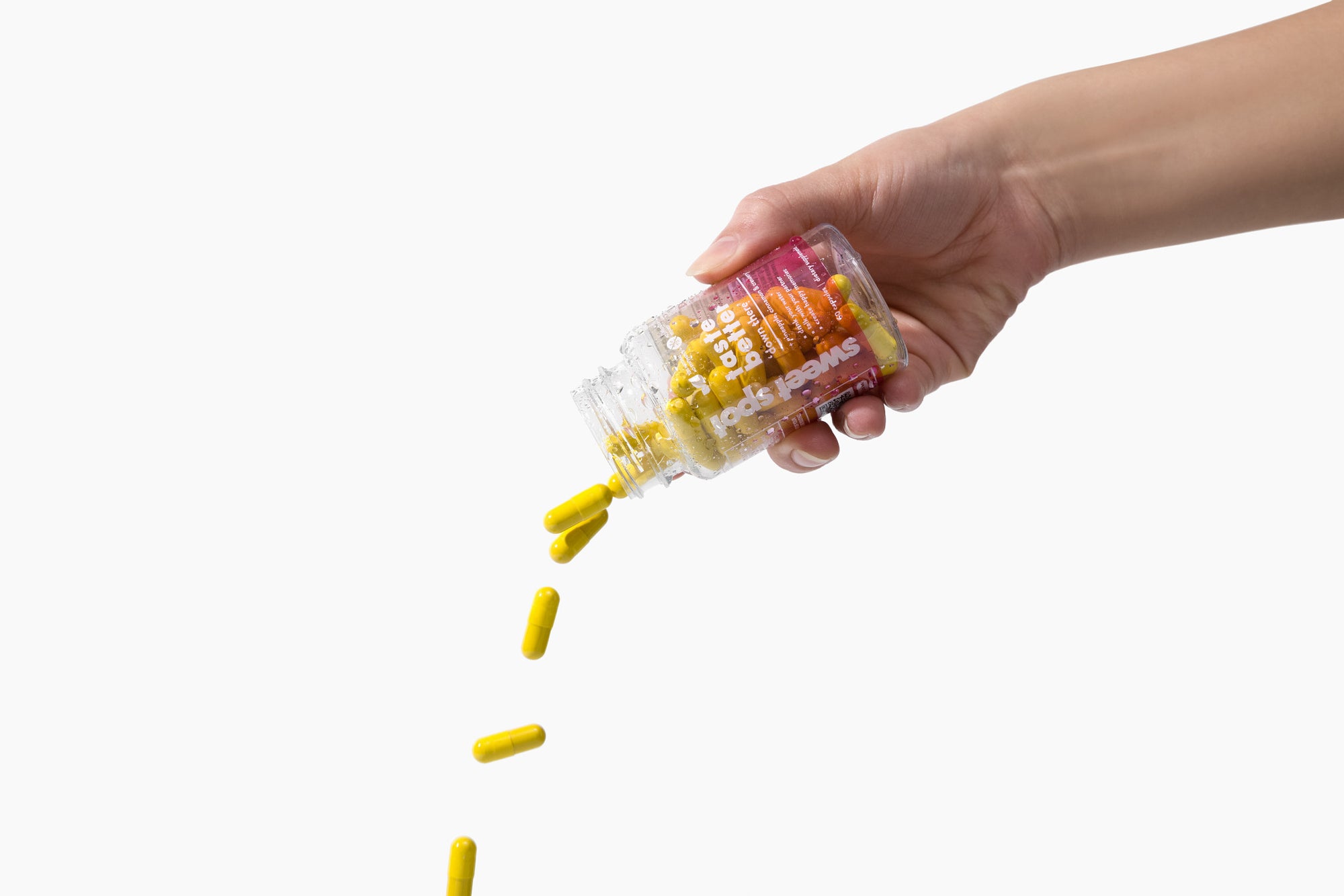
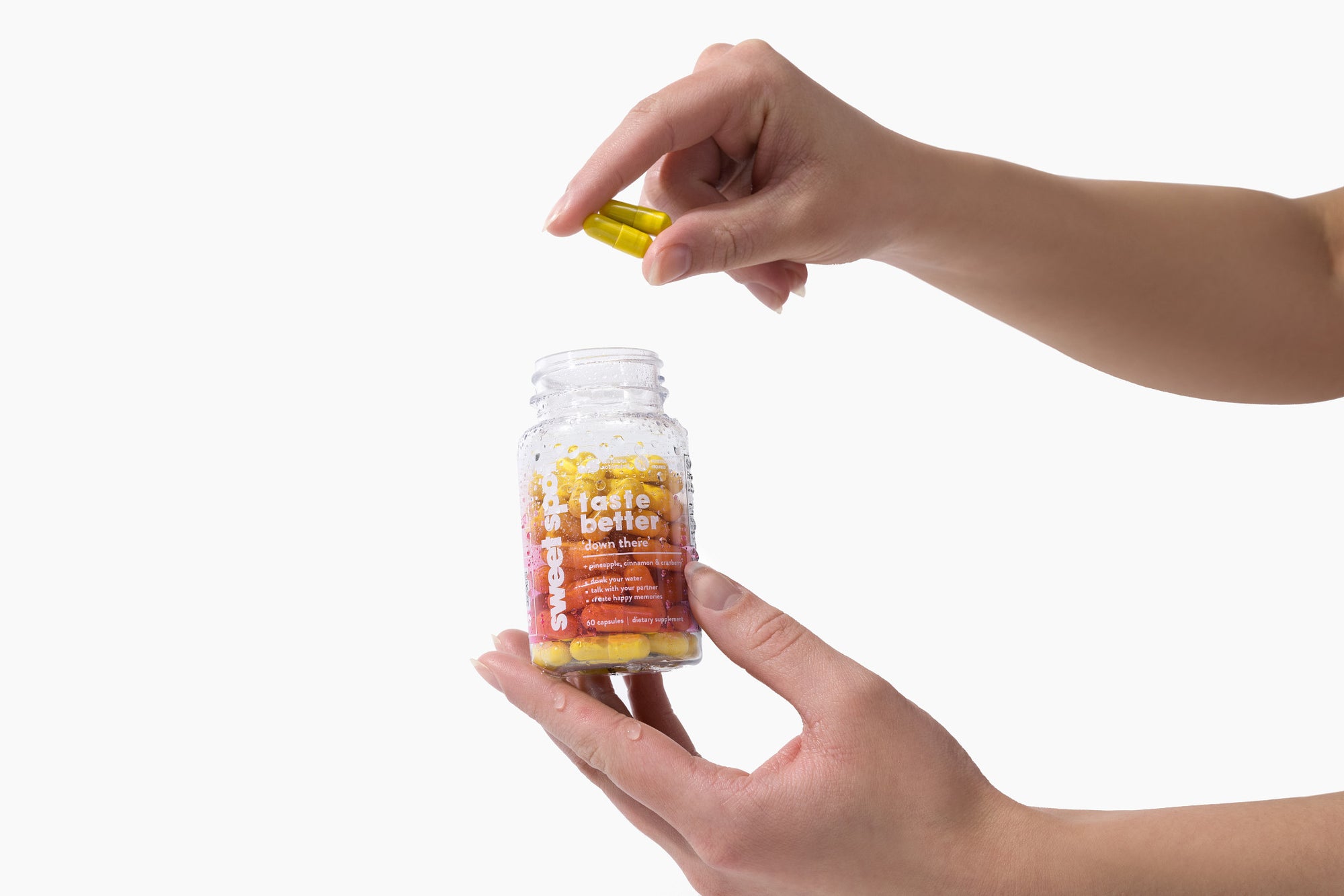
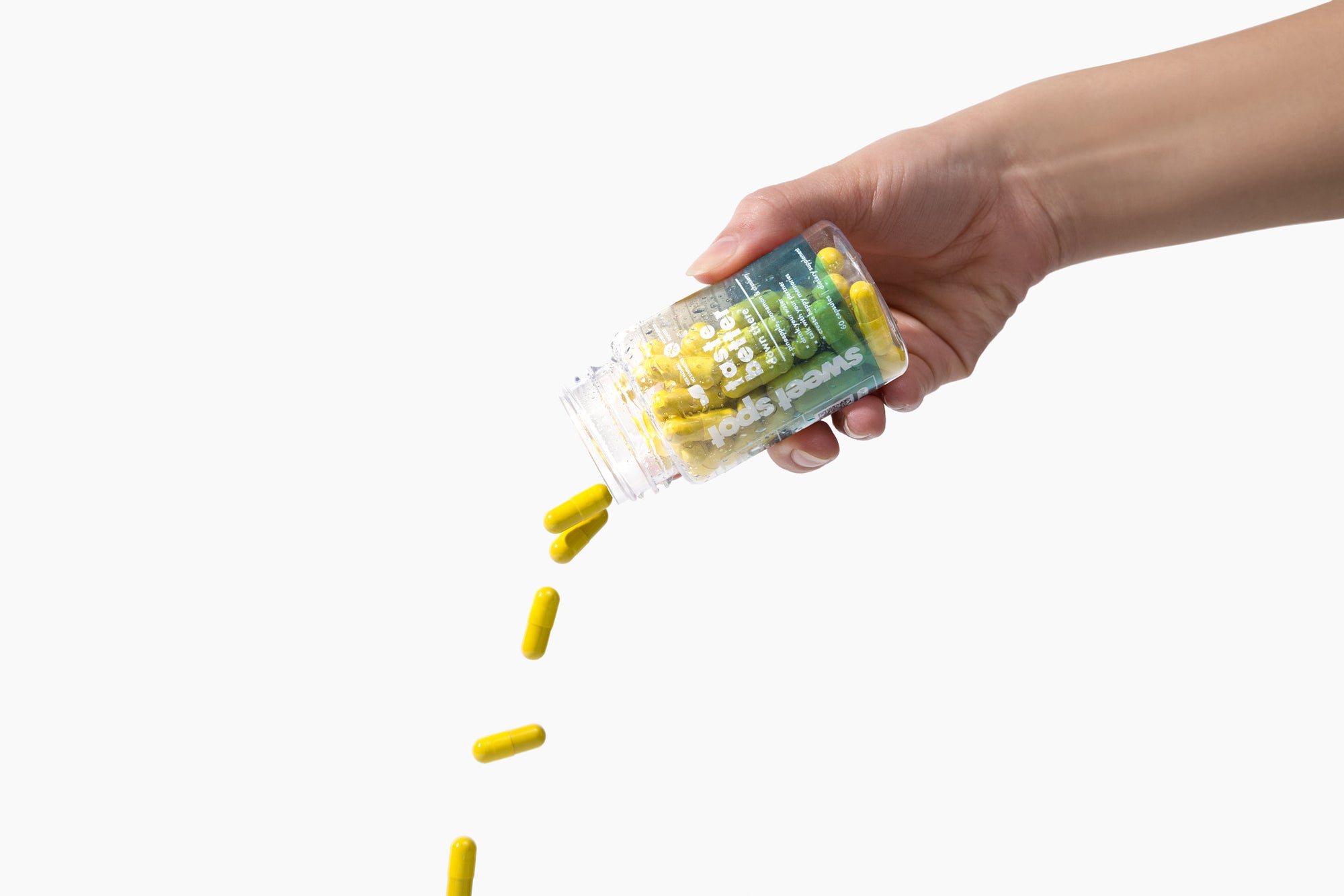
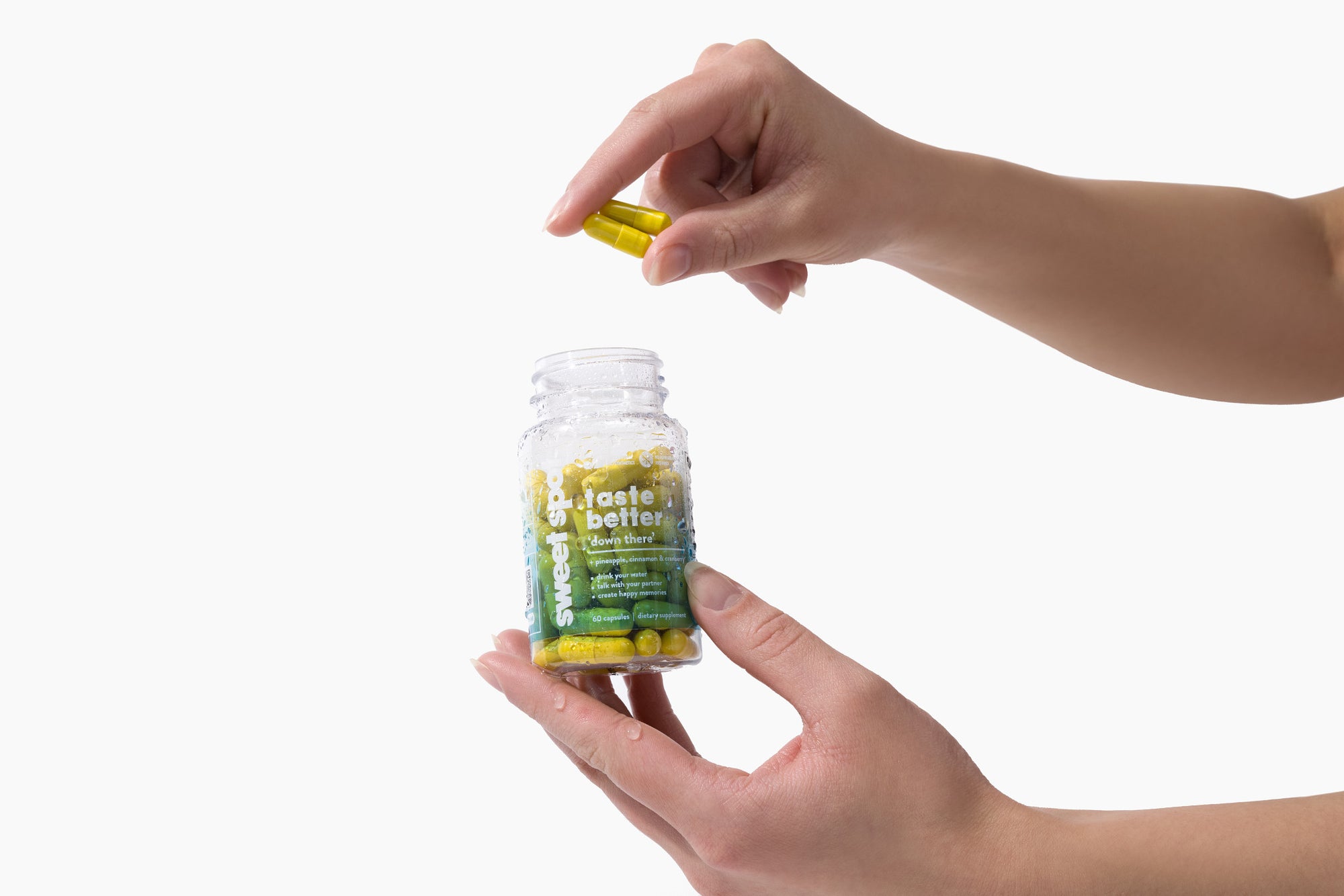
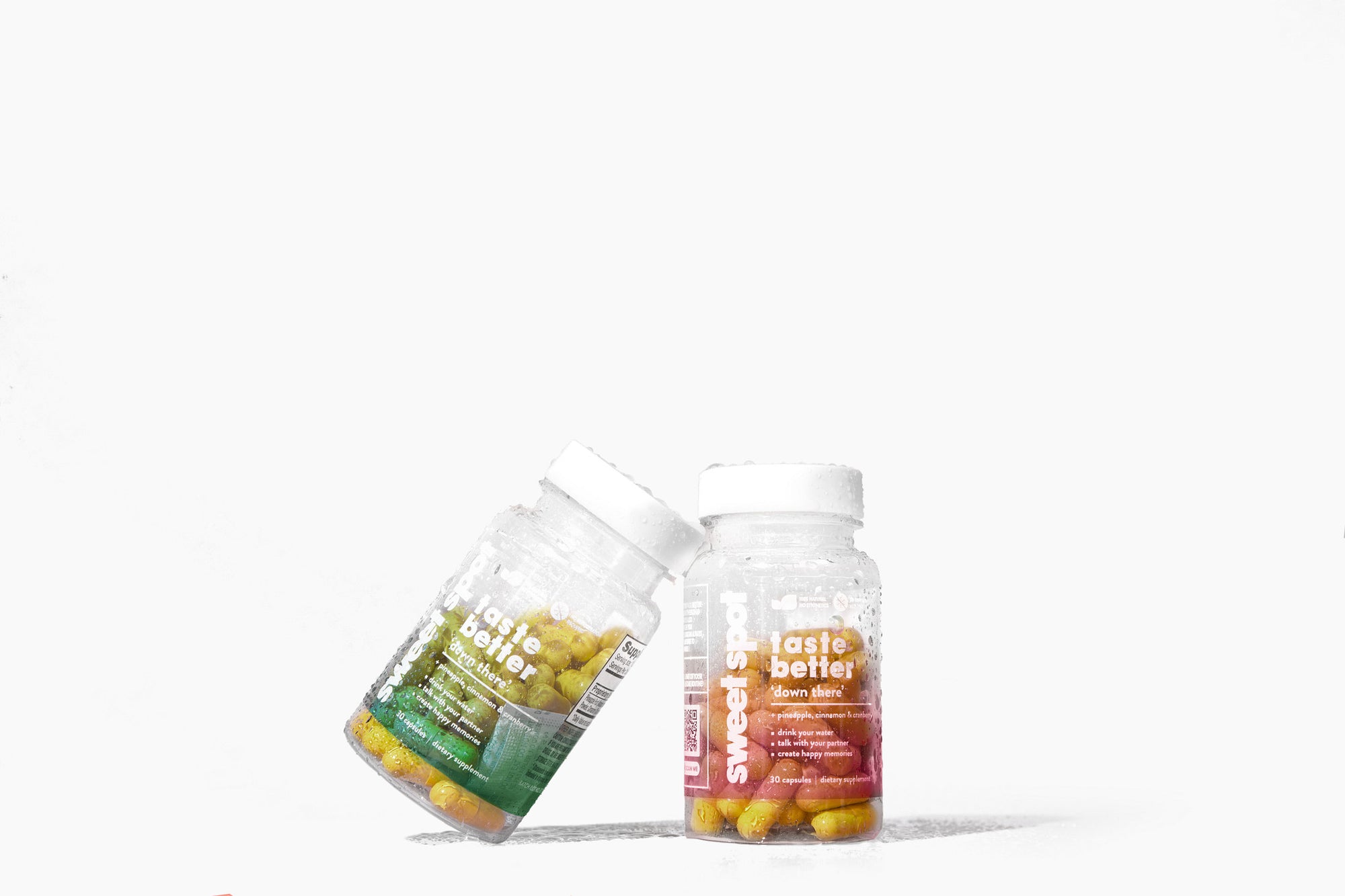
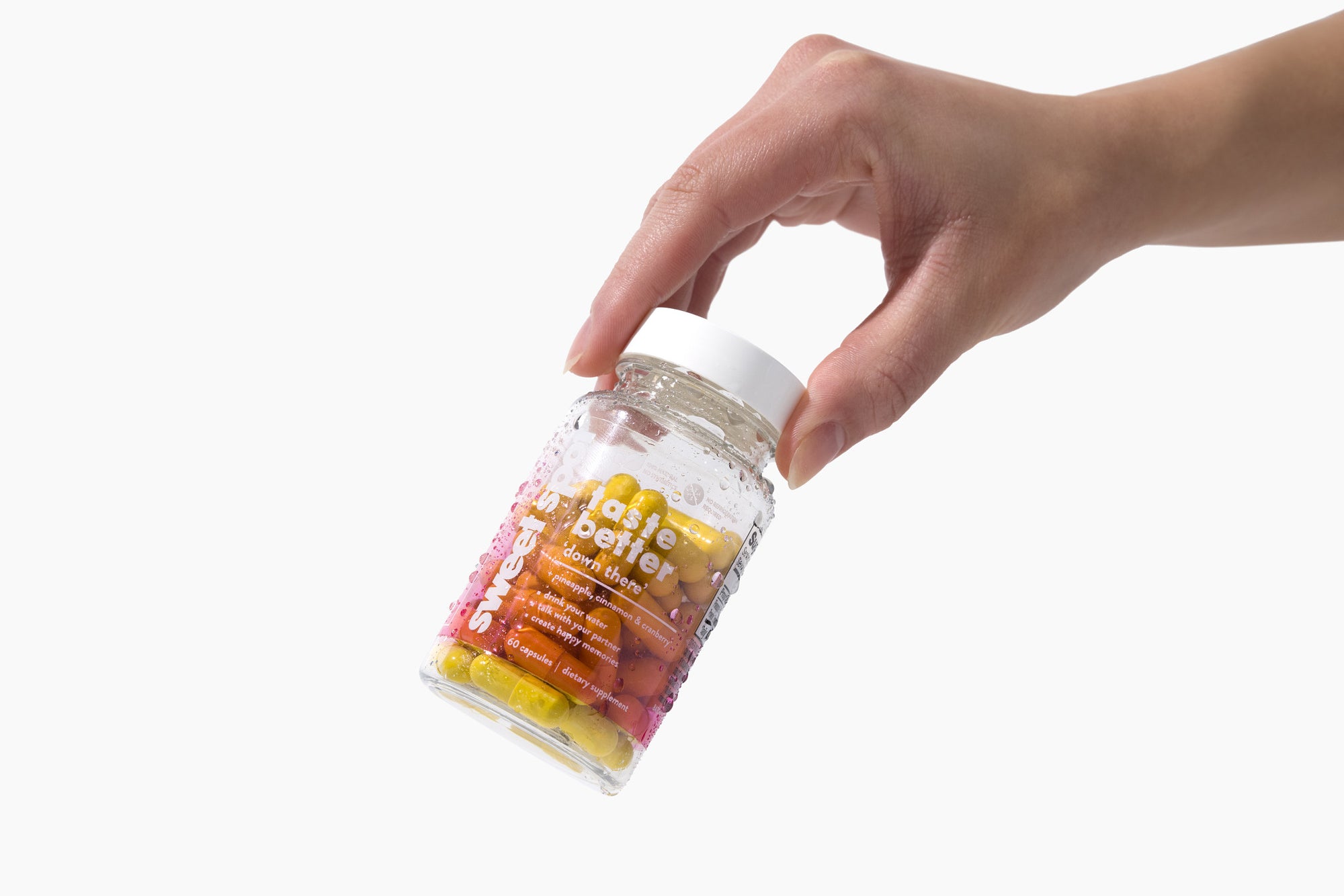
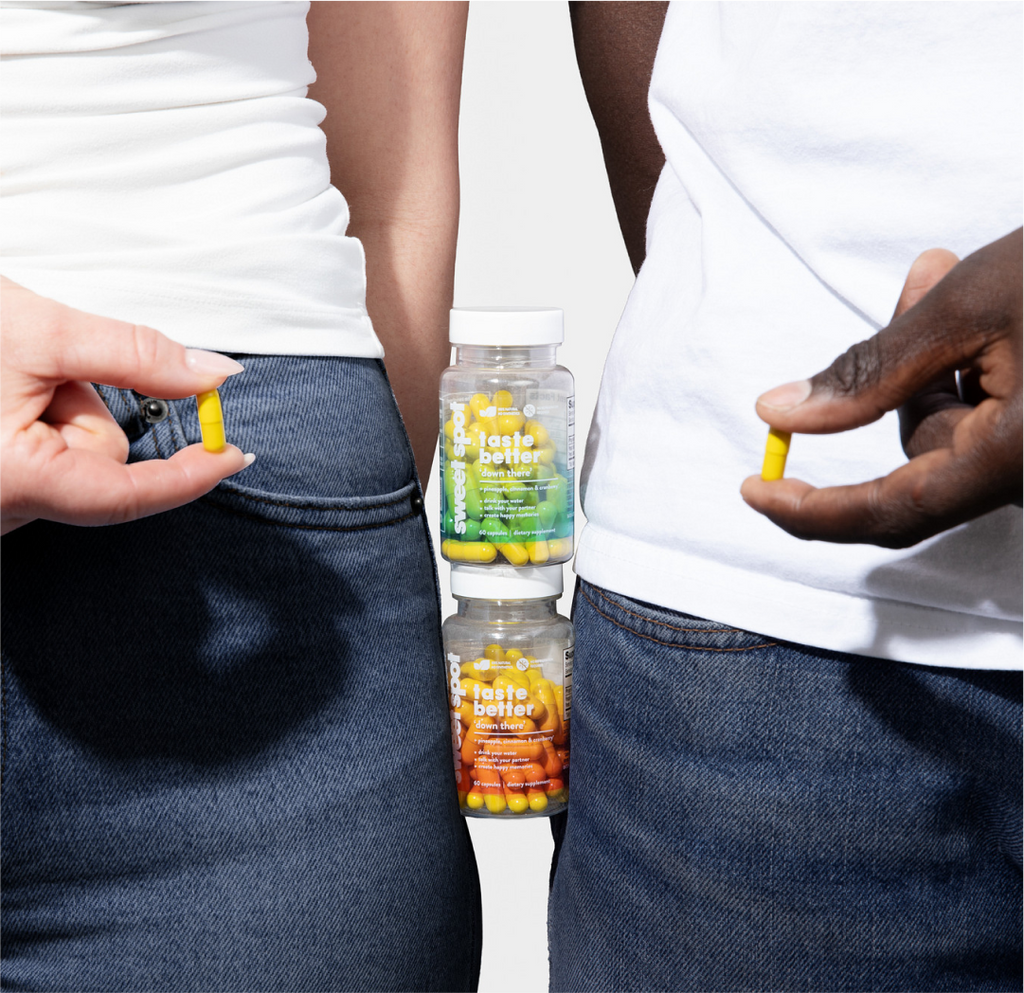
If you want a freshness routine beside real food, Women's Sweet Spot is pineapple extract plus a probiotic blend for intimate pH support and natural freshness. The page says two capsules a day with water, no artificial flavors or fillers, made in the USA. It is not a vitamin D supplement, and it is not a treatment for bacterial vaginosis or for low vitamin D. Capsule pages offer a one-time purchase and automatic monthly delivery. The price, and any cancellation terms, are on that page. This article does not promise a refund or a pause button. You can also shop the full collection.
Frequently Asked Questions
Does vitamin D vaginal health research mean I should supplement?
Only if a clinician is responding to your blood test or to a clear dietary reason. The vaginal research is largely observational. A receptor in the tissue is not a treatment plan. High doses without a test are the wrong shortcut, and this page will not offer a number of units to take.
Can vitamin D correct bacterial vaginosis?
No. Lower levels have been associated with bacterial vaginosis in some studies. Association is not a treatment. People with a diagnosed infection need the care their clinician recommends. Correcting a low vitamin D level, if you have one, is a separate nutritional decision you should not copy from a friend.
Which foods raise vitamin D the most?
Fatty fish is the strongest common food source. Egg yolks and fortified foods contribute smaller amounts. Many people still need a test to know where they stand, because sun habits and skin pigment change the picture. Food is worth eating. It does not promise you a normal level on its own.
Should I take extra vitamin D in pregnancy for vaginal pH?
Do not add a new vitamin D product in pregnancy unless your obstetric clinician agrees. A prenatal may already include it. Vaginal pH is not a reason to double up. Infection symptoms in pregnancy should be reported, not supplemented over with an extra capsule from home.
What is the blood test called?
The common test is 25 hydroxyvitamin D. Ask your clinician to order and interpret it. Do not match your symptoms to a range you found online, and do not start a high dose while you wait if nobody has asked you to. Guessing is the mistake this page is trying to prevent.