Female Health
Aloe Vera for Intimate Skin: Safe External Use & When to Stop

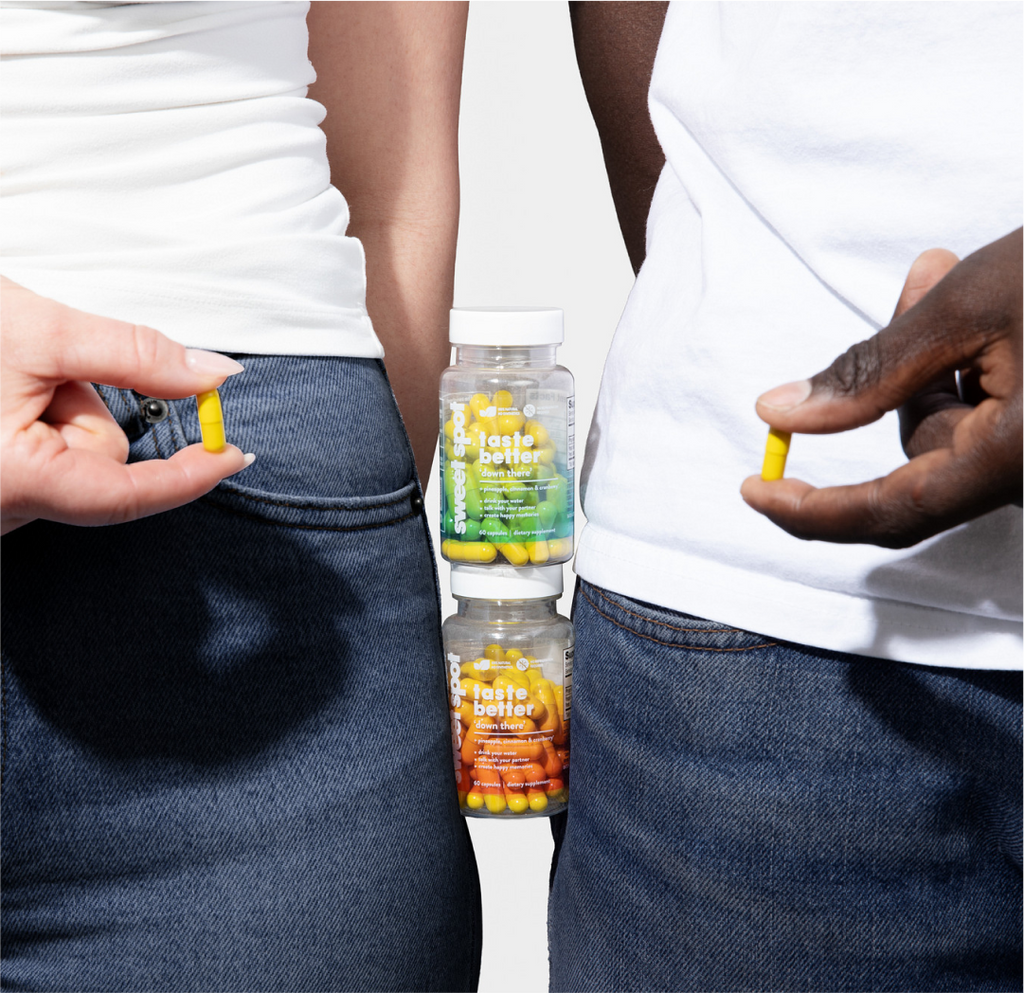
Pineapple-extract supplement. 60 capsules · 30-day supply.
Shop For Her →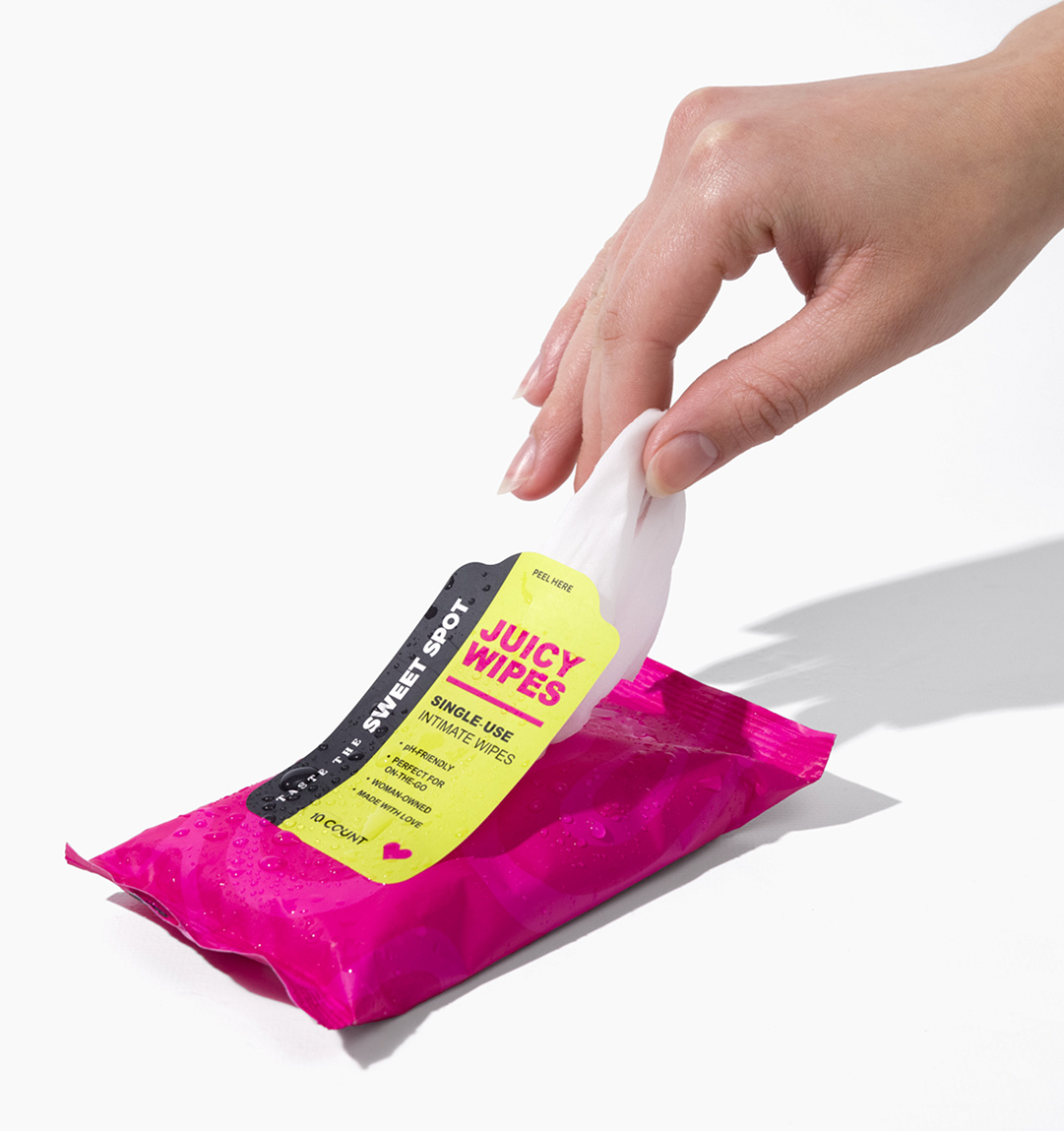
Aloe vera for intimate skin can be a gentle choice when it stays on the outside, on the vulva, as part of a product made for that area. It doesn't belong inside the vagina, and a gel from your sunburn kit or a leaf from the kitchen isn't the same thing as an external wipe. Here's how to use aloe sensibly, when to skip it, and why a rash means you stop.
Quick Answer
Keep aloe on the outside of your body. On our intimate wipes, aloe is part of an external cloth, not a gel meant for internal use. Don't put aloe gels, oils, or kitchen plants inside the vagina, and stop right away if you get a rash or a lasting sting. A fishy odor, sores, or pain still need a clinician, and plain water is enough for many people.
Aloe Vera for Intimate Skin: What It Actually Means
When we talk about aloe vera for intimate skin, we mean aloe as one ingredient on an external wipe. Our product page describes the wipes as pH-balanced and biodegradable, with aloe. It also notes they're fragrance-free, and lists green tea and pomegranate among the ingredients.
Those details describe a quick surface freshen. They don't describe a home remedy you build yourself from a drinkable gel, a cosmetic gel, or a cut leaf. A wipe touches the outside skin and stops there, and it isn't a treatment for anything.
If you don't need a wipe, that's fine too. Water on the vulva is a complete routine, and aloe isn't required for being gentle. For more on how and when wipes fit, see our guide on how to use intimate wipes.
Can You Put Aloe Vera Gel Inside the Vagina?
No. A gel that feels cool on a sunburned leg can sting, coat, or irritate vaginal tissue that's far more delicate. We won't describe an application method, because the honest recommendation is simply to skip it.
If a partner suggests aloe gel as lubrication or as care, use a product that's actually made for that job, and stop if it burns. Keep in mind that oils can damage latex condoms, which is a separate practical limit worth remembering. Pain during sex deserves a visit, not a layer of gel.
Why Kitchen Remedies Should Stay in the Kitchen
The same rule covers other home remedies you might see in forums. Yogurt, garlic, leaves, and anything that sounds traditional don't belong inside the vagina. Using aloe outside doesn't open the door to the rest of the produce drawer. Our article on why douching backfires explains why the vaginal environment does best when you leave it alone.
If you've already tried something like this, stop. If you're sore, itchy, or noticing new discharge, tell a clinician exactly what you used. Don't add a second plant to calm the first one.
Rinsing the outside with water is the reset. Burning, swelling, or a rash after a home remedy is a reason to be seen, not a reason to research a gentler leaf.
What to Do If Aloe Causes a Rash
A rash means you're done. Redness, new bumps, or a sting that lingers after the wipe should end the experiment. Aloe isn't universally kind to every skin type, and while fragrance-free formulas remove one common irritant, they can't rule out every reaction. Our guide on fragrance and vulvar skin covers other common triggers.
If you react, here's what to do:
- Stop using the product.
- Rinse the area gently with plain water.
- Wear something loose and breathable.
- Don't cover the rash with oil, powder, or another botanical.
- See a clinician promptly if it spreads, blisters, or comes with a fever.
A clinician may prescribe medication after an exam, so bring the product name or note that it contained aloe. That detail helps. Your job is to stop, not to push through a burn you can see.
Is Aloe Good for Vaginal Itching?
People often reach for aloe when they're already itchy. That itch could come from yeast, irritation, or something else entirely, and aloe can't tell those apart. It isn't a treatment for any of them.
See a clinician for a fishy odor, cottage-cheese-like discharge, sores, or pain. Don't try to diagnose a rash from a photo, and don't use a wipe on broken or bleeding skin to cover it up. If you're pregnant, don't start a new supplement for the same itch, and call your care team if your symptoms worry you.
A wipe is external comfort only when your skin tolerates it. When it doesn't, it was the wrong tool. Water, air, and a visit outrank any plant.
Everyday Moments When People Reach for Aloe
Most aloe questions come from a specific moment, not from a theory. A few common ones:
- After shaving. If the skin is simply a little warm, an external aloe wipe may feel fine. If you see nicks, bleeding, or open bumps, skip the wipe and use plain water. Our guide to shaving and intimate irritation covers razor bumps in more detail.
- After the gym. Sweat and friction are an outside problem, so an external freshen is a reasonable fit. Changing out of damp leggings will probably do more.
- After a beach day. The sunburn gel in your bag was made for shoulders. Keep it off the vulva and well away from the vaginal opening.
- When you're already itchy. This is the moment aloe helps least, because the itch has a cause aloe can't identify. Book the appointment first.
Choosing Between a Wipe and Plain Water
An aloe wipe makes sense if you want a quick, fragrance-free freshen on the outside and your skin stays calm with it. Plain water is the better pick if you're unsure, if your skin tends to react, or if you just don't feel the need for anything extra.
Either way, the inside of the vagina doesn't need a gel, an oil, or a leaf. A product label is not a personal prescription. If itching continues, that's a reason for a visit, not for hunting down a purer plant.
When to See a Doctor
See a clinician for a rash that spreads, blistering, fever, a fishy odor, unusual discharge, sores, or pain after using a gel or a plant remedy. A clinician may prescribe medication after an exam. While you wait for your appointment, don't put anything else inside. Call sooner if you're pregnant or if the pain is severe. This article is for general education and isn't a substitute for medical advice.
If you'd like an external option for busy days, our pH-balanced intimate wipes are biodegradable, made with aloe, green tea, and pomegranate, and listed as fragrance-free. They're for the outside only and aren't a treatment, so stop if your skin reacts. To learn more about what goes into them, read the complete guide to pH-balanced intimate wipes, or browse the full collection.
Frequently Asked Questions
Can I use sunburn aloe gel on my bikini line?
On the outer bikini line, away from the vulva, some people use it without trouble. Many after-sun gels contain added fragrance, alcohol, or numbing ingredients, though, and those can sting delicate skin. Keep the bottle off the vulva and the vaginal opening, patch-test somewhere less sensitive first, and stop if anything burns.
Is aloe safe to use with condoms?
Pure aloe gel isn't an oil, but many aloe products are blended with oils, and oil can weaken latex condoms. That's one more reason not to improvise lubricant from a skincare bottle. If you need lube, choose one labeled as condom-compatible and made for intimate use, and stop if it stings.
Can I use aloe wipes during my period?
Yes, on the outside, if your skin tolerates them. They can be handy for freshening up between pad or tampon changes when you're away from a sink. Use them on the vulva only, never inside, and throw them away rather than leaving them in contact with skin. If your period skin is sore or chafed, water may feel better.
Should aloe wipes go down the toilet?
Dispose of used wipes in the trash. Do not flush Juicy Wipes, including into septic systems. A wipe is a one-and-done external freshen; do not reuse it.
Do I need aloe in my routine if water feels fine?
No. Aloe is optional, and plenty of people never use it. If your skin feels comfortable with water alone, adding a botanical won't make your routine more thorough. It just adds one more ingredient your skin could react to. Save new products for a real reason, like freshening up when there's no sink nearby.
YOUR NEXT STEP, ON YOUR TERMS
Keep it simple.
Find your routine.
Explore daily supplements and external-care essentials. Our products are not treatments for medical conditions; speak with a qualified clinician about symptoms or health concerns.
Or explore other products: