Female Health
Hydration and Vaginal Health: What Water Can and Can't Do
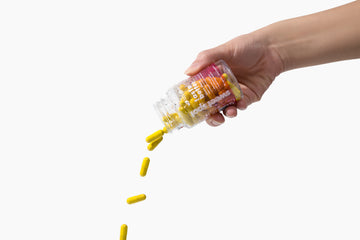
Pineapple-extract supplement. 60 capsules · 30-day supply.
Shop For Her →
Hydration and vaginal health are connected, but more modestly than wellness ads suggest. Drinking enough water supports your tissues in general, including skin and mucosa that feel worse when you're dried out, and it changes how concentrated your urine is. That's a good everyday reason to keep a glass nearby. What water can't do is treat yeast, bacterial vaginosis, or a urinary infection.
The Short Answer
Staying hydrated is a sensible background habit that can support general comfort, including vulvar comfort, when you've been under-drinking. It makes urine less concentrated, but it doesn't treat itching, fishy odor, or burning when you pee. B vitamins and beets can change urine color without meaning anything is wrong. Pain, fever, or blood in your urine needs a clinician, however much water you drink.
Hydration and Vaginal Health: What Water Actually Does
When you drink enough for your day, skin and mucous membranes are less likely to feel parched. That can include a modest, nonspecific improvement in how the vulva feels. It's a real benefit, just a small and general one.
What hydration doesn't do is make secretions taste different or push your vaginal pH to a particular number. The cues that you need more water are the ones you already know: thirst, headache, dark urine, and a dry mouth.
You don't need a special "intimate" water, either. The same water you drink for the rest of your body is the right tool. Spread it through the day in a pattern you can actually keep, because steady sipping beats chugging a bottle once at night.
Is Urine Color a Sign of Infection?
Not on its own. Pale yellow urine usually means you've been drinking well. Dark yellow usually means your urine is concentrated, or that a vitamin or food pigment is coming along for the ride. Neither shade diagnoses a urinary tract infection.
What matters more are symptoms. Burning, urgency, fever, back pain, or blood in your urine should be checked whether the color looks perfect or not. Please don't try to hydrate your way out of those signs, and don't skip a prescribed antibiotic because drinking water feels cleaner. If you can't tell a bladder problem from a vaginal one, our guide to UTI symptoms versus vaginal symptoms can help you describe what you're feeling.
Why Is My Urine Bright Yellow or Pink?
A couple of color changes startle people and are usually harmless:
- Bright, almost neon yellow: some B vitamins do this as your body excretes what it doesn't use. It looks alarming in the bowl and generally isn't.
- Pink or reddish: beets can tint urine or stool pink for a day or so.
- Dark amber: often just concentration after a long day without enough fluid.
None of these are vaginal symptoms. Context still matters, though. Tell a clinician if a color change comes with pain, clots, or fever. And if you take a B complex, take it for a reason you understand, not to change anything on purpose. You can read more about what these nutrients actually do in B vitamins and intimate health.
What Water Can't Fix
Itching with discharge, a fishy smell, pelvic pain, or pain with sex won't be resolved by a bigger water bottle, and a supplement won't resolve them either. These are signs that deserve an exam, so a clinician can tell what's going on.
It's also worth separating drinking water from washing with it. Rinsing the vulva on the outside after sweat can feel good. Sending water inside the vagina is douching, and it isn't a hydration plan. We explain why in why douching backfires.
If dryness during sex is the real concern, a clinician can talk with you about tissue changes, hormones, and external lubricants. Water is still worth drinking. It just isn't the whole answer. Our piece on menopause vaginal dryness covers that conversation in more depth.
How Much Water Should You Drink?
There isn't one number that fits everyone, so we won't hand you one. Thirst, pale urine, and how you feel in your climate and activity level are the everyday guides. A heatwave, a spin class, or a stomach bug all raise what you need.
Two exceptions matter. Kidney and heart conditions can mean your clinician wants you to limit fluids, so ask for a personal target if either applies. And more isn't automatically better. Forcing down extra liters won't treat pelvic pain or fever.
Small Tricks That Make Drinking Easier
Most people don't skip water on purpose. They just forget. A few low-effort setups help:
- Keep a bottle where you'll see it: on your desk, in the car cup holder, next to the bed.
- Drink a glass with each meal so the habit rides along with something you already do.
- Refill after the gym or a long walk on a hot day, before you feel parched.
- If plain water bores you, drop in a slice of orange, lemon, or cucumber. It's still water.
What you can skip: flavored "feminine" drinks, internal water rinses, and anything sold as a color hack. They add nothing a plain glass doesn't.
When to See a Doctor
Contact a clinician if you notice:
- Burning when you pee, or urgency with fever
- Back pain or blood in your urine
- Itching or a fishy odor
- Pelvic pain
- Bleeding that isn't your period
Water doesn't treat any of these, and neither does a supplement. Mention it if you're pregnant, and don't add a new supplement unless your obstetric clinician agrees. If your urine color changed after starting a vitamin, mention that too. This article is general information, not medical advice.
Where a Supplement Fits
A capsule isn't a drink, and the sip you take to swallow it doesn't count as your daily hydration. If you'd like a freshness routine alongside good habits, Women's Sweet Spot is a probiotic-friendly dietary supplement featuring pineapple extract to support intimate pH balance and natural freshness. You take two capsules daily with water, and it has no artificial flavors or fillers. It isn't cranberry, vitamin C, or a substitute for drinking enough, and it isn't a treatment for infection. If you're pregnant or have active symptoms, check with your clinician before starting it.
Frequently Asked Questions
Will drinking more water help vaginal dryness during menopause?
Probably not much. Dryness around menopause is mostly a tissue change linked to falling hormones, and water doesn't reverse it. Staying hydrated is still good for you. For the dryness itself, a clinician can talk through external lubricants, moisturizers, and hormone-based options, and help you figure out which fits your health history.
Should I drink extra water if I think I have a UTI?
Drink when you're thirsty, but don't use water as a reason to wait. Call your clinician and jot down a few details first: when the burning started, how often you're going, whether you've had fever, back pain, or blood in your urine, and any medicines you take. If you're prescribed an antibiotic, finish it as directed.
Do I need a feminine wash to stay fresh?
No. Plain water on the vulva is enough for most people, and the vagina cleans itself. If you like a cleanser, look for one that is unscented and use it only on the outside. Products marketed with words like "fresh" or "floral" are the ones most likely to sting sensitive skin.
Is it possible to drink too much water?
Yes. Drinking far beyond thirst, especially in a short window, isn't healthier, and some people with kidney or heart conditions are told to cap their fluids. If you've been forcing water to fix a symptom, stop and get the symptom checked. Steady, thirst-guided drinking through the day is the sensible middle.
Do coffee and alcohol count against hydration?
For some people they work against it, so you might notice darker urine or more thirst after a few coffees or a night out. You don't need a strict rule. A glass of water alongside your second coffee or between drinks is an easy habit. Burning or a new odor, though, is never a hydration story.
YOUR NEXT STEP, ON YOUR TERMS
Keep it simple.
Find your routine.
Explore daily supplements and external-care essentials. Our products are not treatments for medical conditions; speak with a qualified clinician about symptoms or health concerns.
Or explore other products: