

Questions about menopause vaginal dryness
Dryness later in life sends people searching menopause vaginal dryness beside vitamins, as if a nutrient were the missing piece. Often the story is lower estrogen, which thins and dries vaginal tissue for many people. That is a clinician conversation, including options they explain after they know your history. Vitamin E evidence for this job is limited. A freshness capsule does not replace estrogen care. Pain with sex should be seen. This page is not medical advice and not a reason to feel past your body.
Quick Answer
Quick Answer: Questions about menopause vaginal dryness usually belong with a clinician, because lower estrogen is a common driver and they can explain options. Vitamin E research for this specific comfort is limited. A capsule is not estrogen care and is not a treatment. Pain with sex, bleeding, or a new odor should be seen rather than supplemented. Food can support general health. It does not stand in for that visit or for a prescription conversation.
1. Lower estrogen is a common thread
Menopause vaginal dryness often tracks lower estrogen. The lining can become thinner, less elastic, and less moist, and sex or even a pelvic exam can hurt. Not every person follows the same clock, and not every dry day is menopause. Breastfeeding, some medications, and antihistamines can dry tissue too. This page will not sort your cause from a paragraph. It will say the pattern is common and medical, not a failure of effort or of femininity. A freshness routine does not restart estrogen. If dryness is new, worsening, or tied to pain, the useful next step is a clinician who can look and talk, not a higher dose of a supplement you chose alone.
2. Ask what the options actually are
A clinician can explain options after an exam and a history. Those options may include prescription care aimed at genitourinary symptoms of menopause, and they may include non-prescription comfort measures such as a lubricant that does not burn. This article will not name a drug or a dose, and it will not tell you which prescription to request. Your job is to describe the dryness, the pain, any bleeding, and what you have already tried. Their job is to explain what fits. Menopause vaginal dryness is not a shop category. If you feel dismissed, you can ask again or ask for a referral. Pain is a legitimate reason for the visit.
3. Vitamin E is a limited clue
Vitamin E is an antioxidant in nuts, seeds, spinach, and avocado. People bring it up around dryness because it is in skin products and in a few small studies. Oral evidence that it changes menopause vaginal dryness is limited. This page will not invent a dose, and it will not call food a substitute for estrogen care. Eating nuts is ordinary nutrition. It is not a treatment. If a clinician has already discussed vitamin E with you, follow that conversation rather than a blog. High-dose experiments without advice are not a smarter version of lunch. If you are on a blood thinner or other daily medicine, ask before you add a concentrated supplement.
4. A capsule is not estrogen care
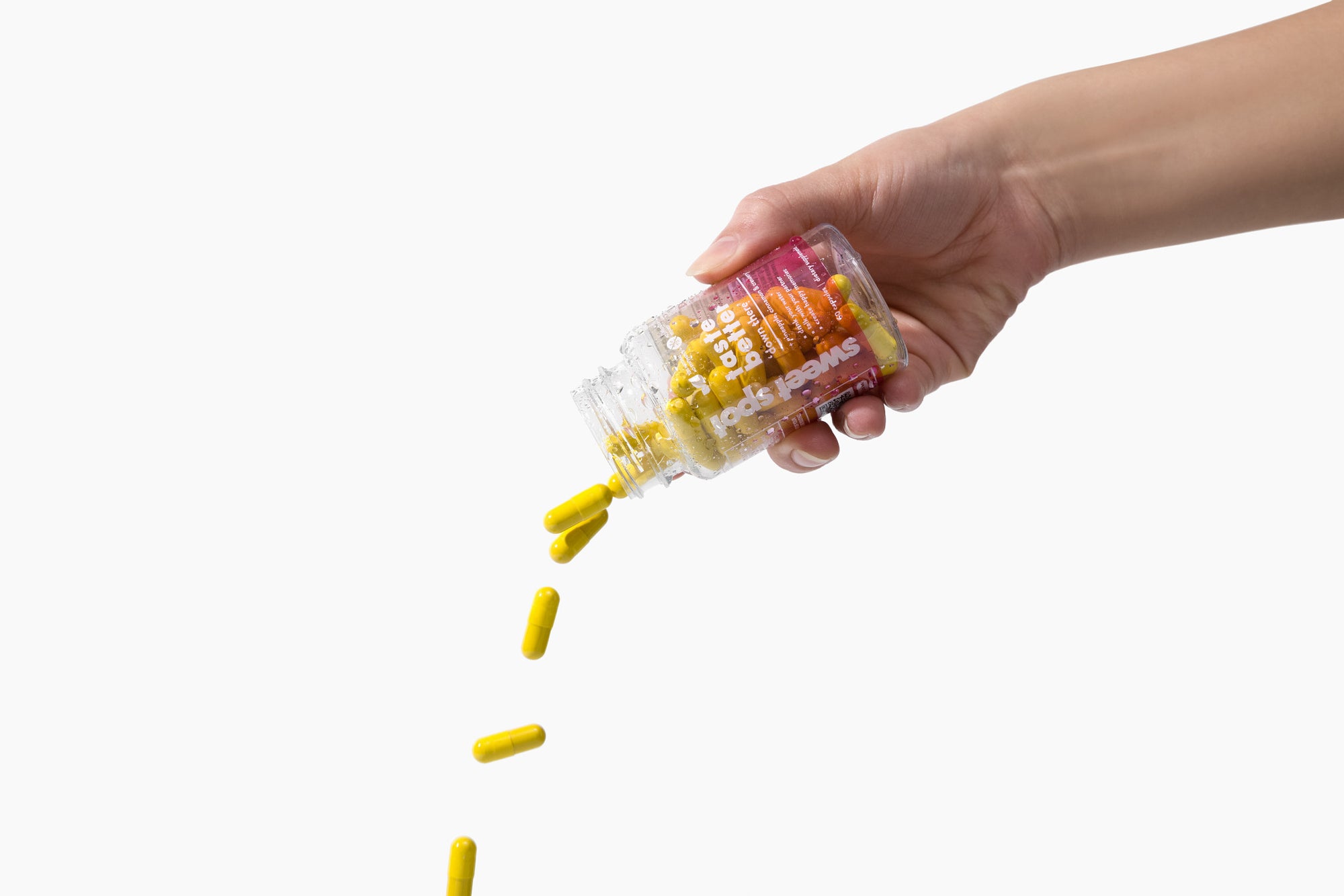
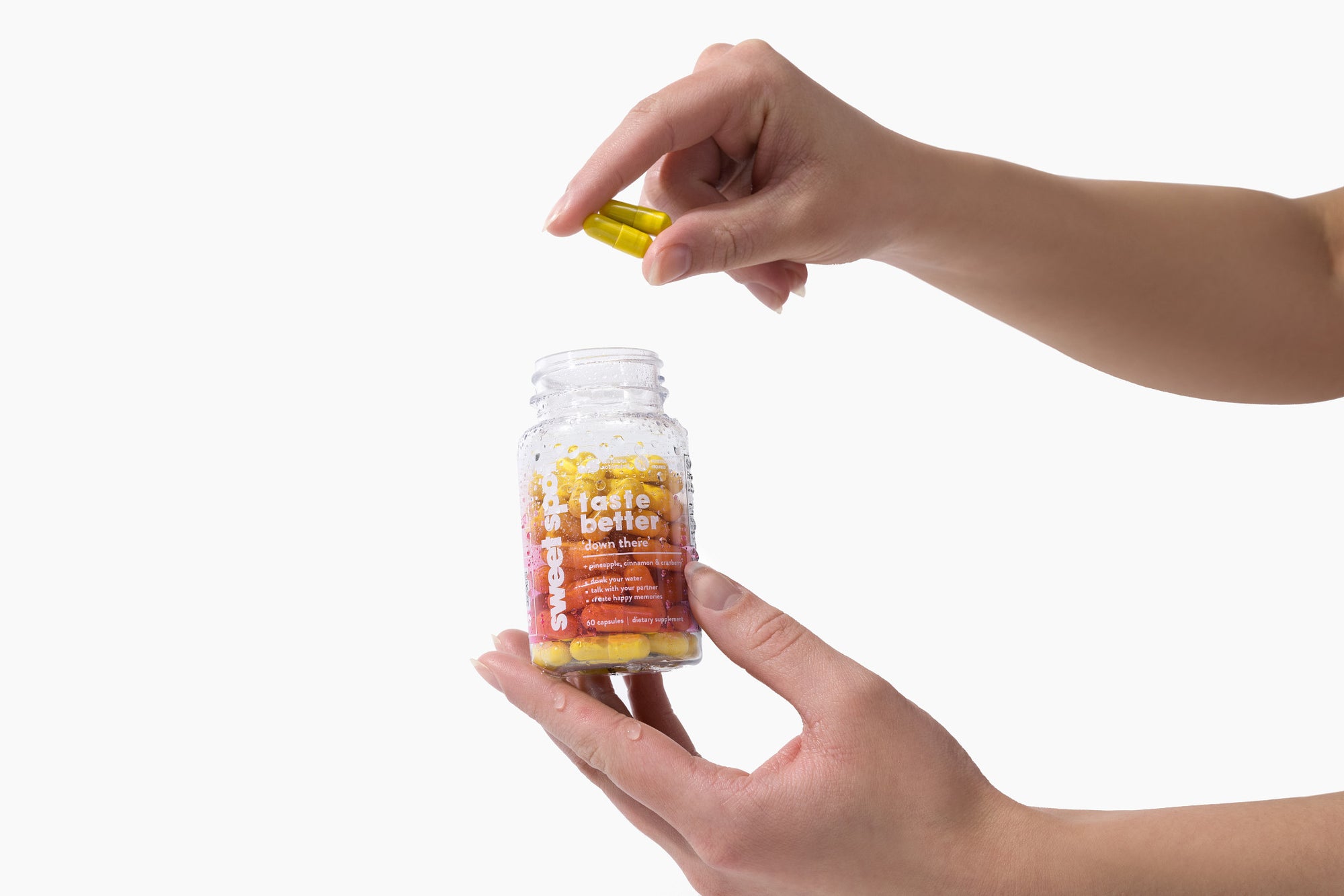
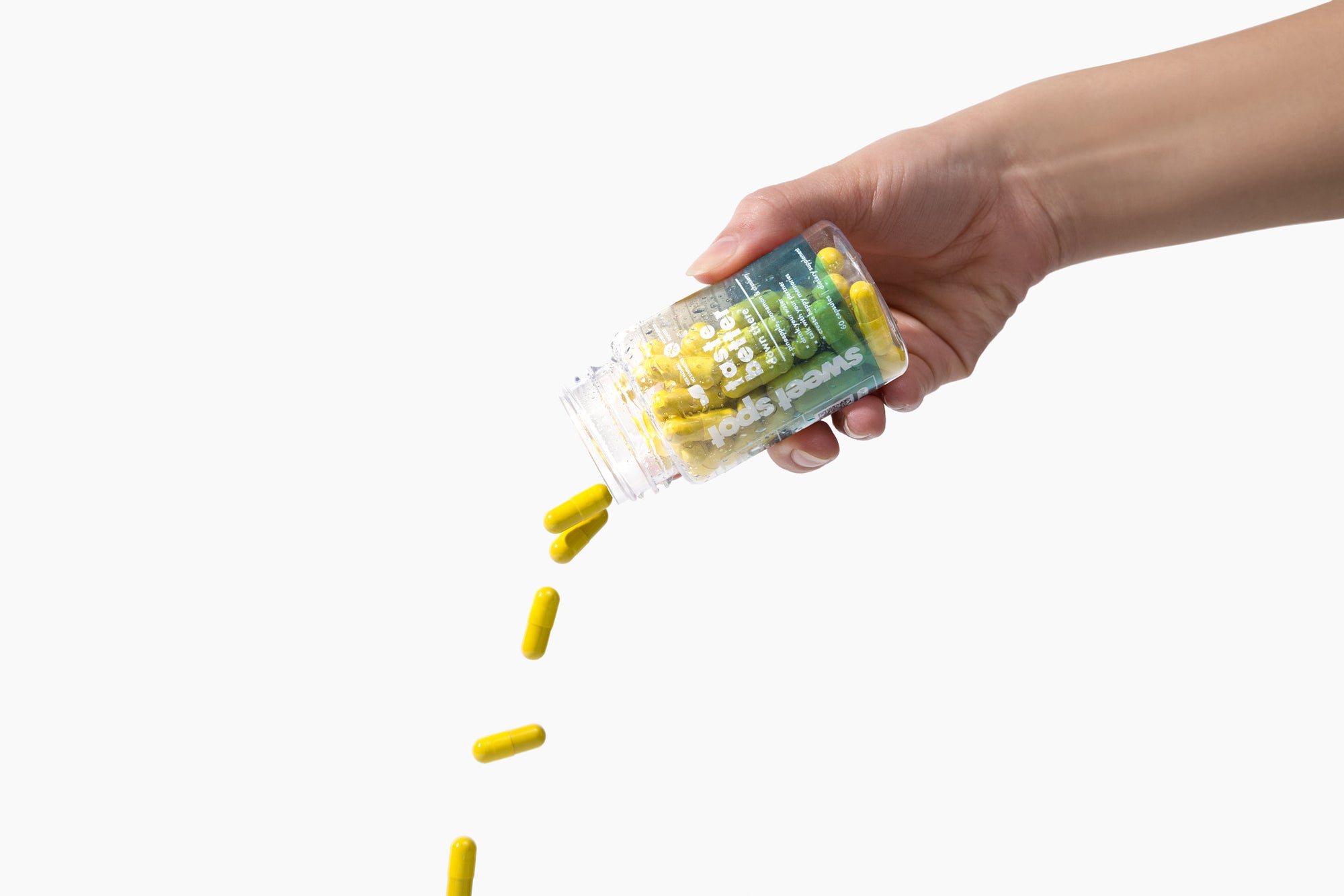
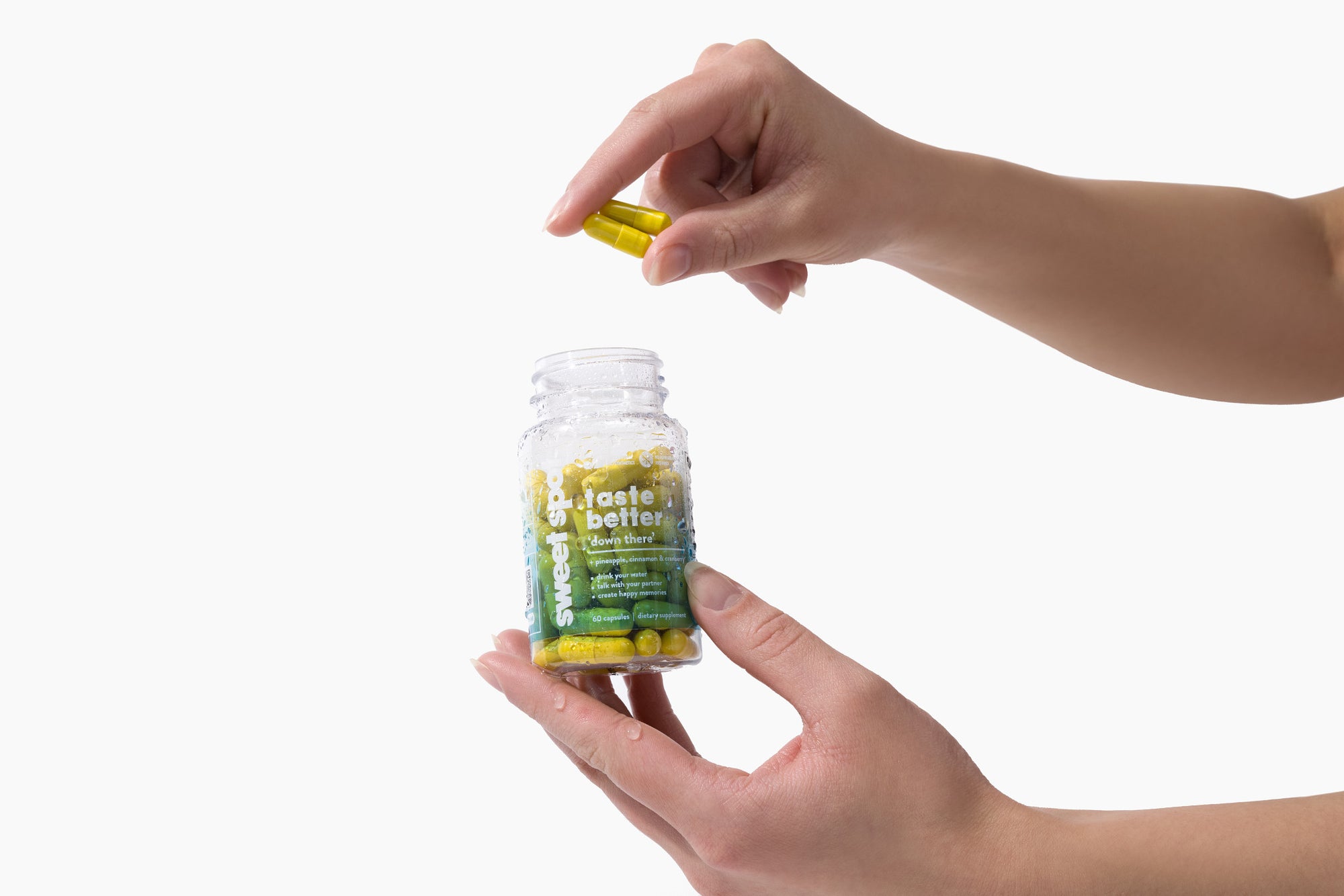
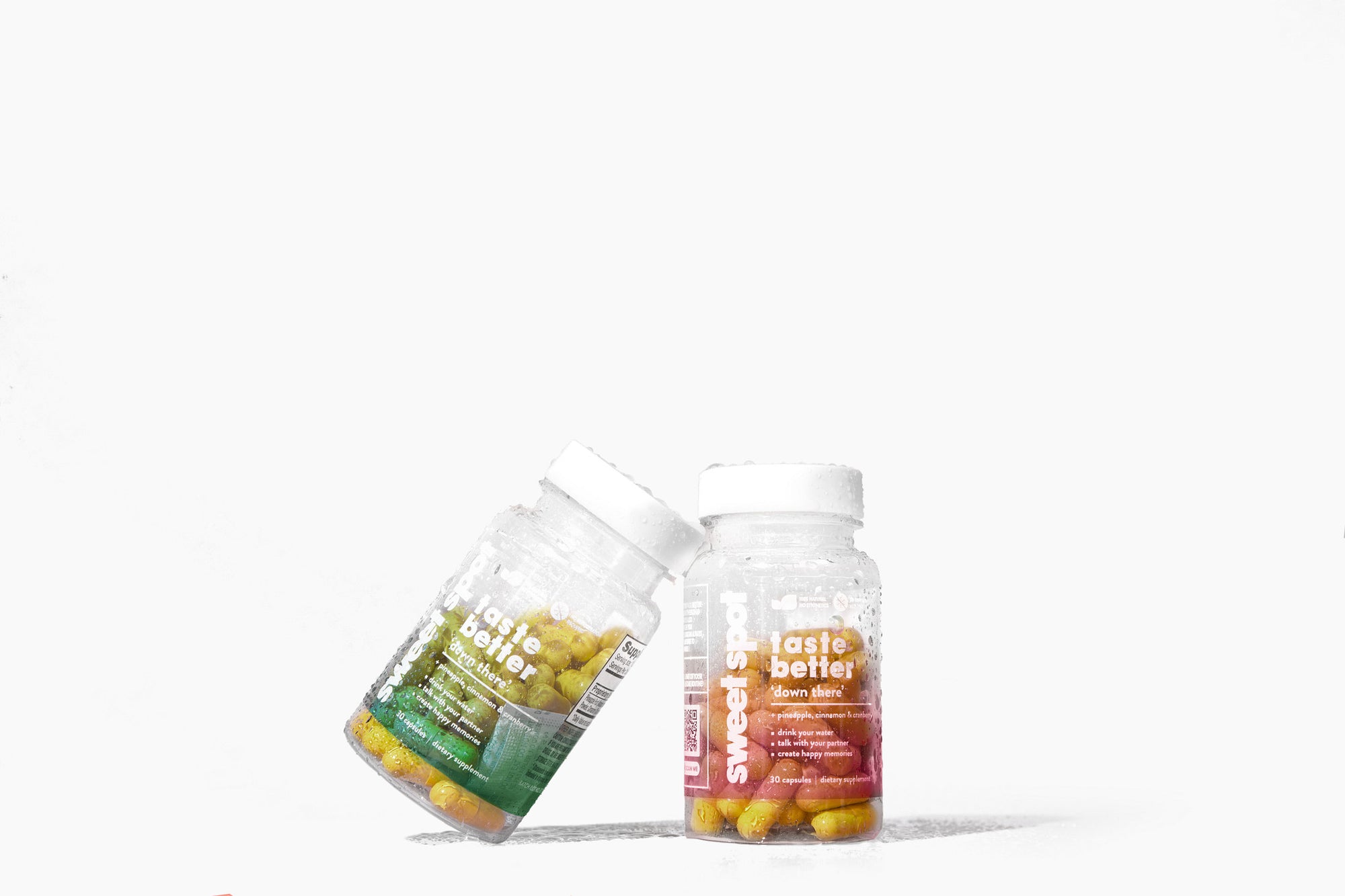
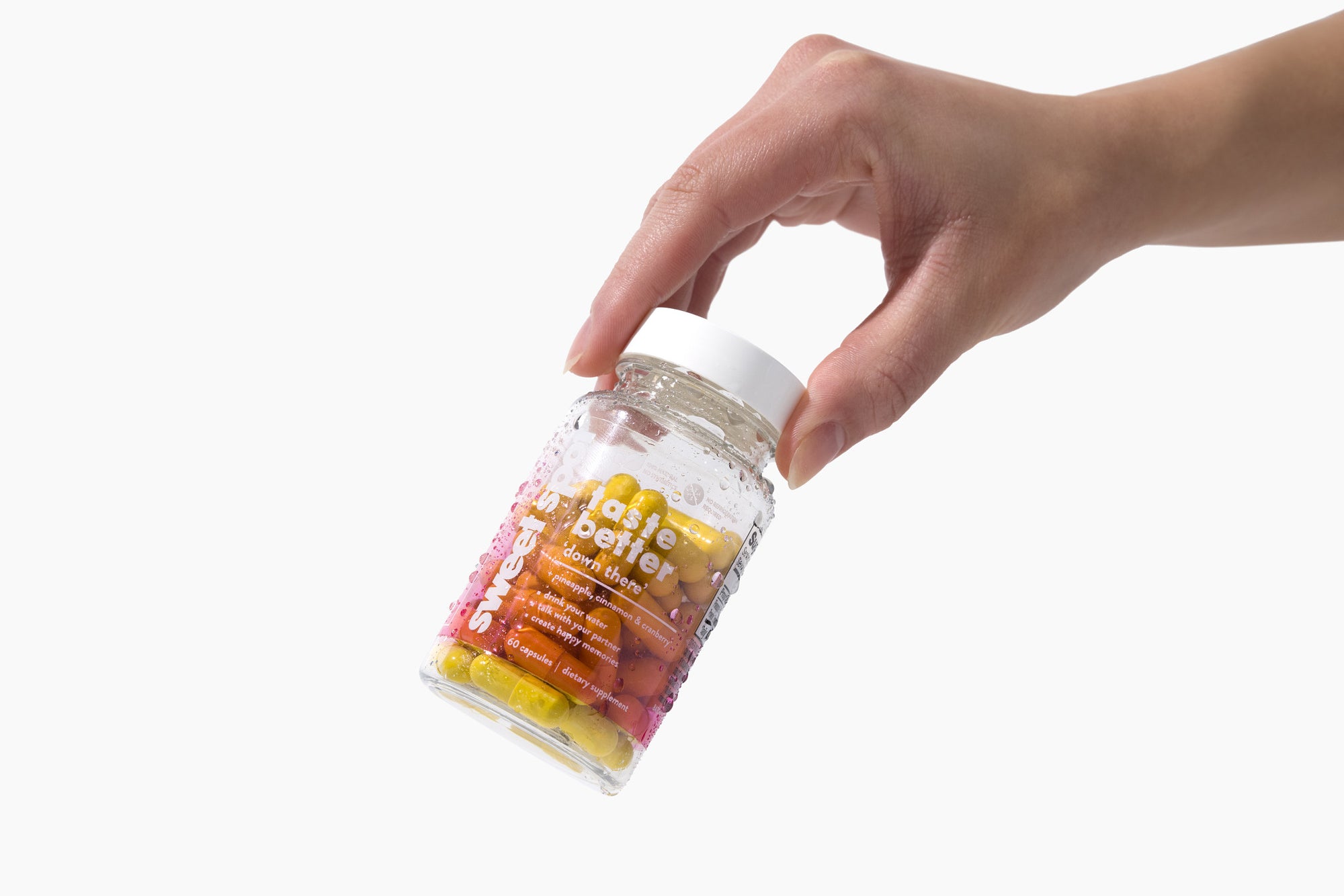
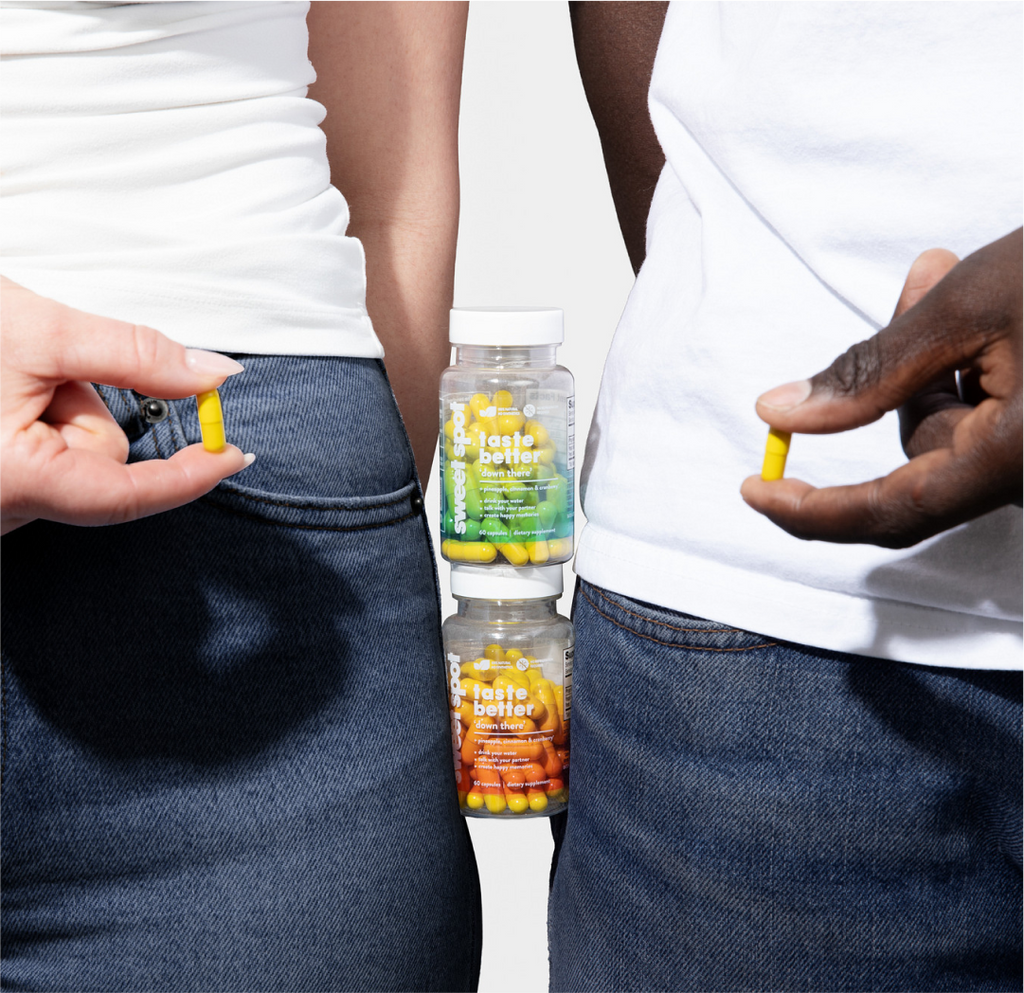
Women's Sweet Spot is pineapple extract plus a probiotic blend for intimate pH support and natural freshness. The page says two capsules a day with water, no artificial flavors or fillers, made in the USA. It is not cranberry, cinnamon, chlorophyll, zinc, or vitamin C. It is not a treatment, and it does not replace estrogen care. Taking it will not reverse menopause, and it will not stand in for the options a clinician explains. If you feel fine and you are not looking for a freshness habit, you can skip it. If sex hurts, the capsule is the wrong object to put between you and an exam. Dryness that bleeds or burns needs a person, not a bottle.
5. Pain with sex should be seen
Pain with sex is not something you have to endure because menopause is expected. Lubricant can reduce friction for some people, and a product that burns should be stopped. Lubricant is not estrogen care either. Bleeding after sex, bleeding after menopause, sores, a fishy odor, or repeated urinary pain should be seen. A clinician may prescribe medication after an exam. This page will not name it. Shame is a poor filter for who deserves care. You can want pleasure and still ask for help with pain. Menopause vaginal dryness is a health topic, not a punchline and not a vitamin deficiency you can assume from a headline.
6. What to raise at the visit
Name the dryness. Say when it started, whether sex hurts, and whether you also have urinary urgency or burning. A clear timeline helps more than a guess about which vitamin you lack.
List what you tried. Mention lubricants that burned or helped, and any capsule you started. That list keeps the clinician from blaming a product you already stopped, or missing one you still use.
Ask them to explain options. Ask what they recommend and why, including prescription options if those fit you. This page will not name the drug. The explanation belongs to the person who examined you.
Separate food from care. Nuts and seeds contain vitamin E, and that is food. Evidence for vitamin E and this dryness is limited. Dinner is not a stand-in for estrogen care or for the visit.
7. Choose a visit before a vitamin theory
Choose the clinician conversation before you build a supplement stack around menopause vaginal dryness. If you want a lubricant, choose one that does not burn and that works with any condom you still use. Do not buy a numbing gel so pain can be ignored. Vitamin E evidence is limited, and this page will not set a dose. A freshness capsule is not estrogen care and is not a treatment. Skip it if what you need is a prescription conversation.
8. Pair comfort measures with real care
Pair a kind lubricant with the plan your clinician explains, not instead of it. If you add a capsule, Women's Sweet Spot is pineapple extract plus a probiotic blend for intimate pH support and natural freshness, two a day with water, no artificial flavors or fillers, made in the USA. It is not cranberry, cinnamon, chlorophyll, zinc, or vitamin C. It is not a treatment and does not replace estrogen care. Pain still gets a visit.
9. When to Talk to Your Doctor
See a clinician for pain with sex, bleeding after sex, bleeding after menopause, sores, a new fishy odor, repeated urinary pain, or dryness that is changing fast. This page is not medical advice. A clinician may prescribe medication after an exam and can explain options. This article will not name a drug or a dose. Go sooner if you are bleeding heavily or you feel unwell with fever.
Dryness deserves a conversation
Menopause vaginal dryness is often about lower estrogen, not a missing vitamin. Ask a clinician to explain options. Vitamin E evidence is limited. A capsule does not replace estrogen care. Pain with sex should be seen. You are not late for asking. Bring the pain to a visit.
Keep reading on JuicyVibes: vitamins for vaginal health, pH balance pills.
If you want a freshness routine beside real food, Women's Sweet Spot is pineapple extract plus a probiotic blend for intimate pH support and natural freshness. The page says two capsules a day with water, no artificial flavors or fillers, made in the USA. It is not a treatment, and it does not replace estrogen care or a menopause visit when sex is painful. Capsule pages offer a one-time purchase and automatic monthly delivery. The price, and any cancellation terms, are on that page. This article does not promise a refund or a pause button. You can also shop the full collection.
Frequently Asked Questions
Is menopause vaginal dryness just low vitamins?
Often it is lower estrogen, not a vitamin gap you can assume. Vitamin E evidence for this dryness is limited, and food is not estrogen care. A clinician can explain options after they hear your story. A capsule is not a treatment and does not replace that conversation or a prescription if one is appropriate.
Can a probiotic capsule replace estrogen care?
No. Women's Sweet Spot is pineapple extract plus a probiotic blend for intimate pH support and natural freshness. It is not a treatment, and it does not replace estrogen care. Two capsules a day with water is the page direction. Pain, bleeding, or worsening dryness still belongs with a clinician who can explain medical options.
What should I say if sex hurts?
Say that sex hurts, where it hurts, and whether lubricant changed anything. Pain with sex should be seen. You do not need a clever theory about pH before you book. A clinician may prescribe medication after an exam. This page will not name the drug or tell you to endure it.
Is vitamin E oil something to put inside?
This page will not give an insertion method or a dose. Oral evidence for vitamin E and menopause vaginal dryness is limited. Do not put kitchen oils or supplement oils inside the vagina because a headline suggested it. Ask a clinician before you use any concentrated product on sensitive tissue.
Can I start a freshness capsule without a visit?
If you feel well and you are not pregnant or breastfeeding, a label-directed capsule is a separate choice from medical care, and it is not a treatment. It still does not explain pain or bleeding. Those need a clinician. If you are pregnant or breastfeeding, do not start a new supplement unless your obstetric clinician agrees.