

A guide to lubricant pH and comfort
A sting during sex sends people looking up lubricant pH and comfort, hoping a chart will name a safe bottle. Some lubricants irritate. Others are unremarkable for years. pH is one detail on a label, not a promise about your body. This page will not rank brands. If burning is new, stop that product. Oil can damage latex condoms. Nothing here is medical advice, and a lubricant is not a verdict on whether you are healthy or desirable.
Quick Answer
Quick Answer: Think about lubricant pH and comfort as a simple test: if a product burns, itches, or feels wrong, stop using it. Some lubricants irritate, and people differ. Evidence about glycerin and yeast is not a verdict, so this page will not pretend it is. Oil can damage latex condoms. Do not rank brands from a blog. Ongoing pain, sores, or a new discharge still needs a clinician rather than another sample pack.
1. Irritation is a reason to stop
Some lubricants irritate, and the clue is usually timing. Burning, itching, or a raw feeling that begins with a new bottle, a new flavor, or a leftover tube from a trip is a product problem until proven otherwise. Lubricant pH and comfort are not a contest. A lower number on a label does not make a formula kind to your skin, and a popular brand is not evidence. This page will not rank brands or name a winner. Stop the product that hurts. Rinse the outside with water. If the feeling fades, you are allowed to leave that bottle unused. You do not need a harsher replacement the same night to prove the sex was fine.
2. Glycerin and yeast are not settled
Glycerin shows up in many water-based lubricants because it feels slippery. You may read that it feeds yeast. You may also read that the fear is overstated. The evidence is not a verdict. Studies and clinic opinions do not line up neatly enough for a blog to ban one ingredient or to clear it. If you notice itch and thick discharge after a glycerin formula, stop that product and tell a clinician. That is a symptom report, not a chemistry proof. If you have used it comfortably, this page will not tell you to panic. Yeast questions are exam questions. A lubricant aisle cannot answer them, and neither can a supplement.
3. New burning is a stop sign
Stop the product if burning is new. Do not push through because you already started. Pain is information. Wash the outside with warm water, skip the next experiment for the night, and notice whether the sting settles over the next day. New burning can be irritation from the lubricant, friction, a latex sensitivity, or an infection that happened to show up the same week. You cannot sort those in the bathroom. If pain continues, if you see sores, if urination burns, or if discharge changes, see a clinician. A clinician may prescribe medication after an exam. This article will not name a drug or a dose. Another flavored bottle is not the appointment.
4. Oil and latex are a poor match
Oil can damage latex condoms. That includes massage oils, kitchen oils, and oil-based lubricants used with a latex condom. The practical point is narrow: if you are relying on a latex condom, do not pair it with oil. This page will not teach a workaround or rank which oil is less of a problem. Polyurethane and other non-latex condoms are a separate label question for the package in your hand, not a guess from an article. If a condom breaks, follow the advice of a clinician or a pharmacist about pregnancy and infection risk. Do not replace that conversation with a lubricant review. Comfort is not worth a damaged barrier you were counting on.
5. pH talk can become a distraction
Lubricant pH and comfort deserve plain language. Vaginal pH in the reproductive years is often acidic, and some clinicians like lubricants that are not wildly different from that, but a pH number on a bottle is not a medical exam. It does not tell you if you have bacterial vaginosis, a yeast problem, or neither. Use a product that does not hurt, that works with the condom you actually use, and that you can stop without drama. If sex is painful even with a lubricant that feels fine on the skin, that pain should be seen. A bottle cannot explain pelvic pain, dryness that keeps worsening, or bleeding.
6. A short way to judge a lubricant
Stop what burns. If a lubricant stings or itches, stop it and rinse the outside with water. New burning is a reason to pause, not a reason to finish the tube and hope.
Skip the brand ranking. This page will not rank brands. A formula that suits someone else can irritate you. Your skin's response matters more than a chart, a flavor, or a review.
Respect latex. Oil can damage latex condoms, including kitchen oils and massage oils. If you rely on latex, keep oil away from it. Do not look for a clever exception here.
Separate yeast questions. Glycerin and yeast evidence is not a verdict. Itch or thick discharge needs a clinician, not a new theory about one ingredient. Stop the product and get the symptom seen.
7. Choose comfort, then stop if it changes
Choose a lubricant you can name and stop, not a stack of warming, cooling, and scented tubes. If the simplest unscented formula feels fine and matches your condom, you can stay there. Do not add a numbing product so you can ignore pain. Numbing hides information a clinician might need. This page will not rank brands. A freshness capsule is not a lubricant and not a treatment. It does not belong in a condom decision or on broken skin.
8. Pair the right texture with the barrier
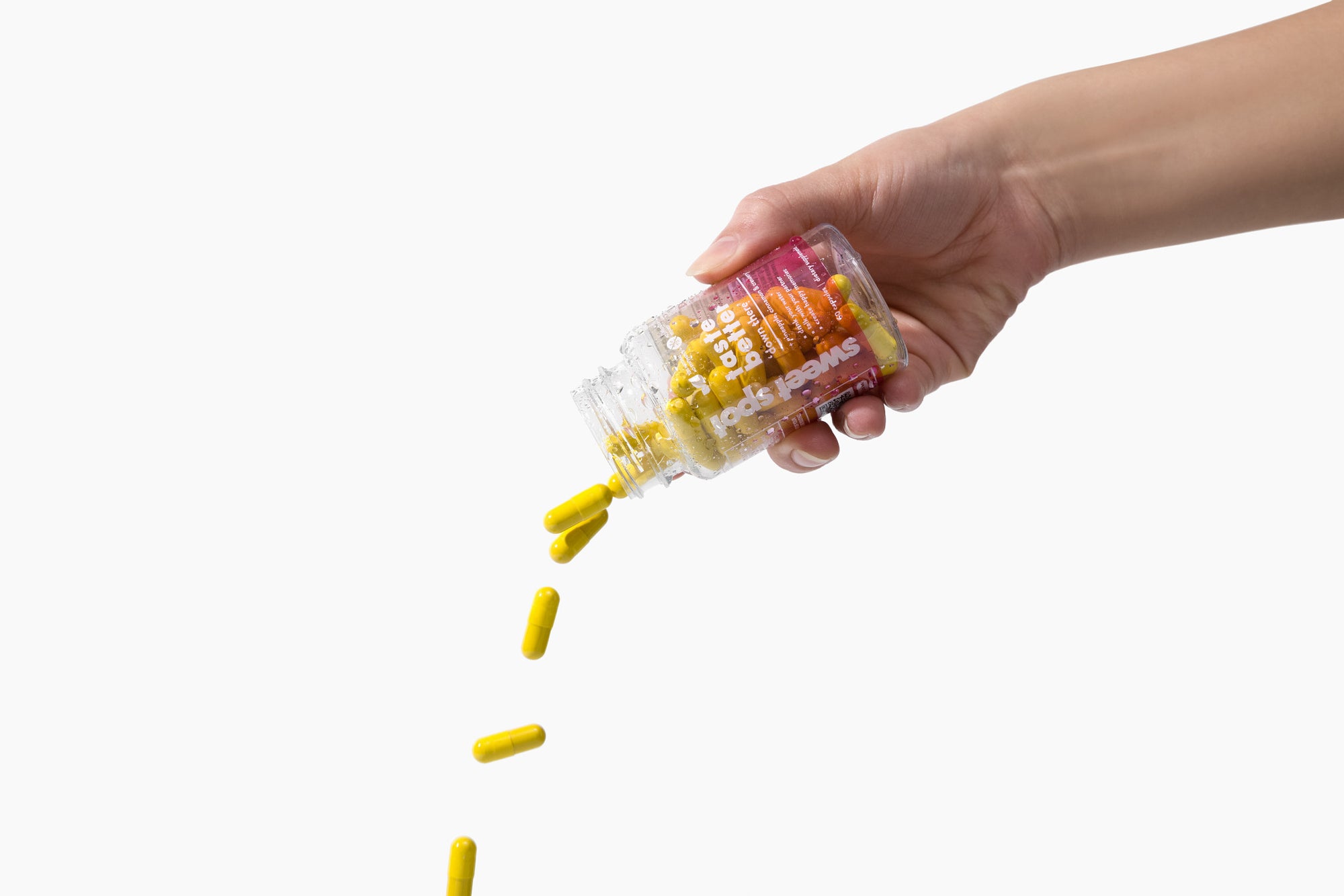
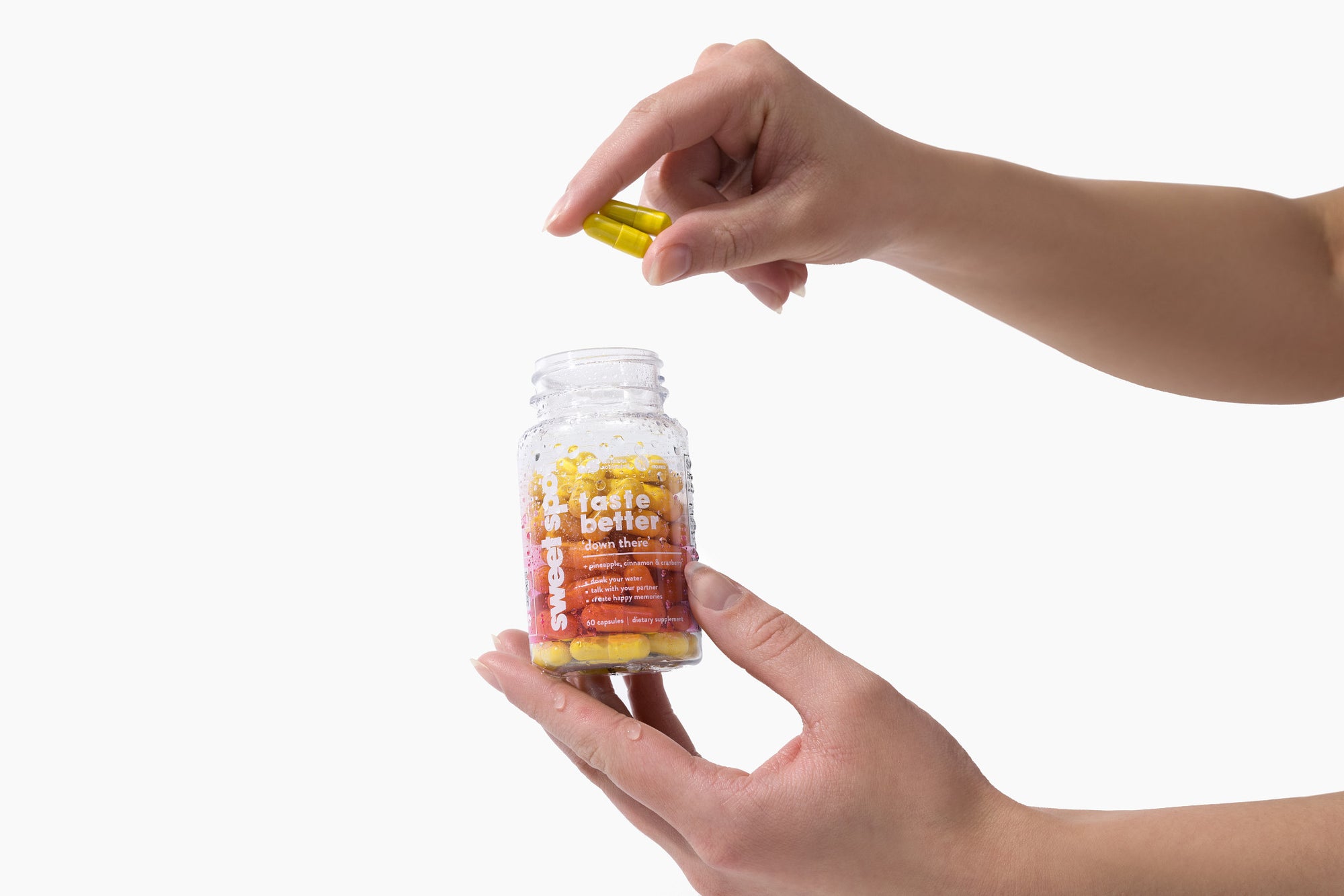
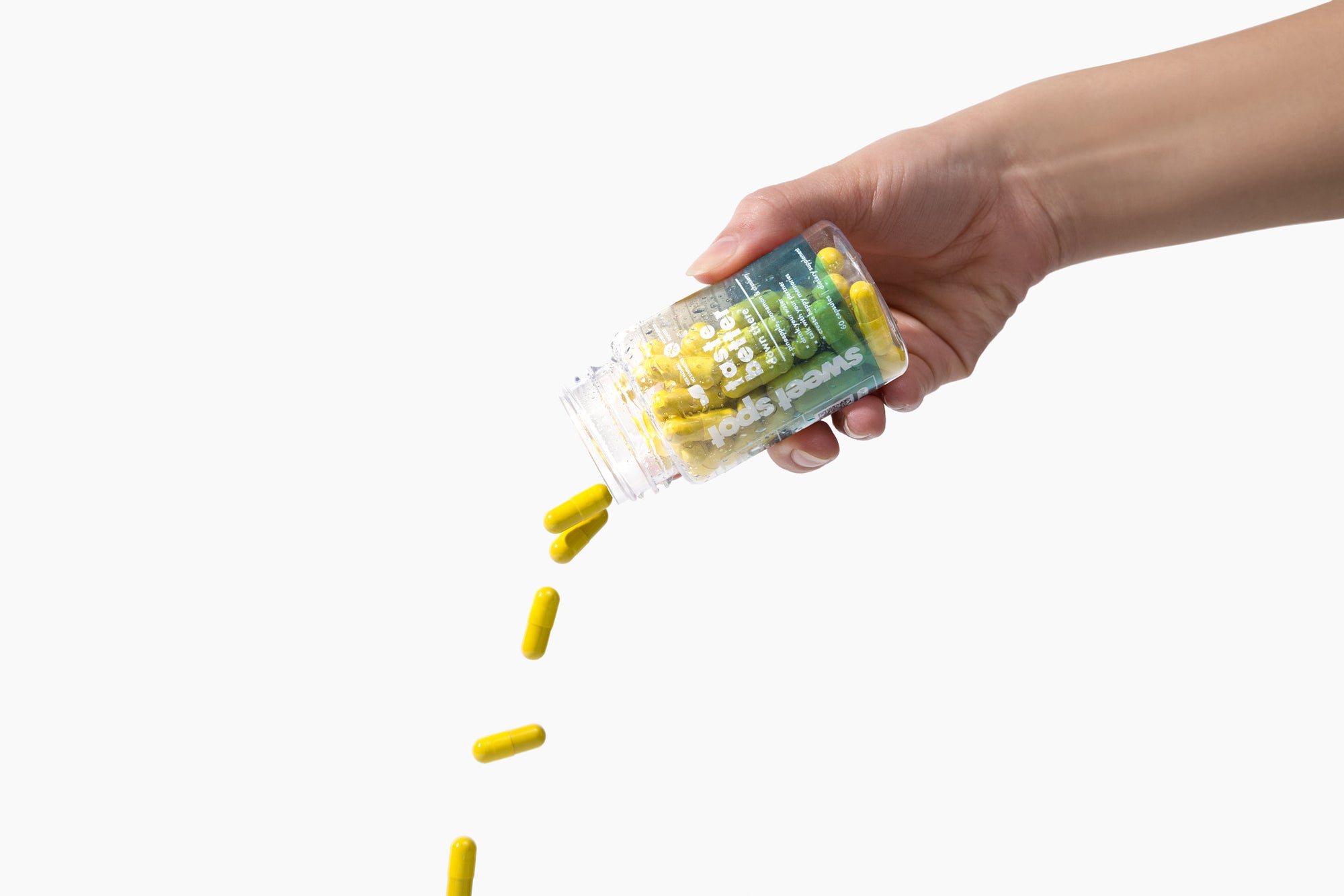
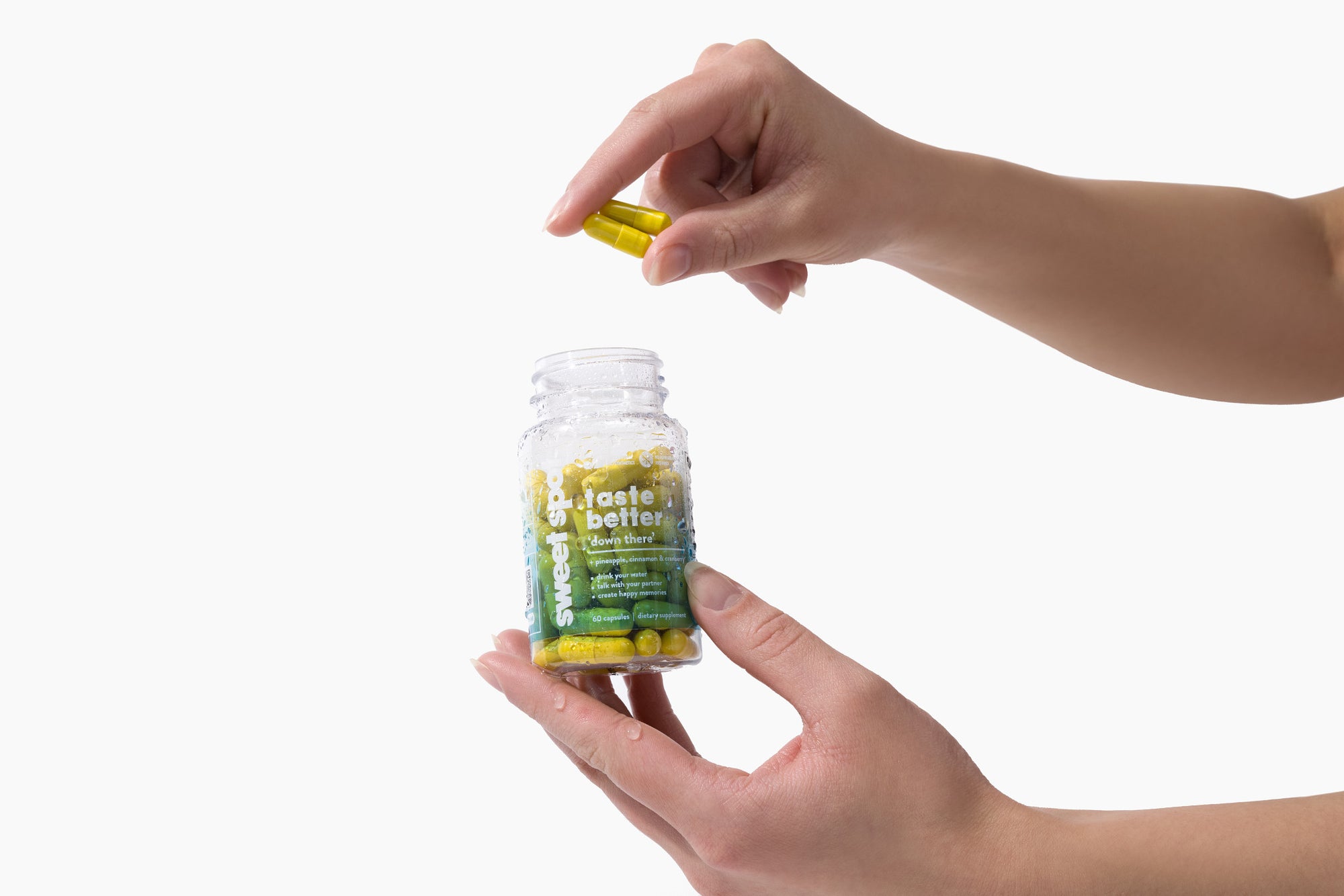
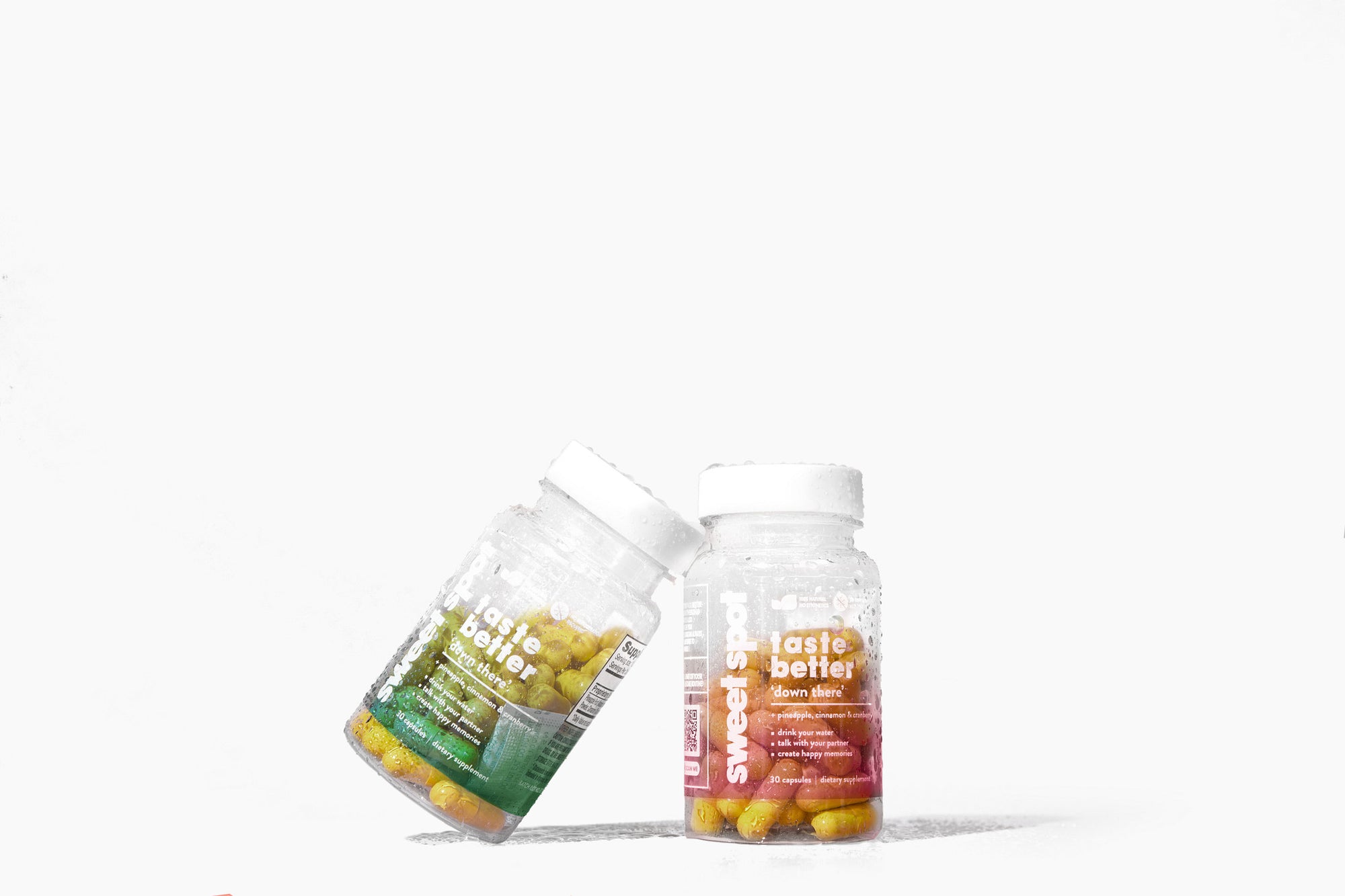
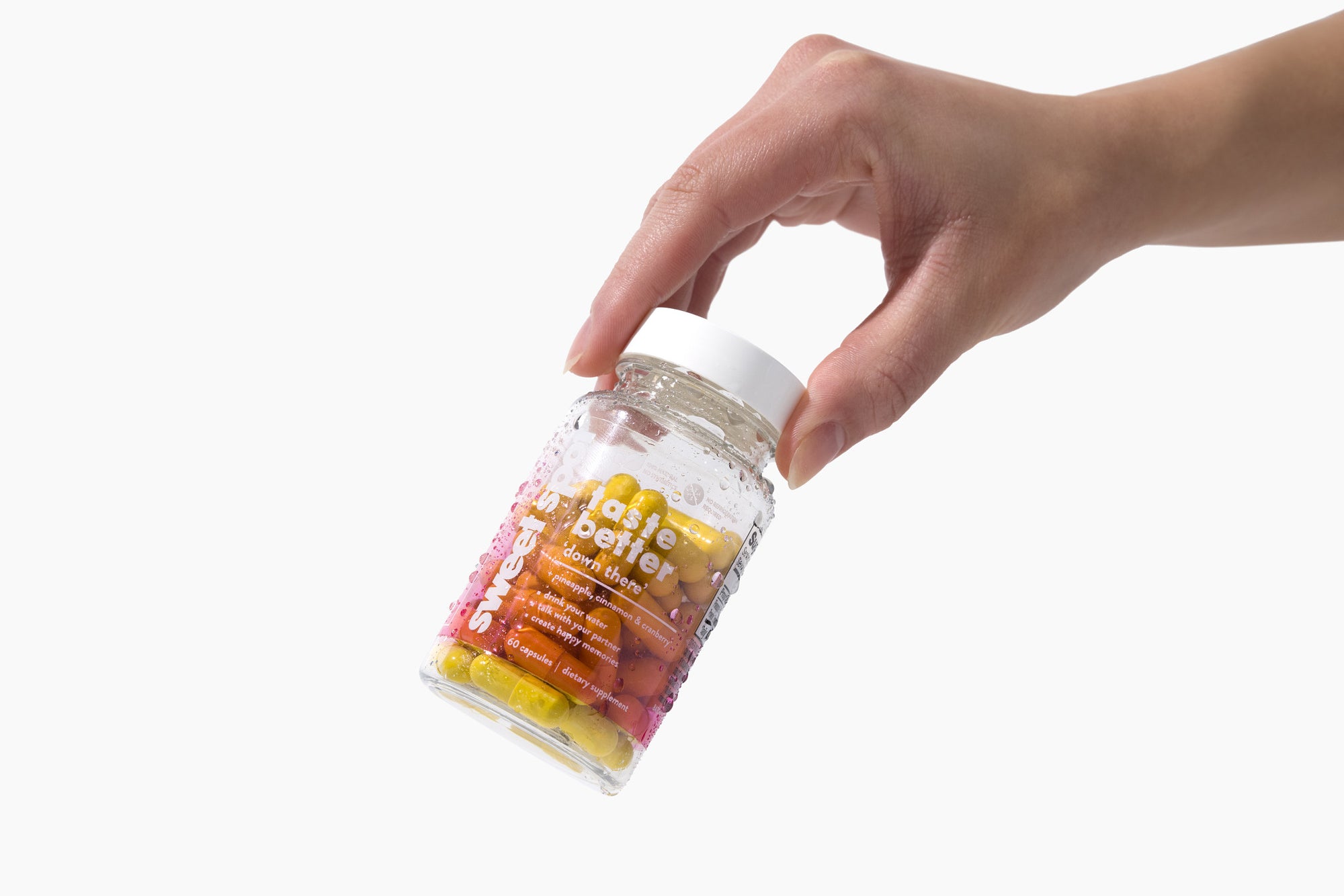
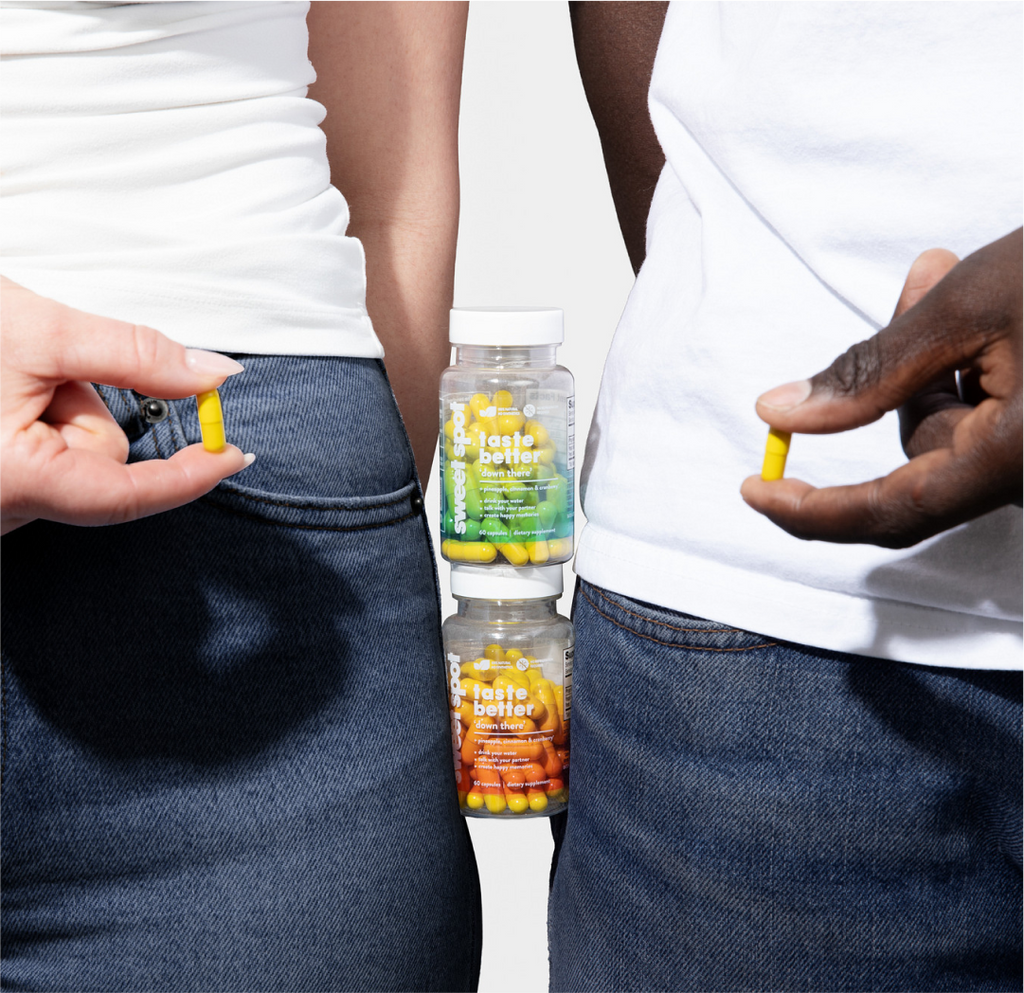
Pair latex condoms with a lubricant the condom maker allows, and keep oil off latex. If you want a capsule on other days, Women's Sweet Spot is pineapple extract plus a probiotic blend for intimate pH support and natural freshness, two capsules a day with water, no artificial flavors or fillers, made in the USA. It is not cranberry, cinnamon, chlorophyll, zinc, or vitamin C. It is not a treatment, and it is not lube.
9. When to Talk to Your Doctor
See a clinician for pain with sex, sores, bleeding, burning when you pee, a new fishy odor, or discharge that worries you. Stop any lubricant that newly burns. This page is not medical advice. A clinician may prescribe medication after an exam. This article will not name a drug or a dose. Go sooner if you are pregnant or a condom broke and you need timely advice.
Stop the product that hurts
Lubricant pH and comfort are personal, and some products irritate. Glycerin evidence is not a verdict. Oil can damage latex condoms. This page does not rank brands. New burning means stop. Lasting pain needs a clinician, not another flavor. You can leave the bottle at the first sting.
Keep reading on JuicyVibes: pH balance pills, bacterial vaginosis versus yeast.
If you want a freshness routine beside real food, Women's Sweet Spot is pineapple extract plus a probiotic blend for intimate pH support and natural freshness. The page says two capsules a day with water, no artificial flavors or fillers, made in the USA. It is not a treatment, and it is not a lubricant, a condom, or a reason to keep using a product that burns. Capsule pages offer a one-time purchase and automatic monthly delivery. The price, and any cancellation terms, are on that page. This article does not promise a refund or a pause button. You can also shop the full collection.
Frequently Asked Questions
Does a low pH number mean a lubricant will feel fine?
No. A pH number is not a promise about comfort. Lubricant pH and comfort still depend on your skin, the rest of the formula, and the condom you use. If it burns, stop it. A printed number cannot overrule a sting you can feel that same night.
Should I avoid glycerin because of yeast?
The evidence is not a verdict. Some people worry that glycerin relates to yeast problems, and research has not turned that into a simple rule. If you have itch or thick discharge, see a clinician. Stopping a product that bothers you is reasonable. Do not treat a blog as an exam.
What if a lubricant suddenly burns?
Stop using it. Rinse the outside with warm water and give the skin a break. New burning can be irritation, or it can be something that deserves an exam if it lasts, blisters, or comes with discharge. Do not switch through five bottles in one night. One pause is enough.
Can I use coconut oil with a latex condom?
Do not pair oil with latex. Oil can damage latex condoms, and kitchen oils count. This page will not rank oils or suggest a clever substitute. Read the condom package, and if a condom breaks, ask a clinician or pharmacist about next steps rather than a lubricant article.
Will a capsule replace lubricant?
No. Women's Sweet Spot is pineapple extract plus a probiotic blend for intimate pH support and natural freshness. It is not a lubricant, not a condom, and not a treatment. Two capsules a day with water is the page direction. Pain with sex still needs a clinician, not a capsule in place of a visit.