

vaginal odor deficiency is usually the wrong story
The phrase vaginal odor deficiency suggests a missing nutrient where a symptom is. Most new odors are not that. They can be sweat, semen, blood, soap, or an infection that changes the microbes and the scent together. A true vitamin gap has its own signs, usually elsewhere in the body, and a clinician confirms it. Buying a capsule because you feel ashamed of a smell skips that sorting. This page says the quiet part plainly. Odor is not a deficiency score, and a vitamin is not a treatment for it.
Quick Answer
Quick Answer: vaginal odor deficiency is a story that sells faster than it explains. A fishy smell with thin discharge needs a clinician, because infection has to be ruled out before anyone talks about nutrients. Vitamins do not deodorize tissue. Low vitamin D or low B12, when they are real, show up on tests and in symptoms that are not a scent. Food still matters for ordinary health. It is not a treatment for bacterial vaginosis, yeast, or the shame that sent you searching.
1. Start from the symptom, not the shelf
A change in scent is information about the last few days. Ask what touched the vulva, whether you had sex, whether you are bleeding, and whether underwear stayed damp after exercise. Those questions are unromantic and useful. A deficiency does not switch on during one afternoon at the gym. Infections and irritants can. If the smell is stable and familiar, you may be meeting a normal body and a harsh standard. If it is new, write the date. The date will matter more than the vitamin you almost ordered. You can be well nourished and still need an exam. You can have a deficiency and still need an exam. The second fact is the one marketing leaves out.
2. Rule infection out before you theorize
Fishy odor with thin discharge is a reason to evaluate for bacterial vaginosis. Itching and thick discharge raise yeast, though the pictures overlap. Burning when you pee can be a urinary infection, irritation, or both. None of those is a vitamin deficiency, and none is a treatment target for produce or a multivitamin. Wipes and scented soaps can add irritation while you build the theory. Pause them. If you are pregnant, the threshold for calling is lower, and a new supplement still needs the obstetric clinician. Do not let a nutrient essay become the reason you wait a month. The visit is allowed to find nothing alarming. That result is worth more than a guessed bottle.
3. What a real deficiency tends to look like
Low vitamin D is a blood test, not a smell. People who get little sun, or who eat little fish and few fortified foods, are more likely to be low, and a clinician reads the number. This page will not. Low B12 can bring fatigue, a sore tongue, or tingling, especially if you eat no animal foods or you have an absorption problem. Low iron can exhaust you. Zinc deficiency severe enough to matter is uncommon in varied diets and can affect taste and skin healing. None of these arrive as fishy discharge. If you have those other symptoms, ask for the right test. Do not use vaginal odor as the test.
4. Why the missing vitamin story is sticky
It offers control. A bottle is private, and a clinic is not. It also flatters the hope that the body is a formula you can complete. Shame makes the story stickier, because a deficiency sounds morally neutral while an infection sounds like a verdict. Neither framing is fair. Infections are common medical events. Normal scent is not a character flaw. Sellers put odor and a multivitamin in one sentence because the hop feels scientific. It is a hop. Notice when a page mentions five nutrients and zero exams. That ratio is the sales pitch. You can decline it and still take vitamin D if a test says you need it.
5. Food and tests, in that order
Eat produce, protein foods, nuts, and, if you like it, yogurt as food. Drink when you are thirsty. Those habits support the person who has the symptom. They do not identify the symptom. If a deficiency is plausible, ask for the specific test rather than a blend aimed at feminine balance. If odor is the complaint, ask for the exam. Doing both in the same month is coherent. Doing only the shopping is not. If you are already on a prescribed vitamin, keep taking it as directed and mention it at the visit. Do not double it because a smell frightened you. Fear is a bad dosing calculator, and this page will not offer a better number.
6. Clues that point away from a vitamin
A sudden change. Odor that appears over days, especially with new discharge, fits an irritant or an infection better than a nutrient gap that would have been building for months.
A fishy quality. Fishy smell with thin discharge is a clinical pattern, often checked for bacterial vaginosis, and it is not the signature of low vitamin D, B12, or zinc.
Symptoms elsewhere are absent. If you are not exhausted, numb, or showing other deficiency signs, vaginal scent alone is a weak reason to invent a nutrient problem and a bottle.
A product started the same week. New soap, wipes, or capsules can irritate skin and confuse the story, so list them before you decide the cause was something missing in your diet.
7. Choose a test, not a theory
Choose a vitamin only after a clinician names a gap, or after a dietary pattern clearly leaves one open, such as B12 when you eat no animal foods. Do not choose it from the word odor. A standard product with a readable amount beats a feminine blend that promises freshness. If the label will not say the amount, it is not a precise answer to a deficiency you have not measured. Measure first when the stakes feel medical.
8. Pair shame with a better question
Pair the odor with an appointment if it is new or fishy. Pair fatigue or tingling with a blood test, not with a second multivitamin. Pair everyday meals with the week you already have, not with a punishment menu. Do not pair pregnancy with a new capsule unless the obstetric clinician agrees. If a partner's comment started the search, pair that comment with facts about normal scent, not with a receipt you hide in a drawer.
9. When to Talk to Your Doctor
See a clinician for fishy odor with thin discharge, itching, burning, pelvic pain, fever, bleeding, or pain when you pee. Ask about a nutrient test only if other signs point there, such as fatigue, numbness, or a diet with no animal foods. In pregnancy, no new supplement unless the obstetric clinician agrees. This page is not medical advice. Vaginal odor is not a deficiency you can shop your way through.
Smell is not a missing nutrient
Most new vaginal odor is not a vitamin deficiency. Infection has to be ruled out. Real gaps, when they exist, belong to blood tests and diets, not to a scent. Keep the shopping matched to the problem you actually have, not to the fear alone.
Keep reading on JuicyVibes: vaginal odor causes and fixes, vitamins for vaginal health.
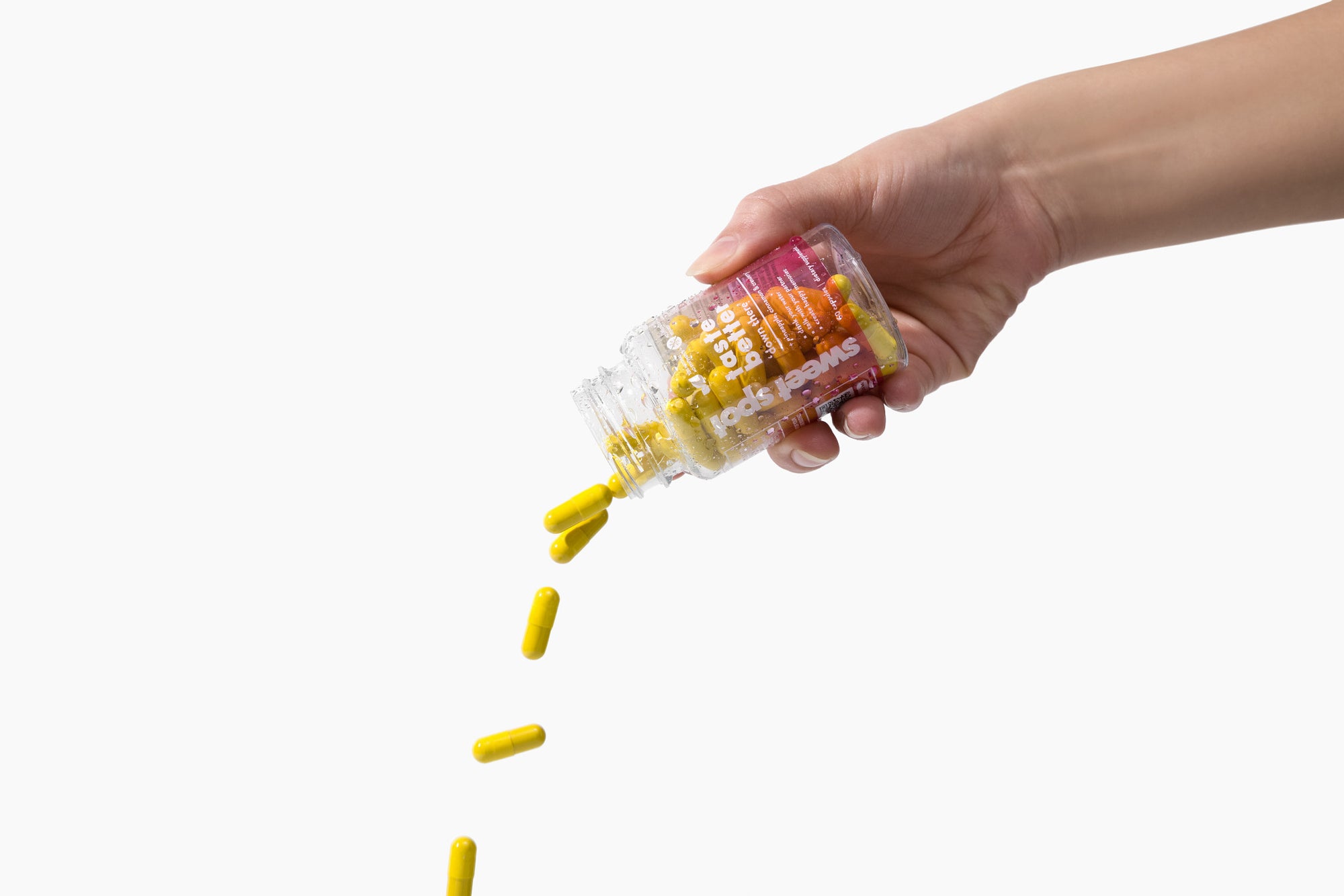
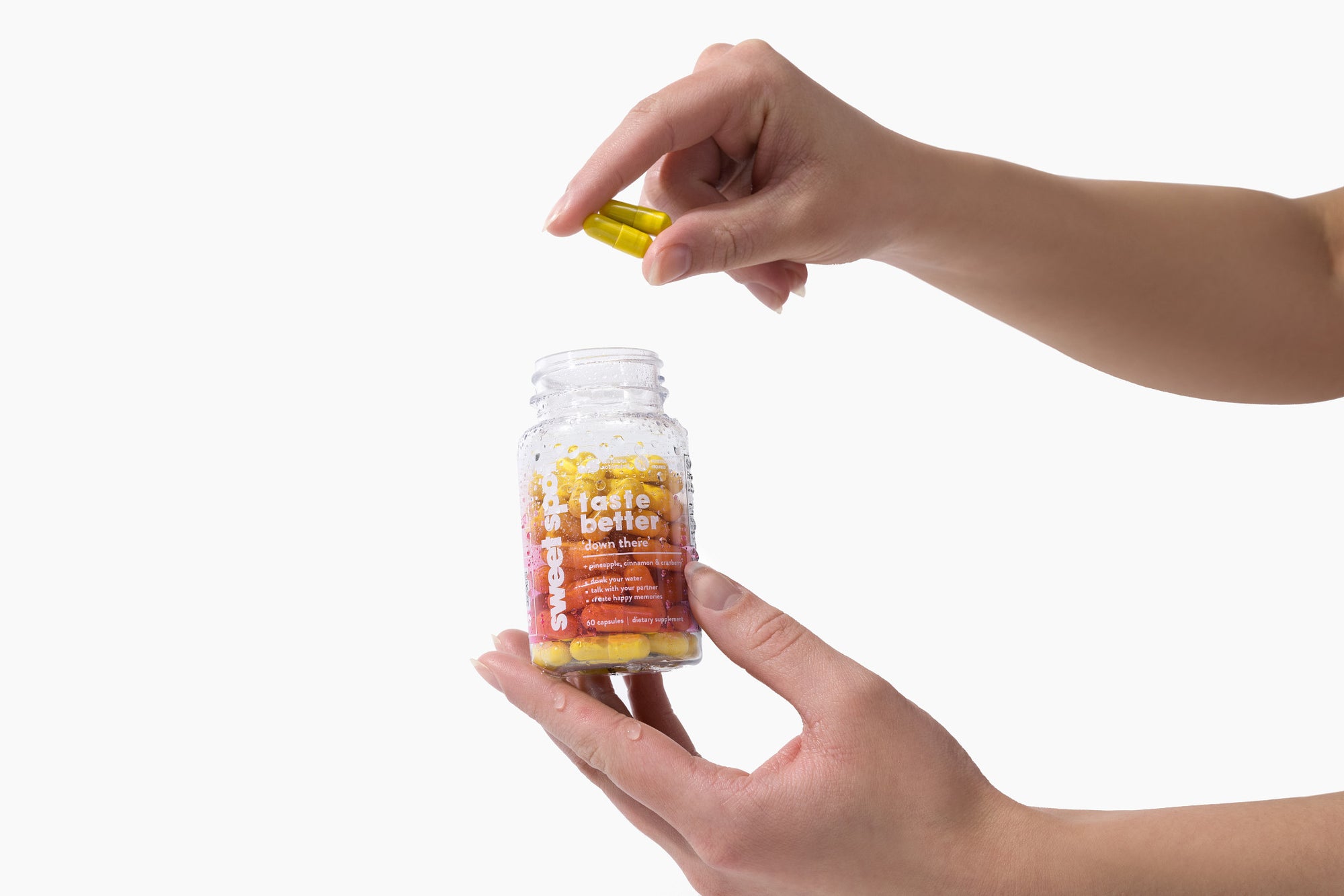
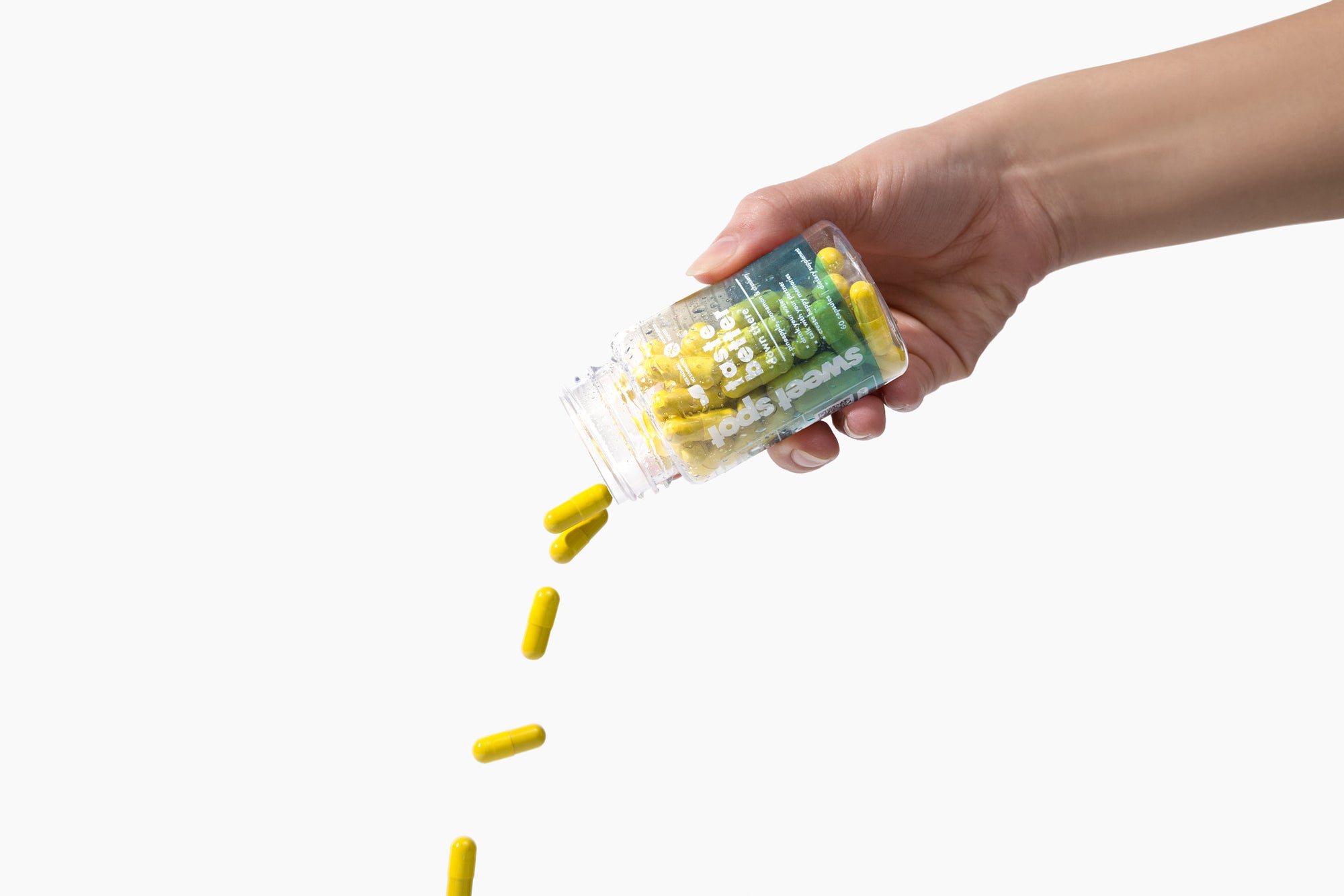
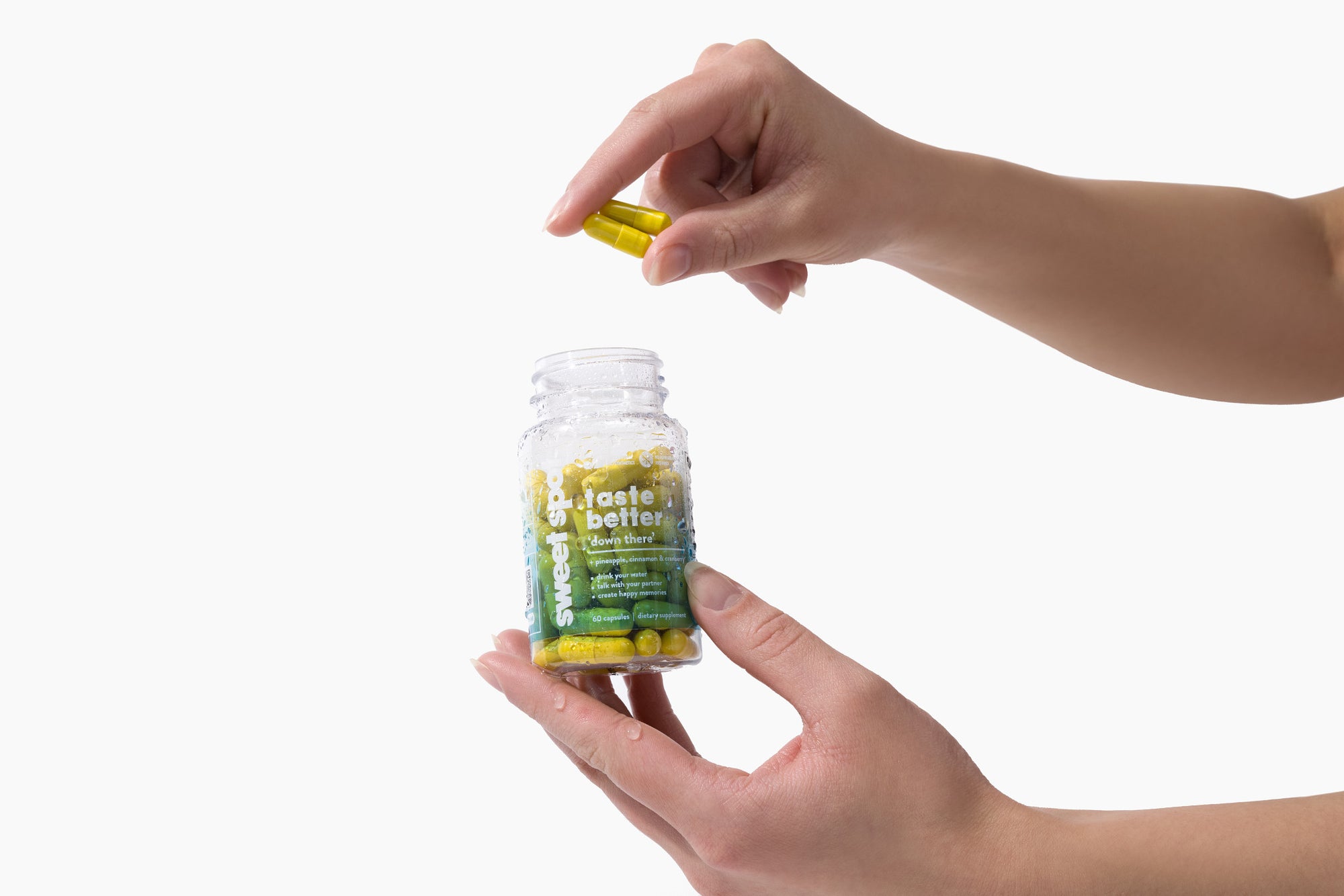
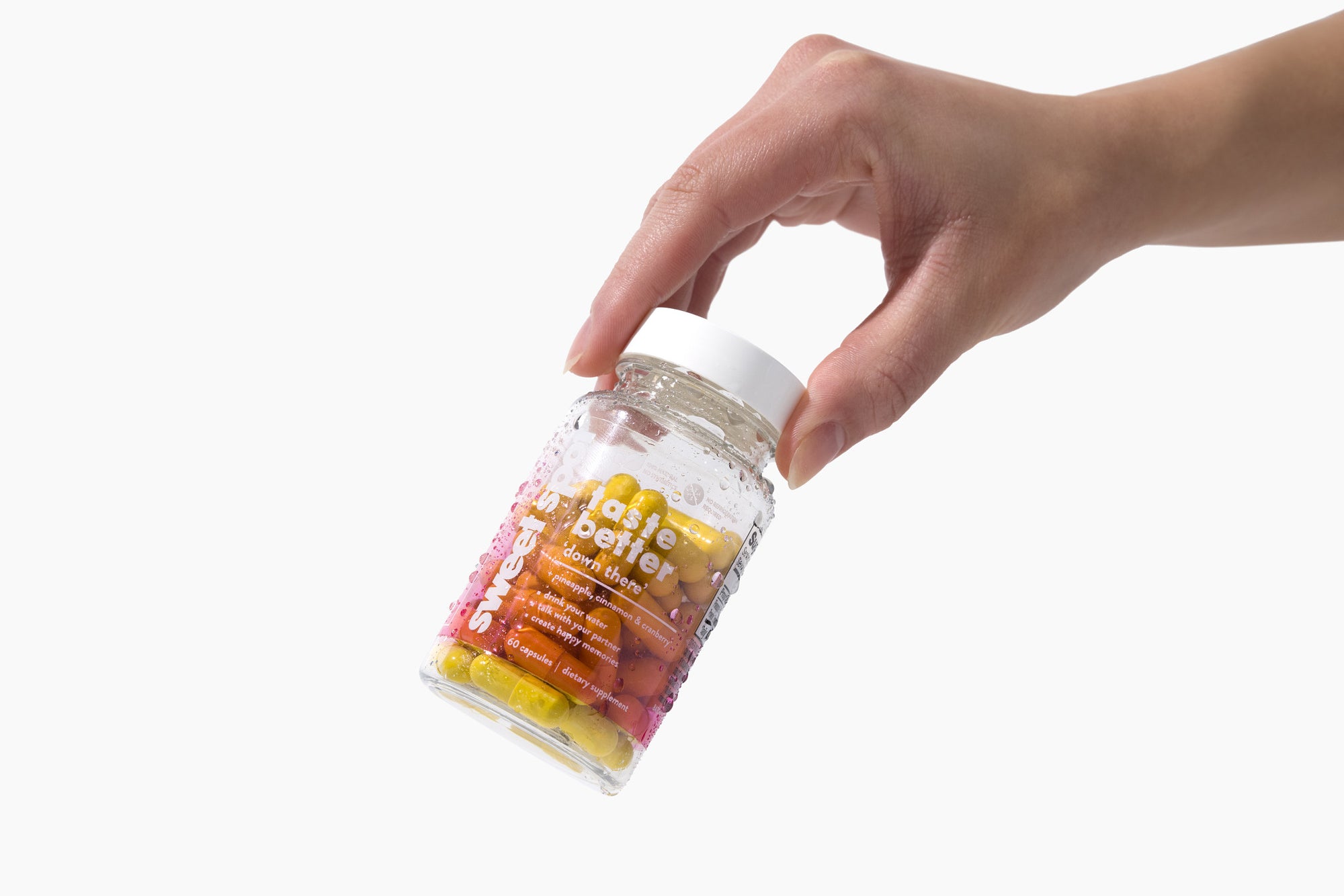
If you want a freshness routine beside real food, Women's Sweet Spot is pineapple extract plus a probiotic blend for intimate pH support and natural freshness. The page says two capsules a day with water, no artificial flavors or fillers, made in the USA. It is not a deficiency treatment, and it is not a treatment for odor or infection. Capsule pages offer a one-time purchase and automatic monthly delivery. The price, and any cancellation terms, are on that page. This article does not promise a refund or a pause button. You can also shop the full collection.
Frequently Asked Questions
Is vaginal odor deficiency a real diagnosis?
It is not a standard way clinicians name this symptom. Odor prompts a look for infection, irritation, or a retained item, not a vitamin level. A separate nutrient problem can exist in the same person. It does not explain most new smells. Start with the exam if the scent is fishy, persistent, or paired with discharge.
Could low vitamin D be why I smell different?
Low vitamin D is an association researchers discuss with bacterial vaginosis, not a scent you can diagnose in the mirror. Association is not a treatment. Ask for a blood test if deficiency is plausible. Do not skip the odor visit to wait on that result. The two questions can be open at once.
What about zinc or B vitamins?
They support ordinary immune and cell work. They do not deodorize the vagina, and high zinc intake over time can interfere with copper. B12 matters especially if you eat no animal foods. None of that is a treatment for odor. Test a real suspicion. Do not build a stack from embarrassment.
Can I fix this by eating better this week?
Better meals support you and will not sort a fishy smell by Friday. Keep eating. Book the clinician if the odor is new or uncomfortable. Yogurt is a food, not a prescription. Do not put food in the vagina. A plate is not a treatment for infection, and it does not need to be.
What if every test comes back ordinary?
Then you may be dealing with a normal scent and a harsh expectation. That is a relief and a cultural problem, not a deficiency. You do not have to buy a vitamin to earn comfort. If a new change appears later, get it checked again. Ordinary results are allowed to stand.