

vitamins for vaginal odor are not a deodorant
A search for vitamins for vaginal odor usually starts from embarrassment, not from a lab result. Scent is a symptom. It can be ordinary, it can follow sex or a period, or it can be the first sign of an infection that a capsule will not sort out. Vitamins are nutrients. They are not deodorant, and they are not a treatment for the conditions that change scent. This page separates those jobs so a bottle does not delay an exam.
Quick Answer
Quick Answer: vitamins for vaginal odor do not cover smell the way a product ad implies. Odor describes a change you notice. It does not name the cause. A fishy smell with thin discharge needs a clinician, because that pattern is often evaluated for bacterial vaginosis. Itching, burning, or pain when you pee belongs in the same visit. A multivitamin is not the first response, and it is not a treatment.
1. Odor is information
Every vagina has a scent. It shifts across the cycle, after exercise, after sex, and during bleeding. A stable, mild scent is not a problem to erase with nutrients. The clue that matters is a change: stronger, new, fishy, or paired with discharge that looks different from your usual pattern. Treating that change as a missing vitamin skips the sorting a clinician is trained to do. Vitamins can be part of general health. They do not explain most new odors, and shopping for them first tends to add cost without adding an answer you can actually use.
2. A vitamin is not deodorant
Deodorant works on the skin surface, or it tries to. A swallowed vitamin circulates as a nutrient. It does not coat vaginal tissue, and it does not neutralize amines, the compounds often linked with a fishy smell in bacterial vaginosis. Marketing that puts odor and a multivitamin in the same sentence is selling a hop from one idea to another. You can be well nourished and still need an exam. You can also have a fine exam and still dislike a normal scent. Those are different problems, and only one of them is medical, not nutritional.
3. The fishy pattern is a clinical pattern
Fishy odor with thin gray or watery discharge is a classic reason to be examined, not a reason to raise your vitamin dose. Clinicians often evaluate that pattern for bacterial vaginosis. Yeast more often itches and looks thick, though real visits are messier than charts. You cannot sort those two at home with a vitamin label. Wipes, scented soaps, and new capsules can irritate tissue while you wait. They are not a treatment. Call for care if the smell is fishy, if it returns after a period, or if it shows up with pain or itching.
4. Other reasons scent changes
Semen has a high pH and can change scent for hours after sex. Menstrual blood changes it too. A forgotten tampon or a retained condom is uncommon and urgent if you suspect it. Antibiotics can disturb the usual microbes. Tight synthetic underwear and long workouts change sweat on the vulva, which is skin, not the vagina itself. None of these is a vitamin deficiency. Noting what happened in the previous two days is more useful than noting which gummy you took. Write the timing down before you decide the cause is nutritional rather than infectious.
5. What to do while you arrange care
Rinse the vulva with water only. Skip internal washing, scented washes, and new supplements started as an emergency. Wear cotton that you can change if you are sweating. Do not start a partner's leftover medicine. If you already take a prescribed vitamin for a documented deficiency, you do not need to stop it for this page, but you also should not add a second product tonight to chase the smell. The exam answers a different question than the pantry does. Bring a short note about discharge color, timing, and recent antibiotics you have already finished.
6. Notes that help more than a new vitamin
When it started. Write the day the scent changed and whether it followed a period, sex, a new soap, or a course of antibiotics you already finished or are still taking.
What the discharge looks like. Color, thickness, and amount give a clinician more to work with than a vitamin you almost bought, so describe them in plain words before you arrive.
Where you feel symptoms. Itching at the opening, burning when you pee, or deeper pelvic pain are different clues, and each of them belongs in the visit rather than on a product label.
What you already tried. List soaps, wipes, and capsules from the last two weeks so your clinician can see what touched the tissue before the exam even begins that day.
7. If you still want a vitamin
Buy it for a documented gap, such as low vitamin D on a blood test, not for scent. Read the serving size. Ignore front labels that promise freshness, balance, or a cleaner smell. Those phrases are marketing. They are not evidence that the nutrient changes odor. A standard multivitamin and a vaginal infection are unrelated purchases. Do not let one receipt stand in for the other. A freshness habit can wait until after that exam is done.
8. What pairs with an honest plan
Pair the appointment with a pause on new products. Pair water on the vulva with breathable underwear. Pair any real deficiency, once a clinician has named it, with food or a simple supplement aimed at that deficiency alone. Do not pair a fishy smell with a stack of odor vitamins. The stack has no mechanism that replaces an exam, and it can make later history harder to explain. Write the timeline down and take it with you.
9. When to Talk to Your Doctor
See a clinician for fishy odor with thin discharge, itching, burning, pelvic pain, fever, bleeding that is not your period, or pain when you pee. If you are pregnant, do not add a supplement unless your obstetric clinician agrees. Odor in pregnancy is still a medical question. This page is not a diagnosis, and no vitamin is a treatment for the infection your clinician may find.
Scent is not a vitamin score
Vitamins for vaginal odor answer the wrong question when the scent is new or fishy. Nutrients do not deodorize tissue. Get the pattern checked, keep ordinary food in the picture for general health, and leave emergency capsules off the list. A clinician is the right next step when the change worries you.
Keep reading on JuicyVibes: vaginal odor causes and fixes, bacterial vaginosis versus yeast.
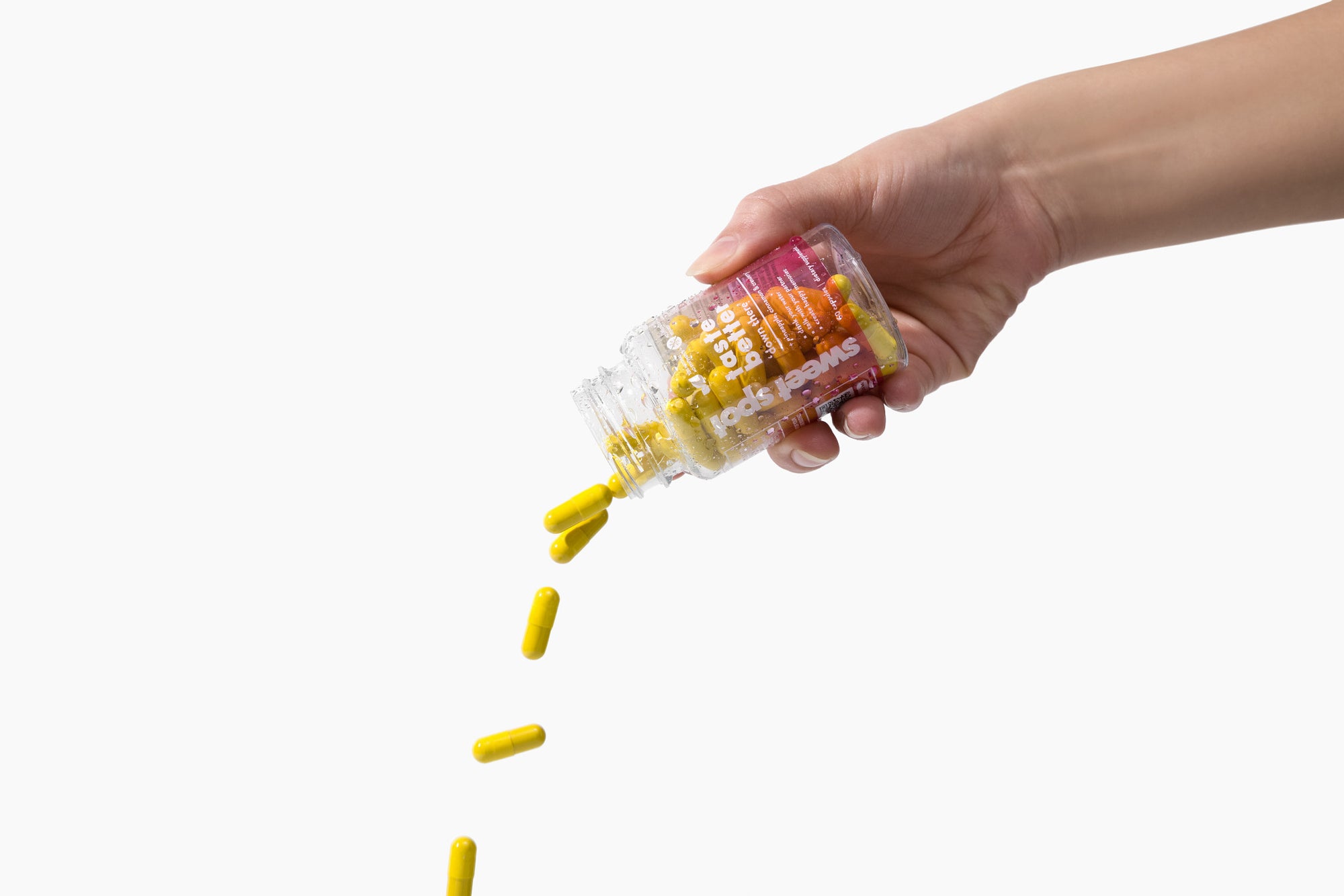
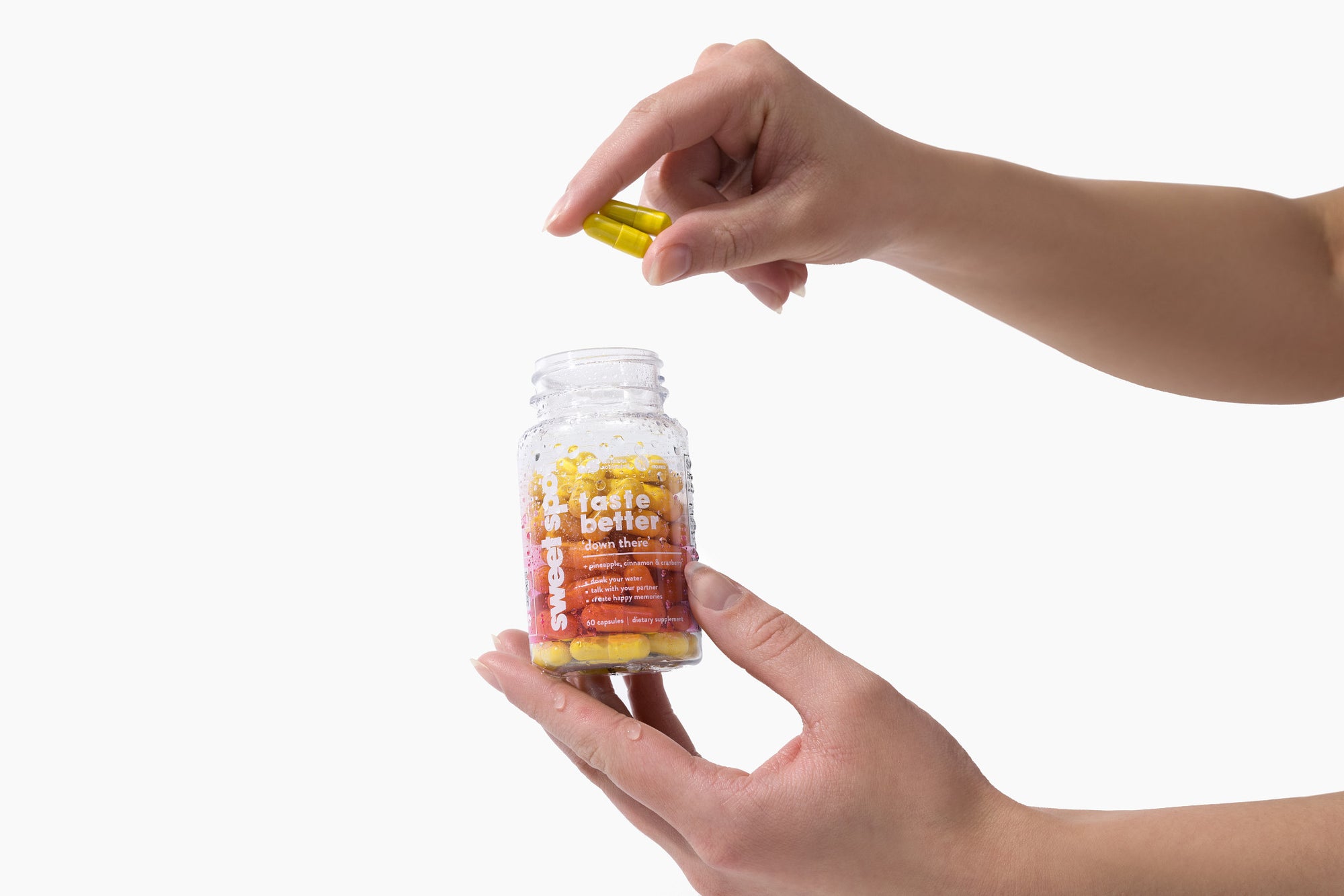
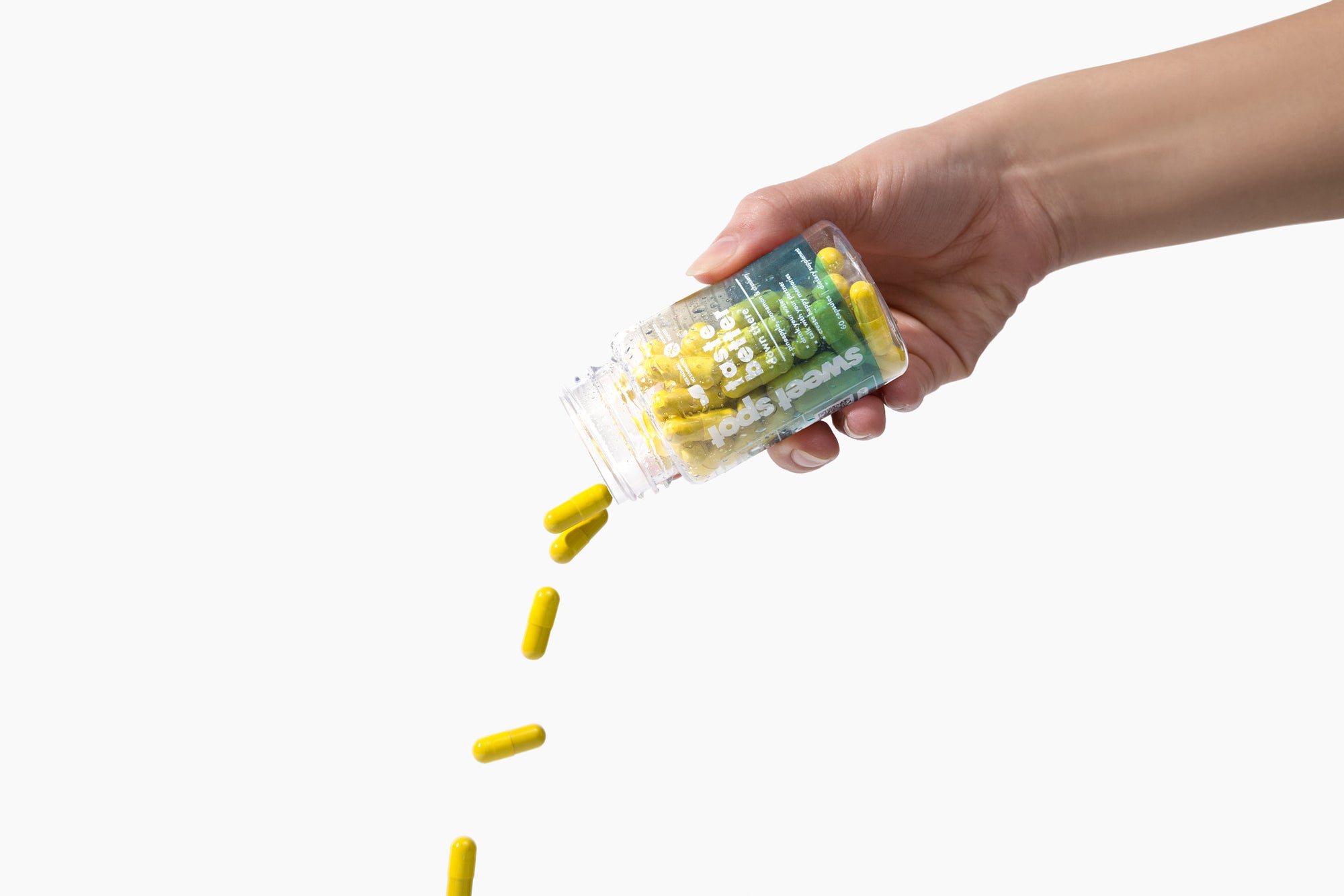
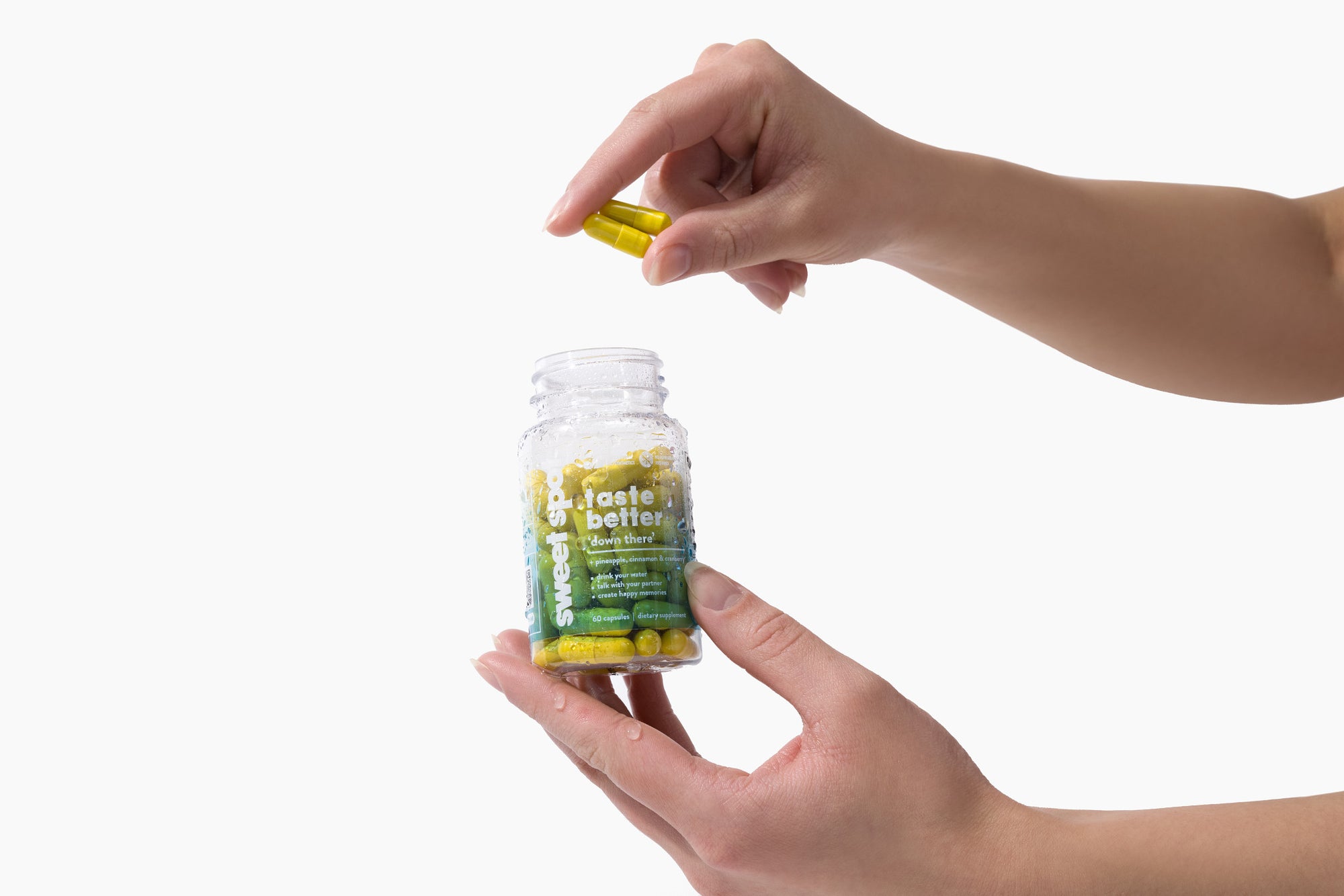
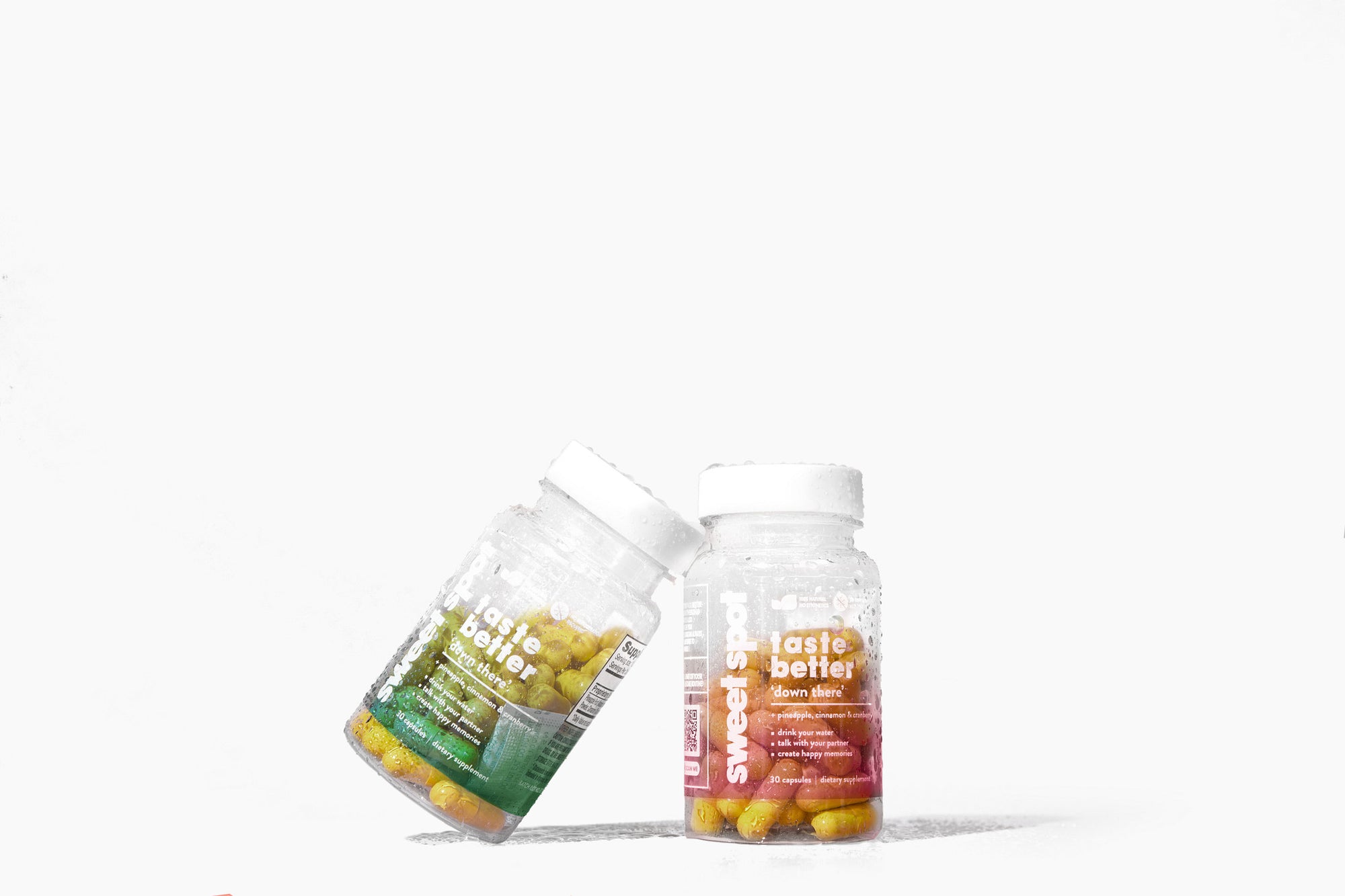
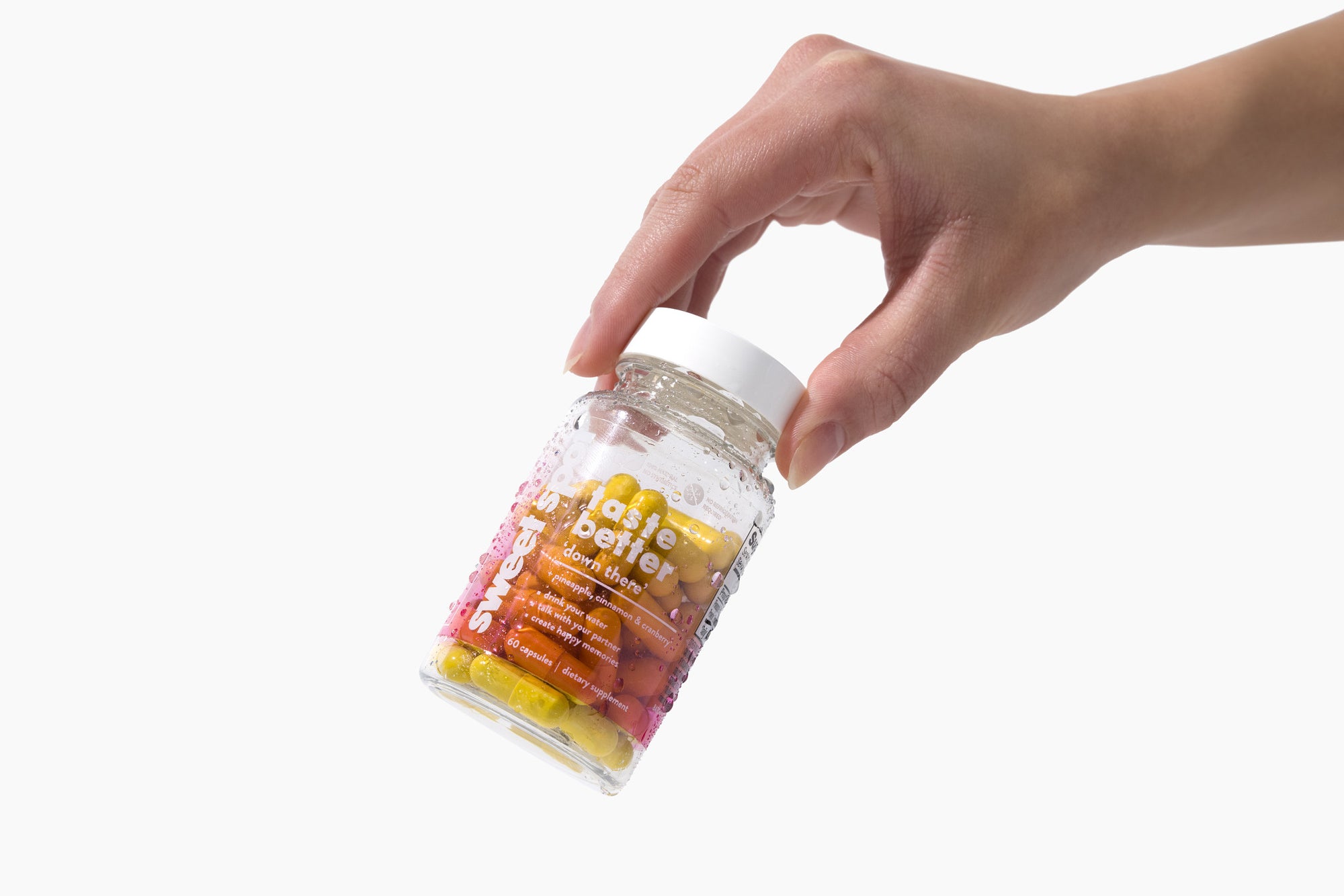
If you want a freshness routine beside real food, Women's Sweet Spot is pineapple extract plus a probiotic blend for intimate pH support and natural freshness. The page says two capsules a day with water, no artificial flavors or fillers, made in the USA. It is not a deodorant, and it is not a treatment for odor that comes from an infection. Capsule pages offer a one-time purchase and automatic monthly delivery. The price, and any cancellation terms, are on that page. This article does not promise a refund or a pause button. You can also shop the full collection.
Frequently Asked Questions
Can vitamins for vaginal odor remove a fishy smell?
No. A fishy smell with thin discharge is a reason for an exam, often to evaluate bacterial vaginosis. Vitamins do not act as deodorant, and they are not a treatment for that pattern. Start with a clinician, not with a higher dose of a multivitamin you already tolerate.
Is a mild usual scent a deficiency?
A stable scent that has always been yours is not a missing vitamin. Bodies are not supposed to smell like nothing, or like fruit. A sudden change is the clue that matters. If nothing else is new and you feel well, you do not need a capsule to correct a normal variation.
Will vitamin C or zinc change odor this week?
There is no good reason to expect either one to change vaginal scent on a schedule. Zinc in high amounts over time can interfere with copper, and this page will not suggest a dose. If odor is the problem, the clinic visit outranks the mineral aisle.
Do probiotics in a vitamin blend fix smell?
A probiotic blend is not a treatment for odor from an infection. Research on microbes and vaginal symptoms is mixed, and a label does not diagnose you. If you want a freshness habit after a clinician has ruled out infection, keep that habit separate from medical care.
Should I stop eating to change scent?
No. Cutting meals, or cutting a whole food group, is not an odor plan. Eat regularly. The exceptions people discuss, such as vitamin D from food being hard to cover, are nutrition questions, not deodorant questions. Infection symptoms still go to a clinician. Do not skip meals to chase a scent.