

vitamins for ph balance: nutrients that do not set the number
People look up vitamins for ph balance after a strip, a new scent, or a week of irritation makes the number feel like a grade. Vaginal pH in the reproductive years is usually acidic. The lining and the microbes that live on it do most of that work. A nutrient can support immunity or tissue and still have no power to set the reading. This page walks through vitamin D, vitamin C, vitamin E, the B vitamins, and zinc, and it stays honest about what the studies do not show.
Quick Answer
Quick Answer: vitamins for ph balance usually names vitamin D, vitamin C, vitamin E, B vitamins, and zinc. Vitamin D has an observational link with bacterial vaginosis, which is an association, not a treatment. Food covers more of this list than a capsule does. None of these nutrients resets a pH strip. A home strip is a rough snapshot, not a diagnosis you can supplement away. Care for infection is separate.
1. pH is a reading, not a nutrient grade
Healthy vaginal pH in the reproductive years is often described as acidic, commonly somewhere near the high threes to the mid fours. A home strip is only a snapshot, and it moves after sex, during a period, or when an infection is present. Lactobacilli and the lining itself do most of the work of keeping that environment acidic. Last month's multivitamin is rarely the reason the number changed. Chasing the strip with a brand new bottle skips the question a clinician asks first, which is whether this is a normal shift or a medical pattern that needs an exam.
2. Vitamin D is an association, not a switch
Vitamin D receptors sit in reproductive tissue, which is why this nutrient keeps appearing beside vaginal research. Several observational studies find lower vitamin D more often among people who also have bacterial vaginosis. That pattern is a clue for researchers. It does not prove that raising the blood level changes the infection, and it does not prove that a normal level locks pH in place. If you and your clinician suspect you are low, the useful step is a blood test, not a high dose chosen from a forum. This page will not give you a number of units to take.
3. Vitamin C tablets in a clinic are not a home plan
Vitamin C supports collagen and immune cells when you swallow it or eat it. A separate body of clinic research has looked at vitamin C tablets used vaginally under supervision, sometimes after bacterial vaginosis care. Those trials are not permission to build a home protocol. An oral tablet is made to be swallowed. Do not place one in the vagina because a headline mentioned the clinic version. Food sources such as peppers, citrus, strawberries, and broccoli cover ordinary needs for most people who eat them often. Urinary studies on vitamin C are a different, weaker story, and they are not a reason to delay care for a urinary infection.
4. Vitamin E and the B vitamins stay in the background
Vitamin E is an antioxidant you can get from nuts, seeds, spinach, and avocado. People raise it when dryness shows up later in life. Oral evidence for that specific comfort question is limited, and dryness in menopause is often a lower estrogen story that belongs with a clinician. Vitamin E is not a treatment for that hormone shift. B6, folate, and B12 help cells do ordinary work, including the work of building red blood cells. Hormonal birth control can lower some B vitamins, which is a fair question for a visit. None of that turns a B complex into a pH switch you flip on a schedule.
5. Zinc needs a ceiling
Zinc supports immune function and tissue repair, so intimate marketing borrows it. The lining is tissue, and tissue needs minerals you are actually short on. It does not need an open ended pile of extra zinc. Over a long stretch, high zinc intake can interfere with copper absorption. Oysters, beef, pumpkin seeds, and lentils already carry zinc for people who eat them. If you use a zinc supplement, stay with a standard product unless a clinician has a reason to do otherwise. This page will not name a numeric target, because more is not a smarter pH plan.
6. Food before another pH capsule
Fatty fish and egg yolks. Salmon, sardines, and egg yolks carry some vitamin D, though food alone rarely covers what a blood test would ask you to correct if the level is truly low.
Peppers, citrus, and berries. These are ordinary vitamin C foods, and they support the person who has the tissue rather than acidifying the vagina the way a strip seems to promise.
Nuts, seeds, and avocado. Vitamin E lives in these foods, and the fat in the same meal helps you absorb vitamins that need fat in order to travel well.
Beans, greens, and yogurt. Folate shows up in beans and greens, and yogurt is a food with live cultures, not a prescription and not a pH treatment you can swap for an exam.
7. How to choose without fooling yourself
If you supplement, pick a label you can read, an amount near ordinary daily needs, and a third party test that speaks to quality rather than to a medical claim. Skip blends that sprinkle token amounts of forty nutrients and call the result pH support. Get vitamin D checked before you take it heavily. Do not buy a freshness capsule and expect a multivitamin. Those are different objects, and neither one sets a strip. Trust the panel, not the slogan.
8. Pairings that are actually practical
Take vitamins D and E with a meal that contains some fat, because that is how those vitamins are absorbed. Vitamin C beside an iron rich meal can help iron absorption if iron is the thing you are truly low on. Zinc and copper compete, so a long zinc habit belongs in a conversation that includes copper, not in a second zinc bottle. One plain product you actually take beats a shelf of overlapping formulas you forget.
9. When to Talk to Your Doctor
Fishy odor with thin discharge, itching, burning, pelvic pain, fever, bleeding, or pain when you pee means see a clinician. Pregnancy is a reason to start nothing new unless your obstetric clinician agrees. The same pause applies while you are breastfeeding or taking a prescription. This page is educational. It is not medical advice, and a vitamin is not a diagnosis you can swallow. Bring the products you already use.
The number is not a vitamin grade
Vitamins D, C, E, the B vitamins, and zinc can sit in the background of tissue and immune health. They do not set vaginal pH. Eat food first, test vitamin D when there is a reason, and let a clinician handle symptoms that look like an infection.
Keep reading on JuicyVibes: vitamins for vaginal health, vaginal pH balance guide.
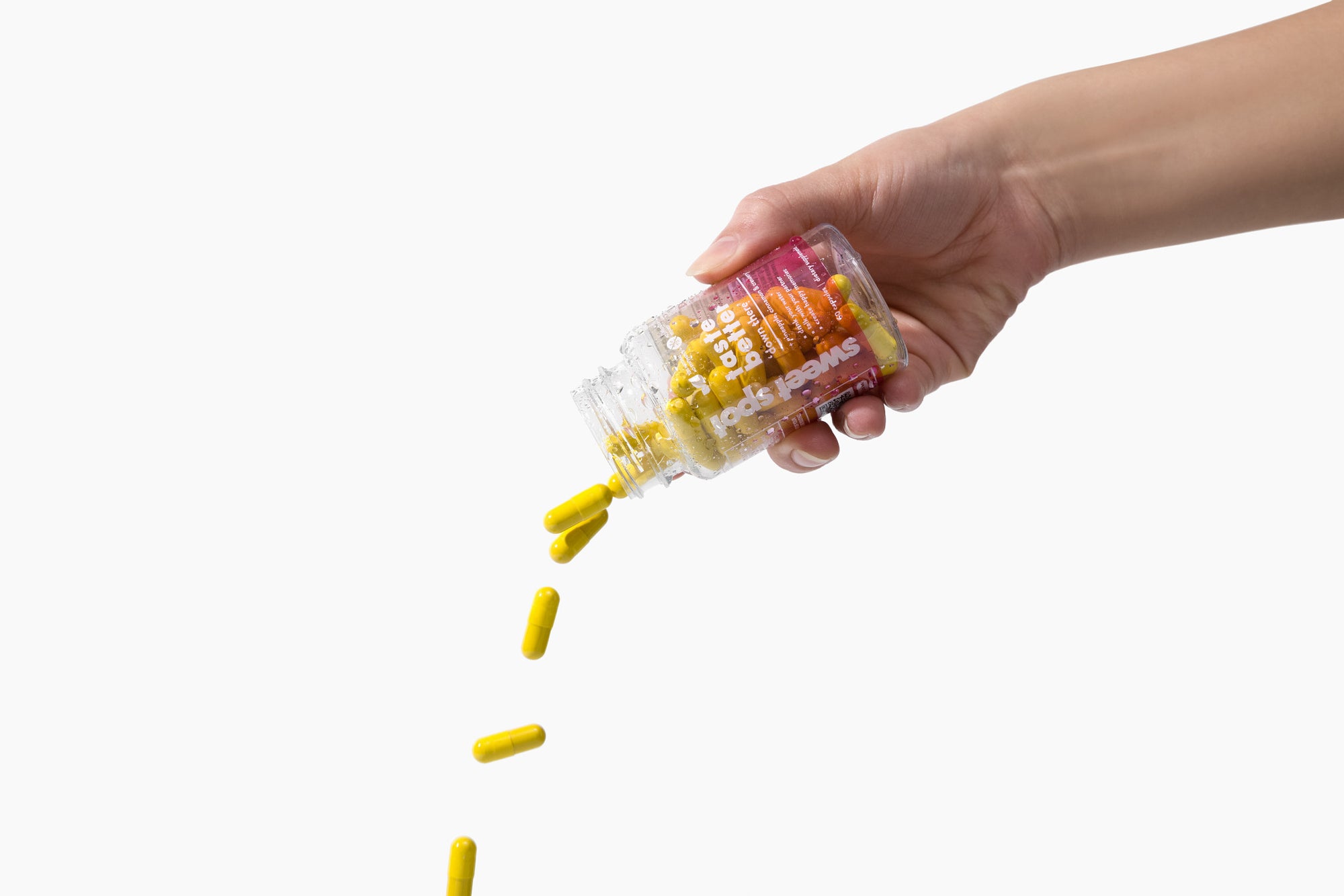
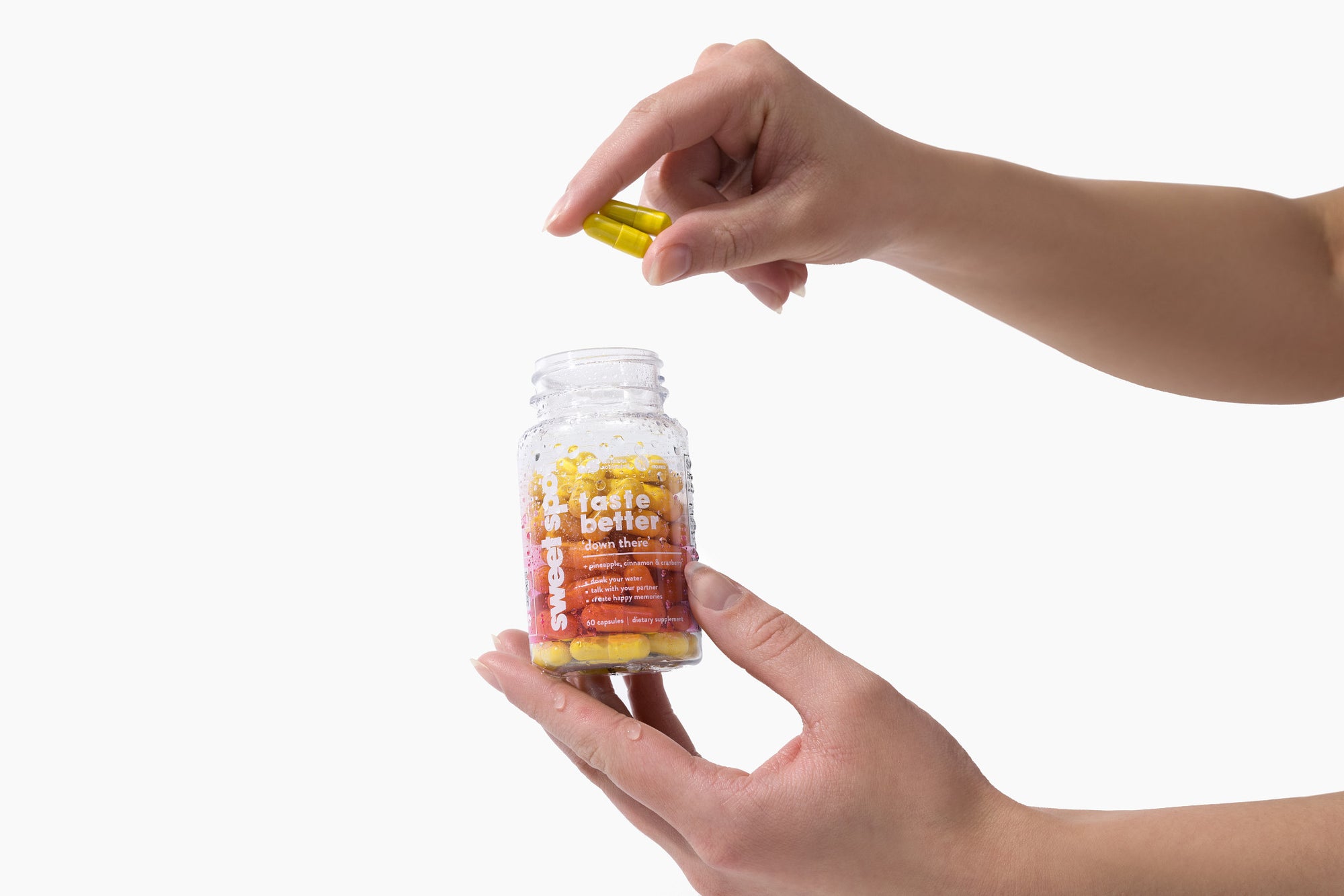
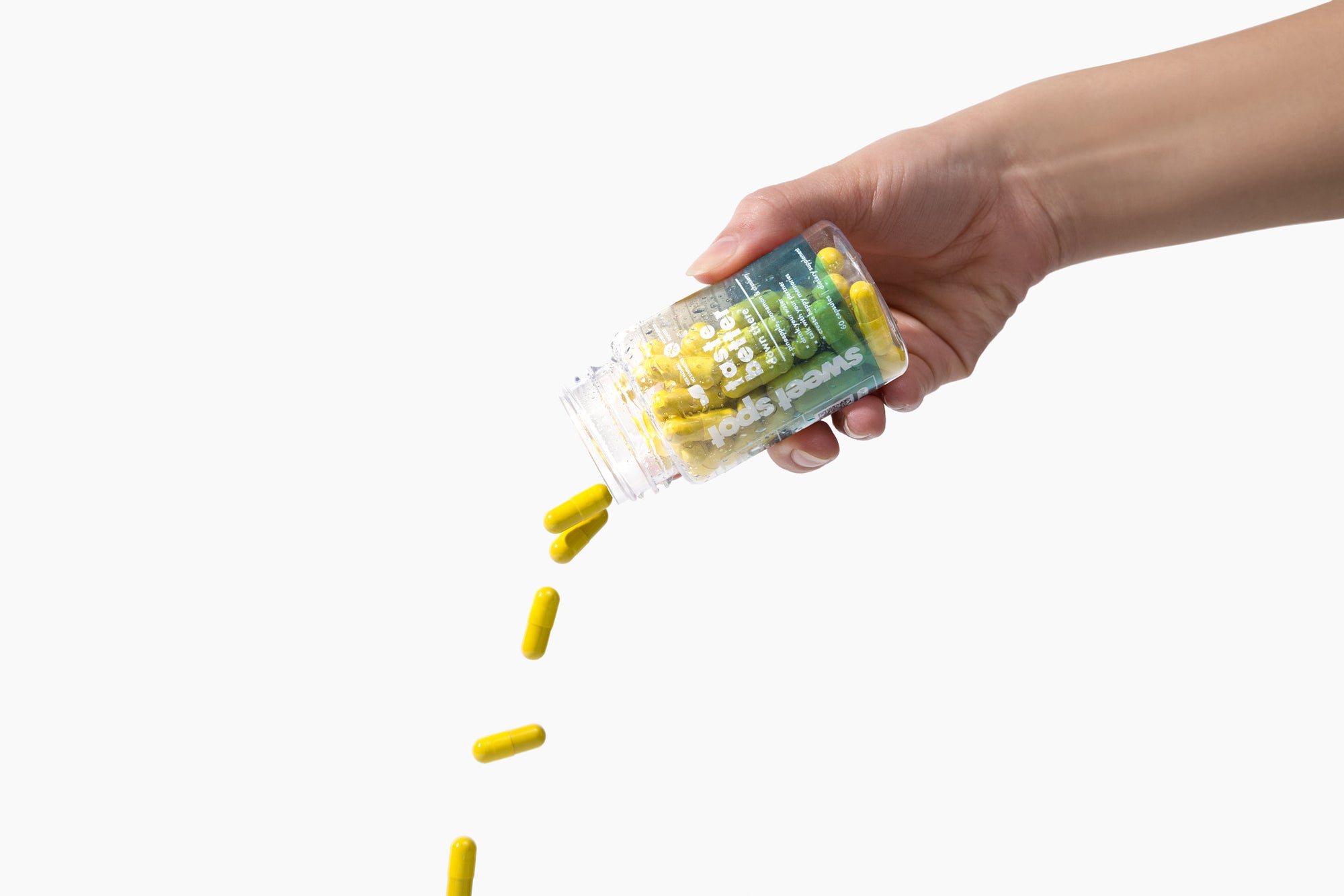
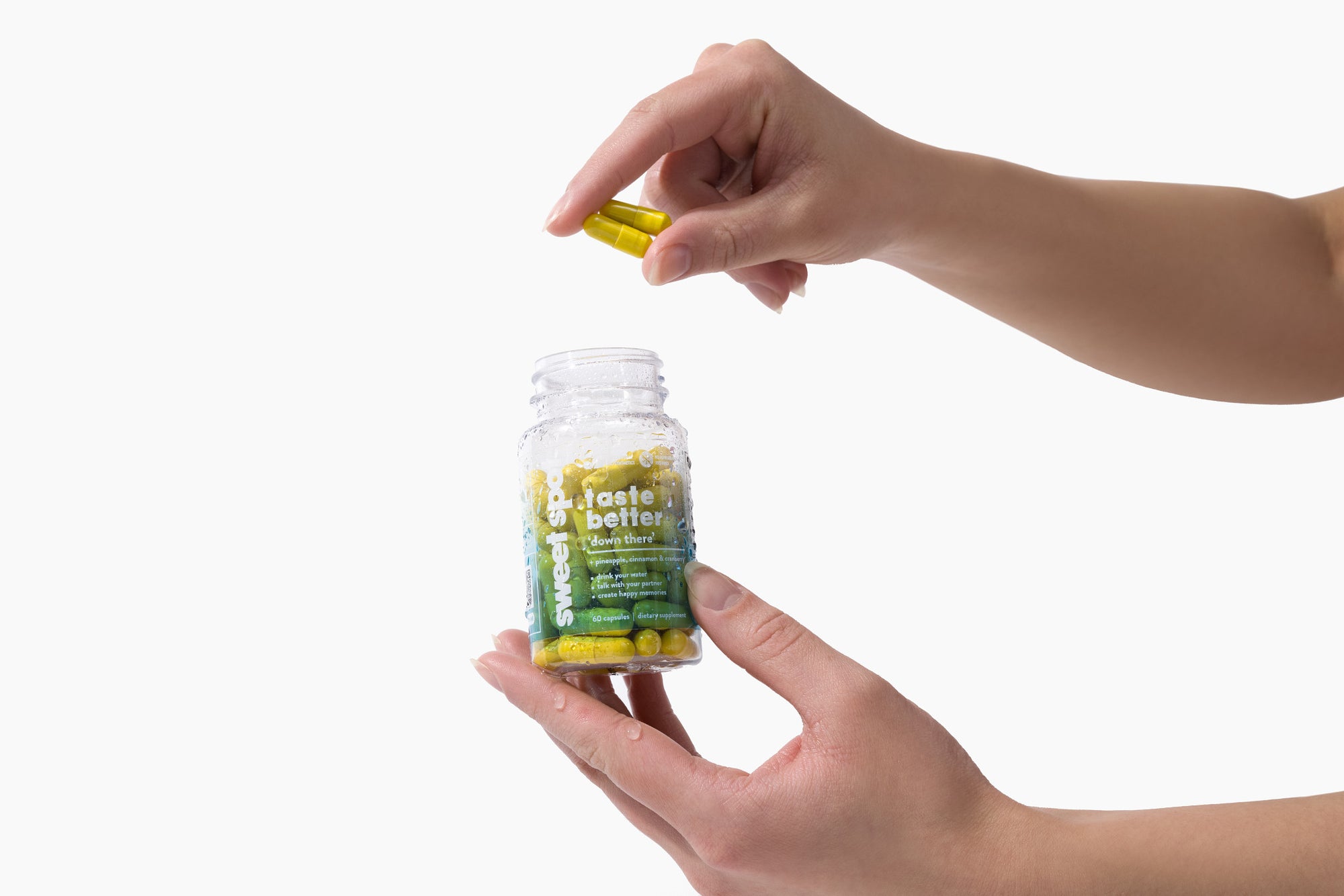
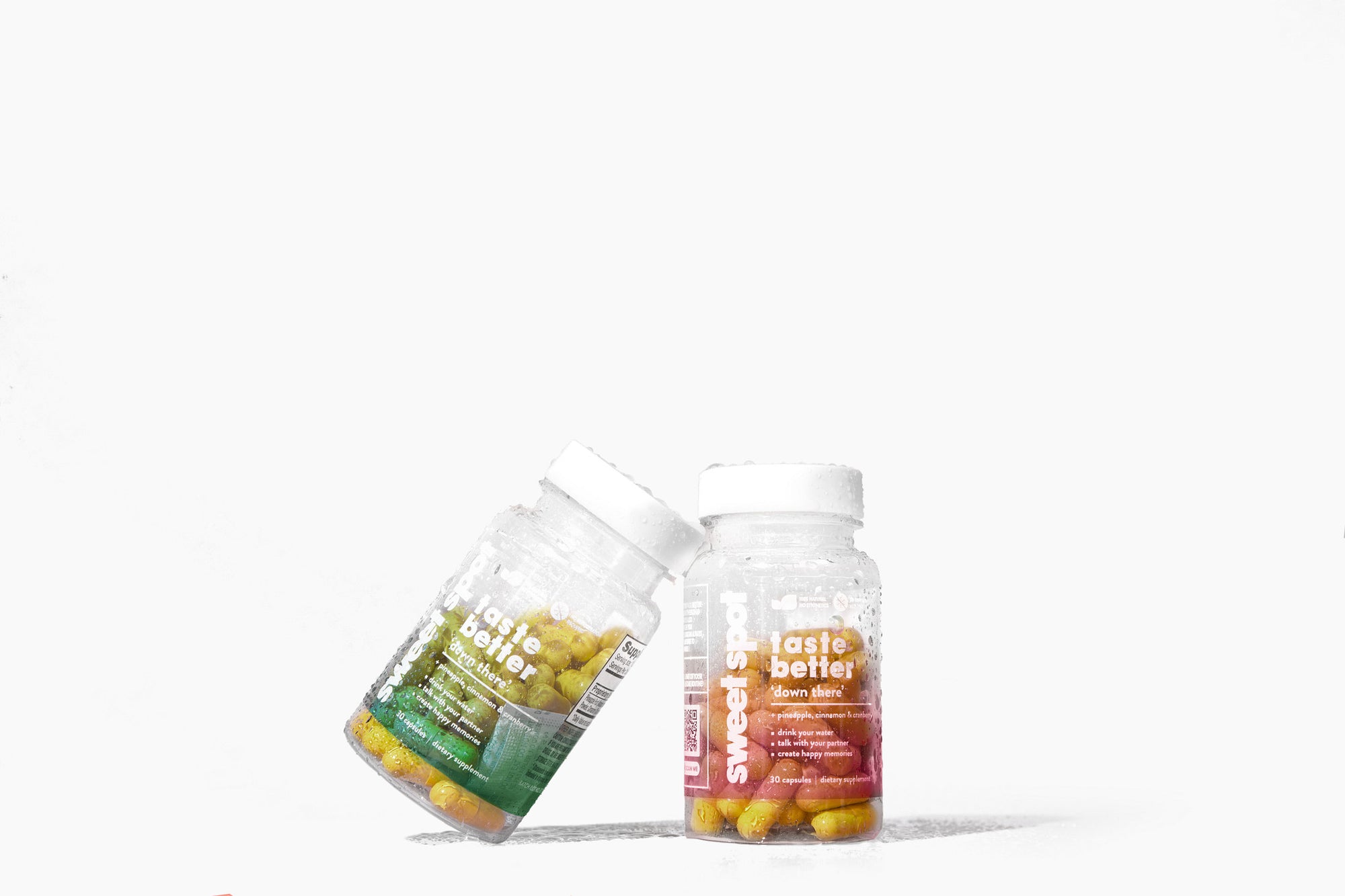
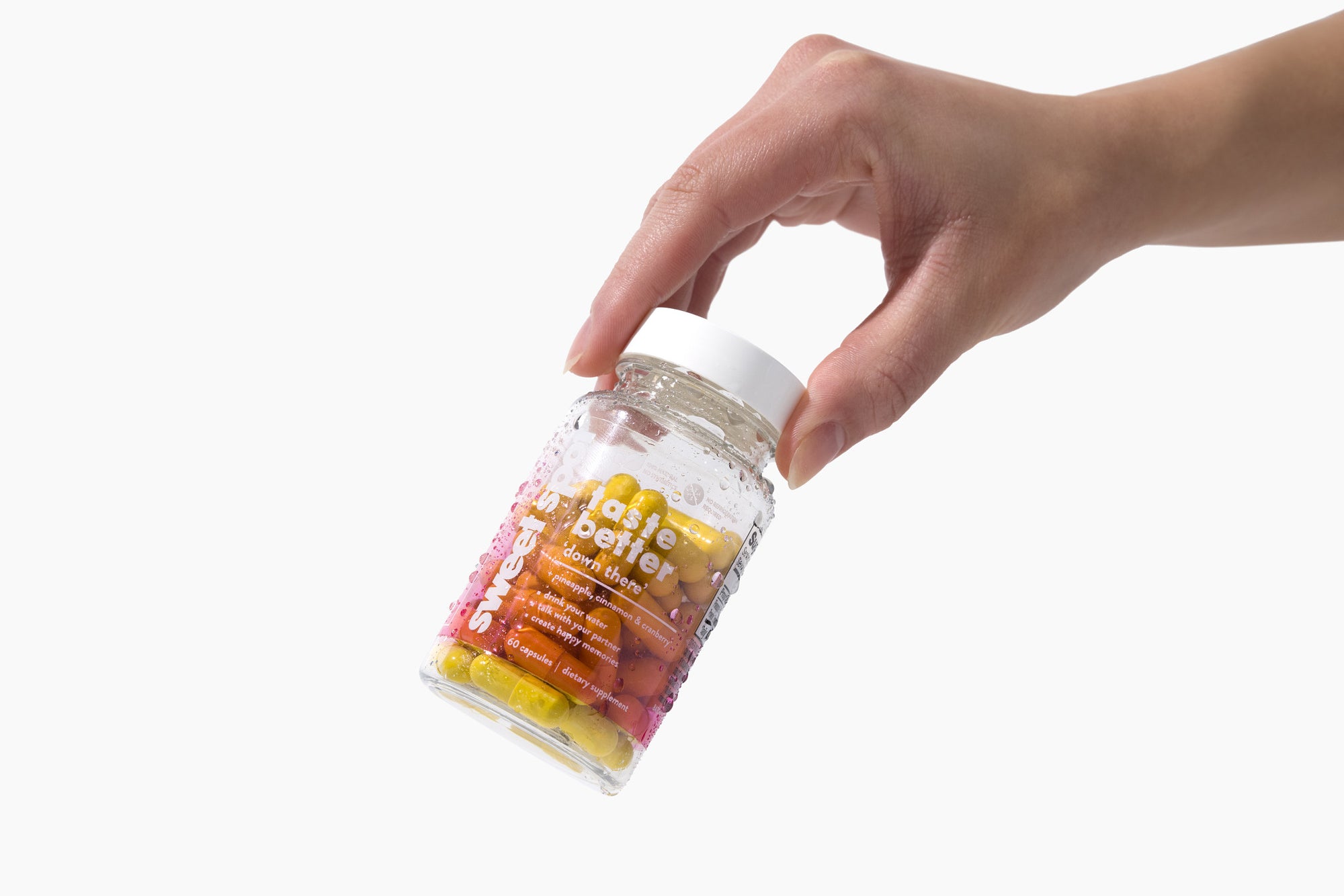
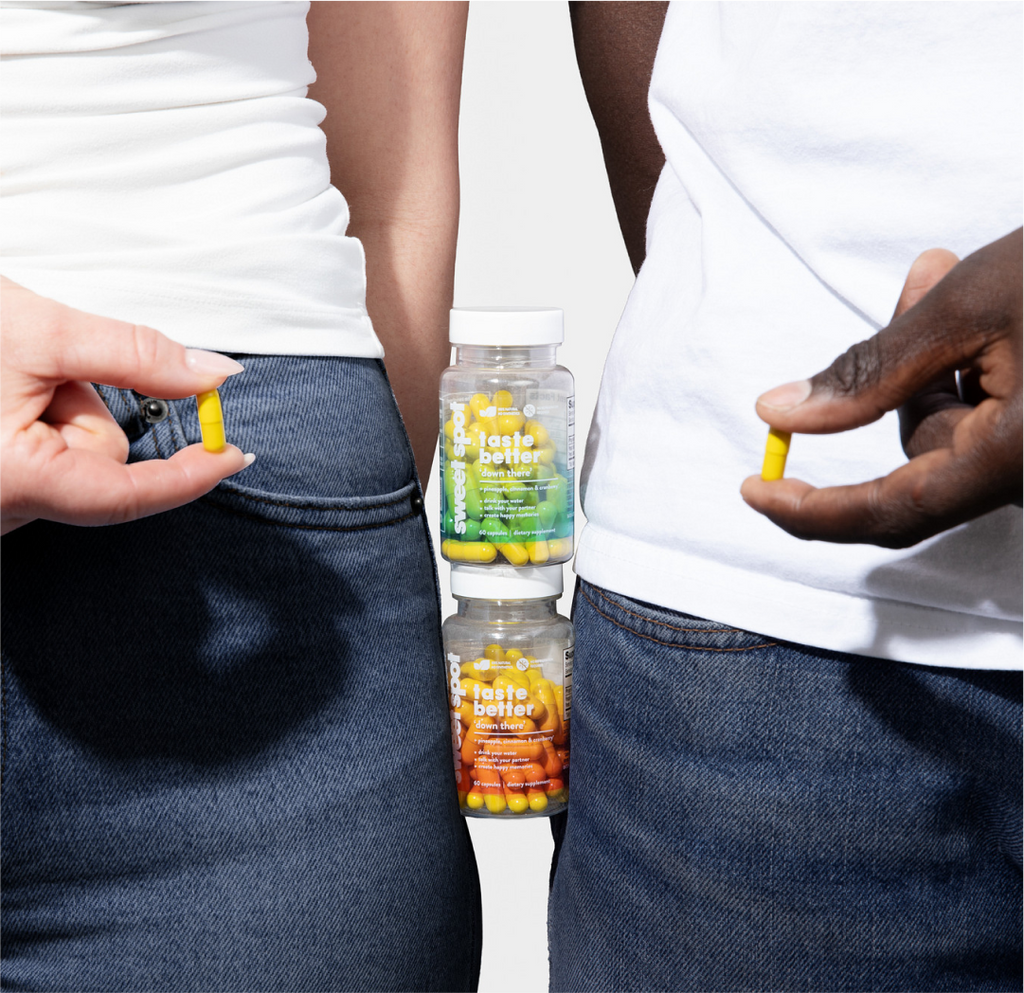
If you want a freshness routine beside real food, Women's Sweet Spot is pineapple extract plus a probiotic blend for intimate pH support and natural freshness. The page says two capsules a day with water, no artificial flavors or fillers, made in the USA. It is not a vitamin pill, and it is not a treatment for a pH reading or an infection. Capsule pages offer a one-time purchase and automatic monthly delivery. The price, and any cancellation terms, are on that page. This article does not promise a refund or a pause button. You can also shop the full collection.
Frequently Asked Questions
Do vitamins for ph balance reset a strip?
No. These nutrients may support general tissue and immune health when you are truly low. They do not move a pH strip on demand. They are not a treatment for the infections that change pH. If the strip worries you because of odor or discharge, the strip is the smaller question.
Is the vitamin D and BV link a treatment path?
Studies have found low vitamin D alongside bacterial vaginosis more often than chance. That is an association. It is not proof that a pill changes the infection, and correcting a low level is not a treatment for bacterial vaginosis. A blood test is the honest first step if deficiency is the real question.
Are vaginal vitamin C tablets a home protocol?
No. Some clinic research has used vaginal vitamin C under supervision. That is not a plan to copy at home, and an oral tablet does not belong in the vagina. Swallow vitamin C, or eat it, and take infection symptoms to a clinician instead of improvising.
Can birth control change which vitamins I need?
Hormonal birth control can lower certain B vitamins in some people. Ask your clinician whether food is enough or whether a lab check is useful. Do not stack extra B bottles on a guess, and do not expect a B complex to hold vaginal pH at a number you saw online.
Does zinc balance vaginal pH?
Zinc supports immune work and tissue repair. It does not set vaginal pH, and long term high intake can interfere with copper. Food sources cover many people. If you supplement, avoid turning one mineral into a megadose project without a clinician, and do not expect odor to vanish because the label says immune.