

vitamin C vaginal health: the fruit, the pill, and the clinic tablet
vitamin C vaginal health gets searched as if one nutrient could tidy tissue, scent, and urinary comfort at the same time. Swallowing vitamin C, or eating it, supports collagen and ordinary immune work. A separate clinic literature has looked at vitamin C tablets used vaginally under supervision. That literature is not a home protocol, and an oral tablet is the wrong object for it. Urinary studies are weaker still. None of this is a treatment for an active infection.
Quick Answer
Quick Answer: vitamin C vaginal health splits into food, an oral supplement, and a clinic tablet you should not copy. Peppers, citrus, strawberries, and broccoli cover typical needs for many eaters. Evidence that vitamin C changes urinary infection risk is weak. An active urinary infection needs a clinician, not a higher capsule. Vaginal symptoms need the same kind of exam. The vitamin is not a treatment, and it does not belong in a homemade routine.
1. What an oral dose is actually doing
When you swallow vitamin C, you are feeding a water soluble nutrient that immune cells and collagen building use. The body keeps a limited pool and lets extra amounts leave in urine, which is why giant oral doses mostly make expensive urine rather than a new vaginal environment. That urinary spillover is sometimes marketed as a way to change the bladder. The marketing is ahead of the evidence. Oral vitamin C also does not reset vaginal pH, because pH there is largely the work of the lining and the microbes that live on it. If your meals already include produce, a second capsule is optional, not a tissue strategy you escalate when something feels wrong.
2. Clinic tablets are a different object
A few supervised studies have used vitamin C tablets placed in the vagina, sometimes around bacterial vaginosis care. Those products, when they exist in a study, are not the chewable or the capsule in your kitchen. The dose, the base, and the follow up belong to the clinic. This page will not turn that research into steps. Do not place an oral tablet, a powdered drink, or a vitamin C food in the vagina. Tissue can burn, and you still will not have a diagnosis. If a clinician ever discusses a vaginal preparation, that conversation includes whether it fits your exam, not whether a blog sounded similar.
3. The plate already has a simple version
Red and green peppers, oranges, kiwi, strawberries, and broccoli are ordinary, repeatable sources. A pepper can outpace an orange, which surprises people who only remember the breakfast glass. You do not need to hit a perfect number every day. A pattern of produce across the week is the practical version of enough for most adults who are not dealing with absorption problems. Vitamin C from food comes with fiber and water. That package is not a treatment for bacterial vaginosis, yeast, or a urinary infection. It is lunch. Keep it in that role even when a label wants to promote it to feminine care.
4. Urinary research is a side door, and a weak one
Some older studies asked whether vitamin C supplements changed how often urinary infections returned. Results disagree, doses differ, and many trials are small. A plausible story, that acidified urine discourages bacteria, is not the same as a result you can count on. Even if a future review looked kinder, an infection that is happening now would still need care. Burning when you pee, urgency, blood in the urine, fever, or pain in the side are not a cue to double a vitamin while you watch. Drink water if you are thirsty. Call a clinician if the symptoms are here. Do not build a three day experiment and call it caution.
5. Vaginal symptoms are not a vitamin C errand
Itching, a new discharge, or a fishy smell will not be sorted by ascorbic acid. Yeast and bacterial vaginosis ask for an exam because they can look alike at home and they are not a treatment target for produce. Vitamin C will not calm menopausal dryness, which is more often a lower estrogen question. It will not undo antibiotics. If you are pregnant, do not add a new vitamin C supplement unless your obstetric clinician agrees, including powders that look like drinks. A prenatal may already contain some. Stacking another product because of vaginal discomfort is the wrong bridge between two unrelated problems.
6. Produce that covers ordinary vitamin C
Peppers before citrus. A red or green pepper can carry more vitamin C than people expect from fruit, and it still feeds you rather than treating vaginal tissue or a urinary infection.
Citrus you already like. Oranges, grapefruit, and kiwi count as food, not as a protocol, and they do not replace an exam when burning or a new discharge shows up.
Strawberries and similar berries. Berries add vitamin C with fiber and water, which is a pleasant way to eat the nutrient without pretending the bowl is medical care this week.
Broccoli and other brassicas. Cooked or raw, broccoli contributes vitamin C in a savory meal, and it remains lunch even if a label wants to rename it feminine support.
7. Choosing oral vitamin C without a story
If you supplement, pick a plain product with an amount near a typical daily label, not a fizzy stick promising urinary armor. Skip blends that hide the amount inside a proprietary mix of twenty names. Vitamin C is not a reason to buy a vaginal freshness capsule, and a freshness capsule is not vitamin C. One product with a readable panel beats a stack you cannot explain to a clinician at the visit. That is enough.
8. What vitamin C can sit beside
Pair produce with meals you already cook, not with a symptom you are afraid to mention. If iron is low and your clinician suggested iron, vitamin C at the same meal can help that absorption. That pairing is about iron, not about vaginal pH. Do not pair a burning bladder with a waiting period and a new powder. Do not pair pregnancy with an extra supplement unless the obstetric clinician has already agreed to the specific product.
9. When to Talk to Your Doctor
Burning when you pee, urgency, fever, side pain, blood in urine, fishy odor with thin discharge, itching, pelvic pain, or bleeding that is not a period means see a clinician. Pregnancy is not the time to add vitamin C on your own. Your obstetric clinician has to agree first. This page is education, not a diagnosis, and vitamin C is not a treatment for the infection those symptoms can mark.
Keep the vitamin in the kitchen
Eat vitamin C foods for ordinary nutrition. Do not copy clinic vaginal tablets at home, and do not expect oral vitamin C to manage a urinary or vaginal infection. Active symptoms belong with a clinician, not with a higher capsule. Ask before a new one in pregnancy.
Keep reading on JuicyVibes: bacterial vaginosis versus yeast, vitamins for vaginal health.
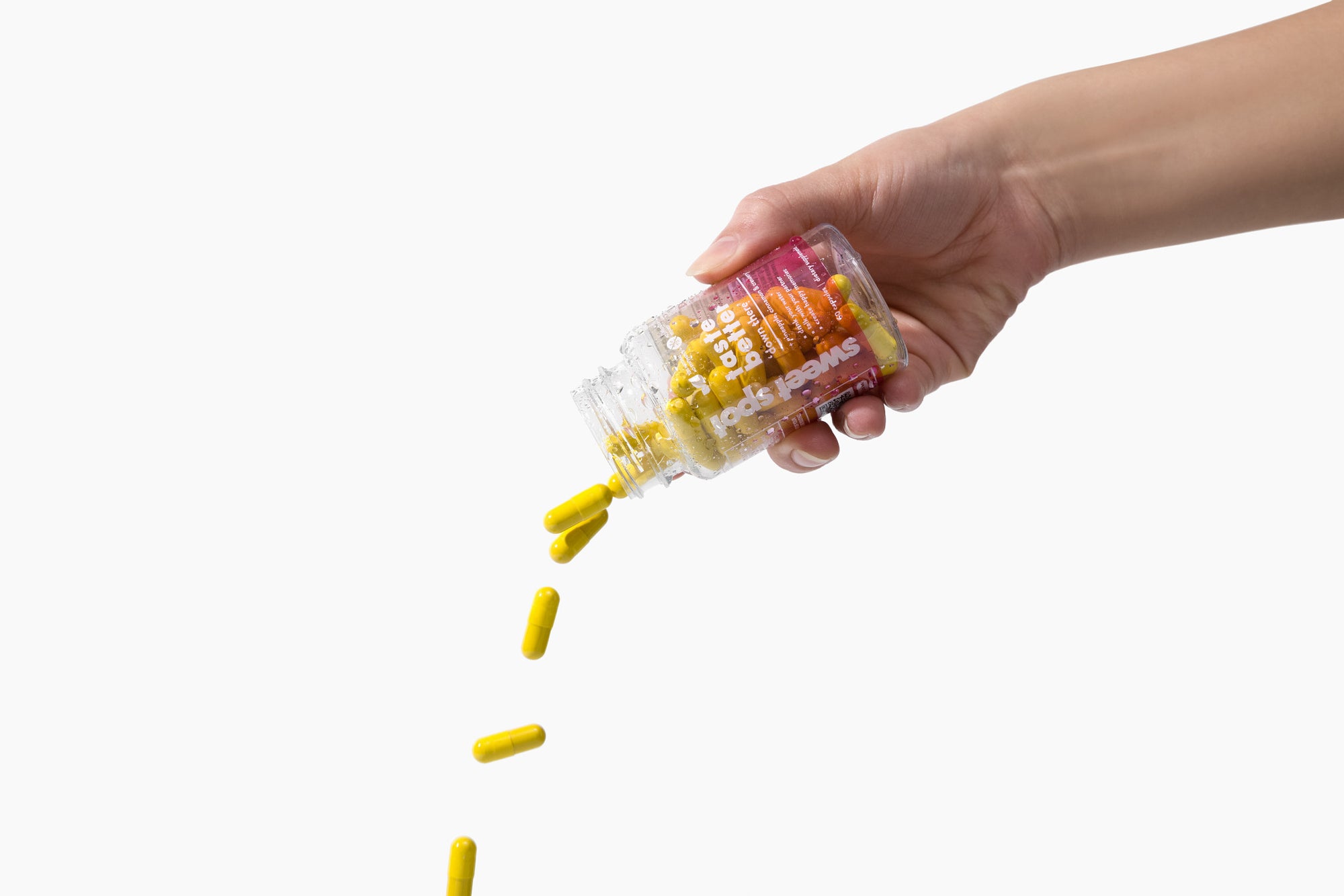
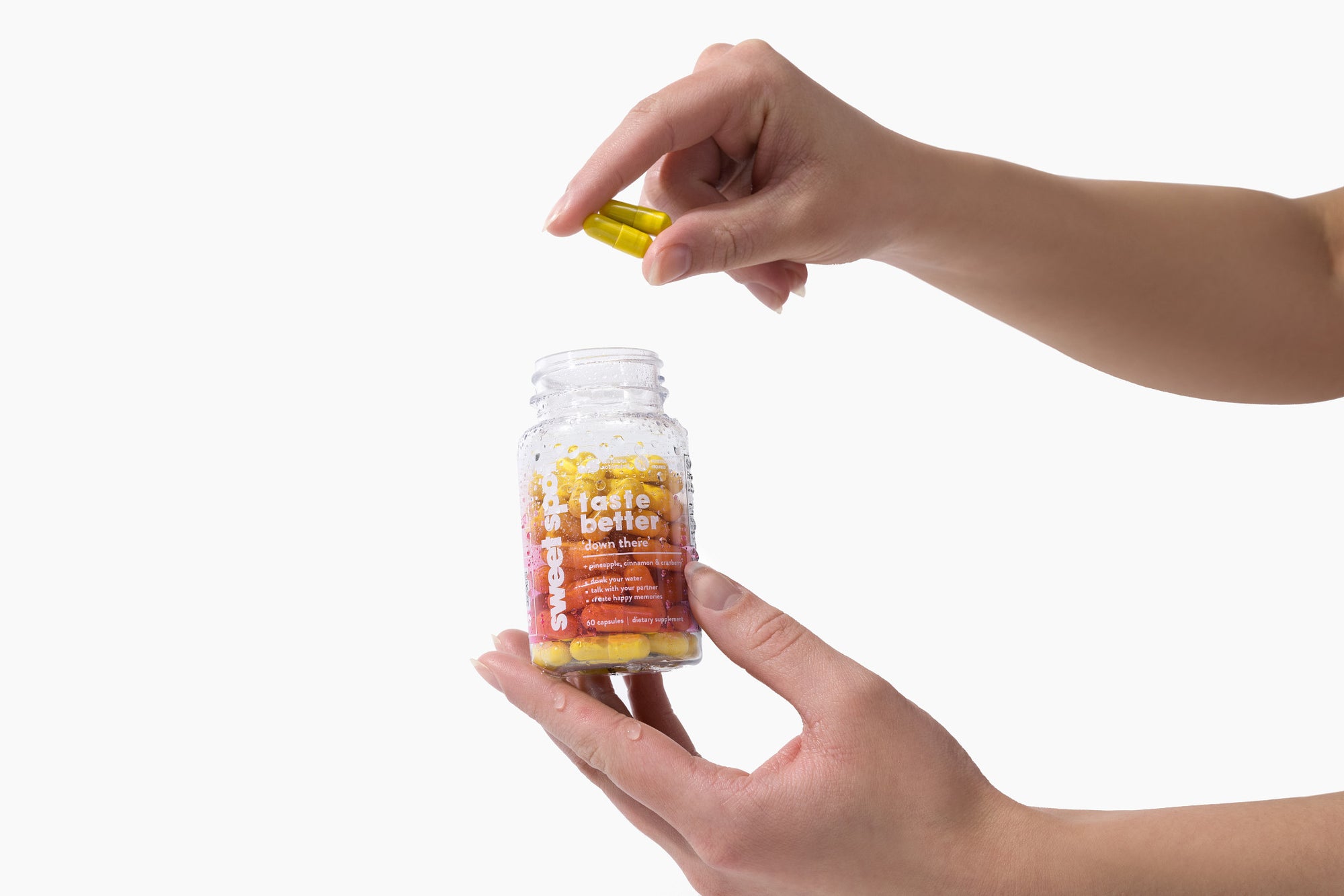
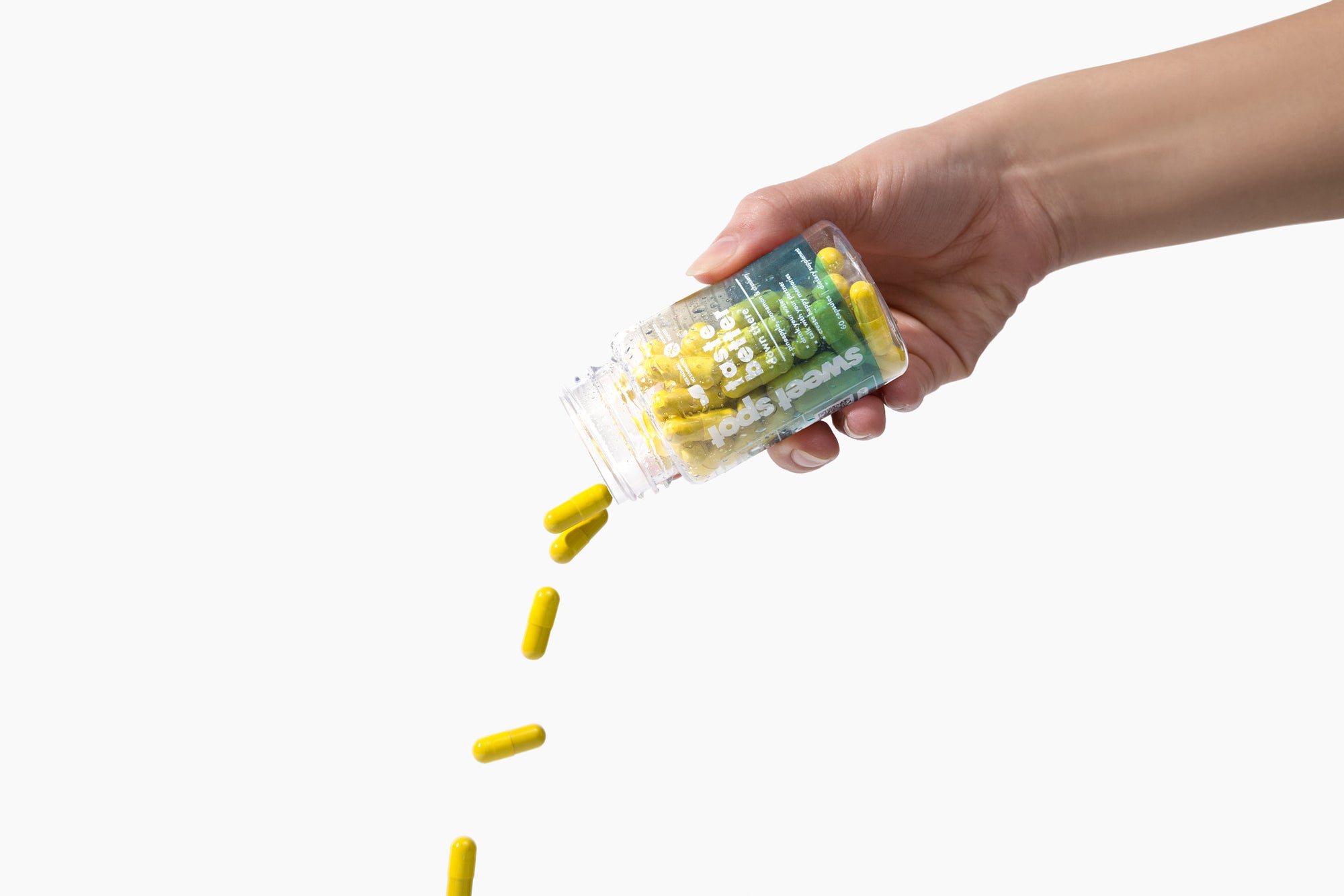
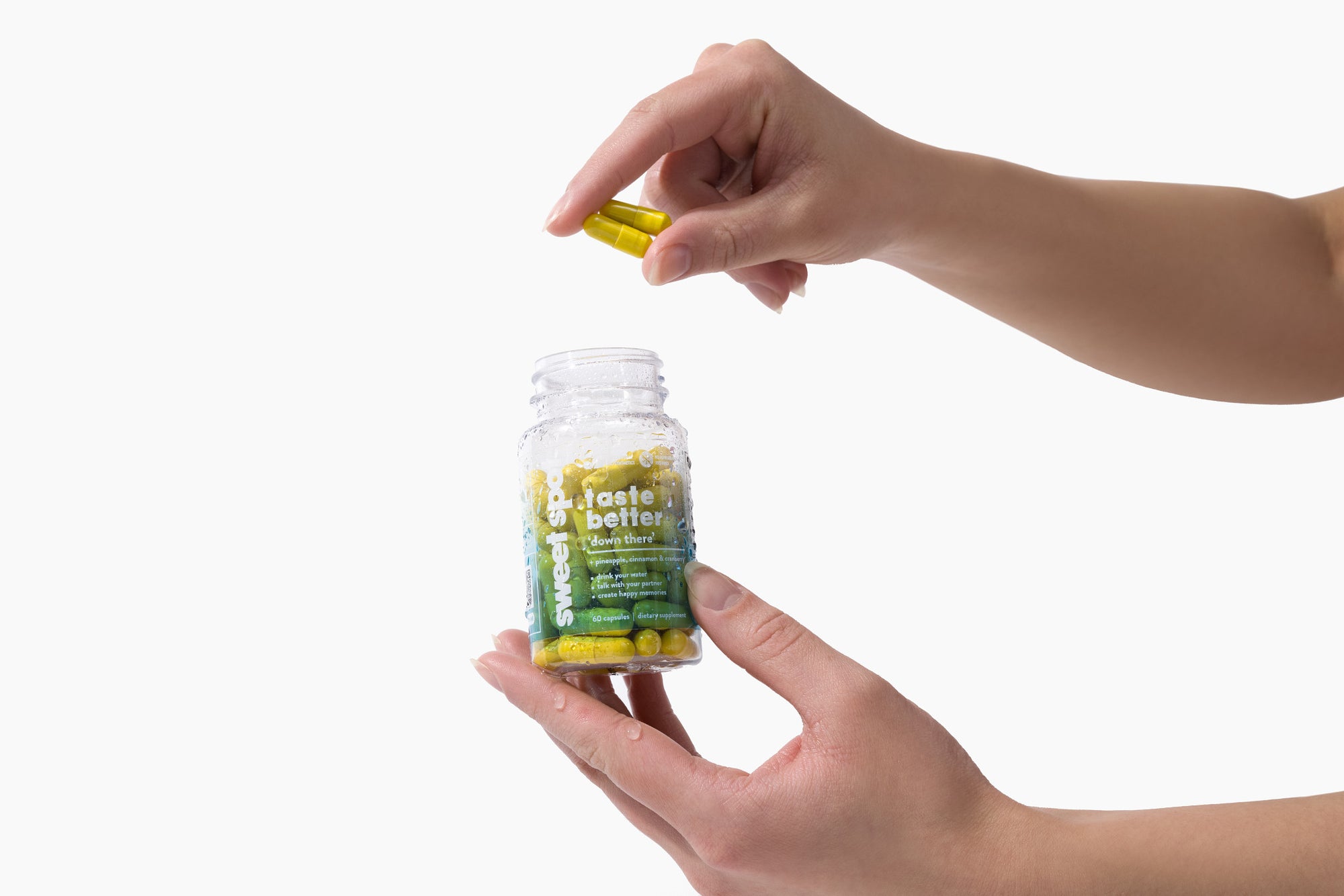
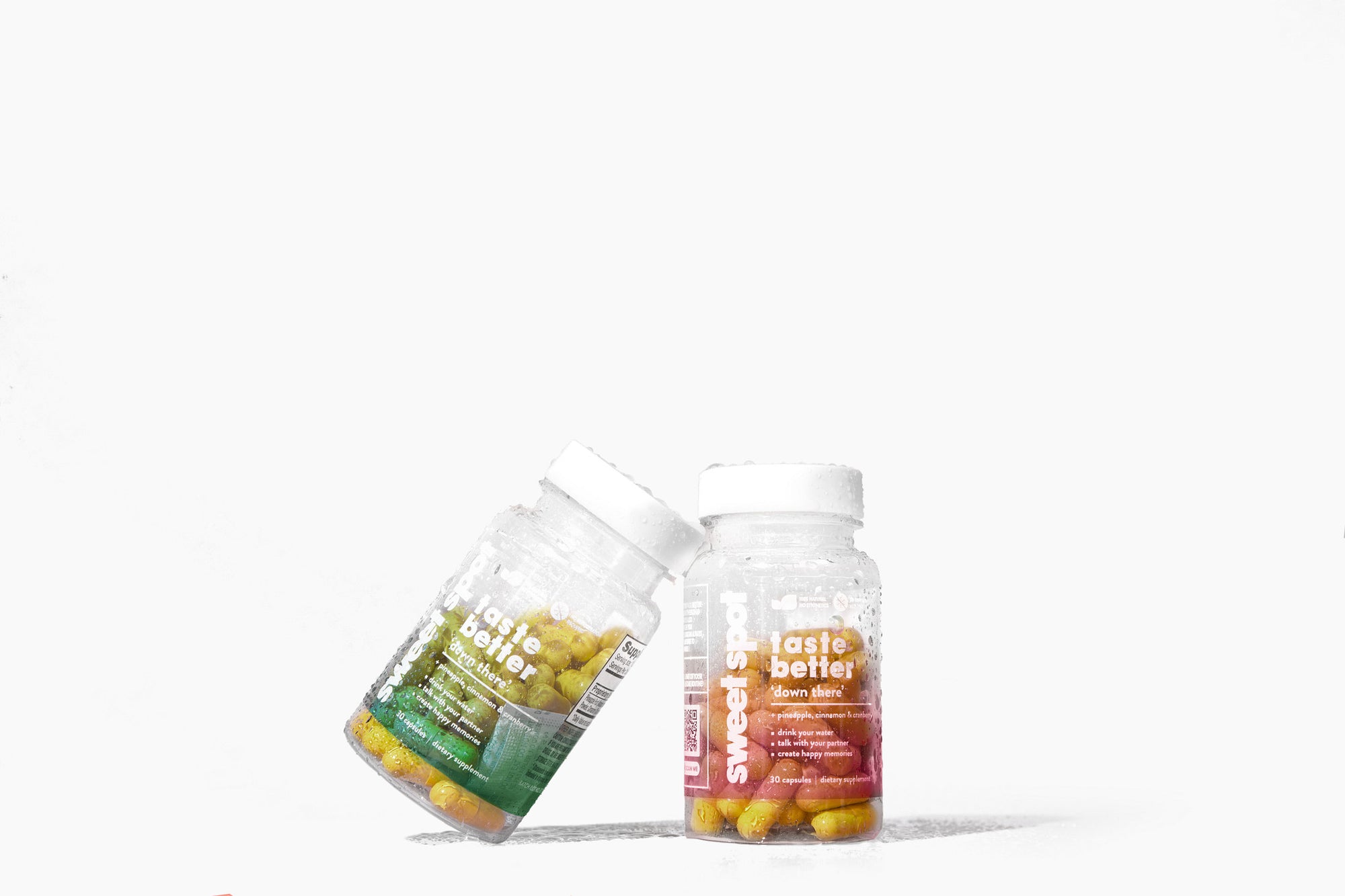
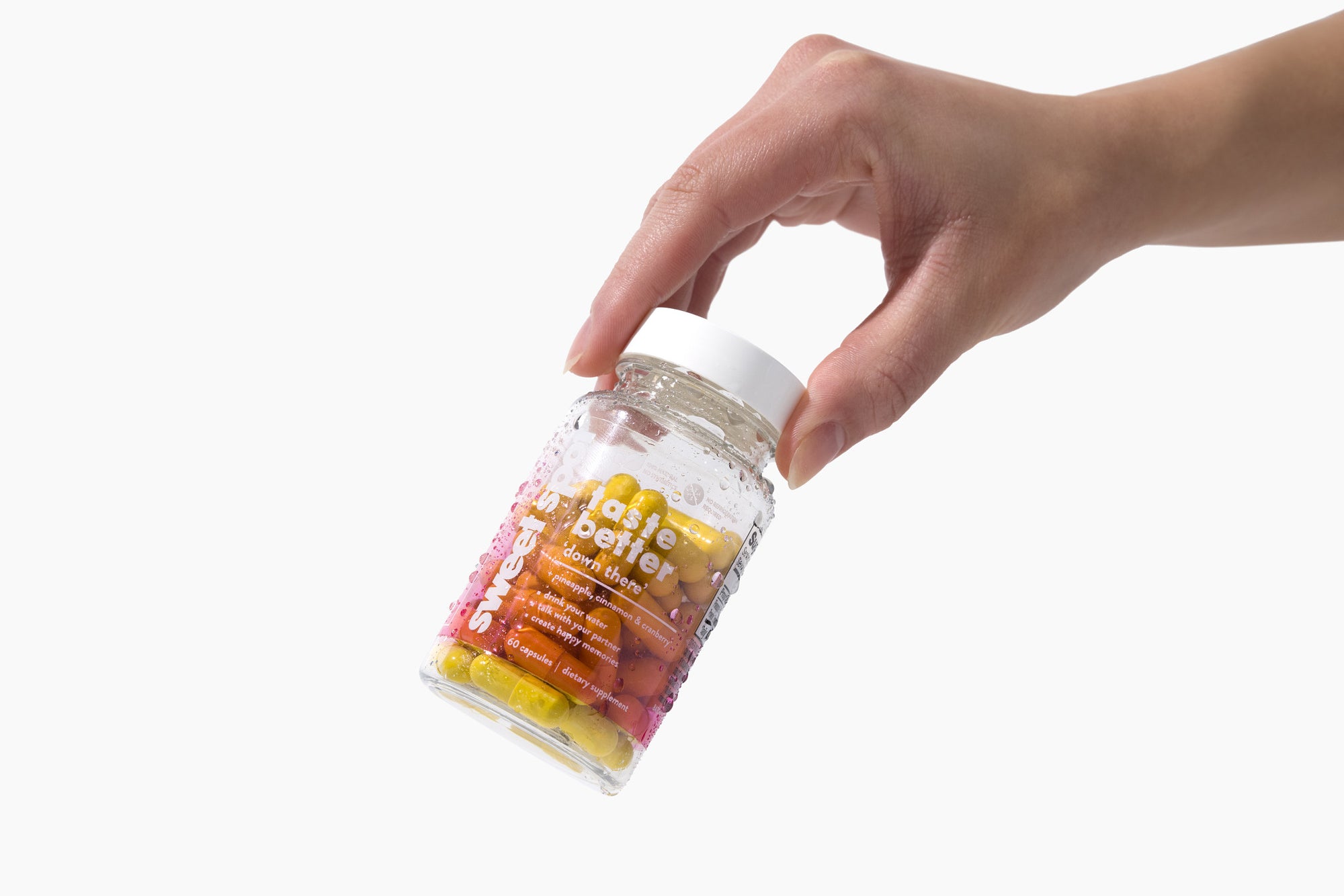
If you want a freshness routine beside real food, Women's Sweet Spot is pineapple extract plus a probiotic blend for intimate pH support and natural freshness. The page says two capsules a day with water, no artificial flavors or fillers, made in the USA. It is not a vitamin C pill, and it is not a treatment for a urinary or vaginal infection. Capsule pages offer a one-time purchase and automatic monthly delivery. The price, and any cancellation terms, are on that page. This article does not promise a refund or a pause button. You can also shop the full collection.
Frequently Asked Questions
Is vitamin C vaginal health a reason to use a tablet internally?
No. Clinic research on vaginal vitamin C is supervised and uses products meant for that setting. It is not a home protocol. Do not place an oral tablet, a powder, or a food in the vagina. Swallow vitamin C or eat it, and take vaginal symptoms to a clinician instead of improvising a route.
Will extra vitamin C stop a urinary infection from returning?
Evidence for that hope is weak, and studies do not agree. Vitamin C is not a treatment for a urinary infection that is already underway. Burning, fever, or blood in the urine needs care. Water is fine if you are thirsty. A megadose is not a quieter form of medicine.
Which foods matter most for everyday vitamin C?
Peppers, citrus, strawberries, and broccoli are easy examples, and many other fruits and vegetables contribute. You do not need a perfect daily score. A week that includes produce is enough for most people. Food is not a treatment for bacterial vaginosis, yeast, or bladder symptoms that worry you.
Can I take vitamin C with a freshness capsule?
You can eat vitamin C foods regardless. A freshness capsule is a different product and is not a vitamin C pill. Do not expect the combination to change pH or odor on a schedule. If you are pregnant, ask your obstetric clinician before any new supplement, including ones that seem familiar and mild.
Does vitamin C help menopausal dryness?
Oral vitamin C is not a treatment for dryness in menopause. That symptom is often tied to lower estrogen and belongs in a clinician conversation. Vitamin C still has ordinary jobs in collagen and immunity. Those jobs do not replace local care or a hormone discussion your clinician may raise.