

zinc immune intimate health without turning a mineral into a megadose
zinc immune intimate health is a phrase that borrows a real mineral job and aims it at the vagina. Zinc does support immune function and tissue repair. People who are truly low can have trouble with skin, taste, and healing. That general fact does not make zinc a treatment for bacterial vaginosis, yeast, or odor. Oysters, beef, pumpkin seeds, and lentils already feed many eaters. More is not better. Over a long stretch, high zinc intake can interfere with copper, and this page will not offer a target amount.
Quick Answer
Quick Answer: zinc immune intimate health marketing overreaches a useful mineral. Immune cells and wound healing need zinc. Vaginal infections need a diagnosis. Foods such as oysters, beef, pumpkin seeds, and lentils cover a lot of people who eat them. A standard supplement is a clinician decision if your diet is thin or a test says you are low. Long term high intake can interfere with copper. Zinc is not a treatment, and it will not set pH or erase a fishy smell.
1. Immunity here means ordinary defense, not a shield
Zinc is part of how immune cells develop and how skin and mucosa repair a scratch. When someone is deficient, they can get more infections in a general sense, and they can heal slowly. Correcting that deficiency is good medicine. It is not a voucher for taking zinc every time discharge changes. Most people who eat meat or a varied pattern are not severely deficient. People who eat little meat may absorb less zinc from grains and beans, so variety matters. That nuance still does not turn a lozenge into vaginal care. If you get sick often, ask about sleep, iron, and conditions that affect immunity. Do not let zinc be the only question you ask.
2. The foods are specific and a bit uneven
Oysters are unusually rich in zinc. Beef and other meats contribute steadily. Crab and lobster do too. Pumpkin seeds, lentils, chickpeas, and cashews contribute smaller amounts, and they count, especially across a week. Dairy adds some. If you rarely eat any of these, a dietary gap is plausible and worth a conversation. If you eat them often, another capsule is unlikely to be the missing intimate ingredient. Food zinc comes with calories, protein, and the rest of the meal. A pill is only the mineral. Neither version is a treatment for infection. Use food as the default, and use a supplement when a clinician sees a reason, not when a label says feminine immunity.
3. More zinc is not a stronger immune plan
Immune function has a range. Below the range, you have a problem. Above it, you do not get a bonus vagina. High zinc intakes over weeks to months can cause nausea, stomach cramps, and a metallic taste, and they can block copper absorption. Copper deficiency is a real clinical problem, with anemia and nerve injury in serious cases. That is why casual megadoses, especially from several cold products plus a multi plus an intimate blend, are a bad hobby. This page will not tell you a number to stay under. It will tell you to stop stacking. If a product suggests many tablets a day, read the serving before you call it gentle.
4. Intimate labels borrowed a general mineral
Look at why zinc landed in this search. Tissue repair sounds close to vaginal tissue, so copywriters moved it. The vagina is mucosa, and mucosa needs the nutrients you are actually missing. It does not need a story. Zinc will not distinguish yeast from bacterial vaginosis. It will not change a fishy smell by the weekend. It will not replace estrogen for menopausal dryness. Lozenges for a cold are a different product with a different question, and even that question is modest in the research. Do not dissolve a cold lozenge and decide the ritual applies to genitals. Do not place any zinc tablet in the vagina. Swallow what is meant to be swallowed, or do not buy it.
5. Who might actually talk to a clinician about zinc
People with limited diets, some digestive diseases, or a long history of high dose zinc already in the house are the ones who benefit from a deliberate plan. Pregnancy changes mineral needs, and a prenatal may already include zinc, so adding another product needs the obstetric clinician. People who eat little or no meat can ask whether food is enough for their own labs. Athletes who sweat heavily sometimes ask too. The answer is still individual. Bring your full supplement list, because the multi often already contains zinc. One disclosed amount is safer than three products that each look small.
6. Foods that carry zinc without a protocol
Oysters and other shellfish. Oysters are a concentrated food source of zinc, and a serving is still a meal, not a treatment for vaginal infections, odor, or a pH number from a strip.
Beef and other meats. Beef contributes zinc in ordinary portions for people who eat it, and it does not replace an exam when discharge, itching, or pelvic pain is the real issue.
Pumpkin seeds and cashews. Seeds and cashews add smaller amounts across snacks, which helps a varied week, and they are not a megadose you can use to push immunity higher.
Lentils and chickpeas. Legumes contribute zinc with fiber and protein, especially in meals you eat often, and they remain food rather than a copper safe excuse to supplement heavily.
7. Choosing zinc without crowding copper
Choose a zinc supplement only if the diet is narrow or a clinician asks. Read every product you already take so you are not adding zinc on top of zinc. Avoid intimate blends that include a token mineral and a large promise. Short courses for a cold, if you use them, should not become a standing habit beside a daily multi. If the label will not say the amount clearly, choose a different label. Copper belongs in the conversation once zinc is long term.
8. Pairings that keep the mineral honest
Pair oysters or meat with the rest of your week, not with a symptom diary you meant to take to a clinic. If you supplement zinc for months, ask whether copper intake is adequate rather than adding a second zinc bottle. Do not pair zinc with a vaginal tablet experiment. Do not pair it with pregnancy unless the obstetric clinician has checked it against your prenatal. Food first still works for most people who eat the foods above more than a few times a month.
9. When to Talk to Your Doctor
See a clinician for fishy odor with thin discharge, itching, burning, pelvic pain, fever, bleeding, or pain when you pee. Also ask about zinc if you have a limited diet plus slow healing, taste changes, or a pile of mineral bottles. In pregnancy, no new zinc supplement unless the obstetric clinician agrees. This page is not medical advice. Zinc is not a treatment for infection, and more of it is not a safer plan.
A mineral with a ceiling
Zinc supports immune work and tissue repair when you are actually short. Oysters, beef, pumpkin seeds, and lentils cover many people. Long term high intake can interfere with copper. Leave vaginal infections to a clinician, and do not shop zinc as if it were intimate medicine.
Keep reading on JuicyVibes: vitamins for vaginal health.
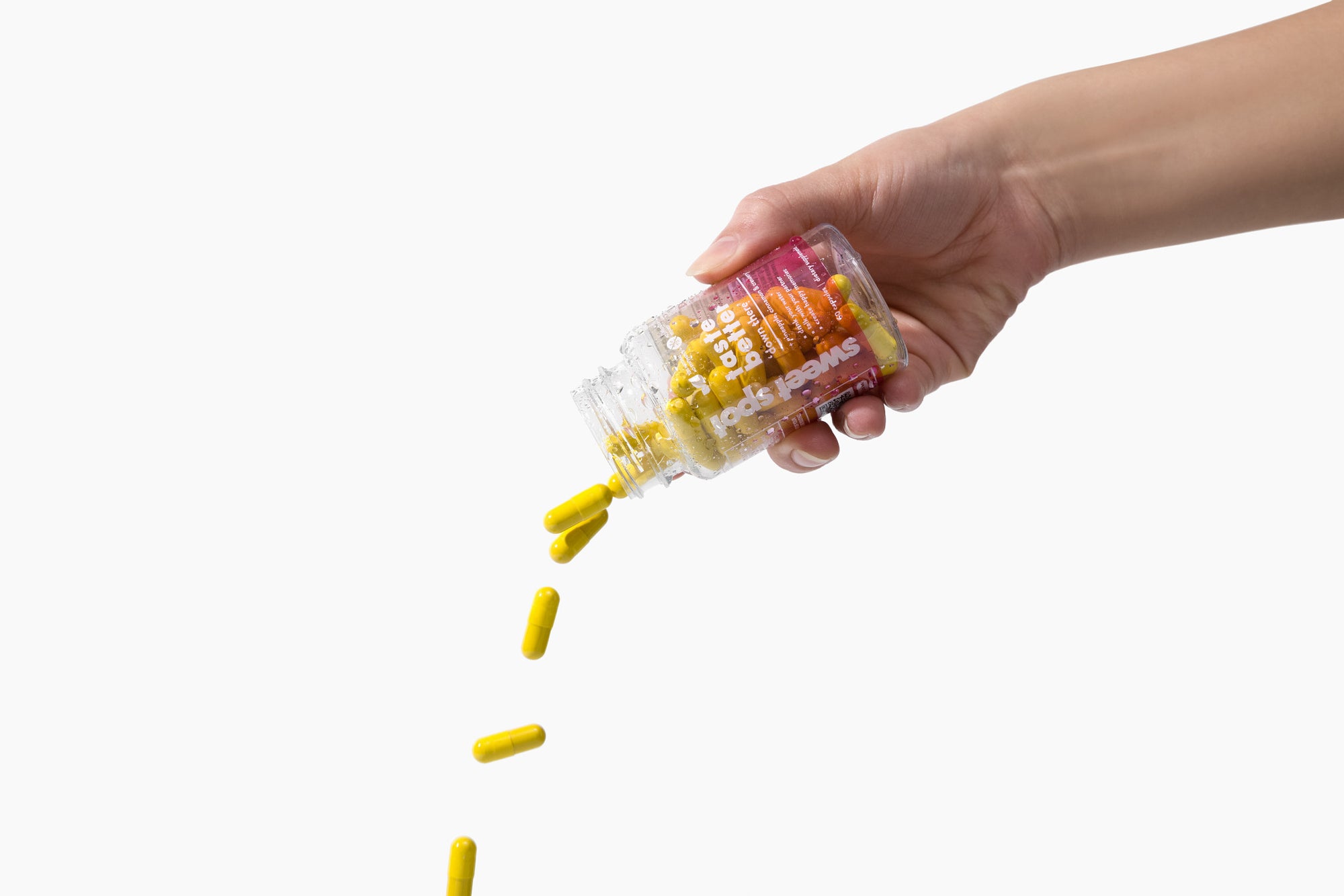
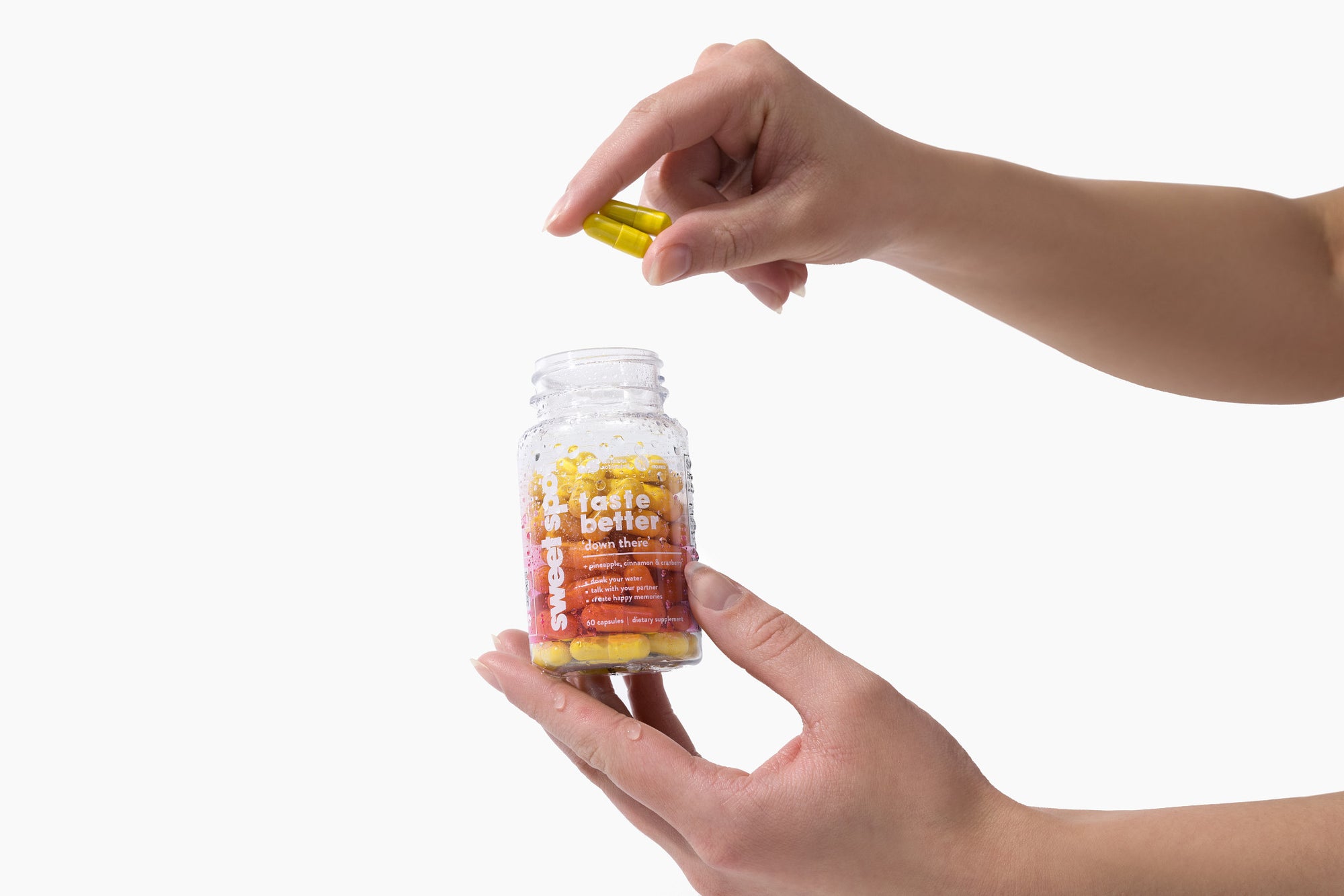
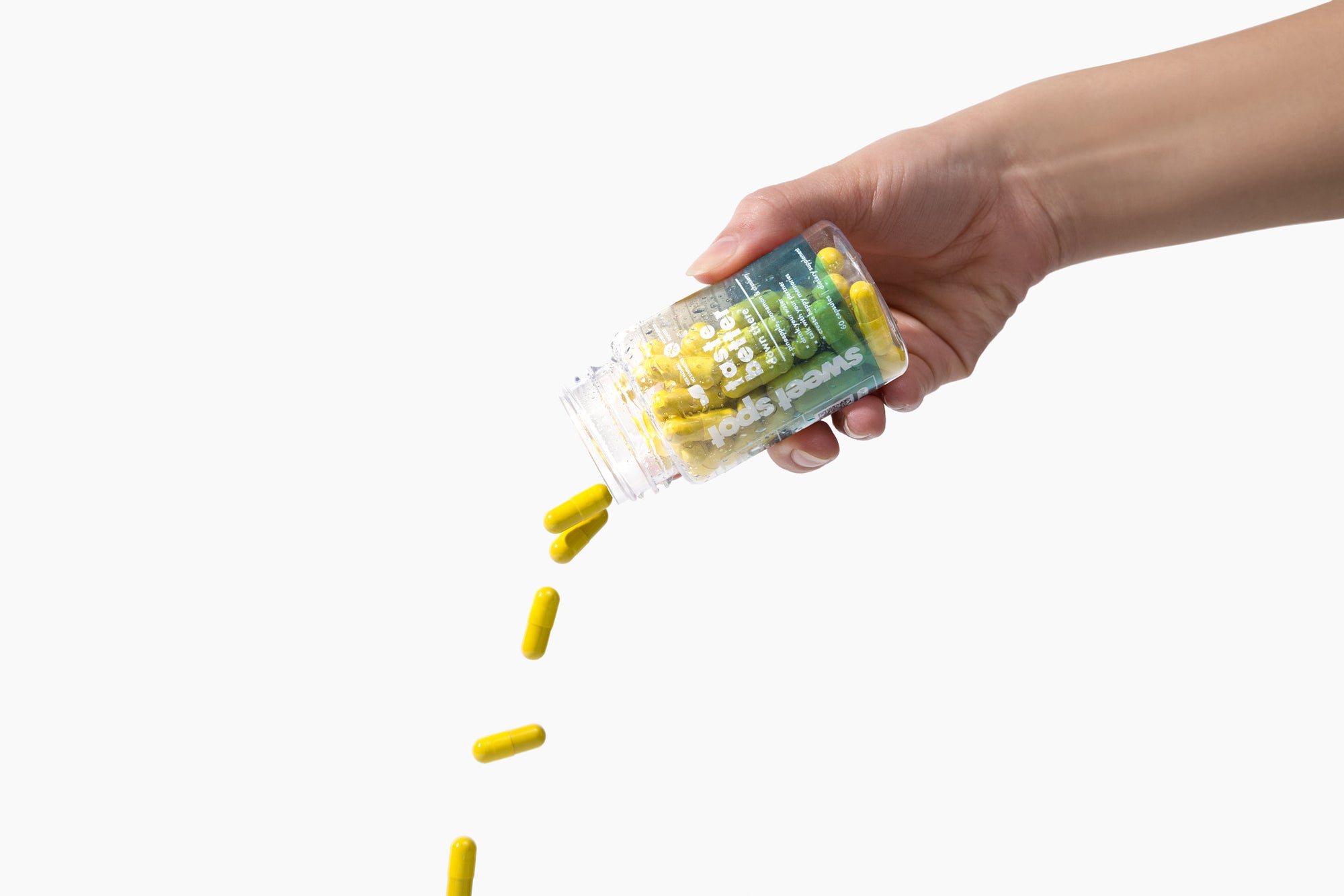
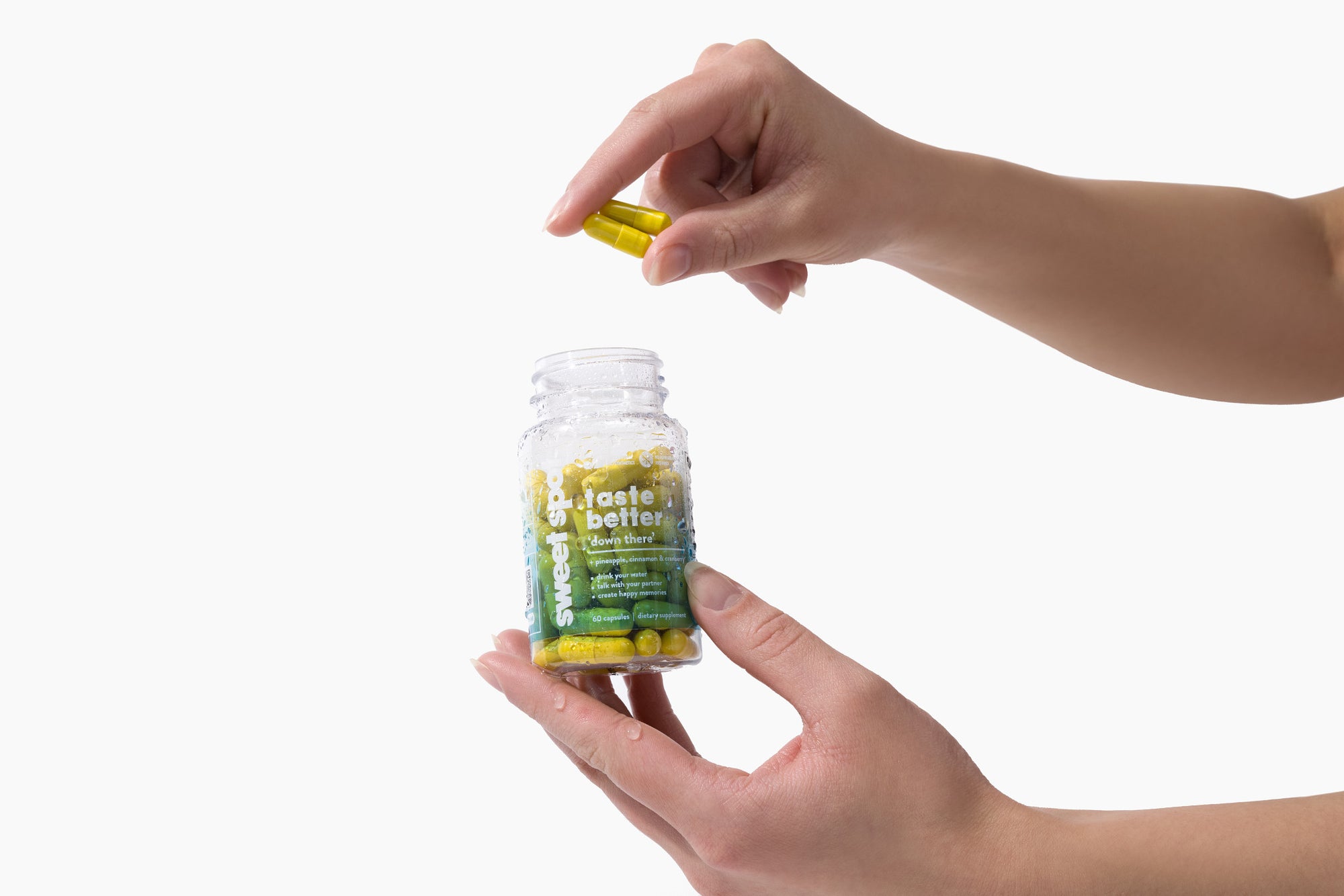
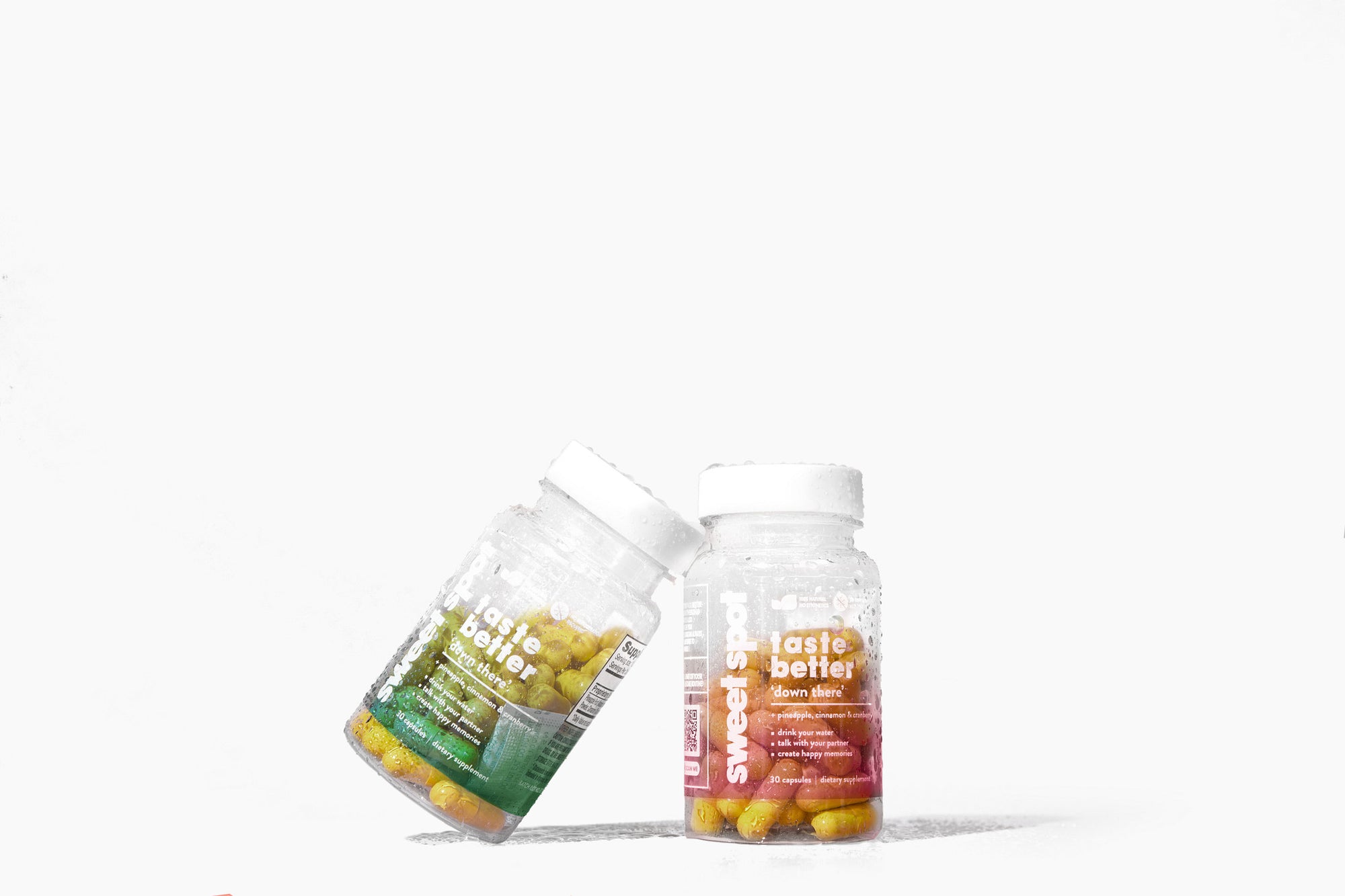
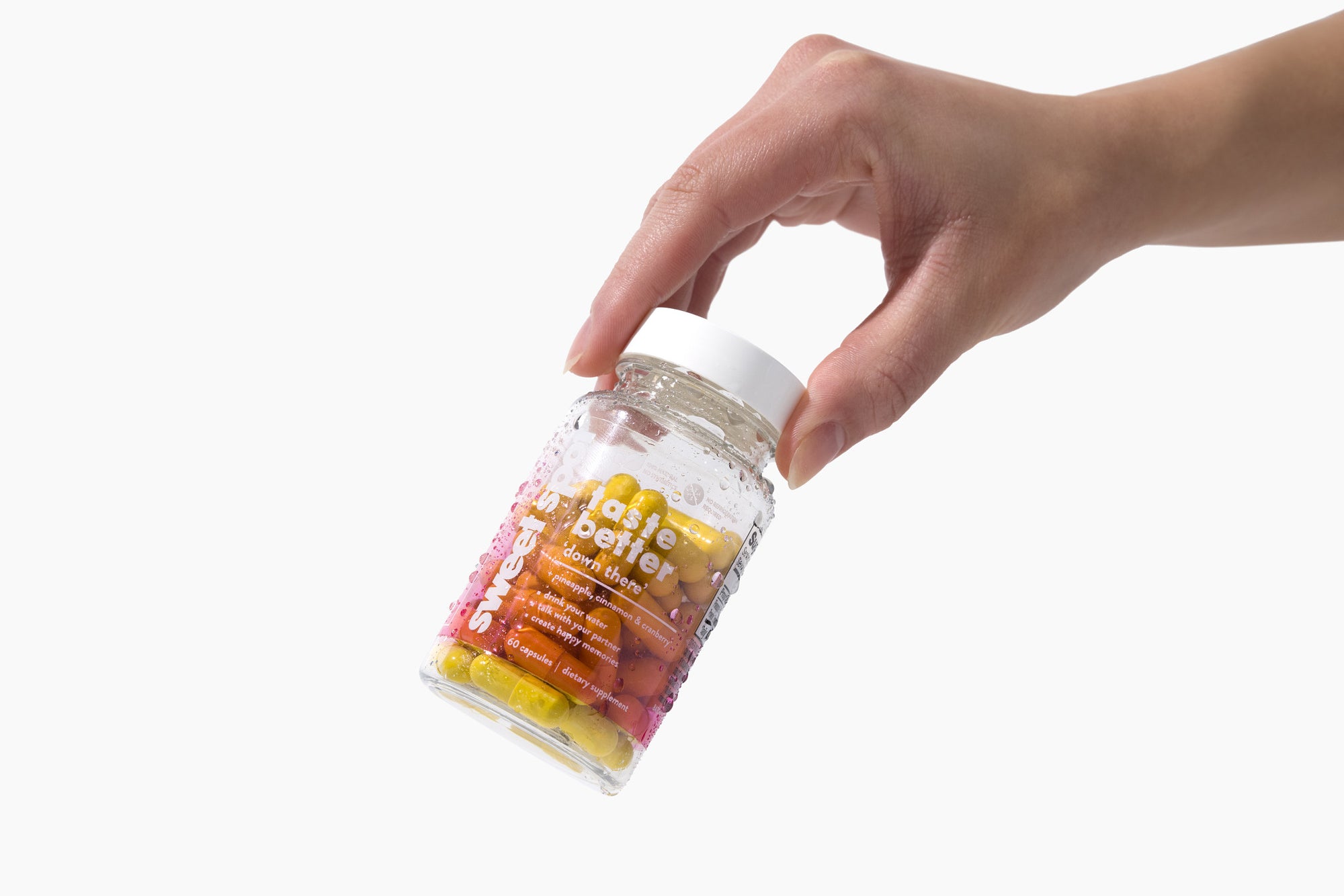
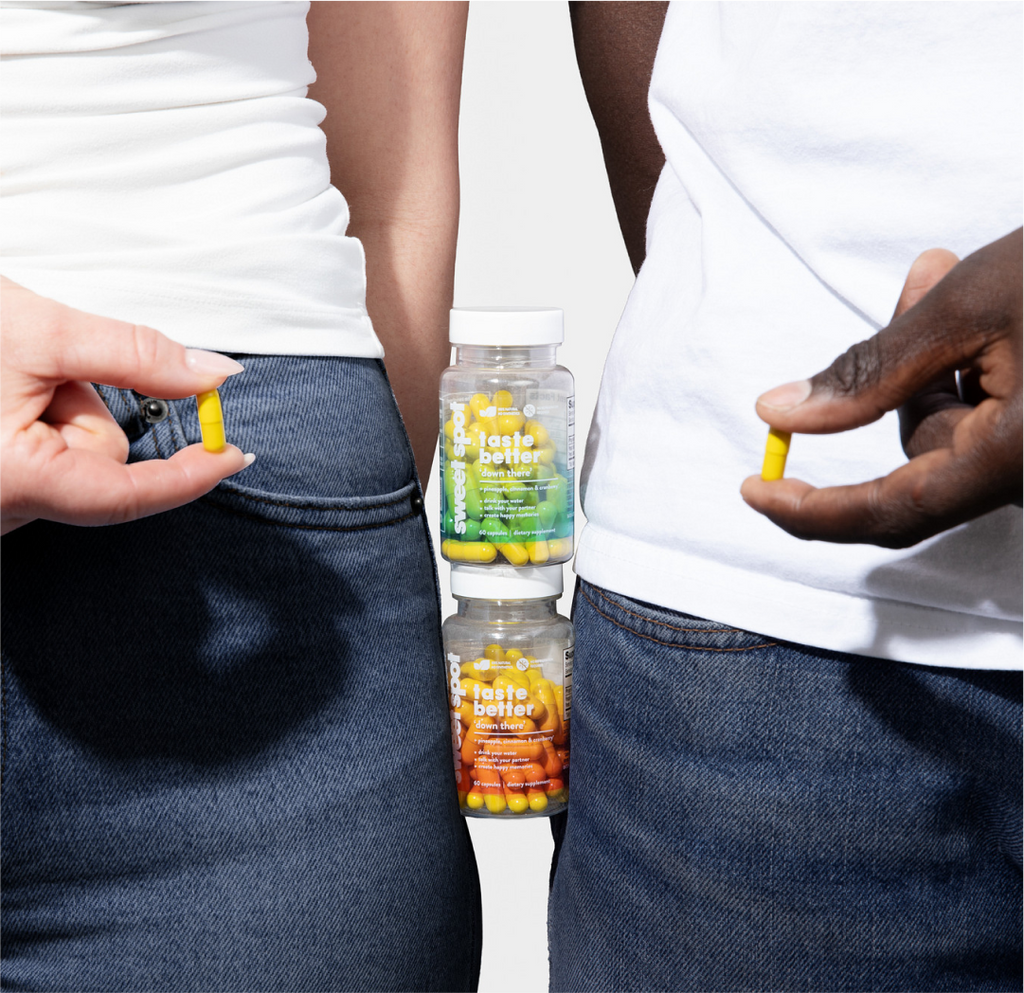
If you want a freshness routine beside real food, Women's Sweet Spot is pineapple extract plus a probiotic blend for intimate pH support and natural freshness. The page says two capsules a day with water, no artificial flavors or fillers, made in the USA. It is not a zinc supplement, and it is not a treatment for infections or for immune problems. Capsule pages offer a one-time purchase and automatic monthly delivery. The price, and any cancellation terms, are on that page. This article does not promise a refund or a pause button. You can also shop the full collection.
Frequently Asked Questions
Does zinc immune intimate health research make zinc a medical answer?
No. Zinc is not a treatment for bacterial vaginosis, yeast, or a urinary infection. It supports immune cells and tissue repair in a general way, especially if you are low. Those facts do not diagnose discharge. See a clinician for odor, itching, or pain, and keep the mineral in a nutrition conversation.
Which foods are the practical sources?
Oysters are the richest common food. Beef, crab, pumpkin seeds, lentils, and chickpeas contribute too. People who rarely eat any of them can ask a clinician whether food can change or whether a standard supplement makes sense. This page will not set an amount, because more is not automatically better.
Can high zinc intake cause a new problem?
Yes. Over time, high intake can interfere with copper absorption, and serious copper deficiency can affect blood and nerves. Nausea and stomach pain can show up earlier. Stop stacking cold products, multis, and intimate blends that all contain zinc. Bring the bottles to a visit instead of adding one more.
Should I use zinc lozenges for vaginal odor?
No. Lozenges are aimed at a different question, and the evidence there is modest. They are not a treatment for vaginal odor. Do not use them in or on genital tissue. Fishy smell with thin discharge needs an exam. A mineral will not scrub that pattern while you wait.
Is zinc safe to add in pregnancy for immunity?
Do not add a zinc supplement in pregnancy unless your obstetric clinician agrees. A prenatal may already include it. Immunity in pregnancy is not a home dosing project. Report fever, burning when you pee, odor, or bleeding. Those symptoms outrank a new mineral bottle every time.